Top 6 Natural Monuments around Lago di Bolsena
Best natural monuments around Lago di Bolsena showcase Europe's largest volcanic lake, a significant natural treasure in central Italy's Lazio region. Formed over 300,000 years ago from the collapse of the Vulsini volcanic complex, the area features unique geological formations and pristine waters. The lake's almost circular shape and black volcanic sand beaches are characteristic of its volcanic origin. This region offers a blend of geological wonders and rich biodiversity, making it a key destination for exploring natural features.
Best…
Last updated: June 27, 2026
Lake Bolsena
Highlight • Lake
Translated by Google •
Tip by

Lake Bolsena
Highlight • Lake
Translated by Google •
Tip by

Sign up now to discover places like this
Get recommendations on the best single tracks, peaks, & plenty of other exciting outdoor places.
Sign up for free
Etruscan Necropolis of Centocamere
Highlight • Historical Site
Translated by Google •
Tip by

View of Bisentina Island, Lake Bolsena
Highlight • Viewpoint
Translated by Google •
Tip by

Lake Bolsena
Highlight • Lake
Translated by Google •
Tip by

Start today with a free account
Your next adventure awaits.
Login or Signup
Popular around Lago di Bolsena
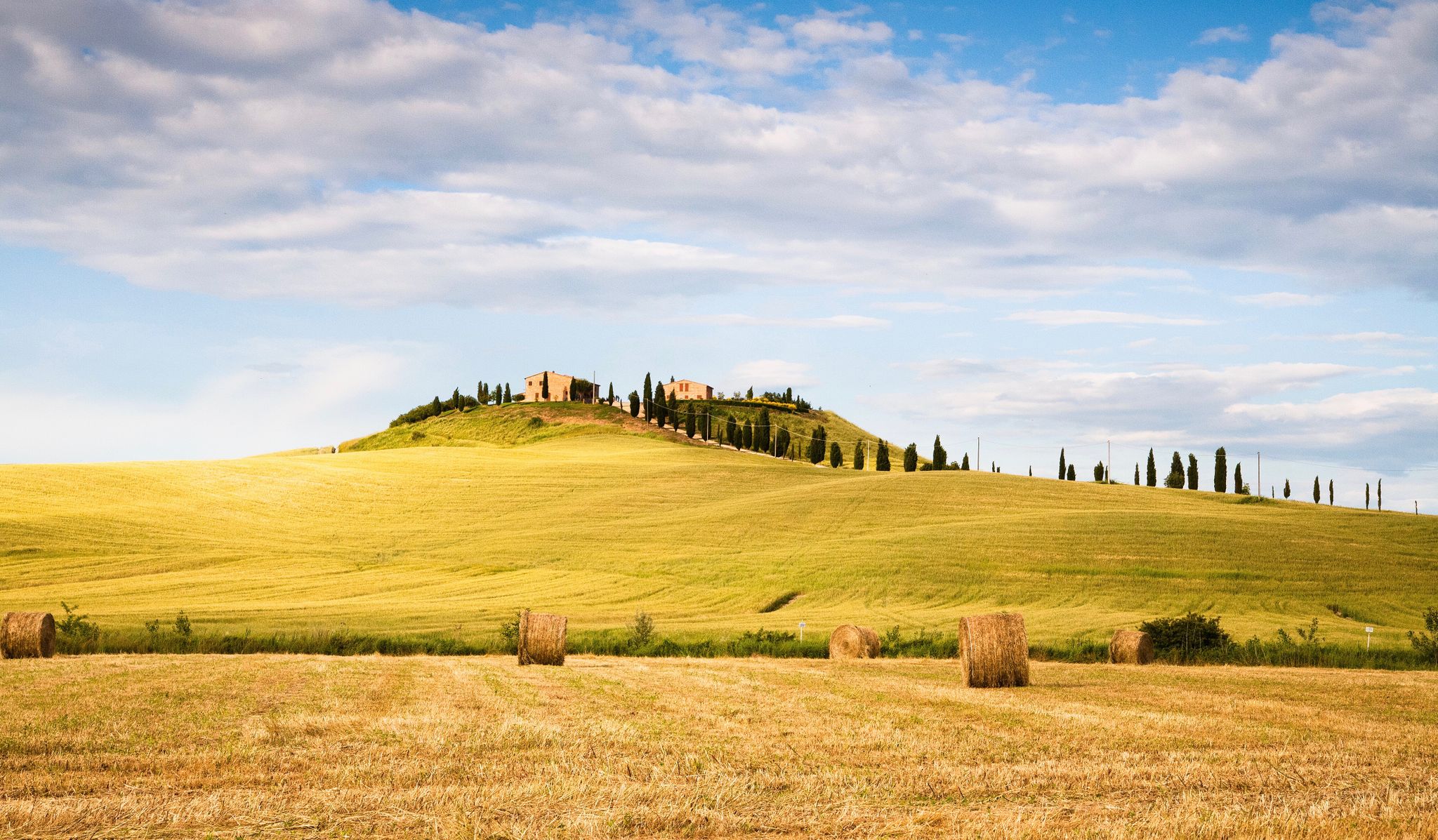
Via Francigena South — Siena to Rome
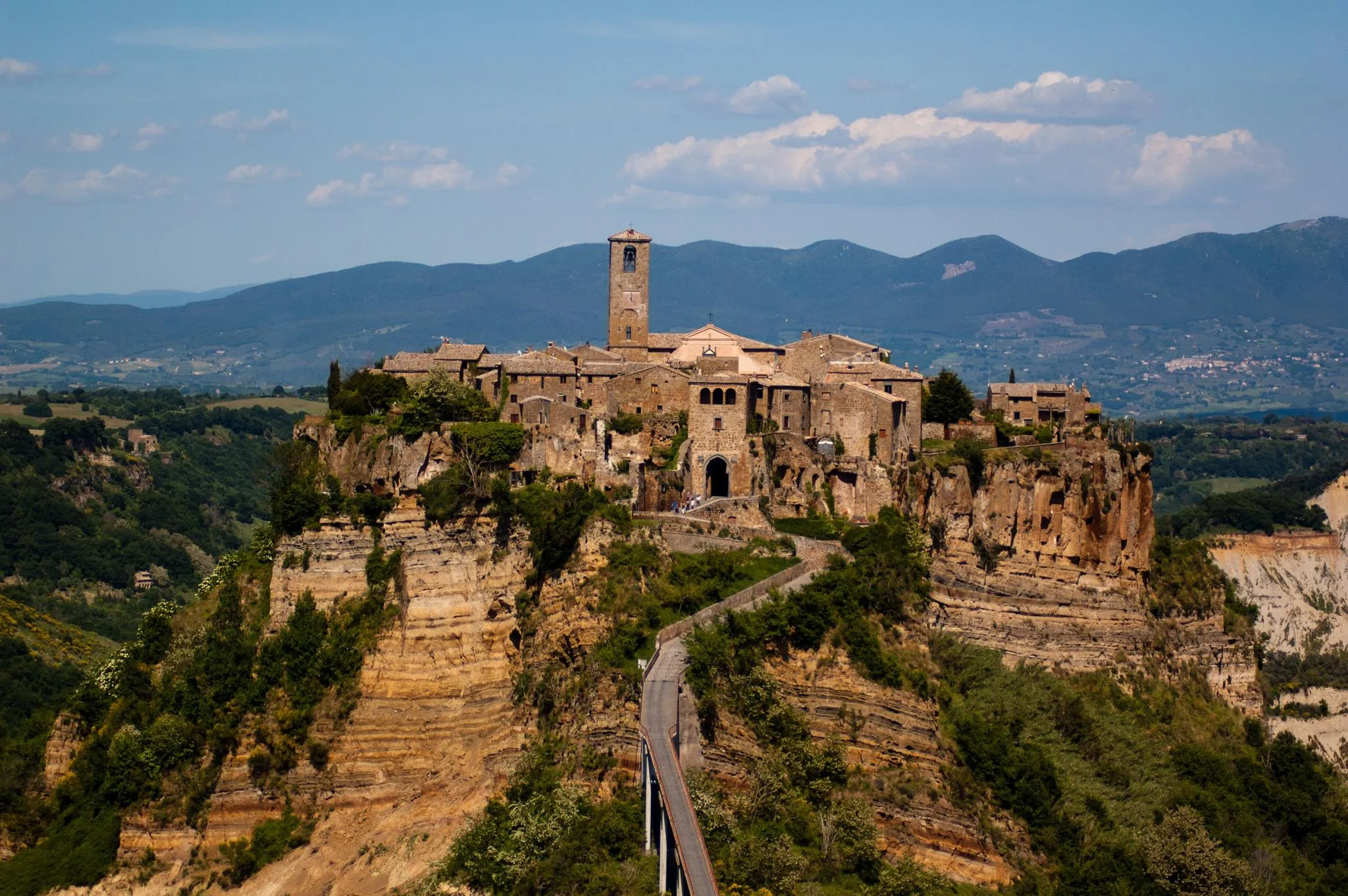
Lazio by bike – suspended villages, turquoise waters and natural parks
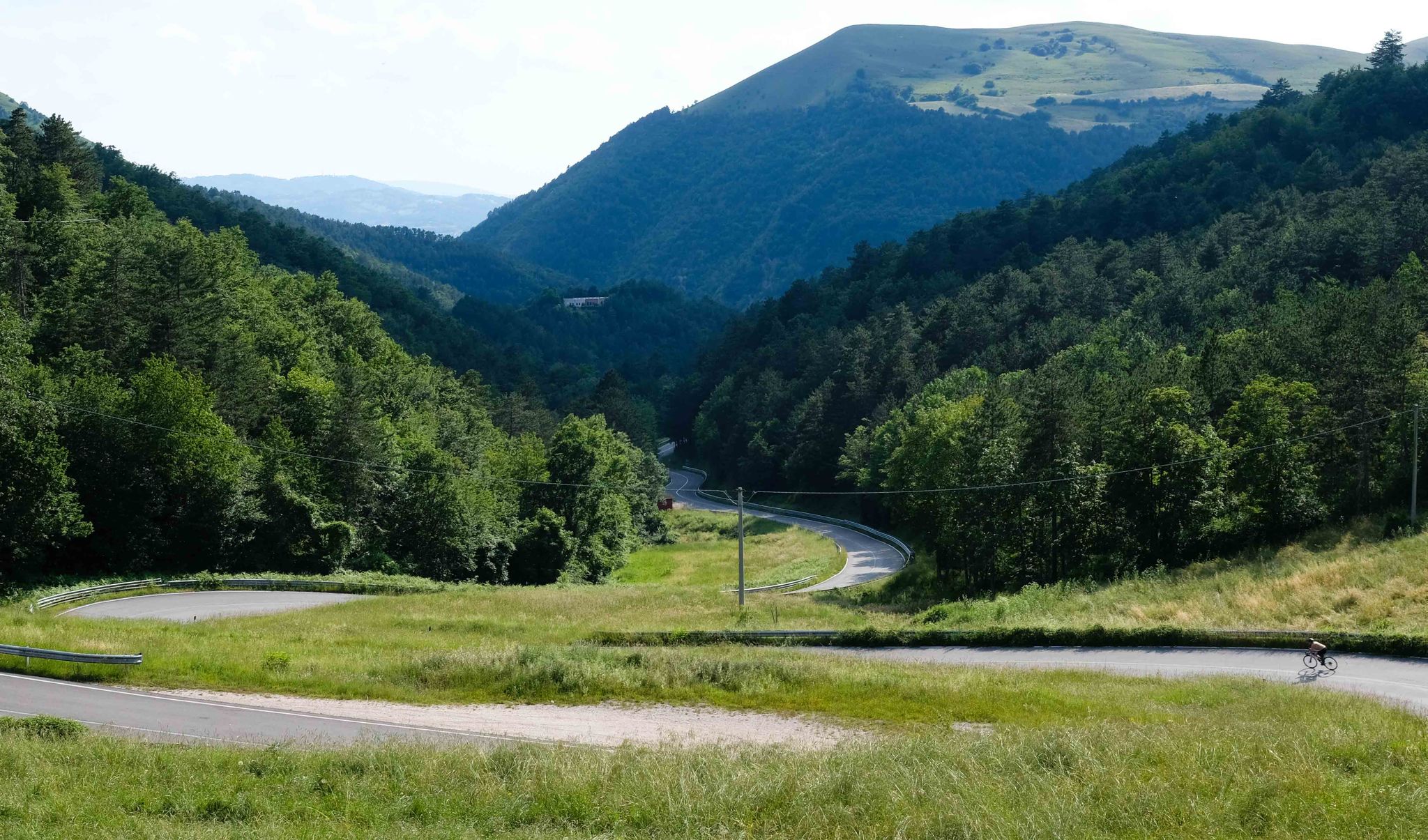
Italy’s Coast to Coast – pedalling from the Adriatic to Tyrrhenian Sea
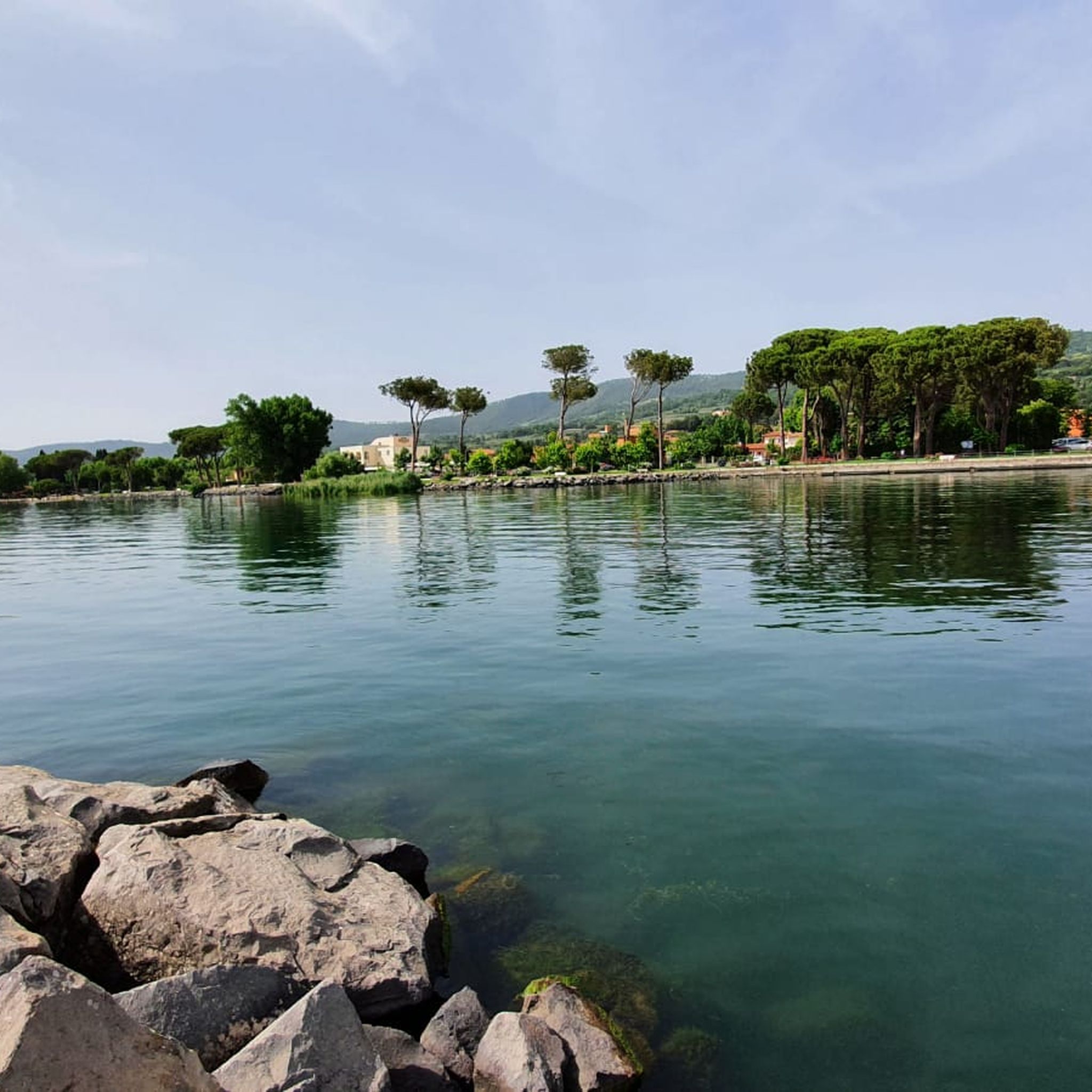
Cycling around Lago di Bolsena
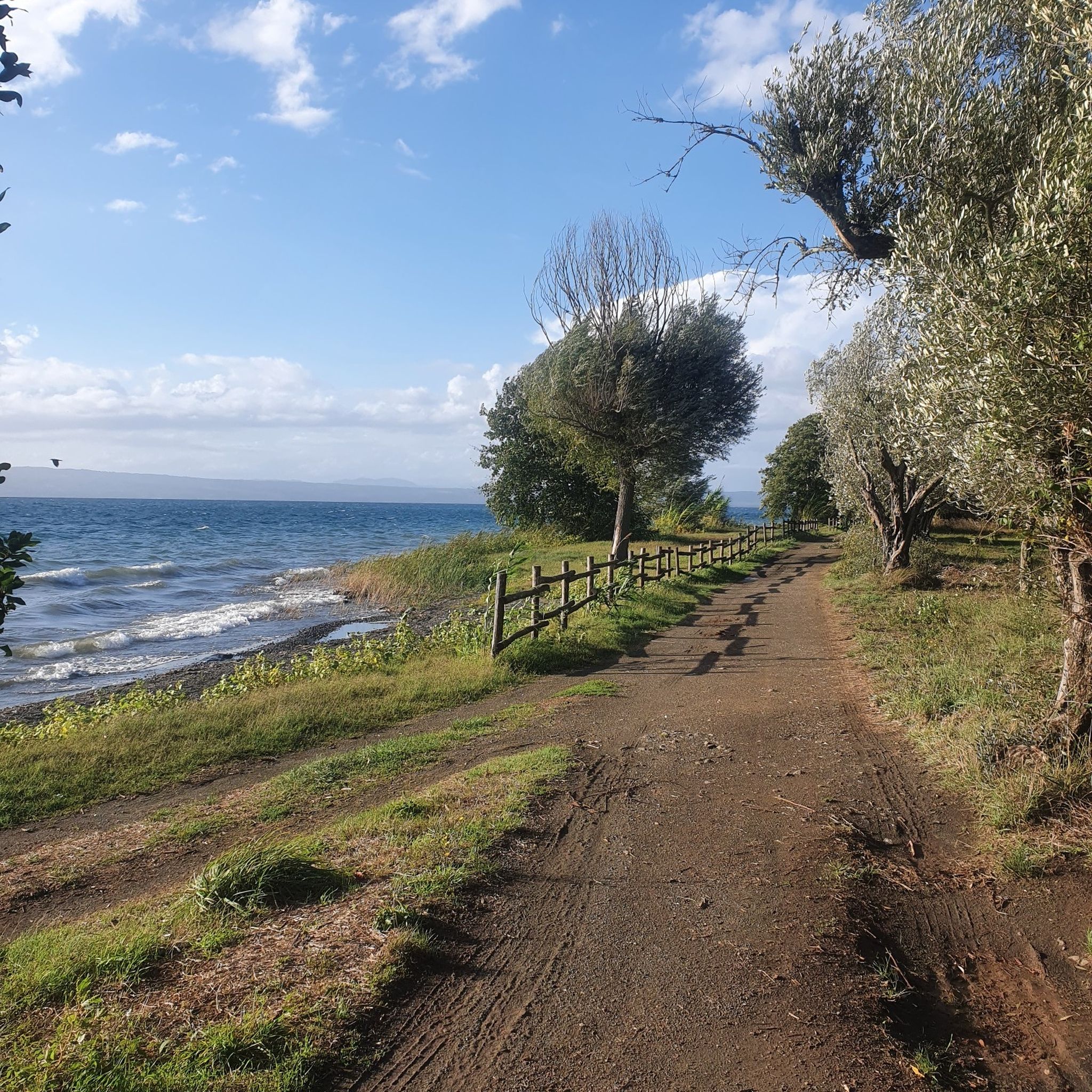
MTB Trails around Lago di Bolsena

Road Cycling Routes around Lago di Bolsena
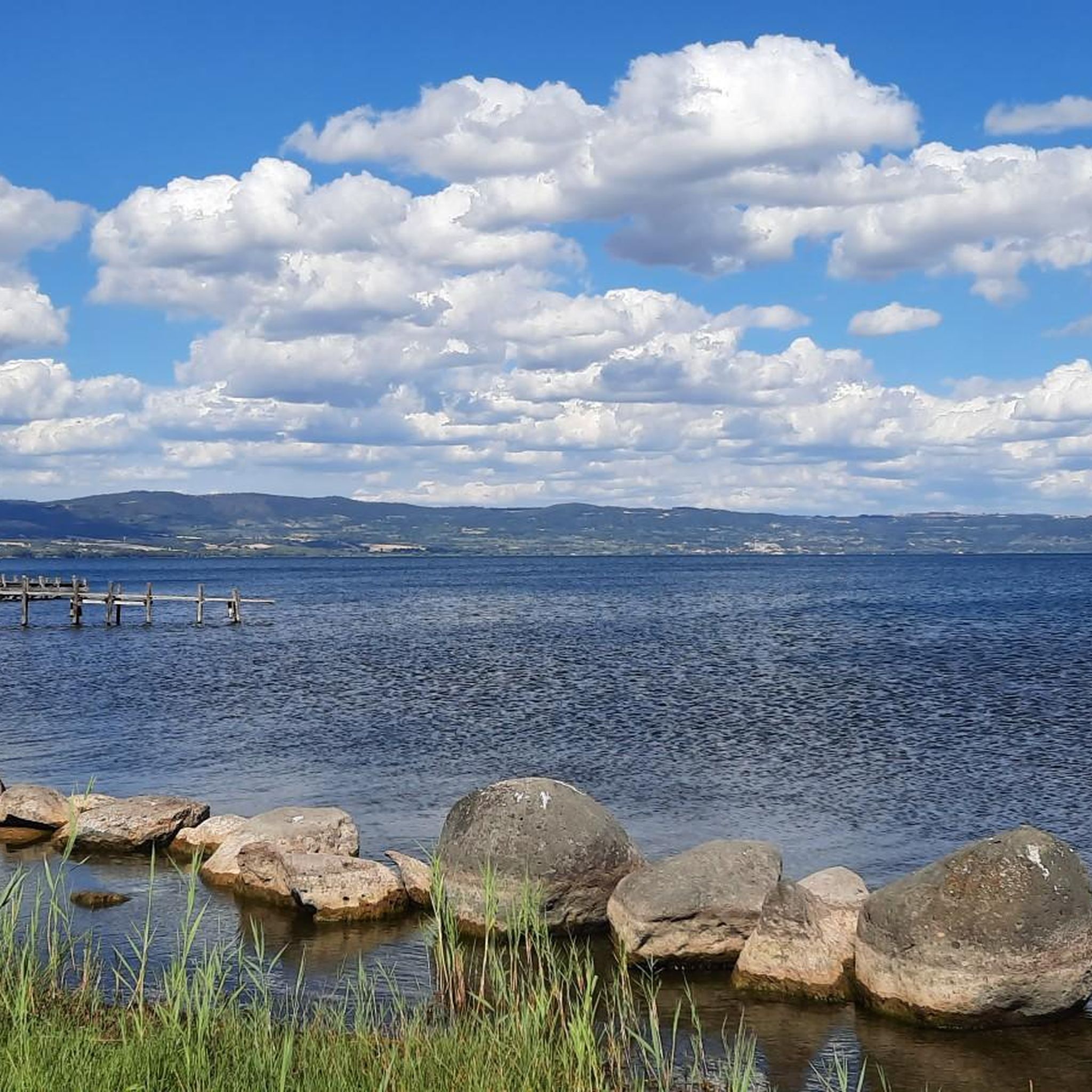
Running Trails around Lago di Bolsena

Hiking around Lago di Bolsena

Gravel biking around Lago di Bolsena
Other adventures around Lago di Bolsena


Tips from the Community

Lake Bolsena is a large volcanic lake in central Italy, about 90 km north of Rome in the province of Viterbo, Lazio. It is a popular tourist destination, known for its natural beauty, clear waters, and relaxed atmosphere. The lake was formed by the collapse of a caldera of the Vulsini volcano. This geological history contributes to its black volcanic beaches, some of which are black in color. Lake Bolsena is known for its clean, spring-fed waters, which are excellent for swimming. The shores often slope gently, making it suitable for families with children. The lake has two islands, Bisentina and Martana, formed by underwater eruptions. Public access to the islands may be limited, but boat tours often offer views of them.
0
0

Lago di Bolsena is the largest volcanic lake (crater lake) in Europe. The lake lies in the previously volcanically active zone of the so-called Apparato Vulsinio. It fills a caldera that was formed by the collapse of underground magma chambers following powerful, explosive volcanic eruptions, an estimated 300,000 years ago
2
1

Class view over the lake on the promenade; Access to the port with excursion boats, beach - well... nice promenade for strolling.
0
0

Lake of volcanic origin, nestled at the foot of the Cimini Mountains. It is possible to bathe in its waters. In a few minutes you reach the beautiful historic center of Ronciglione which is the closest town
0
0

Beautiful beach promenade in Bolsena with a number of bars and restaurants right on the lake shore.
0
0
Manageable, small port with a few bars and restaurants in the immediate vicinity.
0
0

Lake Bolsena is located in Lazio, it is the fifth largest lake in Italy and is also the largest lake of volcanic origin in Europe. The main caldera, which has taken on the characteristic elliptical shape typical of lakes of volcanic origin, is set in the mountainous-hilly group of the Volsini Mountains. The formation of Lake Bolsena was very turbulent. The volcanic system of the Volsini, following the eruptions, emptied of magmatic material and ended up collapsing on itself creating a large caldera which over the years was filled with water. it is largely powered by rainwater. The only emissary is the Marta stream which flows into the Tyrrhenian Sea. Two islands emerge within Lake Bolsena: Bisentina Island and Martana Island.
1
0

The necropolis of "Centocamere" (Casale Centocamere) owes its evocative name to the presence of numerous tombs connected to each other by an intricate system of holes and tunnels opened in the walls of the burial chambers by illegal immigrants to pass more easily from one to another. other funerary structure. The whole hill of Centocamere is, in fact, affected by the presence of funerary structures dug into the tufa rock, which appear to be arranged on at least three orders, for a total of over fifty tombs with multiple depositions.
1
0
Frequently Asked Questions
What unique natural features can I explore around Lago di Bolsena?
The Lago di Bolsena region, formed by ancient volcanic activity, offers diverse natural features. You can explore the expansive Lake Bolsena itself, known for its clear waters and black volcanic sand beaches. The lake also features two islands, Bisentina and Martana, which are visible from viewpoints like View of Bisentina Island, Lake Bolsena. Additionally, geological formations like the 'Thrown Stones' (Pietre Lanciate), basaltic rock prisms, showcase the region's volcanic past.
When is the best time to visit the natural monuments around Lago di Bolsena?
The natural monuments around Lago di Bolsena can be enjoyed throughout much of the year. For swimming and water activities in Lake Bolsena, the warmer months from late spring to early autumn are ideal. Spring and autumn offer pleasant temperatures for hiking and exploring the geological sites without the peak summer heat. The region's beauty, including its diverse avian species, can be appreciated across seasons.
Are there family-friendly natural monuments to visit around Lago di Bolsena?
Yes, several natural monuments around Lago di Bolsena are suitable for families. Lake Bolsena itself is very family-friendly, offering opportunities for swimming and relaxing on its volcanic sand beaches. Viewpoints like View of Lake Bolsena and View of Bisentina Island, Lake Bolsena provide scenic spots that are easily accessible for all ages.
What outdoor activities and trails are available near the natural monuments of Lago di Bolsena?
The area around Lago di Bolsena offers various outdoor activities. You can find numerous hiking trails, such as those mentioned in the Hiking around Lago di Bolsena guide, including easy loops like the "View of Isola Martana – Rocca Farnese of Capodimonte loop from Capodimonte." There are also options for gravel biking and road cycling, with routes like the "Marta – Tuscania loop from Capodimonte" available in the Gravel biking around Lago di Bolsena guide and Road Cycling Routes around Lago di Bolsena guide.
Do any natural monuments around Lago di Bolsena have historical significance?
Yes, some natural monuments in the region are intertwined with history. Bisentina Island, one of the two islands in Lake Bolsena, features historical structures like the Church of Santi Giacomo and Cristoforo del Vignola and the Malta dei Papi, an ancient prison. Martana Island is steeped in legend, notably as the alleged site of the Gothic Queen Amalasuntha's imprisonment and murder. Additionally, the Etruscan Necropolis of Centocamere, while a historical site, is carved into the tufa rock, showcasing a blend of human history and natural geology.
Are there opportunities for swimming near the natural monuments of Lago di Bolsena?
Absolutely. Lake Bolsena is renowned for its crystal-clear, unpolluted waters, making it an excellent spot for swimming. Many areas along the lake's shores offer free access to its black volcanic sand beaches, inviting visitors to swim and relax. The lake is fed by underground springs and rainfall, ensuring its pristine condition.
What geological features characterize the natural monuments of Lago di Bolsena?
The natural monuments of Lago di Bolsena are defined by their volcanic origins. The lake itself is Europe's largest volcanic lake, formed from the collapse of the Vulsini volcanic complex. This history is evident in its almost circular shape and the black volcanic sand beaches. Unique geological formations like the 'Thrown Stones' (Pietre Lanciate), which are prisms of basaltic rock, provide a direct glimpse into the region's volcanic past and the rapid cooling of magma.
What do visitors particularly enjoy about the natural monuments around Lago di Bolsena?
Visitors frequently praise the serene environment and scenic views, especially from elevated points overlooking Lake Bolsena. The crystal-clear waters are a major draw for swimming and water sports. Many also appreciate the tranquility and the opportunity to connect with nature, as well as the unique geological insights offered by the volcanic landscape and its islands.
Can I bring my dog to the natural monuments and trails around Lago di Bolsena?
While specific rules for each site may vary, generally, the natural areas and many trails around Lago di Bolsena are dog-friendly. When visiting Lake Bolsena and its surrounding paths, it's advisable to keep dogs on a leash and ensure you clean up after them. Always check local signage for any restrictions, especially in protected areas or on private property.
Are there any lesser-known natural gems to discover around Lago di Bolsena?
Beyond the main attractions, the region holds several hidden gems. The 'Thrown Stones' (Pietre Lanciate) are a unique geological formation offering a direct insight into the volcanic forces that shaped the area. Exploring the less frequented shores of Lake Bolsena or venturing onto some of the quieter hiking trails can reveal secluded spots and unexpected natural beauty, away from the more popular viewpoints.
How can I reach the natural monuments around Lago di Bolsena by public transport?
Public transport options to reach the natural monuments around Lago di Bolsena are available, though they might require some planning. Buses connect the main towns around the lake, such as Bolsena, Capodimonte, and Marta, which serve as access points to the lake and its viewpoints. For specific schedules and routes, it's recommended to check local bus services. Access to the islands typically requires boat excursions from towns like Capodimonte.
What should I wear when visiting the natural monuments around Lago di Bolsena, especially in different seasons?
For spring and autumn visits, layers are recommended as temperatures can vary. Comfortable walking shoes are essential for exploring trails and viewpoints. In summer, light clothing, swimwear for Lake Bolsena, sun protection (hat, sunglasses, sunscreen), and plenty of water are crucial. During winter, warmer clothing, including a waterproof jacket, will be necessary, though many outdoor activities remain enjoyable.
Most popular routes around Lago di Bolsena
Most popular attractions around Lago di Bolsena

Get inspired with the komoot mobile app


Explore more
Extend your search for the best caves by checking out these guides of the top ones around Lago di Bolsena:
