Zaborski Park Krajobrazowy
Zaborski Park Krajobrazowy
Top 12 Natural Monuments around Zaborski Park Krajobrazowy
Best natural monuments around Zaborski Park Krajobrazowy are located within the Tuchola Forest region in northern Poland. This landscape is known for its unique biodiversity and geological heritage, featuring a rich array of natural monuments. The park preserves ancient trees, significant geological formations, and unique plant communities. These natural features offer insight into the region's natural history and ecological value.
Best natural monuments around Zaborski Park Krajobrazowy
- The most popular natural monuments is Lake Karsińskie, a lake that serves…
Last updated: July 10, 2026
Lake Karsińskie
Highlight • Lake
Translated by Google •
Tip by

Stone Circles in Leśno
Highlight • Historical Site
Tip by

Sign up now to discover places like this
Get recommendations on the best single tracks, peaks, & plenty of other exciting outdoor places.
Sign up for free
Bartuś Oak
Highlight • Natural Monument
Translated by Google •
Tip by

Viewpoint Over Lake Charzykowskie
Highlight • Viewpoint
Translated by Google •
Tip by
Along Lake Jeleń
Highlight (Segment) • Lake
Translated by Google •
Tip by

Sign up for free to discover even more natural monuments around Zaborski Park Krajobrazowy.
Sign up for free
Already have an account?
Start today with a free account
Your next adventure awaits.
Login or Signup
Popular around Zaborski Park Krajobrazowy
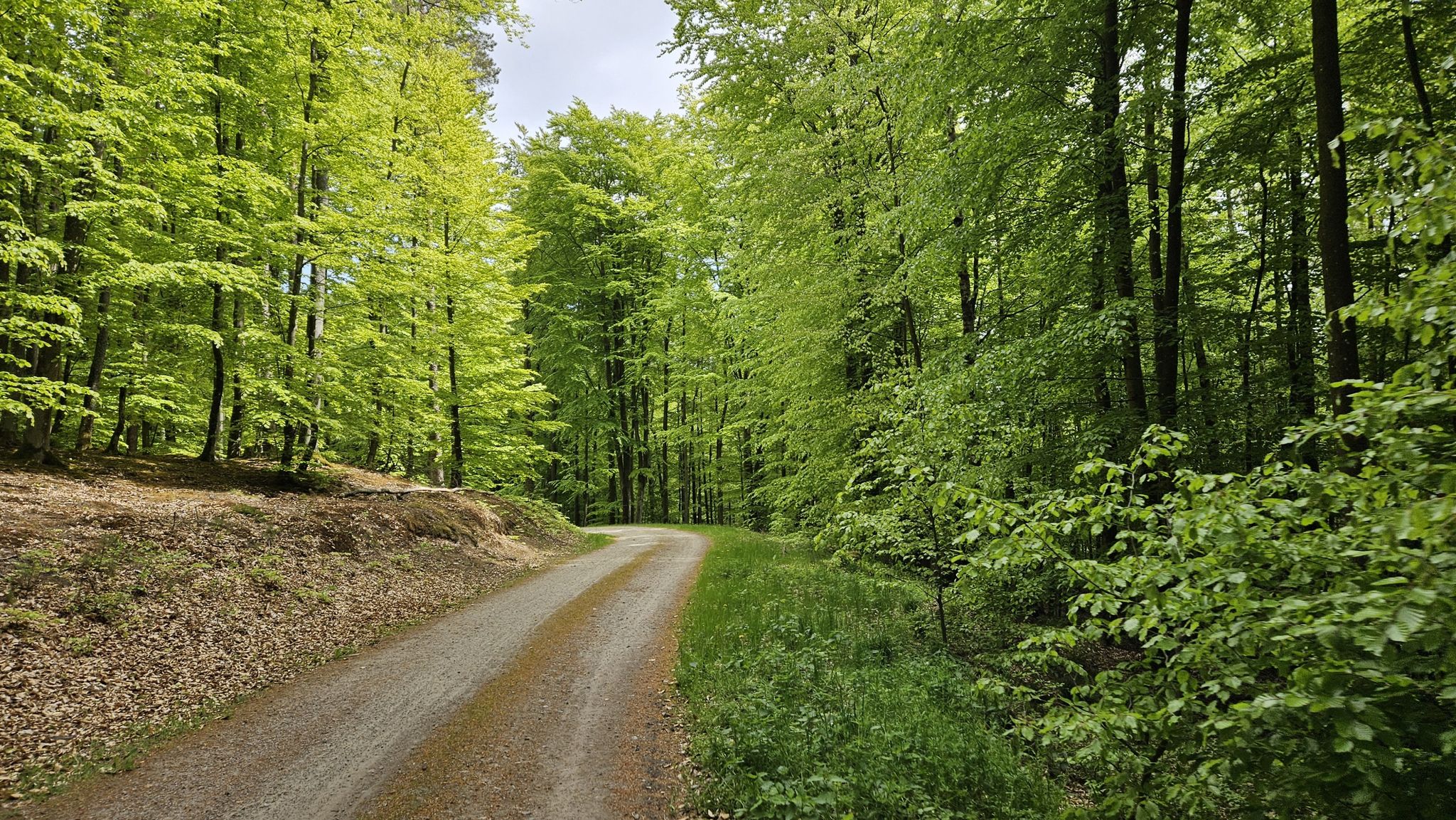
Kashubia, the Baltic and the forests of Pomerania - Wanoga Gravel
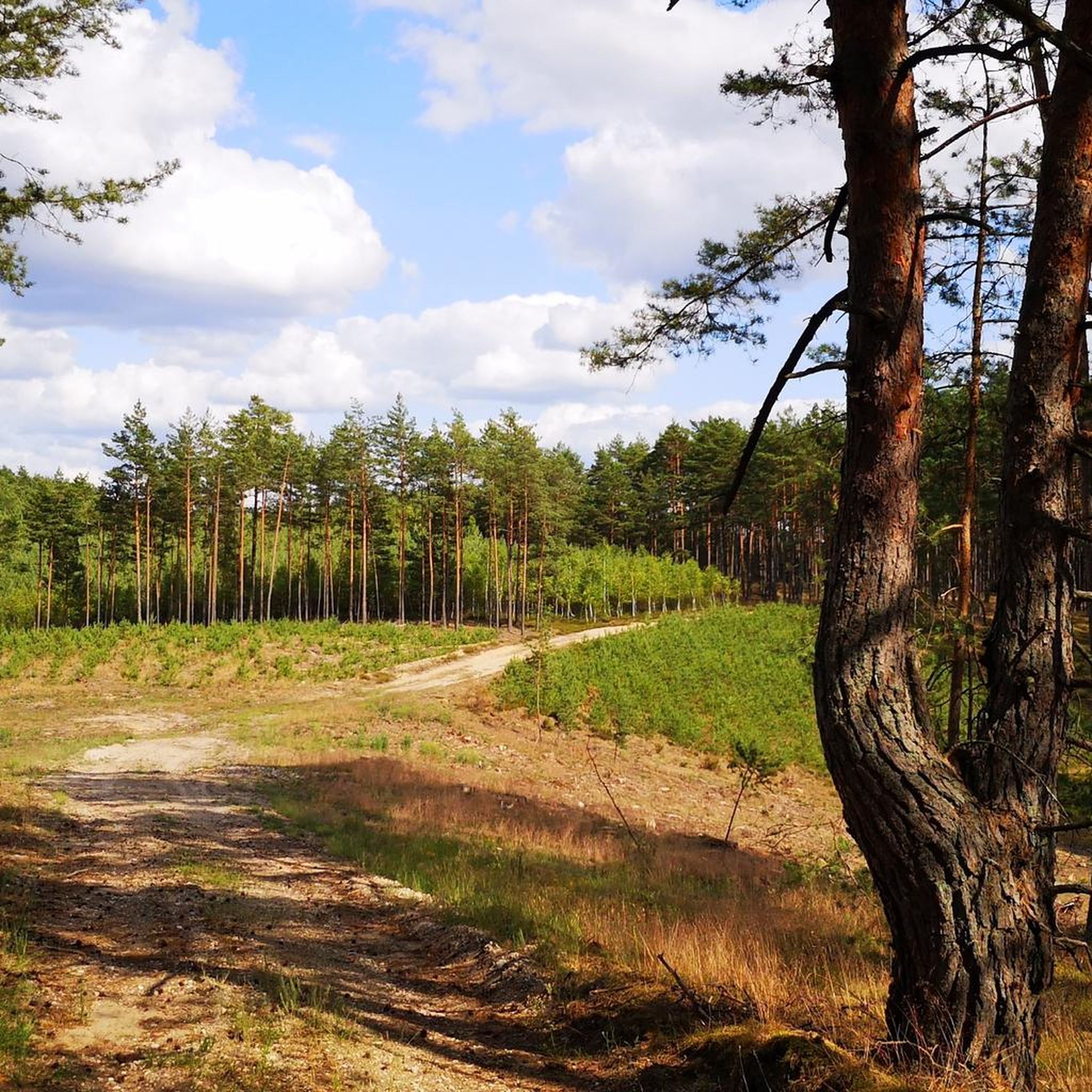
Cycling around Zaborski Park Krajobrazowy
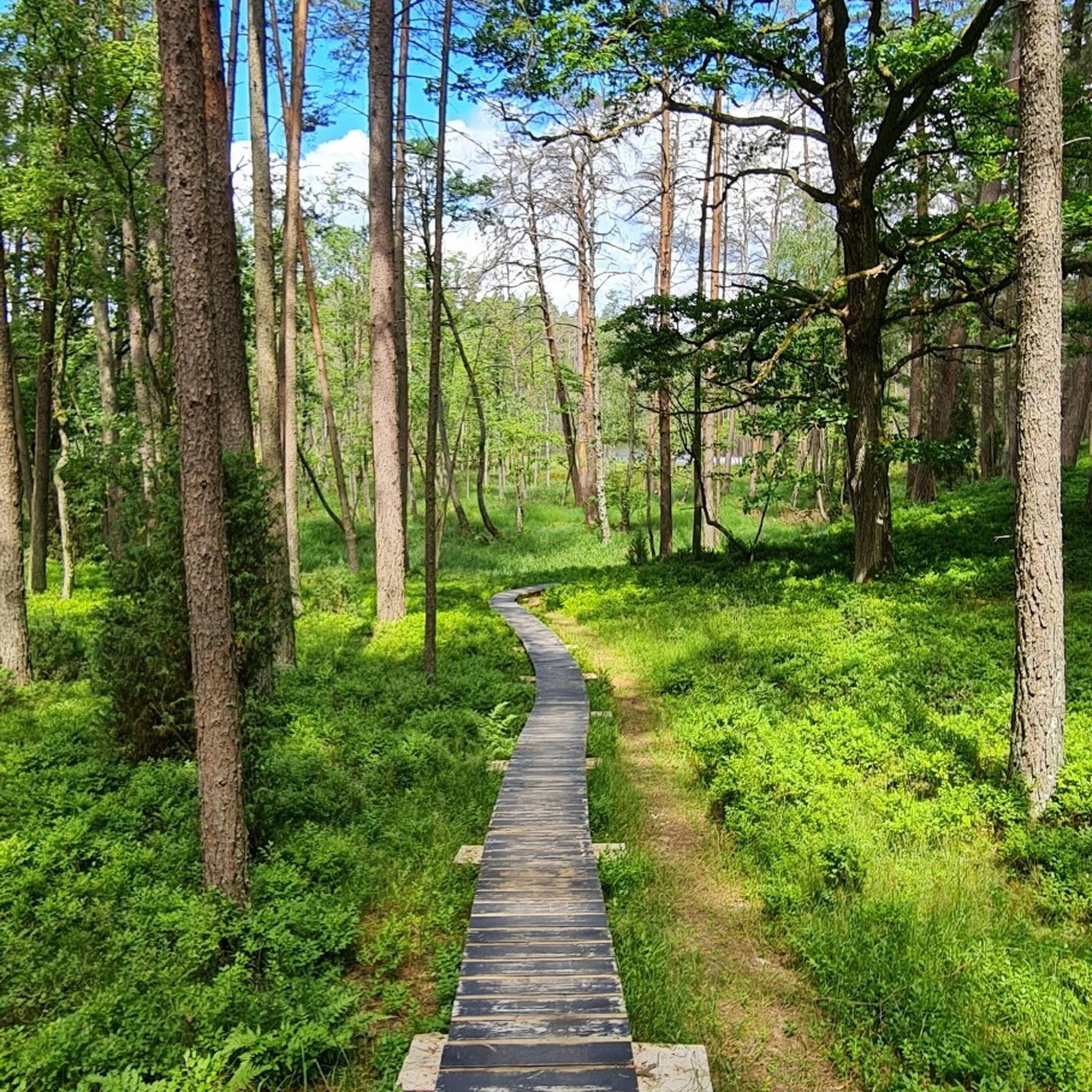
Hiking around Zaborski Park Krajobrazowy
Road Cycling Routes around Zaborski Park Krajobrazowy
Running Trails around Zaborski Park Krajobrazowy
MTB Trails around Zaborski Park Krajobrazowy

Gravel biking around Zaborski Park Krajobrazowy
Other adventures around Zaborski Park Krajobrazowy

Tips from the Community

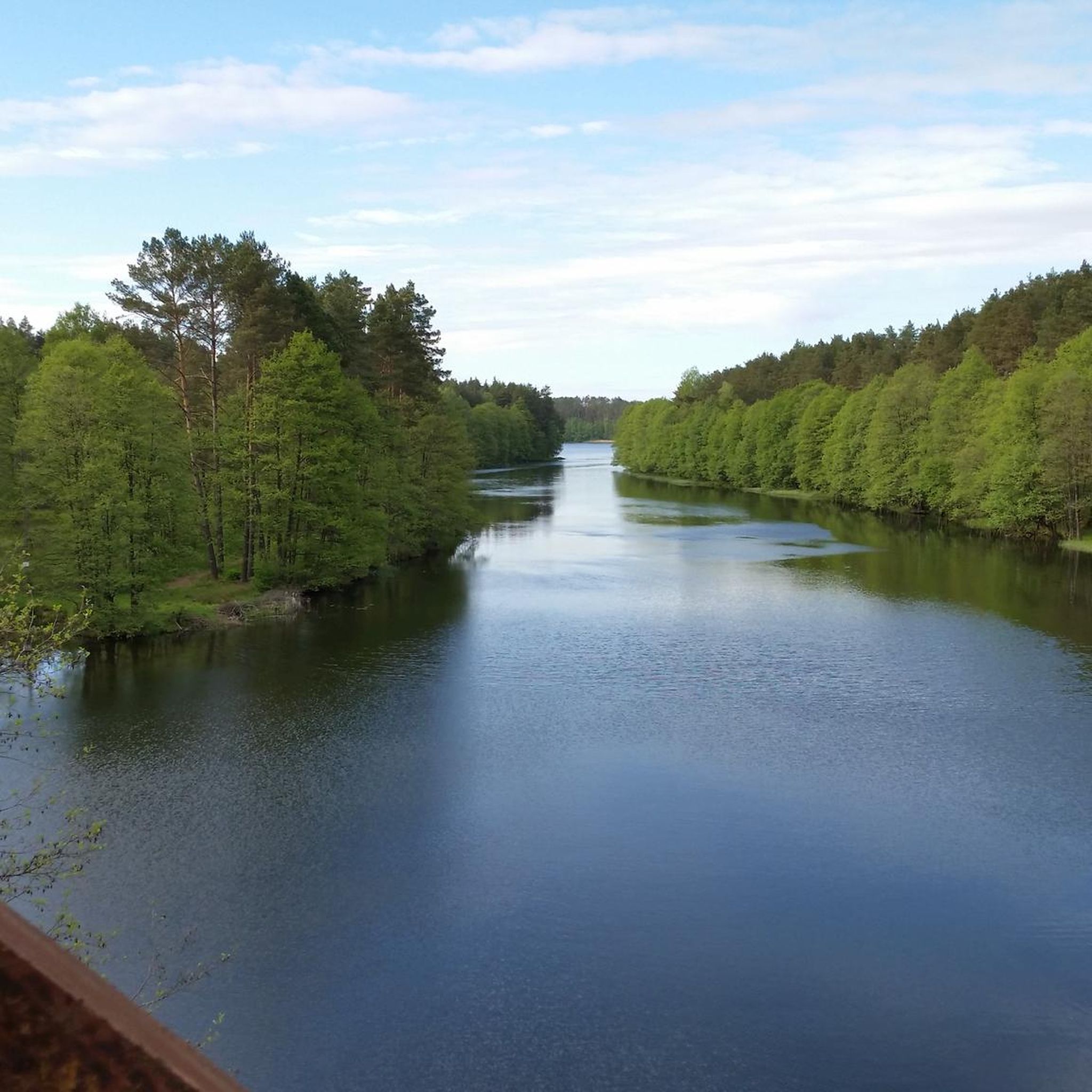
It is a glacial lake and, together with the lakes Gołuń, Wdzydze, Radolnym and Słupinkiem, forms a body of water colloquially known as the Kashubian Sea.
0
0

The stone circles in Węsiory/Wensiorry, the Polish Stonehenge, have been located for several centuries. It is believed that the Goths lived in the Kashubian Lake District at the beginning of the 2nd century and built the stone circles and kurgans. They probably arrived from Scandinavia in the 1st century and lived for a time in Pomerania. However, by the end of the 2nd and beginning of the 3rd centuries, the groups gradually moved southeast toward Mazovia, the region around Lublin, and through Volyn to the Black Sea. See also: https://polenjournal.de/service/freizeit/die-kaschubischen-steinkreise/
0
0

The roads and paths that make up the Kashubian Route are mostly of good or very good quality, but exploring the charms of the Tuchola Forest often requires tackling challenging sections rife with sandy climbs, numerous roots, and fallen trees. Unexpected climbs also require good fitness, leg strength, and proper riding technique. Therefore, they are not always suitable for families with small children.
0
0

From the silence to the pounding in your ears. Sunshine, bikes, kayaks. What more could you want?
0
0

Here you can rest and improve your aesthetic resources! Not only a viewpoint, but a very beautifully maintained place for tourists: wooden benches, roofing. The view of the huge Charzykowskie Lake is extraordinary from above, especially if you manage to observe the sunset (or sunrise, if you get up early...) of the sun.
0
0
A very old tree and therefore a natural monument. Over 600 years old! - this one must have seen its day! It looks very majestic. Maybe, if you listen carefully, you will hear some words from a great sage?
0
0

Through Swornegacie The Kashubian route runs along the main road. On it we pass a lake, a promenade, a tourist information point, shops and a church.
0
0

Lake Charzykowskie is a popular body of water located in the Tuchola Forest, ideal for water sports enthusiasts, especially sailing, thanks to its large surface area and good wind conditions. There are many bike trails in the area leading through the forests and along the lake shore, which allows for a peaceful exploration of the region. In the town of Charzykowy itself, there is a modern marina, and in the summer, numerous regattas and outdoor events take place here. Cyclists should prepare for mixed surfaces, from asphalt to forest sections, so a trekking or cross bike will be the best choice.
1
0
Frequently Asked Questions
What types of natural monuments can I expect to see in Zaborski Park Krajobrazowy?
Zaborski Landscape Park is rich in diverse natural monuments. You'll find numerous ancient trees, particularly pedunculate oaks, some of which are centuries old. The park also features significant geological formations like glacial erratics, unique botanical sights such as beard lichens and giant horsetail, and scenic viewpoints over lakes.
Are there any particularly ancient or impressive trees to visit in the park?
Yes, the park is renowned for its ancient trees. A notable example is Bartuś Oak, estimated to be over 600 years old with a circumference of 670 cm. You can also find other majestic specimens like a common pine near Kokoszka Forest Lodge (3.43m circumference) and a small-leaved linden by Wolność Forest Lodge (6.70m circumference).
What geological features are prominent among the natural monuments?
The region's geological past is showcased by features such as the glacial erratic in Konarzynki, a large boulder with a circumference of 7 meters. These erratics are remnants of the powerful glaciers that once shaped the landscape, offering a glimpse into Earth's ancient history.
Are there unique botanical sights in Zaborski Park Krajobrazowy?
Absolutely. The park is home to unique botanical natural monuments, including a barn in Wawrzonowo where rare beard lichens (brodaczka) grow, indicating pristine air quality. Additionally, you can observe stands of giant horsetail along the Kulawa River, an ancient plant species thriving in healthy wetland conditions.
What do visitors enjoy most about the natural monuments in Zaborski Park Krajobrazowy?
Visitors frequently appreciate the tranquility and natural beauty. Many enjoy the opportunity for active recreation, such as cycling around Lake Karsińskie, or the historical significance of sites like the Stone Circles in Leśno. The majestic presence of ancient trees like Bartuś Oak also leaves a lasting impression.
Are there family-friendly natural monuments in the park?
Yes, several natural monuments are suitable for families. Lake Karsińskie is a great starting point for active leisure. The Bartuś Oak and the Viewpoint Over Lake Charzykowskie are also considered family-friendly, offering accessible spots to enjoy nature.
What outdoor activities can I do near the natural monuments?
The area around Zaborski Park Krajobrazowy offers a variety of outdoor activities. You can find numerous cycling routes, including road cycling, gravel biking, and touring bicycle options. These routes often pass by or near natural monuments and lakes, providing opportunities for exploration. For detailed routes, you can explore the Road Cycling Routes, Gravel Biking, and Cycling guides for the region.
Are there cycling routes that include natural monuments?
Yes, many cycling routes in the region incorporate natural monuments and scenic spots. For instance, the 'Bartuś Oak – Małe Swornegacie Drawbridge loop from Swornegacie' is an easy gravel biking route that passes by the impressive Bartuś Oak. Lake Karsińskie is also a popular starting point for various bicycle routes.
What is the best time to visit Zaborski Park Krajobrazowy to see the natural monuments?
The Tuchola Forest region, where the park is located, is beautiful throughout the warmer months, typically from spring to early autumn. This period offers pleasant weather for exploring the ancient trees, geological formations, and plant communities. Summer is ideal for active recreation around the lakes, while spring and autumn provide vibrant foliage and fewer crowds.
Are there any viewpoints offering scenic vistas of the natural landscape?
Yes, the park offers several viewpoints. A popular spot is the Viewpoint Over Lake Charzykowskie, which provides extraordinary views of the large lake. It's a well-maintained area with benches, perfect for resting and enjoying the scenery, especially during sunset.
Can I find historical sites alongside natural monuments in the park?
Yes, the region blends natural beauty with historical significance. The Stone Circles in Leśno are a notable historical site, believed to be ancient burial grounds of the Goths. These circles are considered a natural monument due to their long-standing presence and integration into the landscape, offering a unique cultural and natural experience.
Is there a specific natural monument that highlights the park's unique ecosystem?
The barn in Wawrzonowo, recognized for the rare beard lichen growing on it, is a unique natural monument that highlights the pristine environmental conditions and unique ecosystem of the park. The presence of such sensitive species indicates excellent air quality and a healthy natural habitat.
Most popular routes around Zaborski Park Krajobrazowy
Most popular attractions around Zaborski Park Krajobrazowy

Get inspired with the komoot mobile app


Explore more
Extend your search for the best caves by checking out these guides of the top ones around Zaborski Park Krajobrazowy:
