Top 5 Natural Monuments around Δρυμός Πάρνηθας
Best natural monuments around Δρυμός Πάρνηθας offer a diverse natural environment just 30 km northwest of Athens. This national park features varied terrain, including dense fir and pine forests, deep gorges, and numerous springs. The area is characterized by Mesozoic limestone formations, which have led to the creation of many caves and dramatic landscapes. It provides a significant ecological site with a wide array of plant species and serves as a natural escape for outdoor activities.
Best natural monuments around…
Last updated: October 13, 2026
Stone Fountain at Parnitha National Park
Highlight • Natural Monument
Tip by

Fylis Spring and Ancient Ruins
Highlight • Historical Site
Nice climb and some fresh water at that spot.
Many people years ago would come here for a picnic...
Tip by

Sign up now to discover places like this
Get recommendations on the best single tracks, peaks, & plenty of other exciting outdoor places.
Remains of the Tatoi Plane Grove
Highlight • Natural Monument
Translated by Google •
Tip by

View of the Valley from Mount Parnitha
Highlight • Viewpoint
Tip by
Start today with a free account
Your next adventure awaits.



Tips from the Community

Fylis cold water source. Nice climb and some fresh water at that spot. Many people years ago would come here for a picnic...
0
0
Yes you can drink from there...
0
0

Three years ago, a forest fire destroyed large parts of the national park. A huge plane tree survived the inferno. Nature is slowly returning. Be careful: many paths and trails have been destroyed and are no longer passable.
0
0

Refreshing spring at the end of the climb.
0
0

There is a amazing little church here with a fountain it is a great place to stop for a rest before going on to the fire road.
0
0
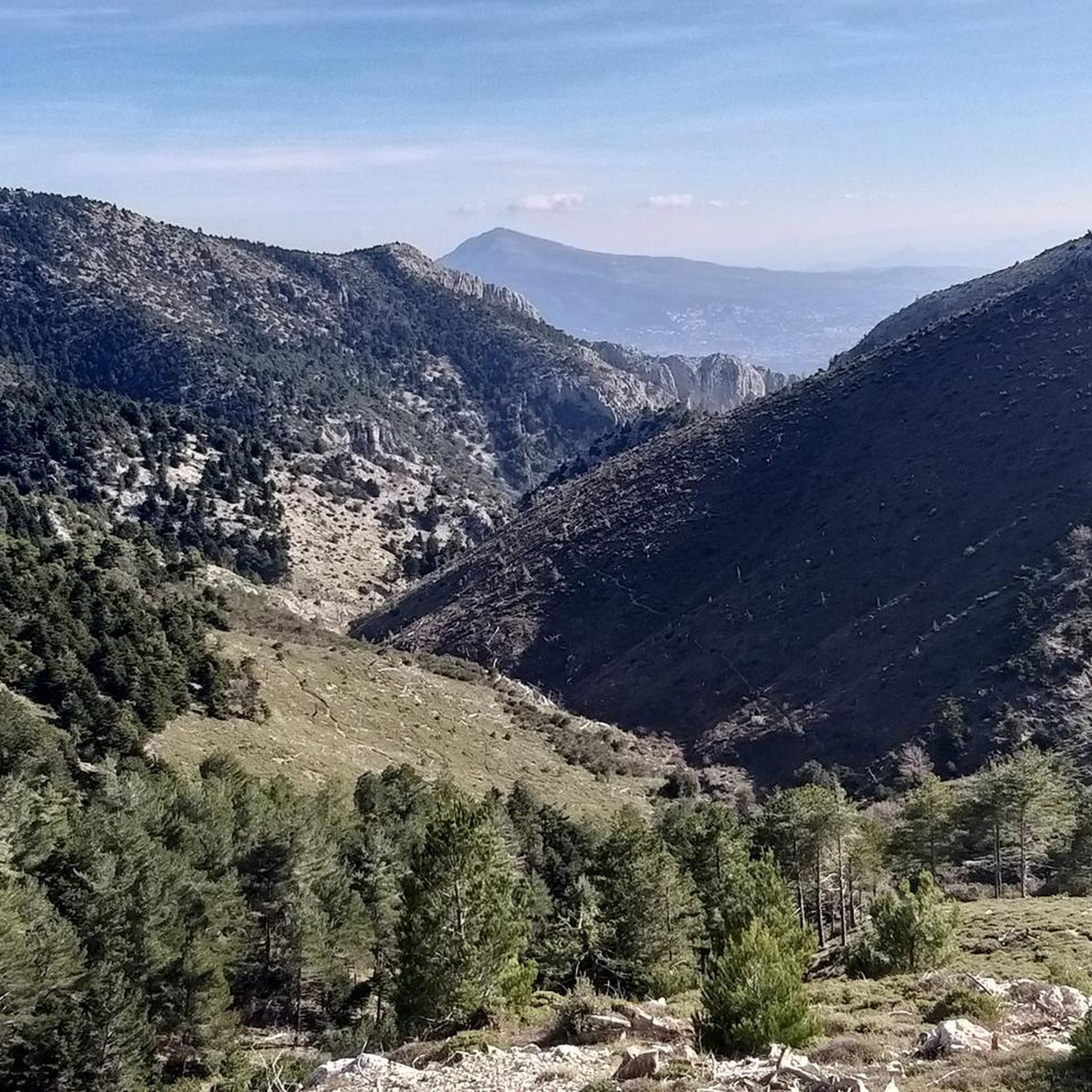
A great view of the valley and the road you climbed. Bonus is that it is about 1 km down hill rest be for the last push to the casino.
0
0
Just a great view and the start of a 1 km down slope to give you legs a rest before the last push.
0
0
Frequently Asked Questions
What unique geological features can I explore in Δρυμός Πάρνηθας?
Mount Parnitha is characterized by its Mesozoic limestone formations, which have led to the creation of over 20 caves and gorges. Notable examples include the impressive Pan's Cave, known for its stalagmites and stalactites, and dramatic ravines like Goura Gorge and Keladona Gorge.
What kind of forests and plant life can I expect to see in Mount Parnitha National Park?
The park is home to diverse forests, with dense Cephalonian fir trees above 800 meters and Aleppo pine forests at lower altitudes. It boasts an impressive flora with 800 to 1,100 different species, including rare and endemic plants like Campanula celsii subsp. parnesia.
Are there any historical sites or ancient ruins to visit within the natural monuments area?
Yes, you can visit Fylis Spring and Ancient Ruins, which combines a natural cold spring with historical interest. Additionally, Pan's Cave was an ancient worship site, adding to the historical significance of the region.
Where can I find panoramic views of the surrounding landscape in Δρυμός Πάρνηθας?
For expansive views, head to View of the Valley from Mount Parnitha, a popular viewpoint and summit. The highest point, Karavola Peak (1,413 meters), also offers breathtaking panoramic views of the Attica basin, the Saronic Gulf, and beyond on clear days.
Are there any family-friendly natural monuments or activities in Δρυμός Πάρνηθας?
Yes, the Stone Fountain at Parnitha National Park is considered family-friendly, offering a refreshing spring and a nice spot for a rest during a hike. The park generally offers many marked trails suitable for various levels, including leisurely walks.
What kind of outdoor activities can I do near these natural monuments?
Mount Parnitha National Park is ideal for hiking, with dozens of marked trails. You can find various routes, from easy to moderate, such as the 'Bafi Mountain Refuge – EDASA Fire Lookout - Skipiza loop'. There are also options for road cycling. Explore more hiking routes in the area on the Hiking around Δρυμός Πάρνηθας guide and easy hikes on the Easy hikes around Δρυμός Πάρνηθας guide.
Are there any natural water sources or springs in the park?
Yes, Parnitha is rich in water sources, with approximately 46 continuous flowing springs and numerous seasonal streams. The Stone Fountain at Parnitha National Park and Fylis Spring and Ancient Ruins are popular spots where visitors can find refreshing cold water. Kithara Spring is also historically significant.
What is the best time of year to visit the natural monuments in Δρυμός Πάρνηθας?
The park is beautiful year-round, but spring is particularly stunning when new growth in the fir forests creates a vibrant green landscape. The cooler, more humid environment of the higher altitudes makes it pleasant during warmer months, while autumn offers beautiful foliage. Always check local weather conditions before your visit.
Can I see any wildlife or unique ecosystems in Δρυμός Πάρνηθας?
Yes, the park is known for its rich biodiversity. It's home to rare red deer and numerous bird species, making it an excellent spot for wildlife observation. Beletsi Lake, on the eastern slopes, is an important habitat for migratory birds and a great place for birdwatching.
What should I know about the 'Remains of the Tatoi Plane Grove'?
The Remains of the Tatoi Plane Grove is a natural monument that shows the resilience of nature. Parts of the national park were affected by a forest fire, but a huge plane tree survived, and nature is slowly returning. Be aware that some paths in this area might have been destroyed and may not be passable.
Are there mountain refuges available for hikers in Mount Parnitha National Park?
Yes, there are two prominent mountain refuges, Bafi and Flambouri, which offer resting points and amenities for hikers exploring the park's extensive trail network.
Most popular routes around Δρυμός Πάρνηθας
Most popular attractions around Δρυμός Πάρνηθας

Get inspired with the komoot mobile app


