Top 7 Natural Monuments around Breiðafjörður
Best natural monuments around Breiðafjörður are found in a vast bay in Western Iceland, situated between the Westfjords and the Snæfellsnes Peninsula. This region is characterized by its unique geological formations, extensive intertidal zones, and abundant wildlife. Breiðafjörður features approximately 3,000 islands, islets, and skerries, which are remnants of resistant rock. The area is recognized for its natural and cultural significance, being on UNESCO's Tentative List of World Heritage Sites.
Best natural monuments around Breiðafjörður
- The most popular natural monuments…
Last updated: June 26, 2026
Kirkjufellsfoss Waterfall
Highlight • Waterfall
Translated by Google •
Tip by

View of Kirkjufell Mountain
Highlight • Summit
Tip by

Sign up now to discover places like this
Get recommendations on the best single tracks, peaks, & plenty of other exciting outdoor places.
Sign up for free
Súgandisey Island
Highlight • Viewpoint
Translated by Google •
Tip by

The Seaman Memorial
Highlight • Monument
Translated by Google •
Tip by

Hellulaug Hot Spring
Highlight • Natural Monument
Translated by Google •
Tip by

Sign up for free to discover even more natural monuments around Breiðafjörður.
Sign up for free
Already have an account?
Start today with a free account
Your next adventure awaits.
Login or Signup
Popular around Breiðafjörður
Other adventures around Breiðafjörður

Tips from the Community

A fantastic experience with a great view.
0
0

The Kirkjufellsá river falls there in two stages, totalling 16 metres down. The waterfall is always well attended and offers a very beautiful photo opportunity.
4
0
We visit the most photographed landmark, the 463-meter-high Kirkjufell mountain. It is a picturesque mountain that rises high above the town of Grundarfjörður on the Snæfellsnes peninsula. It is known as the most beautiful mountain in Iceland. A hike or climb to the top should not be attempted without a guide, as the narrow paths can be difficult to see even in summer. The narrowness of the paths makes it imperative that every step is the right one. Straying from the path has already proved fatal.
2
0

Not far from Grundarfjörður, embedded in the impressive landscape of the Snæfellsnes peninsula, a picturesque spectacle of water and stone reveals itself. The journey there is an experience in itself. As you approach the destination, the silhouette of Kirkjufell, one of Iceland's most striking mountains, becomes increasingly clear. It towers majestically over the landscape and becomes the perfect backdrop for the roaring waters of Kirkjufellsfoss. The Kirkjufellsá River cascades its water in two impressive steps, a total of 16 meters. With every drop that falls into the depths, you feel the untamed power of nature. Very close to where the water flows into the bay of Grundarfjörður, a dam testifies to the connection between man and nature. And the old bridge from 1955, which stands above the waterfall, is a reminder of the times of yesterday. No matter whether the wind blows hard through your hair or the calm of the day envelops you, Kirkjufellsfoss always retains its magic. A paved path winds along both sides of the waterfall and invites you to admire it from different perspectives. There are always opportunities for the perfect photo, especially with Kirkjufell in the background, watching over the Foss like a proud guardian. It's no wonder this place is one of the most photographed in Iceland. But despite the crowds of visitors who come here, the place never loses its charm. Anyone who comes here is enchanted by its beauty and the aura that surrounds it.
7
0

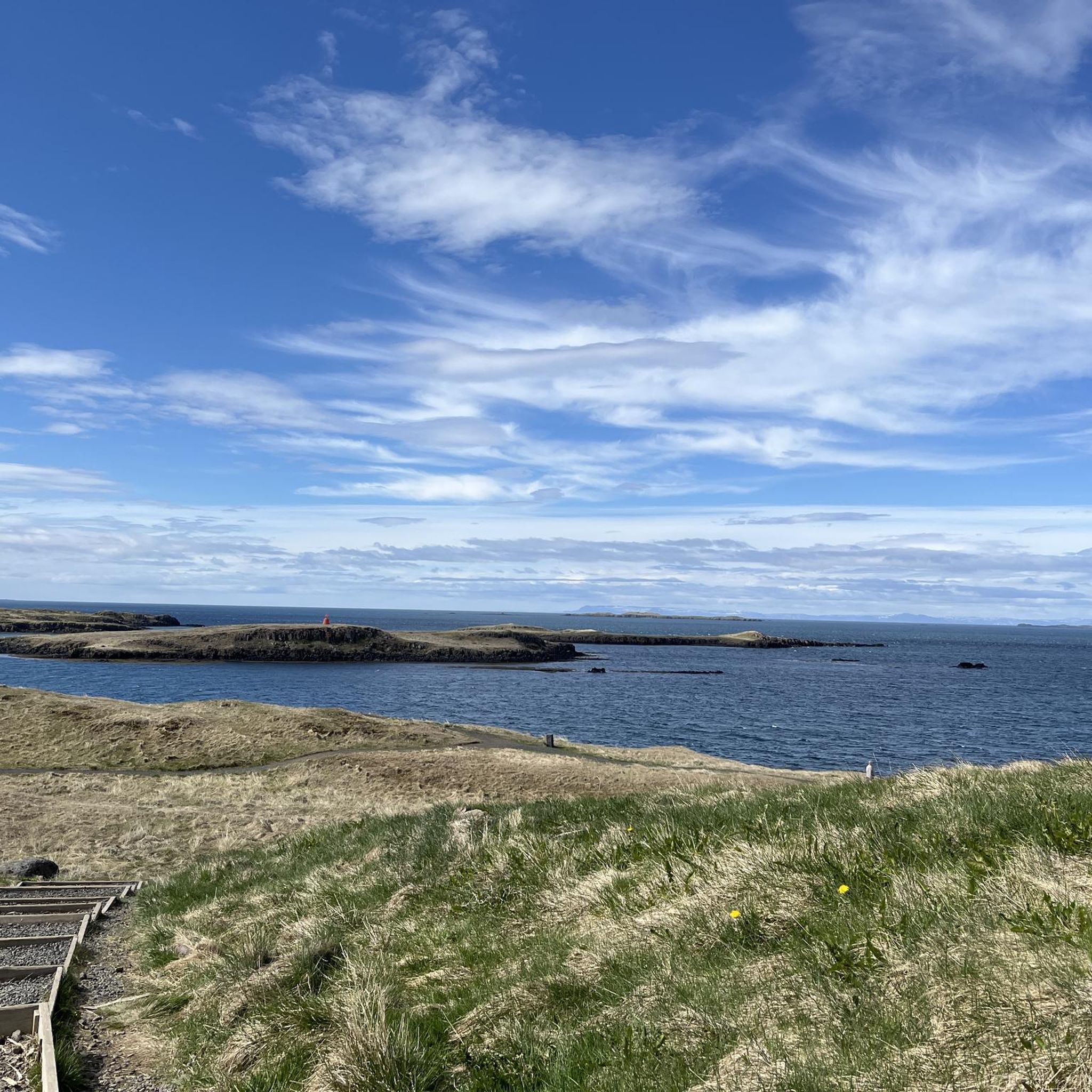
The former island north of Stykkishólmur harbor used to be grazed by sheep. Nowadays you can climb it via a staircase and admire the 360° panorama including the lighthouse. Ideal for evening hours.
4
0

A very beautiful waterfall with several cascades. You get very close to this one. Admission free.
7
0

A memorial stone to the accident of January 28, 1924, when the motor boat Blika capsized in a storm and six crew members lost their lives.
2
0

Kirkjufellsfoss is one of the most popular photo motifs in the west of Iceland, which can also be seen in the crowds of visitors. A visit is nevertheless worthwhile 😉
6
0
Frequently Asked Questions
What unique natural features define the Breiðafjörður region?
Breiðafjörður is characterized by its vast, shallow bay dotted with approximately 3,000 islands, islets, and skerries, which are remnants of ancient volcanic activity and glacial erosion. It also boasts an exceptional tidal range of up to six meters, creating extensive intertidal zones. The region is further defined by prominent geological formations like the distinctive Kirkjufell Mountain and the dramatic Látrabjarg Bird Cliffs.
Are there family-friendly natural monuments to visit in Breiðafjörður?
Yes, several natural monuments around Breiðafjörður are suitable for families. For instance, Kirkjufellsfoss Waterfall offers easy access to view its cascades, and the surrounding area is pleasant for a stroll. The View of Kirkjufell Mountain is also easily accessible for all ages to enjoy the iconic landscape. While not explicitly listed as family-friendly, exploring Flatey Island (mentioned in region research) offers a unique experience with its quaint village and wildlife.
What kind of wildlife can I expect to see in the natural areas of Breiðafjörður?
Breiðafjörður is a haven for wildlife. The numerous islands and intertidal zones are critical habitats for Iceland's two seal species (common and grey seals). Birdlife is particularly abundant, with about 50 regular breeding species, including the white-tailed eagle, common eider, and significant staging sites for High-Arctic nesting brent geese and knots during migration. The Látrabjarg Bird Cliffs are world-renowned for immense colonies of seabirds like puffins, razorbills, guillemots, and kittiwakes.
What is the best time of year to visit the natural monuments in Breiðafjörður?
The best time to visit Breiðafjörður's natural monuments is generally during the warmer months, from late spring to early autumn (May to September). This period offers milder weather, longer daylight hours, and the best opportunities for wildlife spotting, especially for migratory birds. The unique tidal range and ever-changing seascape are impressive year-round, but accessibility to some areas might be limited in winter due to snow and ice.
Are there any historical or cultural sites among the natural monuments?
While primarily natural, some sites have historical significance. Flatey Island, for example, is the only inhabited island in the bay and is known for its quaint village and historic lighthouse. Additionally, the Seaman Memorial serves as a poignant reminder of the region's maritime history and the challenges faced by its inhabitants.
What outdoor activities can I do near these natural monuments?
The Breiðafjörður region offers various outdoor activities, especially hiking and running. You can find numerous trails, such as the easy Kirkjufellsfoss Waterfall – Kirkjufell Mountain loop from Grundarfjörður, or the moderate Kirkjufell loop from Grundarfjörður. For those interested in waterfalls, there are dedicated waterfall hikes available. Many routes offer stunning views of the natural monuments and the surrounding landscape.
What do visitors enjoy most about the natural monuments in Breiðafjörður?
Visitors frequently praise the breathtaking scenery and photographic opportunities. The iconic Kirkjufellsfoss Waterfall with Kirkjufell Mountain as a backdrop is a favorite for its picturesque setting. The panoramic views from places like Súgandisey Island are also highly appreciated. Many also enjoy the unique experience of the Hellulaug Hot Spring, offering a relaxing soak with sea views.
How does Snæfellsnes Peninsula relate to the natural monuments of Breiðafjörður?
The Snæfellsnes Peninsula forms the southern boundary of the Breiðafjörður bay. Many of the region's most famous natural monuments, such as Kirkjufell Mountain, Kirkjufellsfoss Waterfall, and the majestic Snæfellsjökull Glacier, are located on this peninsula. Its dramatic landscapes significantly contribute to the overall natural beauty and geological diversity of the Breiðafjörður area.
Are there any natural hot springs or geothermal features in the area?
Yes, the Hellulaug Hot Spring is a notable natural monument in the Breiðafjörður region. It offers a unique experience with its warm waters set directly by the sea, providing a beautiful view while you relax. It's a popular spot for a natural bath.
What is the significance of Breiðafjörður being on UNESCO's Tentative List of World Heritage Sites?
Breiðafjörður's inclusion on UNESCO's Tentative List recognizes its exceptional natural and cultural significance. This designation highlights the bay's unique combination of shallow seas, diverse islands, and a rich ecosystem that supports varied flora and fauna, making it an extraordinary natural wonder of global importance. It also acknowledges the area's geological formations and its role as a nature reserve since 1995.
What should I bring for nature walks around Breiðafjörður's natural monuments?
When exploring the natural monuments around Breiðafjörður, it's advisable to bring waterproof and windproof clothing, as Icelandic weather can be unpredictable. Sturdy hiking boots are recommended for varied terrain. Don't forget a camera for the stunning landscapes, binoculars for wildlife spotting, and plenty of water and snacks. Layers of clothing are key to adapting to changing conditions.
Most popular attractions around Breiðafjörður

Get inspired with the komoot mobile app


Explore more
Extend your search for the best caves by checking out these guides of the top ones around Breiðafjörður:
