Top 8 Natural Monuments around Božídarské rašeliniště
Best natural monuments around Božídarské rašeliniště include the largest peat bog in the Ore Mountains, a National Nature Reserve established in 1965. This protected area spans over 1,160 hectares and features a unique ecosystem formed approximately 11,000 to 12,000 years ago. Visitors can explore raised bogs, spruce forests, and observe rare plant species. The region also offers insights into historical peat mining and significant geological formations.
Best natural monuments around Božídarské rašeliniště
- The most popular natural monuments is Plattner Kunstgraben…
Last updated: July 10, 2026
Božídarské Rašeliniště Boardwalk
Highlight (Segment) • Trail
Translated by Google •
Tip by

Božídarské Peat Bog (Boží Dar Peat Bog)
Highlight • Natural Monument
Translated by Google •
Tip by

Sign up now to discover places like this
Get recommendations on the best single tracks, peaks, & plenty of other exciting outdoor places.
Sign up for free
Plattner Kunstgraben (Blatenský Příkop)
Highlight (Segment) • Trail
Translated by Google •
Tip by

Boží Dar Raised Bog
Highlight • Natural Monument
Translated by Google •
Tip by

Božídarský Špičák
Highlight • Summit
Translated by Google •
Tip by

Sign up for free to discover even more natural monuments around Božídarské rašeliniště.
Sign up for free
Already have an account?
Start today with a free account
Your next adventure awaits.
Login or Signup
Popular around Božídarské rašeliniště
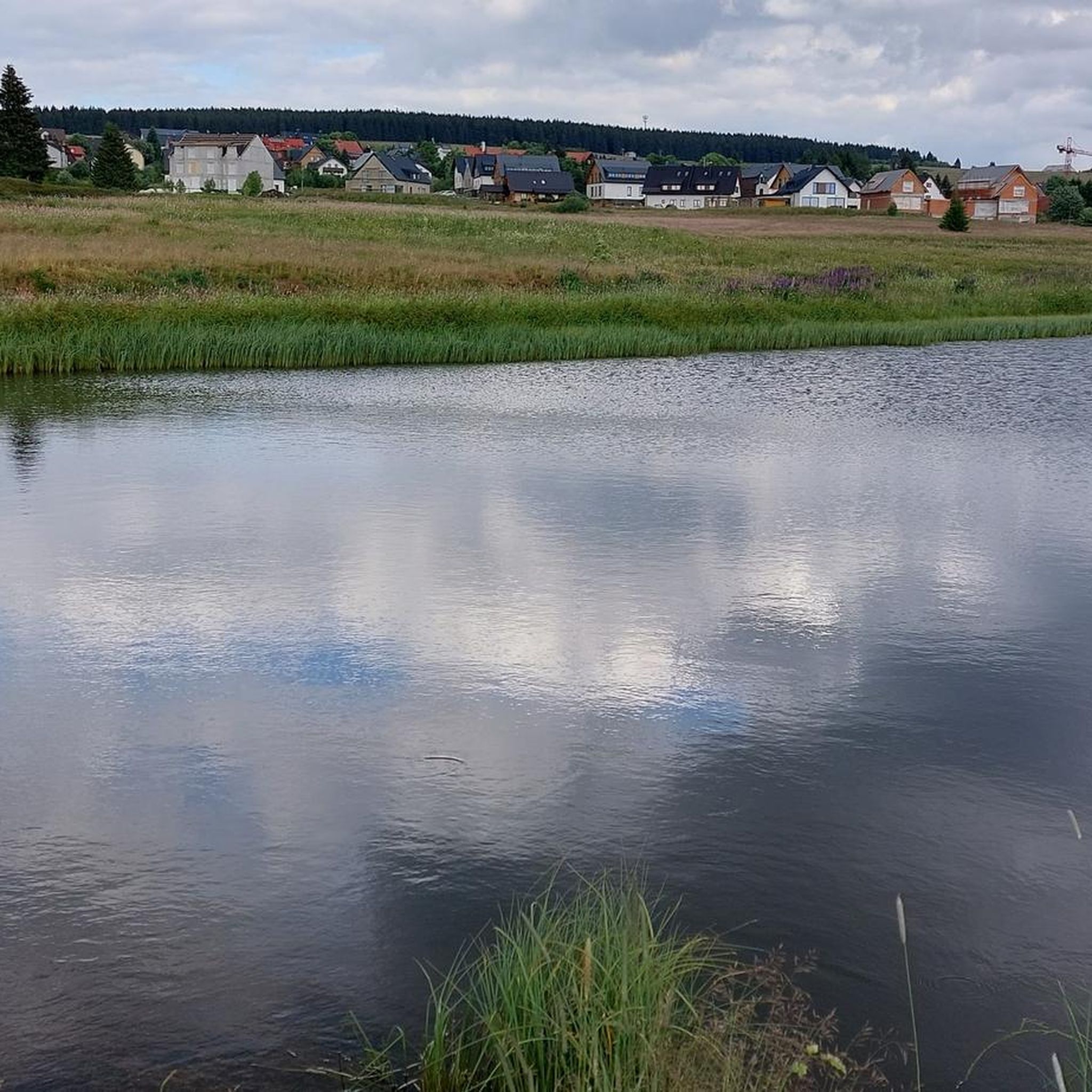
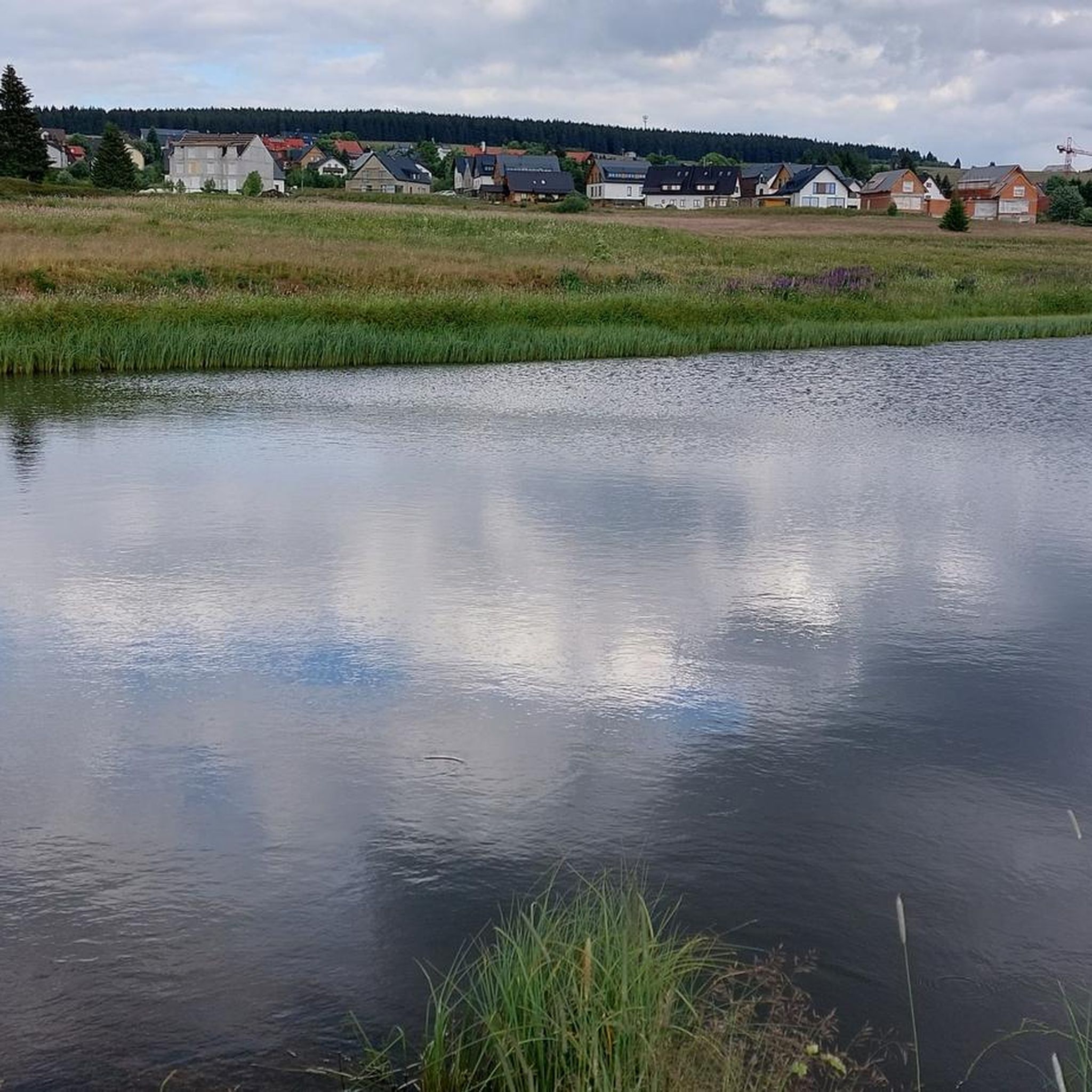

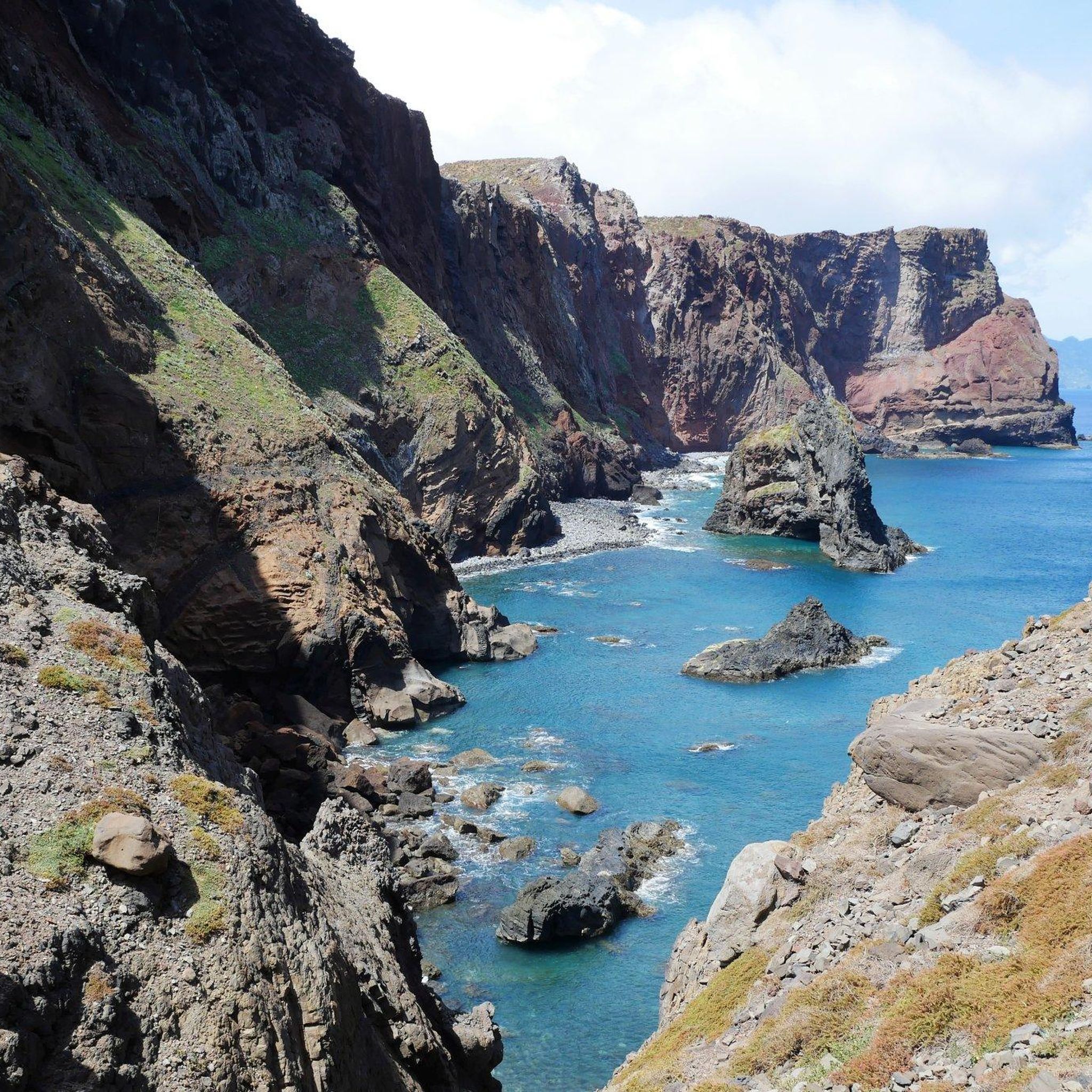
Tips from the Community

Definitely not suitable for bicycles the path :-)
0
0

Unfortunately, it's not accessible by bike. The trees block the view.
0
0

Since 1977, a 3.2-kilometer-long nature trail on wooden planks has led through the Božídarské rašeliniště peat bog nature reserve. It features twelve stations with information panels. The 11.61-square-kilometer area has been protected since 1965. It encompasses a series of raised bogs with spruce, pine, Scots pine, dwarf birch, heaths, and meadows. A carnivorous plant characteristic of peat bogs, the round-leaved sundew, also grows here. The largest peat bog in the Ore Mountains lies at an elevation of 940 to 1116 meters; its specific mountain climate creates challenging conditions for animals and plants.
13
2

a very nice corner
1
2

Surface leaves a lot to be desired - scenery great!
1
0

In fact, Spitsbergen is in fifth place. Higher are Klinovec, Fichtelberg, Kleiner Fichtelberg and Schwarzfelsberg (Černá skála).
0
0

The Borzi Dar raised bog is one of the largest nature reserves in the Ore Mountains. Although peat has been extracted here for hundreds of years, the remaining bog is relatively well preserved within the protected area, and the beauty of these important biotopes can be observed. However, the drought in the summers still affects the bog. It will take centuries for it to become a fully functioning bog again. The best way to admire the bog and its typical vegetation is from the paths with footbridges.
3
1
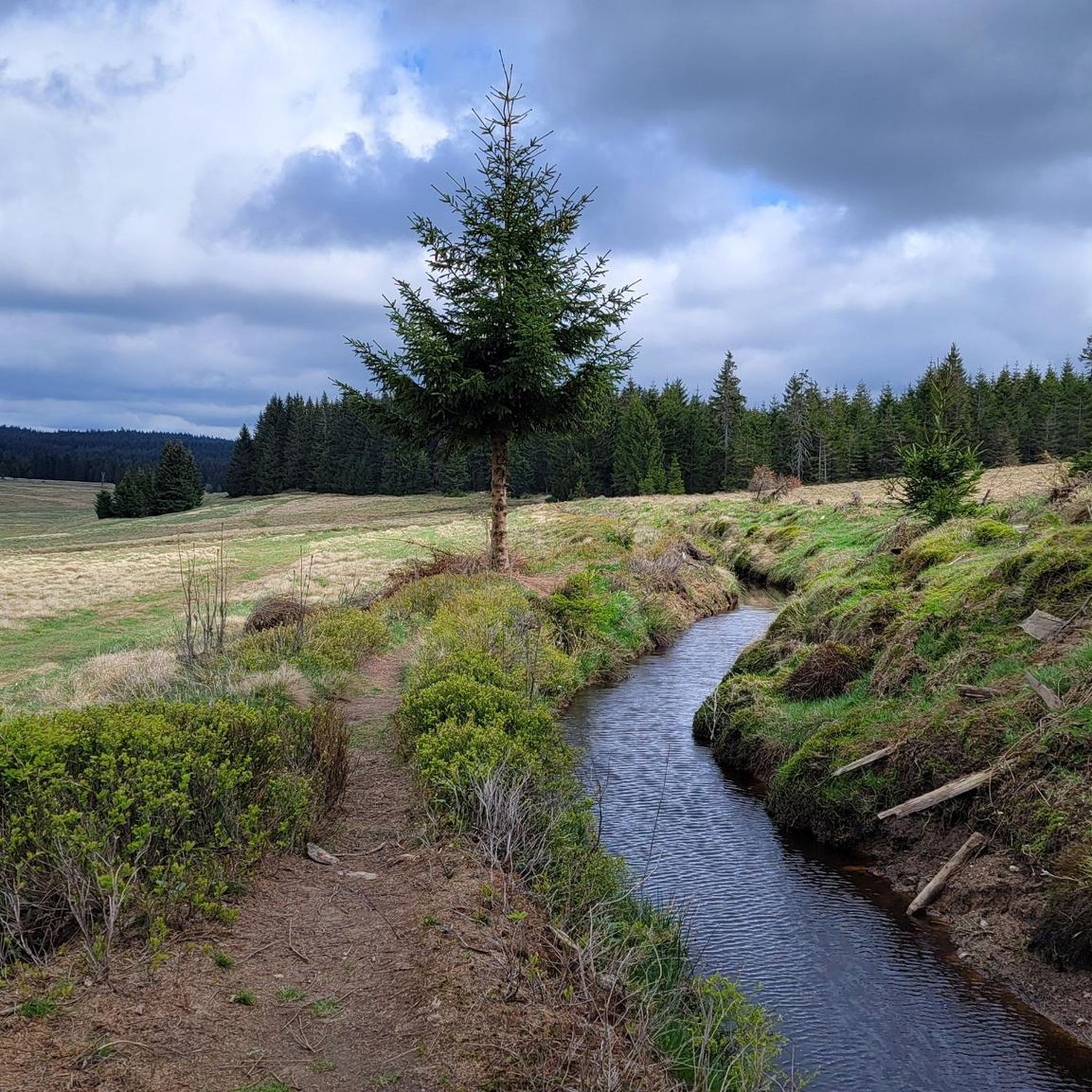
This is a really nice path along the Graben. Sometimes through the moor meadows with a wonderful view, then again through the forest, often very narrow and very rooty. Sometimes a bit through the undergrowth that is already on the way. A bench overlooking the meadow invites you to take a break. There we could even observe a whinchat and gray wagtails.
0
1
Frequently Asked Questions
What unique natural features can I explore in the Božídarské rašeliniště area?
The area is primarily known for the extensive Božídarské Rašeliniště Boardwalk, which leads through the largest peat bog in the Ore Mountains. This unique ecosystem, formed after the Ice Age, features raised bogs, spruce forests, dwarf pine, and rare plant species. Additionally, you can find Plattner Kunstgraben (Blatenský Příkop), a historical water ditch, and the geological formations of Božídarský Špičák, Central Europe's highest basalt mound.
Are there designated trails for exploring the Božídarské rašeliniště peat bog?
Yes, a 3.2-kilometer-long nature trail on wooden planks, known as the Božídarské Rašeliniště Boardwalk, guides visitors through the peat bog nature reserve. It features twelve information panels explaining the unique ecosystem, flora, and history of the area.
What hiking options are available near these natural monuments?
You can find various hiking routes around the natural monuments. For example, there are easy routes like the 'Seidel Pond loop from Boží Dar' (4.2 km) or more challenging ones such as the 'Dwarf Bench – Boží Dar loop' (13.2 km). You can explore more options on the Hiking around Božídarské rašeliniště guide page.
Are there family-friendly natural monuments or trails in the region?
Absolutely. The Božídarské Rašeliniště Boardwalk is considered family-friendly, offering an accessible way to explore the peat bog. The Božídarské Peat Bog (Boží Dar Peat Bog) is also noted as family-friendly, providing beautiful meadows and a landscape for nature enthusiasts.
When is the best time to visit the natural monuments around Božídarské rašeliniště?
The specific mountain climate and high elevation (940-1116 meters above sea level) mean that conditions can vary. Generally, late spring to early autumn offers the most pleasant weather for exploring. However, the unique landscape, especially the peat bog, can be beautiful in all seasons, including winter, though appropriate gear is essential.
What unique plant life can I observe in the peat bog?
The peat bog is home to a distinctive array of flora. You can spot carnivorous plants like the round-leaved sundew (Drosera rotundifolia), as well as dwarf birch (Betula nana), bog bilberry (Vaccinium uliginosum), common heather (Calluna vulgaris), and various species of sphagnum moss. The dwarf birch is particularly easy to observe from the boardwalk.
What historical features can be found alongside the natural monuments?
Beyond the natural beauty, the area has a rich history, particularly related to peat mining. The educational trail through the peat bog touches upon this history. Additionally, the Plattner Kunstgraben (Blatenský Příkop) is a significant 16th-century technical monument, a 13 km long water ditch that historically supplied water to mining operations.
Are there opportunities for cycling near the natural monuments?
Yes, the region offers various cycling routes. You can find options for road cycling, such as the 'Boží Dar Raised Bog – Church of St. Anna, Boží Dar loop' (30.2 km). More routes are available on the Road Cycling Routes around Božídarské rašeliniště guide page.
What do visitors enjoy most about the Božídarské rašeliniště area?
Visitors frequently praise the unique and dreamlike landscape of the peat bog, especially the well-maintained boardwalk. Many appreciate the informative displays along the trail, which provide insights into the ecosystem and history. The area is considered a 'MUST for every nature lover' due to its great landscape and special atmosphere.
Are there any viewpoints to enjoy panoramic scenery?
Yes, several spots offer great views. The Boží Dar Raised Bog offers a magnificent section of the route with a special landscape and great panoramas, especially towards Fichtelberg and Keilberg. Božídarský Špičák, the highest basalt mound in Central Europe, also provides commanding views of the surrounding area.
What should I consider when visiting the natural monuments in winter?
Due to the high elevation and specific mountain climate, winters can be cold with significant snow. If visiting during this season, ensure you wear appropriate warm clothing and sturdy, waterproof footwear. Some trails, especially the boardwalks, might be covered in snow or ice, so exercise caution.
Most popular routes around Božídarské rašeliniště
Most popular attractions around Božídarské rašeliniště

Get inspired with the komoot mobile app


