Top 4 Natural Monuments around Parco Naturale Regionale Appia Antica
Natural monuments around Parco Naturale Regionale Appia Antica offer a combination of historical significance and natural beauty within Rome's protected area. This vast park features ancient landscapes, diverse ecosystems, and remnants of Roman engineering integrated into the natural environment. Visitors can explore green spaces, ancient ruins, and areas with preserved biodiversity. The park provides opportunities for outdoor activities amidst a unique blend of nature and heritage.
Best natural monuments around Parco Naturale Regionale Appia Antica
- The most popular natural monuments…
Last updated: July 10, 2026
Via Appia Antica (Ancient Appian Way)
Highlight • Historical Site
Translated by Google •
Tip by

Caffarella Park
Highlight • Forest
Translated by Google •
Tip by

Sign up now to discover places like this
Get recommendations on the best single tracks, peaks, & plenty of other exciting outdoor places.
Sign up for free
Park of the Aqueducts
Highlight • Monument
Translated by Google •
Tip by

View of the Aqua Claudia in the Aqueduct Park
Highlight • Monument
Translated by Google •
Tip by

Egeria Spring
Highlight • Natural Monument
Translated by Google •
Tip by

Sign up for free to discover even more natural monuments around Parco Naturale Regionale Appia Antica.
Sign up for free
Already have an account?
Start today with a free account
Your next adventure awaits.
Login or Signup
Popular around Parco Naturale Regionale Appia Antica
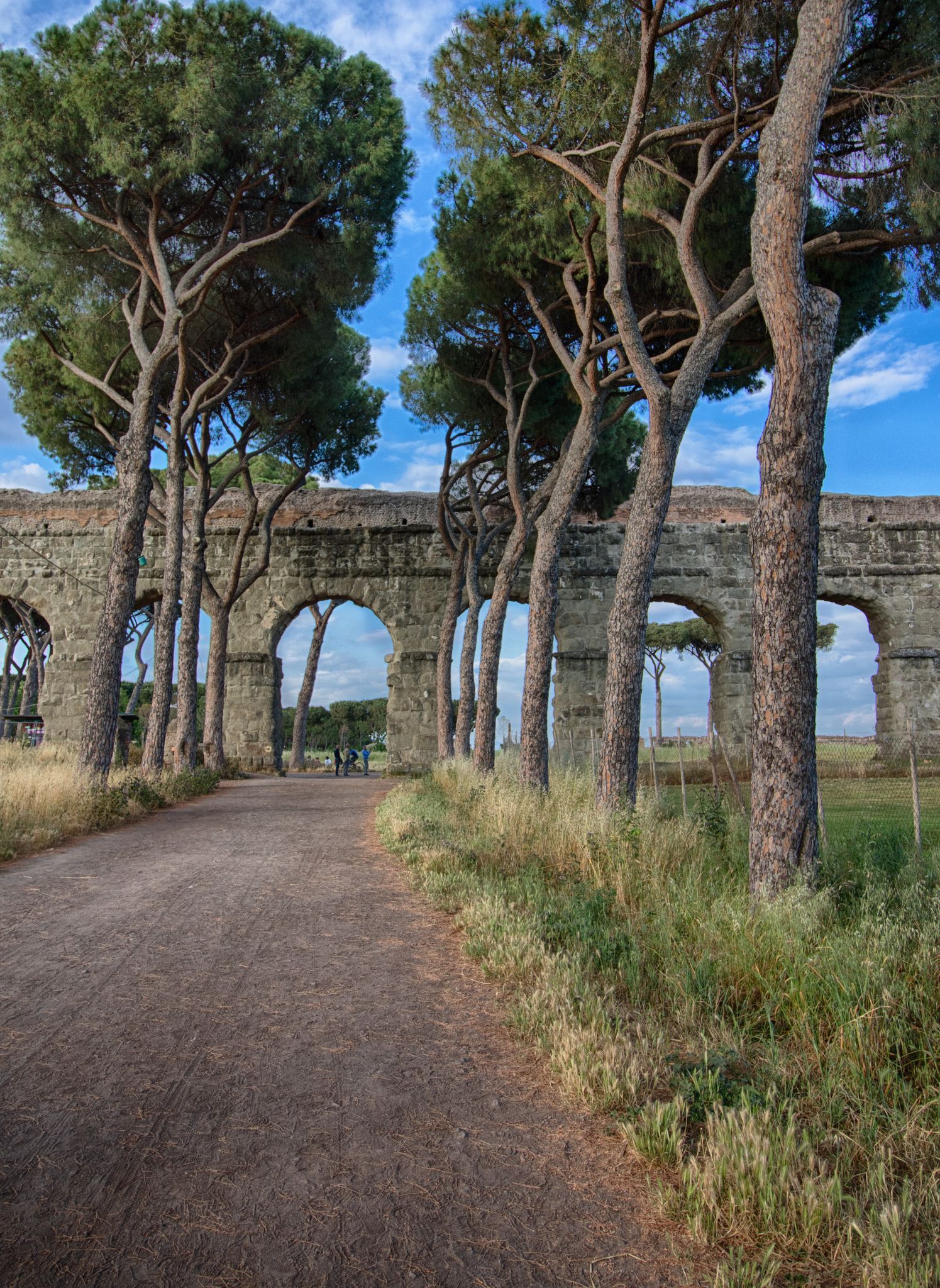
History and nature — mountain biking in and around Rome
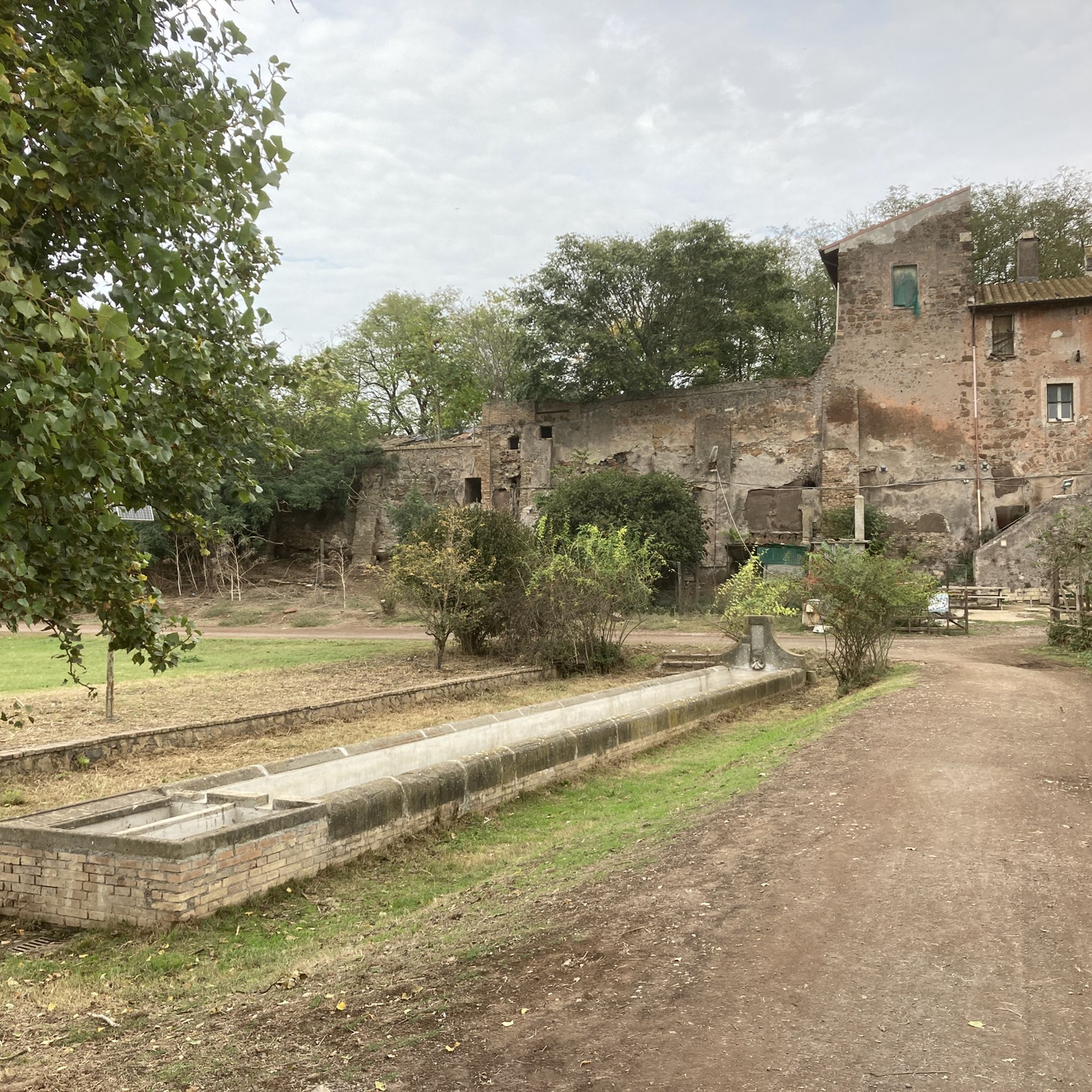
MTB Trails around Parco Naturale Regionale Appia Antica
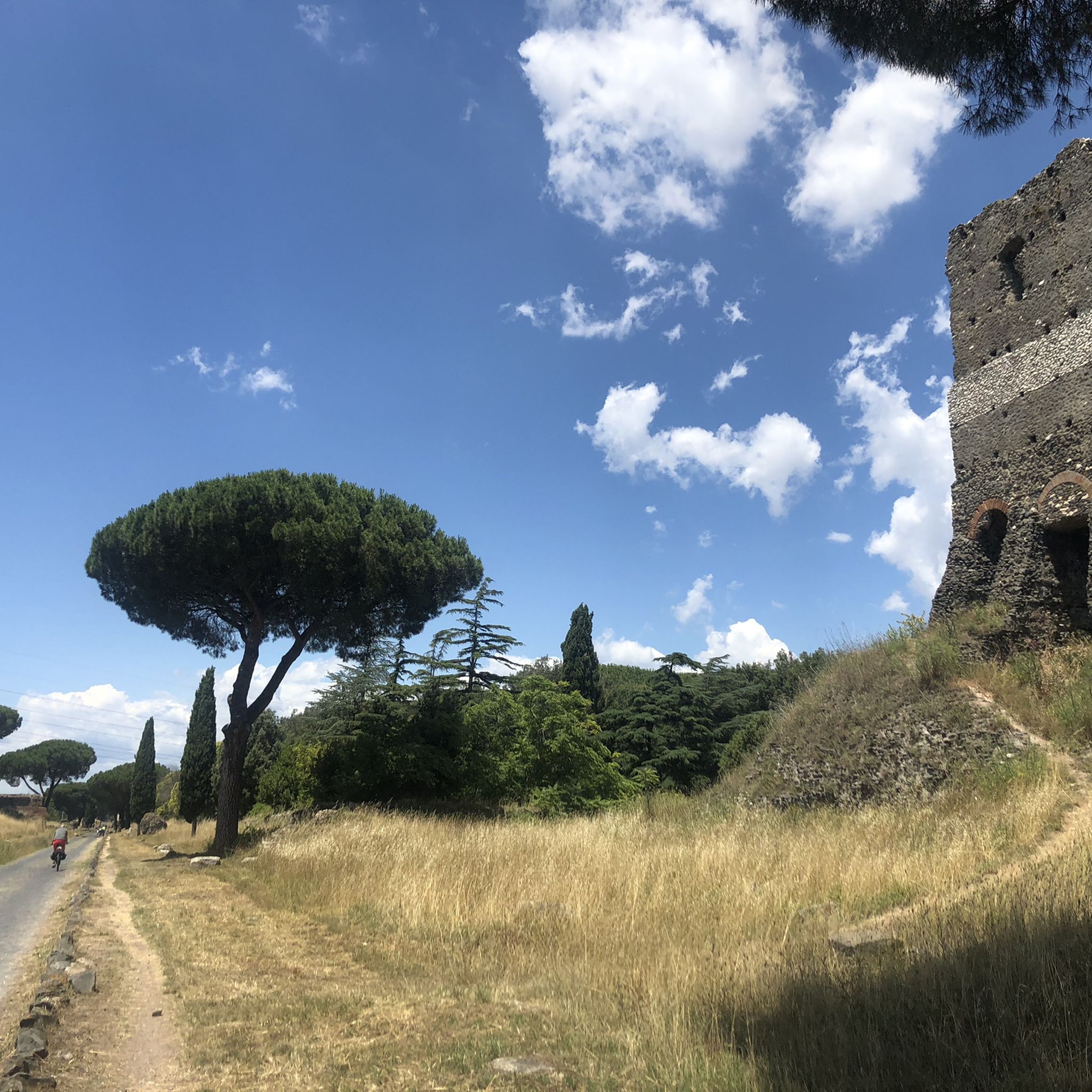
Road Cycling Routes around Parco Naturale Regionale Appia Antica
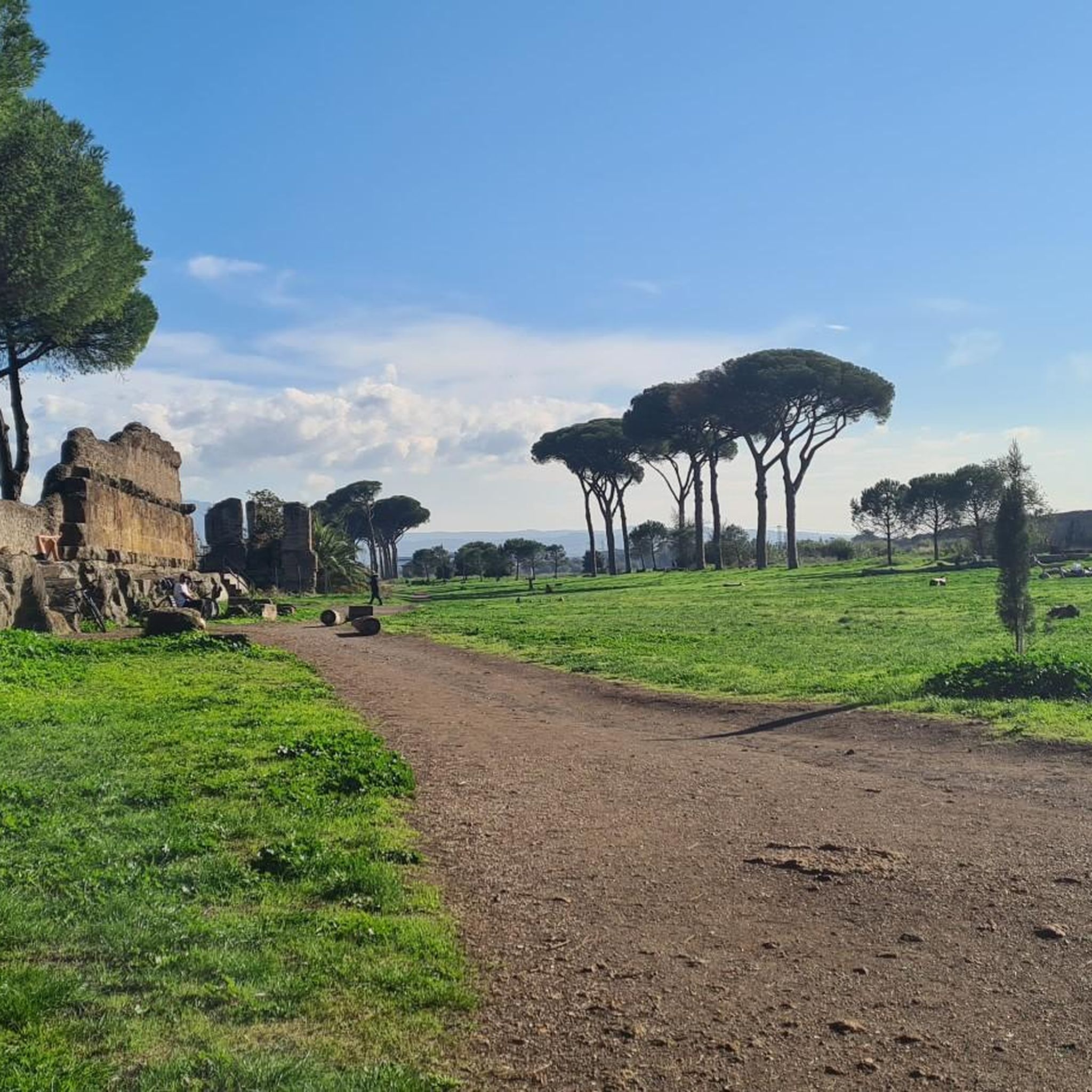
Running Trails around Parco Naturale Regionale Appia Antica
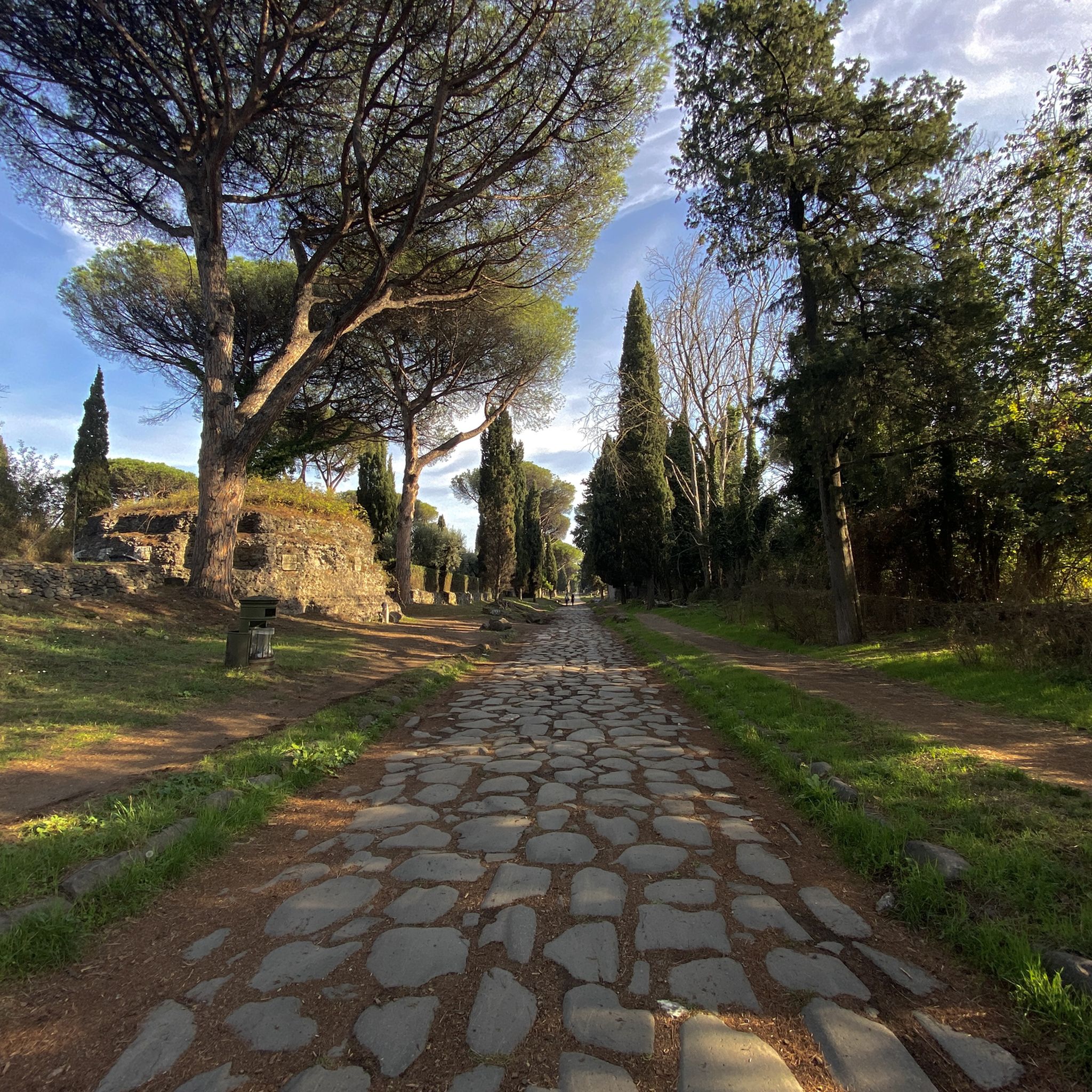
Hiking around Parco Naturale Regionale Appia Antica
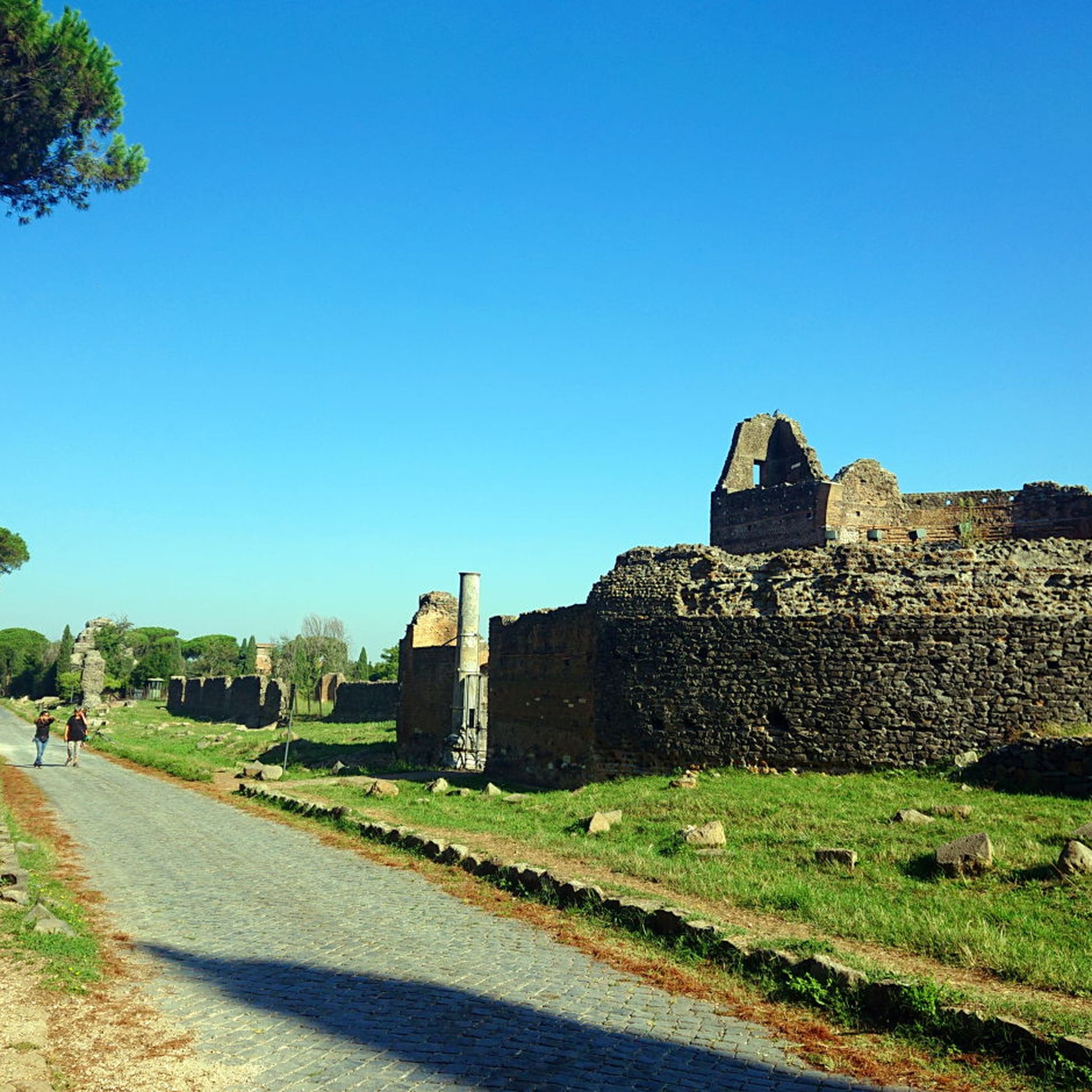
Cycling around Parco Naturale Regionale Appia Antica

Gravel biking around Parco Naturale Regionale Appia Antica
Other adventures around Parco Naturale Regionale Appia Antica

Tips from the Community

The Appian Way is the perfect place for a family bike ride, away from the hustle and bustle. The paths are mostly very well-maintained. In some places, you can cycle alongside the Appian Way on sandy paths, as the old stones are not very pleasant to ride on. However, this is only the case in a few places. Furthermore, throughout the entire ride, you can repeatedly see ancient ruins, etc., on both sides. Just passing by is wonderful.
2
0

This ancient road, built by Appius Claudius Caecus as early as 312 BC, was once one of the most important trade routes in Italy and the Roman Empire. Today, the Via Appia Antica is a magical place where you can follow in the footsteps of the Romans. Riding along this historic route, surrounded by ancient Roman cobblestones, funerary monuments, thermal baths and farmsteads, is an unforgettable adventure. Although some parts of the road can be a bit challenging for bicycles due to the original paving, the beauty and atmosphere of the surroundings are worth every effort. The Via Appia Antica passes through the Appia Antica Park, a protected area that extends over 3,500 hectares and is home to numerous monuments, excavations and the entrances to early Christian catacombs. The park is a green wedge between the south-eastern districts of Rome and the Alban Hills, and offers valuable naturalistic elements in addition to the archaeological and historical evidence. The experience of exploring the Via Appia Antica by bike is a journey into the history of Rome. The road, which was once lined with tombs and monumental buildings, now offers a unique perspective on ancient Rome. Especially at sunset, the Via Appia Antica unfolds a mystical atmosphere that captivates visitors.
3
1

one of the most beautiful parks in Rome where to cycle
1
0

Very suggestive, but it puts a strain on the wheels of the bike, with its ancient stones
1
0

The source is linked to the very ancient cult of the nymph Egeria which originated with the foundation of Rome. The spring is fed by the Castelli Romani reservoir, and on its way the water crosses a subsoil of volcanic origin which enriches it with mineral salts and the characteristic effervescence, protected by a cover of several layers of clay. The source was known to the ancient Romans for its therapeutic properties. Around the year 1000, after a very long period of oblivion, the spring was rediscovered and in the 16th century it became popular again, thanks to Pope Gregory VII's physician and Abbot Tommaso della Valle, who spoke enthusiastically about it in his Guide to the 'Holy water. In the 18th century the first chemical analyzes were carried out and the spring was connected to the city via two driveways; thus the first thermal establishments were born and the first wagons of the "sanctuaries" were seen. In 1948 the company for the bottling of water was founded.
0
0

A unique park in the world.
1
0
an oasis of peace in the chaos of Rome
3
0

The Parco degli Acquedotti is always open
0
0
Frequently Asked Questions
What are the most prominent natural monuments to visit in Parco Naturale Regionale Appia Antica?
The park offers a unique blend of nature and history. Among the most prominent natural monuments are the expansive Caffarella Park, known for its biodiversity and ancient agricultural landscape, and the Park of the Aqueducts, where monumental Roman aqueducts stretch across vast green spaces. The ancient Via Appia Antica itself, with its giant trees and preserved natural surroundings, also stands as a significant natural and historical feature.
Are there family-friendly natural monuments in the Parco Naturale Regionale Appia Antica?
Absolutely! Several natural monuments are ideal for families. The Park of the Aqueducts offers wide-open spaces for children to run and explore amidst impressive historical structures. Caffarella Park is another excellent choice, providing a tranquil escape with meadows, groves, and streams, perfect for walks and picnics. The Egeria Spring and the Rohar Wildlife Observation Hut are also noted as family-friendly spots.
What kind of wildlife can I expect to see in the natural areas of the park?
The Caffarella Valley, part of Caffarella Park, is particularly rich in biodiversity. You might spot various species of lizards, mice, rabbits, frogs, turtles, vipers, salamanders, and foxes. The Almone River, which flows through the valley, supports different kinds of fish and shellfish. The Rohar Wildlife Observation Hut was specifically created to provide a rest area for passing birds, making it an excellent spot for birdwatching.
What outdoor activities can I do near these natural monuments?
The Parco Naturale Regionale Appia Antica is perfect for various outdoor activities. You can enjoy walking and cycling trails through areas like the Caffarella Valley and along the Via Appia Antica. For more structured routes, consider exploring the many options for hiking or cycling around the region. There are also specific dog-friendly hikes available.
Are there any unique natural features or 'hidden gems' within the park?
Beyond the well-known sites, the park holds several unique natural features. The Sacred Grove of Caffarella, within the Caffarella Valley, is an ancient and romantic spot with three remaining oaks from a grove preserved since Roman times. The Ancient Caves of Caffarella, also in the valley, represent a fascinating natural modification of the landscape due to ancient pozzolana extraction. The Almone River, considered sacred since ancient times, adds to the valley's lushness and ecosystem, with the 'Sentiero dell'acqua' (Water Path) highlighting its importance.
What is the best time of year to visit the natural monuments in Parco Naturale Regionale Appia Antica?
The park is enjoyable year-round, but spring and autumn offer the most pleasant conditions. During these seasons, the weather is mild, making it ideal for walking and cycling. Spring brings blooming wildflowers, while autumn provides beautiful foliage. Summer can be hot, so early mornings or late afternoons are recommended, especially for longer activities. Winter offers a quieter, more serene experience, though some paths might be muddy after rain.
Can I bring my dog to the natural monuments and trails?
Yes, the Parco Naturale Regionale Appia Antica is generally dog-friendly. Many trails and natural areas, including parts of Caffarella Park and the Park of the Aqueducts, welcome dogs, usually on a leash. You can find specific dog-friendly hike guides to help plan your visit with your canine companion.
What makes the natural monuments in this park historically significant?
The natural monuments here are deeply intertwined with Roman history. The Via Appia Antica, known as the 'Queen of Roads,' was a vital ancient Roman artery lined with tombs and estates. The Park of the Aqueducts showcases the engineering marvels that supplied water to ancient Rome. Even natural features like the Sacred Grove of Caffarella and the Egeria Spring are steeped in ancient myths and legends, reflecting how nature was revered in antiquity.
Are there any natural viewpoints or scenic spots within the park?
The Park of the Aqueducts offers stunning photographic opportunities, especially at sunset, with the monumental ruins set against open fields. The expansive green spaces of Caffarella Park provide tranquil vistas, and the Rohar Wildlife Observation Hut offers a peaceful spot to observe the lake and surrounding nature.
How accessible are the natural monuments by public transport?
The Parco Naturale Regionale Appia Antica is accessible by public transport from central Rome. Various bus lines serve different entry points to the park, including areas near the Park of the Aqueducts and Caffarella Park. It's advisable to check local transport schedules for the most up-to-date information on routes and stops closest to your desired natural monument.
What should I wear when visiting the natural monuments, especially in different seasons?
Comfortable walking shoes are essential year-round, as many paths are unpaved. In spring and autumn, light layers are recommended, as temperatures can vary. A light jacket or sweater is useful. During summer, wear breathable clothing, a hat, sunglasses, and bring plenty of water. In winter, waterproof and warm clothing is advisable, especially if there's a chance of rain or cooler temperatures, as paths can become muddy.
Most popular routes around Parco Naturale Regionale Appia Antica
Most popular attractions around Parco Naturale Regionale Appia Antica

Get inspired with the komoot mobile app


Explore more
Extend your search for the best caves by checking out these guides of the top ones around Parco Naturale Regionale Appia Antica:
