Top 16 Natural Monuments around Parco Naturale Regionale del Monviso
Best natural monuments around Parco Naturale Regionale del Monviso encompass a UNESCO Transboundary Biosphere Reserve covering approximately 10,000 hectares. The park features a significant altitudinal range, contributing to its diverse ecosystems and notable landmarks. Visitors can explore towering peaks, the source of a major European river, ancient forests, and pristine alpine lakes. These natural features offer a variety of experiences within a rich natural landscape.
Best natural monuments around Parco Naturale Regionale del Monviso
- The most popular natural monuments is…
Last updated: July 10, 2026
Source of the Po River
Highlight • River
Translated by Google •
Tip by

Lake Fiorenza
Highlight • Lake
Translated by Google •
Tip by

Sign up now to discover places like this
Get recommendations on the best single tracks, peaks, & plenty of other exciting outdoor places.
Sign up for free
Pian del Re Hut
Highlight • Mountain Hut
Translated by Google •
Tip by
Monumental Swiss Stone Pine near Lake Bagnour
Highlight • Natural Monument
Translated by Google •
Tip by

Punta Tre Chiosis
Highlight • Summit
Uphill the last 100 m. of difference in altitude are spintage, the descent to the Helios Refuge is spectacular
Translated by Google •
Tip by

Sign up for free to discover even more natural monuments around Parco Naturale Regionale del Monviso.
Sign up for free
Already have an account?
Start today with a free account
Your next adventure awaits.
Login or Signup
Popular around Parco Naturale Regionale del Monviso
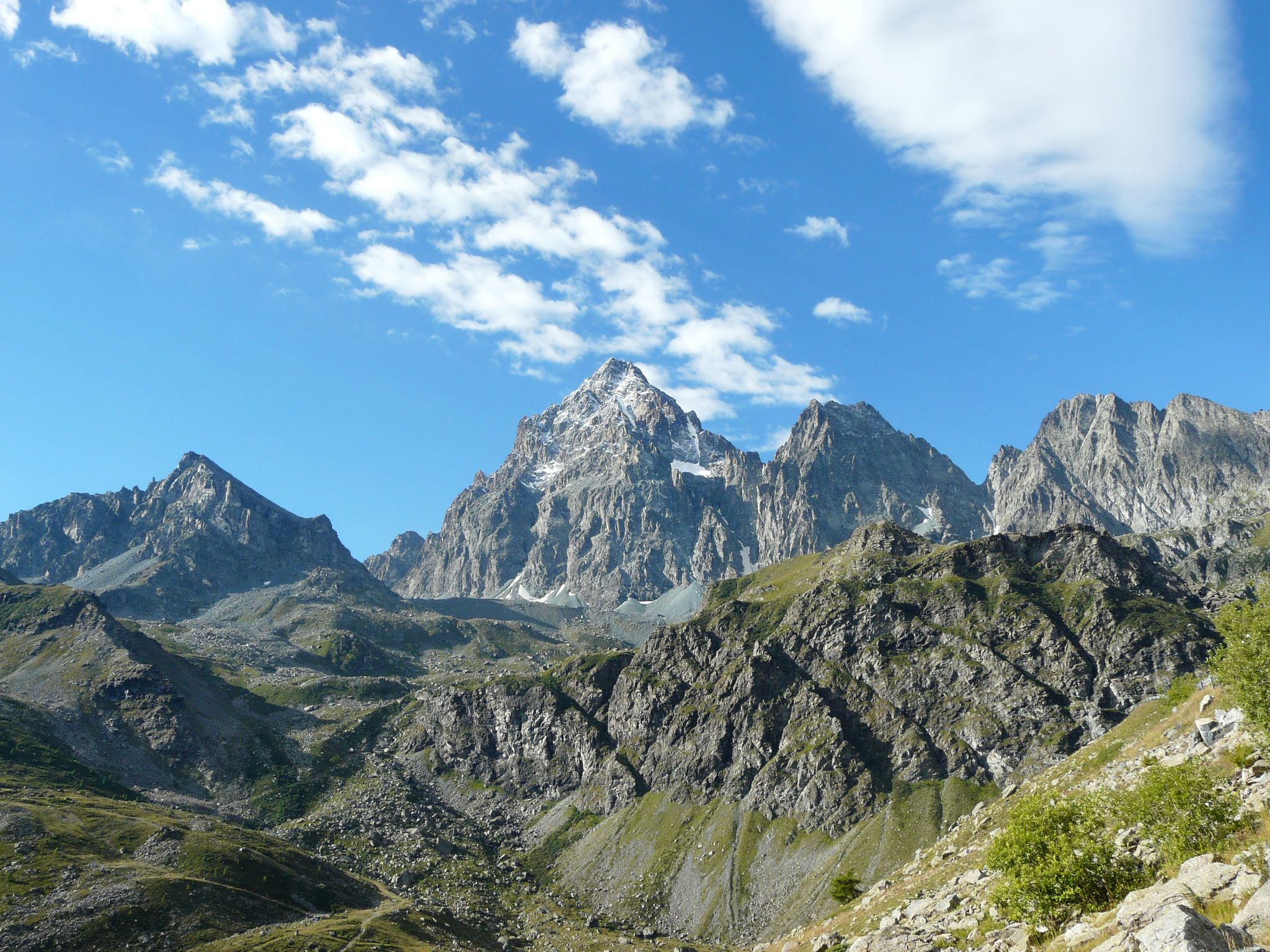
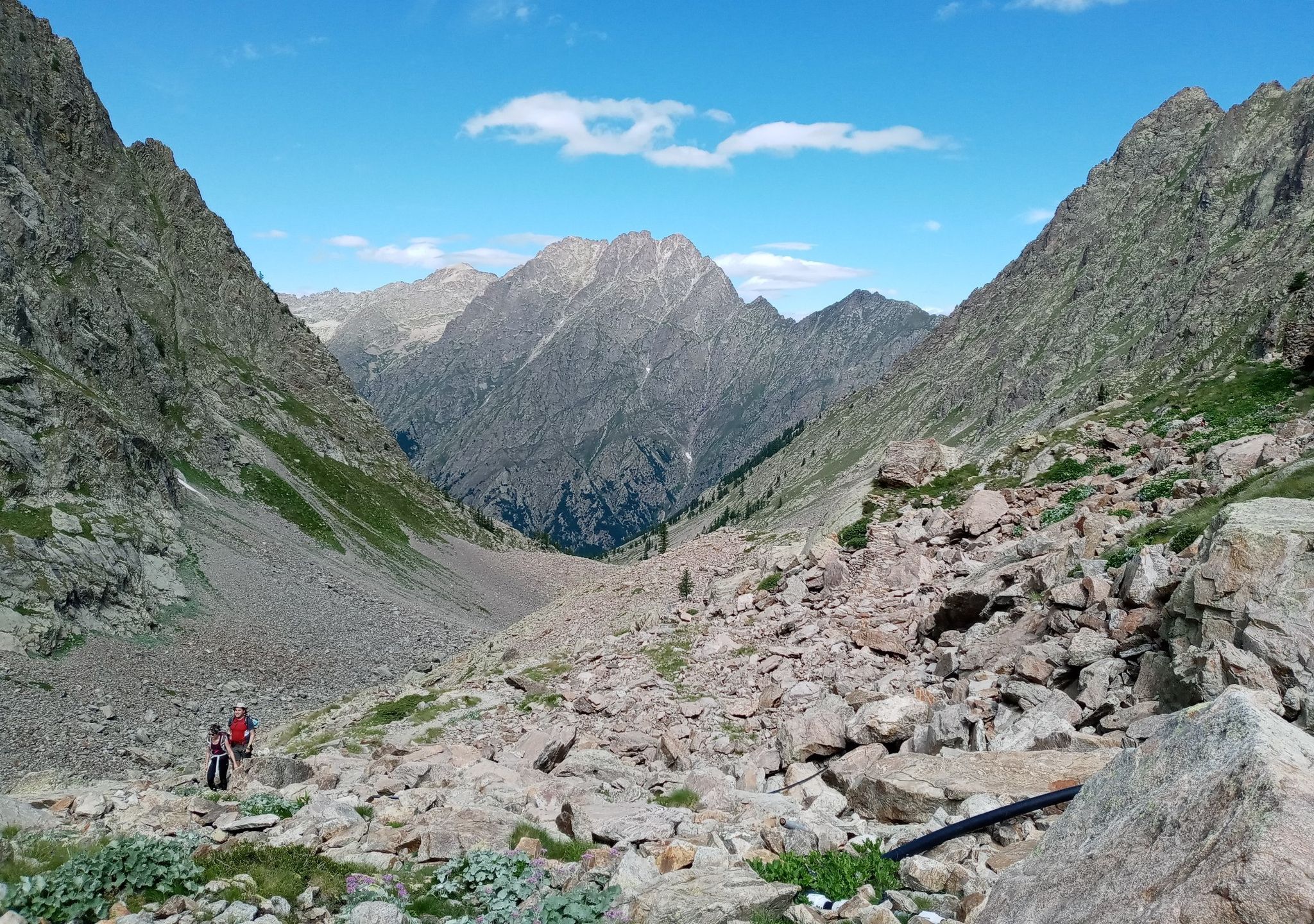
Tour di Viso – Four days around the Stone King from Castello
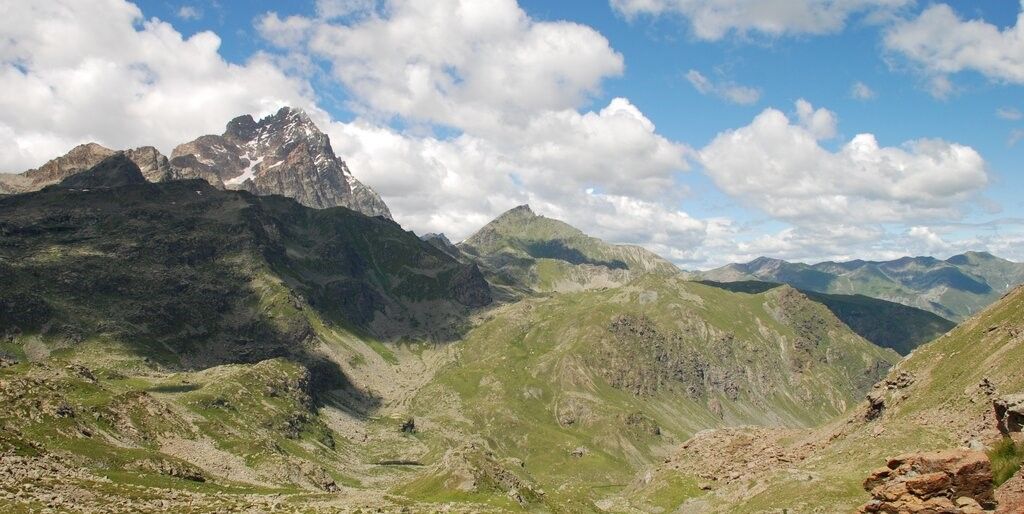
Tour di Viso – Four days around the Stone King from Meire Dacant
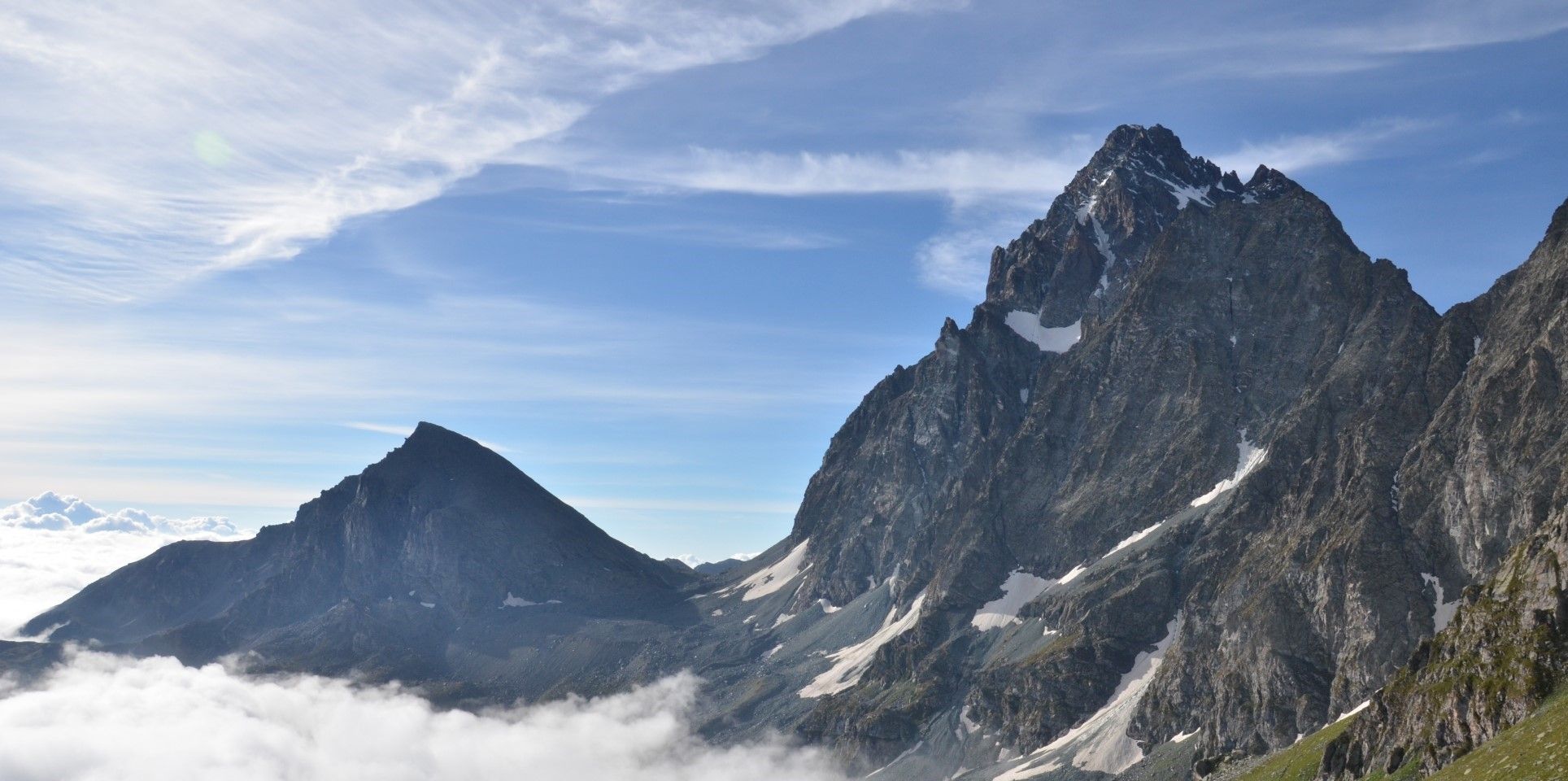
Viso Tour from Castello (variant) – Three days around the Stone King
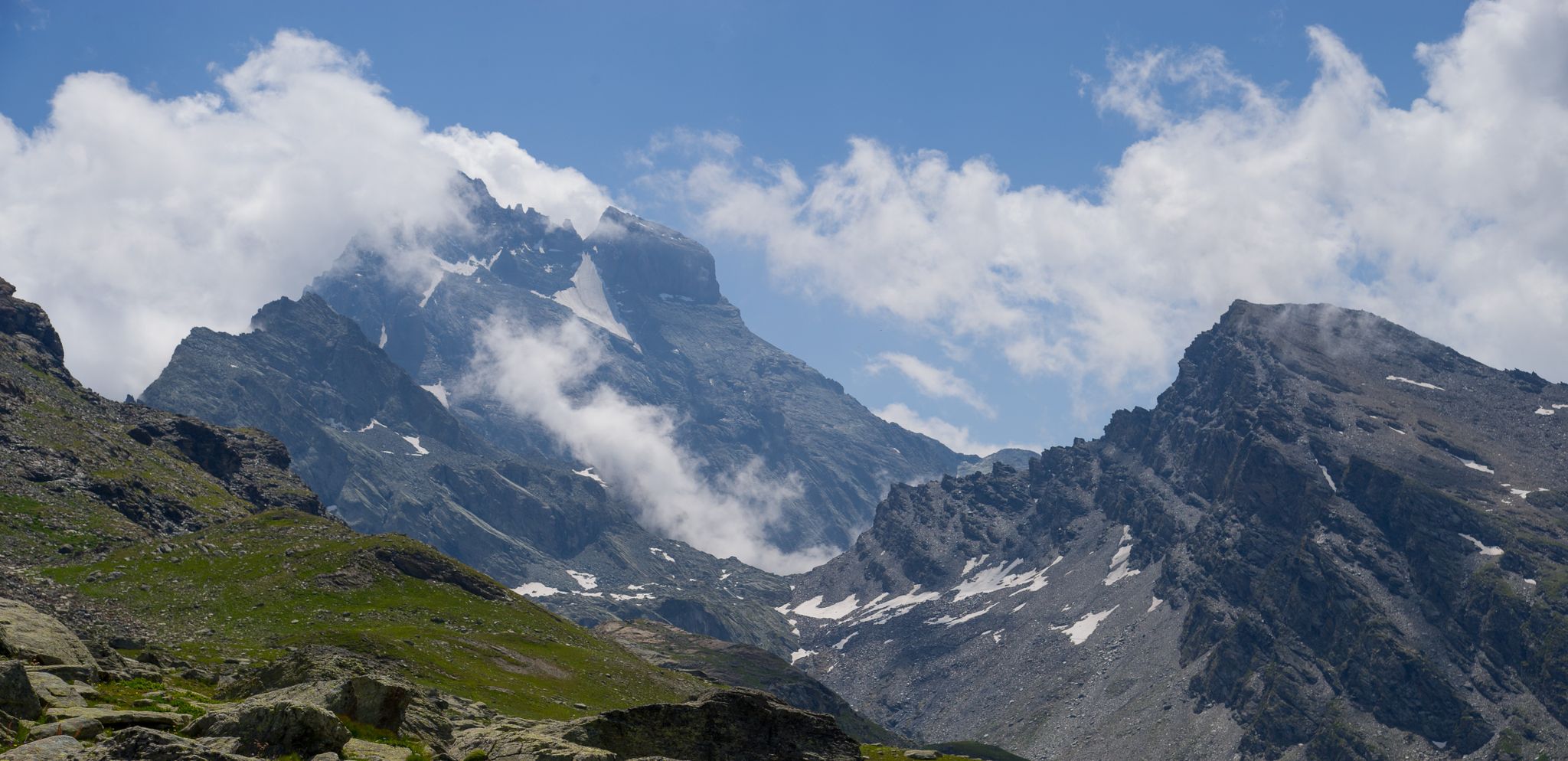
Tour di Viso from Pian del Re – Three days around the Stone King
GTA South Piedmont — Hiking in Italy's Occitan valleys
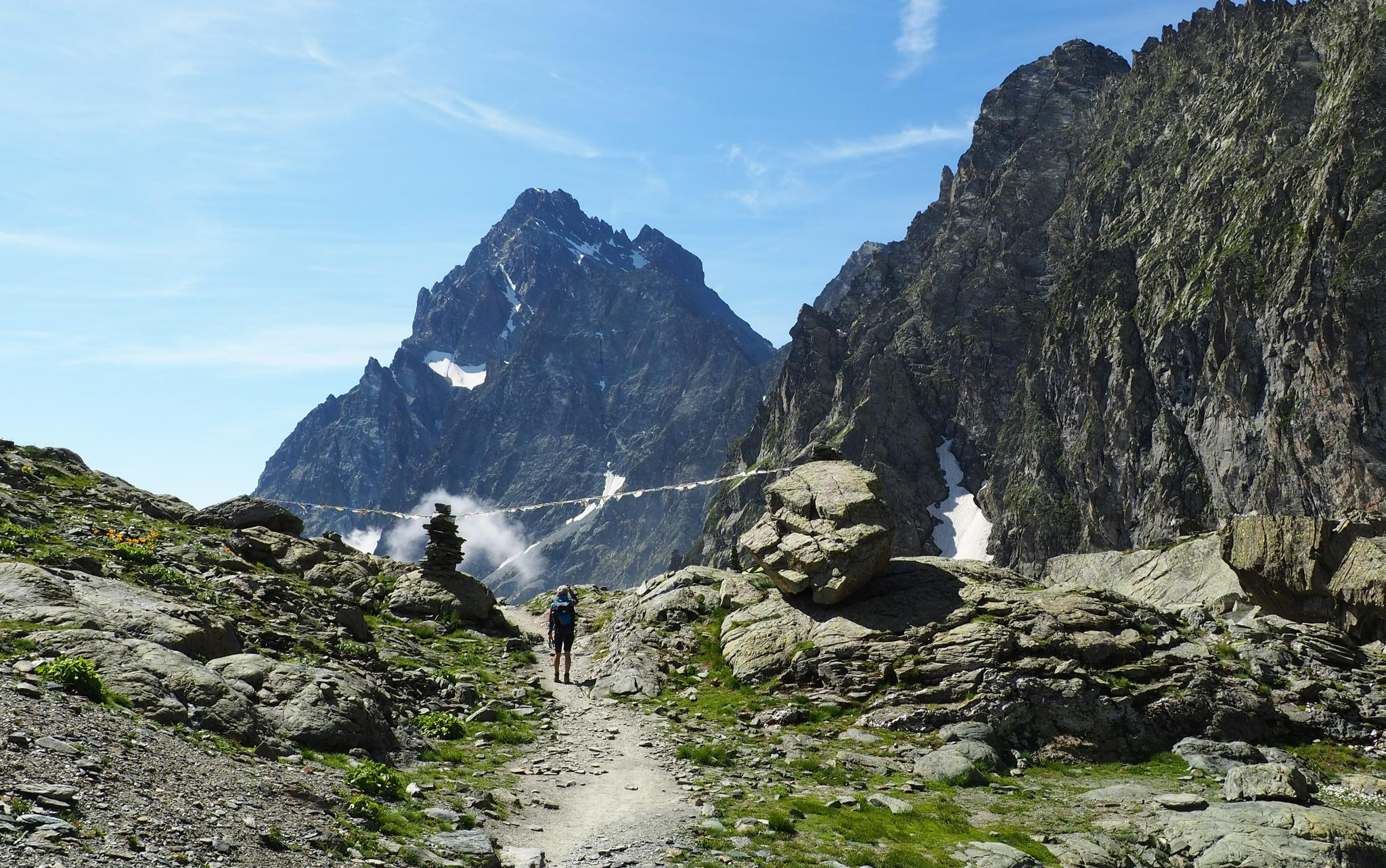
On the trails of the Stone King – trekking among the huts of Monviso
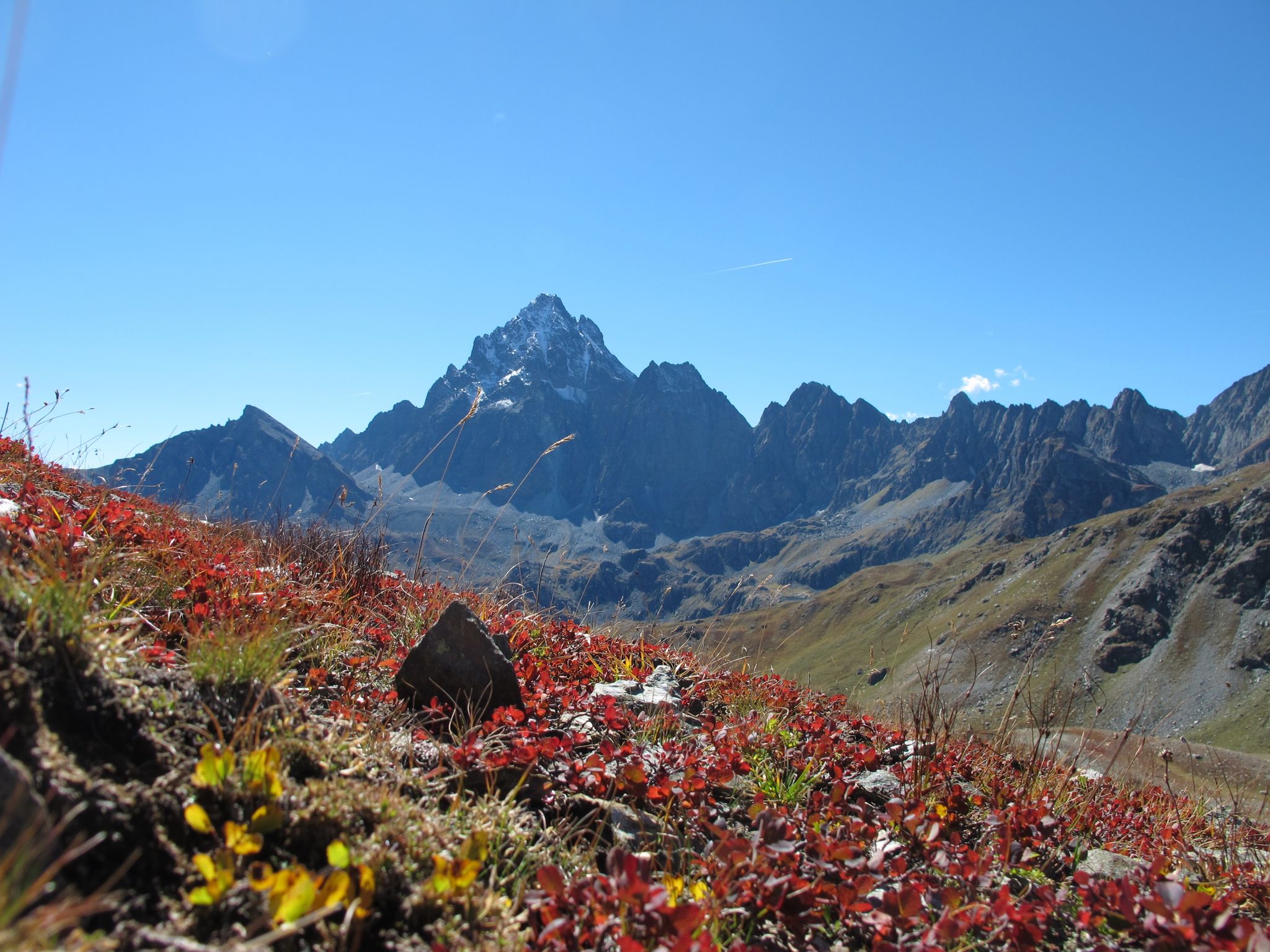
Three days around il Re di Pietra ─ Giro di Viso from Castello
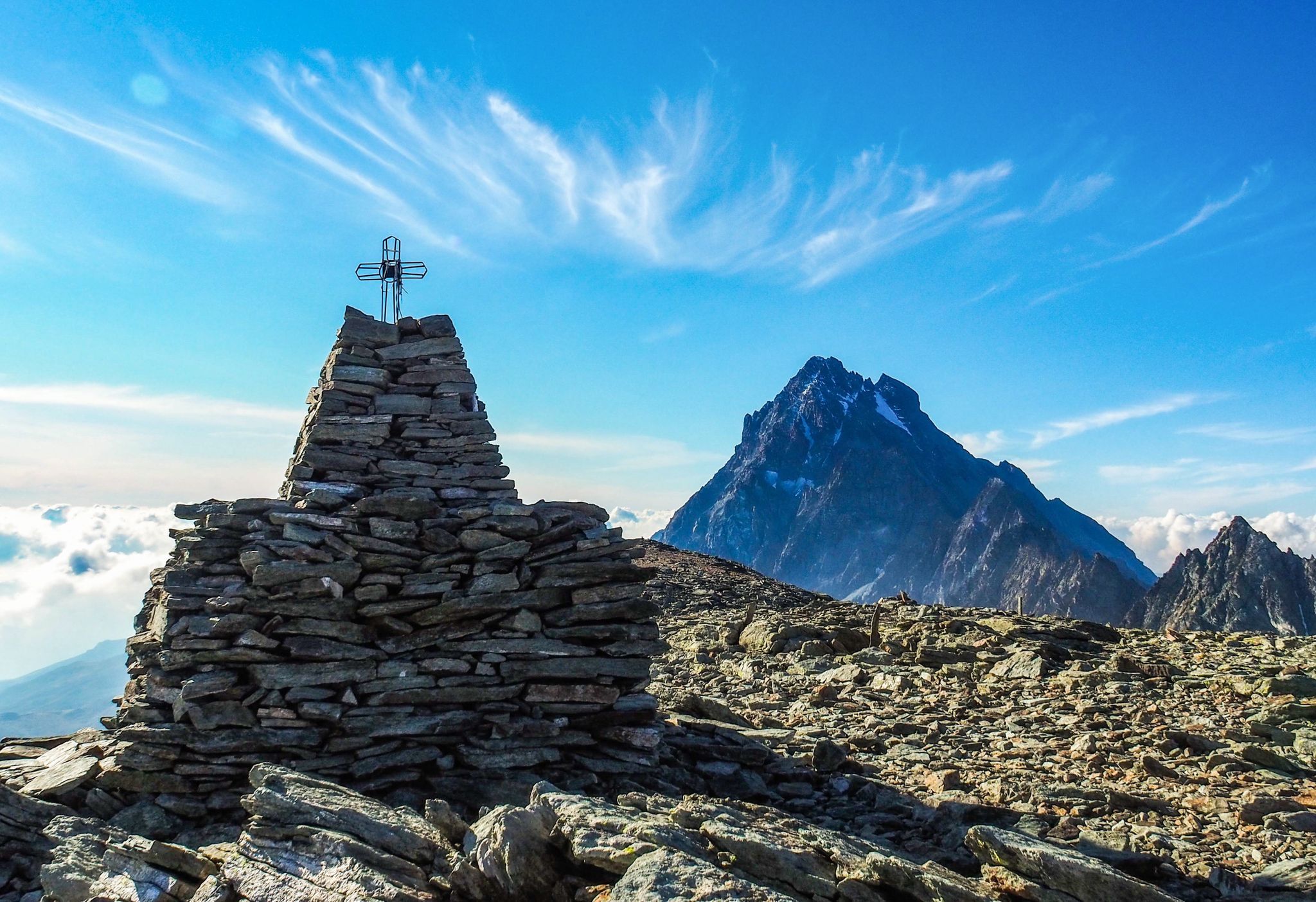
Where birds of prey swoop – 8 peaks over 3,000 metres in Monviso
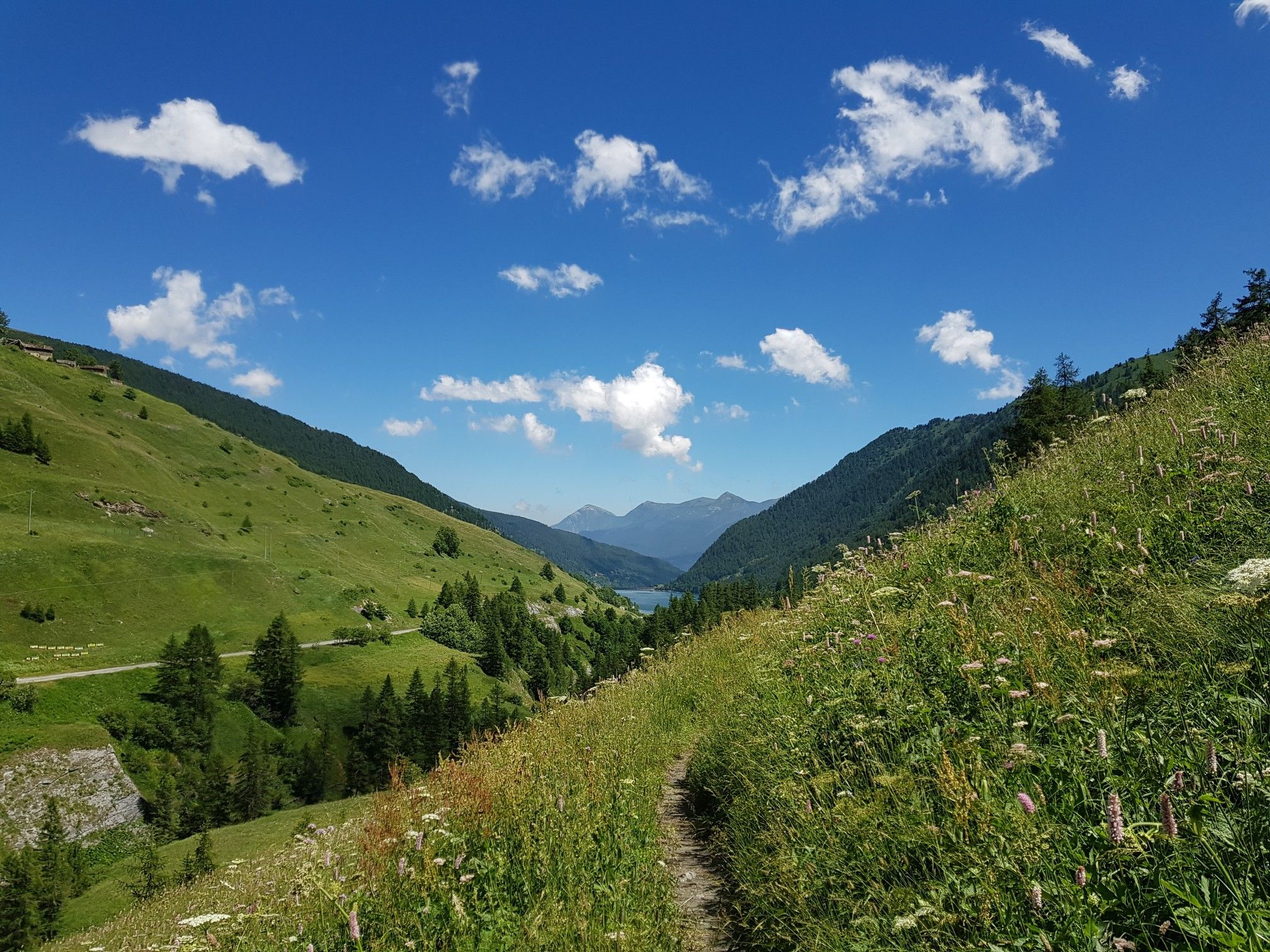
Varaita Valley Trekking – a journey into the lands of Italy’s Monviso
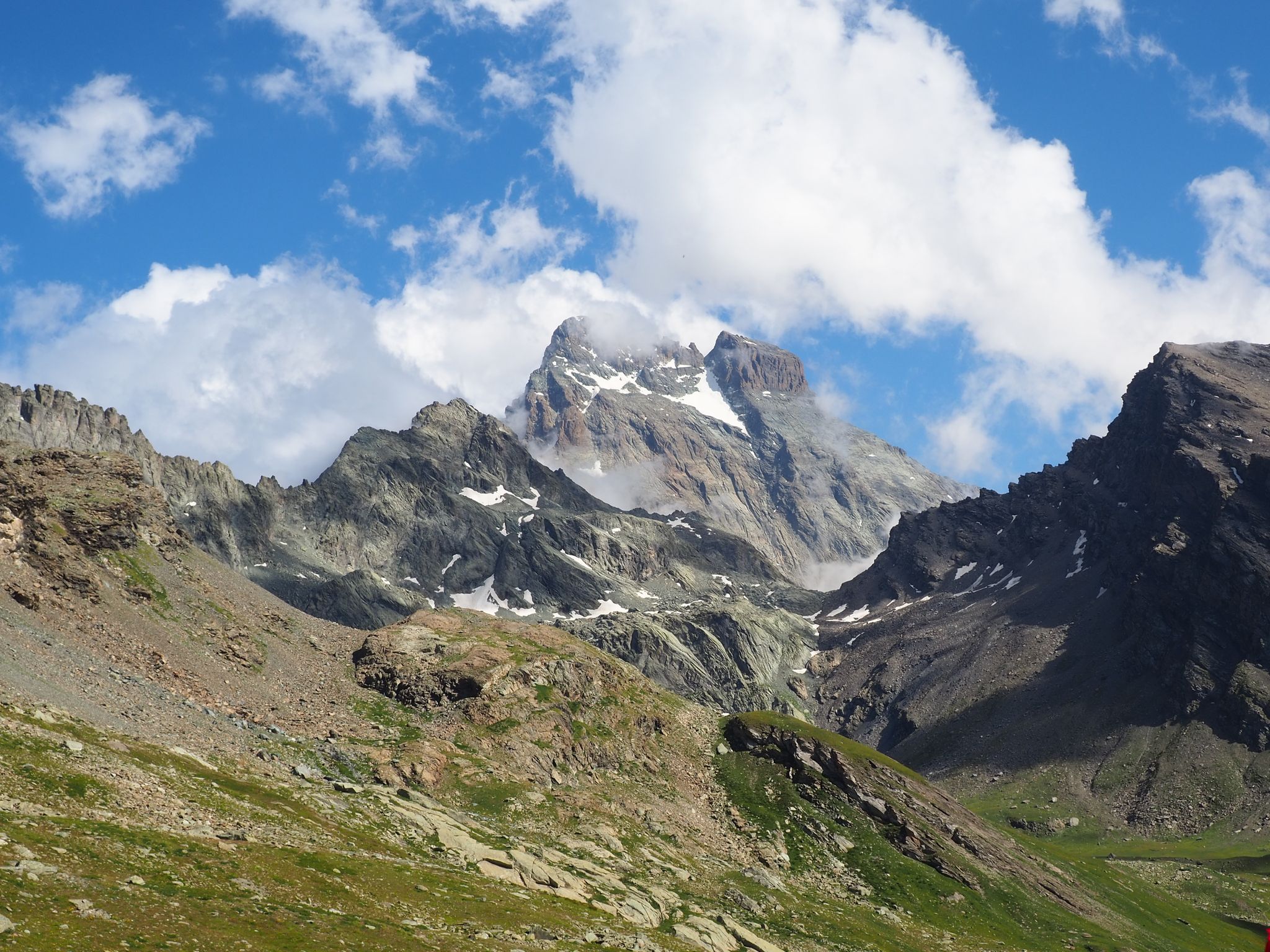
The Tour of Mount Viso – hike around Italy’s Stone King
Other adventures around Parco Naturale Regionale del Monviso


Tips from the Community

Added to the collection: komoot.com/de-de/collection/3600632/-naturdenkmaeler-besondere-baeume-und-weitere-schaetze-der-natur
0
0

Beautiful and famous lake easily reachable from Pian del Re and Regina.
0
0

To shorten the hike, it's best to take the chairlift to the Helios refuge, saving almost two hours of dirt road that passes by the Savigliano refuge. There aren't any major difficulties, except for the very last few meters where it climbs very steeply.
2
0

The first structure of the Pian del Re refuge hotel was built by the Municipality of Crissolo in 1874 to accommodate mountaineers intent on climbing the Normal route of Monviso. In 1909 it became privately owned and management passed to the Perotti family, a historic dynasty of mountain guides of Monviso. Numerous paths start from here, both for day trips and for multi-day treks, such as the Giro del Monviso, or mountaineering itineraries, including the Normal route of Monviso. The refuge is open every day from the beginning of June to the end of September and offers 30 beds, in addition to a bar and restaurant service. For more information, visit the website: https://www.rifugiopiandelre.it.
2
0

Very tough climb, from Pontechianale to the Helios refuge, pedalable with overturning slopes, from the refuge to the summit all portage and push. But the descent is one of the most beautiful I've ever done
1
1

The charm of seeing the lake reflected in the water, encounters with (protected) salamanders, be careful not to step on them
0
0

Very suggestive lake, to be admired at various times of the day
0
0

Old shelter with periodic openings
2
0
Frequently Asked Questions
What are some of the most appreciated natural monuments in Parco Naturale Regionale del Monviso?
Visitors highly appreciate several natural monuments in the region. Among the most popular is Lake Fiorenza, a pristine glacial lake offering unique alpine views. The Source of the Po River, marking the headwaters of Italy's longest river, is another must-see spot. Additionally, the Pian del Re Hut is a popular starting point for hikes with great views.
What unique natural features can I explore in Parco Naturale Regionale del Monviso?
The park boasts a diverse range of natural features. You can explore the majestic Monviso Massif, the highest mountain in the Cottian Alps, known for its geological significance. Visit Pian del Re, the source of the Po River, a historically and geographically important site. The Alevé Woods, the largest stone pine forest in the Western Alps, offers a unique ecological environment. For those interested in speleology, the Rio Martino Cave presents intriguing underground formations.
Where can I find the best panoramic views of the Monviso area?
For breathtaking panoramic views, consider ascending Viso Mozzo, which offers unparalleled 360-degree vistas of Monviso, the Saluzzo plain, and several alpine lakes. Punta Tre Chiosis also provides a splendid 360-degree landscape. The Pian del Re Hut area is another excellent spot for admiring the surrounding alpine scenery.
Are there natural monuments suitable for families in Parco Naturale Regionale del Monviso?
Yes, several natural monuments are suitable for families. The area around Pian del Re and the Source of the Po River is easily accessible via a short walk and features unique habitats. The pristine alpine lakes, such as Lake Fiorenza, offer picturesque spots for walks and photography that can be enjoyed by all ages.
Are there hiking trails near these natural monuments?
Absolutely. The region is a hiker's paradise. Many trails start from the Pian del Re Hut, including sections of the Giro del Monviso. You can find various hiking routes, from moderate to difficult, such as the 'From the source of the Po to lakes Fiorenza and Lausetto — Ring tour'. For more options, explore the Hiking around Parco Naturale Regionale del Monviso guide.
What other outdoor activities are available around these natural monuments?
Beyond hiking, the Parco Naturale Regionale del Monviso offers diverse outdoor activities. You can explore numerous gravel biking routes, with options like the 'Chianale Village – Col Agnel / Colle dell'Agnello loop'. There are also specific waterfall hikes, such as the 'Casteldelfino village – Cascata La Piso loop'. For more details on cycling, check out the Gravel biking around Parco Naturale Regionale del Monviso guide.
What is the significance of the Po River's source in the park?
The Source of the Po River at Pian del Re is famously recognized as the headwaters of Italy's longest river. A small spring seeping from a stony hillside marks the official source, easily accessible to visitors. Its significance as the birthplace of a major European river makes it a historically and geographically important site. You can learn more about the Po River on Wikipedia.
Can I see ancient forests in the Monviso area?
Yes, the Alevé Woods is a prominent ancient forest in the region. It is the largest stone pine forest in the Western Alps, encompassing 825 acres. This forest is a testament to the region's rich biodiversity, with trees that can reach impressive ages, some estimated to be 500 years old, like the Monumental Swiss Stone Pine near Lake Bagnour. It provides a serene setting for walks and experiencing a pristine alpine woodland.
What kind of wildlife can I expect to see in Parco Naturale Regionale del Monviso?
The park's diverse flora and fauna vary significantly with altitude. Visitors may spot alpine ibexes, chamois, and golden eagles. The unique habitats, such as the peat bogs at Pian del Re, are home to rare species like the black Lanza salamander, along with marmots and various grazing animals. The combination of different ecosystems supports a wide array of bird species as well.
What is the best time to visit the natural monuments in Parco Naturale Regionale del Monviso?
The best time to visit generally depends on the activities you plan. For hiking and exploring the high-altitude natural monuments like the Source of the Po River and alpine lakes, late spring to early autumn (June to September) offers the most favorable weather conditions. During these months, trails are typically clear of snow, and the refuges are open.
Are there any hidden natural gems in the Monviso area?
While many natural monuments are well-known, exploring the numerous smaller alpine lakes scattered throughout the park can feel like discovering hidden gems. Lakes such as Lago Chiaretto and Lago Lausetto offer stunning reflections and tranquility away from more crowded spots. The diverse ecosystems within the Alevé Woods also hold many serene and less-traveled paths.
What is the Monviso Massif, and why is it significant?
The Monviso Massif, often called the 'King of Stone,' is the highest mountain in the Cottian Alps, reaching 3,841 meters. Its significance lies in its geological composition, being a remnant of the Mesozoic Tethyan lithosphere, and the visible evidence of Pleistocene glaciations that shaped its morphology. It offers challenging mountaineering experiences and provides insight into alpine glacial environments with its surviving glaciers.
Most popular routes around Parco Naturale Regionale del Monviso
Most popular attractions around Parco Naturale Regionale del Monviso

Get inspired with the komoot mobile app


Explore more
Extend your search for the best caves by checking out these guides of the top ones around Parco Naturale Regionale del Monviso:
