Aizkorri-Aratz parke naturala/Parque Natural de Aizkorri-Aratz
Aizkorri-Aratz parke naturala/Parque Natural de Aizkorri-Aratz
Top 20 Natural Monuments around Aizkorri-Aratz parke naturala/Parque Natural de Aizkorri-Aratz
Best natural monuments around Aizkorri-Aratz parke naturala/Parque Natural de Aizkorri-Aratz are shaped by its limestone geology, offering a blend of geological wonders and historical relevance. This natural park, straddling Álava and Gipuzkoa, features the highest summits in the Basque Country, extensive karstic formations, and ancient routes. The terrain includes challenging peaks, deep ravines, and significant cave systems. These natural landmarks provide opportunities for geological exploration, hiking, and appreciating the region's natural and cultural heritage.
Best natural monuments around Aizkorri-Aratz parke…
Last updated: July 10, 2026
San Adrián Tunnel
Highlight • Cave
Be careful if it is wet or damp as the stones slip a lot.
Translated by Google •
Tip by

Aizkorri Summit (1,523 m)
Highlight • Summit
Translated by Google •
Tip by

Sign up now to discover places like this
Get recommendations on the best single tracks, peaks, & plenty of other exciting outdoor places.
Sign up for free
Eye of Aitzulo
Highlight • Cave
From the cave parking lot, it's much steeper and zigzags. About 2.5 or 3 km with a lot of elevation gain.
Translated by Google •
Tip by

Aketegi Summit
Highlight • Summit
Translated by Google •
Tip by
Aratz Summit (1,445 m)
Highlight • Summit
The crest is usually windy.
Translated by Google •
Tip by
Sign up for free to discover even more natural monuments around Aizkorri-Aratz parke naturala/Parque Natural de Aizkorri-Aratz.
Sign up for free
Already have an account?
Start today with a free account
Your next adventure awaits.
Login or Signup
Popular around Aizkorri-Aratz parke naturala/Parque Natural de Aizkorri-Aratz
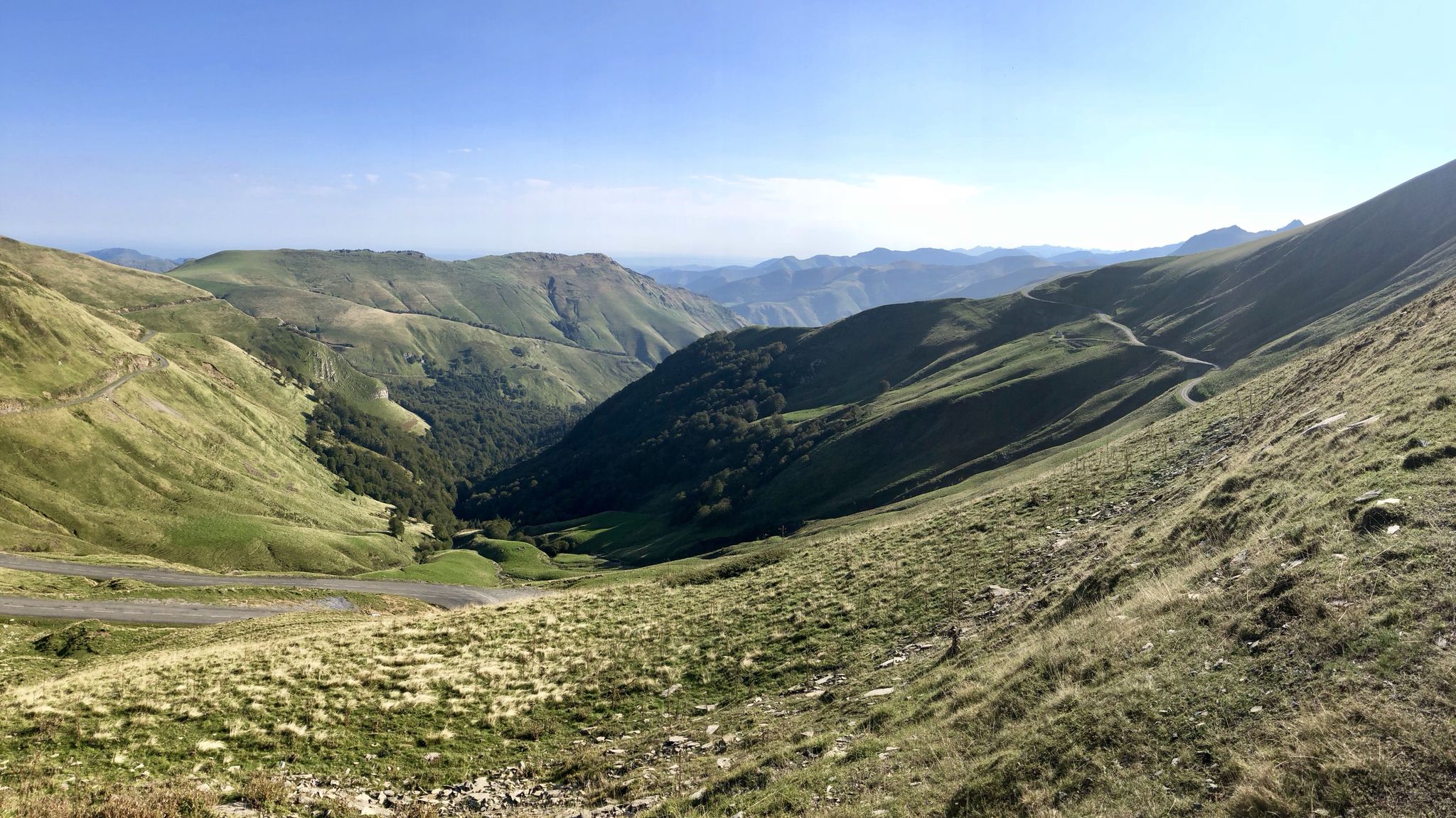
Euskal Herria footpath (GR 12) – The infinite mountain range
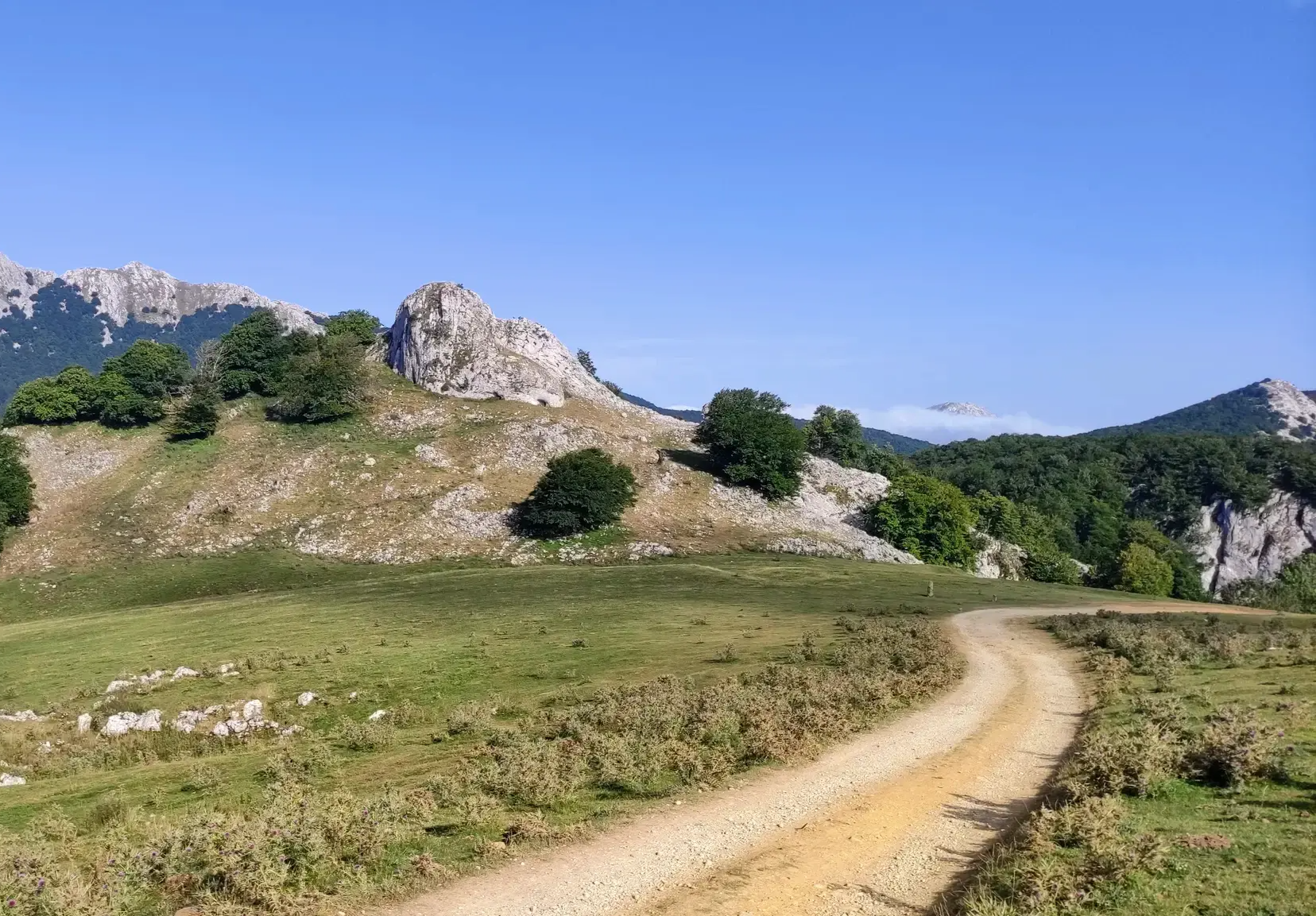
The Ignatian Way - In the footsteps of Ignatius of Loyola
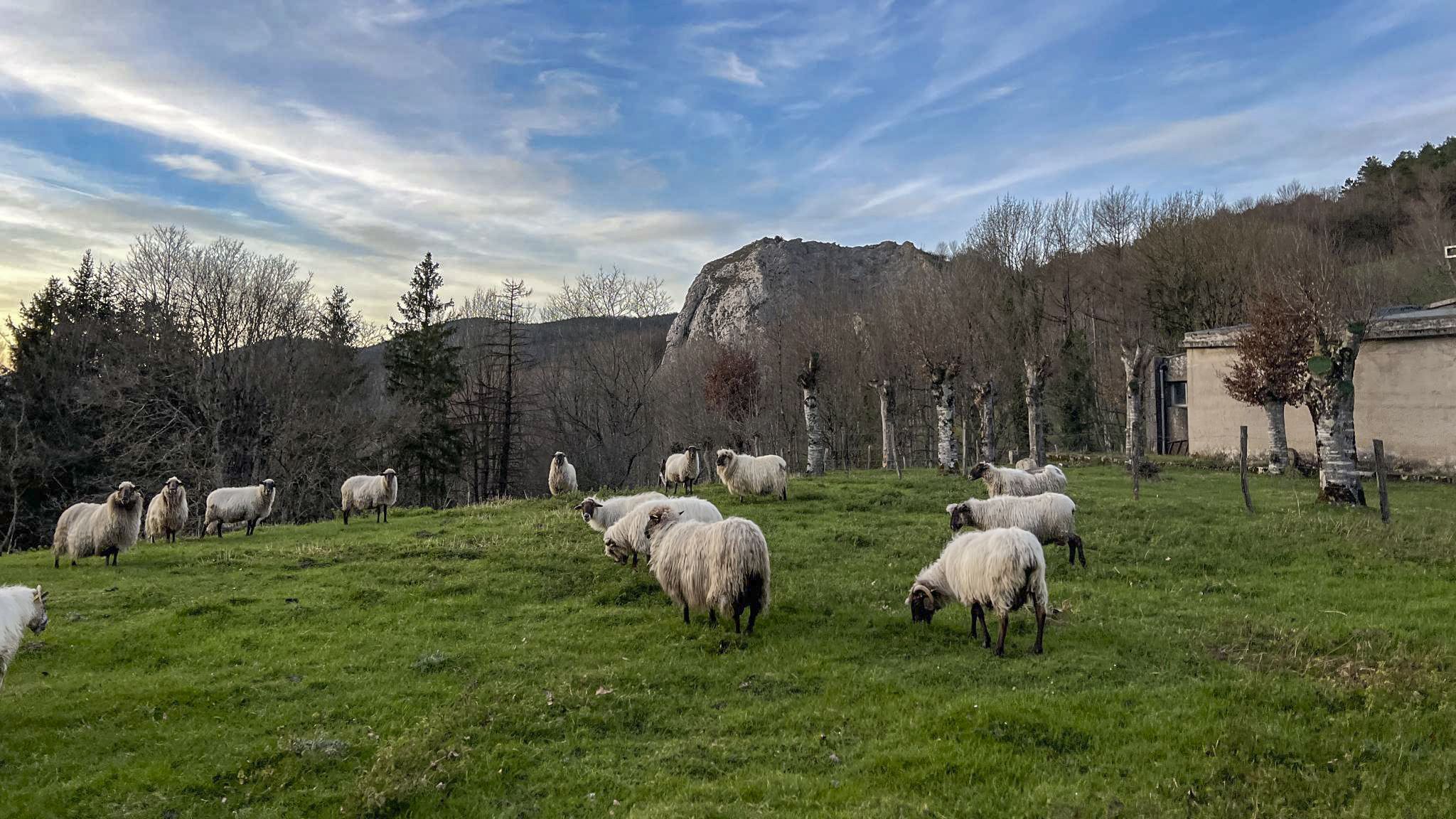
Basque Traditions and Landscapes - Idiazabal Cheese Route (GR 283)
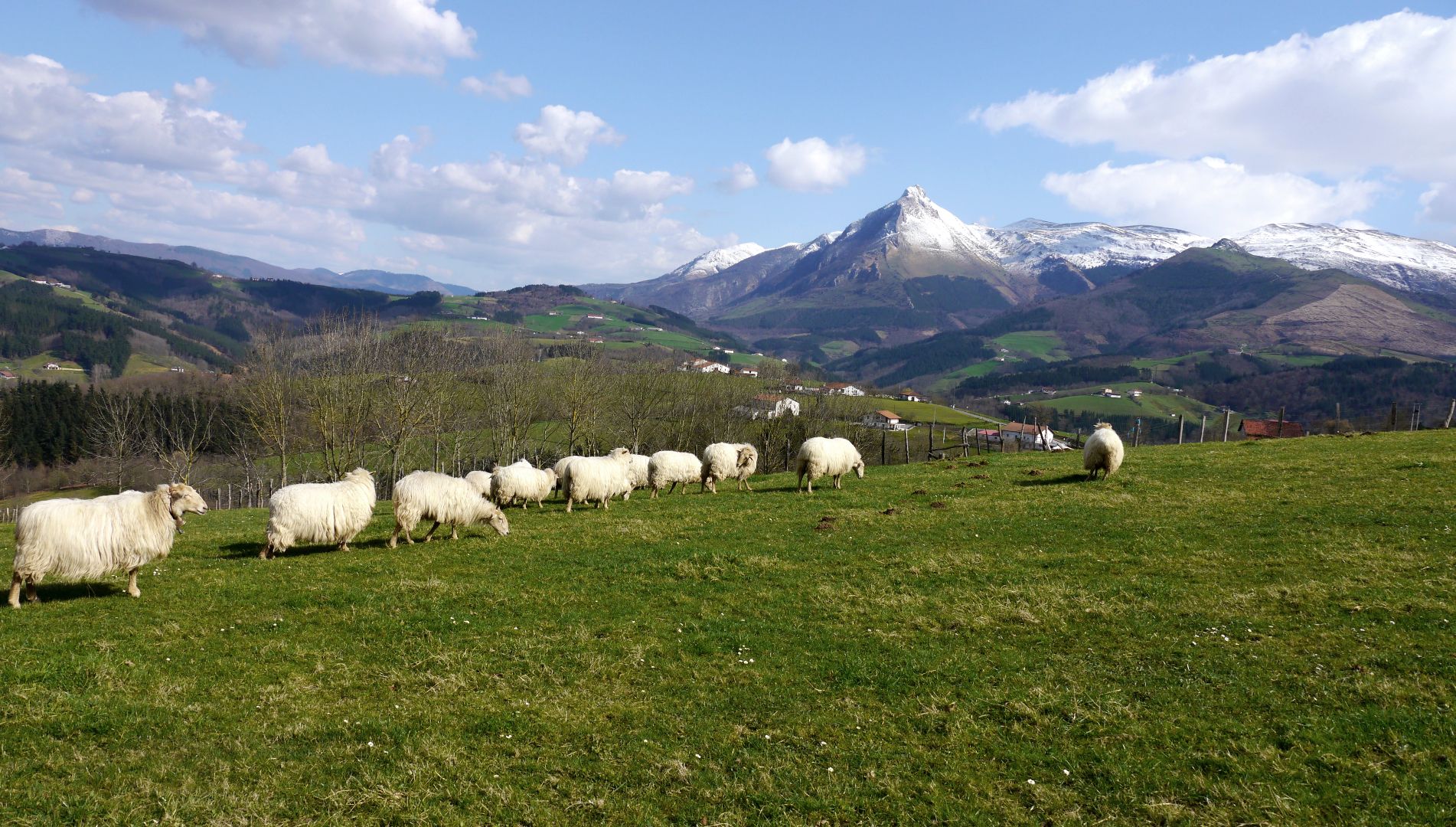
Mountains with tradition in Spain’s Basque Country – Shepherd's Path (GR 282)
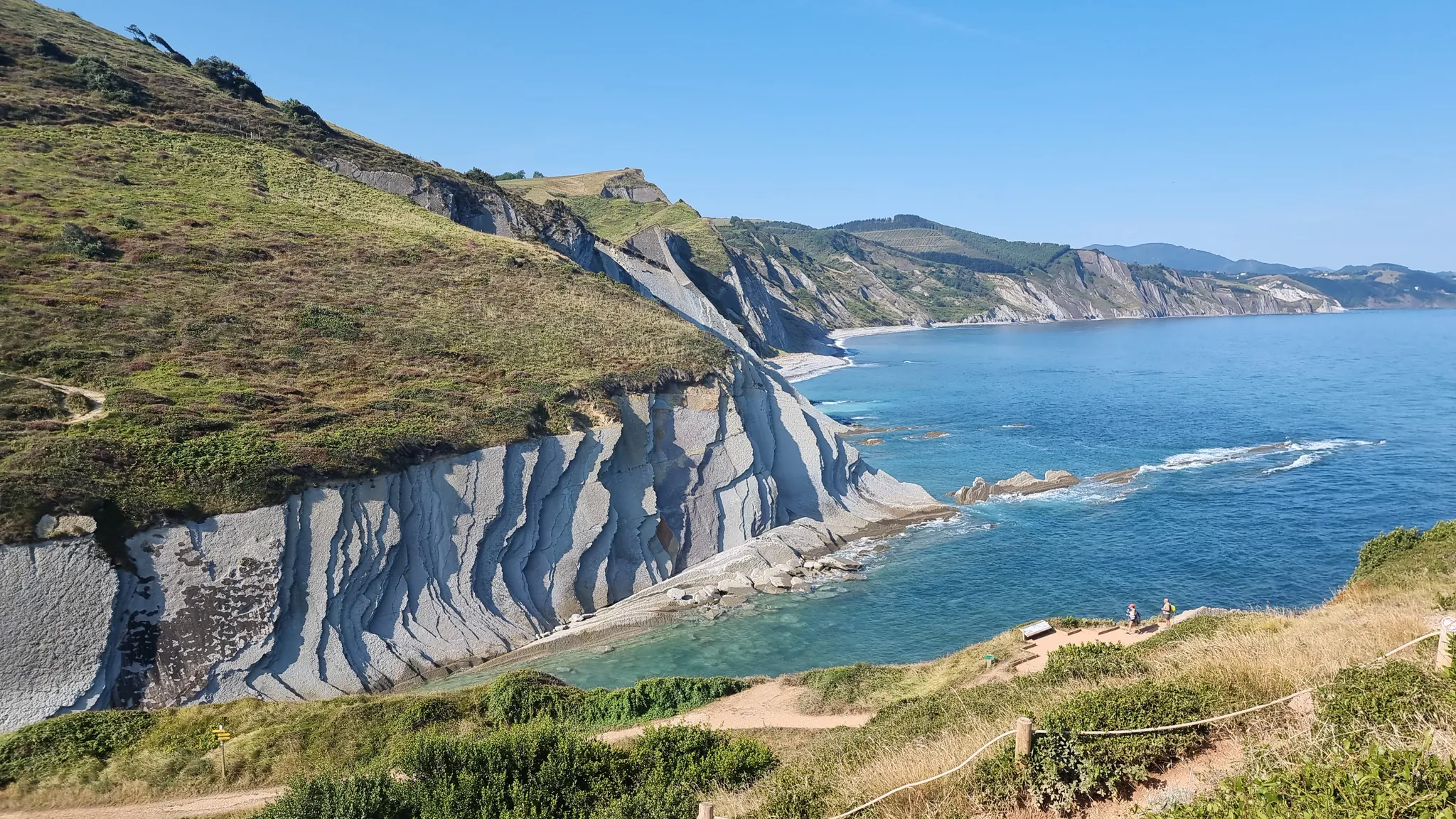
Between the sea and the mountains — GR 121: Tour of Guipúzcoa
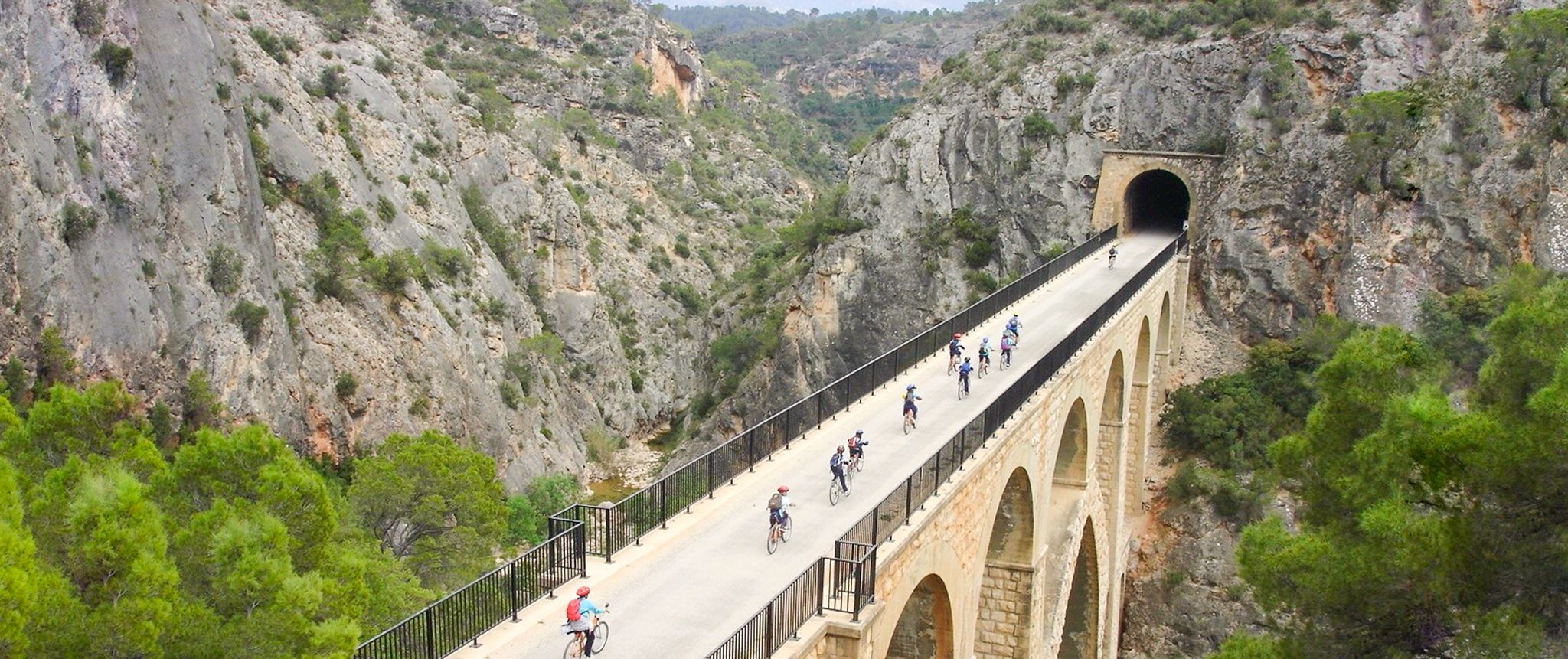
Vías Verdes – traffic-free cycling along railway history in Spain
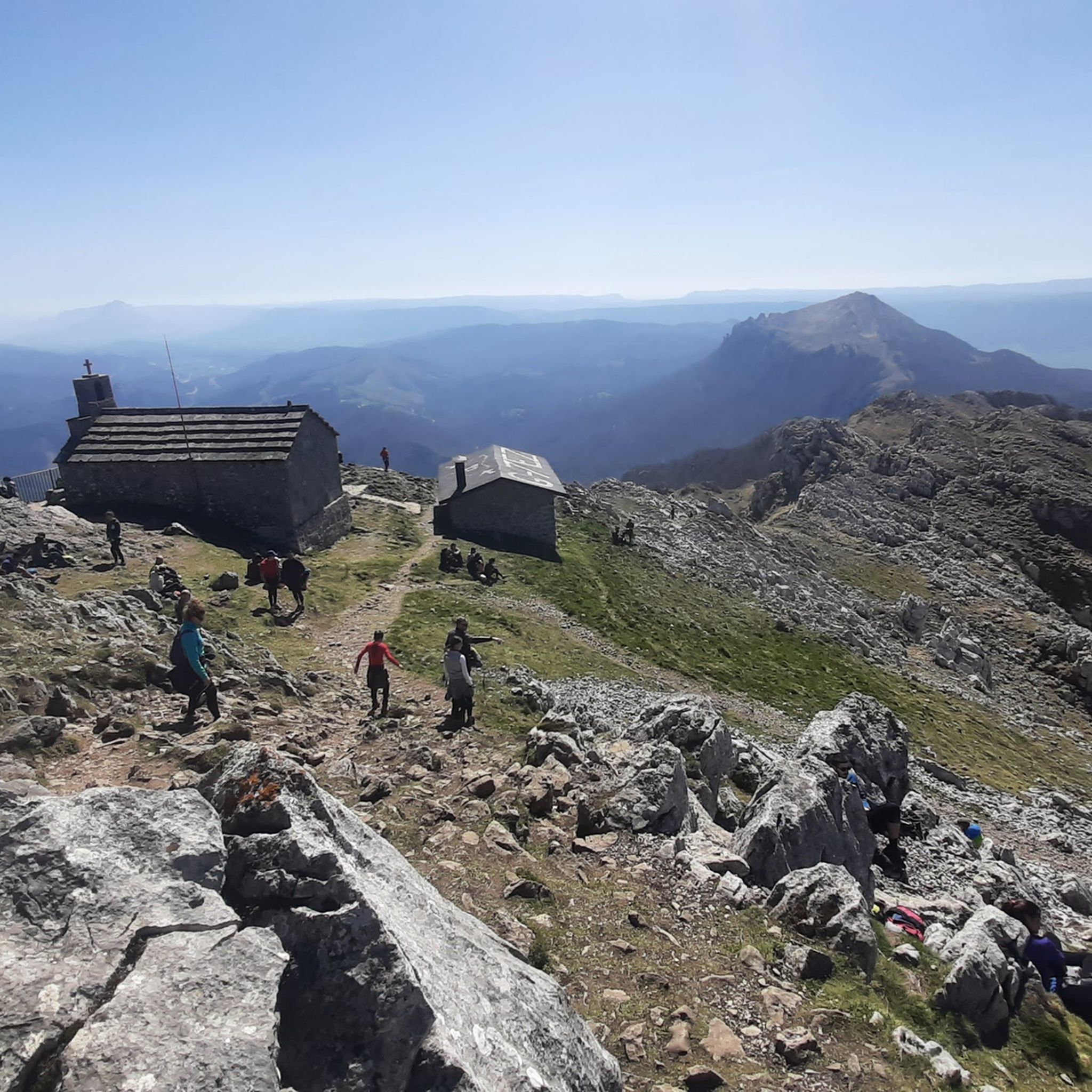
Hiking around Aizkorri-Aratz parke naturala/Parque Natural de Aizkorri-Aratz
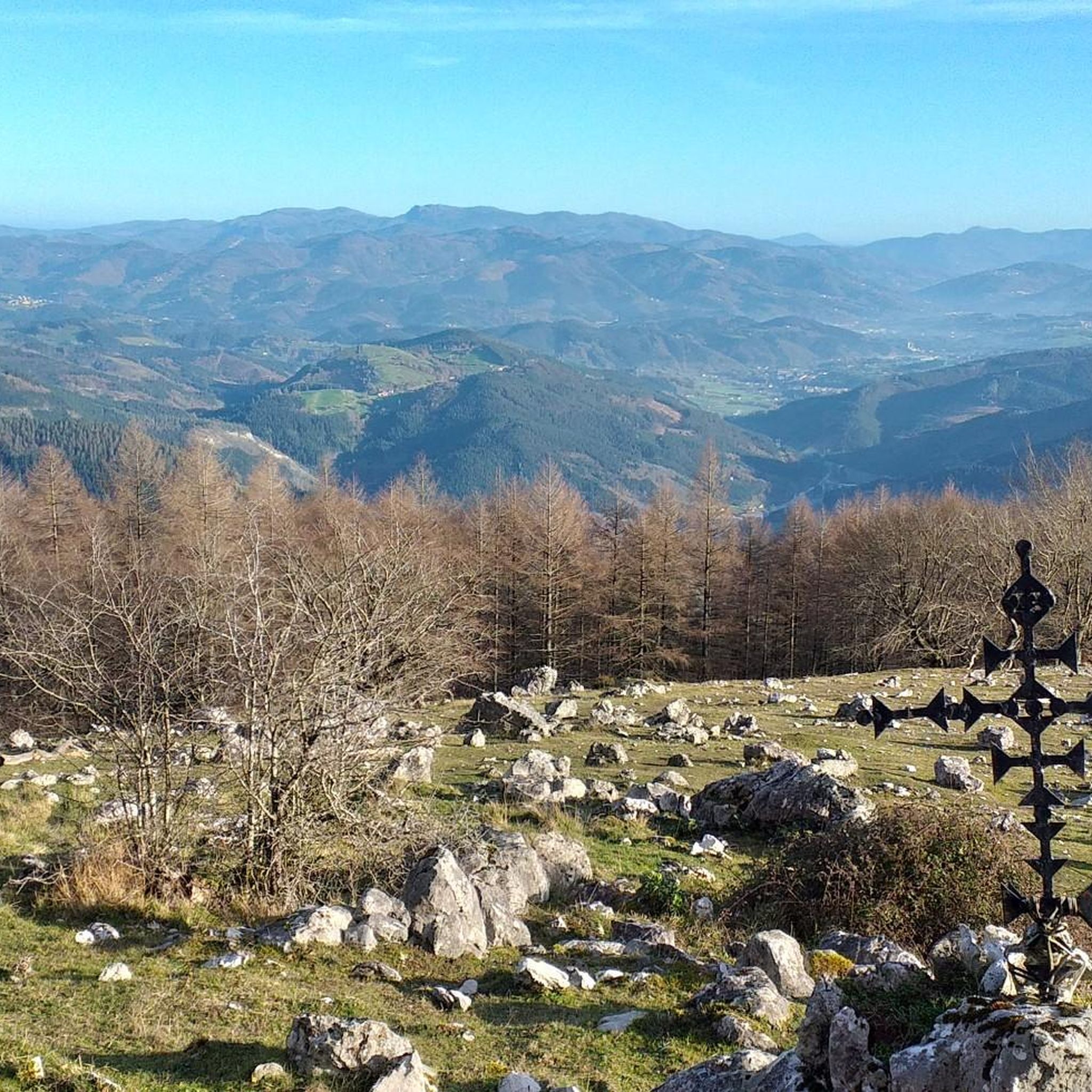
MTB Trails around Aizkorri-Aratz parke naturala/Parque Natural de Aizkorri-Aratz
Cycling around Aizkorri-Aratz parke naturala/Parque Natural de Aizkorri-Aratz
Running Trails around Aizkorri-Aratz parke naturala/Parque Natural de Aizkorri-Aratz
Other adventures around Aizkorri-Aratz parke naturala/Parque Natural de Aizkorri-Aratz


Tips from the Community


What's the deal with the names? Are "aketegi" and "aitxuri" the same thing?
0
0

If you climb from Araotz, follow the PR, and the climb is very easy and short. From the cave parking lot, it's much steeper and zigzags. About 2.5 or 3 km with a lot of elevation gain.
2
1


One of the highest points in the Basque Country, let yourself be enveloped by the fog and it will seem like a magical place.
0
0

A place to remember, a joy to visit.
4
0
Beautiful place, I recommend doing that route.
2
0
Frequently Asked Questions
What are the most popular natural monuments around Aizkorri-Aratz parke naturala/Parque Natural de Aizkorri-Aratz?
Visitors frequently enjoy the unique natural spectacle of the Eye of Aitzulo, a cave offering extraordinary views. Another highly appreciated spot is the San Adrián Tunnel, a historical natural pass that blends natural beauty with ancient routes like the Way of St. James. For those seeking panoramic vistas, the challenging Aizkorri Summit (1,523 m) is a significant destination.
What unique geological features can I explore in the park?
The park is renowned for its diverse karstic formations, shaped by limestone geology. You can explore features like the Eye of Aitzulo cave, the historically significant San Adrián Tunnel, and the extensive Oñati-Arrikrutz Cave system, which boasts over 15 km of galleries with giant stalactites and significant paleontological discoveries. Other notable karstic features include the La Lece sinkhole and the dramatic Arantzazu Ravine.
Are there any historical or cultural sites among the natural monuments?
Yes, the San Adrián Tunnel is a prime example, serving as an ancient road and part of the Camino Real and the Way of St. James. Inside, there's even a small chapel. The Urbia Depression, with its extensive pasture plains, also features numerous dolmens, indicating prehistoric human presence and adding a layer of ancient history to the natural landscape.
What are the highest peaks in the Aizkorri-Aratz Natural Park?
The Aizkorri-Aratz Natural Park is home to the highest summits in the Basque Country. While the Aizkorri Summit (1,523 m) is a prominent peak, the highest point is Aitxuri at 1,551 meters, closely followed by Aketegi Summit at 1,548 meters. These peaks offer challenging climbs and expansive views.
What kind of forests can be found in the park?
The park protects outstanding examples of native forests, particularly dense and beautiful beech forests. Notable examples include the Iturrigorri beech forest, considered the most important in Gipuzkoa, and the Altzania beech forest, one of the largest in the Basque Country. These forests provide serene environments for walking and enjoying the rich biodiversity.
What outdoor activities can I do near these natural monuments?
The region offers a variety of outdoor activities. You can find numerous running trails, such as 'The hidden path from Aránzazu' or the 'Arantzazu Sanctuary – Aizkorri Summit loop'. For cyclists, there are touring bicycle routes like the 'Mirandaola Park – View of the Deskarga pass loop' and road cycling options including the 'Sanctuary of Arantzazu – Monument to the Basque Shepherd loop'. You can explore more routes in the running trails guide, cycling guide, and road cycling guide for the Aizkorri-Aratz Natural Park.
Are there family-friendly natural monuments or easy trails?
While many trails in the park can be challenging, some areas offer more accessible options. For instance, the approach to the Eye of Aitzulo from Araotz is described as very easy and short, making it suitable for families. The Urbia Depression, with its open pasture plains and shepherd's huts, also offers gentler terrain for walks, allowing families to enjoy the landscape and historical elements.
What is the best time to visit the natural monuments in Aizkorri-Aratz?
The Aizkorri-Aratz Natural Park can be enjoyed throughout the year, but spring and autumn generally offer the most pleasant weather for hiking and exploring. During these seasons, temperatures are moderate, and the natural landscapes, especially the beech forests, display vibrant colors. Summer is also popular, though some higher elevations can be exposed. Winter visits are possible but require appropriate gear due to potential snow and colder conditions, particularly on the summits.
What do visitors enjoy most about the natural monuments in Aizkorri-Aratz?
Visitors consistently praise the breathtaking views from the summits and caves, describing them as 'extraordinary' and 'impressive'. The blend of natural beauty with historical significance, particularly at the San Adrián Tunnel, is also highly valued. Many appreciate the sense of accomplishment from challenging climbs and the serene atmosphere of the ancient forests and karstic landscapes.
Is the Oñati-Arrikrutz Cave accessible to visitors?
Yes, the Oñati-Arrikrutz Cave, one of Gipuzkoa's most extensive cave systems, offers guided tours. These tours allow visitors to explore its impressive formations, including giant stalactites, and learn about its significant paleontological importance, which includes discoveries like the complete skeleton of a Eurasian Cave lion. It provides a fascinating underground adventure for those interested in geology and prehistory.
Are there any natural monuments that offer significant viewpoints?
Absolutely. The Eye of Aitzulo is known for its extraordinary views from inside the cave. The Aizkorri Summit (1,523 m) and Aketegi Summit provide expansive panoramic views of both Gipuzkoa and Álava. Even the Aratz Summit (1,445 m), though separate, offers beautiful vistas from its often windy crest.
What should I be aware of when visiting the caves or summits?
When visiting caves like the Eye of Aitzulo or the San Adrián Tunnel, be cautious as surfaces can be wet or damp and prone to slipping. For summits like Aizkorri or Aratz, be prepared for potentially strong winds, especially on exposed ridges. Always wear appropriate footwear and clothing, and check weather conditions before heading out.
Most popular routes around Aizkorri-Aratz parke naturala/Parque Natural de Aizkorri-Aratz
Most popular attractions around Aizkorri-Aratz parke naturala/Parque Natural de Aizkorri-Aratz

Get inspired with the komoot mobile app


Explore more
Extend your search for the best caves by checking out these guides of the top ones around Aizkorri-Aratz parke naturala/Parque Natural de Aizkorri-Aratz:
