Parc Natural de la Muntanya de Montserrat
Parc Natural de la Muntanya de Montserrat
Top 9 Mountain Passes around Parc Natural de la Muntanya de Montserrat
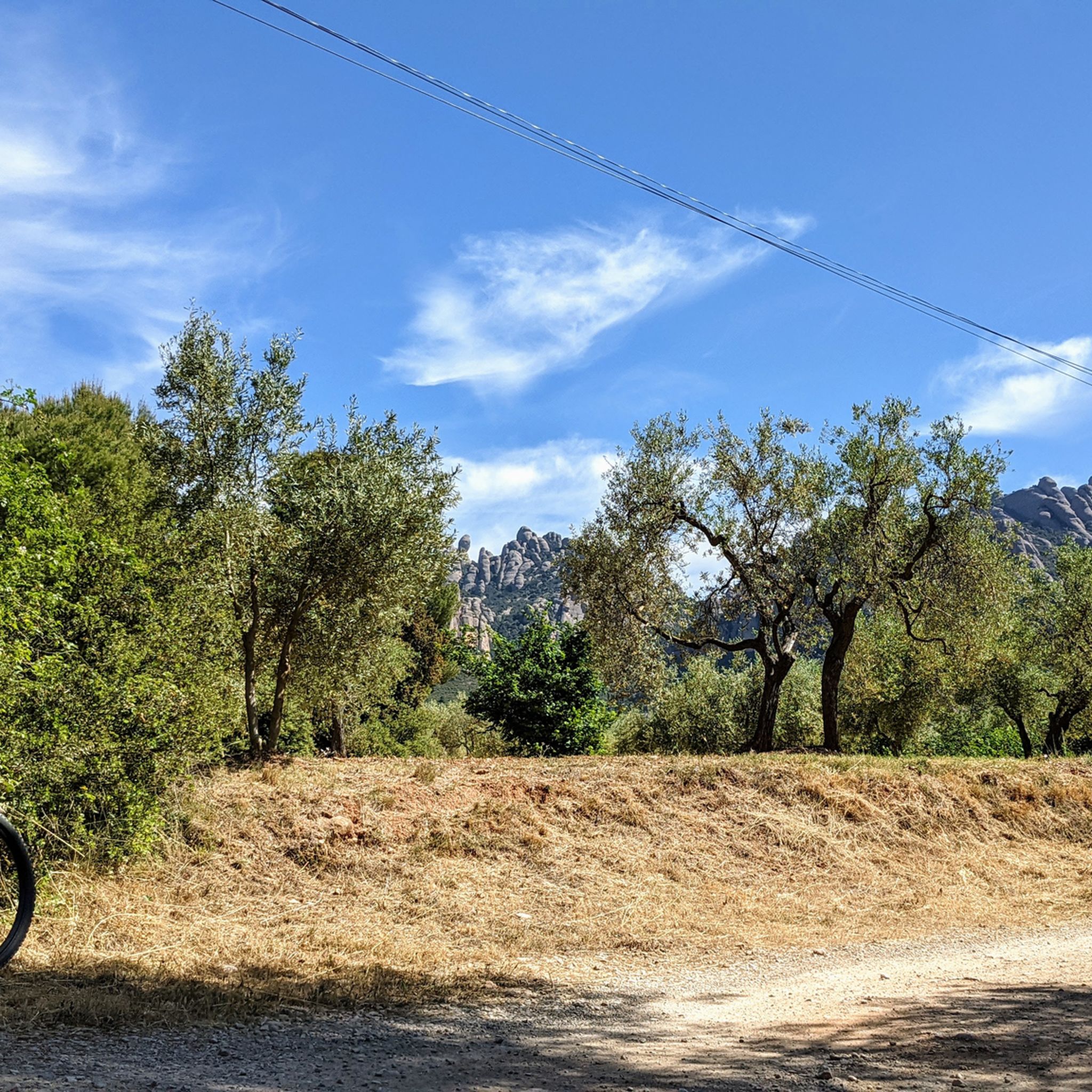
Best mountain passes around Parc Natural de la Muntanya de Montserrat offers a unique mountainous landscape characterized by prominent peaks and distinctive rock formations. This natural park provides access to various parts of its terrain, including several notable passes and viewpoints. The area is known for its "tooth-like" rock formations and oak-filled high plains, making it a significant landmark for exploration. Its geological features and the presence of the Montserrat Monastery contribute to its cultural and natural appeal.
Best mountain…
Last updated: July 10, 2026
Coll de Can Maçana
Highlight • Mountain Pass
Translated by Google •
Tip by

Portell de Migdia (1,029 m)
Highlight • Mountain Pass
Translated by Google •
Tip by

Sign up now to discover places like this
Get recommendations on the best single tracks, peaks, & plenty of other exciting outdoor places.
Sign up for free
La Portella Pass
Highlight • Mountain Pass
Translated by Google •
Tip by
L'Ajaguda Pass or Bassal dels Gats
Highlight • Mountain Pass
Passage point for the Camí dels Francesos or …
Translated by Google •
Tip by
Portell Estret (Coll de les Agulles)
Highlight • Mountain Pass
Translated by Google •
Tip by
Sign up for free to discover even more mountain passes around Parc Natural de la Muntanya de Montserrat.
Sign up for free
Already have an account?
Start today with a free account
Your next adventure awaits.
Login or Signup
Popular around Parc Natural de la Muntanya de Montserrat
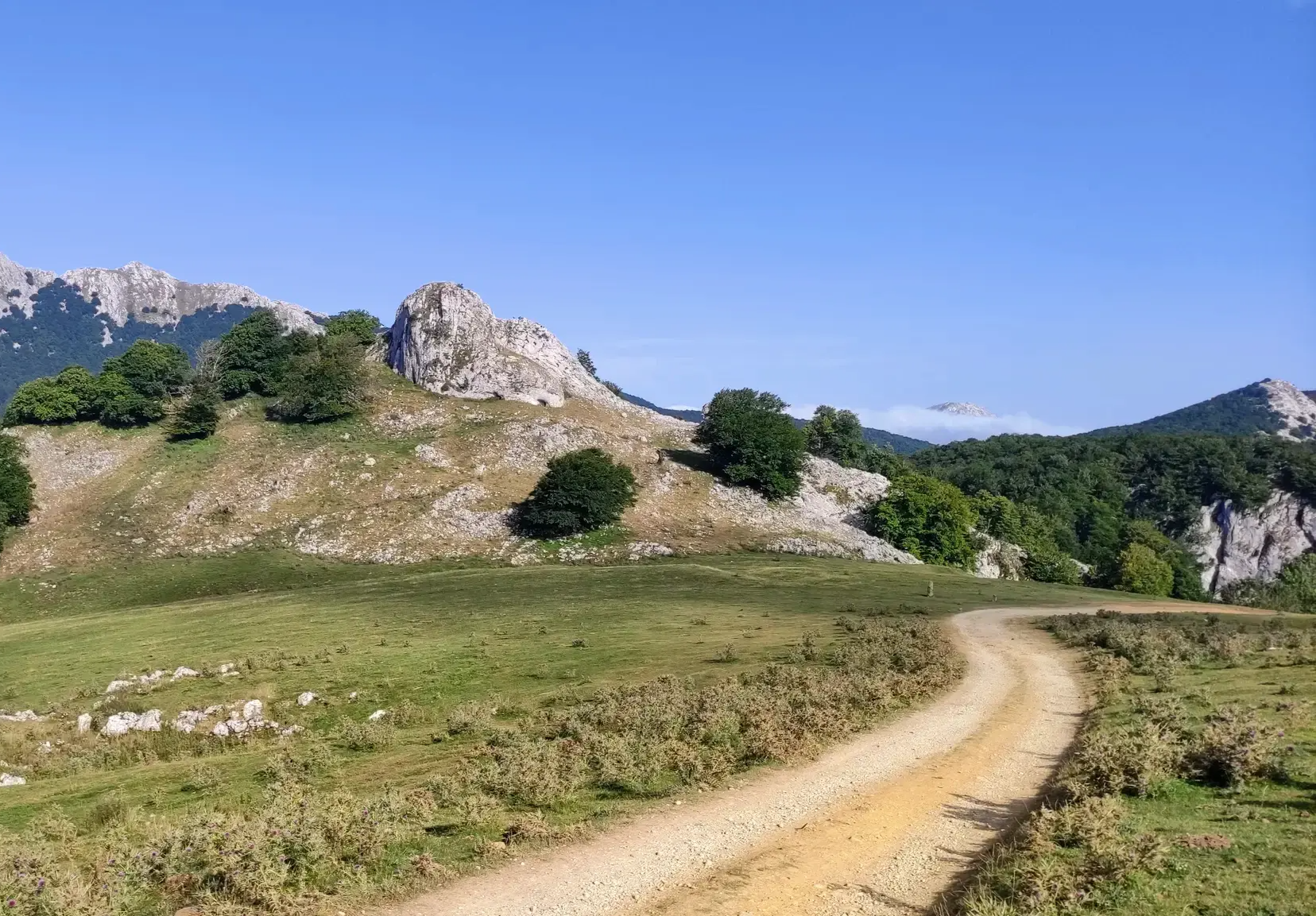
The Ignatian Way - In the footsteps of Ignatius of Loyola
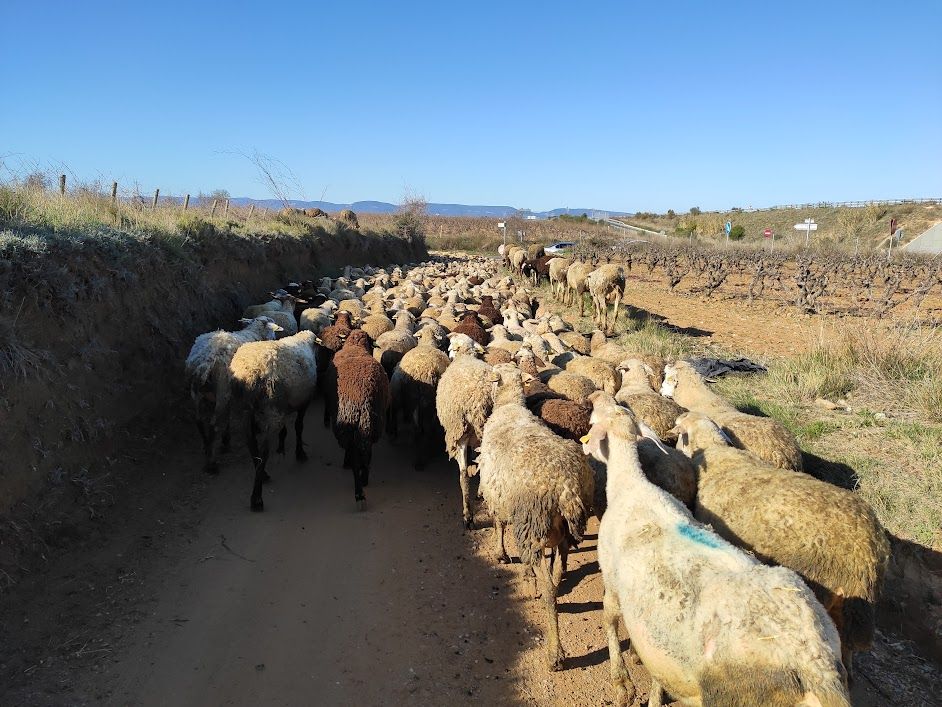
The shepherds' path – Camí Ramader de la Marina
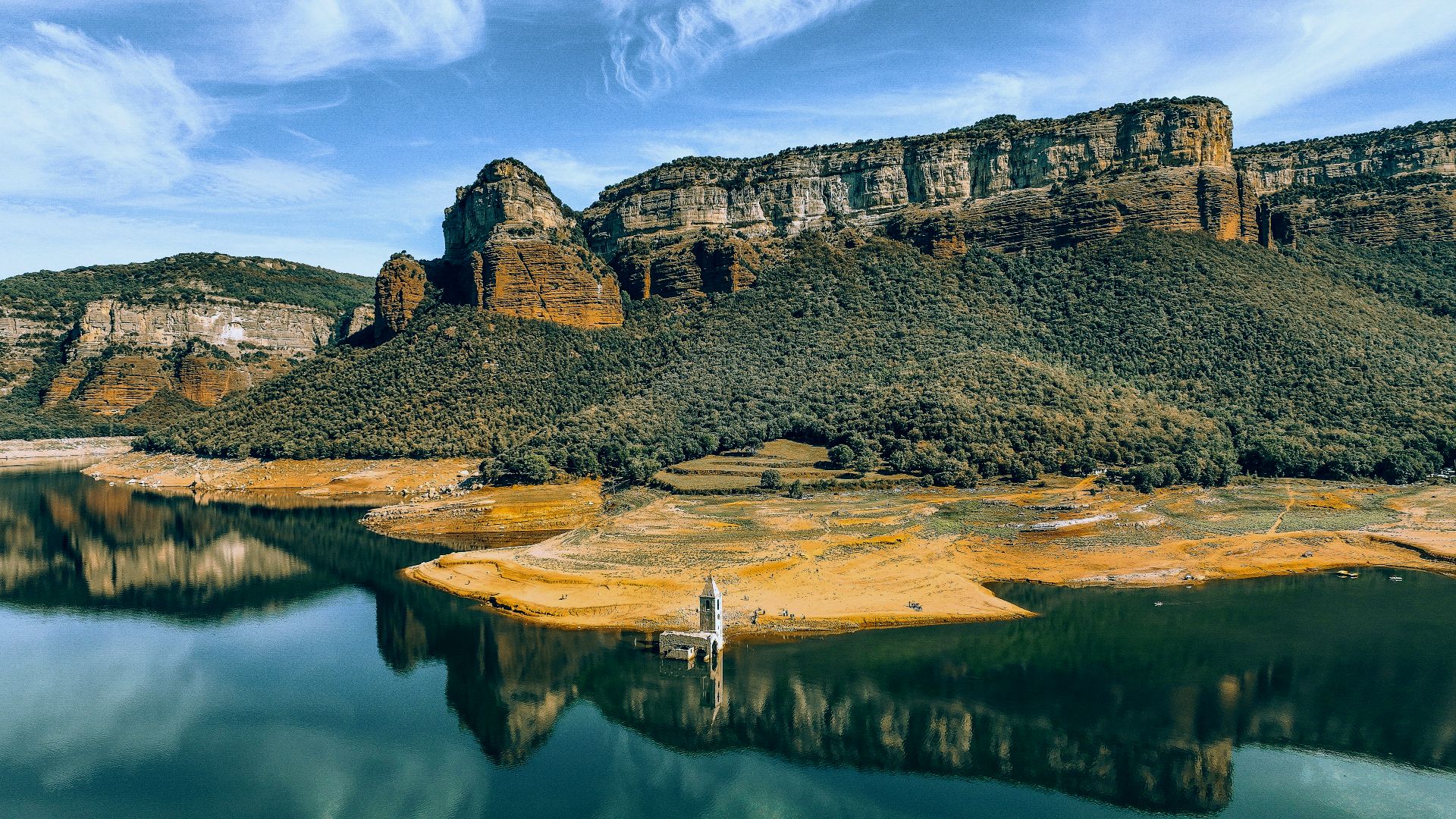
In the footsteps of the Catalan Romanesque – El Camino Oliba
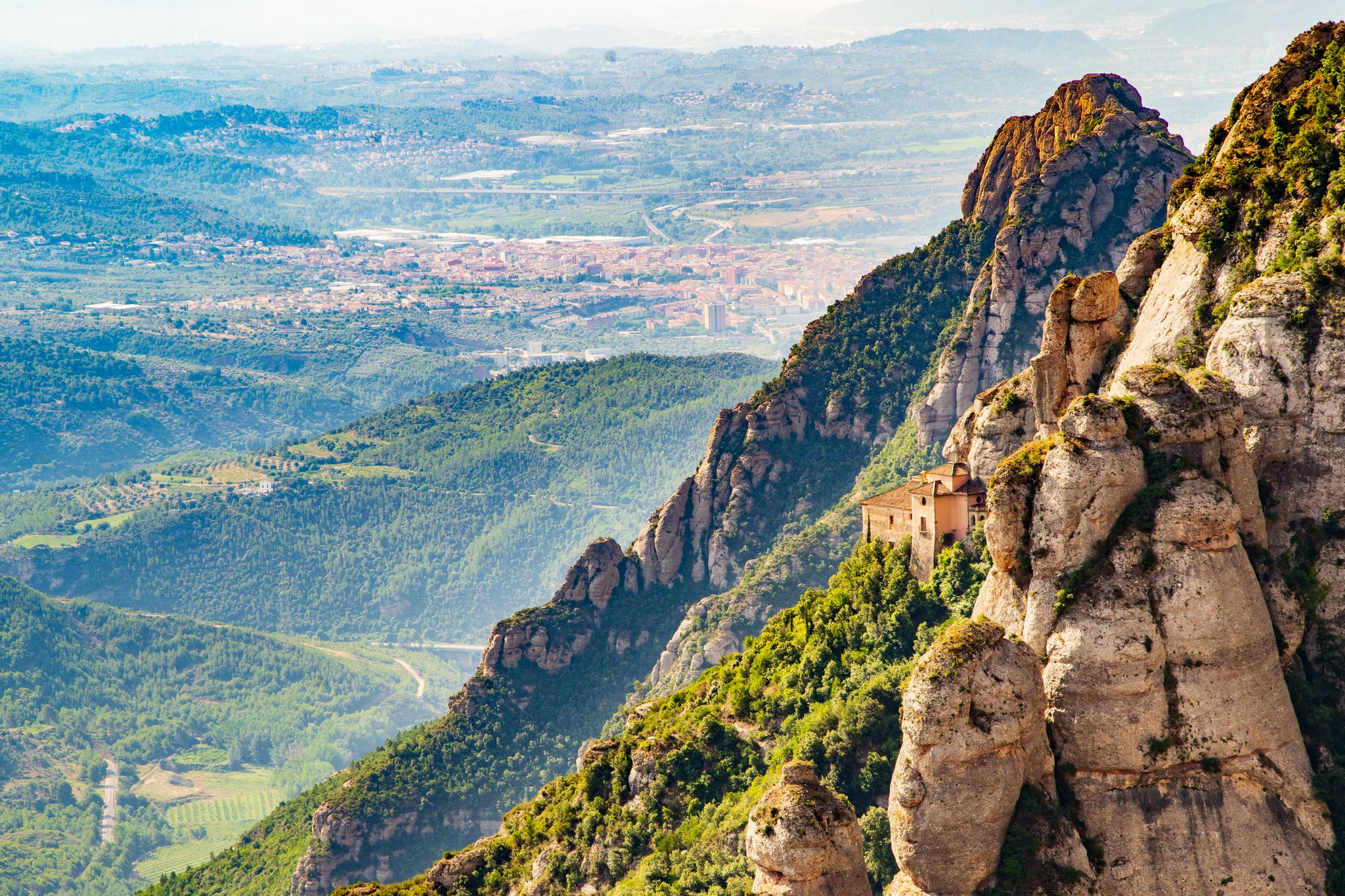
The Barcelona Arch – Natural Parks Trail (GR 5)
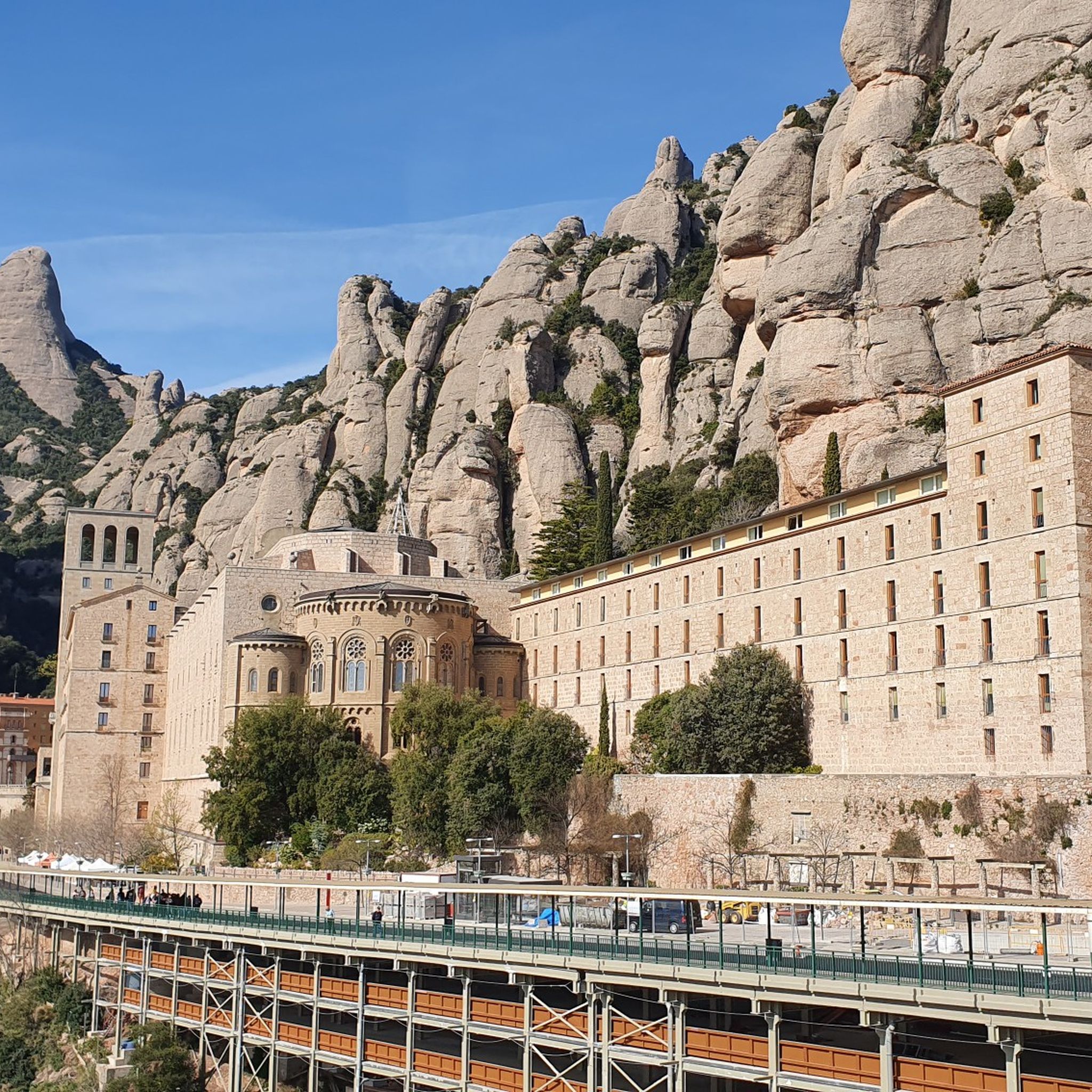
Hiking around Parc Natural de la Muntanya de Montserrat
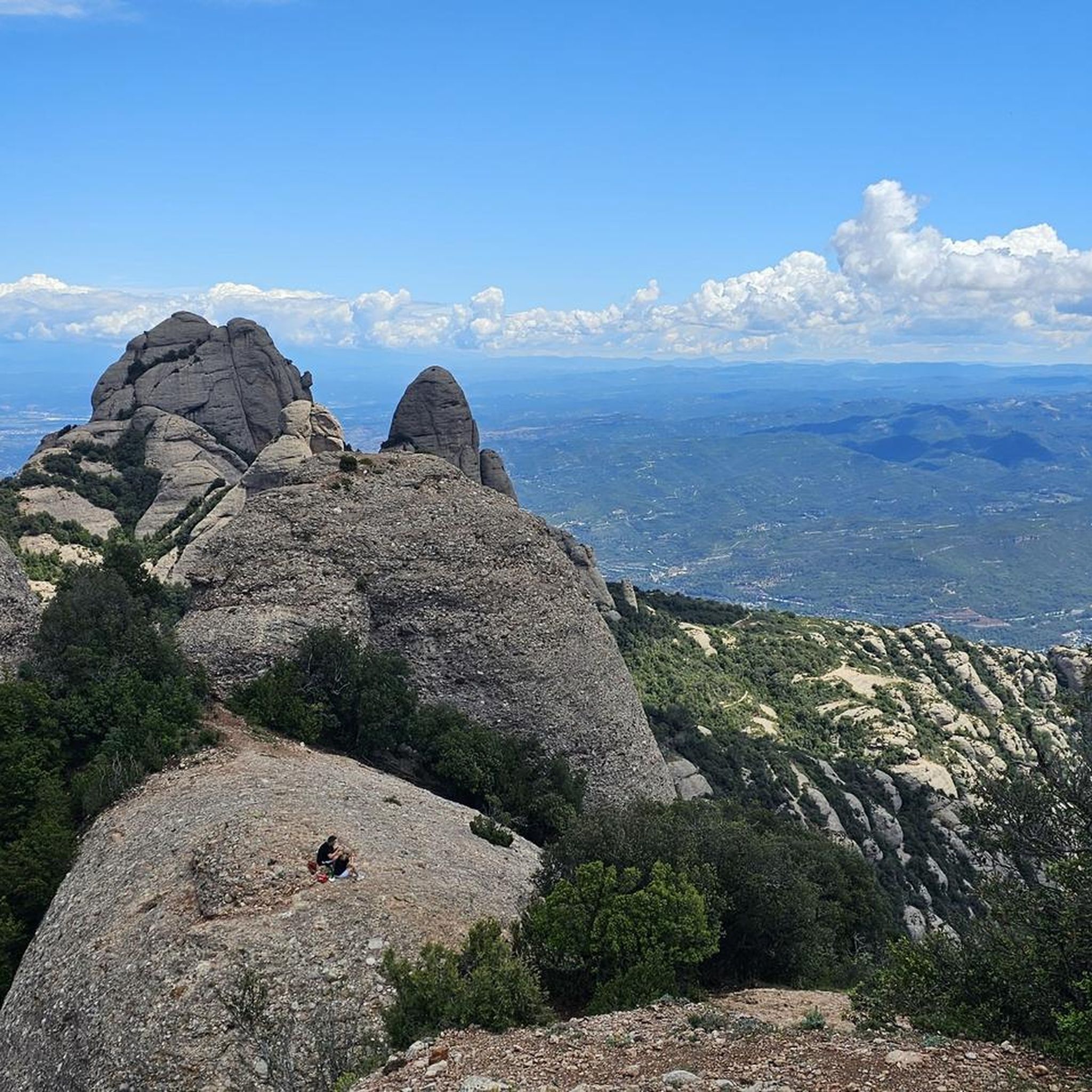
Running Trails around Parc Natural de la Muntanya de Montserrat
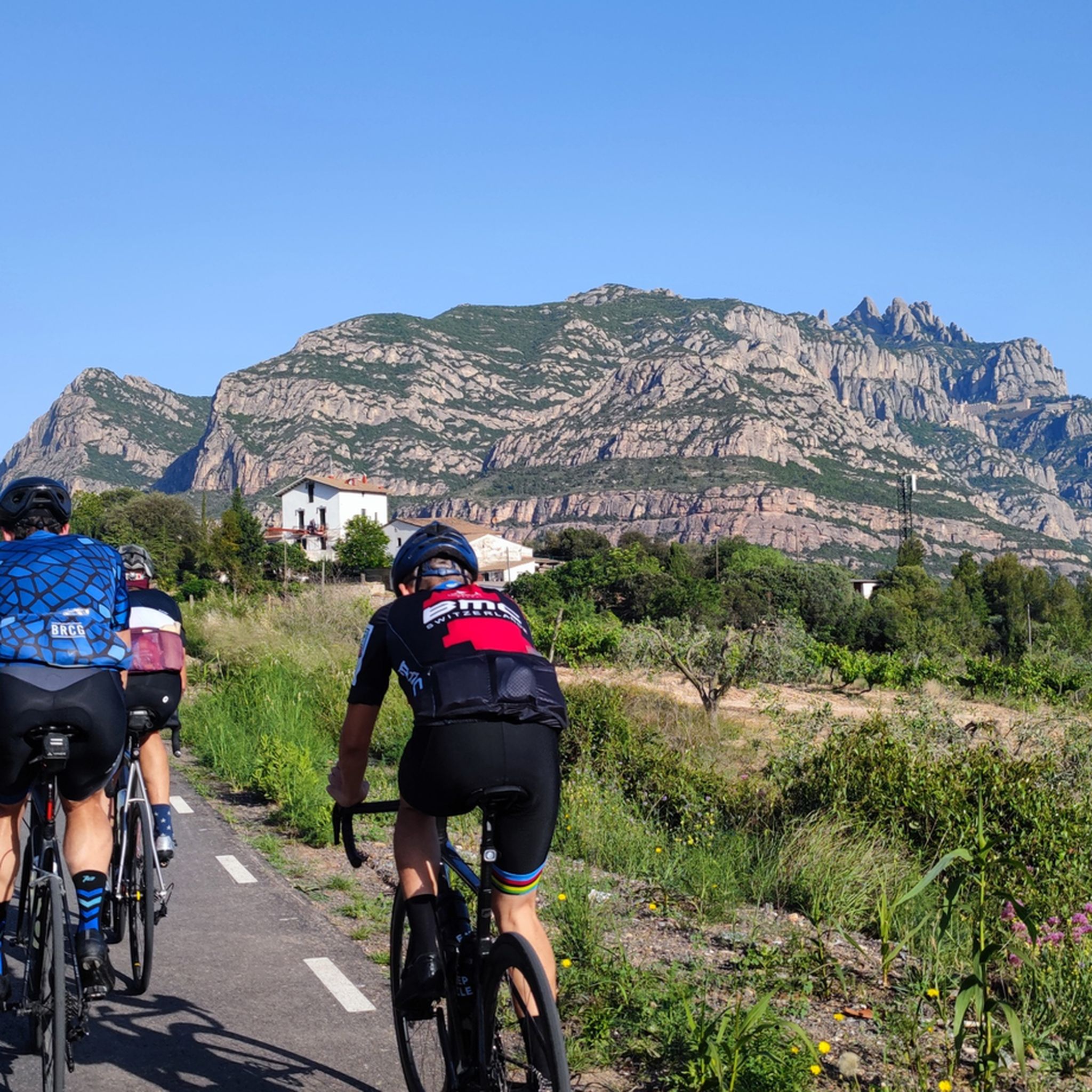
Road Cycling Routes around Parc Natural de la Muntanya de Montserrat
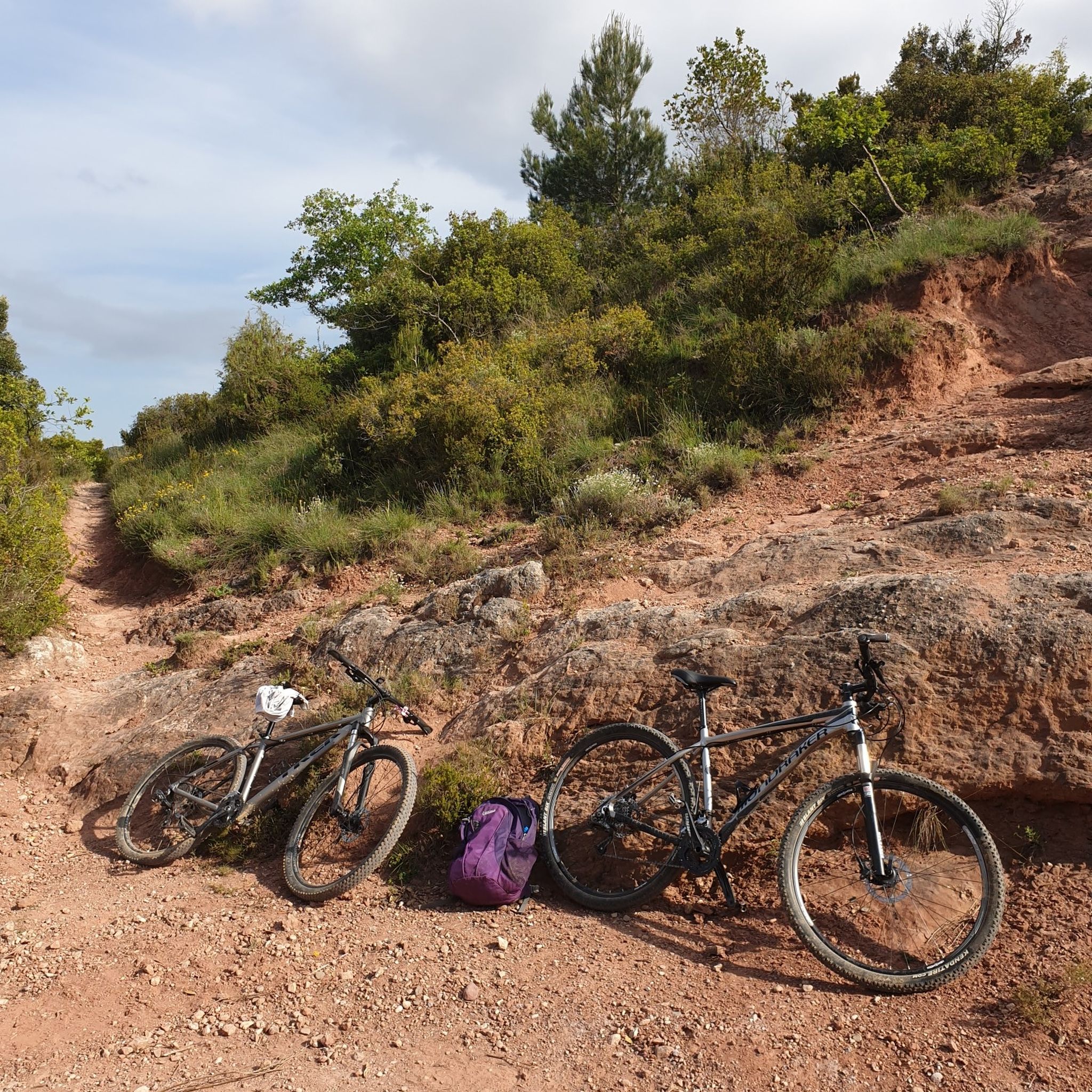
MTB Trails around Parc Natural de la Muntanya de Montserrat
Cycling around Parc Natural de la Muntanya de Montserrat

Gravel biking around Parc Natural de la Muntanya de Montserrat
Other adventures around Parc Natural de la Muntanya de Montserrat


Tips from the Community

You'll have good luck if you see the Magical mountain, and the descent after is fantastic :-)
0
0


Can Maçana is an old farmhouse that gives its name to the hill in the westernmost part of the Montserrat massif. The pass is one of the natural passes between the regions of Bages and Anoia. The farmhouse belonged to the Maçana (or Massana) family during the 16th and 17th centuries. It later became the property of the Montserrat monastery (on the door you can see the coat of arms of the monastery, dated 1791). This part of the massif is known for its famous stone needles (the area is known as "the labyrinth of needles"). At this point there is a car park and it is the starting point of numerous signposted routes, such as those that go to Sant Pau Vell (ancient Romanesque church) or the historical space of the Battle of Bruc.
1
0

Narrow and at the same time beautiful passage in the middle of the Roca Gran de la Portella. In this step you have to be alert, but you are entering the mountain of Montserrat.
0
0

Route information signs. Parking €6/day on weekends.
0
0

Spectacular views of the Montserrat mountain.
0
0

Important crossroads that gives access to the Canal de Middia, which divides Montserrat Mountain in two, the regions furthest from the monastery: Agulles, Frares Encantats and Ecos to the west and the regions of Tabor, Tebes and Tebaida to the east. To the north, the Canal de la Font del Llum path connects with the GR 172 that connects Can Maçana and Santa Cecilia, to the west the path that gives access to the region of Ecos and to the south the path that gives options to continue towards the Montgròs, towards Sant Jeroni or towards the different itineraries in the south of the mountain while following the Migdia canal.
2
0
Important crossroads where the path that crosses the Agulles to the west, the Canal Ampla path to the south and the path that goes down to link with the GR 172 or Camí de Can Maçana to Santa Cecilia, to the north, converge. We could say that, if the Portella is the west door, the Portell is the north door to the Agulles Region.
0
0
Frequently Asked Questions
What are some notable mountain passes and viewpoints in Parc Natural de la Muntanya de Montserrat?
The park features several significant passes and viewpoints. Among them are La Portella Pass, a key step into the Agulles region, and Coll de Can Maçana, a starting point for numerous routes and a natural passage between the Bages and Anoia regions. Other important passes include L'Ajaguda Pass or Bassal dels Gats, and Portell de Migdia (1,029 m), an important crossroads. For breathtaking panoramic views, Sant Jeroni is the highest point, and Creu de Sant Miquel offers iconic views of the Montserrat Monastery.
What kind of terrain and geological features can I expect on the mountain passes in Montserrat?
Montserrat is known for its unique mountainous landscape, characterized by prominent peaks and distinctive "tooth-like" rock formations. Passes like La Portella Pass involve narrow, stepped channels where you might need to use your hands for balance. The area around Coll de Can Maçana is often called "the labyrinth of needles" due to its famous stone spires. You'll encounter diverse terrain, from these dramatic rock formations to oak-filled high plains.
Are there family-friendly mountain passes or viewpoints in Parc Natural de la Muntanya de Montserrat?
Yes, some areas are more accessible for families. Coll de Can Maçana is categorized as family-friendly and serves as a starting point for various signposted routes. The hike to Creu de Sant Miquel from the monastery is relatively manageable, taking about 20-30 minutes, and offers stunning views, making it suitable for families looking for a rewarding short walk.
What outdoor activities can I do near these mountain passes?
The area around Montserrat's mountain passes is excellent for various outdoor activities. You can find numerous hiking trails, including routes that lead to viewpoints like Sant Jeroni. For more options, explore the Hiking around Parc Natural de la Muntanya de Montserrat guide. Mountain biking and running are also popular, with dedicated routes available in the MTB Trails around Parc Natural de la Muntanya de Montserrat guide and Running Trails around Parc Natural de la Muntanya de Montserrat guide.
What historical or cultural sites are associated with the mountain passes in Montserrat?
The Montserrat Monastery is a central cultural landmark within the park. Many passes and trails offer views of or access to the monastery. For example, the area around Coll de Can Maçana is near the historical space of the Battle of Bruc and the ancient Romanesque church of Sant Pau Vell. The hike to Sant Jeroni also allows visitors to explore ancient hermitages, some over a thousand years old, along the path.
How can I access the higher parts of the mountains and various viewpoints?
The Funicular de Sant Joan provides convenient access from the monastery to higher elevations, offering stunning panoramic views during the ascent. From the funicular's upper station, you can access numerous hiking trails leading to other viewpoints and natural attractions, including routes that form part of the GR (Grande Randonnée) network like GR-172 and GR-4.
What is the best time to visit Parc Natural de la Muntanya de Montserrat for hiking the passes?
While specific seasonal recommendations for passes are not detailed, generally, spring and autumn offer pleasant temperatures for hiking in Montserrat, avoiding the intense heat of summer and potential winter conditions at higher altitudes. Always check local weather forecasts before your visit.
Where can I find parking for trails leading to the mountain passes?
A significant parking area is located at Coll de Can Maçana. This spot serves as a primary access point and starting point for numerous signposted routes into the western part of the Montserrat massif. Note that this parking area is paid.
What makes Montgròs Peak a significant location within the park?
Montgròs Peak is a large massif with a very flat and expansive top that dominates nearly the entire mountain of Montserrat. From its summit, it offers a truly majestic panorama, making it a recommended spot for rest and contemplation, and a significant landmark for those exploring the park's various ascents.
What is the significance of El Cavall Bernat?
El Cavall Bernat is a distinctive rock formation, known as the highest and thinnest "needle" of the Montserrat sierra. Historically considered unclimbable until 1935, its iconic presence makes it a notable feature within the mountainous landscape, attracting climbers and those who appreciate unique geological formations.
What do visitors enjoy most about the mountain passes in Parc Natural de la Muntanya de Montserrat?
Visitors particularly appreciate the unique geological formations, the challenging yet rewarding trails, and the expansive panoramic views offered by the passes and viewpoints. The sense of accomplishment after navigating a narrow passage like La Portella Pass, or reaching a summit like Sant Jeroni for its far-reaching vistas, are frequently highlighted. The blend of natural beauty with historical elements like ancient hermitages also adds to the appeal.
Most popular routes around Parc Natural de la Muntanya de Montserrat
Most popular attractions around Parc Natural de la Muntanya de Montserrat

Get inspired with the komoot mobile app


Explore more
See even more epic mountain passes by checking out these guides around Parc Natural de la Muntanya de Montserrat:
