Parc Natural de la Muntanya de Montserrat
Parc Natural de la Muntanya de Montserrat
Top 20 Natural Monuments around Parc Natural de la Muntanya de Montserrat
Best natural monuments around Parc Natural de la Muntanya de Montserrat are characterized by unique and dramatic "serrated" rock formations. These geological wonders, composed of hard conglomerate rock, make the park a notable destination for nature enthusiasts. The landscape features numerous needle-like rock formations shaped by millennia of wind and rain. This area offers diverse opportunities for exploring distinctive natural features.
Best natural monuments around Parc Natural de la Muntanya de Montserrat
- The most popular natural monuments is Sant Jeroni…
Last updated: July 10, 2026
Sant Jeroni Summit
Highlight • Summit
Translated by Google •
Tip by

Sant Jeroni Trail, Montserrat
Highlight (Segment) • Trail
Translated by Google •
Tip by

Sign up now to discover places like this
Get recommendations on the best single tracks, peaks, & plenty of other exciting outdoor places.
Sign up for free
Hermits' Viewpoint
Highlight • Viewpoint
Translated by Google •
Tip by

Cap de Mort rock formation
Highlight • Natural Monument
Tip by
Miranda of Santa Magdalena
Highlight • Viewpoint
Translated by Google •
Tip by
Sign up for free to discover even more natural monuments around Parc Natural de la Muntanya de Montserrat.
Sign up for free
Already have an account?
Start today with a free account
Your next adventure awaits.
Login or Signup
Popular around Parc Natural de la Muntanya de Montserrat
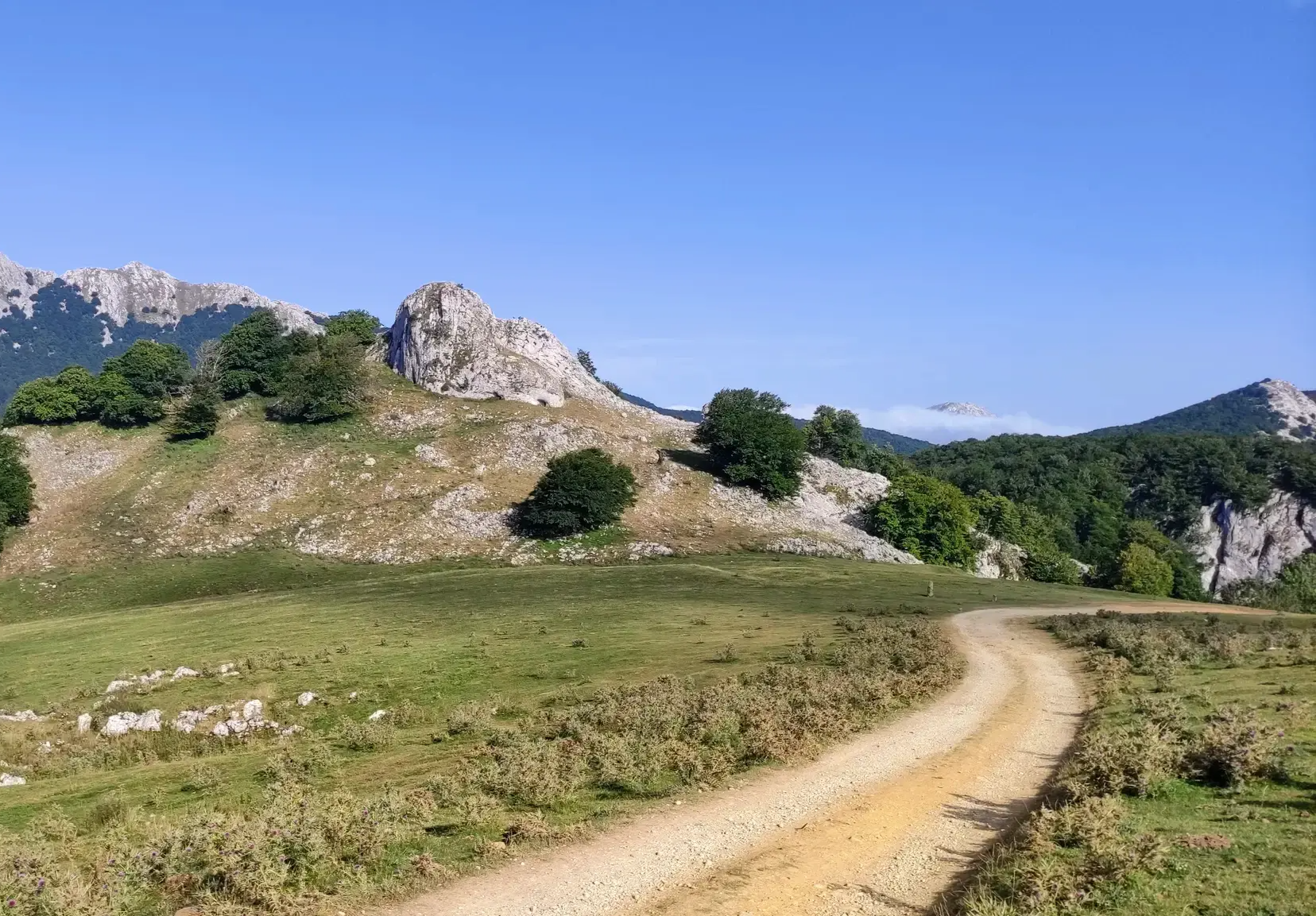
The Ignatian Way - In the footsteps of Ignatius of Loyola
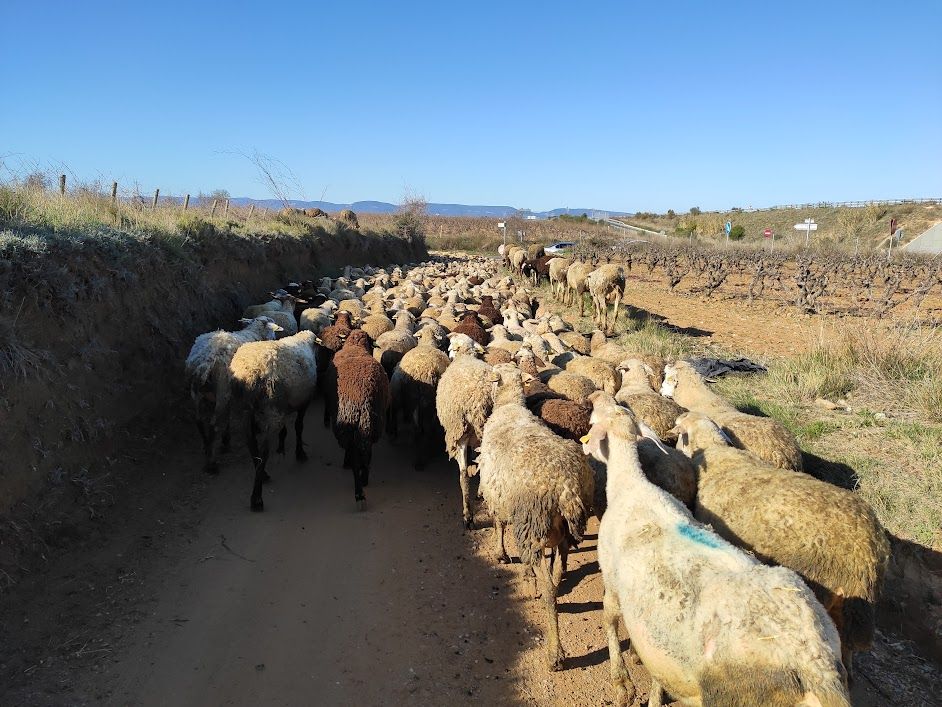
The shepherds' path – Camí Ramader de la Marina
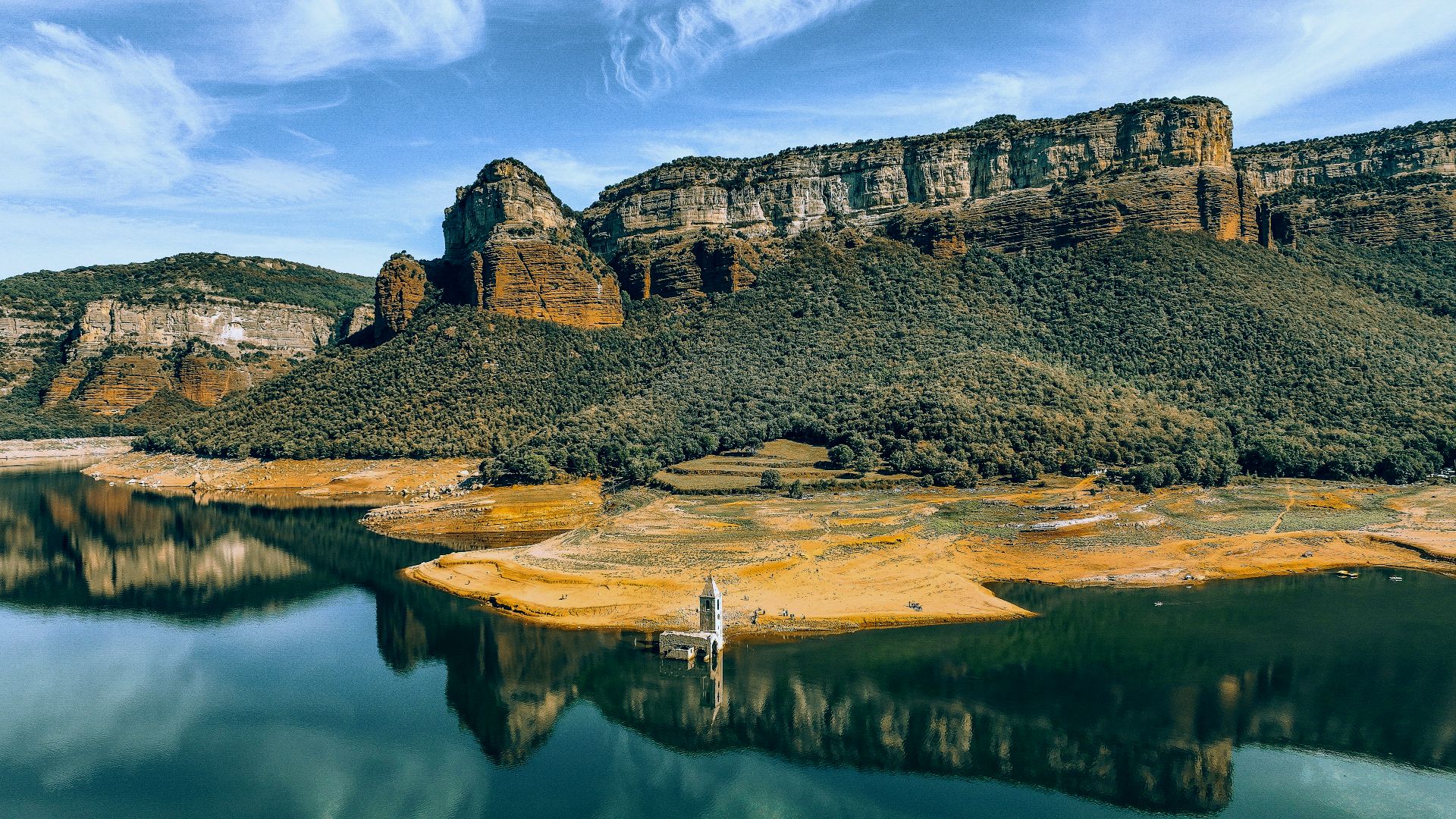
In the footsteps of the Catalan Romanesque – El Camino Oliba
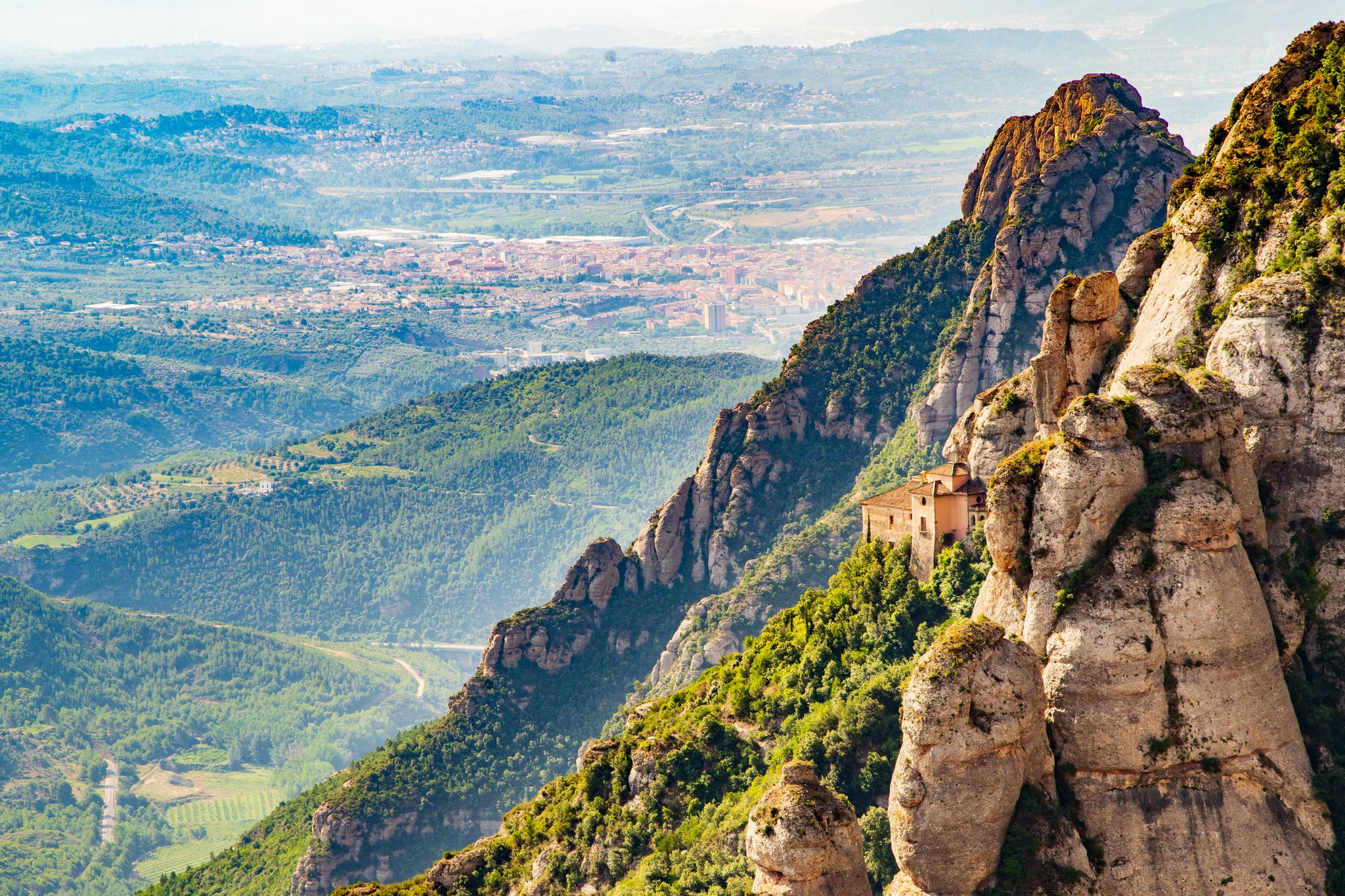
The Barcelona Arch – Natural Parks Trail (GR 5)
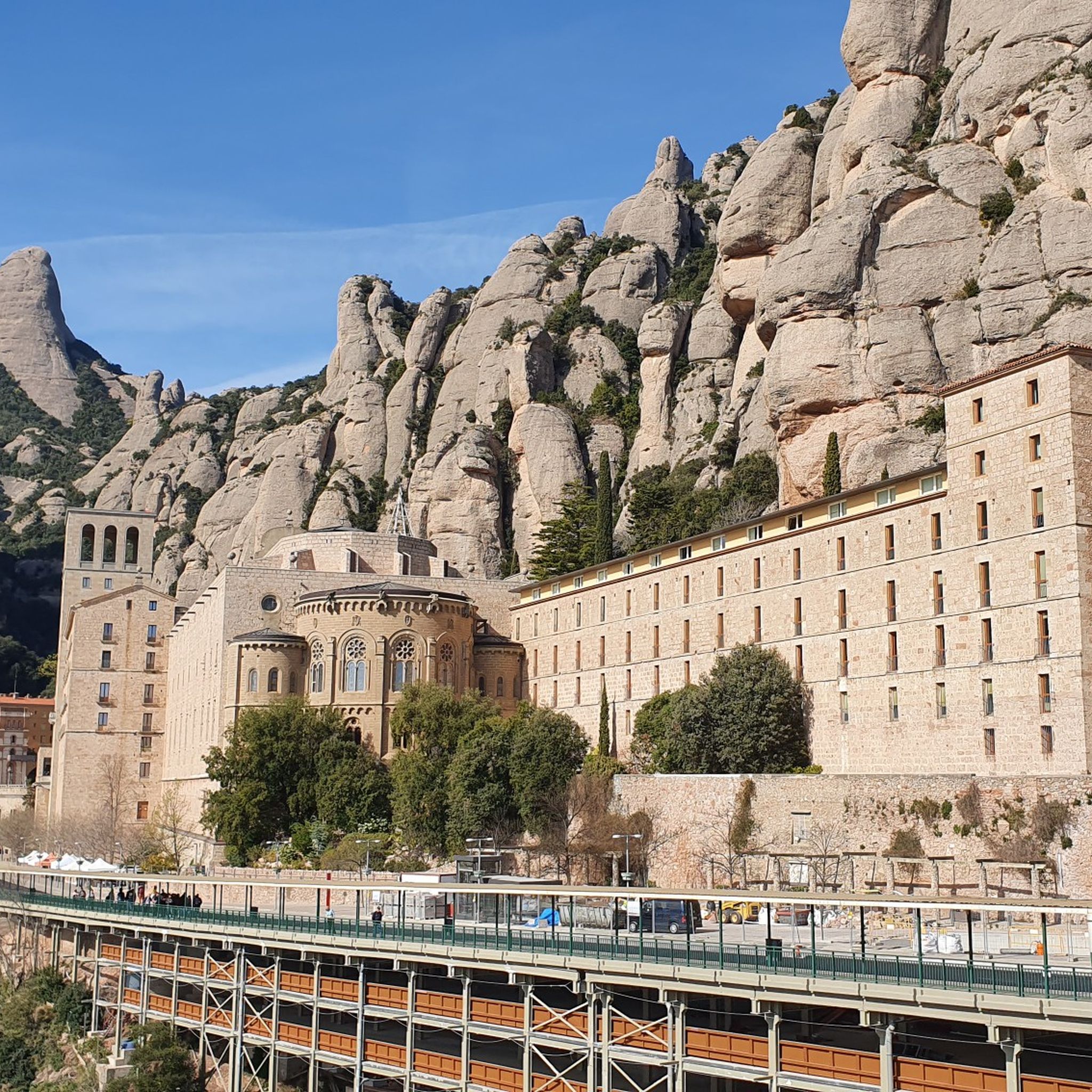
Hiking around Parc Natural de la Muntanya de Montserrat
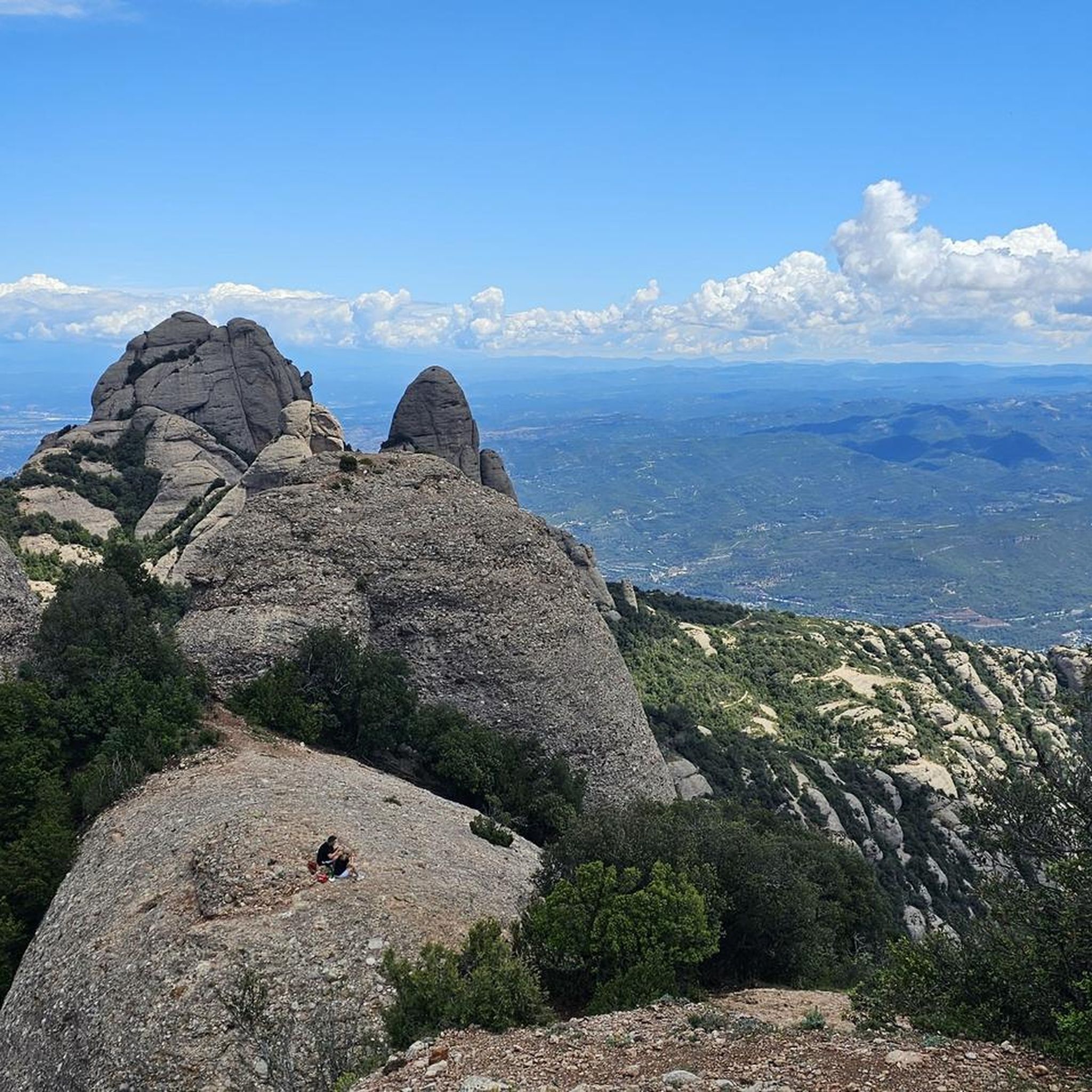
Running Trails around Parc Natural de la Muntanya de Montserrat
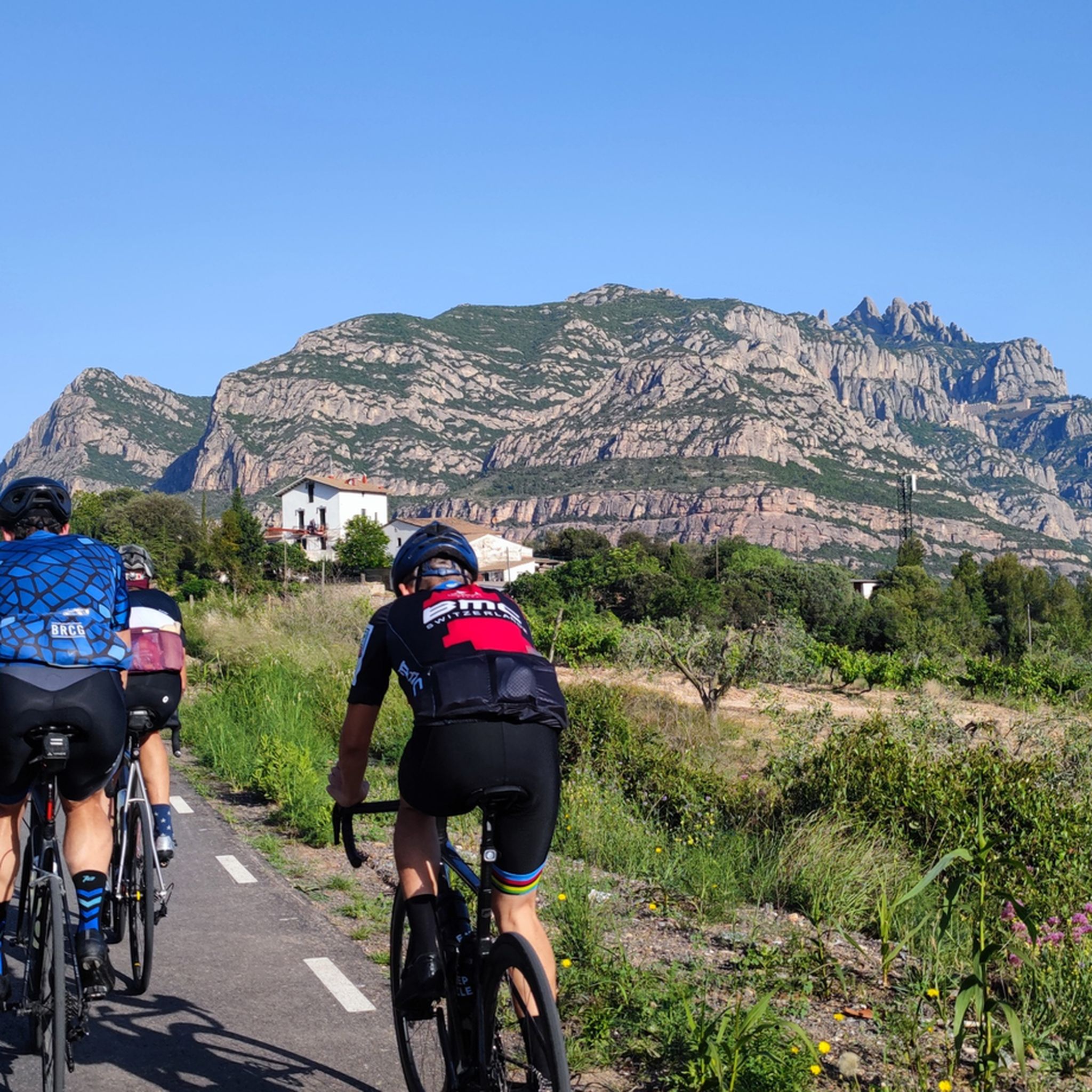
Road Cycling Routes around Parc Natural de la Muntanya de Montserrat
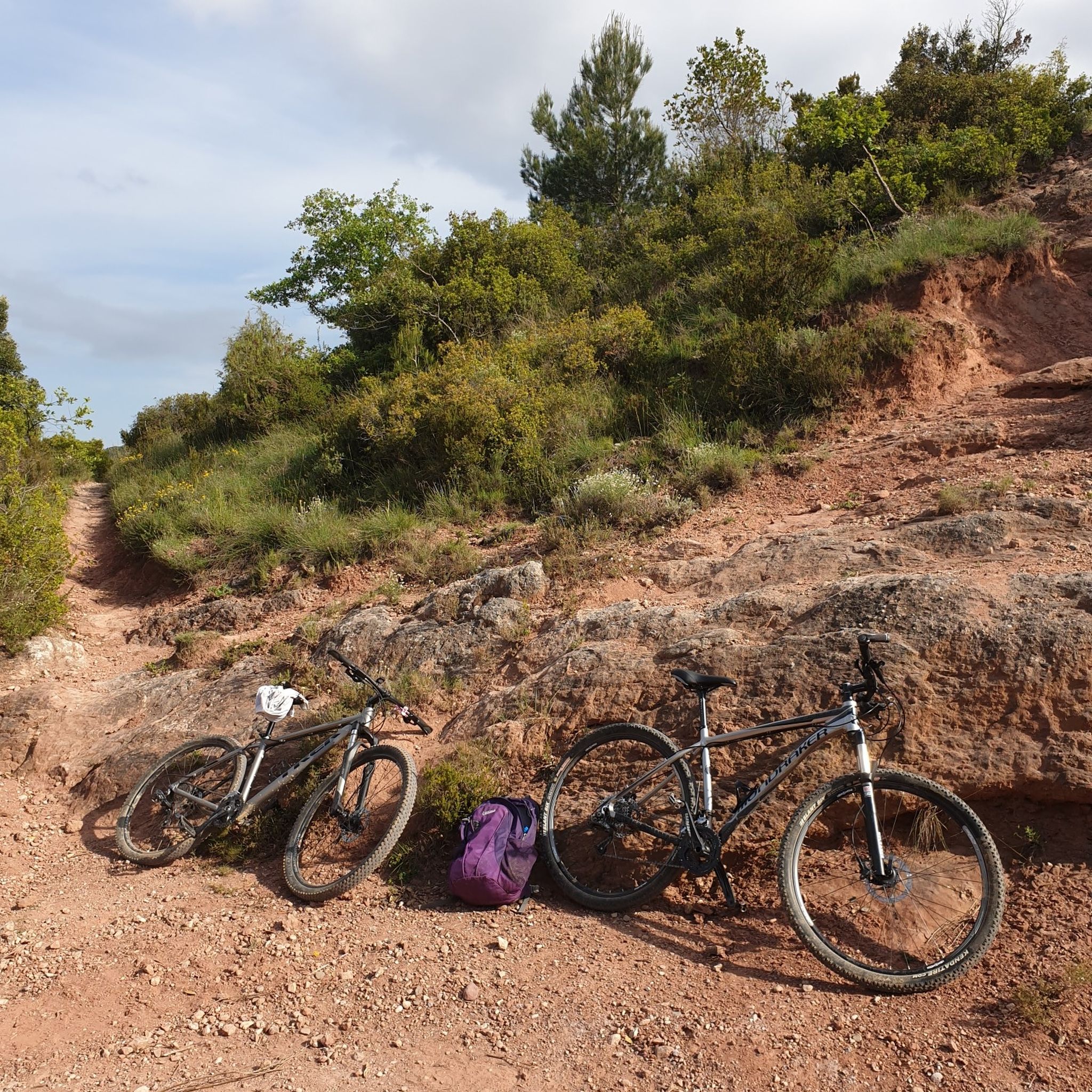
MTB Trails around Parc Natural de la Muntanya de Montserrat
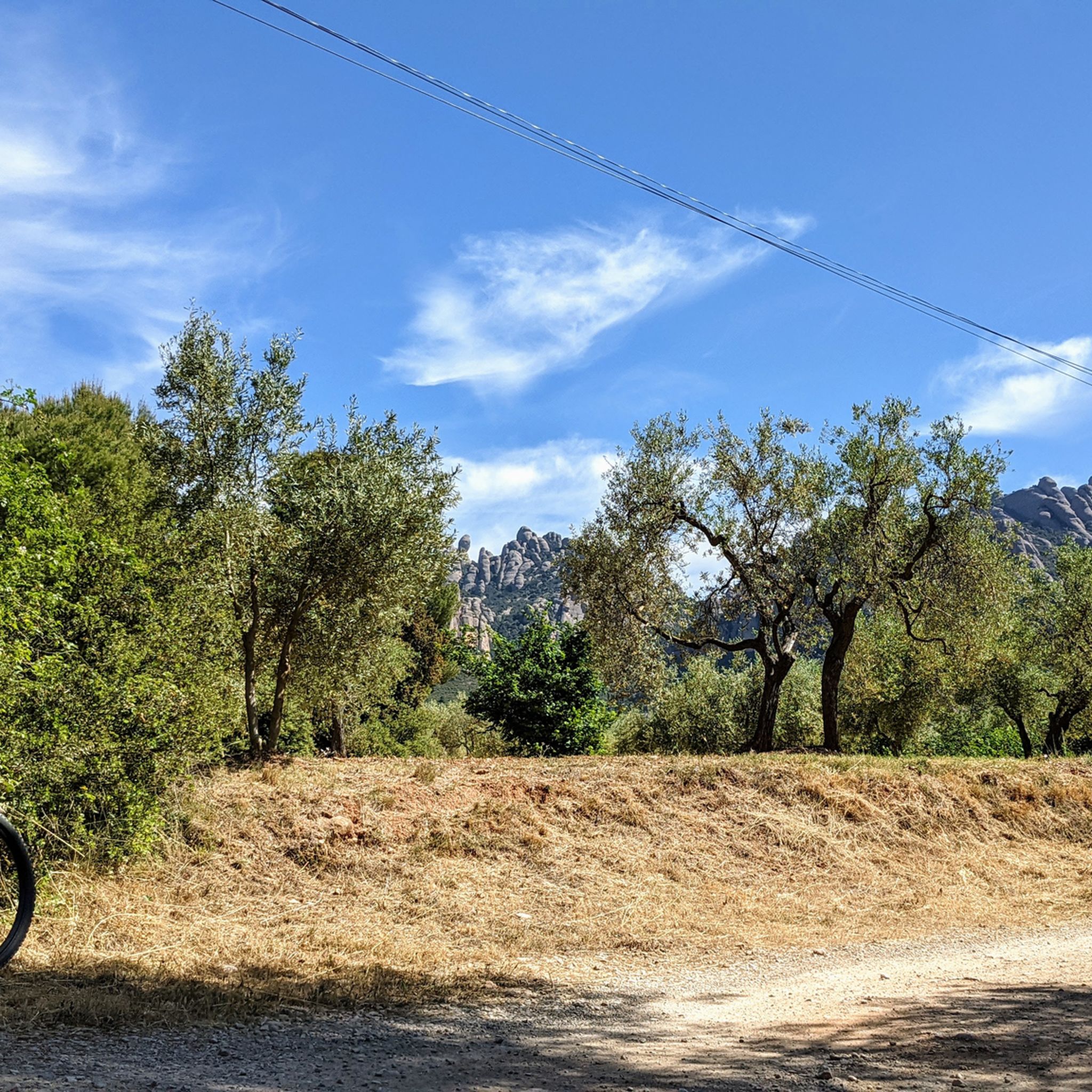
Cycling around Parc Natural de la Muntanya de Montserrat

Gravel biking around Parc Natural de la Muntanya de Montserrat
Other adventures around Parc Natural de la Muntanya de Montserrat


Tips from the Community

I really loved this place — it’s truly unique. Montserrat Monastery has an incredible atmosphere and stunning views. The hike from the monastery to Sant Jeroni is especially memorable: the trail includes many stone steps, but it’s well-maintained and quite manageable. Along the way, you’re constantly rewarded with breathtaking views of the необычні скельні formations and surrounding landscapes. At the top, the 360-degree panoramic view is absolutely spectacular and makes the whole hike worth it.
0
0

A classic for visitors to Montserrat and its surroundings.
0
0


Wonderful vantage point high above the monastery
2
0

Frequently Asked Questions
What are the most distinctive natural features in Parc Natural de la Muntanya de Montserrat?
The Parc Natural de la Muntanya de Montserrat is renowned for its unique and dramatic "serrated" rock formations, which give the mountain its name. These needle-like peaks, formed from hard conglomerate rock by millennia of wind and rain, create a landscape unlike any other. You can find formations with imaginative names such as L'Elefant (The Elephant), La Cadireta (The Small Chair), La Mòmia (The Mummy), and La Panxa del Bisbe (Bishop's Tummy). Another distinctive feature is the Roca Foradada (Holed Rock), a large rock with a natural hole about 10 meters high.
Which natural monuments offer the best panoramic views of the region?
For unparalleled panoramic views, head to Sant Jeroni Summit, the highest peak at 1,236 meters, where on clear days you can reportedly see as far as Mallorca. The Hermits' Viewpoint provides fantastic views of the Montserrat Monastery and the expansive terrain. Additionally, the Miranda of Santa Magdalena offers a wide panoramic view of the eastern half of the mountain massif, and the Creu de Sant Miquel is known for breathtaking vistas of the abbey and the surrounding Catalan landscape.
Are there any unique rock formations for climbers or those seeking a challenge?
Yes, Montserrat is a popular destination for climbers. Cavall Bernat is one of the most iconic and recognizable rock features, known as the highest and thinnest "needle" of the sierra, drawing adventurers due to its distinctive shape and the challenge it presents. The Cap de Mort rock formation also offers an equipped route with ropes, allowing for a challenging ascent around its unique spire, which resembles a skull or death's head.
What kind of hiking trails can I find near the natural monuments?
The area around Parc Natural de la Muntanya de Montserrat offers a variety of hiking trails, ranging from moderate to difficult, allowing you to explore the unique rock formations and viewpoints. Popular routes include the circular trail from the Monastery to Sant Jeroni, the Anoia Montserratina Trail, and the Montserrat Millennium Trail. You can find more details and routes on the Hiking around Parc Natural de la Muntanya de Montserrat guide.
Are there any family-friendly natural monuments or activities in the park?
While many trails in Montserrat can be challenging, there are options for families. The Sant Joan Funicular can take visitors to higher elevations, providing stunning views without extensive hiking and serving as a gateway to more manageable excursions. Many viewpoints, such as the Creu de Sant Miquel, are accessible via manageable hikes. When planning, look for trails marked as intermediate or easier, and always check the difficulty and length to ensure it suits your family's abilities.
What is the best time of year to visit the natural monuments in Montserrat?
The best time to visit the natural monuments in Montserrat for hiking and exploring is typically during the spring (April to June) and autumn (September to November). During these seasons, the weather is generally mild and pleasant, making outdoor activities more enjoyable. Summer can be very hot, especially at midday, while winter can bring colder temperatures and occasional snow at higher elevations, though clear, crisp days offer spectacular views.
What do visitors enjoy most about the natural monuments in Parc Natural de la Muntanya de Montserrat?
Visitors consistently praise the breathtaking views and the unique geological formations. The sheer visual impact of the serrated peaks, the panoramic vistas from summits like Sant Jeroni Summit, and the distinctive features like the Roca Foradada are highly appreciated. Many also enjoy the rewarding challenge of the hikes and the opportunities for photography that the dramatic landscape provides.
Are there any caves or underground natural features to explore in Montserrat?
Yes, beyond the dramatic external formations, Montserrat also features interesting cave systems. The Salnitre Caves (Coves de Salnitre) near Collbató are particularly notable. These caves offer a different perspective on the mountain's geological history and are accessible for visitors, often equipped with lighting and facilities, providing a glimpse into the karst landforms developed within the conglomerate rock.
How can I access the natural monuments using public transport?
Montserrat is well-connected by public transport. You can reach the base of the mountain by train from Barcelona, and then take either the Aeri de Montserrat cable car or the Cremallera de Montserrat rack railway up to the monastery area. From there, the Sant Joan Funicular can take you to higher elevations, providing access to many trails and viewpoints leading to the natural monuments. For specific routes and schedules, it's advisable to check local transport information.
What other outdoor activities can I do near the natural monuments?
Besides hiking, the Parc Natural de la Muntanya de Montserrat offers opportunities for various outdoor activities. Road cycling is popular, with routes like the Montserrat Loop providing challenging rides through the scenic landscape. There are also numerous running trails, such as the Montserrat and La Foredada circular route. You can explore more options in the Road Cycling Routes and Running Trails guides for the region.
Are there any hidden natural gems or less-known spots worth discovering?
While many natural monuments are well-known, exploring the extensive network of trails can lead you to quieter spots. The imaginative shapes of the 'Agulles' (serrated peaks) often reveal unique perspectives and less-frequented viewpoints away from the main monastery area. Venturing off the most popular paths can lead to discovering your own hidden natural gems and enjoying the tranquility of the park's diverse ecosystem.
What should I wear when hiking to the natural monuments in Montserrat?
When hiking in Montserrat, it's recommended to wear comfortable, sturdy hiking shoes, as many paths can be steep and rocky. Layered clothing is advisable, as temperatures can vary, especially between different elevations and seasons. Even on sunny days, bringing a light jacket or windbreaker is a good idea, particularly for higher viewpoints. Don't forget sun protection, such as a hat and sunscreen, and carry plenty of water.
Most popular routes around Parc Natural de la Muntanya de Montserrat
Most popular attractions around Parc Natural de la Muntanya de Montserrat

Get inspired with the komoot mobile app


Explore more
Extend your search for the best caves by checking out these guides of the top ones around Parc Natural de la Muntanya de Montserrat:
