Top 20 Natural Monuments around National Park Sierras Subbéticas
Natural monuments around National Park Sierras Subbéticas are characterized by a dramatic karst landscape and rich geological heritage. The park, a UNESCO Geopark, features limestone formations, dolines, poljes, and extensive cave systems. This region offers diverse geological formations shaped by water and time. It provides opportunities to explore unique natural features within a protected area.
Best natural monuments around National Park Sierras Subbéticas
- The most popular natural monuments is Limestone formations and caves in the Bailón Canyon, a canyon…
Last updated: October 13, 2026
Chorreras de la Fuenseca
Highlight • Waterfall
Translated by Google •
Tip by

Limestone formations and caves in the Bailón Canyon
Highlight • Canyon
Translated by Google •
Tip by
Sign up now to discover places like this
Get recommendations on the best single tracks, peaks, & plenty of other exciting outdoor places.
Las Chorreras Waterfall
Highlight • Waterfall
Translated by Google •
Tip by
Puerto del Cerezo
Highlight • Mountain Pass
Translated by Google •
Tip by

Bat Cave
Highlight • Cave
Translated by Google •
Tip by

Sign up for free to discover even more natural monuments around National Park Sierras Subbéticas.
Already have an account?
Start today with a free account
Your next adventure awaits.
Popular around National Park Sierras Subbéticas
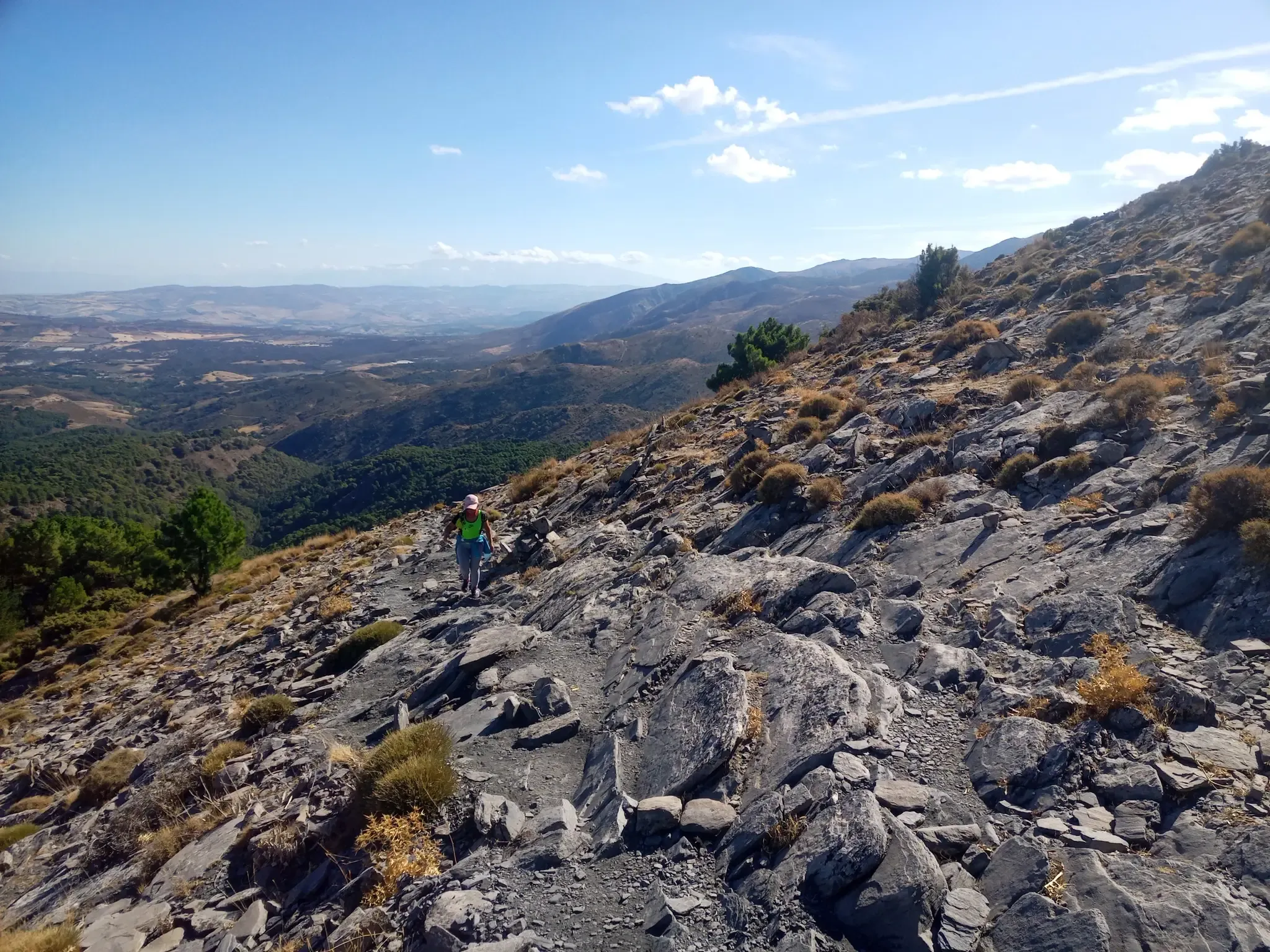
12 hiking gems throughout Spain
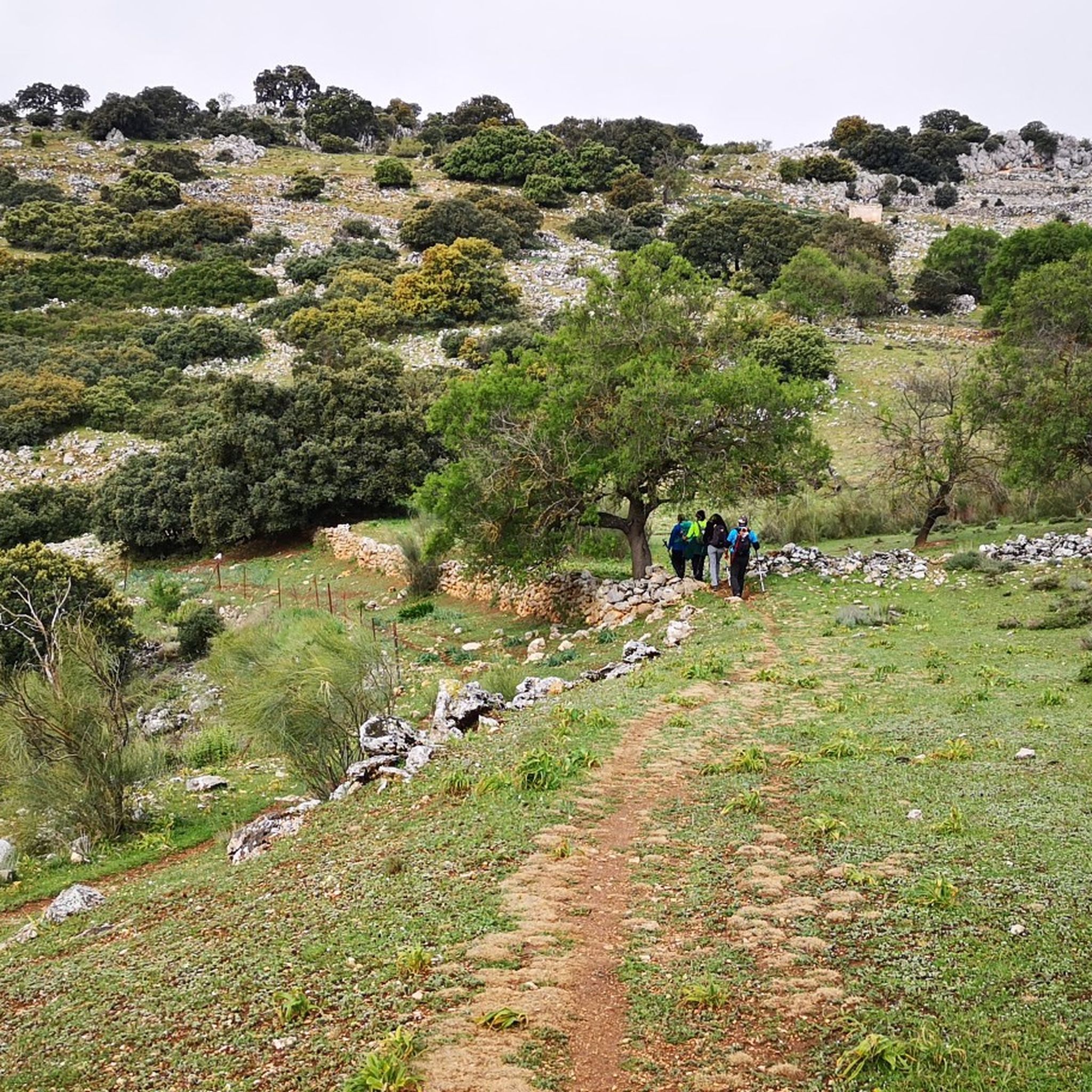
Hiking around National Park Sierras Subbéticas
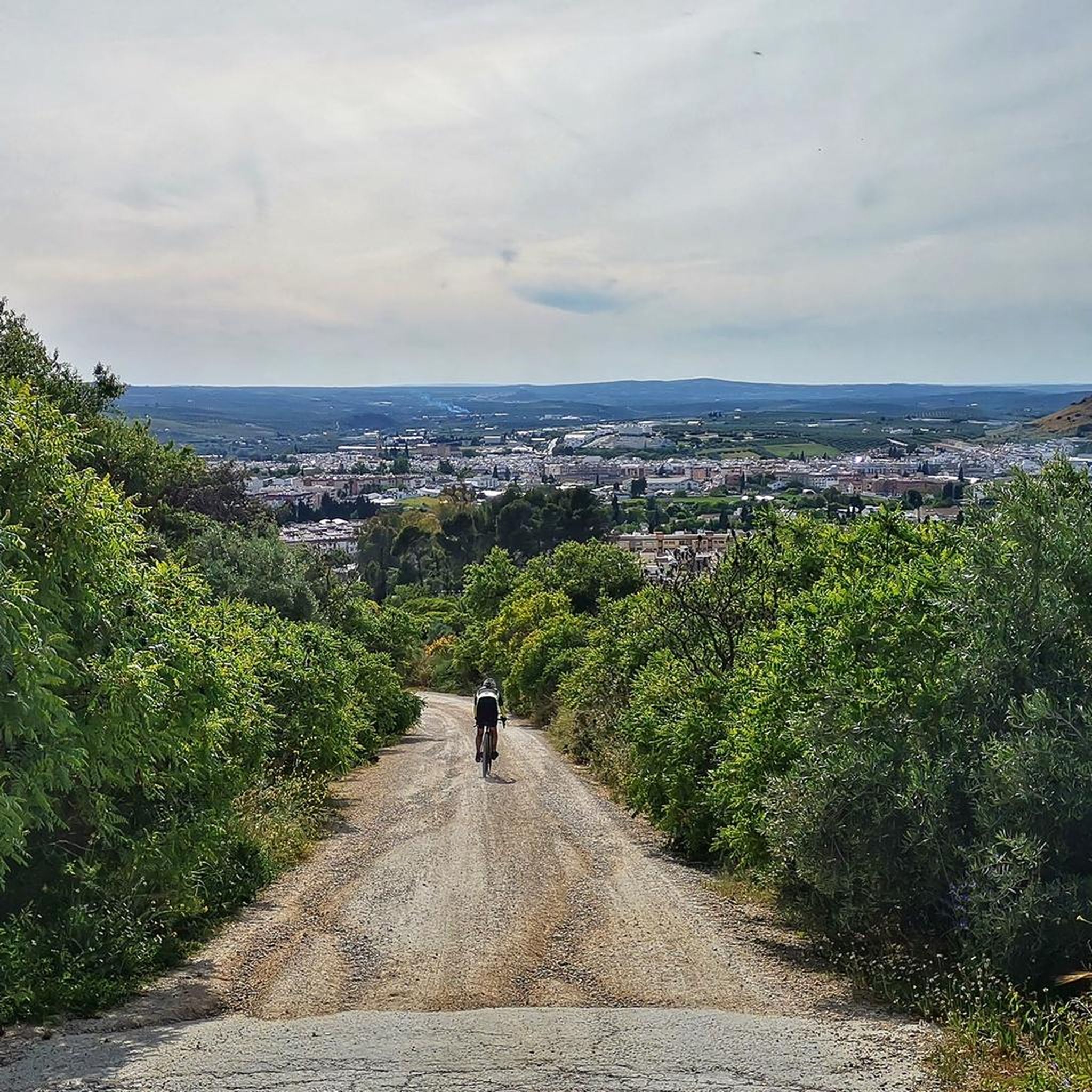
Road Cycling Routes around National Park Sierras Subbéticas
Running Trails around National Park Sierras Subbéticas
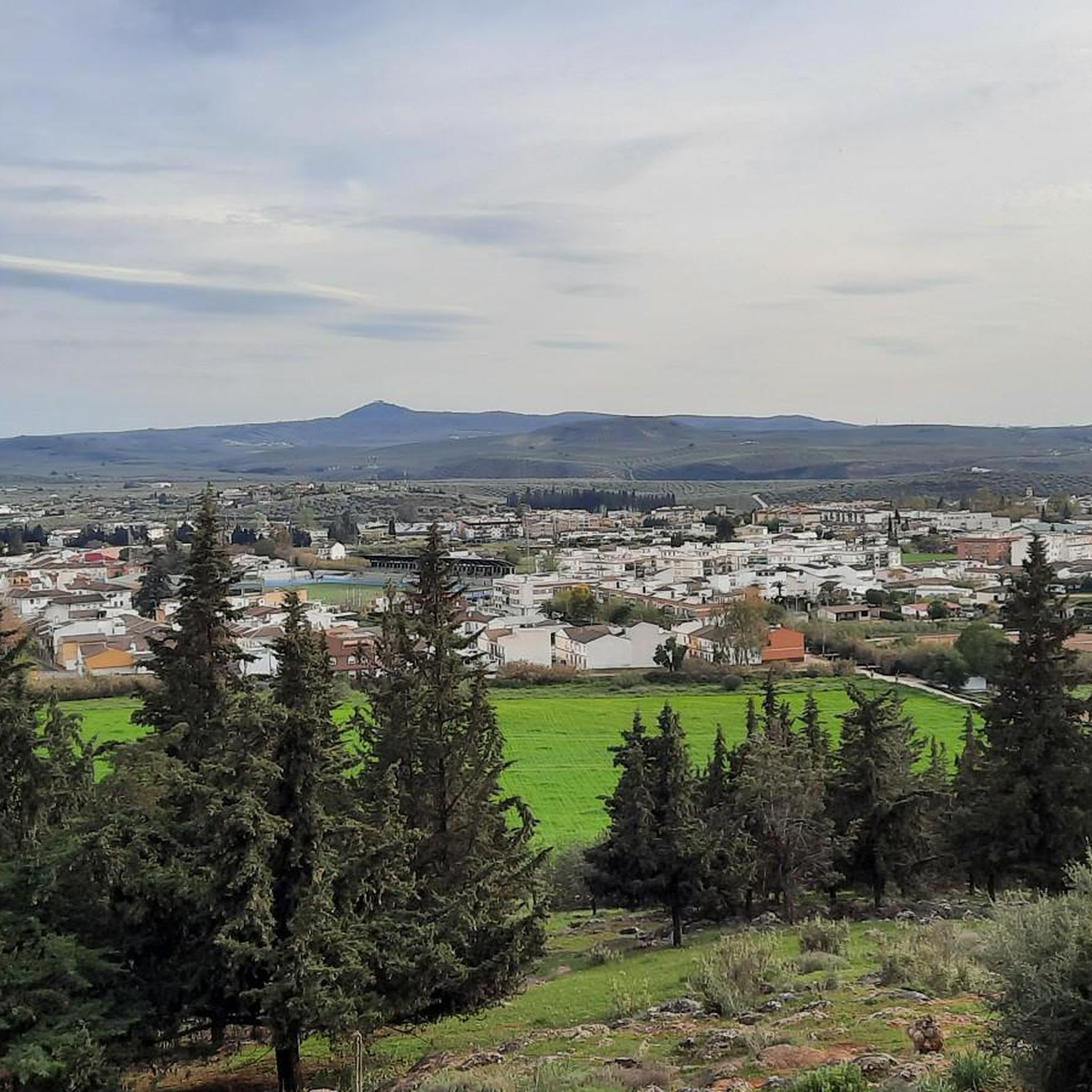
Cycling around National Park Sierras Subbéticas
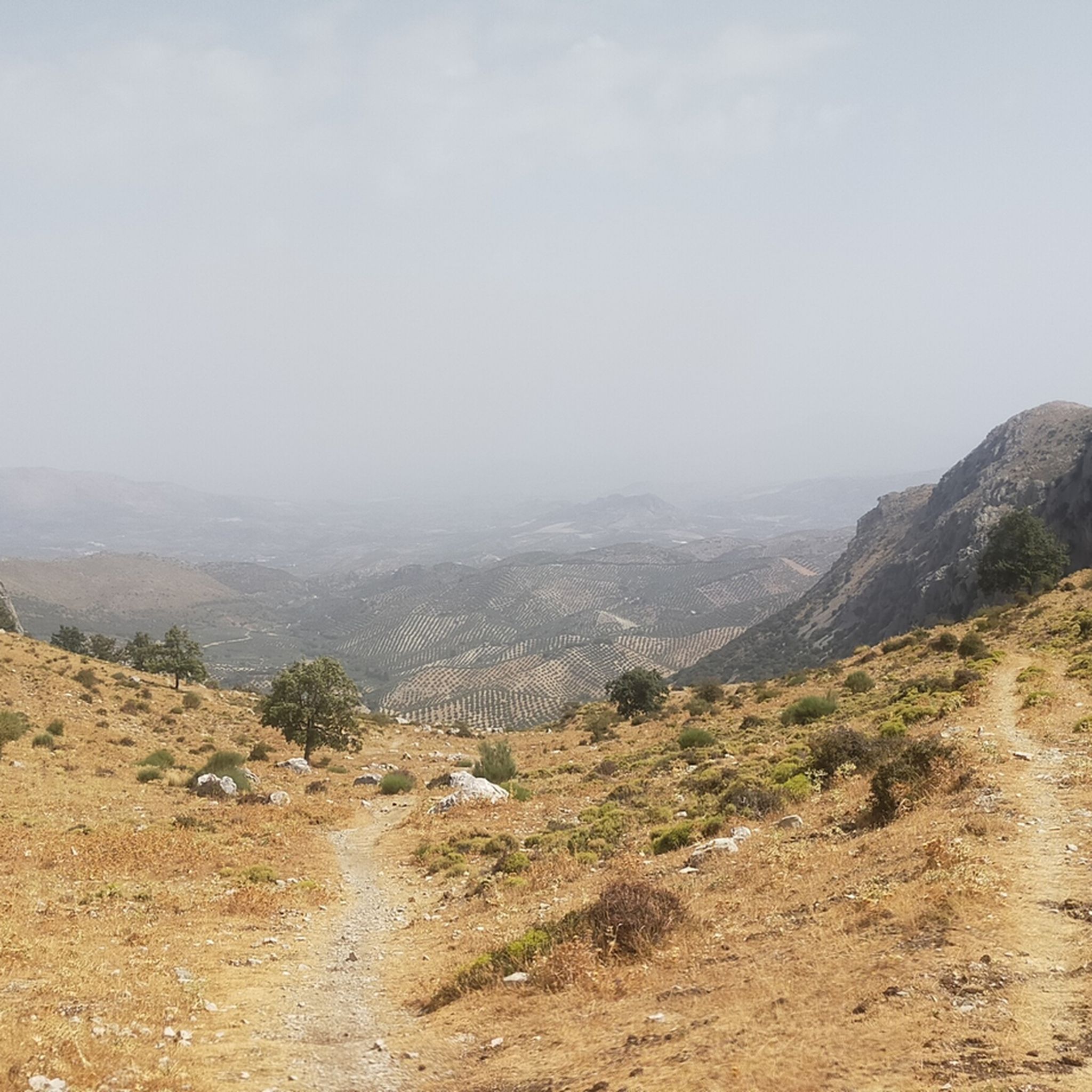
MTB Trails around National Park Sierras Subbéticas
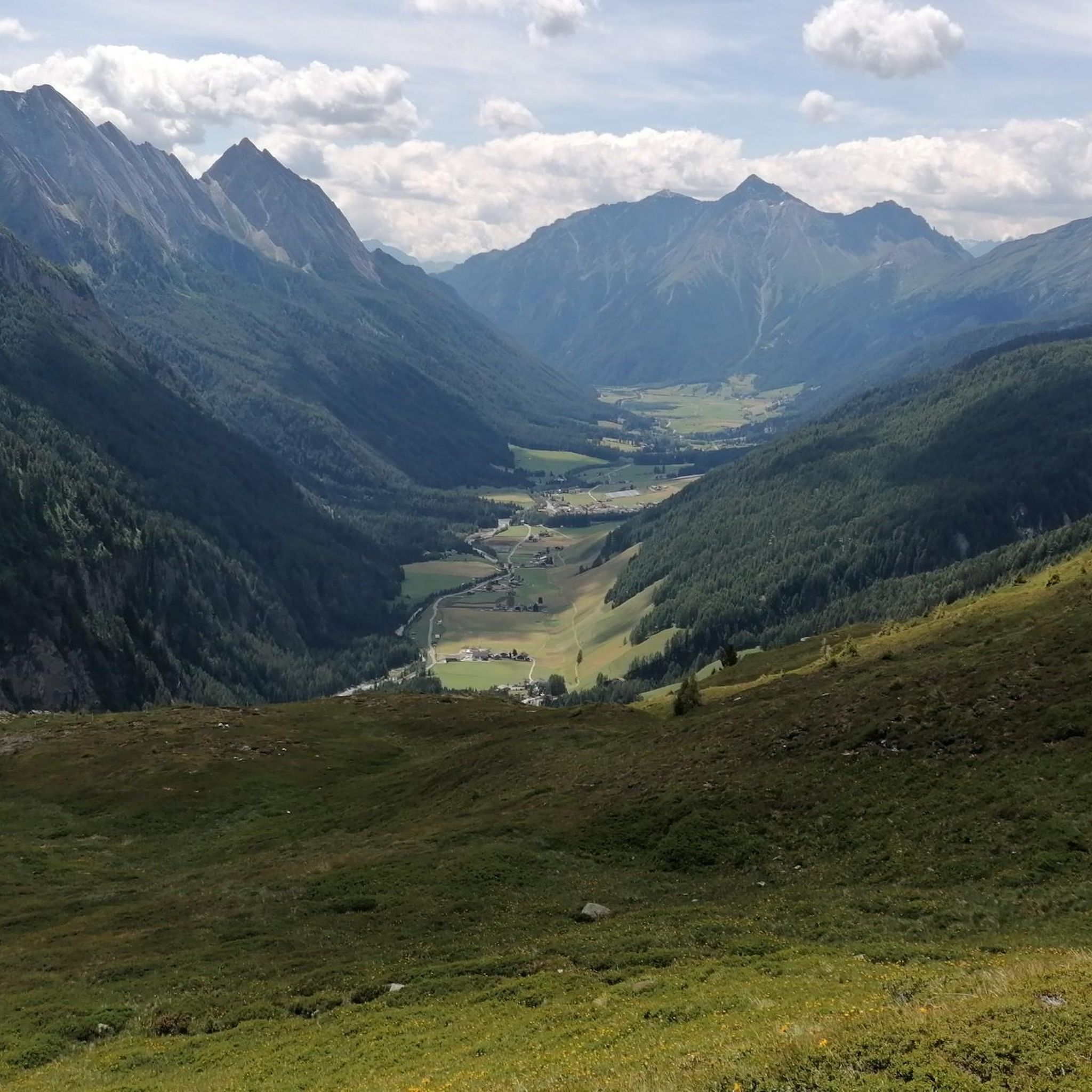
Gravel biking around National Park Sierras Subbéticas
Other adventures around National Park Sierras Subbéticas

Tips from the Community

Once you reach the top and arrive at this point, you’re rewarded with an incredible feeling and truly breathtaking views.
0
0


It is a prehistoric cave, the largest in the province of Córdoba, declared a Natural Monument in 2001. Its name comes from the bats, of different species, that inhabit this cave. In his tourist visit, a descent of up to 65 m deep is made.
3
0

Seasonal waterfalls that appear after copious rains. Due to the porosity of the terrain, only when the amount of water is greater than what the terrain is capable of absorbing, do waterfalls form, sometimes even making it difficult to pass and not being able to make the route in a circular way. It is convenient to inquire at the Santa Rita Visitor Center about their status and check if an authorization is required to visit them, which is sometimes established to control the influx of people to this Zone A Reserve of the Protected Natural Area.
0
0
This trail is full of impressive limestone rock walls, with a multitude of vegetation sprouting between its numerous pores. They have been formed over time by the force of the Bailón River. From some angles you can see Zuheros and its castle peeking out between the walls.
2
0
Seasonal waterfalls that appear after copious rains. Due to the porosity of the terrain, only when the amount of water is greater than what the terrain is capable of absorbing, do waterfalls form, sometimes even making it difficult to pass and not being able to make the route in a circular way. It is convenient to inquire at the Santa Rita Visitor Center about their status and check if an authorization is required to visit them, which is sometimes established to control the influx of people to this Zone A Reserve of the Protected Natural Area.
1
1
This cave is a system of galleries typical of limestone formations, very porous. Its name is due to the fact that various species of bats inhabit it.
2
1

A beautiful place, even for short walks. You determine the level of difficulty yourself. A little fitness is useful because of the sometimes steep climbs.
1
1
Frequently Asked Questions
What are the most popular natural monuments to visit in the Sierras Subbéticas Natural Park?
Among the most appreciated natural monuments are the Limestone formations and caves in the Bailón Canyon, known for its impressive rock walls and views of Zuheros. Another popular spot is the Poljé of the Nava de Cabra, a unique flat valley-shaped depression. The Bat Cave is also a must-see, being the largest prehistoric cave in Córdoba province.
What unique geological features can I explore in the Sierras Subbéticas Natural Park?
The park is a UNESCO Geopark, renowned for its dramatic karst landscapes. You can explore various geological formations such as impressive limestone rock walls in the Bailón Canyon, the distinctive Poljé of the Nava de Cabra, and extensive cave systems like the Bat Cave, which features stalactites and stalagmites.
Are there any historical or archaeological sites among the natural monuments?
Yes, the Bat Cave is not only a geological marvel but also a significant archaeological site. It boasts important Neolithic remains and the first Upper Paleolithic rock art discovered in Andalusia, offering a blend of natural beauty and historical significance.
When is the best time of year to visit the natural monuments, especially seasonal waterfalls?
For seasonal waterfalls like Chorreras de la Fuenseca and Las Chorreras Waterfall, the best time to visit is after copious rains, typically in late autumn, winter, or early spring. Due to the porous terrain, these waterfalls only appear when the ground is saturated. It's advisable to inquire at the Santa Rita Visitor Center about their status before your visit.
Are there any family-friendly natural monuments or walks suitable for children?
While specific 'family-friendly' categories aren't listed for individual monuments, many areas offer accessible paths for walks. The general beauty of the Bailón Canyon and the unique landscape of the Poljé of the Nava de Cabra can be enjoyed by families. For cave visits like the Bat Cave, check age restrictions and tour difficulty in advance.
What outdoor activities can I do near the natural monuments in Sierras Subbéticas?
The region offers a variety of outdoor activities. You can find easy hikes, such as the Mirador de la Cabrera trail, or more challenging routes. There are also numerous options for cycling and mountain biking trails, including routes around Zuheros and Cabra.
Are there specific requirements or permits needed to visit certain natural monuments?
For seasonal waterfalls like Chorreras de la Fuenseca, authorization may sometimes be required to control visitor influx, as it's a Zone A Reserve. It's always best to inquire at the Santa Rita Visitor Center about current regulations. For the Bat Cave, booking an appointment for your visit is essential.
What are the highest peaks in the Sierras Subbéticas Natural Park and what views do they offer?
While not officially designated as natural monuments, El Picacho de Cabra (1,217 meters) and La Tiñosa (1,570 meters) are significant natural landmarks. El Picacho offers panoramic views of the entire Sierras Subbéticas and even several Andalusian provinces, with the Sierra Nevada visible in the distance. La Tiñosa is the highest elevation in Córdoba province, providing unparalleled vistas of the dramatic landscape.
Can I find cafes or restaurants near the natural monuments?
The natural monuments are often located near charming towns within or bordering the park, such as Zuheros and Cabra. These towns typically offer local amenities, including cafes and restaurants where you can enjoy traditional Andalusian cuisine after your explorations.
What should I know about visiting the Bat Cave?
The Bat Cave is a prehistoric cave and the largest in Córdoba province. Visitors can descend up to 65 meters deep to explore its chambers. It's home to various bat species, and its geological formations include impressive stalactites and stalagmites. Due to its popularity and protected status, you must book an appointment in advance to visit.
What is a 'poljé' and where can I see one in the park?
A poljé is a distinctive geological formation: a large, elongated, flat valley-shaped depression found in karst areas, formed after land subsidence. You can observe an excellent example at the Poljé of the Nava de Cabra, where the Bailón River aids in its drainage, and a pónor (a natural opening for water drainage) is also present.
Are there any viewpoints to appreciate the park's karst landscape?
Yes, the Limestone formations and caves in the Bailón Canyon offer scenic views, and from certain angles, you can spot the picturesque town of Zuheros and its castle. Additionally, the peaks of El Picacho de Cabra and La Tiñosa provide breathtaking panoramic views of the entire Sierras Subbéticas and its dramatic karst terrain.
Most popular routes around National Park Sierras Subbéticas
Most popular attractions around National Park Sierras Subbéticas

Get inspired with the komoot mobile app


Explore more
Extend your search for the best caves by checking out these guides of the top ones around National Park Sierras Subbéticas:
