Paraje Natural Torcal de Antequera
Paraje Natural Torcal de Antequera
Top 19 Natural Monuments around Paraje Natural Torcal de Antequera
Best natural monuments around Paraje Natural Torcal de Antequera are characterized by an extraordinary karst landscape, recognized as a UNESCO World Heritage Site. This area features unique limestone rock formations sculpted over millions of years by natural forces, creating a surreal and labyrinthine environment. Visitors can explore a diverse array of geological marvels, including formations resembling everyday objects, alongside rich biodiversity. The region offers numerous hiking opportunities to experience its ancient landscape and observe wildlife.
Best natural monuments around Paraje…
Last updated: July 10, 2026
The Torcal of Antequera
Highlight • Natural Monument
Translated by Google •
Tip by

The Cathedrals of El Torcal
Highlight • Natural Monument
Translated by Google •
Tip by

Sign up now to discover places like this
Get recommendations on the best single tracks, peaks, & plenty of other exciting outdoor places.
Sign up for free
Ascent to El Torcal
Highlight (Segment) • Climb
Tip by

Path along stunningly beautiful rock formations
Highlight (Segment) • Natural Monument
Tip by

Plazoleta Cuatro Torres
Highlight • Natural Monument
Translated by Google •
Tip by

Sign up for free to discover even more natural monuments around Paraje Natural Torcal de Antequera.
Sign up for free
Already have an account?
Start today with a free account
Your next adventure awaits.
Login or Signup
Popular around Paraje Natural Torcal de Antequera
Tips from the Community

The paths through these formations are simply wonderful to walk and you can hardly stop marveling.
0
0

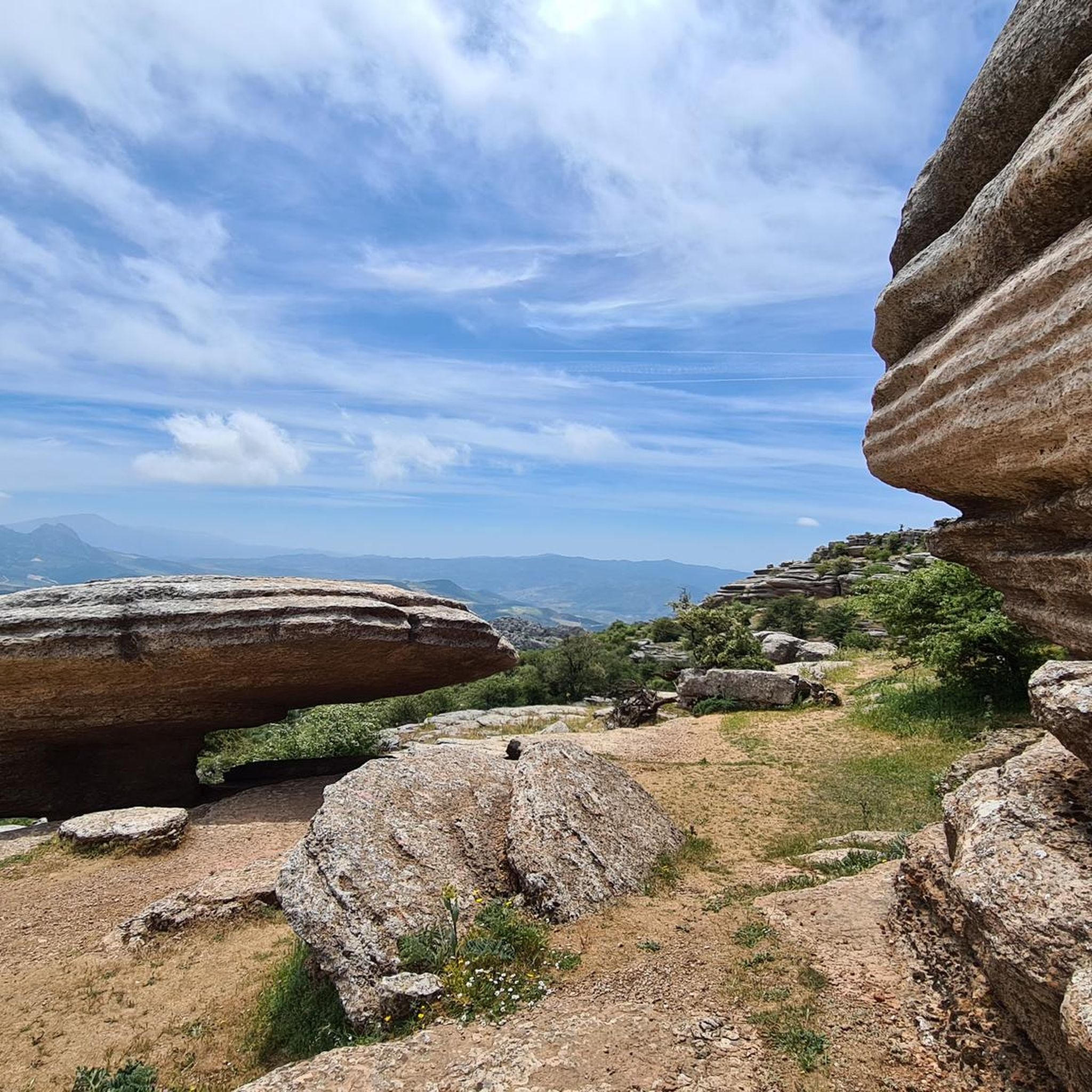
The bike ride up El Torcal de Antequera leads into the nature reserve of the same name, known for its extraordinary karst formations. The route follows a winding, steadily ascending road through a diverse rocky landscape. As the altitude increases, the surroundings change significantly – vegetation becomes sparser, and the striking rock formations of the Torcal come into focus. The route impresses with its mesmerizing views, the tranquility, the fresh mountain air, and the impressive rock formations, which at the top merge into an almost surreal landscape. At the end of the climb, you reach the Torcal Alto visitor center, from where various hiking trails lead through the heart of the nature reserve. The climb is challenging, but for experienced cyclists it is a worthwhile experience amidst one of Andalusia's most fascinating natural landscapes.
0
0

Several circular routes from 1/2 to several hours possible
1
1

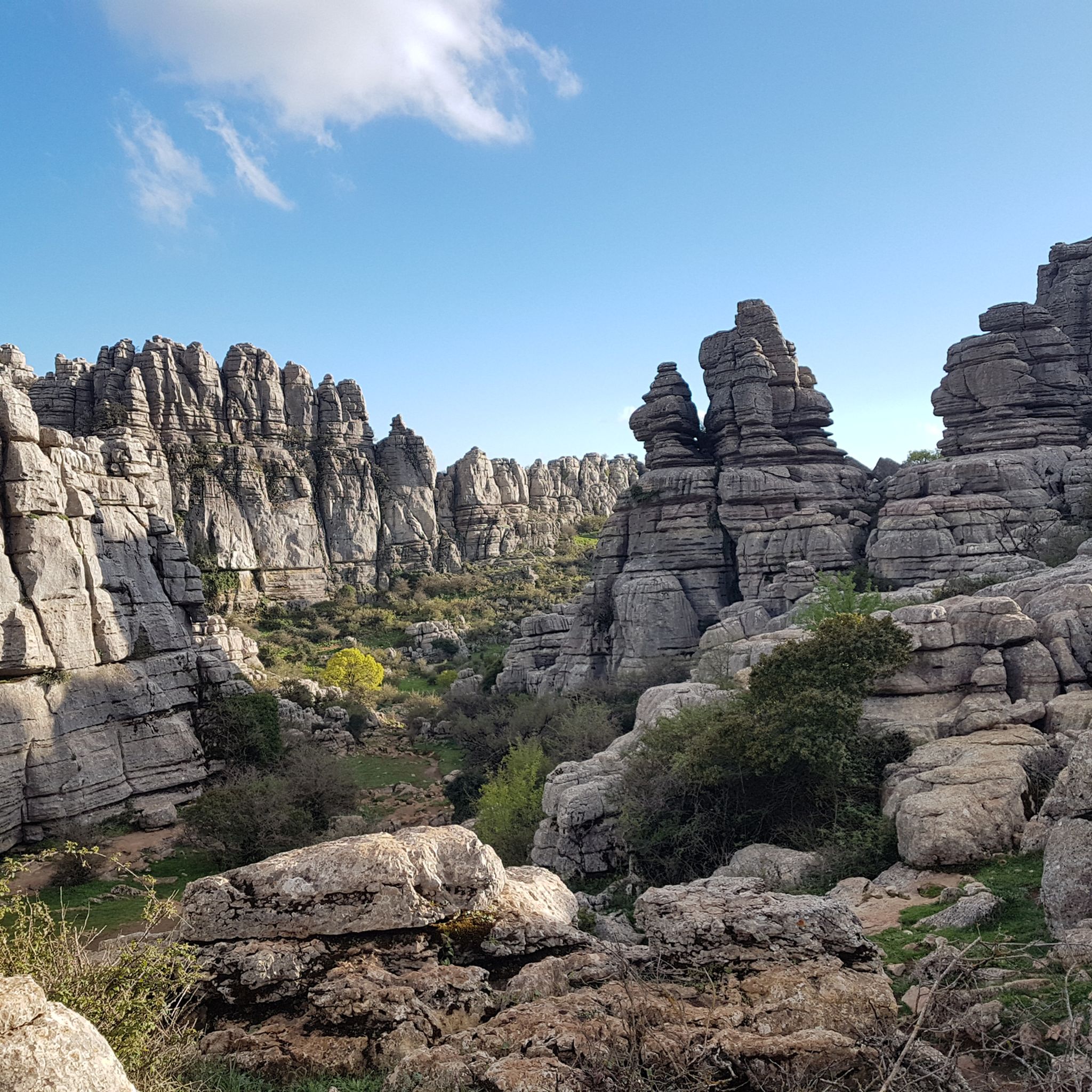
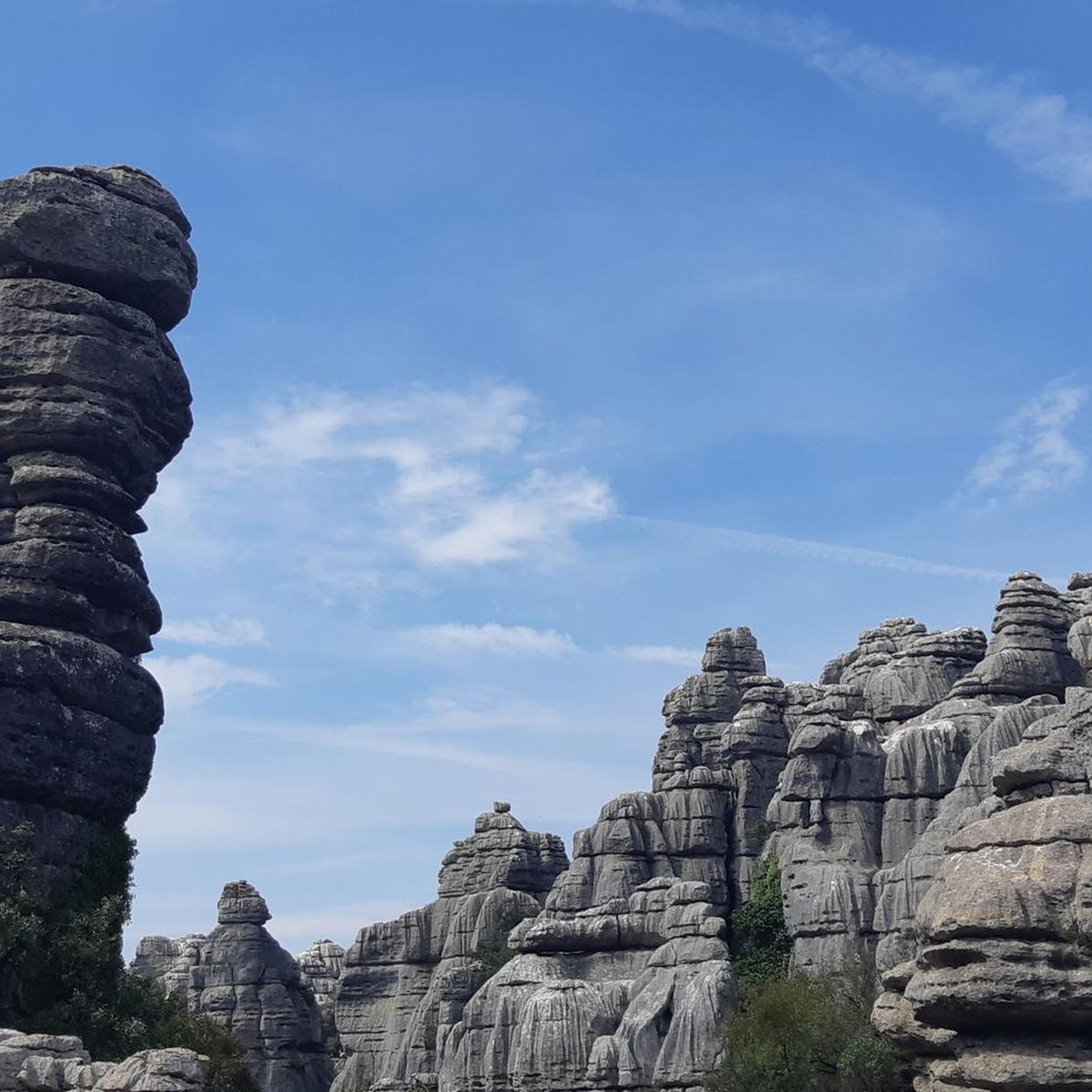
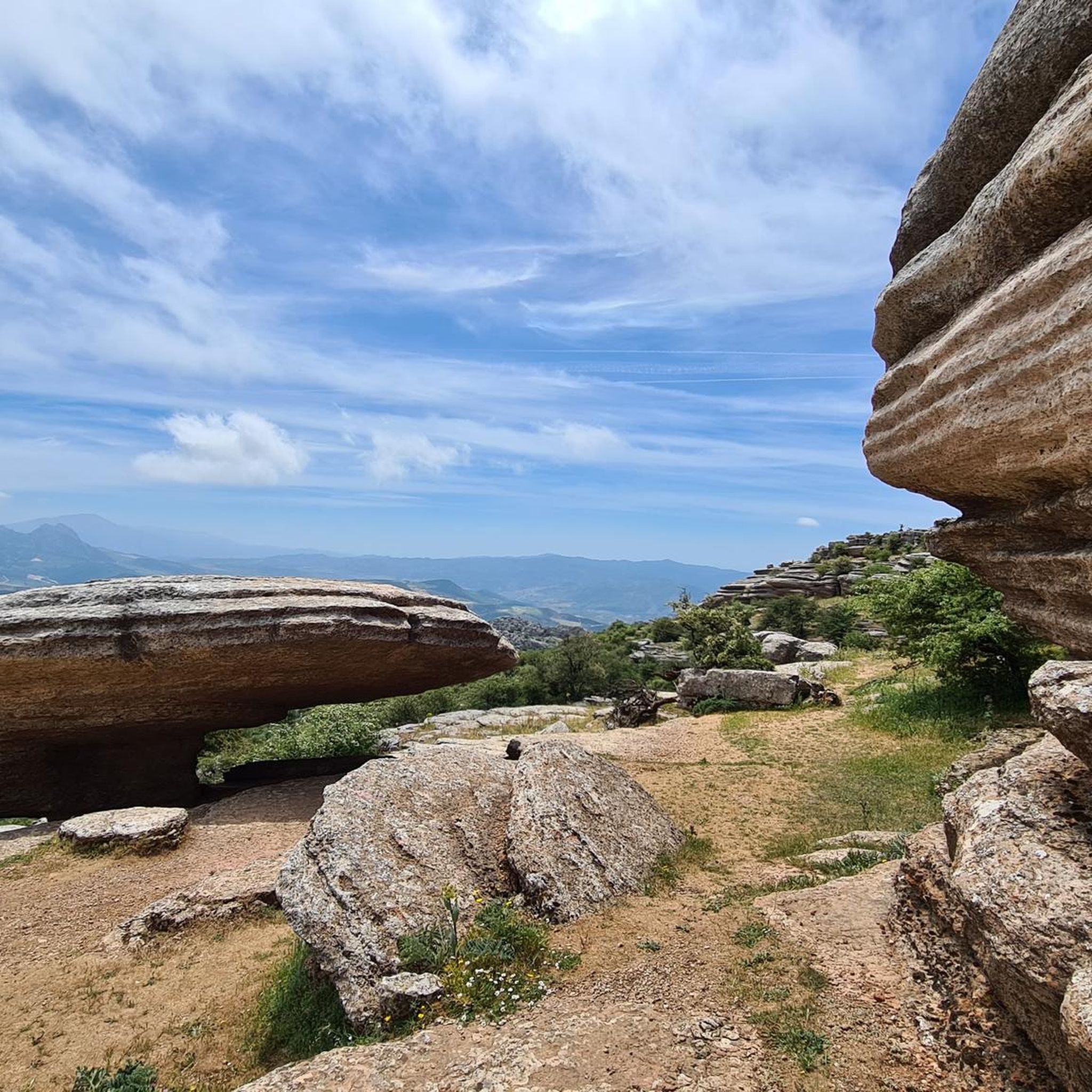
Many of the rock formations have imaginative names - including the Place of the 4 Towers. If you take the time, you can see this quite well.
3
0

The Cathedrals of Torcal is an impressive natural site located in the province of Malaga, Andalusia, halfway between Antequera and Villanueva de la Concepción. This place owes its name to the natural cathedral-shaped rocks that surround it. The erosion of water, wind and ice over time has shaped a unique karst landscape. Different layers of sediment erode differently, creating whimsical rock formations.
8
1

Bizzare rock formations in any direction - really inspriring area to hike.
3
1
If you choose a longer tour and some of the less travelled pathes you will have a nicer experience than on the marked standard routes.
5
1
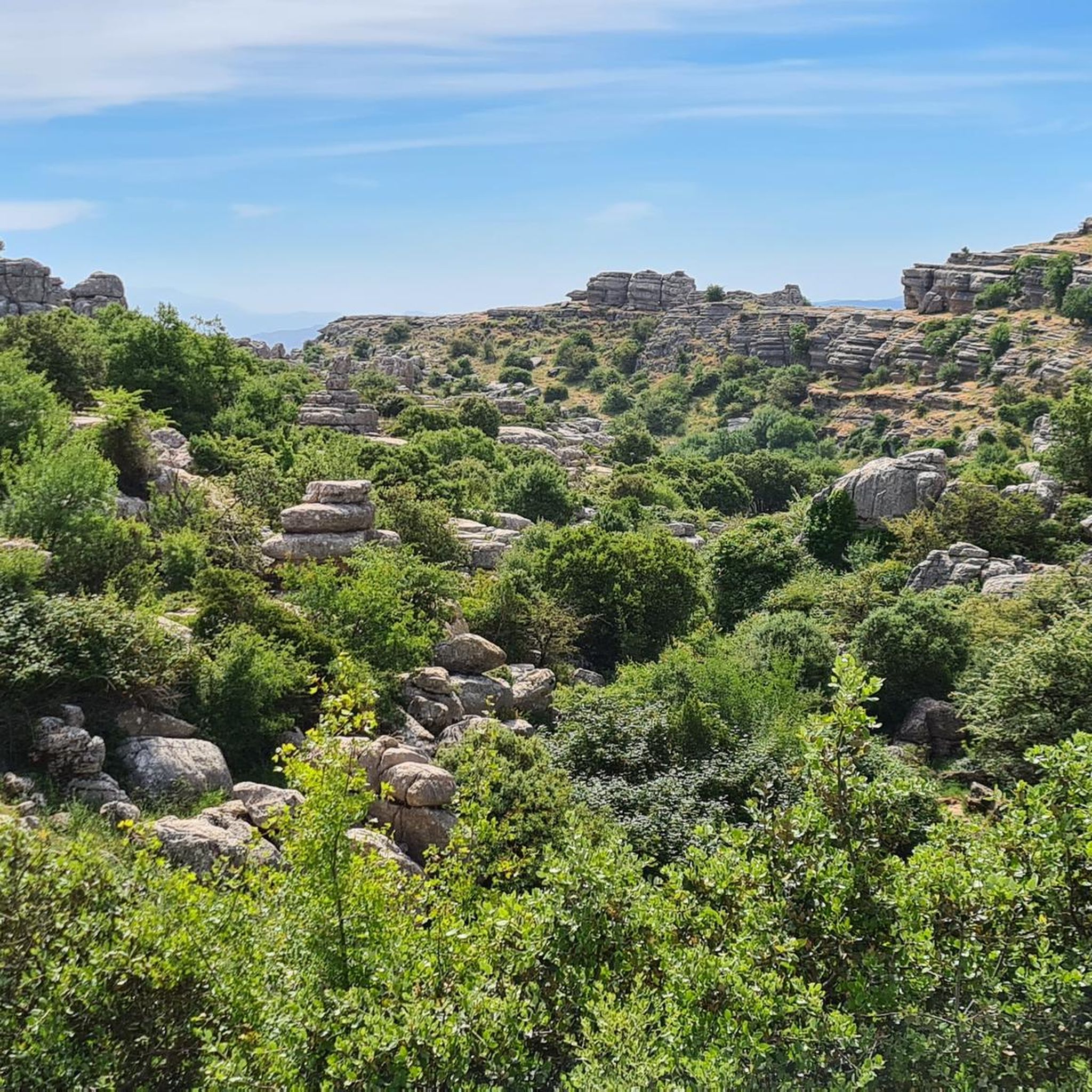
With a bit of luck you will see wildlife here as well.
4
2
Frequently Asked Questions
What makes the natural monuments around Paraje Natural Torcal de Antequera unique?
The natural monuments in Paraje Natural Torcal de Antequera are renowned for their extraordinary karst landscape, recognized as a UNESCO World Heritage Site. This area features unique limestone rock formations sculpted over millions of years by natural forces, creating a surreal and labyrinthine environment. Visitors can explore a diverse array of geological marvels, including formations resembling everyday objects like screws, mushrooms, or sphinxes.
Are there specific natural monuments within El Torcal that are particularly notable?
Yes, among the many fascinating formations, The Torcal of Antequera itself is a prominent natural monument featuring peculiar rock formations and a diverse ecosystem. Another must-see spot is The Cathedrals of El Torcal, where rock towers rise like cathedral spires, formed from ancient shell deposits.
What kind of hiking trails are available in Paraje Natural Torcal de Antequera?
El Torcal offers a network of public trails suitable for various ages and skill levels. You can find routes like the green route (1.5 km) and the yellow route (2.5 km) which are clearly marked. For more extensive exploration, there are options such as the "Natural Site Torcal de Antequera via Green and Yellow routes (SL-A 295)" or the "Paraje Natural Torcal de Antequera – circular to Camorro de Siete Mesas via the Cornisa del Diablo." You can find more details on hiking routes in the Hiking around Paraje Natural Torcal de Antequera guide.
Are the natural monuments in El Torcal de Antequera suitable for families with children?
Yes, the park offers routes suitable for various ages, including options for families with children. The shorter, marked trails like the green route are generally manageable for families. Exploring the labyrinthine landscape and observing the unique rock formations can be a stimulating and imaginative experience for children.
What wildlife and flora can I expect to see in Paraje Natural Torcal de Antequera?
Beyond its geology, El Torcal supports a diverse array of wildflowers, including rock-dwelling species. The area is home to a variety of animal life such as Spanish ibex, foxes, wild cats, rabbits, and weasels. Birdwatchers might spot various species including vultures (especially griffon vultures), falcons, eagles, and sparrowhawks.
What is the best time of year to visit the natural monuments in El Torcal de Antequera?
The best time to visit is generally during spring or autumn when temperatures are milder, and the landscape is vibrant. Summers can be very hot, and winters can be cold with strong winds, so it's important to check weather conditions before your visit. Layered clothing is recommended as temperatures can be considerably cooler and winds stronger at higher altitudes.
How can I reach Paraje Natural Torcal de Antequera by public transport?
While direct public transport options to the heart of El Torcal are limited, you can typically take a bus to Antequera. From Antequera, you would need to arrange a taxi or other private transport to reach the visitor center and trailheads within the natural park. It's advisable to check local transport schedules in advance.
Where can I park when visiting the natural monuments?
There is parking available at the Torcal Alto visitor center, which serves as a starting point for various hiking trails through the nature reserve. During peak times, access to the top parking lot might be restricted, and visitors may need to park lower down and use a shuttle service.
What should I wear when exploring the natural monuments?
Sturdy shoes are a must due to the challenging and uneven terrain. Even if it's warm at lower elevations, temperatures are considerably cooler and winds much stronger higher up, so layering your clothing is highly recommended. Sun protection, such as a hat and sunscreen, is also advisable.
What do visitors enjoy most about the natural monuments in Paraje Natural Torcal de Antequera?
Visitors frequently highlight the otherworldly and bizarrely beautiful rock formations, often comparing the landscape to another planet. The opportunity to discover wildlife like ibex and vultures, combined with the tranquility and impressive views, makes it a fantastic place to switch off and appreciate the ingenuity of nature. The challenging yet rewarding trails and the unique geological history also contribute to a memorable experience.
Are there any challenging routes for experienced hikers or cyclists?
Yes, for experienced adventurers, there are challenging options. The "Ascent to El Torcal" is a scenic climb that is both exhausting and beautiful, leading into the nature reserve. For hikers, routes like the "Natural Site Torcal de Antequera via Green and Yellow routes (SL-A 295)" can be quite demanding. Cyclists can explore challenging MTB trails such as the "The Alcazaba of Antequera – Descent to Antequera loop from Restaurante Molino Blanco." More challenging routes can be found in the Hiking around Paraje Natural Torcal de Antequera and MTB Trails around Paraje Natural Torcal de Antequera guides.
Can I find food and accommodation near the natural monuments?
While there might be limited facilities directly within the natural park, the nearby town of Antequera offers a range of cafes, restaurants, and accommodation options. It's a short drive from El Torcal, making it a convenient base for exploring the natural monuments and the surrounding area.
Most popular routes around Paraje Natural Torcal de Antequera
Most popular attractions around Paraje Natural Torcal de Antequera

Get inspired with the komoot mobile app


Explore more
Extend your search for the best caves by checking out these guides of the top ones around Paraje Natural Torcal de Antequera:
