Top 4 Natural Monuments around Parc natural de Sa Dragonera
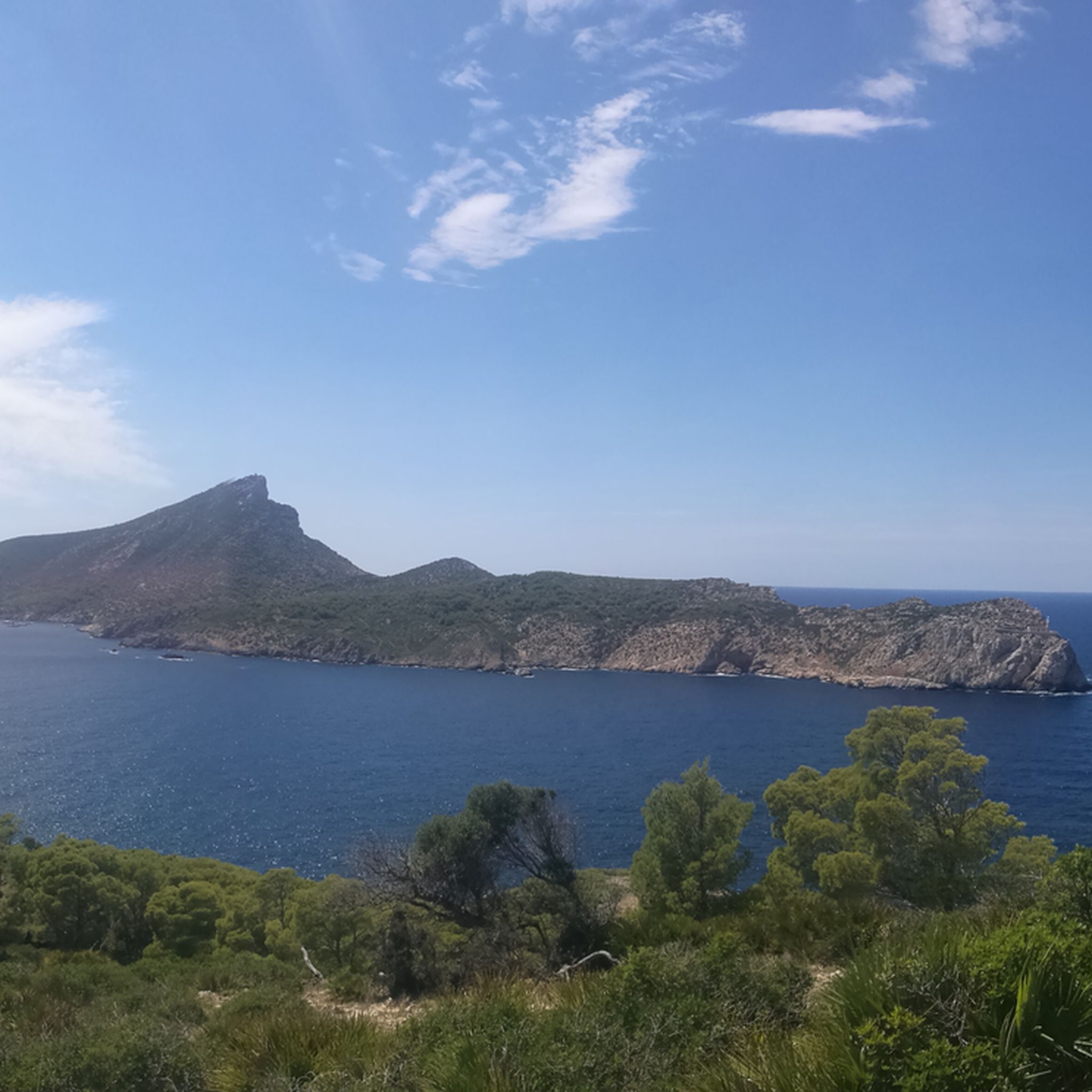
Best natural monuments around Parc natural de Sa Dragonera include the entire island, recognized for its dramatic landscapes and unique biodiversity. This natural park, an extension of the Serra de Tramuntana, features spectacular cliffs and high points. The area is ecologically significant, home to hundreds of plant species and an endemic subspecies of the Balearic wall lizard. Its distinctive dragon-like silhouette, particularly when viewed from a distance, is a notable natural landmark.
Best natural monuments around Parc natural de Sa…
Last updated: July 10, 2026
Sa Dragonera Island
Highlight • Natural
Translated by Google •
Tip by

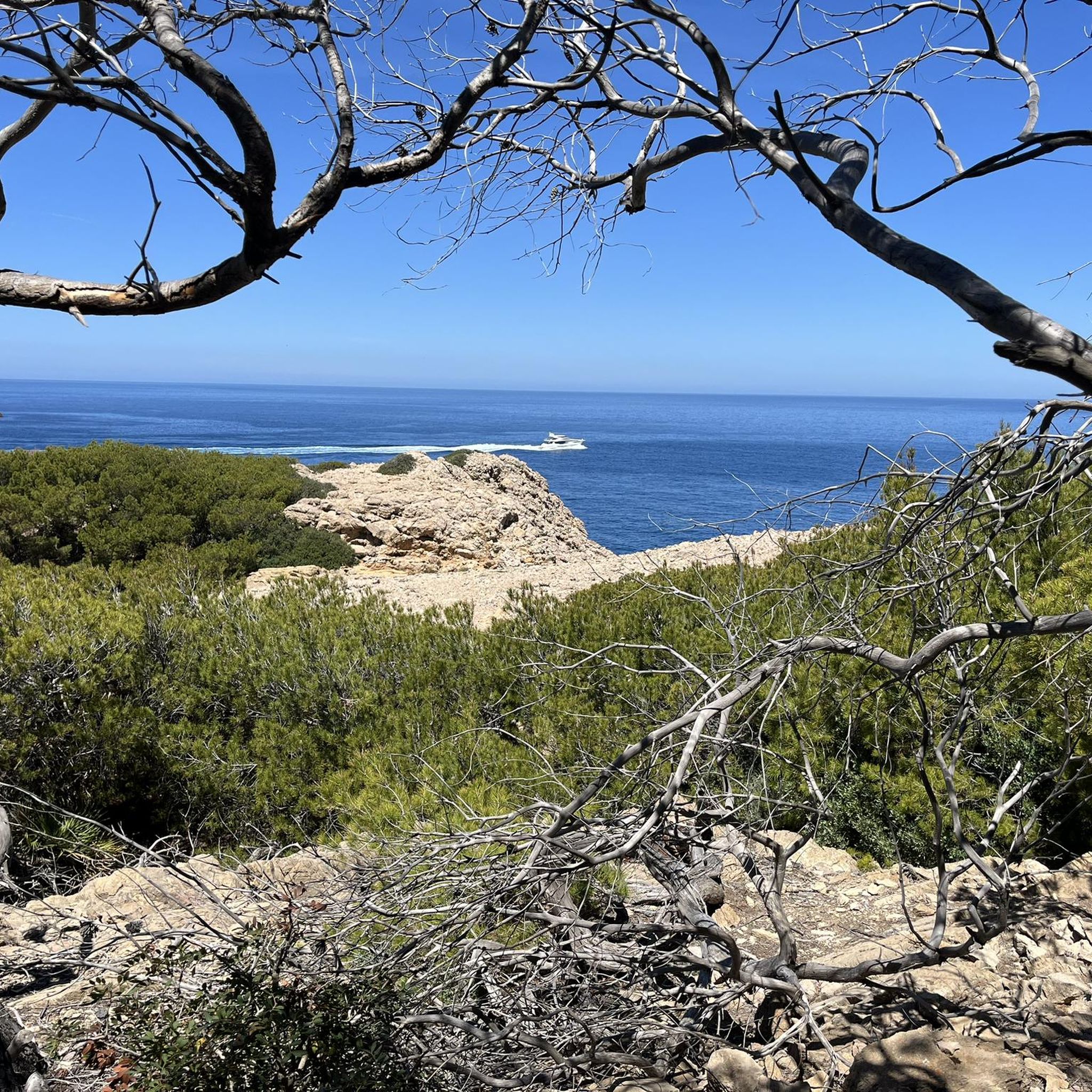
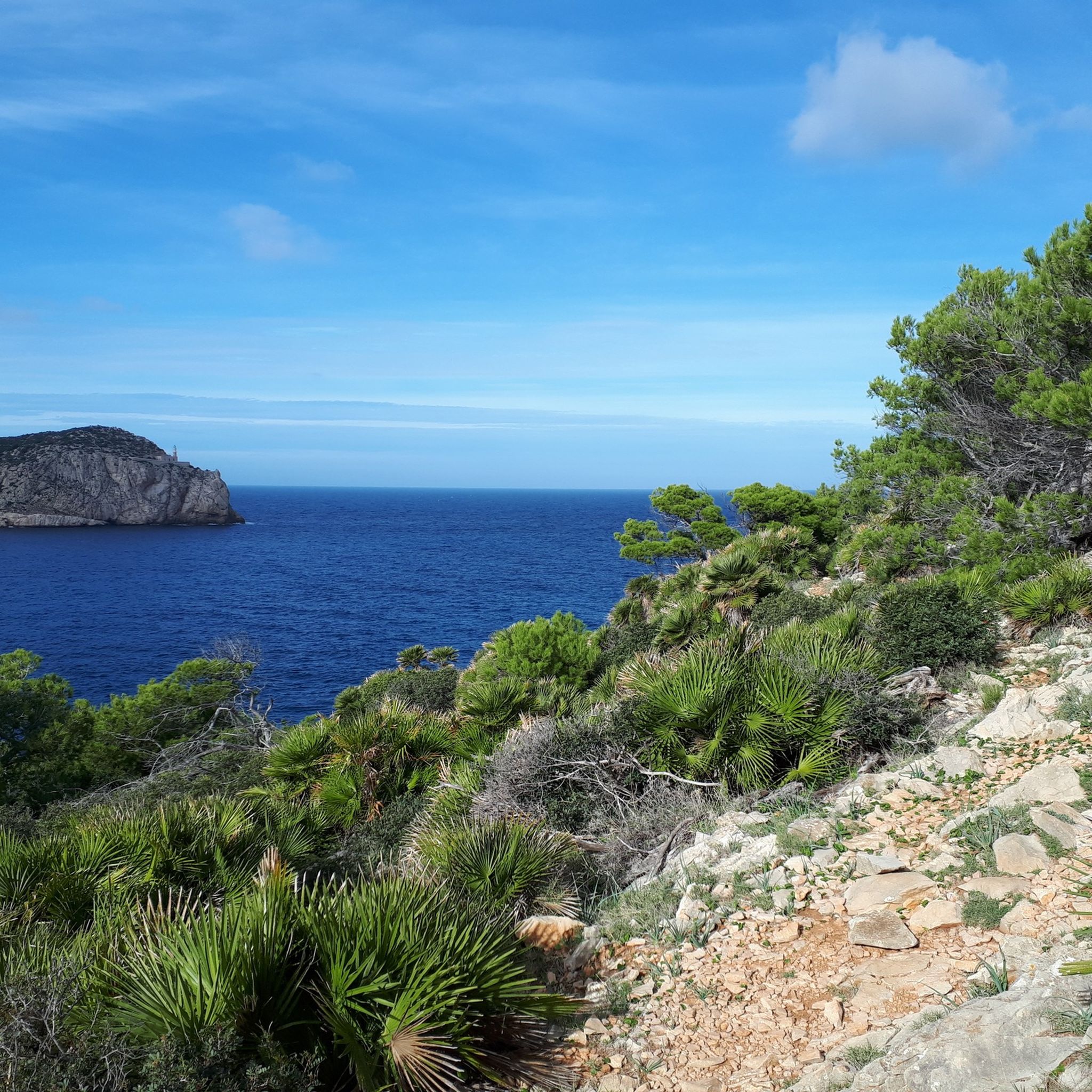
View of the Mediterranean Sea from the Cliffs of Es Tancat
Highlight • Viewpoint
Translated by Google •
Tip by
Sign up now to discover places like this
Get recommendations on the best single tracks, peaks, & plenty of other exciting outdoor places.
Sign up for free
Tramuntana Lighthouse Trail
Highlight • Monument
Translated by Google •
Tip by

Punta Negra
Highlight • Viewpoint
Translated by Google •
Tip by

Start today with a free account
Your next adventure awaits.
Login or Signup
Popular around Parc natural de Sa Dragonera

Tips from the Community

The island got its name Sa Dragonera from its shape, which is reminiscent of a dragon resting in the sea. And that's not far-fetched, as the island's origins are told as follows: Like all lizards, dragons prefer warmer climes for laying their eggs and found Mallorca an ideal place for this. A particularly brave dragon stayed behind to guard the eggs, from which young dragons later hatched. This dragon eventually turned to stone and now forms the island's silhouette. Piracy played a major role on Mallorca throughout history. Initially active, later defensive. Sa Dragonera repeatedly served as a hideout for privateers. This led to stories of hidden treasures that are said to still be hidden on the island. Another special feature is the lizard that lives here, which is only found in this form on Dragonera. It is said to have once existed on the main island as well, but was wiped out by introduced animals such as cats and snakes. They differ not only genetically, but also in their food choices and behavior. Since they have no natural enemies here, they lack the instinct to flee and are not afraid of humans. Nevertheless, they should not be fed, as human food is not suitable for animals and can cause disease.
3
0

Mallorca's sister island is a MUST. The dominant eye-catcher of the Dragon Island, which has been protected as a nature reserve since 1995, is the jagged horn of Na Pópia. There is no motorized traffic here, but countless lizards scurry across the path. The stars of the skies here are the Eleonora's falcons.
0
1

The island is definitely worth a trip
0
1
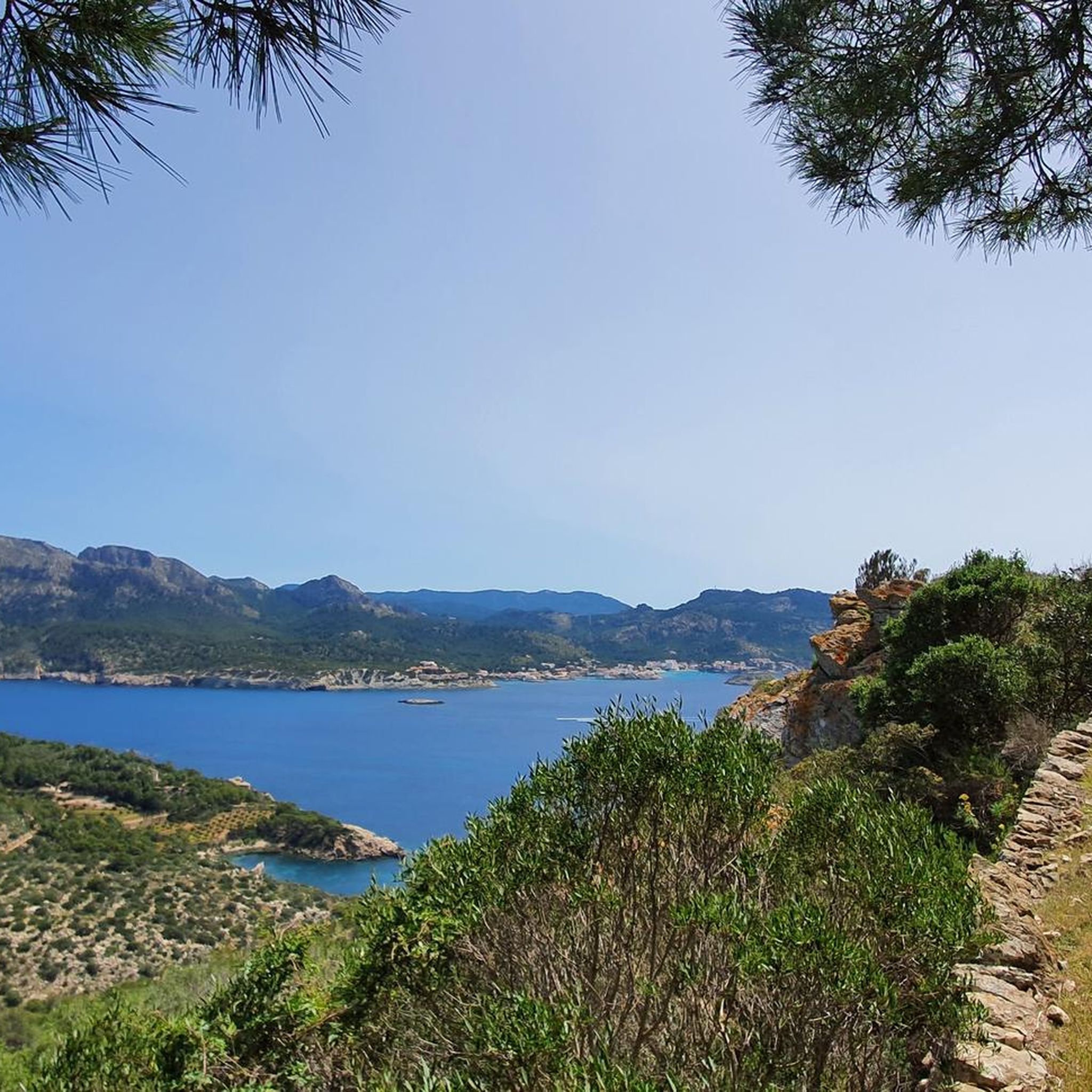
One of many magnificent views
0
1

a beautiful island and nature reserve. My highlight was hiking trail 4 up to the old lighthouse
1
2
The Sa Dragonera is absolutely worth it. Especially path 4 with its great views.
1
1

The island of Sa Dragonera... with its many lizards... they are really cute when they run over your feet. Just stay calm enough. The view across to the "mainland" of Mallorca is much nicer. It is fantastic to see the cliffs and the mountains from the water and from the island.
0
1

Highly Recommended! The ferry ride (return) https://crucerosmargarita.com/ from San Telmo (Sant Elm) currently costs €16 (as of June 2023, including €1 tax) - you must reserve by phone, otherwise you will not be taken. Once on the island, there are several tours "available", 3 lighthouses, 1 old watchtower including a cannon and of course the countless lizards... Otherwise there were only a lot of seagulls in June - but during the breeding season (July/August) Eleonora's falcons can also be observed breeding in the rock faces...
2
2
Frequently Asked Questions
What are some must-see viewpoints around Parc natural de Sa Dragonera?
For breathtaking views, consider visiting View of Sa Dragonera, which offers a clear perspective of the island's distinctive silhouette. Another excellent spot is View of the Sa Dragonera Lighthouse and the Torre de Cala en Basset, providing vistas of the lighthouse and the watchtower's cliffs. Additionally, the View of the Mediterranean Sea from the Cliffs of Es Tancat offers stunning coastal panoramas.
What unique natural features define Parc natural de Sa Dragonera?
Parc natural de Sa Dragonera is renowned for its dramatic landscapes, including spectacular cliffs, some reaching up to 300 meters high. The island's silhouette itself is said to resemble a sleeping dragon. It also features the highest point, Puig de na Pòpia, offering 360-degree views, and mysterious sea caves like Na Pòpia Cave, known for its clear waters.
What kind of wildlife can I expect to see on Sa Dragonera?
The island is famous for its endemic subspecies of the Lilford's wall lizard, which are numerous and curious. Visitors can also observe diverse bird colonies, including Audouin's gull and Eleonora's falcon. The well-preserved underwater ecosystems are home to extensive Posidonia oceanica prairies.
Are there hiking trails on Sa Dragonera island itself?
Yes, visitors can explore Sa Dragonera island via four marked hiking routes. These trails allow you to discover the island's natural beauty, including its unique flora and fauna. One of the highlights, Sa Dragonera Island, specifically mentions three distinct hiking routes available, ranging from easy to moderate.
What outdoor activities can I do near these natural monuments?
Beyond exploring the natural monuments, the area around Parc natural de Sa Dragonera offers various outdoor activities. You can find numerous hiking routes, such as the 'Tower and Cala d'en Basset via Pas d'en Grau' or the 'Cabo Tramuntana, Cabo Llebeig y na Pòpia' lighthouse trail. For more options, explore the Hiking around Parc natural de Sa Dragonera guide. There are also MTB trails and running routes available; check the MTB Trails around Parc natural de Sa Dragonera guide and the Running Trails around Parc natural de Sa Dragonera guide for details.
How do visitors typically access Sa Dragonera island?
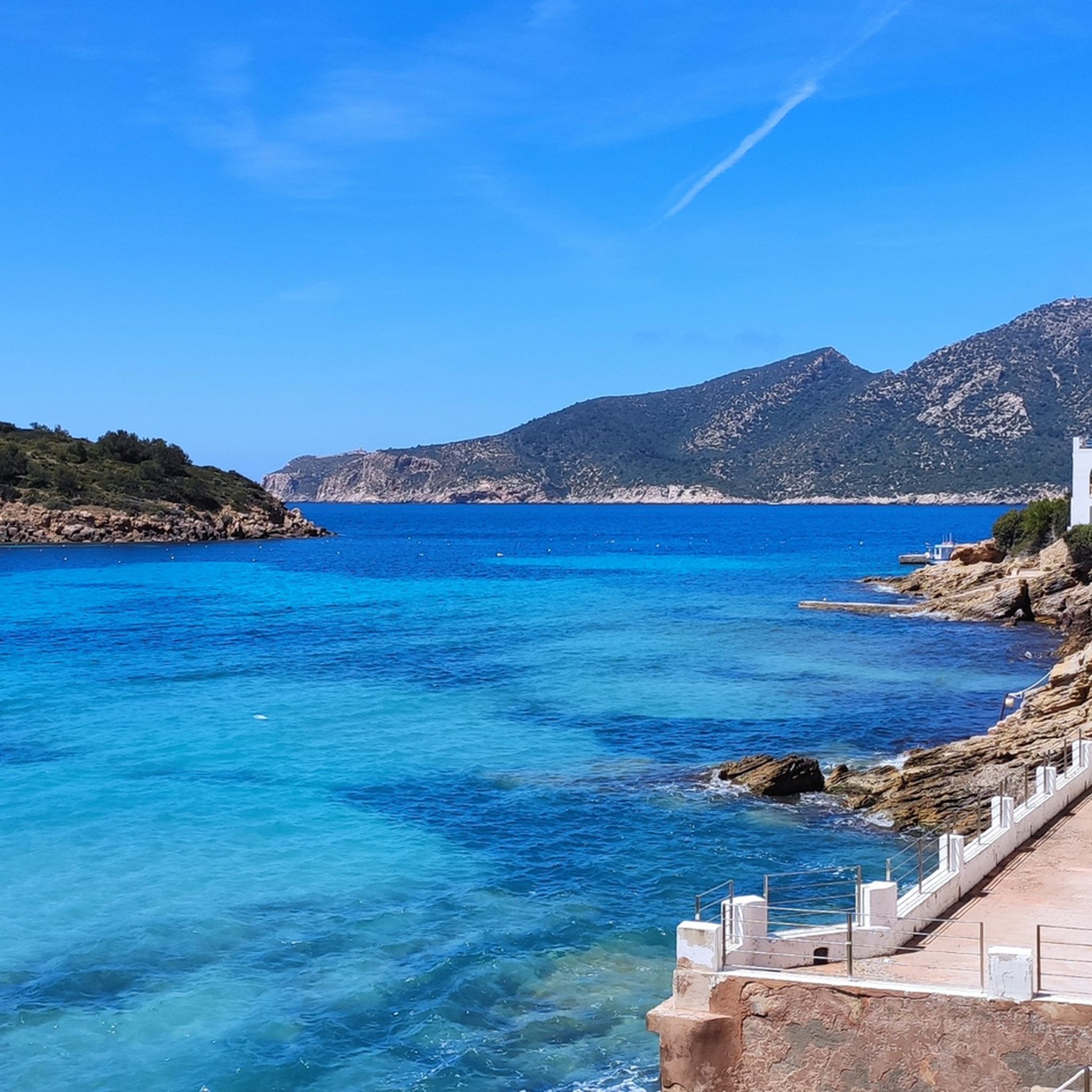
Sa Dragonera island is typically accessed by boat, with Cala Lladó serving as the main landing point for visitors. This picturesque natural port provides a welcoming entry to the island's hiking trails and visitor interpretation center.
What is the best time of year to visit Parc natural de Sa Dragonera?
While specific seasonal advice isn't provided, the island's status as a natural park with hiking routes suggests that spring and autumn would likely offer the most pleasant temperatures for exploration. During these times, the weather is generally mild, making hiking and wildlife observation more comfortable than in the peak heat of summer.
Are there family-friendly options for visiting Sa Dragonera?
Yes, the island offers hiking routes that range from easy to moderate, making it suitable for families. The numerous and curious Lilford's wall lizards are a particular delight for children. Remember to keep bags well closed as the lizards are known to be quite inquisitive.
What makes the Lilford's wall lizard on Sa Dragonera special?
The Lilford's wall lizard found on Sa Dragonera is an endemic subspecies, meaning it exists only here. Unlike their counterparts on the mainland, these lizards have no natural predators on the island, leading them to be less fearful of humans and quite curious. However, visitors are advised not to feed them, as human food is unsuitable and can cause illness.
Can I find historical sites or structures among the natural monuments?
While primarily a natural park, Sa Dragonera does feature historical elements. The highest point, Puig de na Pòpia, hosts the ruins of an old lighthouse. Additionally, the View of the Sa Dragonera Lighthouse and the Torre de Cala en Basset highlights a watchtower, the Torre de Cala en Basset, which offers a glimpse into the island's past defenses. Historically, some of the island's sea caves were also used as shelters by pirates.
What do visitors enjoy most about Parc natural de Sa Dragonera?
Visitors frequently praise the spectacular views, especially of the 'dragon island' silhouette and the Mediterranean Sea from the cliffs. The opportunity to observe the unique and fearless Lilford's wall lizards is also a highlight. Many appreciate the absolute silence and the unspoiled natural environment found on the island's hiking trails.
Are there challenging hikes around Parc natural de Sa Dragonera?
Yes, for those seeking more challenging routes, the area offers several options. Within the Hiking around Parc natural de Sa Dragonera guide, you can find difficult routes like 'Cabo Tramuntana, Cabo Llebeig y na Pòpia — the lighthouses of Sa Dragonera Natural Park' which covers over 20 km, or 'View of Sa Dragonera – View of Sa Dragonera Island loop from Es Pantaleu' at nearly 10 km.
Most popular routes around Parc natural de Sa Dragonera
Most popular attractions around Parc natural de Sa Dragonera

Get inspired with the komoot mobile app


Explore more
Extend your search for the best caves by checking out these guides of the top ones around Parc natural de Sa Dragonera:
