Top 20 Natural Monuments around Parc Natural de la Serra d'Espadà
Best natural monuments around Parc Natural de la Serra d'Espadà are found in the province of Castellón, within the Valencian Community. This park is characterized by its unique geological formations, extensive cork oak forests, and diverse natural landscapes. The area features striking reddish sandstone outcrops, deep ravines, and numerous natural springs. These elements contribute to its exceptional landscape value, making it a destination for exploring natural features.
Best natural monuments around Parc Natural de la Serra d'Espadà
- The most popular…
Last updated: July 10, 2026
Eslida Pass
Highlight • Mountain Pass
Translated by Google •
Tip by

Ajuez Reservoir
Highlight • Lake
Unfortunately, the reservoir is almost dry and things are slowly getting tight for the fish and turtles.
The Chóvar Reservoir, as it is also called, is part …
Translated by Google •
Tip by

Sign up now to discover places like this
Get recommendations on the best single tracks, peaks, & plenty of other exciting outdoor places.
Sign up for free
Espadán Peak
Highlight • Summit
Translated by Google •
Tip by

Órganos de Benitandús
Highlight • Natural Monument
Translated by Google •
Tip by
Mill Pool and Silo
Highlight • Structure
Translated by Google •
Tip by
Sign up for free to discover even more natural monuments around Parc Natural de la Serra d'Espadà.
Sign up for free
Already have an account?
Start today with a free account
Your next adventure awaits.
Login or Signup
Popular around Parc Natural de la Serra d'Espadà
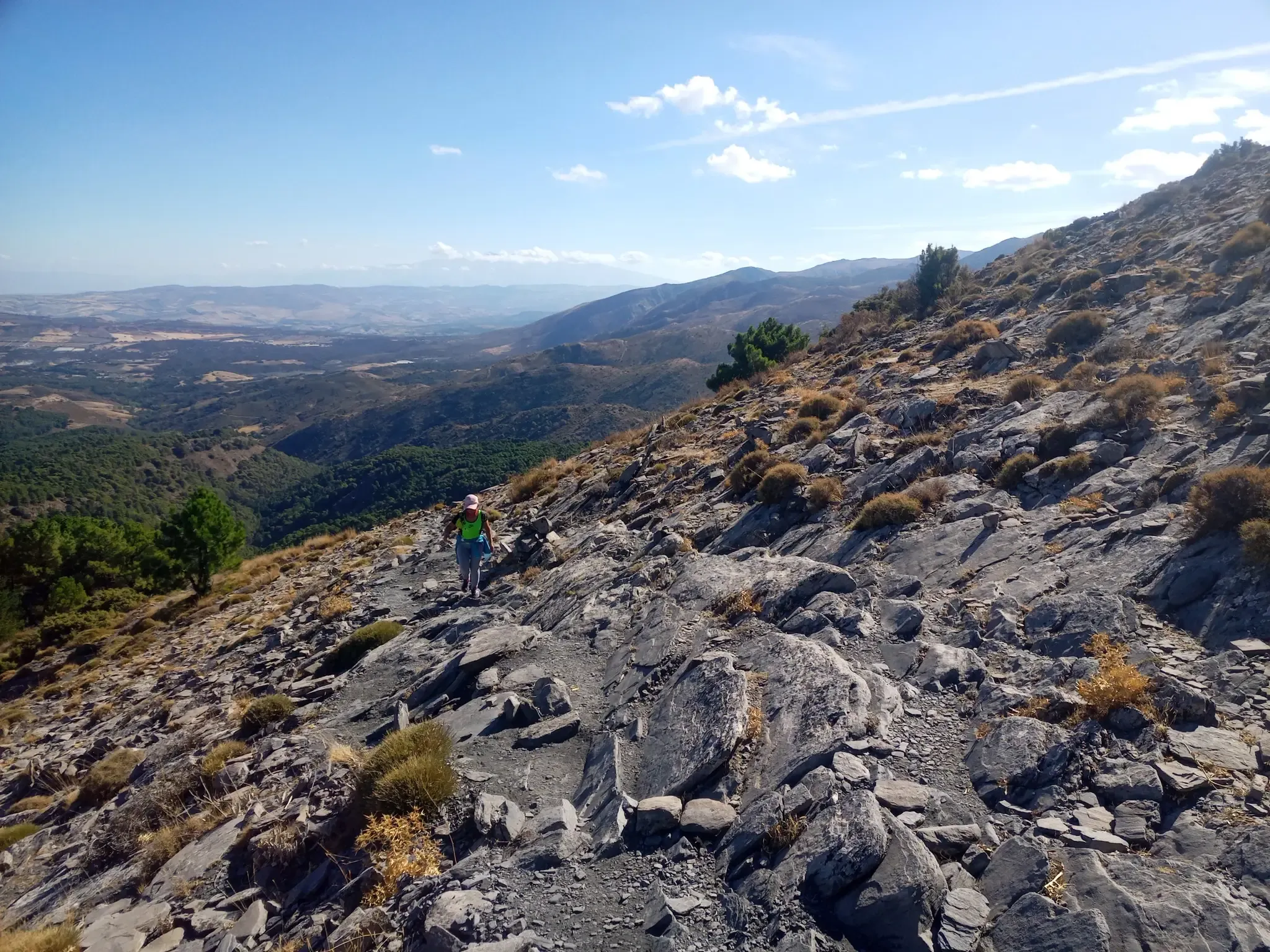
12 hiking gems throughout Spain
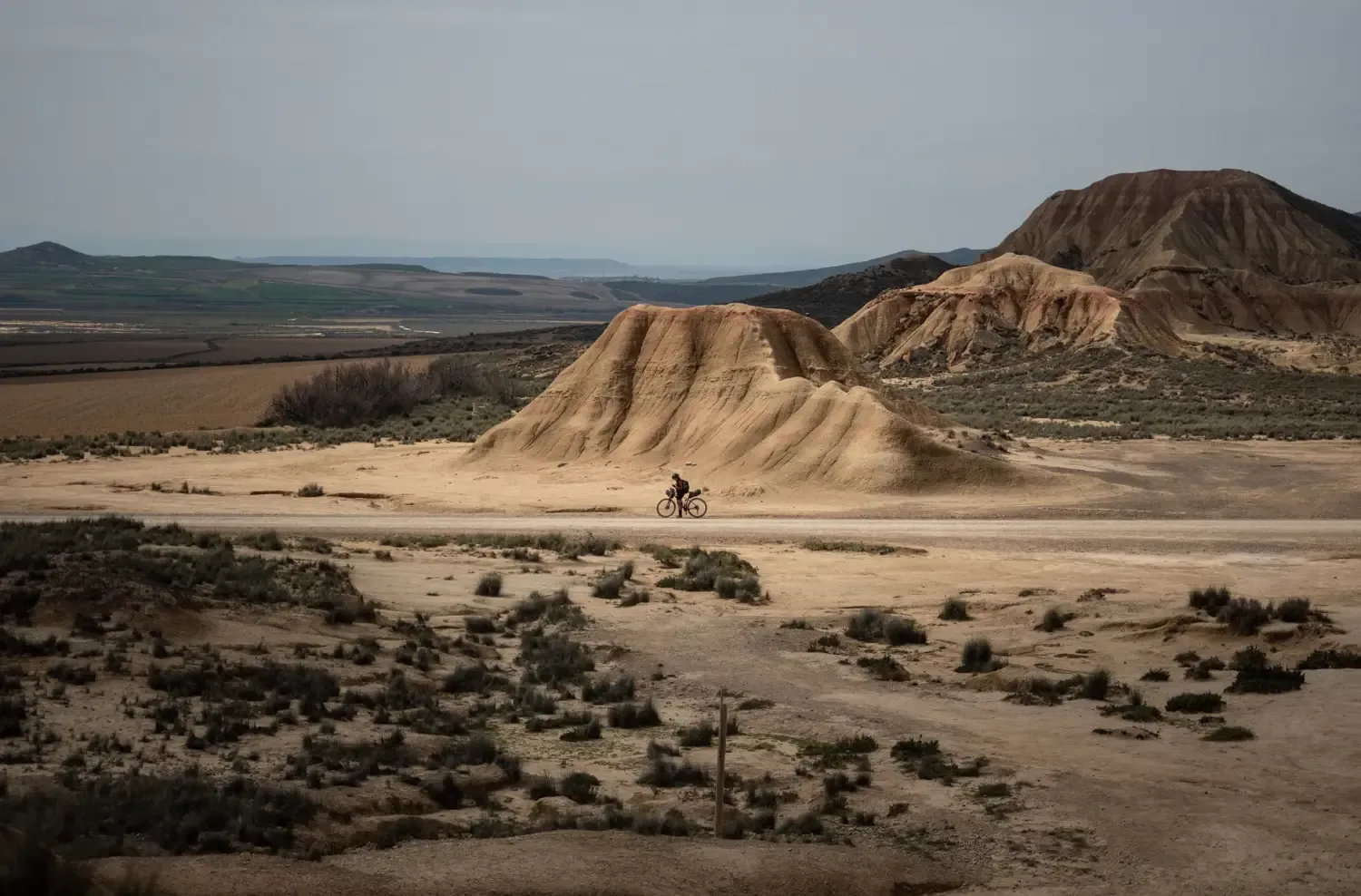
9 mountain biking routes in undiscovered Spain
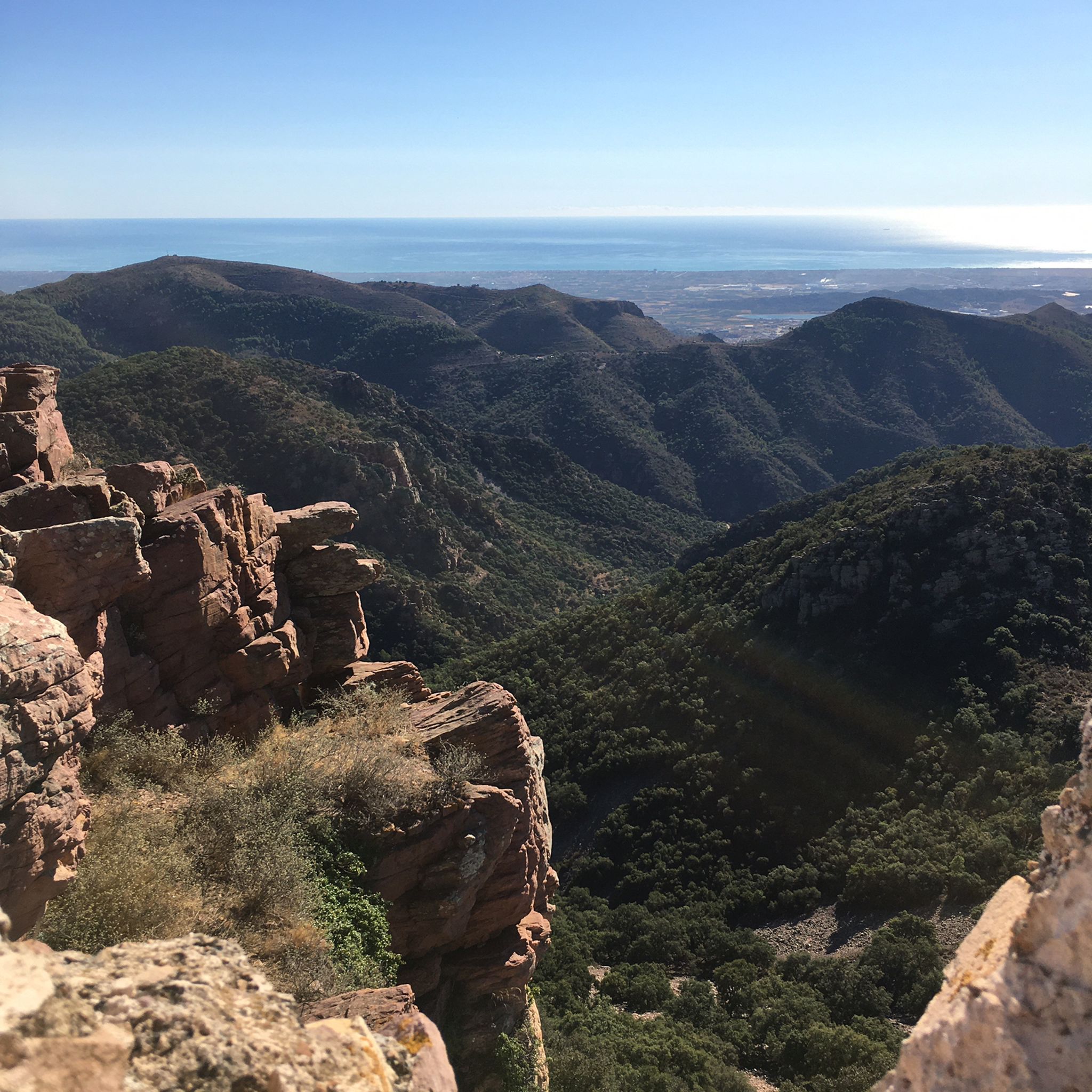
Hiking around Parc Natural de la Serra d'Espadà
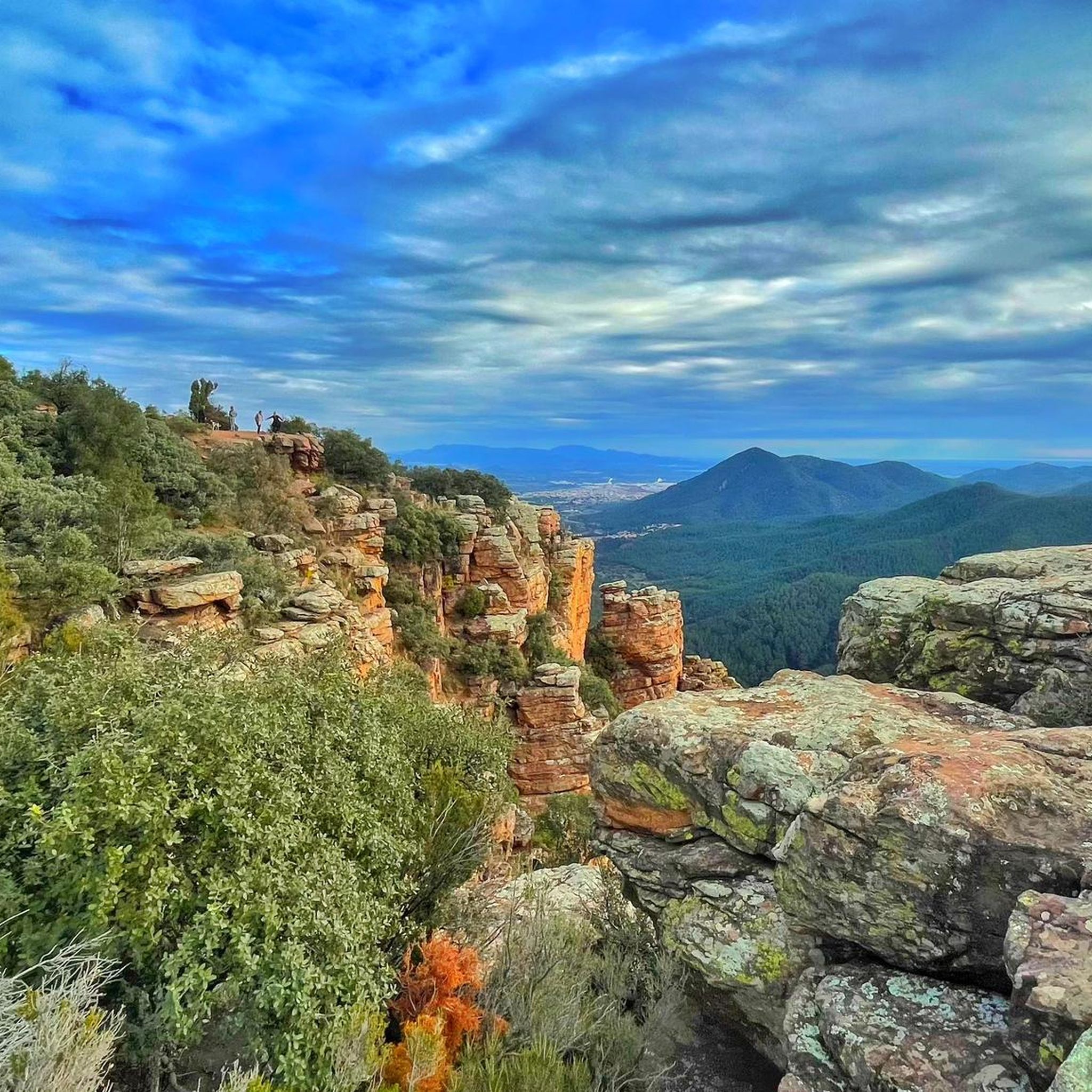
Running Trails around Parc Natural de la Serra d'Espadà
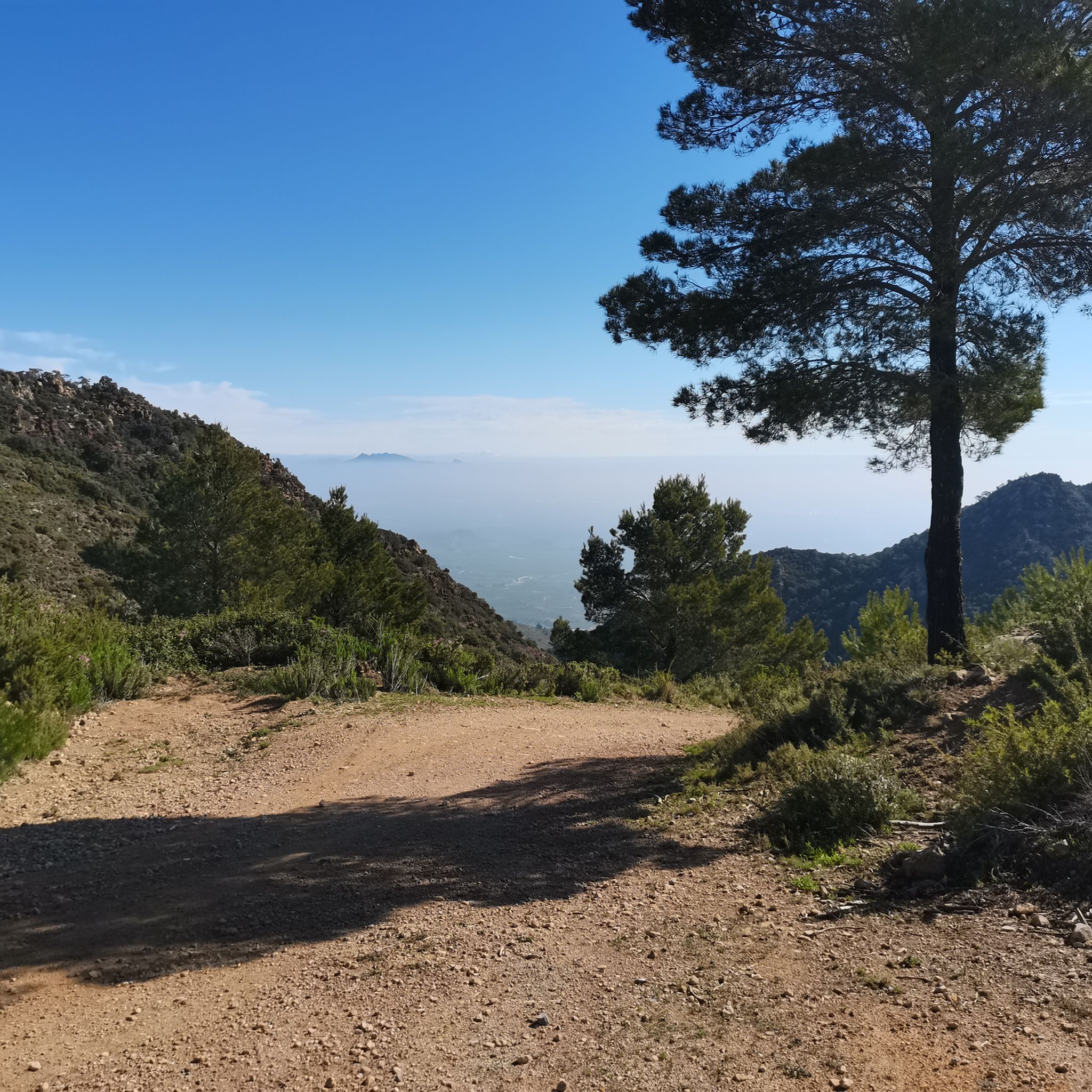
MTB Trails around Parc Natural de la Serra d'Espadà
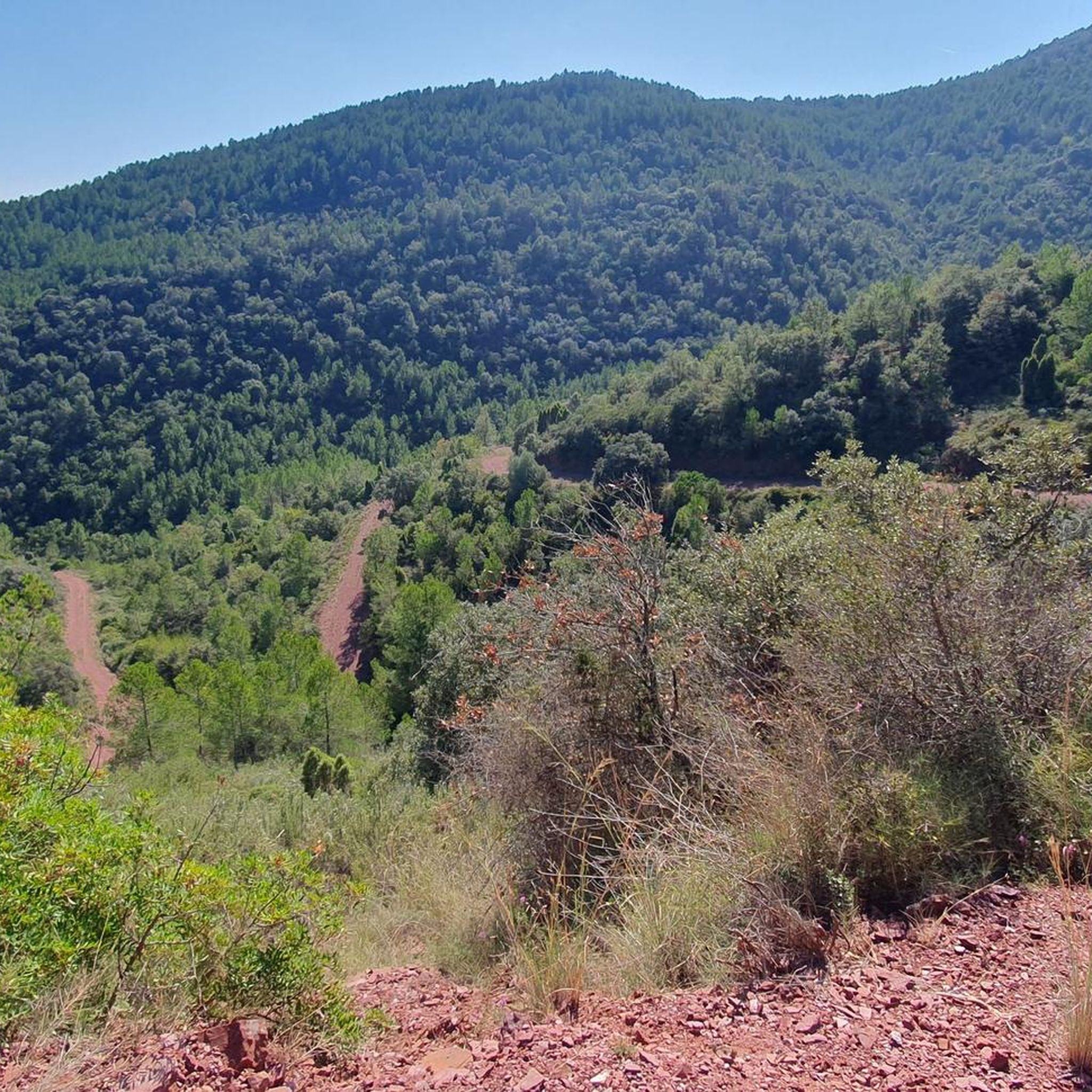
Cycling around Parc Natural de la Serra d'Espadà
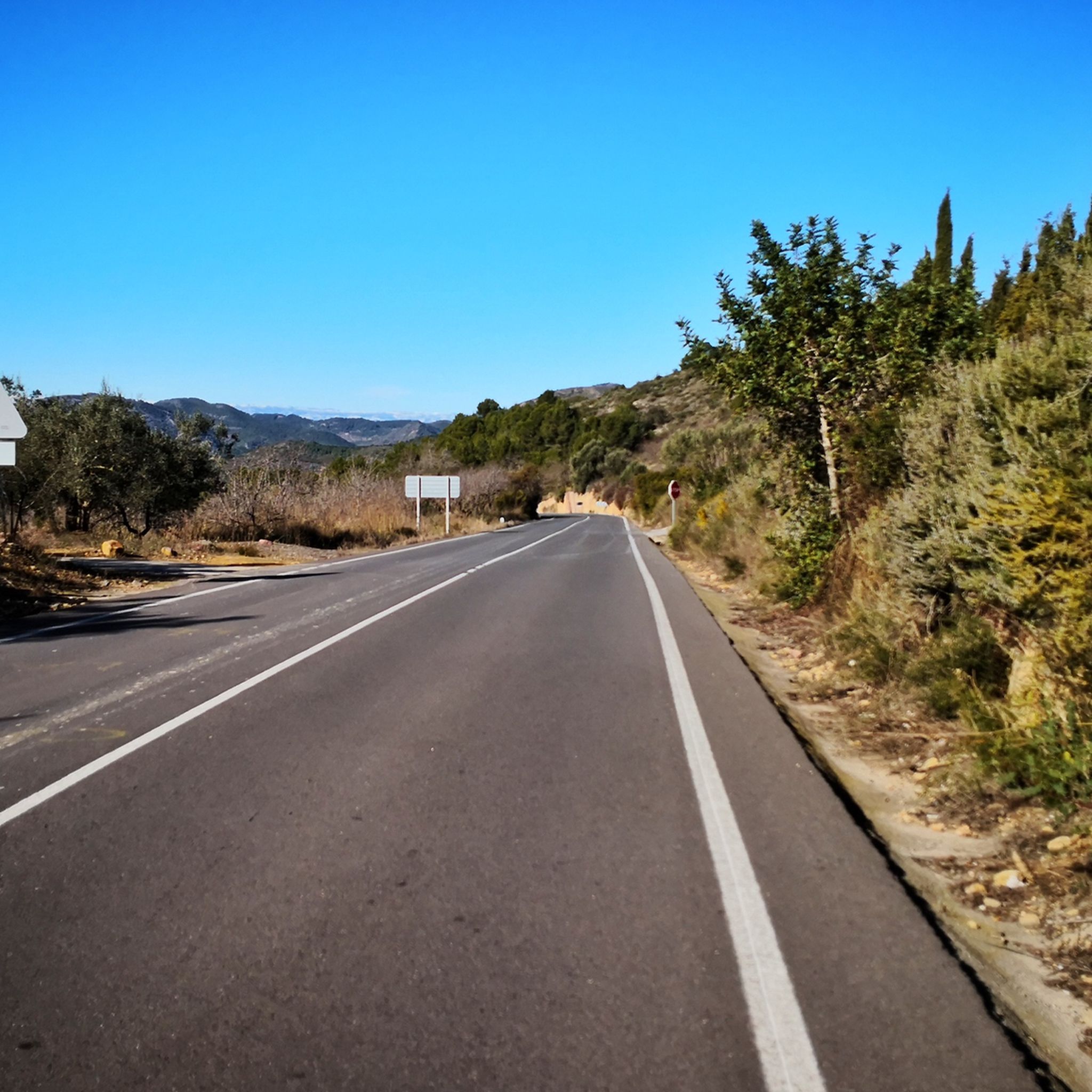
Road Cycling Routes around Parc Natural de la Serra d'Espadà

Gravel biking around Parc Natural de la Serra d'Espadà
Other adventures around Parc Natural de la Serra d'Espadà

Tips from the Community

A very beautiful and easy to drive pass road.
0
0

It was built in the 12th century by the Muslims who inhabited the region. Its original purpose was to retain the waters of the ravine of the same name and then use them to irrigate the fields downstream. This route is ideal for hiking lovers and offers a variety of landscapes and experiences. I hope you enjoy exploring the Ajuez Reservoir and its surroundings! 🌿🏞️
4
0

Ernbalse de Ajuez Unfortunately, the reservoir is almost dry and things are slowly getting tight for the fish and turtles. The Chóvar Reservoir, as it is also called, is part of an ancient local irrigation system built to retain the rushing water from the eponymous gorge. The place name is derived from Arabic, the meaning of which means “common pastureland” and indicates the importance of agriculture and livestock breeding in the region. Due to its capacity of 30,000 m³ and the lack of water sources in the nature park, it is of great value for the fauna. It is currently included in the catalog of wetlands of the Valencian Community
8
0
There is an impressive abyss in front of us (be careful if you feel dizzy) and another stone needle rises below us, and to our left is the reservoir. Spectacular.
9
0

Magical place both by extraordinary rock formations, by the magnificent view and the feeling of being suspended above the void. Access to the edge of the cliffs is relatively easy, and of course great care is necessary because the surroundings are not protected.
6
0

The entire "Carretera de Chóvar-Eslida" is a beautiful mountain road that is very worthwhile in both directions. On the Eslida side it is mostly shady, certainly enjoyable in summer, cold in winter even in sunny weather! From or to Eslida you can go towards the sea or further into the Serra Espada, which is really spectacular there at Ain! Everything that is marked in yellow by Komoot here are roads of the finest racing bike quality, on which you can really let it rip. But the landscape is actually too beautiful for that!
4
0
Stunning views and a very nice route.
3
0

Rising above 1,000 meters above sea level, it is the highest point in the Parc Natural de la Serra d'Espadà. It offers amazing views in all directions and without a doubt getting there is quite a challenge. It is a place very visited by hikers and runners who aspire to reach the top beyond 1000 meters above sea level. Be careful on the way because by sectors it can be somewhat technical and rocky.
2
0
Frequently Asked Questions
What are some of the most popular natural monuments in Parc Natural de la Serra d'Espadà?
Visitors frequently enjoy the unique rock formations of Órganos de Benitandús, which offer spectacular views of the Benitandús Reservoir. Another favorite is Eslida Pass, a scenic mountain road popular for cycling and its beautiful landscape. For those seeking panoramic vistas, Espadán Peak, the highest point in the park, provides breathtaking views in all directions.
Are there family-friendly natural monuments to visit in Parc Natural de la Serra d'Espadà?
Yes, the Ajuez Reservoir is considered a family-friendly natural monument. Also known as the Balsa de Chovar, it's a quiet place surrounded by nature, ideal for a relaxing time with family. It's part of an ancient irrigation system and is important for the local fauna.
What unique geological features can I explore in Parc Natural de la Serra d'Espadà?
The park is renowned for its distinctive geological formations. You can explore extensive cork oak forests, which thrive on the unique silicious sandstone bedrock. The park also features striking reddish sandstone outcrops, locally known as 'rodeno,' forming rugged peaks, ridges, and deep ravines. These formations contribute to the dramatic vistas and the park's rich hydrological system, giving rise to numerous natural springs and barrancos (gorges).
Where can I find the best panoramic views in Parc Natural de la Serra d'Espadà?
For expansive panoramic views, head to Espadán Peak, which is the highest point in the Parc Natural de la Serra d'Espadà. Reaching its summit offers rewarding scenery of the surrounding mountain range and diverse topography. The Órganos de Benitandús also provide wonderful panoramic views, especially over the Benitandús Reservoir.
Are there hiking trails to explore the natural monuments in the park?
Absolutely. The park offers a variety of hiking trails that lead through its natural monuments. You can find numerous routes, including those that pass through the cork oak forests and along the sandstone formations. For more detailed hiking options, explore the Waterfall hikes around Parc Natural de la Serra d'Espadà guide, which includes trails like the 'Route of the Springs: Navajas to Segorbe'.
Can I go cycling near the natural monuments in Serra d'Espadà?
Yes, the region is popular for cycling, especially along scenic routes like the Eslida Pass. The 'Carretera de Chóvar-Eslida' is particularly recommended for its beautiful mountain road. For more cycling adventures, check out the Cycling around Parc Natural de la Serra d'Espadà guide, which features routes like the 'Serra d'Espadà Gravel Loop via Puntal de l'Aljub'.
Are there good running trails around the natural monuments?
The rugged terrain of Serra d'Espadà provides excellent opportunities for trail running. Many runners aspire to reach the top of Espadán Peak. You can find various routes in the Running Trails around Parc Natural de la Serra d'Espadà guide, such as the 'Pic d'Espadà — Circular trail run from Aín'.
Are there any historical natural monuments or sites in the park?
Yes, the park features sites with historical significance. The Ajuez Reservoir, for instance, was built in the 12th century by Muslims for irrigation. Additionally, the Mill Pool and Silo are ruins of an old mill next to the Rio Chiquico, representing part of the water heritage of Algimia de Almonacid.
What is the best time of year to visit the natural monuments in Serra d'Espadà?
The best time to visit depends on your activity. The cork oak forests and ravines offer tranquil experiences year-round. For hiking and cycling, spring and autumn provide pleasant temperatures. Some areas, like the Eslida Pass, can be enjoyable in summer due to shady sections but cold in winter, even with sun. Always check local weather conditions before your visit.
What do visitors enjoy most about the natural monuments in Parc Natural de la Serra d'Espadà?
Visitors particularly enjoy the breathtaking panoramic views from high points like Espadán Peak and the unique geological formations of Órganos de Benitandús. The scenic mountain roads, such as Eslida Pass, are also highly appreciated for their beauty and cycling opportunities. The tranquility and natural beauty of the cork oak forests and the historical significance of sites like the Ajuez Reservoir also receive high praise.
Are there any natural springs or water features to see?
Yes, the permeable sandstone geology of the park leads to numerous natural springs and deep ravines (barrancos). These springs are vital water sources, contributing to the park's lush vegetation and supporting its diverse fauna. Exploring the barrancos offers a chance to experience cooler, secluded parts of the park, and many springs are points of interest along hiking routes.
Most popular routes around Parc Natural de la Serra d'Espadà
Most popular attractions around Parc Natural de la Serra d'Espadà

Get inspired with the komoot mobile app


Explore more
Extend your search for the best caves by checking out these guides of the top ones around Parc Natural de la Serra d'Espadà:
