Top 3 Natural Monuments around National Park Sierra Cebollera
Best natural monuments around National Park Sierra Cebollera are found within a protected area established in 1995, covering over 23,000 hectares in La Rioja. The park features high peaks exceeding 2,000 meters, extensive woodlands, and diverse habitats. It is characterized by glacial formations, including cirques and moraines, and well-preserved forests of Scots pine and beech. This region offers varied landscapes for exploration and insights into geological processes.
Best natural monuments around National Park Sierra Cebollera
- The most popular natural monuments…
Last updated: July 10, 2026
Waterfalls
Highlight • Waterfall
Translated by Google •
Tip by

Castillo de Vinuesa (2,083 m)
Highlight • Summit
Translated by Google •
Tip by

Sign up now to discover places like this
Get recommendations on the best single tracks, peaks, & plenty of other exciting outdoor places.
Sign up for free
Puerto de Piqueras
Highlight • Mountain Pass
Translated by Google •
Tip by

Terrazas Heights
Highlight (Segment) • Viewpoint
Translated by Google •
Tip by

Start today with a free account
Your next adventure awaits.
Login or Signup
Popular around National Park Sierra Cebollera
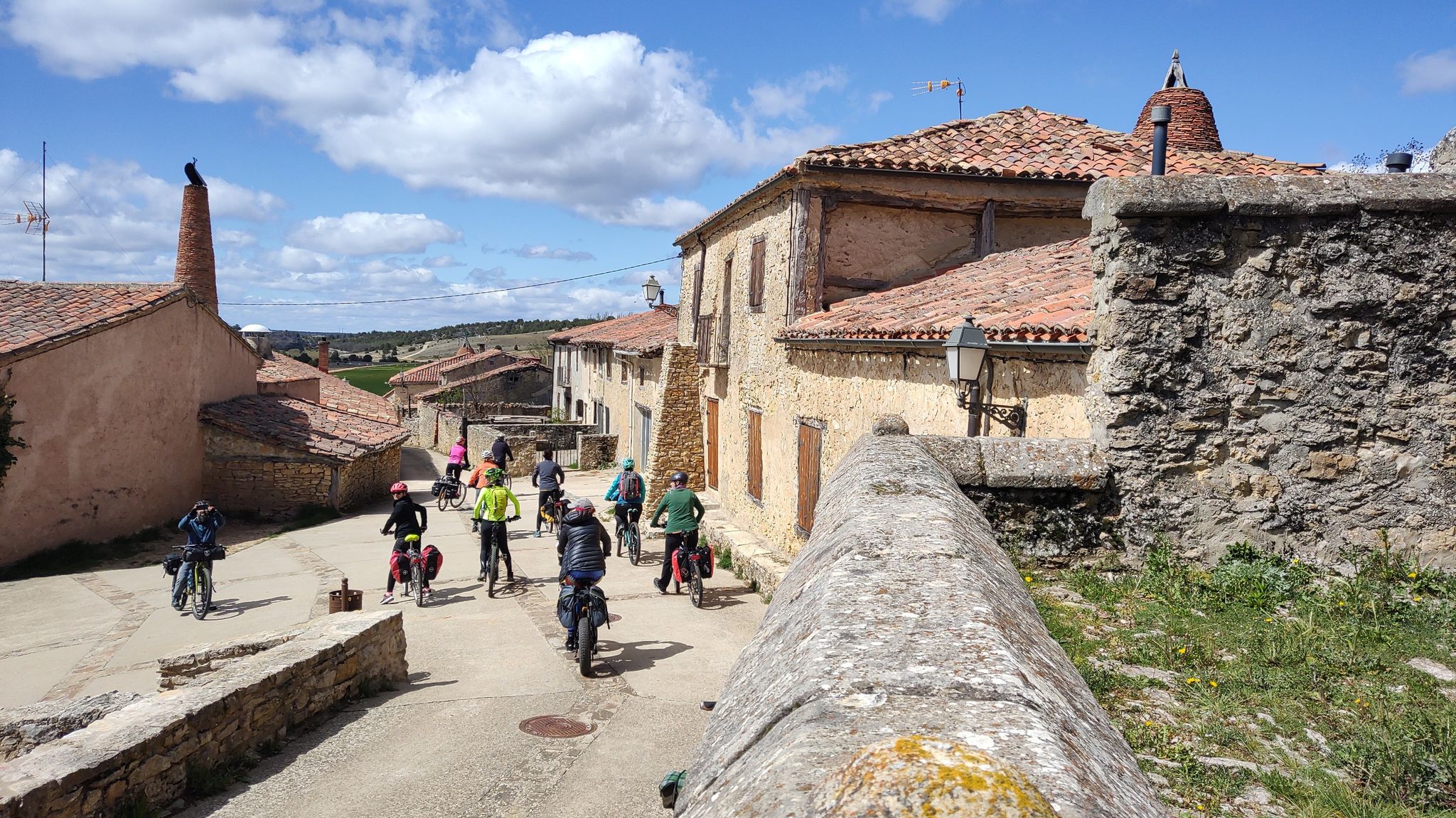
Millennial treasures on pedals – Romanesque art of Soria by MTB
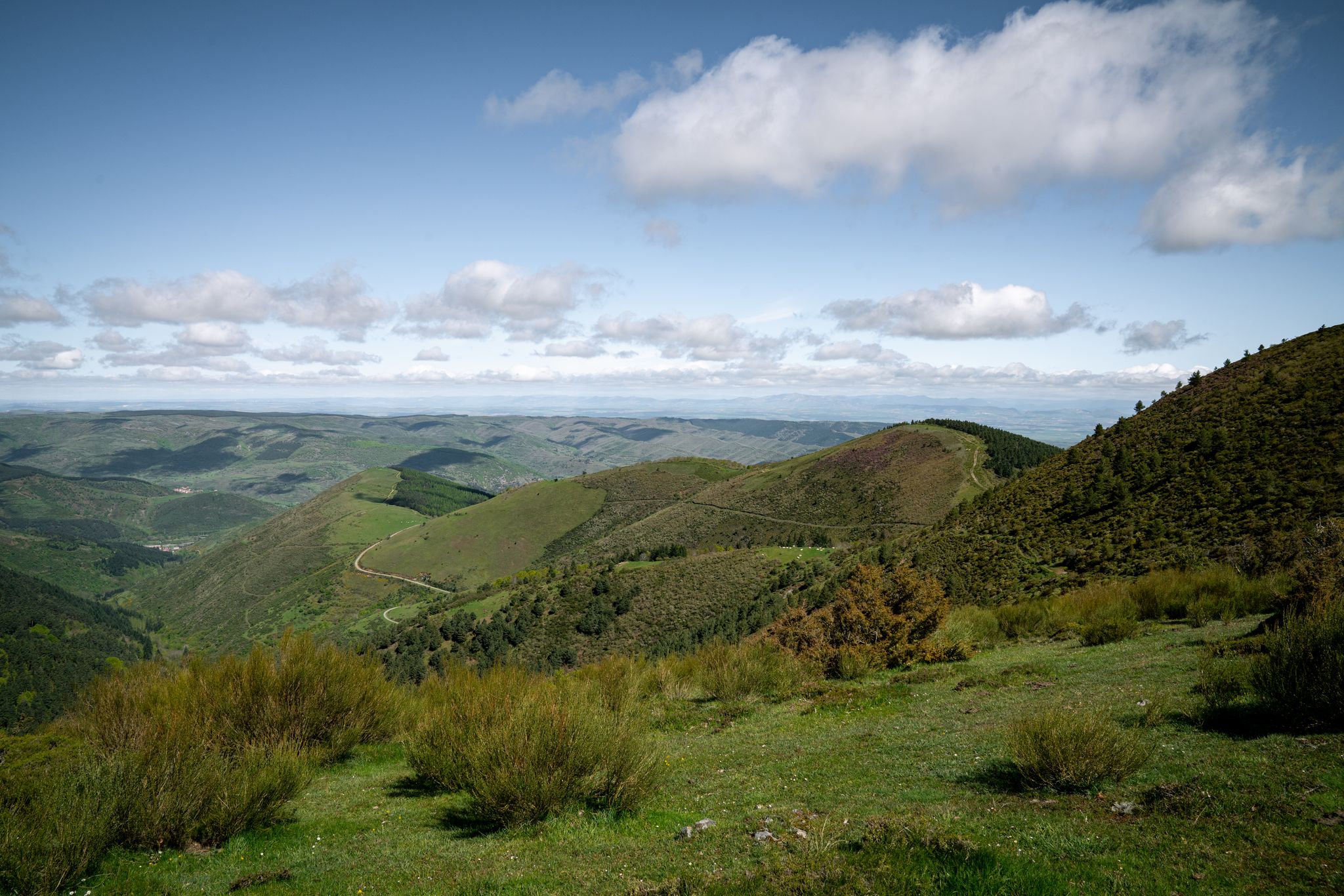
In the mountains of La Rioja – Iberian High Valleys trail (GR 190)
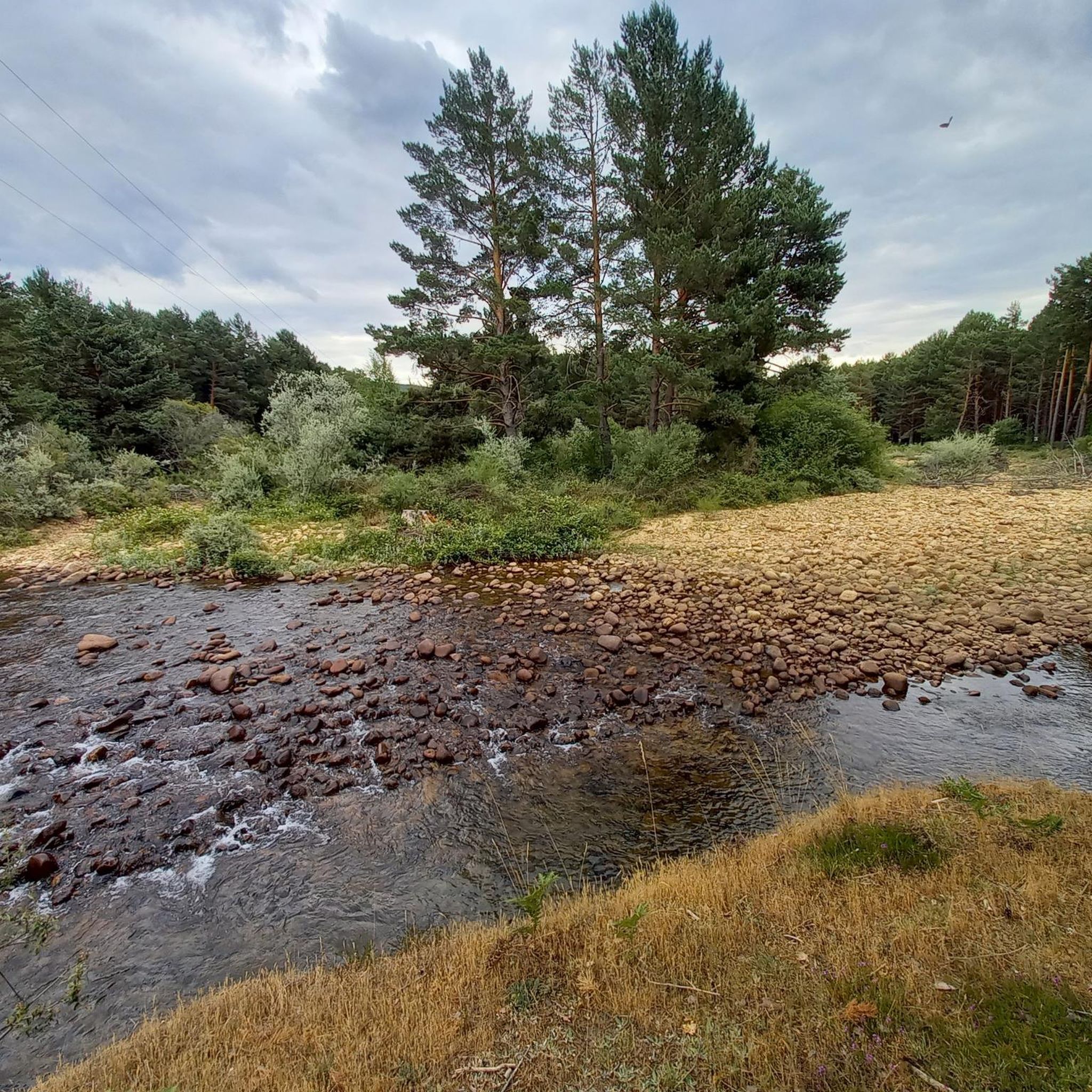
Running Trails around National Park Sierra Cebollera
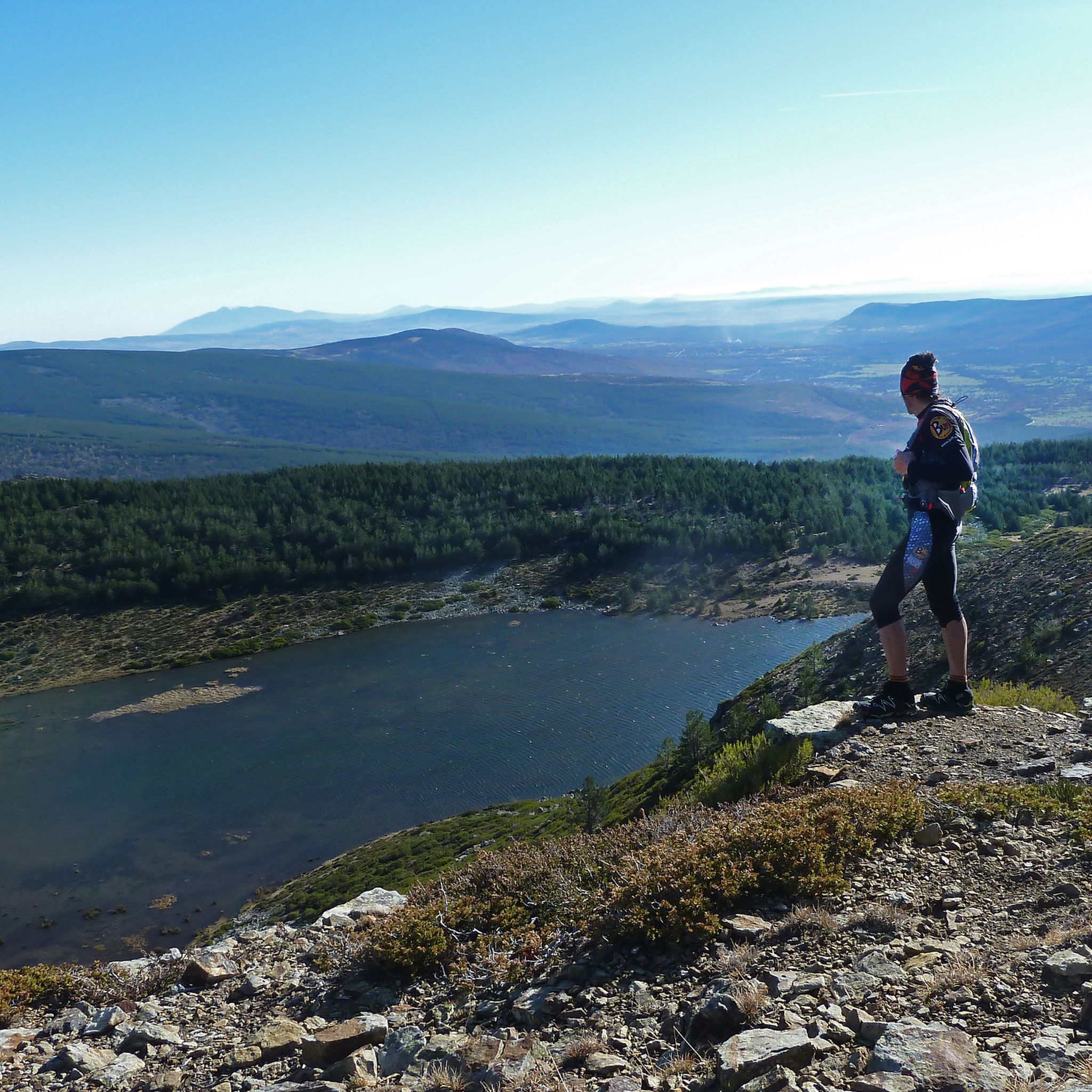
Hiking around National Park Sierra Cebollera
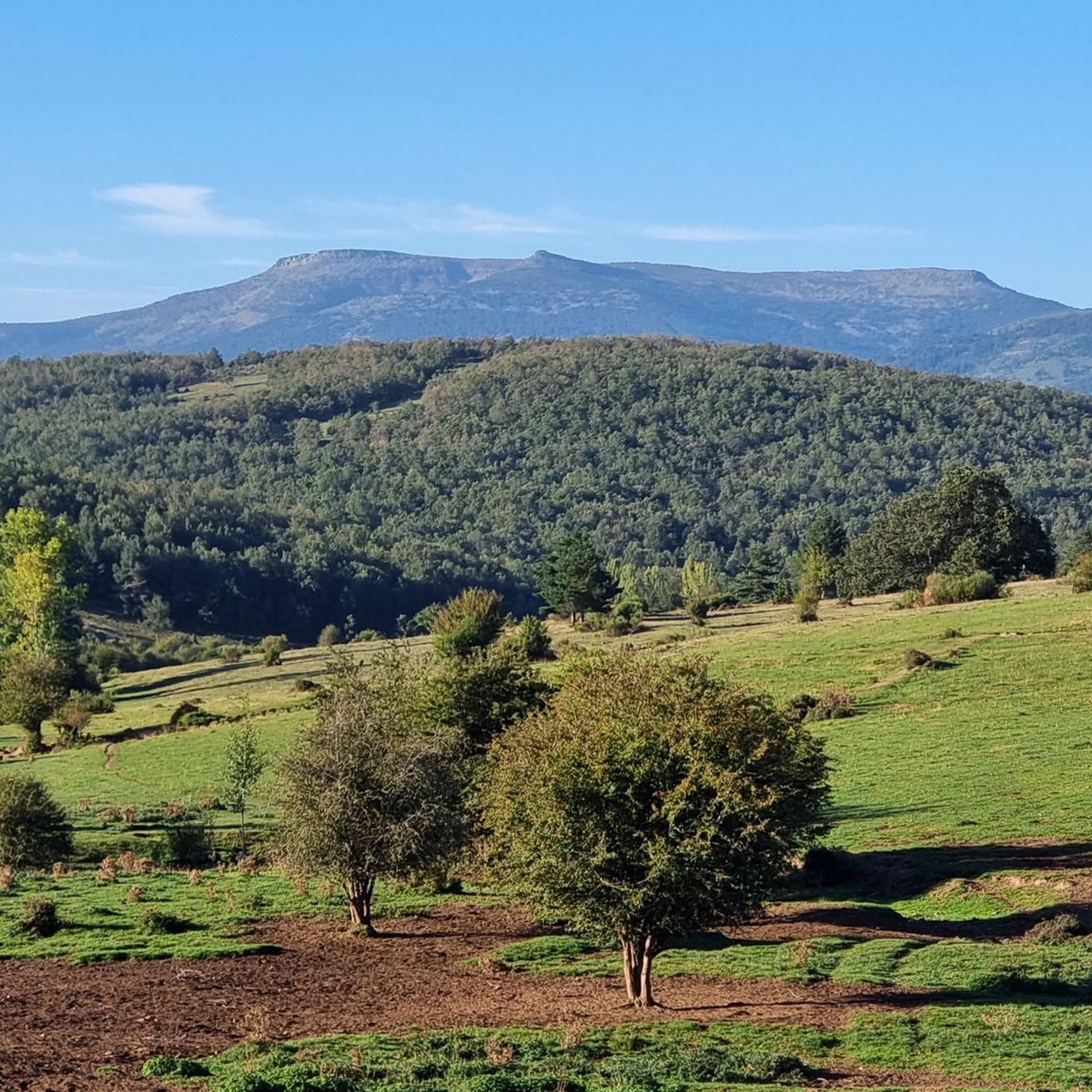
Road Cycling Routes around National Park Sierra Cebollera
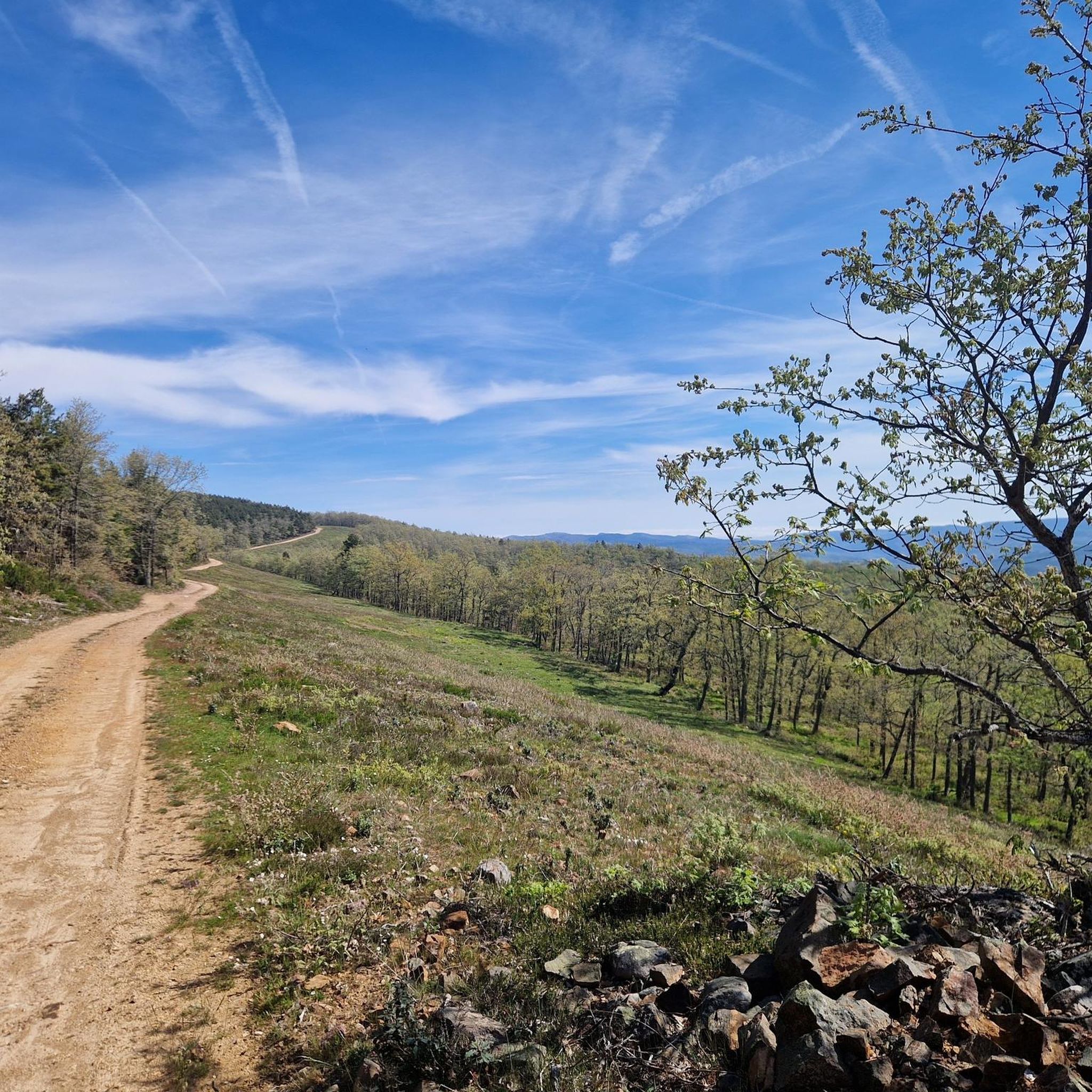
MTB Trails around National Park Sierra Cebollera
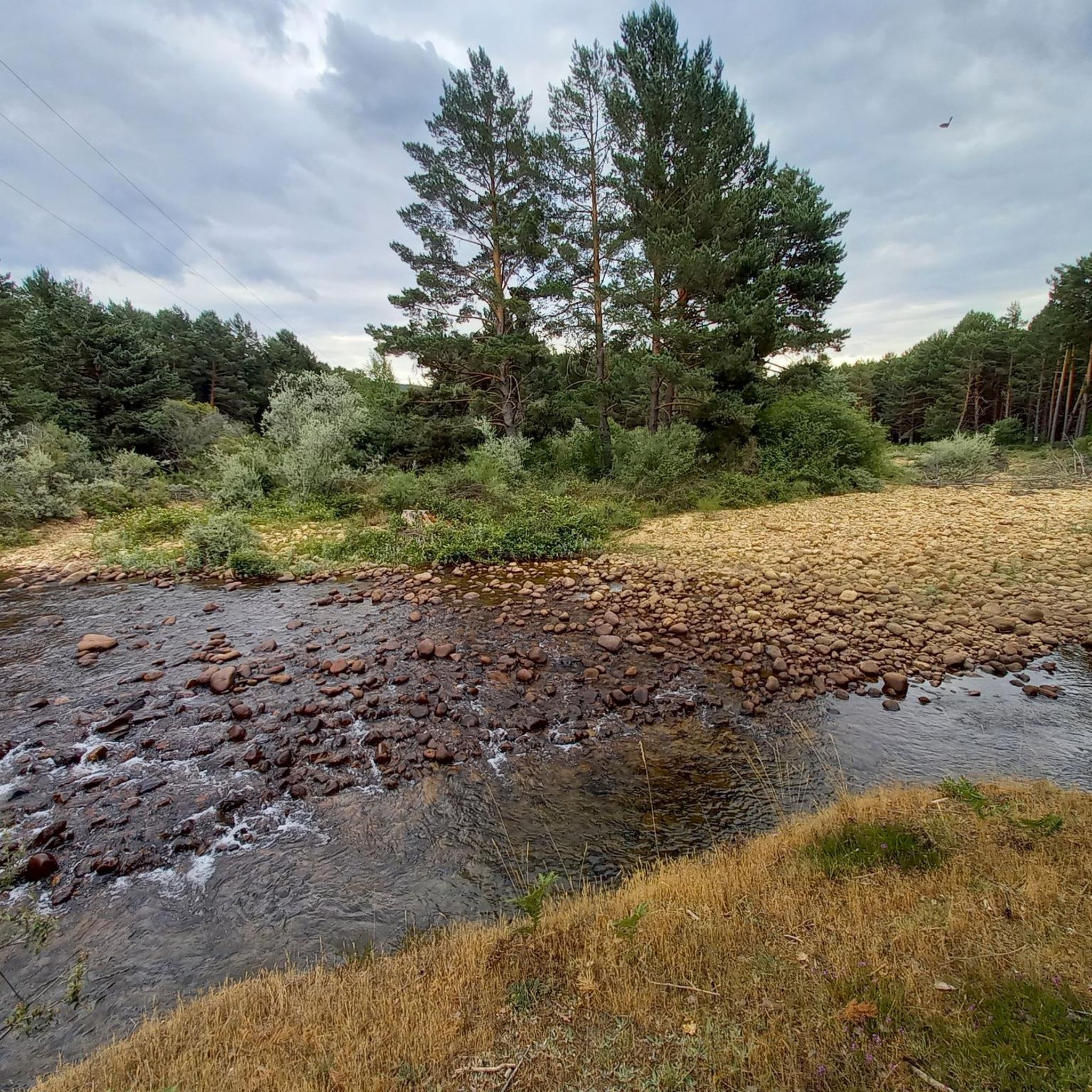
Cycling around National Park Sierra Cebollera
Other adventures around National Park Sierra Cebollera


Tips from the Community

Spring or during the thaw is the best time to visit.
0
0
An unforgettable path through greenery, through nature, through the landscape, through the water.
0
0

Alto de Terrazas (1,855m). Track that borders the Sierra de Cebollera Natural Park. Incredible views of La Rioja and the Pajares reservoir in the background. Area with uneven ground and downhill sections with trial sections and a lot of loose stones.
0
0

The port of Piqueras is located at 1710 meters above sea level, in the heart of the Sierra Cebollera natural park. The highest point offers a magnificent panoramic view of the surrounding mountains and their immense forest mass.
0
0

The first part of the climb is easy to follow, there are meadows and clearings between the trees, then cliffs and stony areas appear and it is better to walk around the mountain to the north and reach the eastern slope of the Castillo de Vinuesa. The summit is an elongated north/south massif and the main summit is some rocky turrets on the south side, you have to follow the paths that skirt the east face and at the end the cliff appears where the summit sculpture is. The views are magnificent and the top has a particular sensation of vertigo surrounded by small precipices. The Sierra de la Demanda, the Picos de Urbión, the Sierra Cebollera, the Cameros and the rest of the massifs of the central sector of the Iberian System stand out on all sides. The trail descends from the summit in the same place, skirts the mountain again and enters the main path that runs along the mountain range, between the port of Santa Inés and the summit of Pico Cebollera.
0
1
Frequently Asked Questions
What are the most notable natural features to explore in National Park Sierra Cebollera?
The park is rich in diverse natural features. You can experience the picturesque Waterfalls, offering a tranquil spectacle, or ascend to the Castillo de Vinuesa (2,083 m) for breathtaking high-altitude vistas. The Puerto de Piqueras mountain pass also provides magnificent panoramic views of the surrounding mountains and vast forests.
When is the best time to visit the natural monuments in Sierra Cebollera?
Spring or during the thaw is often recommended for visiting the Waterfalls, when the cascades are at their most impressive. Autumn is also a spectacular time to visit the park, as the extensive woodlands of Scots pine, beech, and oak display a vibrant mosaic of colors.
Are there any challenging natural monuments for experienced hikers?
Yes, for those seeking a challenge, the ascent to Castillo de Vinuesa (2,083 m) is a rewarding option. It involves navigating cliffs and stony areas, offering a particular sensation of vertigo with magnificent views. Terrazas Heights also presents a challenging trail with uneven ground, downhill sections, and loose stones.
What kind of geological formations can be found in Sierra Cebollera National Park?
Sierra Cebollera is a significant geological site within the Iberian System. It features glacial formations such as 'holes' (pits) at altitudes above 2,000 meters, along with moraines, cirques, and rounded rocks, offering unique insights into the region's glacial history.
What kind of wildlife can I expect to see in the park?
The park is a haven for biodiversity. You might spot mammals like foxes, wild boars, deer, squirrels, wildcats, otters, and the Pyrenean desman. It's also an important area for numerous species of forest birds of prey and migratory birds.
Are there family-friendly hiking options near the natural monuments?
Yes, there are several family-friendly hiking routes available. You can explore options like the 'Old Lomos de Orios Trail' or the 'Laguna de La Nava loop from Villoslada de Cameros'. For more details and routes, check out the Family-friendly hikes around National Park Sierra Cebollera guide.
Where can I find trails specifically focused on waterfalls?
If you're interested in waterfall hikes, the park offers routes such as the 'Puente Ra – Cascada Mayor de Puente Ra loop from Parking de La Blanca'. You can find more dedicated routes in the Waterfall hikes around National Park Sierra Cebollera guide.
What do visitors enjoy most about the natural monuments in this region?
Visitors frequently highlight the stunning panoramic views from spots like Puerto de Piqueras and Terrazas Heights. The tranquil and wild experience of the Waterfalls and the sense of accomplishment from reaching summits like Castillo de Vinuesa are also highly praised.
Are there opportunities for running or trail running near these natural monuments?
Yes, the area provides excellent terrain for running. You can find routes like the 'Thorny broom, Ra Bridge, Hermitage of Lomos de Orios – circular' or the 'González Lacasa Reservoir - El Rasillo Loop'. Explore more options in the Running Trails around National Park Sierra Cebollera guide.
What kind of forests can I expect to see in Sierra Cebollera National Park?
Sierra Cebollera boasts some of the best-preserved woodlands in the Iberian mountain range. You'll find extensive natural forests of Scots pine, beech, and oak, along with other species like birch, sessile oak, mountain holm oak, and black pine, creating beautiful and diverse landscapes.
Where can I find more general information about Sierra Cebollera National Park?
For additional information about the park's history, conservation efforts, and general visitor guidelines, you can visit the official Spain tourism website: spain.info.
Most popular routes around National Park Sierra Cebollera
Most popular attractions around National Park Sierra Cebollera

Get inspired with the komoot mobile app


Explore more
Extend your search for the best caves by checking out these guides of the top ones around National Park Sierra Cebollera:
