Top 4 Natural Monuments around Reserva Natural da Lakea do Fogo
Best natural monuments around Reserva Natural da Lakea do Fogo showcase a pristine volcanic landscape centered around the iconic Lagoa do Fogo. This protected area on São Miguel Island features a crater lake, a caldera, and unique endemic flora, including ancient Laurel Forest species. Situated at approximately 575 meters above sea level, the lake is the highest on the island. The region is recognized as a nature reserve, a Ramsar Site, and a Special Area of Conservation, highlighting its ecological…
Last updated: July 10, 2026
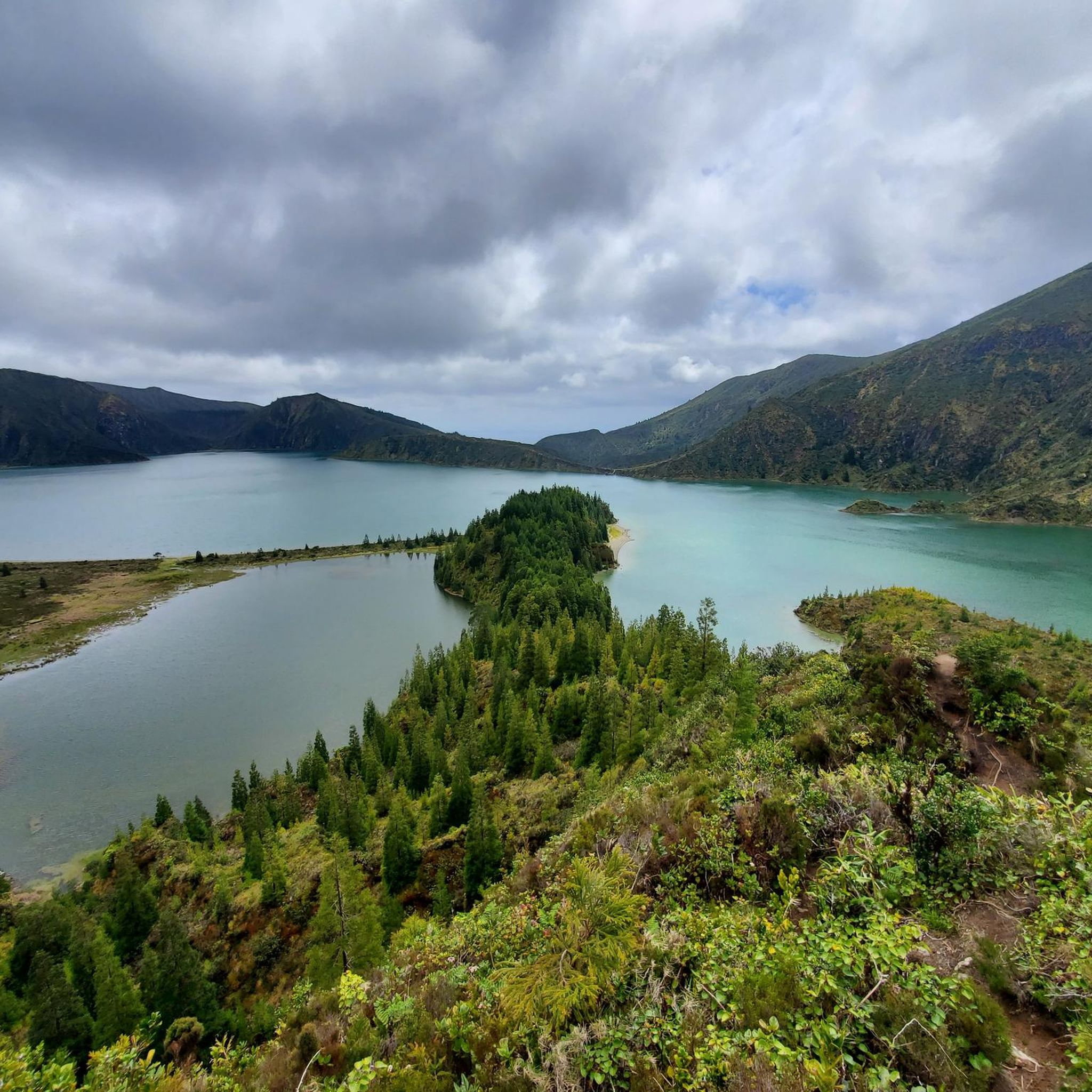
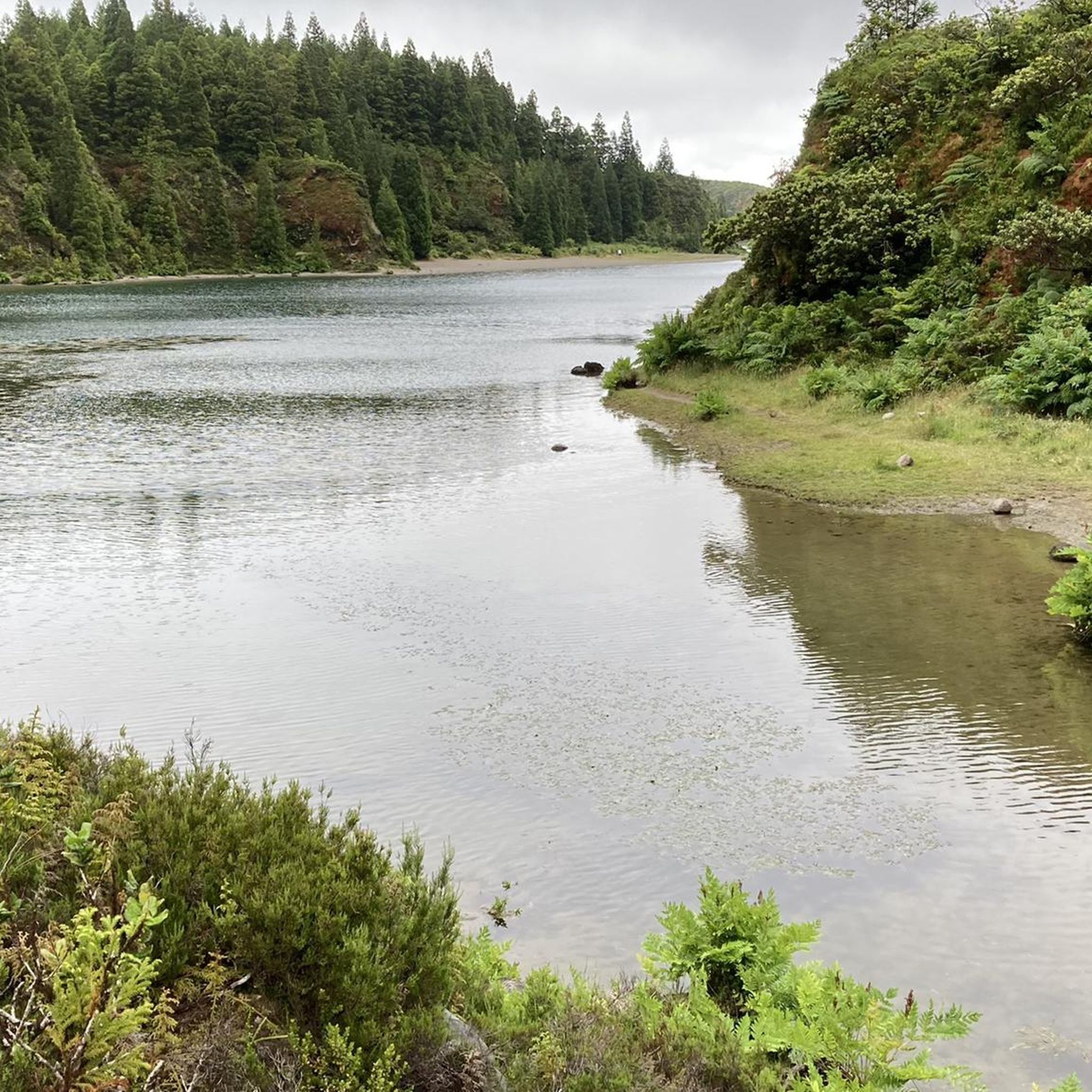
Lagoa do Fogo (Lagoon of Fire)
Highlight • Lake
Translated by Google •
Tip by

Steep descent to Lagoa do Fogo
Highlight • Trail
Translated by Google •
Tip by

Sign up now to discover places like this
Get recommendations on the best single tracks, peaks, & plenty of other exciting outdoor places.
Sign up for free
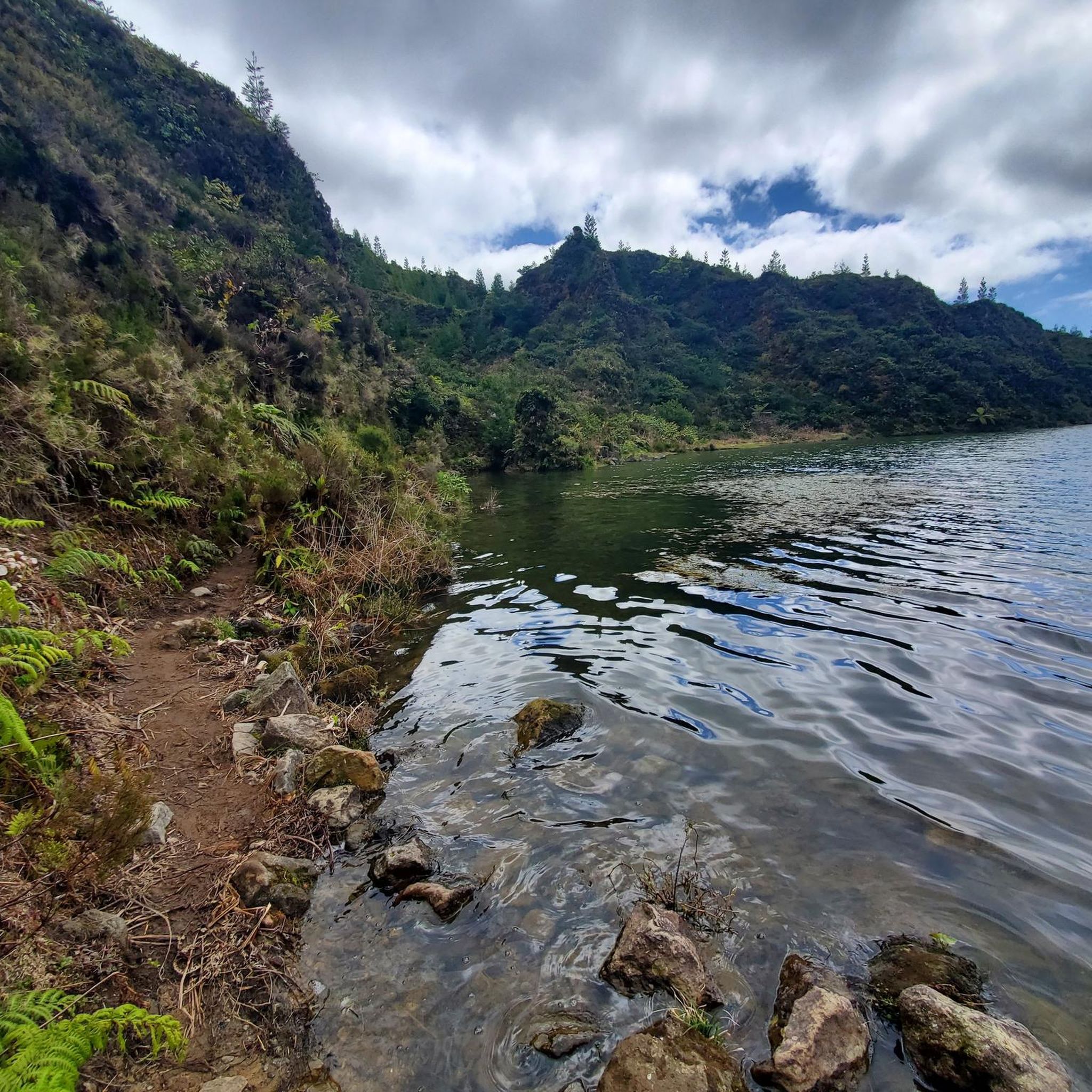
Jungle Trail in Reserva Natural da Lagoa do Fogo
Highlight • Trail
Translated by Google •
Tip by

Ascent of Pico da Barrosa
Highlight (Segment) • Climb
The ascent to Pico da Barrosa leads steadily uphill and rewards with impressive views over the south coast and …
Showing Translation
Tip by

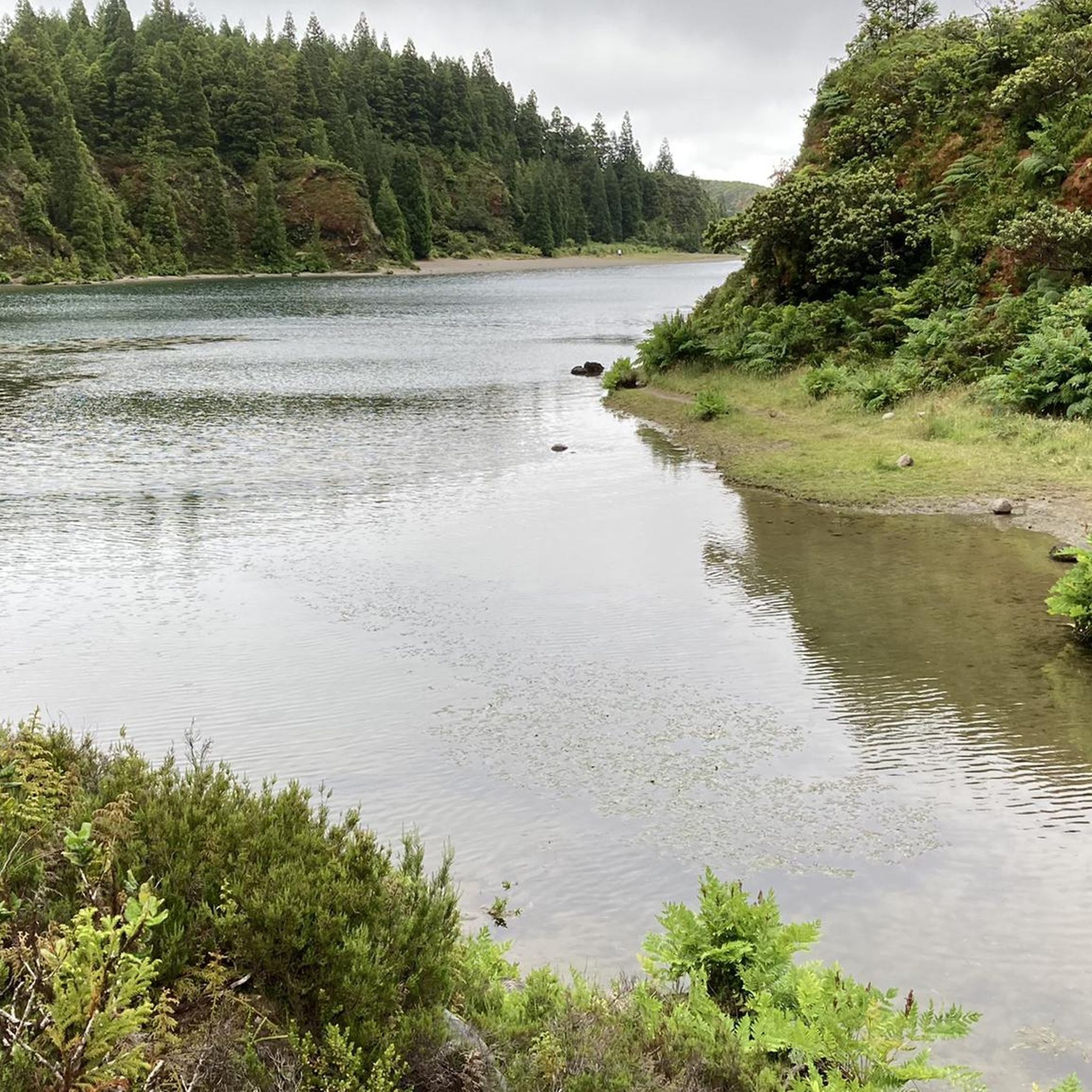
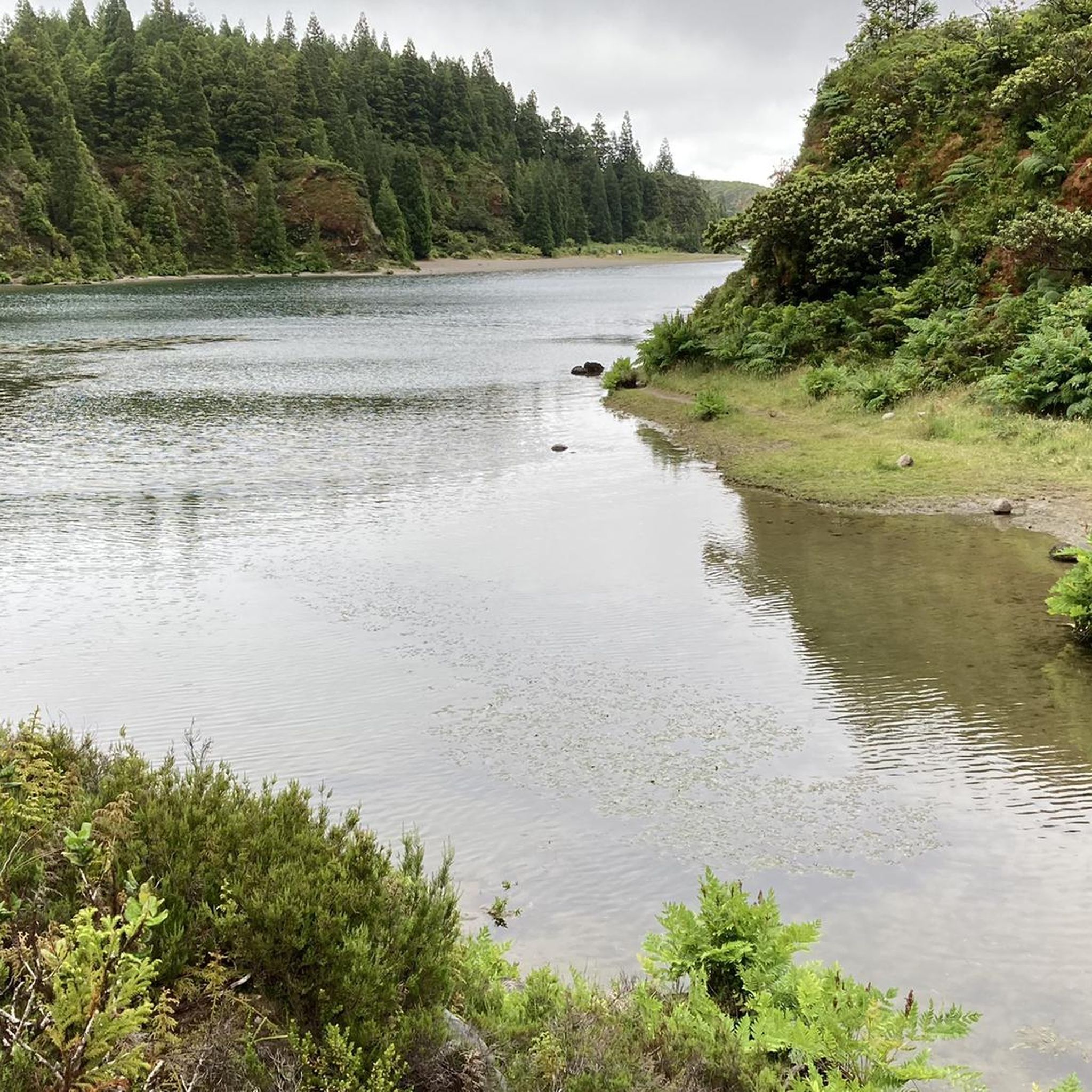
Dense Vegetation in Serra de Água de Pau Protected Area
Highlight (Segment) • Forest
Tip by

Start today with a free account
Your next adventure awaits.
Login or Signup
Popular around Reserva Natural da Lakea do Fogo
Tips from the Community

Ascent to Pico da Barrosa – Panoramic views over the island The ascent to Pico da Barrosa leads steadily uphill and rewards with impressive views over the south coast and the crater landscape around Lagoa do Fogo. The route is easy to walk or drive and offers constant clear views of the surrounding volcanic slopes. A worthwhile section for anyone who wants to combine altitude meters with great views.
0
0


The section is no longer accessible. Everything is overgrown.
0
0

The descent down to the lake in the crater is an absolute dream. The unique flora in the crater leaves us in awe. However, what we descend, we have to climb back up again on the way back. A short, but worthwhile tour!
3
0

Amazing views of Lagoa do Fogo. A steep descent with up to 900 steps takes you directly to the lake. The hike takes about 30 minutes and leads through stunning scenery. The climb is strenuous, but the walk is worth it.
3
0

You should avoid hiking through this section as it is located in a nature reserve and the dense vegetation will damage the plants when crossing it.
0
0

Very nice view of the lake. Path down is not closed. (09/2024)
0
0

Frequently Asked Questions
What are the most prominent natural monuments to visit around Reserva Natural da Lagoa do Fogo?
The most prominent natural monument is undoubtedly Lagoa do Fogo (Lagoon of Fire) itself, an iconic crater lake known for its crystal-clear, emerald waters. The surrounding Fogo Volcano Caldera, with its endemic flora, also offers breathtaking panoramic views. Additionally, the unique Pumice Beach of Lagoa do Fogo, accessible via a hiking trail, is a distinctive natural feature.
Are there specific trails to explore the natural monuments around Lagoa do Fogo?
Yes, several trails allow you to explore the natural monuments. For instance, the Steep descent to Lagoa do Fogo offers direct access to the lake's shore. The PRC02 SMI (Praia – Lagoa do Fogo) is a well-known route providing diverse views of the lake and its surroundings. You can also find more options for hikes from bus stations around Reserva Natural da Lakea do Fogo.
What kind of unique flora and fauna can I expect to see in the Reserva Natural da Lagoa do Fogo?
The reserve is a sanctuary for diverse protected species. You'll find ancient Laurel Forest species like Azorean Blueberry, Azorean Holly, and Azorean Laurel within the caldera. The area is also home to a significant colony of Yellow-legged Gulls and Common Terns, and it's one of the few places to spot the rare Azorean Bullfinch, along with buzzards, grey wagtails, and bats.
What are the best viewpoints to experience the natural beauty of Lagoa do Fogo?
Several strategically located viewpoints offer magnificent vistas. Miradouro da Lagoa do Fogo Viewpoint provides classic views of the lake. For expansive panoramic views, including the Serra de Água de Pau Protected Area and the island's north coast, visit Miradouro da Barrosa, near Ascent of Pico da Barrosa, which is one of the highest points in central São Miguel.
Are there any challenging hiking routes for experienced hikers near Lagoa do Fogo?
Yes, for those seeking a challenge, the Steep descent to Lagoa do Fogo involves a significant descent and ascent with up to 900 steps. Additionally, the Jungle Trail in Reserva Natural da Lagoa do Fogo is known for its rugged, sometimes overgrown terrain, requiring surefootedness and a sense of adventure.
What is the best time of year to visit the natural monuments around Lagoa do Fogo?
The best time to visit is generally during the spring (April to June) and early autumn (September to October) when the weather is milder, and the vegetation is lush. Summer months (July-August) are also popular, but can be busier. Visibility can be a factor, as the lake is often shrouded in clouds, so checking local weather forecasts is advisable for clear views.
What should I wear or bring when hiking to the natural monuments in this region?
Given the varied terrain and potential for changing weather, sturdy hiking shoes are essential, especially for trails like the Steep descent to Lagoa do Fogo. Layered clothing is recommended, as temperatures can vary, and waterproof gear is advisable due to potential rain or mist. Don't forget water, snacks, and sun protection.
Can I access the Pumice Beach of Lagoa do Fogo?
Yes, the Pumice Beach of Lagoa do Fogo, located on the western side of the lake, is accessible via a hiking trail. This unique wild beach, composed of lightweight volcanic rock, offers a distinct experience and was recognized as one of Portugal's best wild beaches.
What other outdoor activities can I do near the natural monuments of Lagoa do Fogo?
Beyond hiking, the region offers opportunities for mountain biking. You can explore various MTB Trails around Reserva Natural da Lakea do Fogo, ranging from moderate to difficult, which allow you to experience the volcanic landscapes from a different perspective.
What makes the Fogo Volcano Caldera a significant natural monument?
The Fogo Volcano Caldera is significant for its geological history, having formed approximately 15,000 years ago. It's an impressive volcanic depression, roughly 400 meters deep and 2.8 kilometers across, cradling Lagoa do Fogo. Its steep slopes are covered in natural woodland, including crucial endemic flora, making it a vital habitat and a prime example of volcanic geology.
Are there any easy or family-friendly trails around the natural monuments?
While some trails, like the Steep descent to Lagoa do Fogo, can be challenging, there are easier sections and viewpoints that are accessible for families. The panoramic viewpoints, such as Miradouro da Lagoa do Fogo, offer stunning views without extensive hiking. For more general easy walks, you can look into city hikes around Reserva Natural da Lakea do Fogo, though these might be further from the immediate lake area.
Most popular routes around Reserva Natural da Lakea do Fogo
Most popular attractions around Reserva Natural da Lakea do Fogo

Get inspired with the komoot mobile app


Explore more
Extend your search for the best caves by checking out these guides of the top ones around Reserva Natural da Lakea do Fogo:
