Nationalpark Donauauen
Nationalpark Donauauen
Top 20 Natural Monuments around Nationalpark Donauauen
Best natural monuments around Nationalpark Donauauen encompass one of Central Europe's last great floodplain landscapes, covering approximately 9,600 hectares. This area is defined by the free-flowing Danube River, which dynamically shapes a mosaic of habitats including extensive floodplain forests, wetlands, and river channels. The park is a significant ecological hotspot, preserving a rich diversity of plant and animal life. Visitors can explore these natural features and experience a landscape largely untouched by modern development.
Best natural monuments around Nationalpark Donauauen
…Last updated: July 10, 2026
Devín Castle
Highlight • Castle
Translated by Google •
Tip by

Danube-Auen National Park
Highlight (Segment) • Cycleway
Translated by Google •
Tip by

Sign up now to discover places like this
Get recommendations on the best single tracks, peaks, & plenty of other exciting outdoor places.
Sign up for free
Donauradweg Gravel Section, Nationalpark Donau-Auen
Highlight • Cycleway
Translated by Google •
Tip by

Orth an der Donau in the Donau-Auen National Park
Highlight (Segment) • Settlement
Translated by Google •
Tip by

Orther Islands
Highlight • Lake
While the first four islands already rise high out …
Translated by Google •
Tip by

Sign up for free to discover even more natural monuments around Nationalpark Donauauen.
Sign up for free
Already have an account?
Start today with a free account
Your next adventure awaits.
Login or Signup
Popular around Nationalpark Donauauen
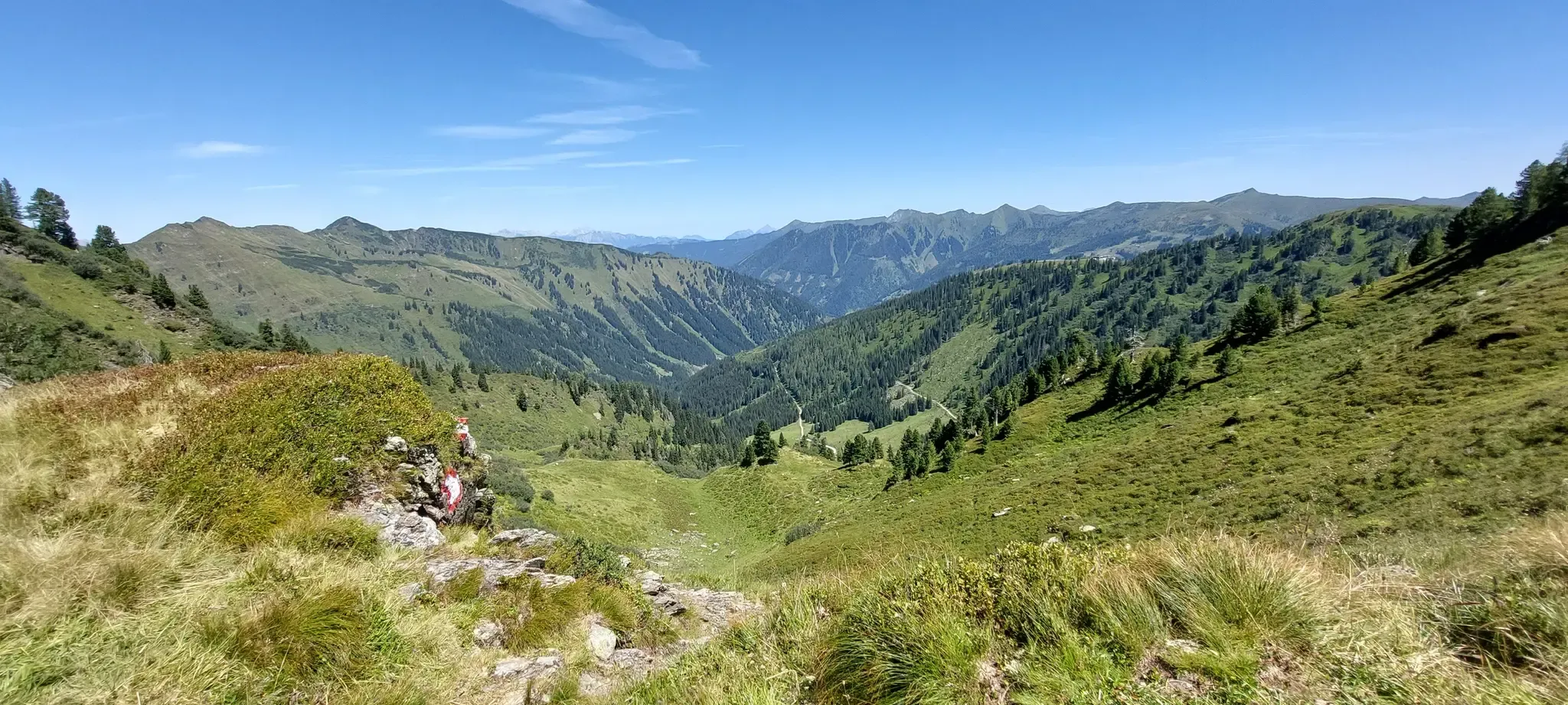
Central Alps Trail Eastern Section – Discover Austria
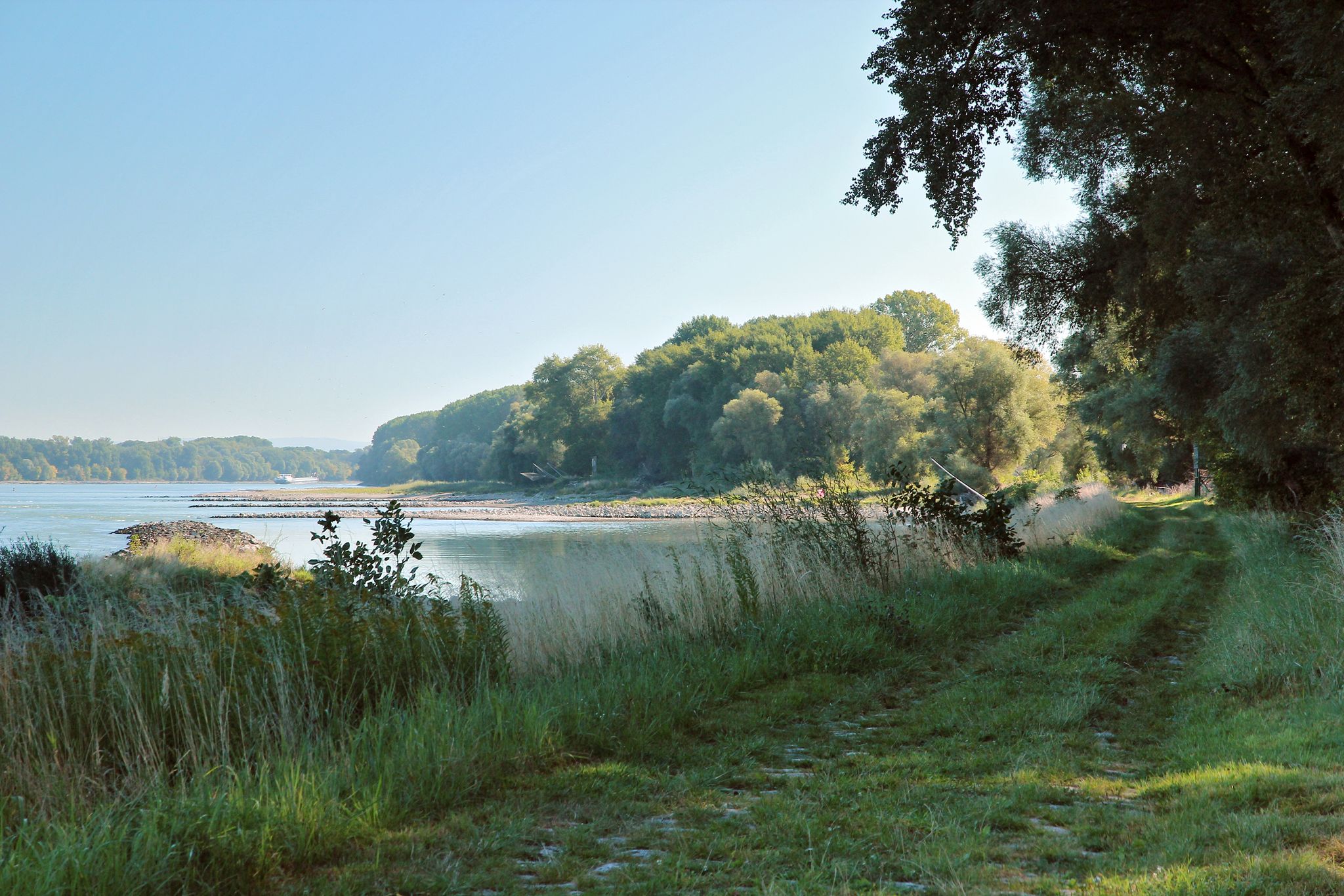
From Vienna to the state border at Hainburg - Tours in the National Park Donau-Auen
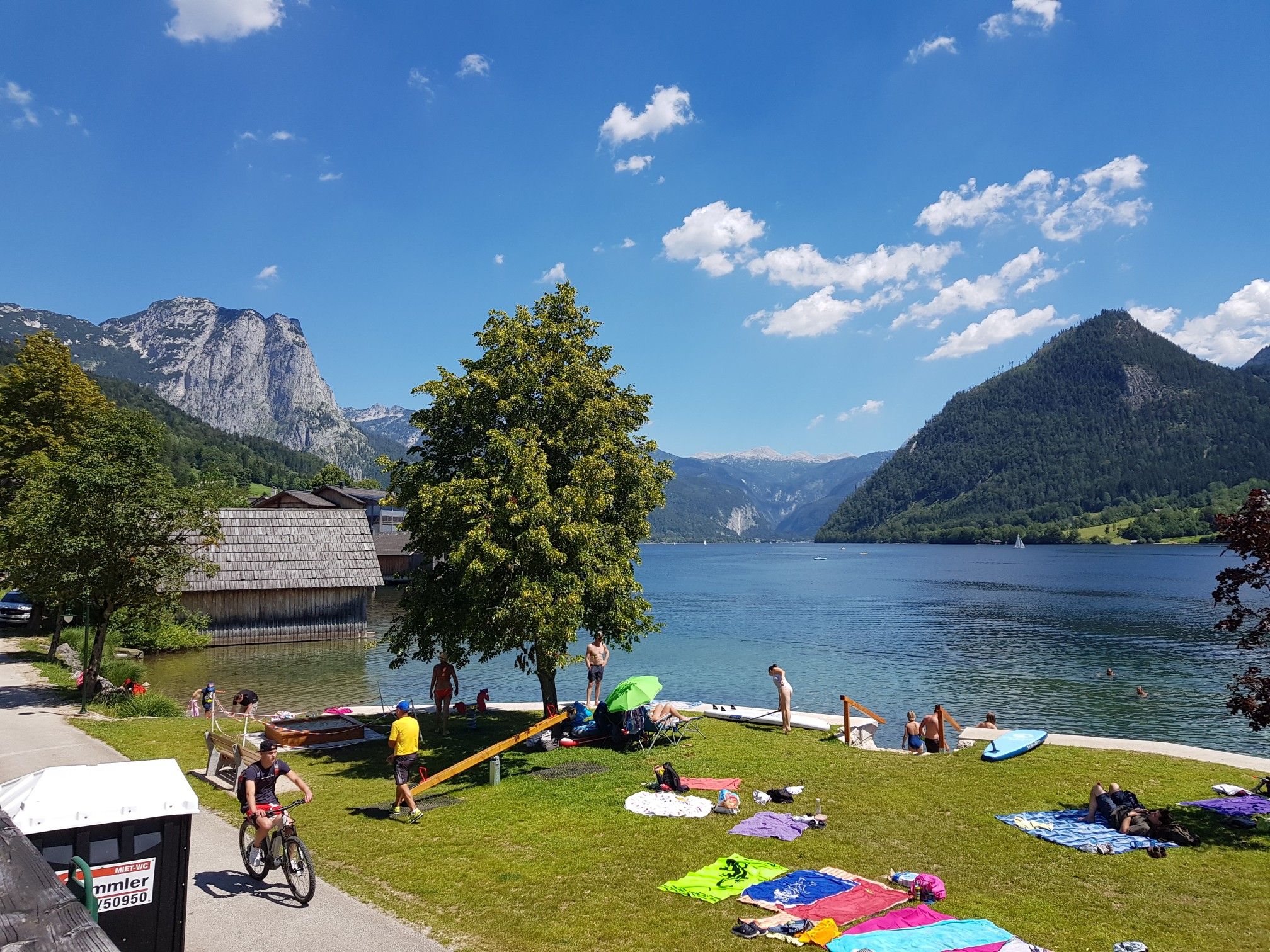
Austria's sensational swimming lakes
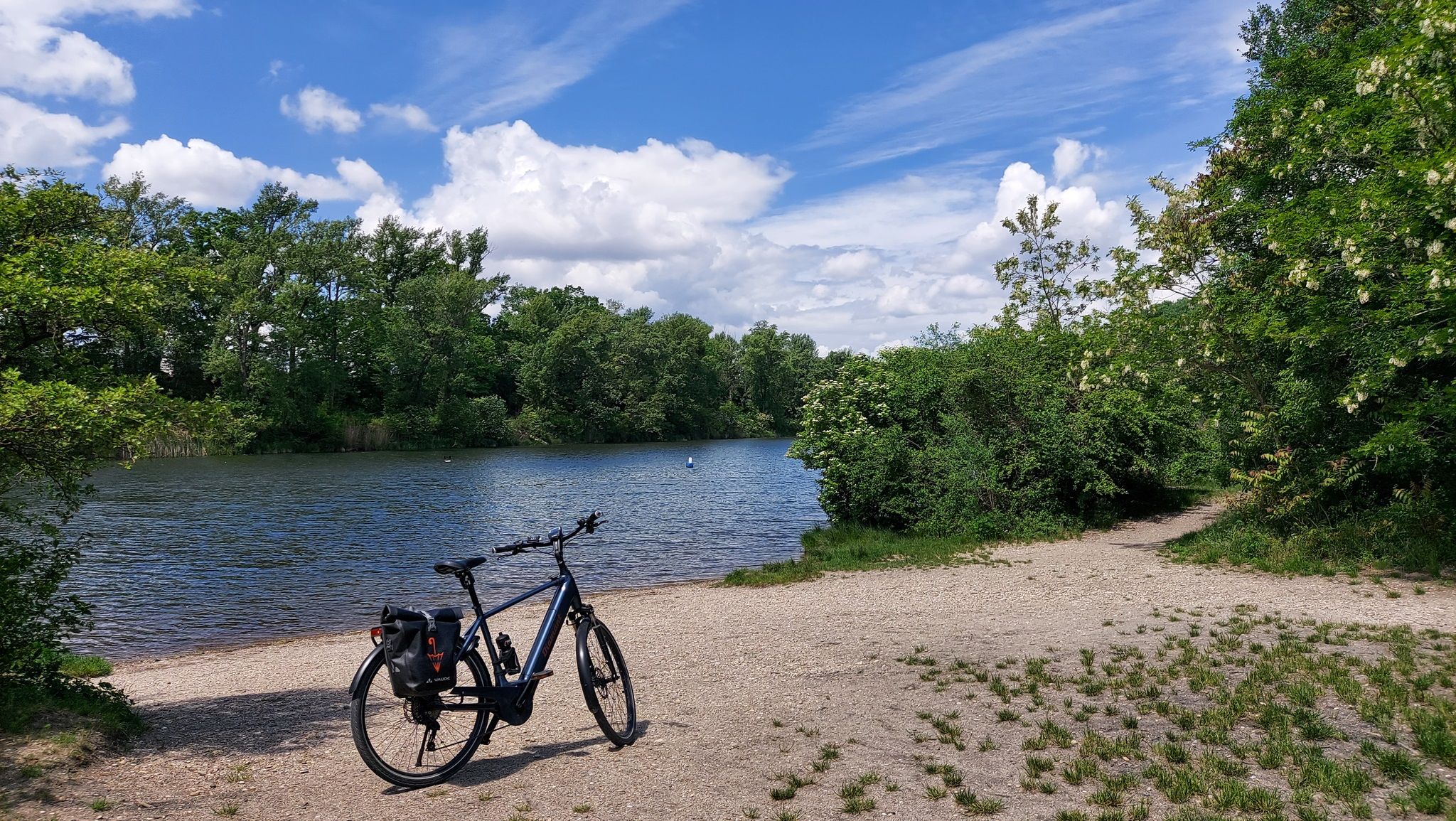
The most beautiful bathing spots around Vienna
Radrouten im Nationalpark Donau-Auen
Hiking around Nationalpark Donauauen
Cycling around Nationalpark Donauauen
Road Cycling Routes around Nationalpark Donauauen
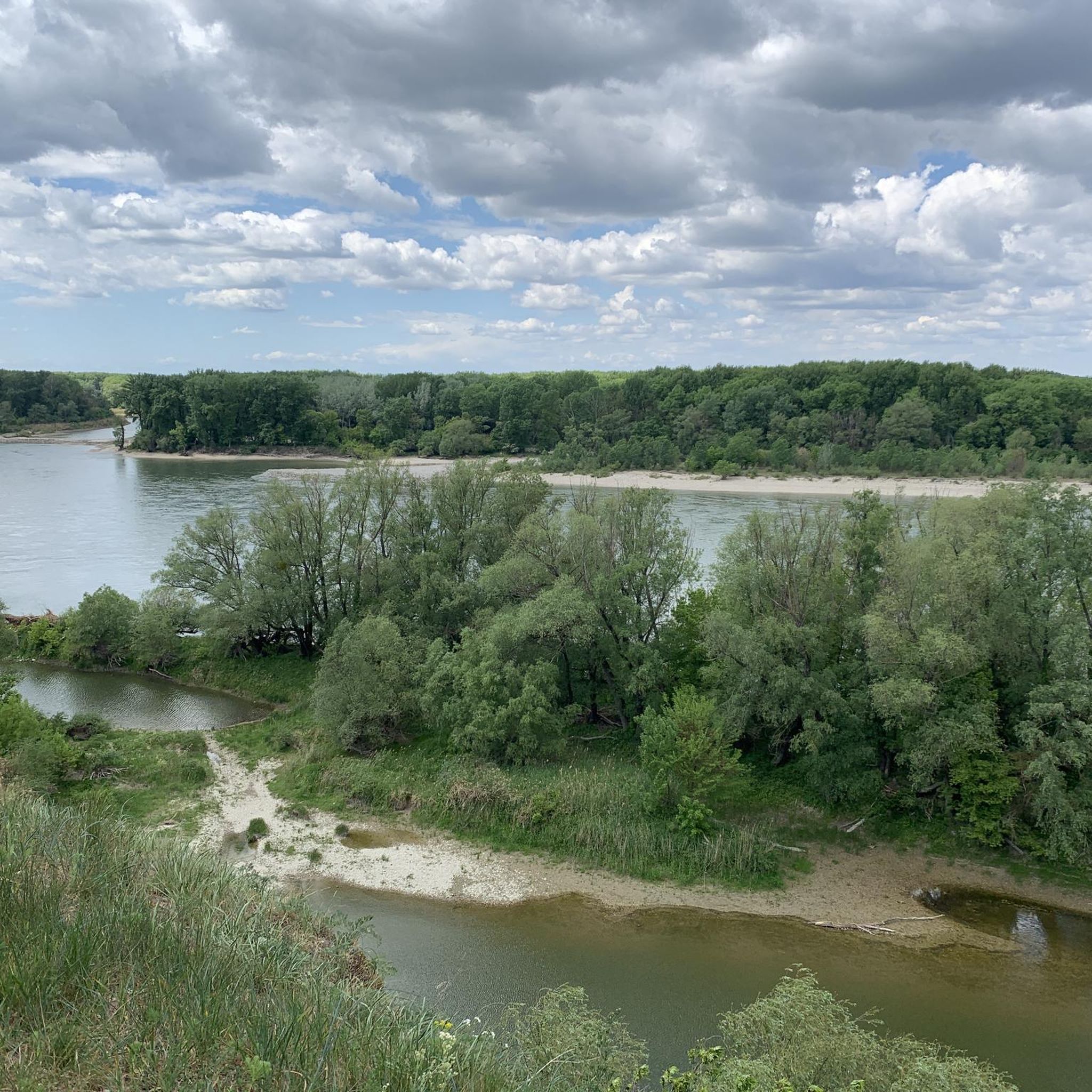
MTB Trails around Nationalpark Donauauen
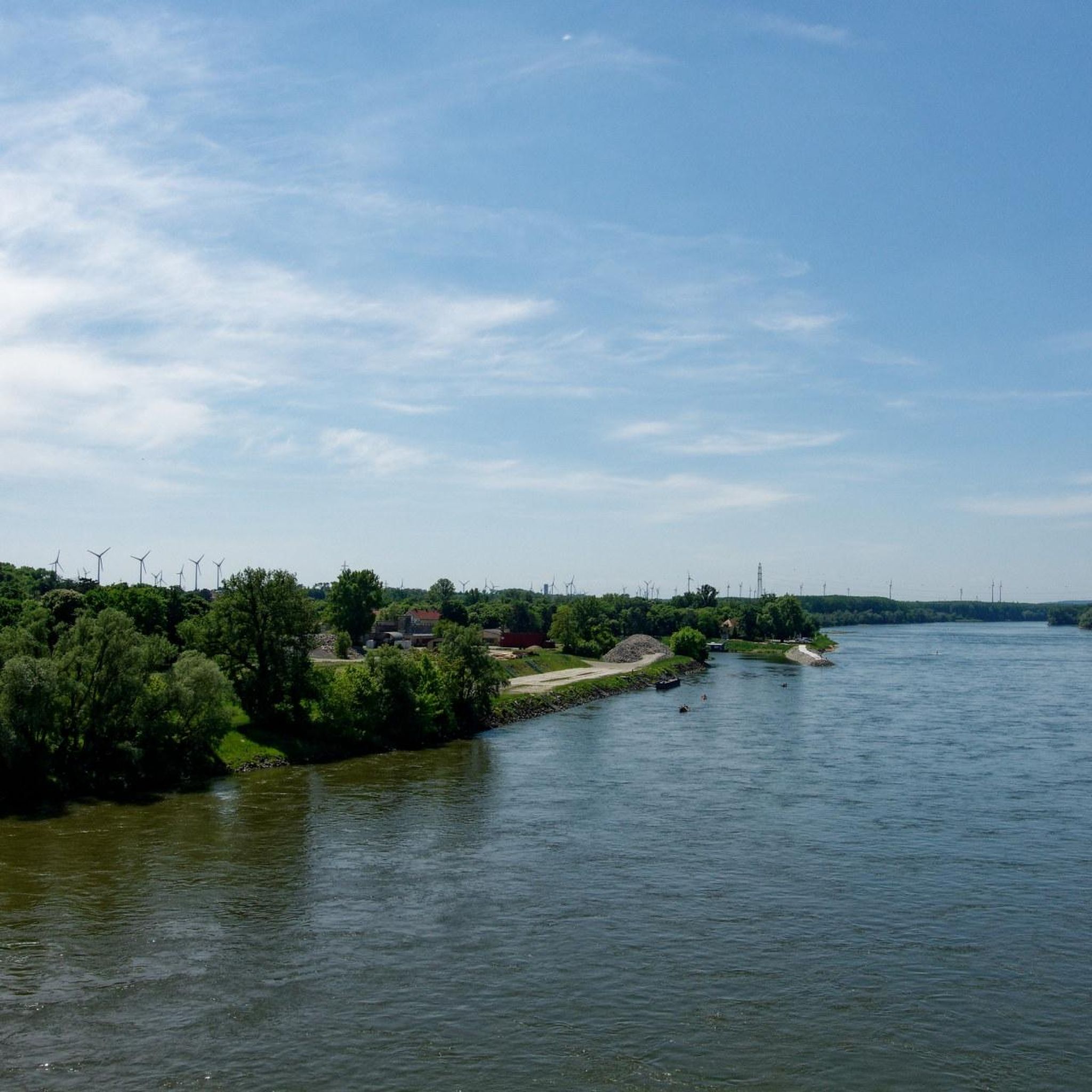
Running Trails around Nationalpark Donauauen
Other adventures around Nationalpark Donauauen


Tips from the Community

The almost standing body of water offers great photo opportunities with reflections.
0
0

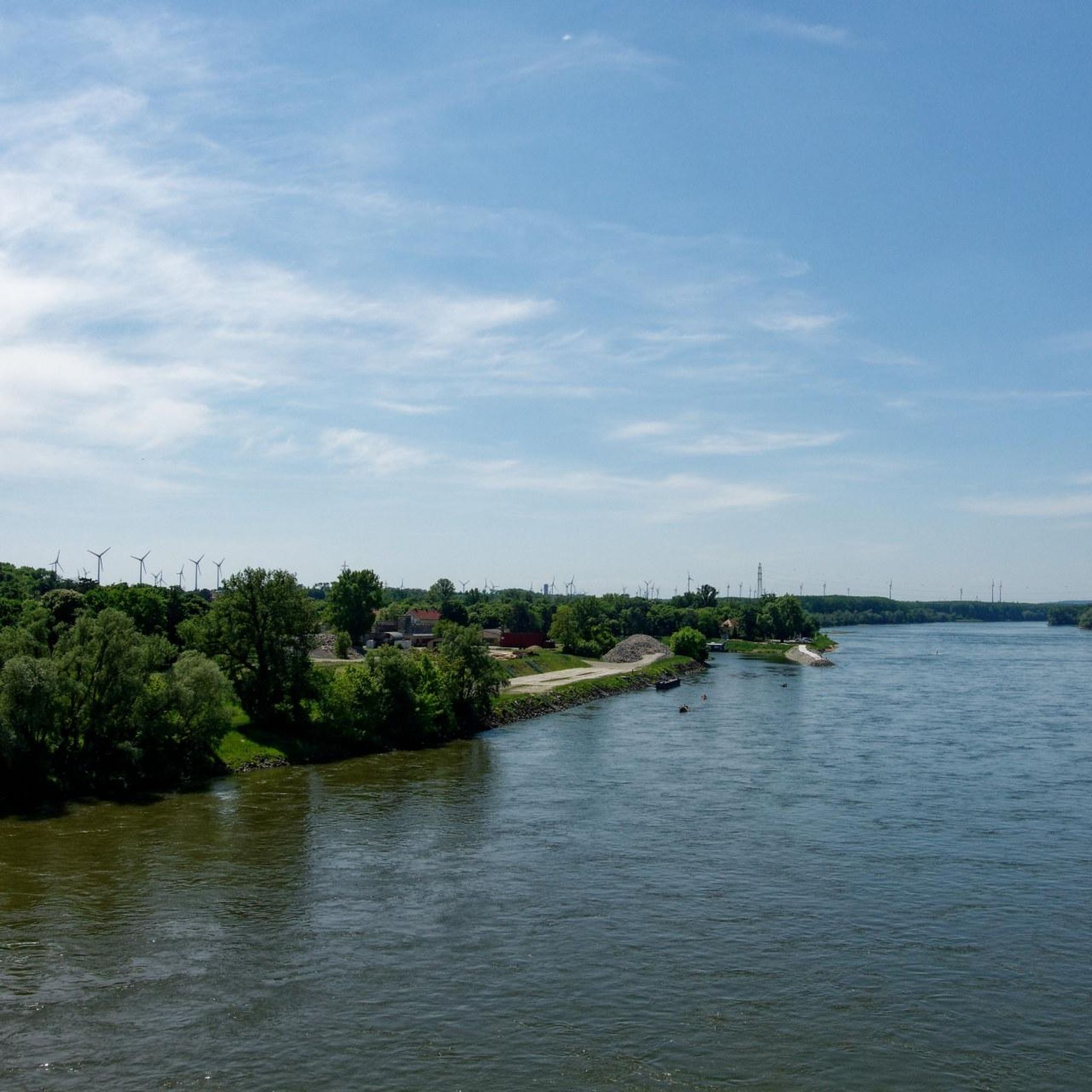
The Danube-Auen National Park is one of the last large, intact floodplain landscapes in Central Europe. It stretches along the Danube between Vienna and Bratislava and covers an area of around 9,600 hectares. The national park protects this unique river landscape, which is characterized by a dynamic interplay of floods, gravel banks, old watercourses and floodplain forests. The national park was created after the successful protests against the construction of a hydroelectric power plant in Hainburg in the 1980s. The protection of the floodplains became a milestone in the Austrian environmental movement. The Danube flows largely unregulated in this section, which means that natural flooding and changes in the course of the river remain possible. This dynamic creates diverse habitats.
2
1

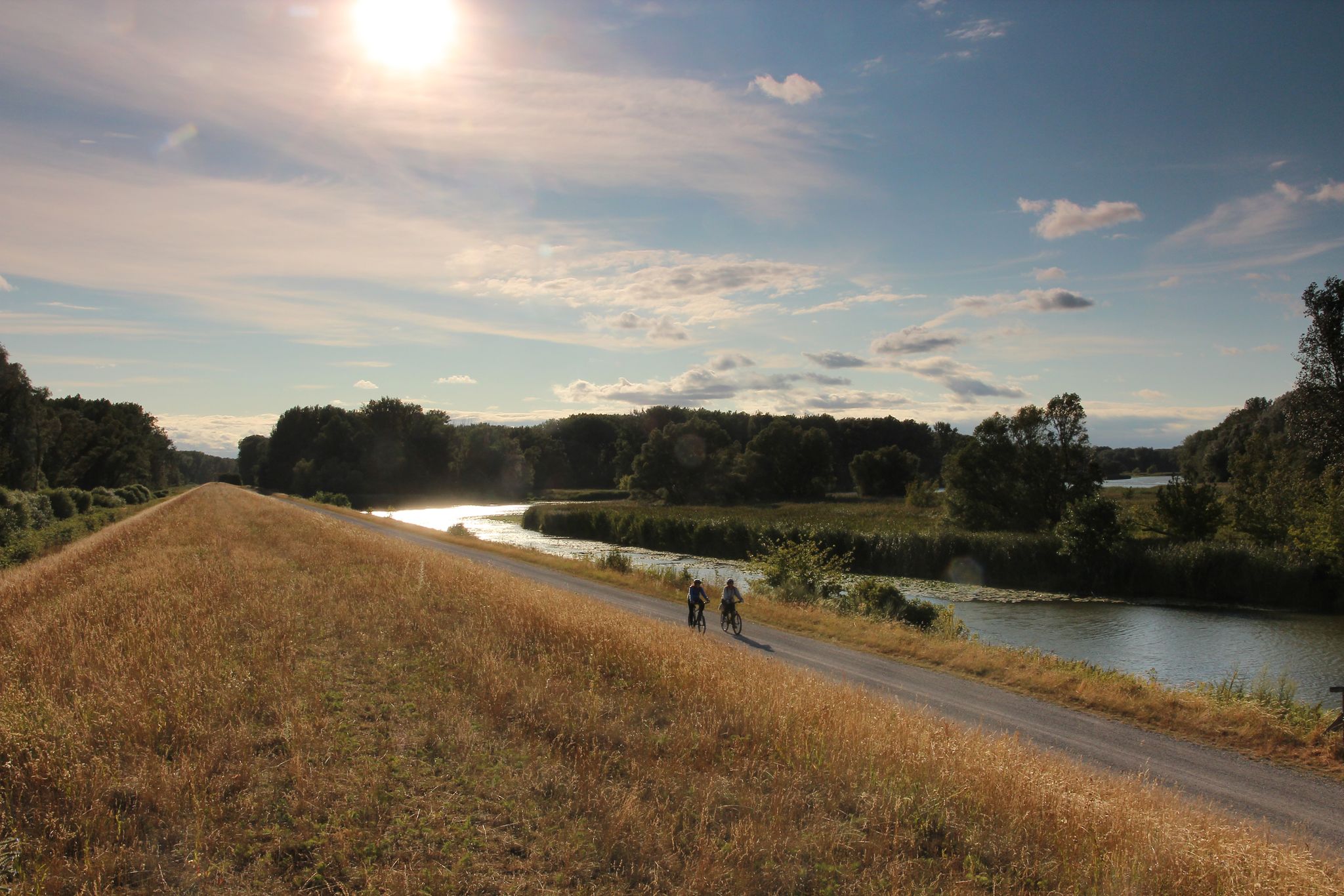
Great cycle paths and beautiful nature
0
1

The Danube-Auen National Park is a 9,600 hectare national park that stretches from Vienna to the mouth of the March in Lower Austria on the border with Slovakia. It is one of the largest, largely intact floodplain landscapes in Central Europe along the Danube. The area is 38 kilometers long and measures barely four kilometers at its widest point.
3
0

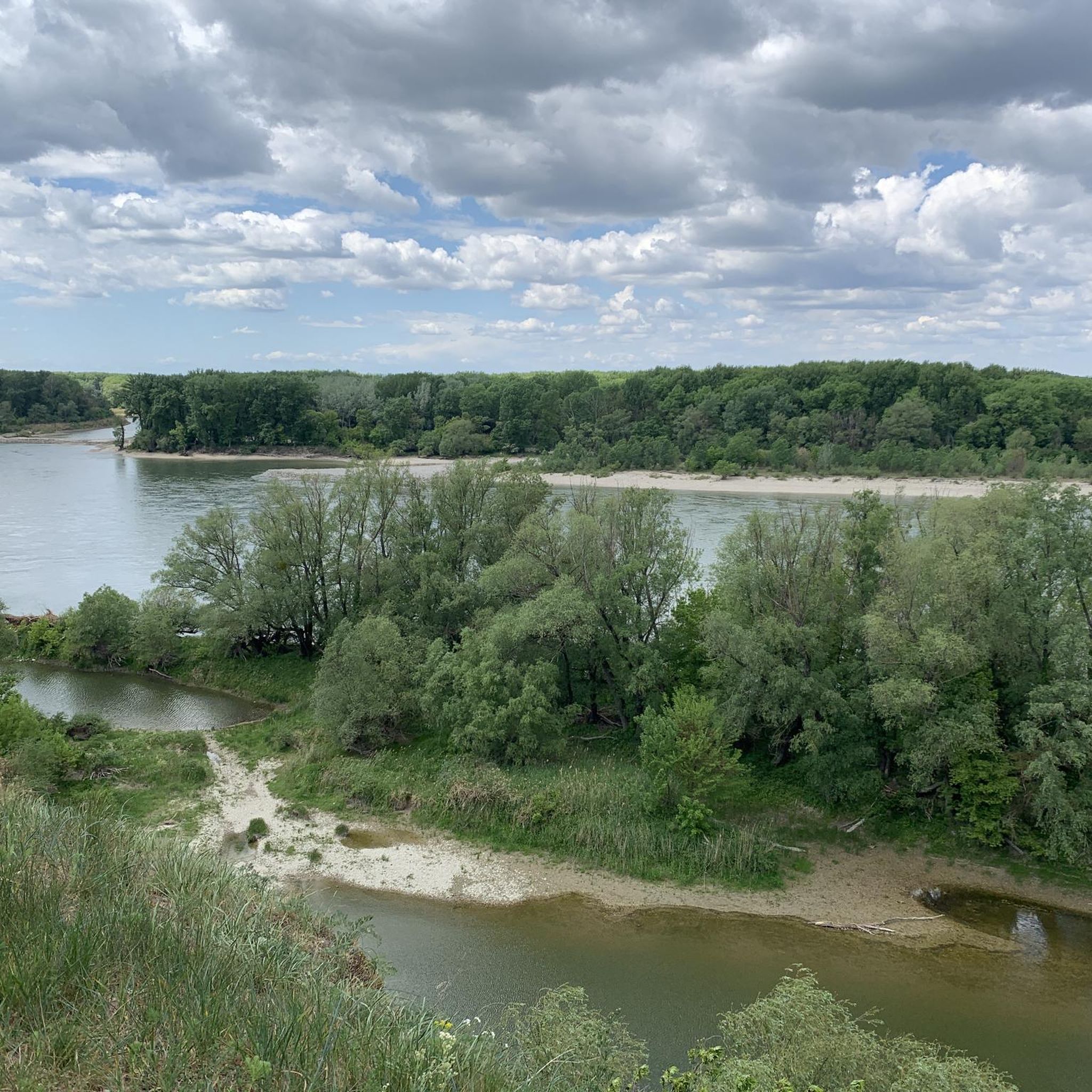
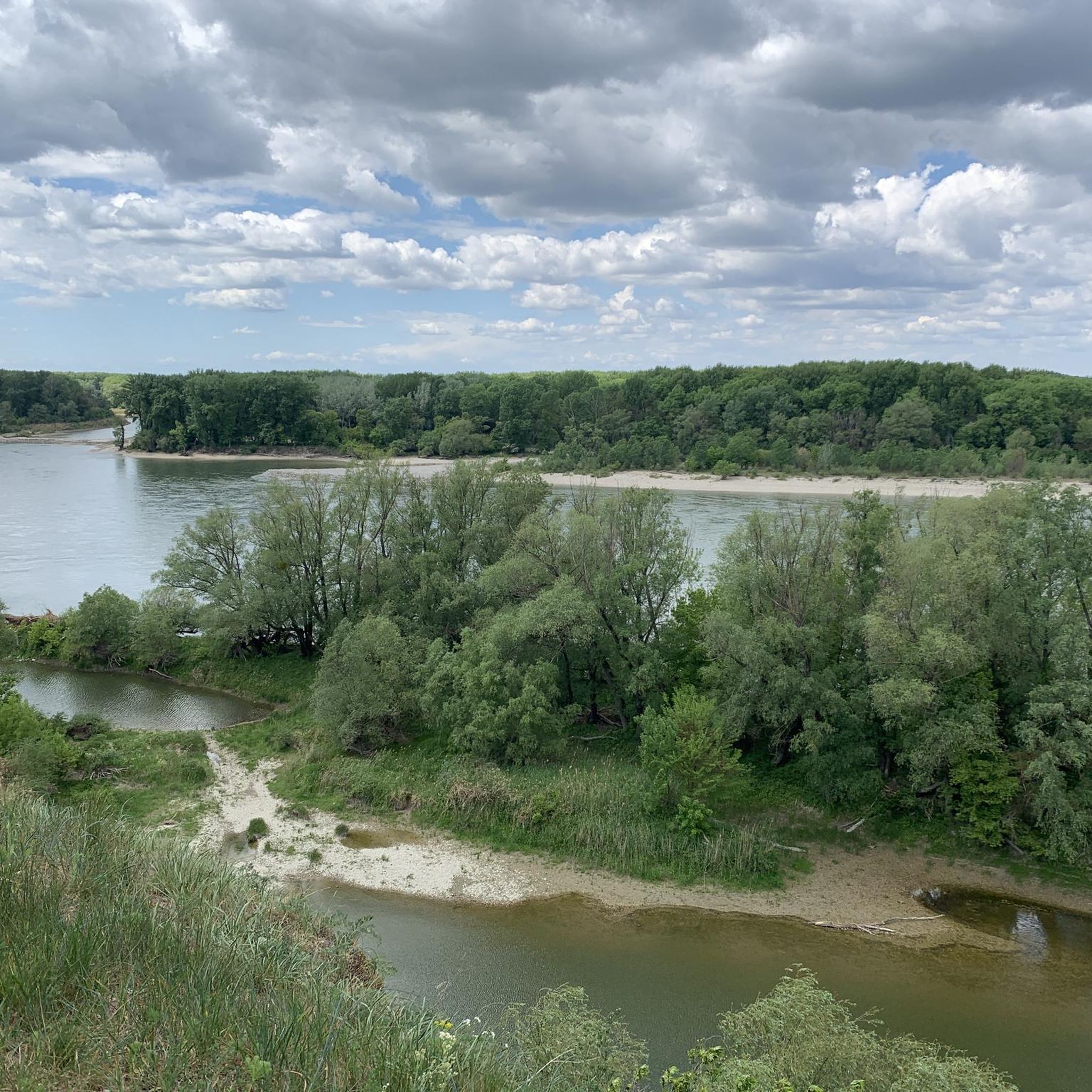
Beautiful view of the Orther Islands from the shore path. The islands themselves are difficult to access due to the dense undergrowth.
0
0

EuroVelo 6 always a pleasure
1
0

The Donau-Auen National Park stretches from Vienna to the mouth of the March at the Slovakian border near Bratislava. With a total length of the protected floodplain area of 38 kilometers, the national park is barely 4 kilometers at its widest point, because floodplains are only found in the immediate vicinity of the river. In the north lies the wide plain of the Marchfeld and the protective dam, built in the 19th century, runs through the national park area. In the south, the border is formed by the edge of the Vienna Basin.
4
0
With the founding of the Donau-Auen National Park in 1996, this jewel was placed under international protection. Since then, nature has been able to develop here free of economic constraints and be experienced by guests to the area.
4
0
Frequently Asked Questions
What are the most notable natural monuments to visit around Nationalpark Donauauen?
Among the most notable natural monuments is Devín Castle, a historical site offering panoramic views of the Morava and Danube rivers' confluence. Another significant natural feature is the Orther Islands, where the Danube's dynamic flow creates gravel islands and reconnected side arms, fostering unique aquatic environments and supporting rare species. The entire Donau-Auen National Park itself is considered a natural monument, preserving one of Central Europe's last great floodplain landscapes.
What kind of natural features can I expect to see in the Donau-Auen National Park?
The Donau-Auen National Park is characterized by its free-flowing Danube River, which dynamically shapes the landscape. You'll find extensive floodplain forests, covering 65% of the park, along with numerous oxbow lakes and near-natural side channels like the Stopfenreuther Arm. These features create a mosaic of habitats, from river channels to wetlands and meadows, all influenced by the Danube's fluctuating water levels.
Are there historical sites among the natural monuments?
Yes, Devín Castle is a prominent historical monument. It served as an important crossroads since the 2nd century, with Roman military presence. Today, it features expositions on Slavic history and offers stunning views. The settlement of Orth an der Donau also has historical significance, with its castle serving as the National Park Center and a documented history dating back to 1021.
What wildlife can be observed in the Donau-Auen National Park?
The park is an ecological hotspot, home to a rich biodiversity. You can observe over 30 mammal species, including Eurasian beavers, and more than 100 species of breeding birds, such as the white-tailed eagle and Eurasian kingfisher. The aquatic habitats support 67 species of fish, 21 amphibians and reptiles, and 13 amphibian species, including the European pond turtle.
Are there family-friendly natural monuments or activities in the area?
Yes, the Donau-Auen National Park offers several family-friendly options. The Donauradweg Gravel Section is a cycle way suitable for families, offering views of the meadow landscape and opportunities for birdwatching. The settlement of Orth an der Donau, with its castle and National Park Center, is also considered family-friendly and provides facilities.
What outdoor activities can I do near these natural monuments?
The area around Nationalpark Donauauen is excellent for various outdoor activities. You can enjoy road cycling, with routes like the 'Schloss Hof Gardens – Schloss Hof loop' starting from Devín. There are also easy hikes, such as the 'Stopfenreuther Danube Round', and mountain biking trails like the 'Napoleon's headquarters – Rest area on the Hubertusdamm loop'. For more details on routes, explore the Road Cycling Routes, Easy Hikes, and MTB Trails guides.
What is the best time to visit the Donau-Auen National Park?
The Donau-Auen National Park is rewarding throughout the year, but spring and autumn are particularly good for birdwatching during migration seasons. The dynamic nature of the river and floodplains means the landscape changes with water levels, offering different experiences. Summer allows for activities like canoeing or kayaking on the wild river system, while the floodplain forests are beautiful in all seasons.
Are there specific hiking trails to explore the natural monuments?
Yes, there are numerous hiking opportunities. For an easy experience, consider routes like the 'Stopfenreuther Danube Round' or the 'Danube Circular Hiking Trail' within the National Park. These trails allow you to immerse yourself in the floodplain landscape and observe its unique flora and fauna. You can find more options in the Easy Hikes around Nationalpark Donauauen guide.
What makes the Donau-Auen National Park unique as a natural monument?
The Donau-Auen National Park is unique as one of Central Europe's last great floodplain landscapes, where the Danube River flows freely for about 36 kilometers. This unimpeded flow dynamically shapes the environment, creating a constantly evolving mosaic of habitats. The park's extensive alluvial forests, oxbow lakes, and rich biodiversity, including rare plant and animal species, highlight its ecological significance and make it a remarkable natural heritage site.
Can I cycle through the Donau-Auen National Park?
Absolutely. The Donauradweg (Danube Cycle Path) runs through sections of the National Park, such as the Donauradweg Gravel Section. This allows cyclists to experience the meadow landscape and observe various bird species. The park's flat terrain makes it suitable for relaxed rides, with routes like 'Cherry Blossom Near Kittsee – Cycle path to the train station loop' available for exploration. Refer to the Road Cycling Routes guide for more options.
What do visitors enjoy most about the natural monuments around Nationalpark Donauauen?
Visitors frequently appreciate the immersive experience in a landscape largely untouched by modern development. The dynamic interplay of the free-flowing Danube, the pristine floodplain forests, and the rich biodiversity are often highlighted. Many enjoy the opportunities for birdwatching, cycling along the river, and exploring historical sites like Devín Castle with its impressive views. The sense of connecting with nature's raw power and beauty is a common theme.
Most popular routes around Nationalpark Donauauen
Most popular attractions around Nationalpark Donauauen

Get inspired with the komoot mobile app


Explore more
Extend your search for the best caves by checking out these guides of the top ones around Nationalpark Donauauen:
