Glenveagh National Park
Glenveagh National Park
Top 5 Natural Monuments around Glenveagh National Park
Best natural monuments around Glenveagh National Park, located in County Donegal, Ireland, features a landscape of rugged mountains, expansive peatlands, and native woodlands. At its heart lies Lough Veagh, a prominent lake reflecting the surrounding terrain. The park offers diverse ecosystems, from high uplands to dense forests, providing habitats for various wildlife. It is a significant natural sanctuary known for its varied geological and ecological features.
Best natural monuments around Glenveagh National Park
- The most popular natural monuments is Glenveagh…
Last updated: July 10, 2026
Mount Errigal
Highlight • Summit
Translated by Google •
Tip by

Glenveagh Castle Gardens
Highlight • Castle
Translated by Google •
Tip by

Sign up now to discover places like this
Get recommendations on the best single tracks, peaks, & plenty of other exciting outdoor places.
Sign up for free
Astellen Waterfall
Highlight • Waterfall
Tip by

Bridle Path to Lough Veagh, Glenveagh National Park
Highlight • Trail
Tip by
Glenveagh Valley
Highlight • Gorge
Tip by

Sign up for free to discover even more natural monuments around Glenveagh National Park.
Sign up for free
Already have an account?
Start today with a free account
Your next adventure awaits.
Login or Signup
Popular around Glenveagh National Park
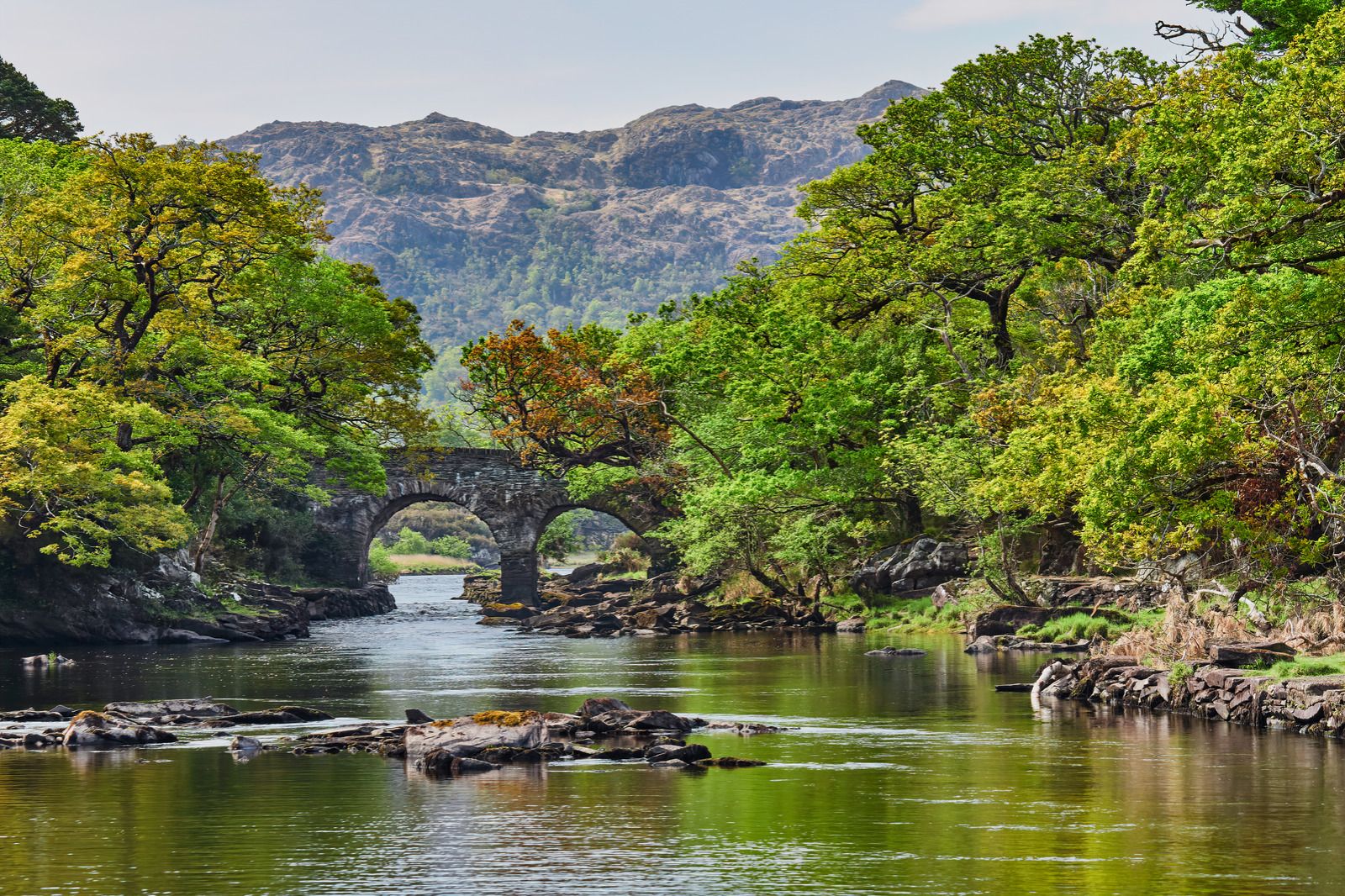
Follow the water - Along Ireland's rivers and lakes
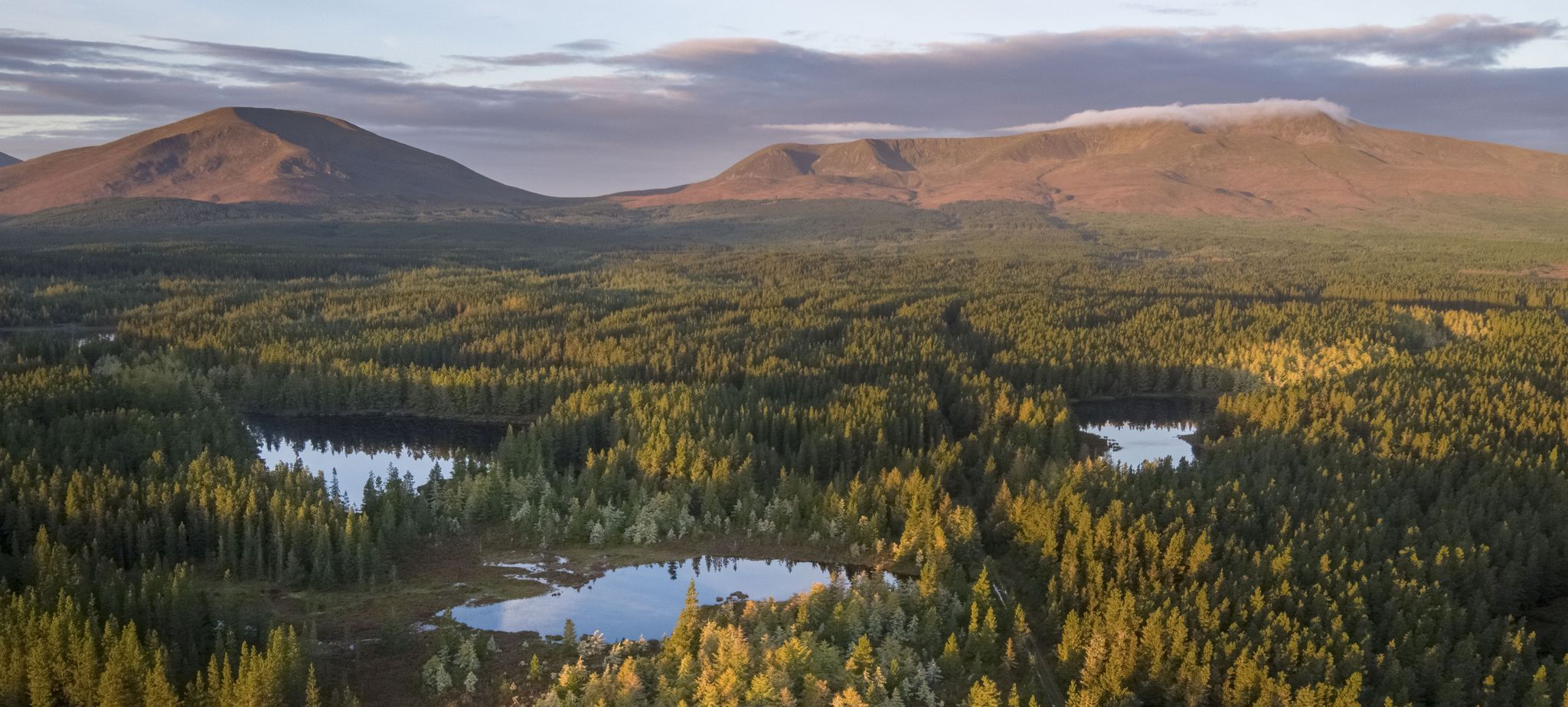
Discover Ireland's unspoilt nature in its national parks
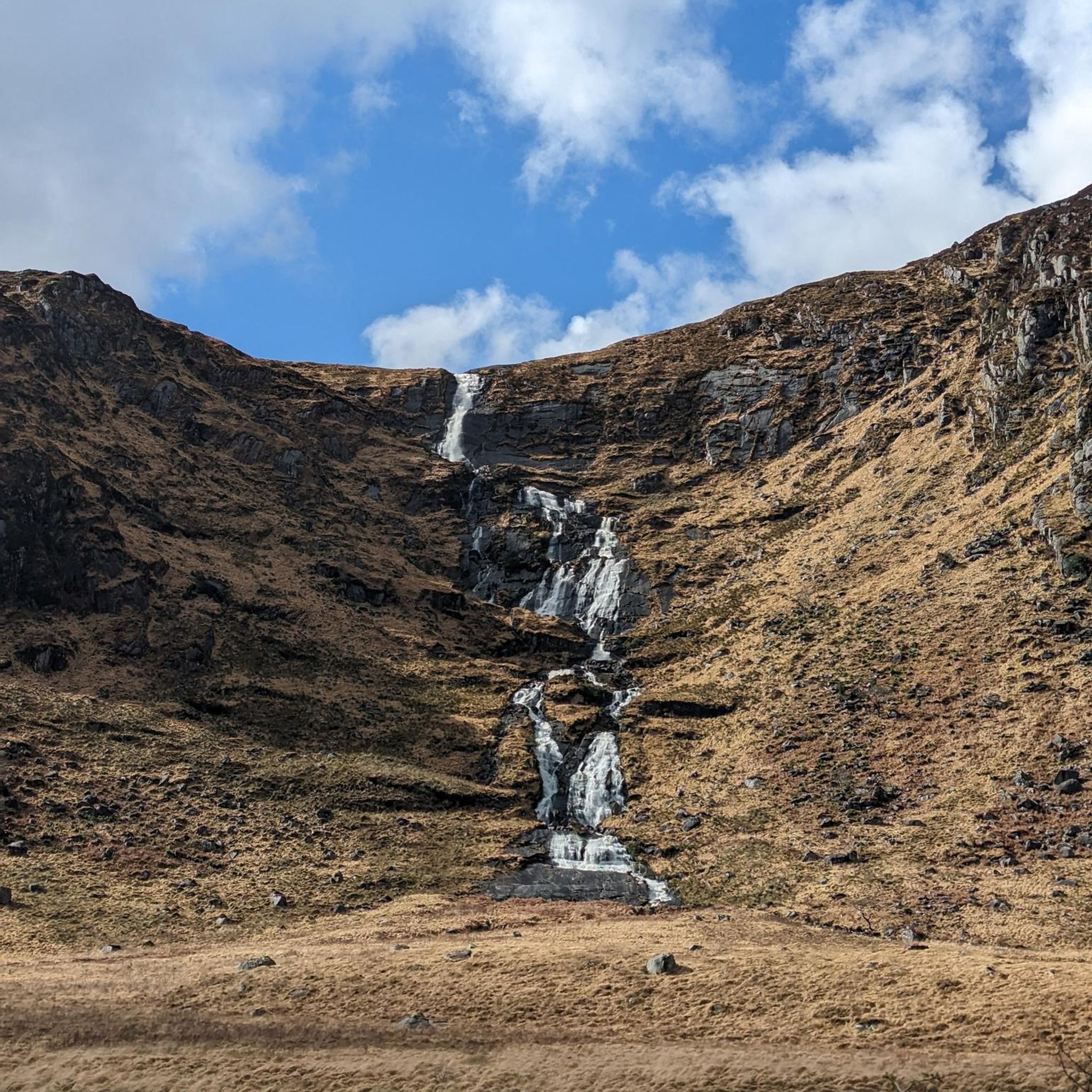
Hiking around Glenveagh National Park
Cycling around Glenveagh National Park
MTB Trails around Glenveagh National Park
Running Trails around Glenveagh National Park
Road Cycling Routes around Glenveagh National Park
Other adventures around Glenveagh National Park


Tips from the Community

Errigal, standing tall at 751 meters in County Donegal, Ireland, beckons hikers with its stunning vistas and challenging trails. While the ascent demands physical prowess and sturdy footwear, the panoramic views from the summit are unparalleled. For a more leisurely experience, the circular route around the mountain offers equally captivating scenery. Whether you seek adventure or tranquility, Errigal promises an unforgettable journey through Ireland's natural splendor.
2
1

A beautiful walk. Steep but you are up and down in two hours. Fantastic views from the top!!!
2
1

A spacious and extensive garden with lush vegetation. It's amazing what can be found in Ireland's walled gardens.
0
0
A magnificent mountain, but the climb is quite boggy at first, but later you need to be sure-footed.
1
1

Located in Glenveagh National Park in north-west County Donegal, the gardens date back to the 1880s. They still have their original Victorian layout.
3
0

The Astellen Waterfall is a lofty 215m high and is particularly impressive after periods of heavy rain. It's a true hidden gem of Ireland.
1
0
The bridle path takes you down a wonderful valley towards Lough Veagh. The views are incredibly scenic and the trail is usually pretty quiet so plenty of time for peace and solitude.
0
0

Errigal is a 751 meter high mountain in County Donegal, Ireland and a popular destination for hikers. The mountain offers you very nice views of the surrounding landscape and is a must for nature lovers. Errigal is also known for its challenging hiking trails. The most frequently chosen route leads to the summit and is 4.5 kilometers long. The hike is demanding and requires good physical condition and sure-footedness. It is advisable to bring sturdy shoes and appropriate clothing as the path is steep and uneven. However, those who accept the challenge will be rewarded with very nice views. The summit offers a 360-degree panoramic view of the surrounding mountains and valleys. If you like it more leisurely, you can also hike the circular route around the mountain. This is 9 kilometers long and also offers not to be scoffed at views of the landscape. Overall, Errigal is a suitable place to experience the beauty of Ireland and offers a challenge for walkers of all levels.
1
2
Frequently Asked Questions
What are some of the most notable natural features to explore in Glenveagh National Park?
Glenveagh National Park is rich in diverse natural features. You can explore the dramatic landscape of the Derryveagh Mountains, including the iconic Mount Errigal, which offers panoramic views. The park also features vast peatlands, unique uplands with arctic-alpine flora, and rare native woodlands like Mullangore Wood. At its heart lies Lough Veagh, a prominent lake reflecting the surrounding terrain.
Are there family-friendly natural monuments to visit in Glenveagh National Park?
Yes, several natural monuments in Glenveagh National Park are suitable for families. The Glenveagh Castle Gardens offer a structured and accessible experience, contrasting with the wilder natural surroundings. Additionally, the View of Lough Veagh provides a beautiful, easily accessible spot for families to enjoy the scenery.
What kind of wildlife can I spot around Glenveagh National Park's natural monuments?
Glenveagh National Park is a haven for wildlife. Around Lough Veagh, you might spot brown trout, salmonid fish, eels, and the endangered 'land-locked' charr, as well as the red-throated diver. The peatlands and uplands are home to red deer, hares, golden plovers, ravens, and peregrine falcons. The woodlands attract various bird species, including migrant birds like the wood warbler during summer.
What is the best time of year to visit the natural monuments in Glenveagh National Park?
The best time to visit Glenveagh National Park depends on your interests. Spring and summer (April to August) offer lush greenery, blooming flora, and the best chances for spotting migrant birds. The weather is generally milder, making hiking more pleasant. Autumn brings vibrant colors to the woodlands and mountains. For impressive views of Astellen Waterfall, visiting after periods of heavy rain is recommended.
Are there easy trails to access natural monuments for beginners or those seeking a less strenuous experience?
Yes, there are options for easier exploration. The Lakeside Walk around Lough Veagh is a popular choice, offering gentle terrain and stunning views. While not a natural monument itself, the path to Glenveagh Castle Gardens is also very accessible. For hiking, the Derrylahan Nature Trail is an easy option, allowing you to experience the park's natural beauty without significant challenge. You can find more easy routes in the Hiking around Glenveagh National Park guide.
What outdoor activities can I do near the natural monuments in Glenveagh National Park?
Glenveagh National Park offers a variety of outdoor activities. You can enjoy hiking on trails like the Bridle Path towards Lough Veagh or more challenging routes up Mount Errigal. Running is also popular, with routes like the Lakeside Walk. For cyclists, there are road cycling routes around the park. Explore more options in the Hiking around Glenveagh National Park, Running Trails around Glenveagh National Park, and Road Cycling Routes around Glenveagh National Park guides.
Where can I find parking when visiting the natural monuments in Glenveagh National Park?
Parking is available at the Glenveagh National Park Visitor Centre. From there, you can access various trails leading to the park's natural monuments. For Mount Errigal, there is a dedicated parking lot on the R251 road, which serves as the starting point for the ascent.
Are there any natural monuments in Glenveagh National Park that offer impressive viewpoints?
Absolutely. Mount Errigal is renowned for its magnificent panoramic views in all directions from its summit. The Bridle Path to Lough Veagh also offers incredibly scenic views as it winds through the valley. Additionally, the View of Lough Veagh provides a picturesque vantage point of the lake and surrounding mountains.
Can I bring my dog to the natural monuments and trails in Glenveagh National Park?
Glenveagh National Park generally welcomes dogs, but they must be kept on a leash at all times to protect wildlife and ensure the safety of other visitors. Specific restrictions may apply in certain areas, particularly around sensitive habitats or during nesting seasons. It's always best to check the latest guidelines on the official park website before your visit.
What makes the peatlands of Glenveagh National Park a significant natural monument?
Glenveagh's vast peatlands are a crucial part of Ireland's natural heritage, covering significant areas of the park. These unique ecosystems feature dry bogland with ling and bell heather, and damper areas supporting wet grassland. They offer an insight into Ireland's geological and ecological history and are home to diverse wildlife, including red deer and the meadow pipit. They represent a unique and important habitat.
What is the significance of Lough Veagh within Glenveagh National Park?
Lough Veagh is a prominent, crystal-clear lake at the heart of the park, reflecting the surrounding mountains and woodlands. It's not only picturesque but also ecologically significant, home to brown trout, salmonid fish, eels, and the endangered 'land-locked' charr. It is also the only breeding center in Ireland for the red-throated diver, making it a vital natural monument for biodiversity.
Are there any historical or cultural aspects associated with the natural monuments in Glenveagh National Park?
While the focus is on natural monuments, the park does have historical elements. Glenveagh Castle Gardens, though a man-made structure, is nestled within the natural landscape and offers a glimpse into the region's past. The castle itself was built between 1870 and 1873. The park's history of conservation, including the reintroduction of golden eagles, also adds a layer of cultural significance to its natural features.
Most popular routes around Glenveagh National Park
Most popular attractions around Glenveagh National Park

Get inspired with the komoot mobile app


