Top 13 Natural Monuments around Döberitzer Heide
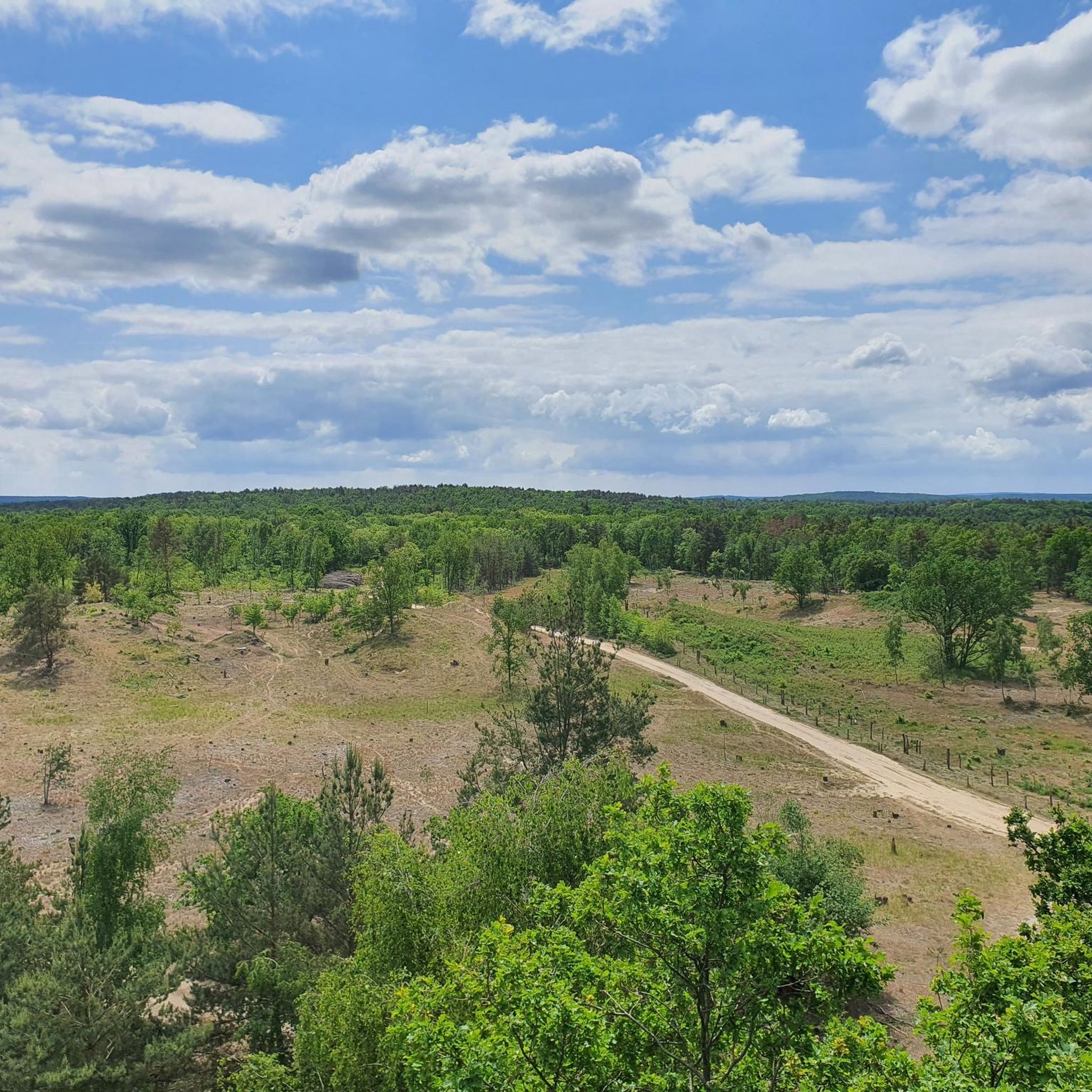
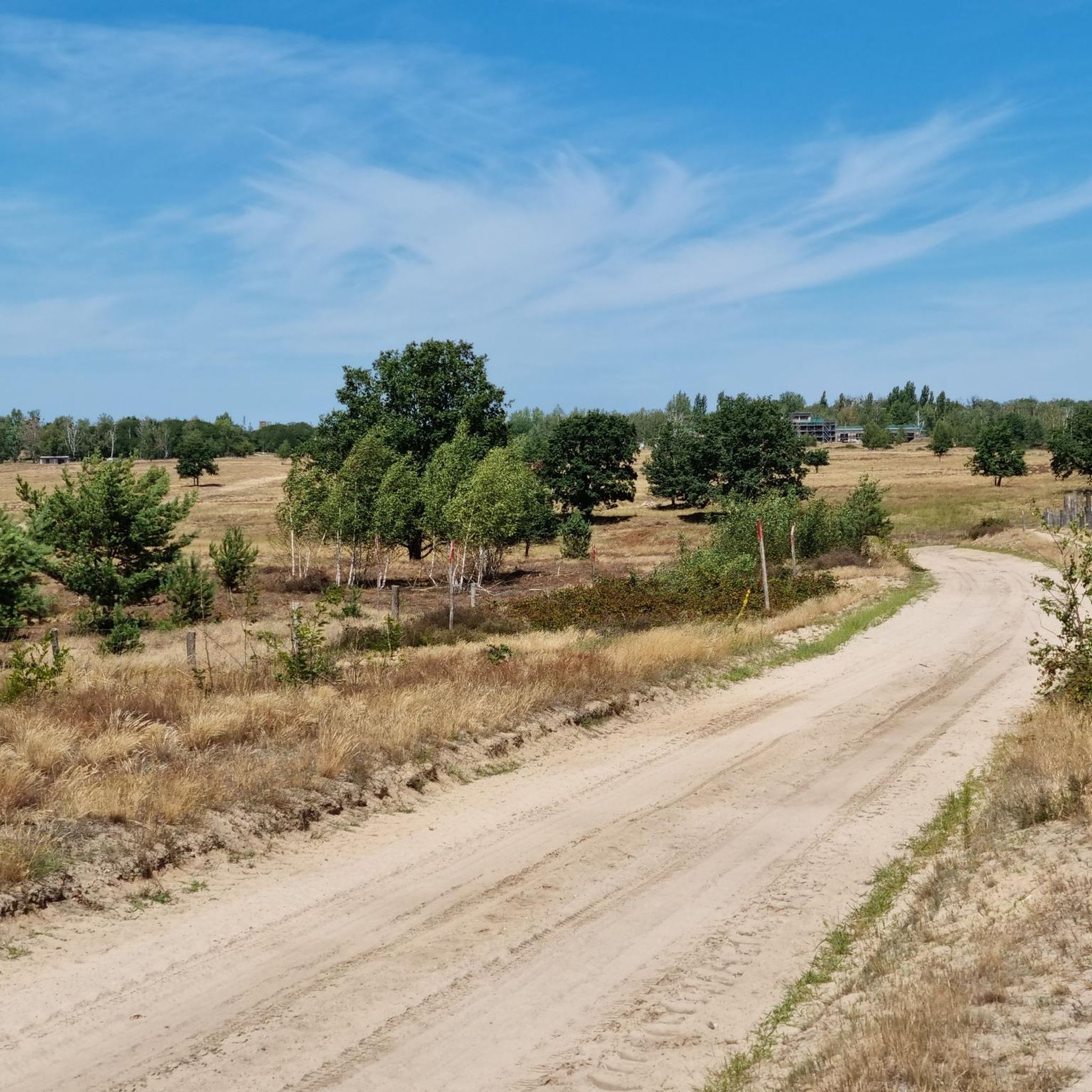
Best natural monuments around Döberitzer Heide encompass a diverse landscape west of Berlin and near Potsdam. This area, a former military training ground, is now a nature reserve recognized for its unique blend of habitats. It features extensive sandy open landscapes, heaths, dry grasslands, wetlands, and forests. The region is known for its rich biodiversity, including large herbivores like wisents and Przewalski's horses, which roam freely in a wilderness core zone.
Best natural monuments around Döberitzer Heide
- The most popular…
Last updated: June 26, 2026
Döberitzer Heide
Highlight (Segment) • Natural
Translated by Google •
Tip by

Döberitzer Heide Nature Reserve
Highlight • Natural
Translated by Google •
Tip by

Sign up now to discover places like this
Get recommendations on the best single tracks, peaks, & plenty of other exciting outdoor places.
Sign up for free
Döberitz Heath
Highlight • Natural
The Heinz Sielmann Foundation has once again established wildlife on the former military training area "Döberitz" just outside Berlin and Potsdam.
The area is 3,600 ha …
Translated by Google •
Tip by

Obelisk in the Döberitzer Heath
Highlight • Monument
Translated by Google •
Tip by

European bison in the Döberitzer Heide wilderness core zone
Highlight • Natural
Translated by Google •
Tip by
Sign up for free to discover even more natural monuments around Döberitzer Heide.
Sign up for free
Already have an account?
Start today with a free account
Your next adventure awaits.
Login or Signup
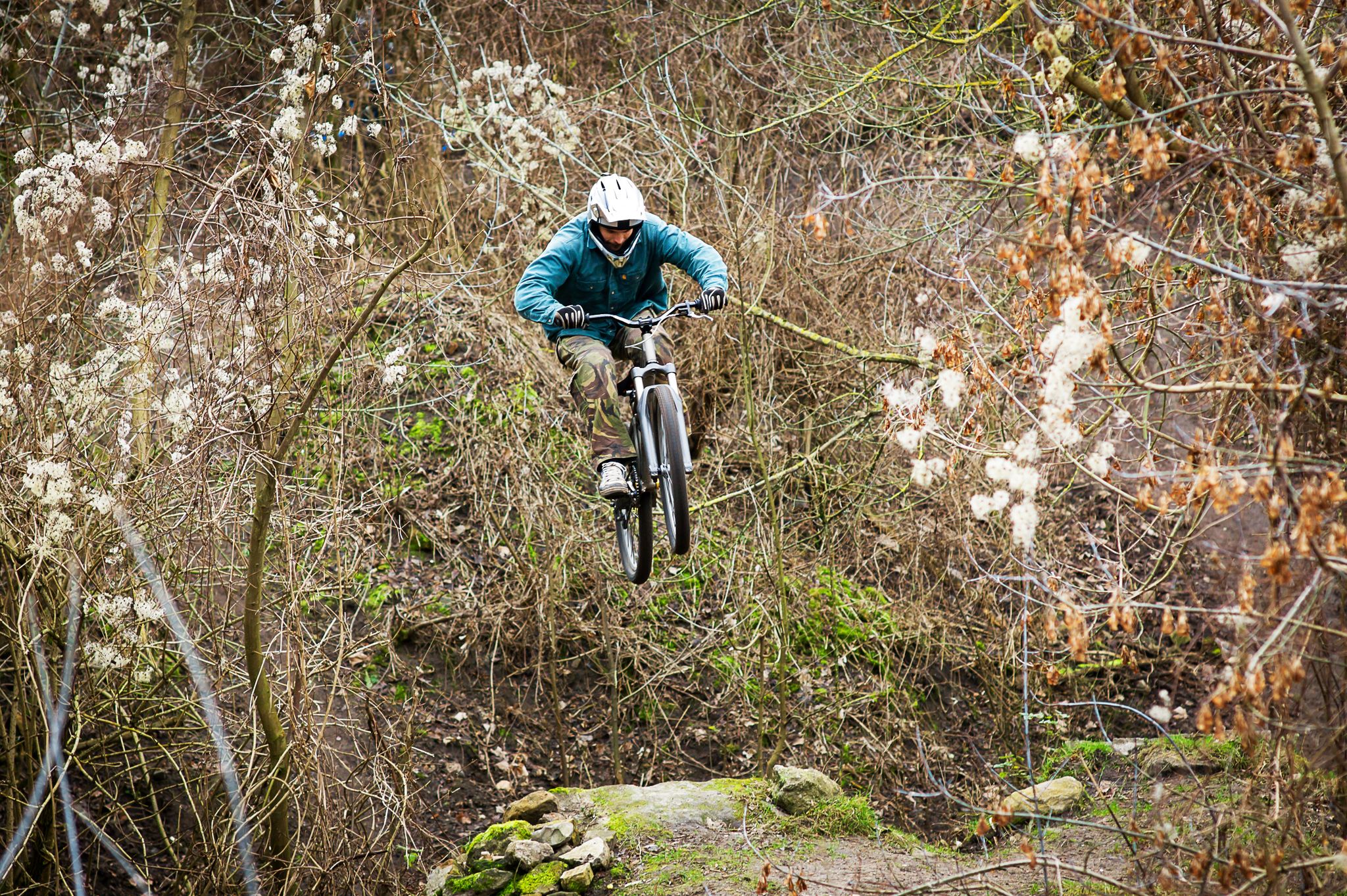
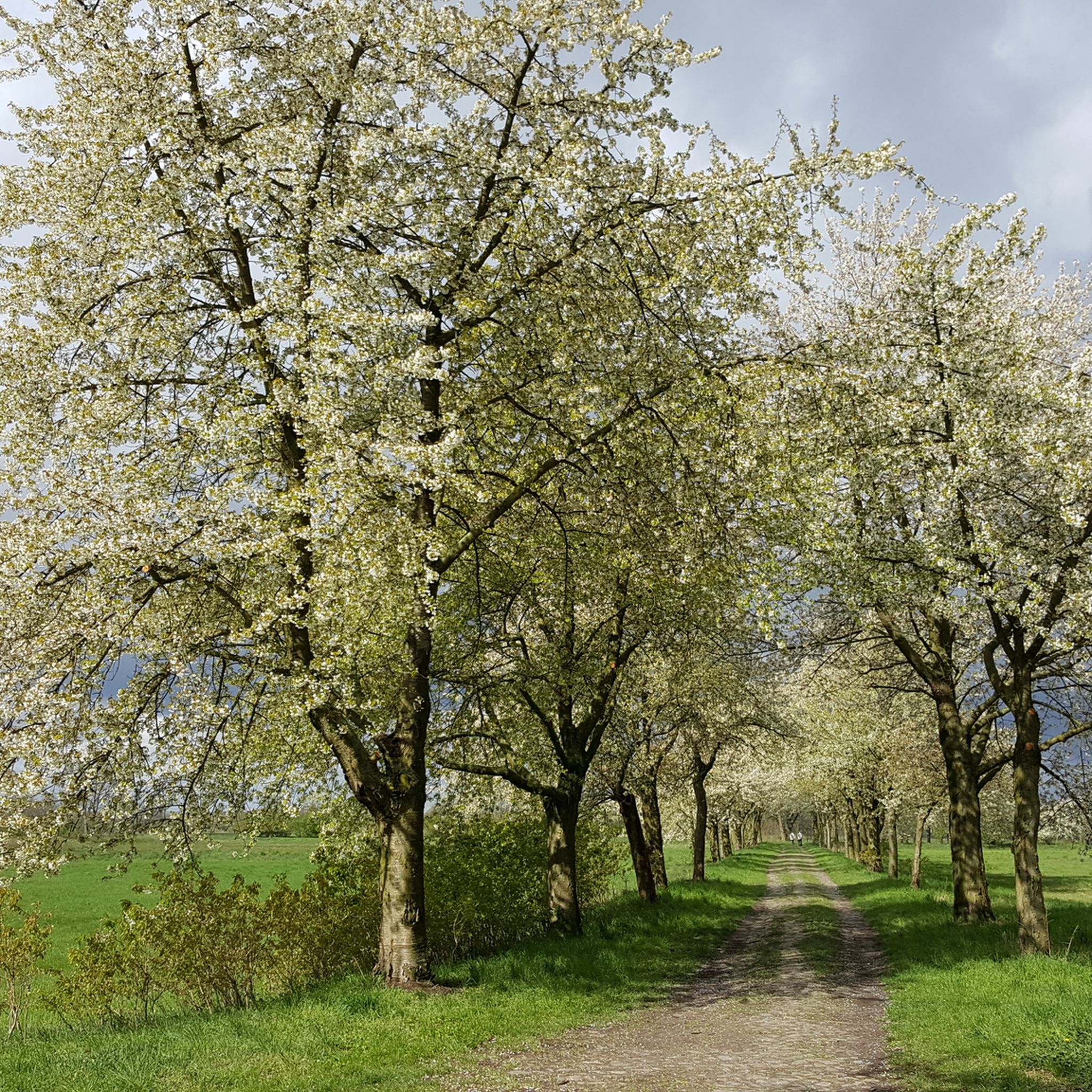
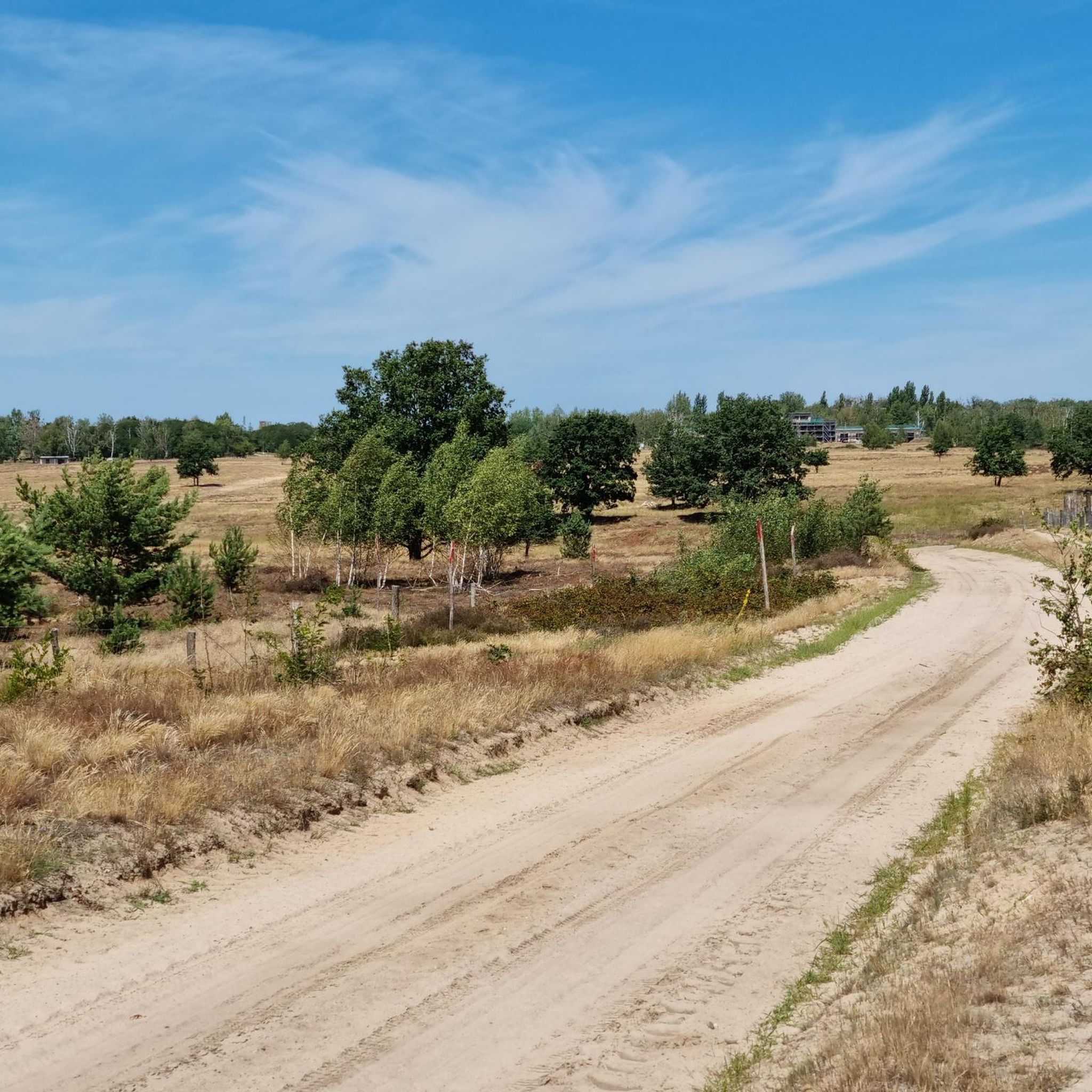
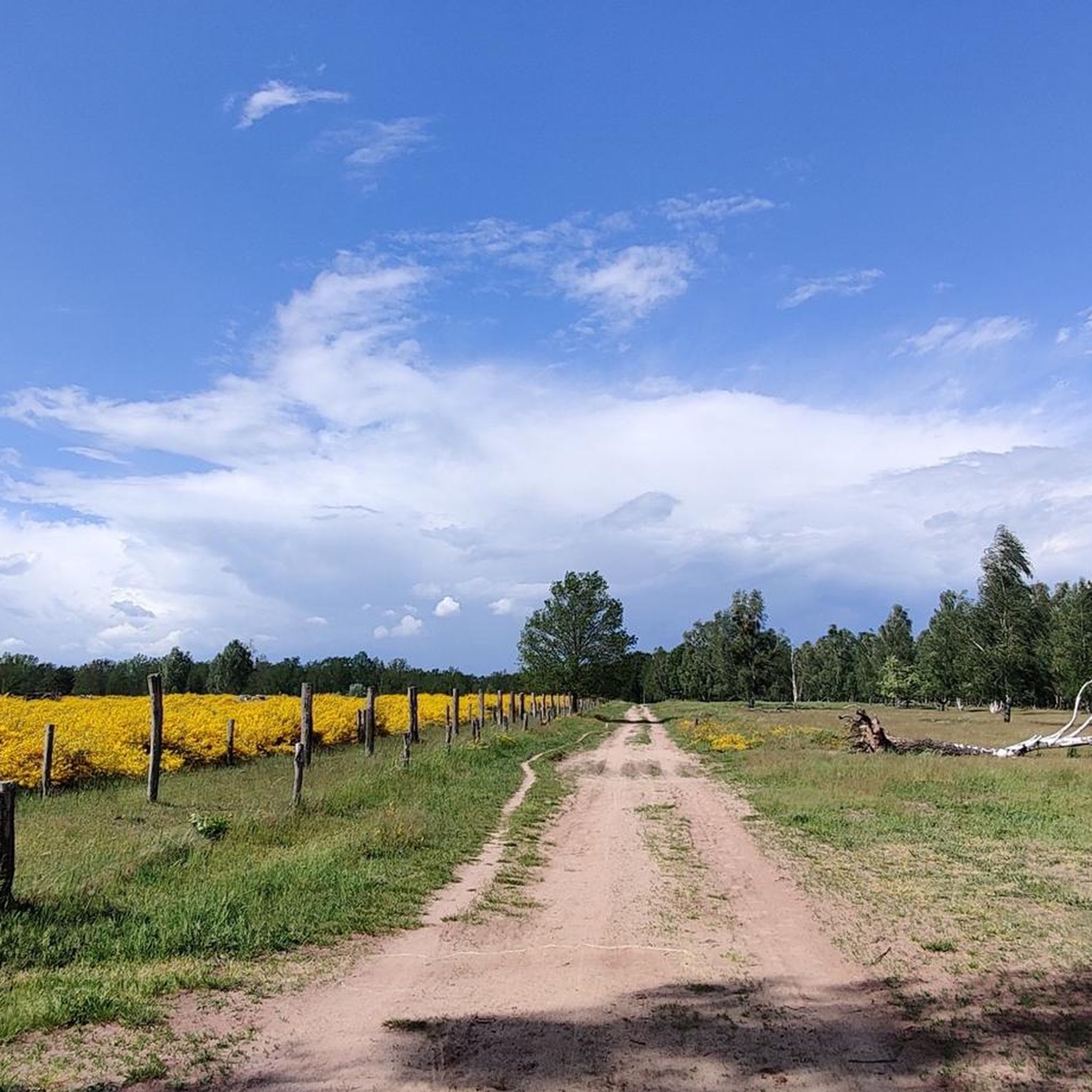
Other adventures around Döberitzer Heide

Tips from the Community

Seeing the bison was a great stroke of luck for us.
0
0

If you're lucky, bison are impressive, but very rarely seen.
0
0

The obelisk looks a bit neglected. You can't really tell for what purpose it was set up. Nevertheless: you sit here with a beautiful view over the heath.
0
0
A former military site has been fenced off, is no longer accessible and is now an area for wildlife. Very nice complex near the big city. Excellent
0
0

Another tip for everyone arriving from the south-west of Berlin: take the ferry from Wannsee-Kladow station, then race to the southern entrance to the area (bike-friendly route possible), round trip, return the same way. But: as already mentioned, only from spring '23.
1
0
Great landscape. Always worth a trip, just not now: practically all paths are closed until December 2022 due to renovation work. Pay attention to the website and don't drive on unmarked paths: there are still lots of live ammunition and chemical warfare agents lying around.
1
0

The 11.7 m high obelisk was erected by Wilhelm II in 1903 as a souvenir and in honor of King Friedrich II. In 1753, Friedrich II carried out major maneuvers with around 44,000 soldiers near Spandau. The maneuvering area extended between the Havel near Spandau and Döberitz. The Döberitz military training area was established in 1895. The memorial was erected on the site to commemorate Frederick the Great and the autumn maneuvers 150 years ago.
4
0
Frequently Asked Questions
What unique wildlife can I observe in the Döberitzer Heide?
The Döberitzer Heide is renowned for its wilderness core zone, where large herbivores like wisents (European bison), Przewalski's horses, and red deer roam freely. You can often observe these animals from designated observation points, such as near the European bison in the Döberitzer Heide wilderness core zone or where Przewalski horses and bison are found. The area also hosts a rich diversity of other species, including numerous bird, insect, and plant species.
What kind of natural landscapes can I expect to see in Döberitzer Heide?
The Döberitzer Heide offers a diverse mosaic of habitats. You'll find extensive sandy open landscapes, heaths, dry grasslands, wetlands, moors, and light pine and mixed deciduous forests. This variety creates a unique environment, with areas like the Birch grove in Döberitzer Heide providing distinct scenic beauty.
Are there specific viewpoints or observation points for wildlife in Döberitzer Heide?
Yes, within the Naturerlebnis-Ringzone (Nature Experience Ring Zone) surrounding the wilderness core, there are observation towers and designated points where visitors can view the large herbivores without disturbing them. These spots offer excellent opportunities to see wisents, Przewalski's horses, and red deer.
What makes the Döberitzer Heide a special natural monument?
The Döberitzer Heide is special because it successfully transformed from a former military training ground into a vibrant nature reserve. Its long history of military use paradoxically preserved its diverse habitats, preventing agricultural development. Today, it's a unique example of rewilding, where large herbivores act as 'natural landscape designers,' maintaining the open heathland character and supporting exceptional biodiversity close to urban centers.
What do visitors particularly enjoy about the natural monuments in Döberitzer Heide?
Visitors frequently praise the opportunity to experience true wilderness so close to Berlin. They enjoy observing the large herbivores like bison and wild horses, the diverse and often yellow-blooming gorse landscapes, and the peaceful atmosphere. Many appreciate the well-maintained hiking trails and the chance to discover rare animal and plant species.
Are there hiking trails suitable for exploring the natural monuments?
Absolutely. The Döberitzer Heide features a well-developed network of hiking trails, known as the Naturerlebnis-Ringzone, spanning approximately 55 km. These trails allow you to explore the diverse landscapes and observe wildlife. For specific routes, you can find options like the 'View of the Döberitz Obelisk – Döberitzer Heide loop from Dallgow-Döberitz' or the 'Bunker in Döberitzer Heide – Döberitzer Heide loop from Dallgow-Döberitz' in the Hiking around Döberitzer Heide guide.
What other outdoor activities are available near the natural monuments in Döberitzer Heide?
Beyond hiking, the area around Döberitzer Heide offers excellent opportunities for cycling and road cycling. You can explore various routes, such as those found in the Cycling around Döberitzer Heide guide or the Road Cycling Routes around Döberitzer Heide guide. These guides provide details on routes ranging from easy to moderate difficulty, suitable for different preferences.
Are there family-friendly options for exploring the natural monuments?
Yes, the Döberitzer Heide is considered family-friendly. The observation points for European bison and Przewalski's horses are popular with families. Many trails within the Naturerlebnis-Ringzone are suitable for walks with children, offering easy access to nature and wildlife viewing opportunities. The European bison in the Döberitzer Heide wilderness core zone is specifically noted as family-friendly.
Does the Döberitzer Heide have any historical significance?
Indeed. The Döberitzer Heide has a rich historical past, primarily as a military training ground used by various forces from the 18th century until 1991. This history is crucial to its current ecological state, as military use prevented agricultural development, preserving its unique landscapes. Remnants of its military past, such as bunkers, can still be observed in certain areas, like the Artillery Park Zick-Zack, Döberitzer Heide.
When is the best time of year to visit the natural monuments in Döberitzer Heide?
The Döberitzer Heide offers beauty throughout the year. Spring brings fresh greenery and new life, while summer is ideal for long walks. Autumn showcases vibrant colors in the forests. However, many visitors find the gorse bloom particularly spectacular, when the landscape turns yellow. This can vary but often occurs in late spring to early summer, creating a stunning visual experience.
How can I get to the Döberitzer Heide natural monuments?
The Döberitzer Heide is located west of Berlin and near Potsdam. It is accessible by car, with parking available at various entry points to the Naturerlebnis-Ringzone. Public transport options also exist, with buses stopping at locations like Havelpark, from where you can easily access the nature reserve. For detailed information on public transport, it's advisable to check local transport schedules.
Are there accessible paths for visitors with limited mobility?
While the core wilderness zone has natural terrain, the Naturerlebnis-Ringzone offers a network of well-maintained paths. Some sections are likely to be more accessible than others. For specific information on accessible routes, it's recommended to consult the Heinz Sielmann Foundation's resources or local visitor centers, as they manage the area and can provide details on path conditions.
What should I bring for hiking in the Döberitzer Heide?
When hiking in the Döberitzer Heide, it's advisable to wear sturdy footwear suitable for varied terrain, as paths can range from sandy to forested. Bring water, snacks, and appropriate clothing for the weather conditions. Binoculars are highly recommended for wildlife observation, especially for viewing the large herbivores from a distance. Staying on marked paths is crucial for safety.
Most popular routes around Döberitzer Heide
Most popular attractions around Döberitzer Heide

Get inspired with the komoot mobile app


Explore more
Extend your search for the best caves by checking out these guides of the top ones around Döberitzer Heide:
