Top 5 Natural Monuments around Otternhagener Moor
Natural monuments around Otternhagener Moor encompass a significant raised bog in the Hanover region of Lower Saxony, designated as a nature reserve and a vital component of the "Helstorfer, Otternhagener and Schwarzes Moor" FFH area. This 974-hectare moor functions as an impressive natural monument, showcasing a unique and protected ecosystem. The area features diverse moorland vegetation, bog woodland, and regenerating former peat cutting sites. It provides insight into high moor ecosystems, their role in climate protection, and ongoing conservation efforts.
…Last updated: July 10, 2026
Moor Experience Trail Otternhagener Moor
Highlight • Trail
Translated by Google •
Tip by

Trail around Otternhagener Moor Nature Reserve
Highlight (Segment) • Trail
Translated by Google •
Tip by

Sign up now to discover places like this
Get recommendations on the best single tracks, peaks, & plenty of other exciting outdoor places.
Sign up for free
Hand-Cut Peat Extraction Explained
Highlight • Natural Monument
Translated by Google •
Tip by

Moor Discovery Trail and the Forgotten Autobahn 24 (Otternhagener Moor)
Highlight (Segment) • Trail
Translated by Google •
Tip by
Start today with a free account
Your next adventure awaits.
Login or Signup
Tips from the Community

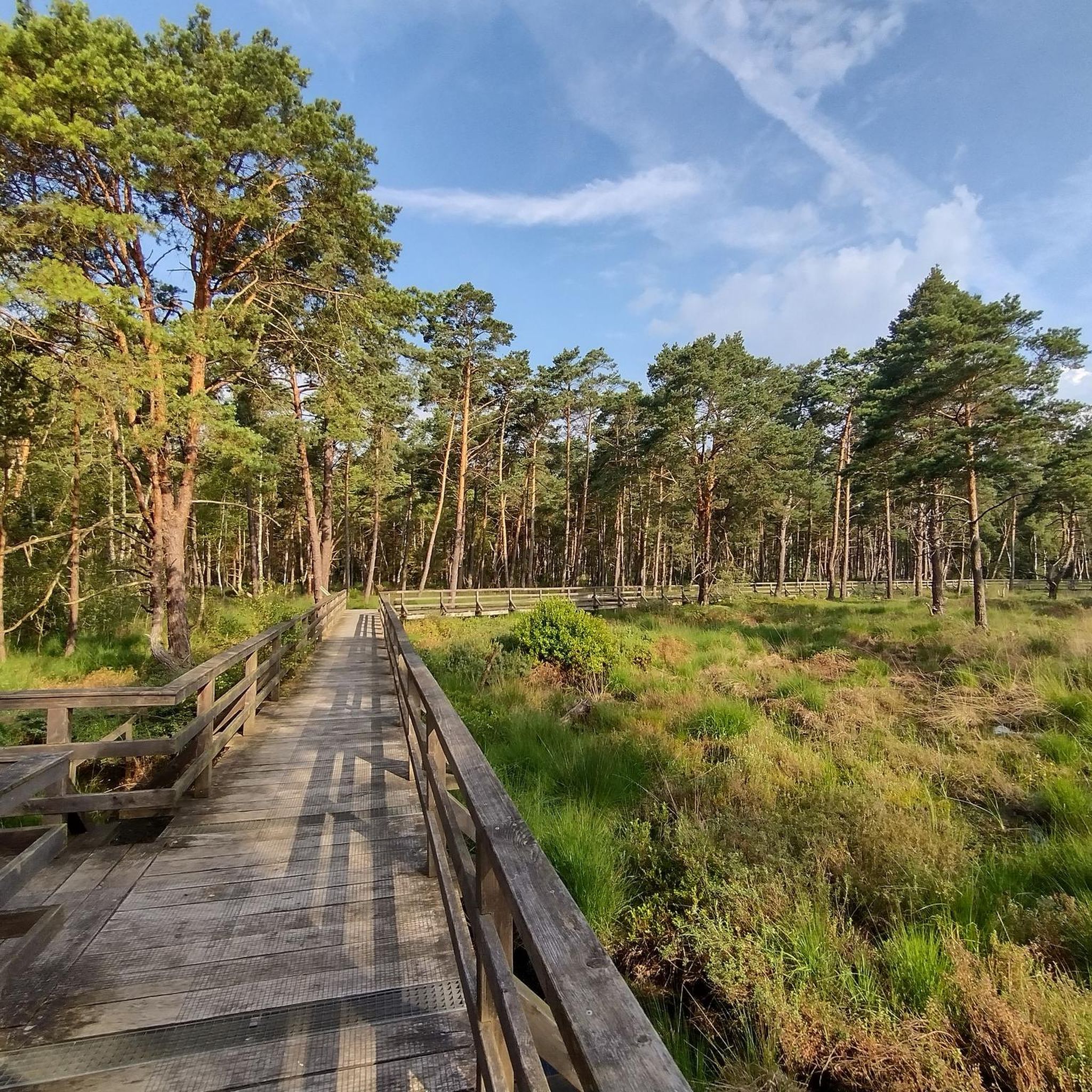
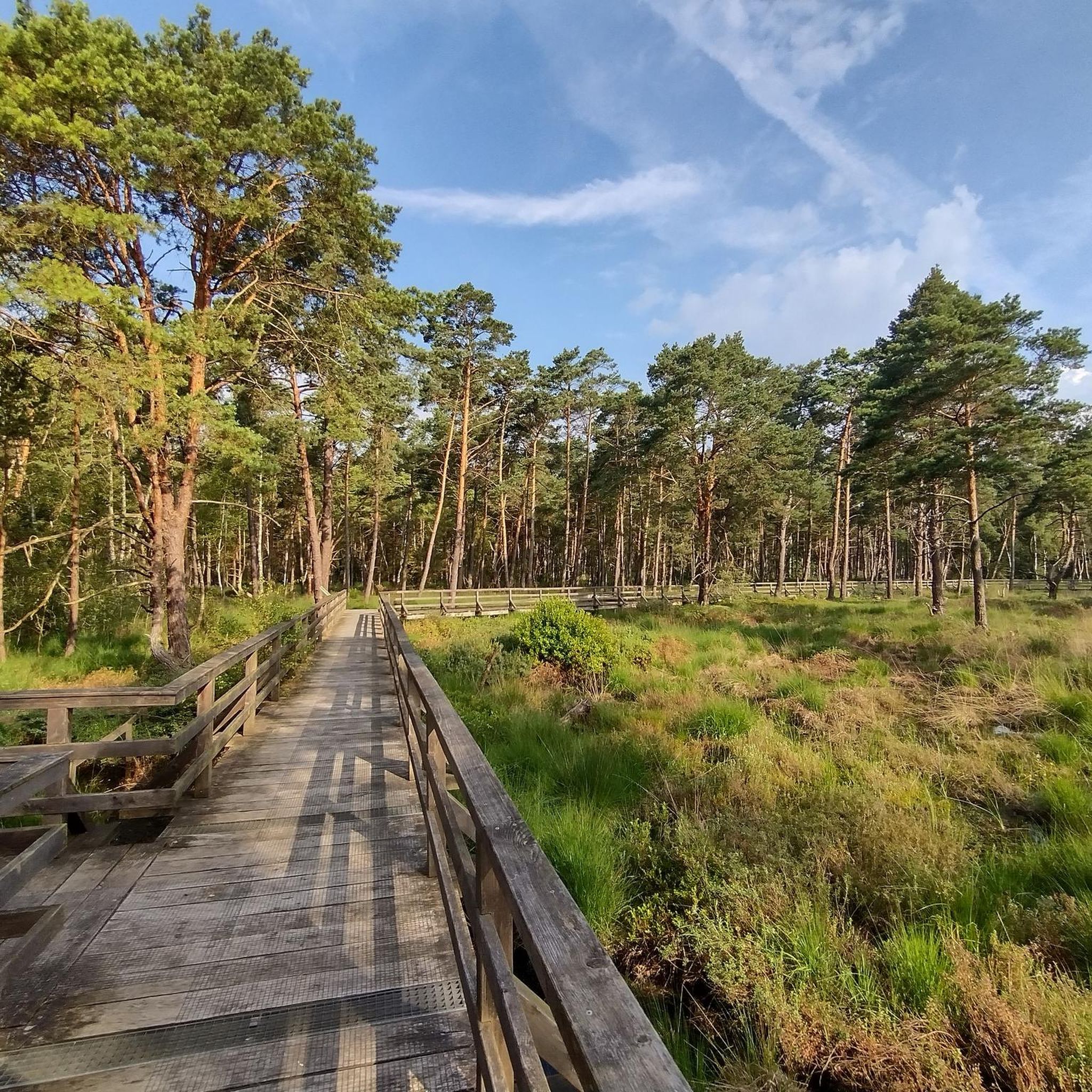
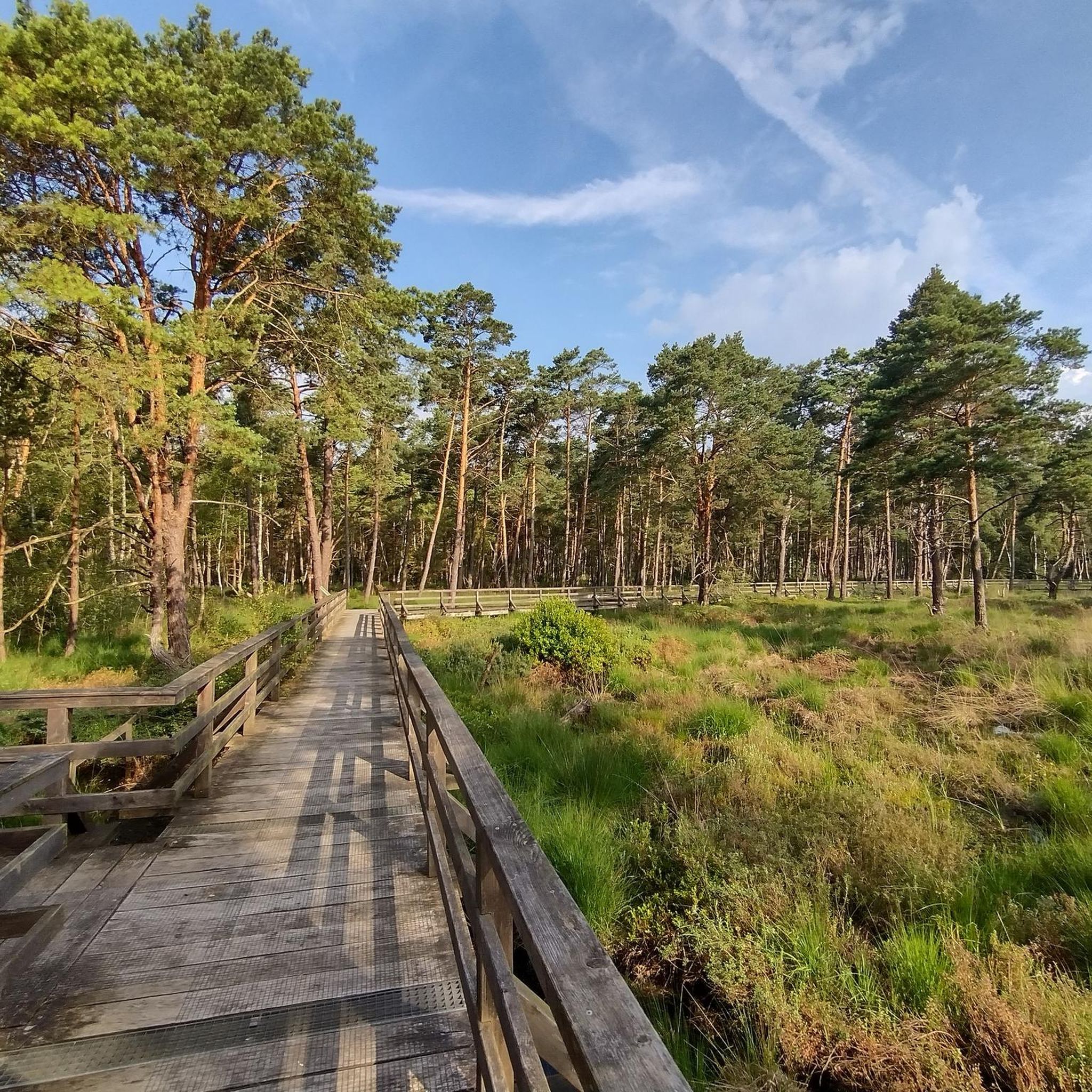
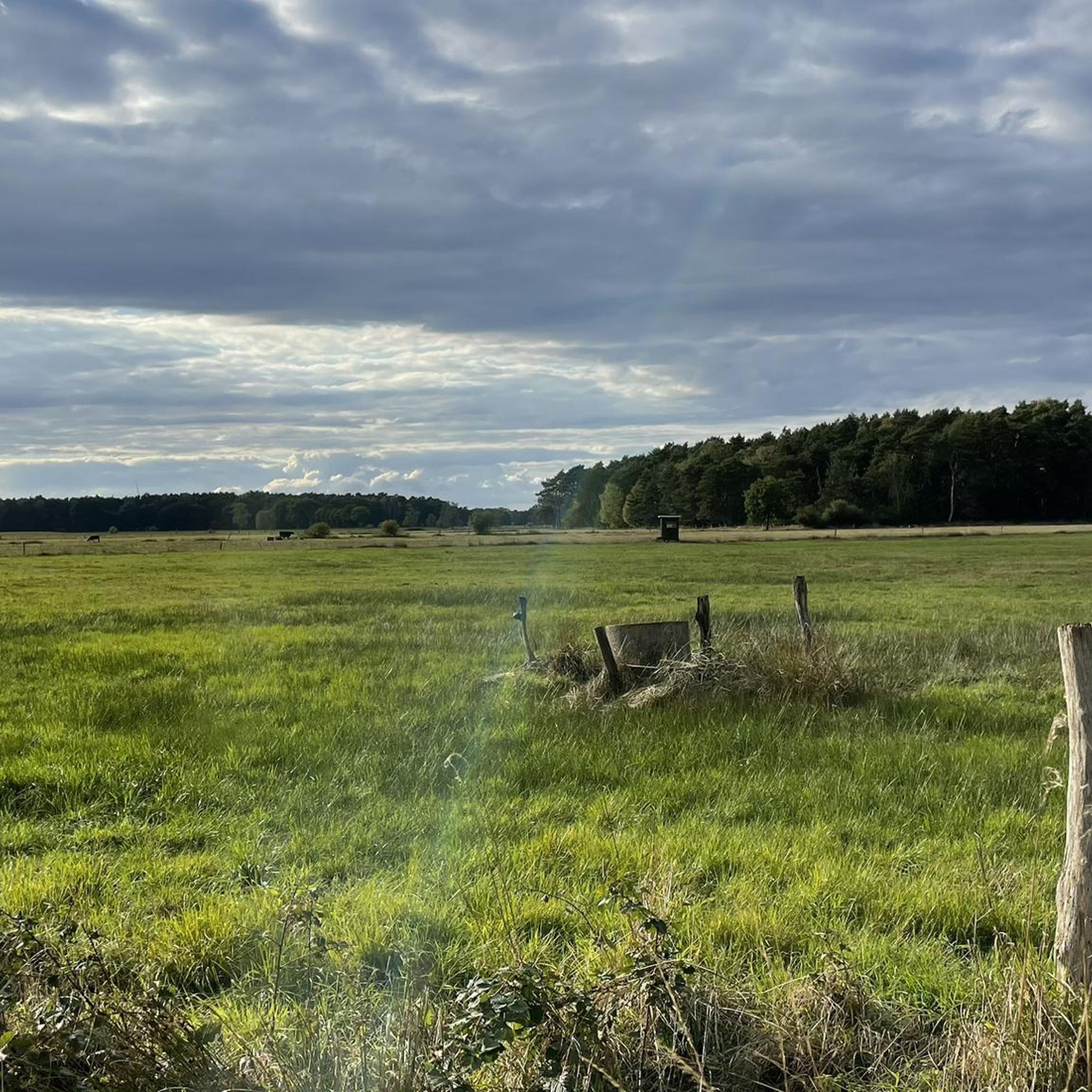
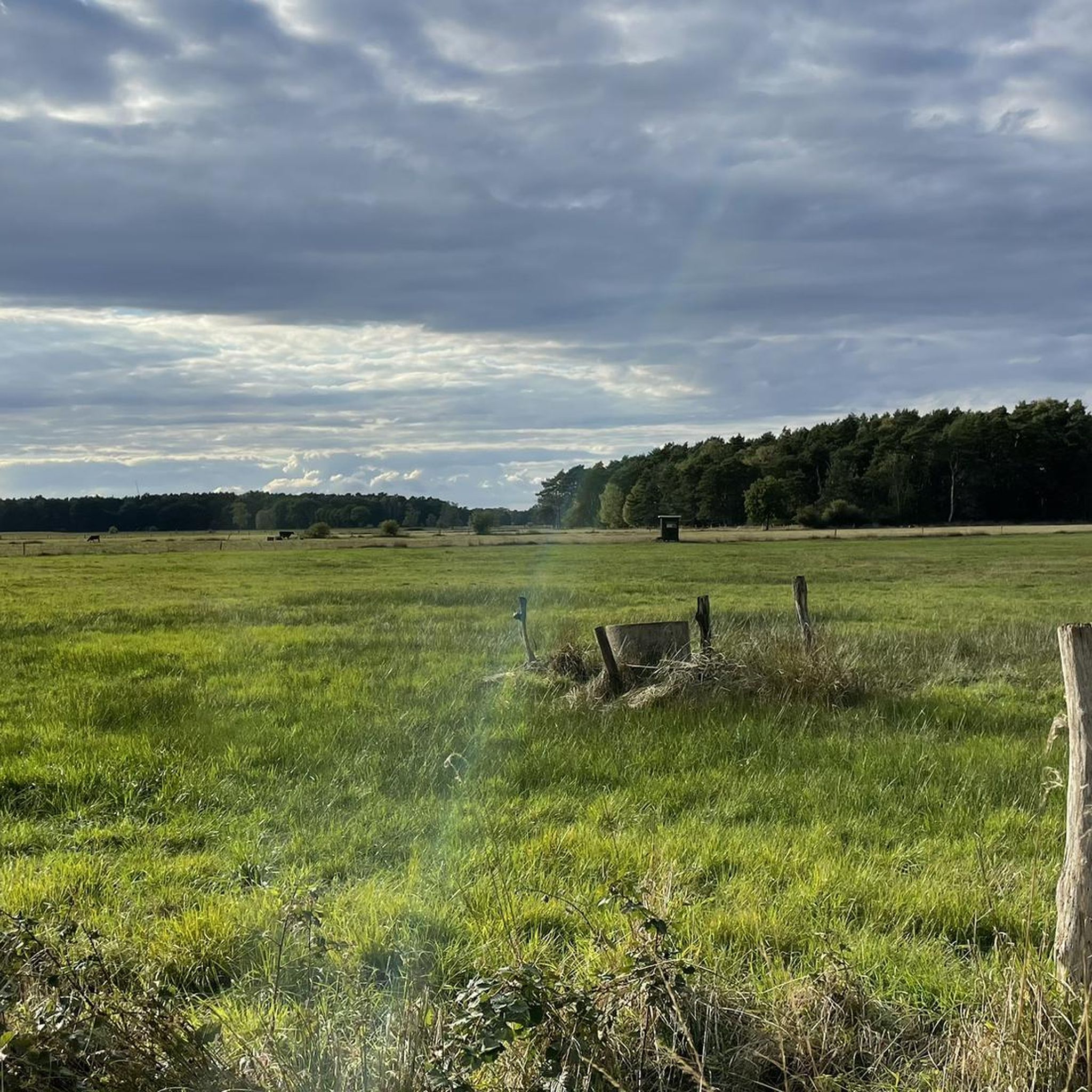
If you like moors, you've come to the right place... open moor areas with typical moor vegetation such as moor heather, cotton grass and peat mosses and, time and again, the black-brown moor water.
0
0

Moor adventure trail, one of many information stations. An experience for young and old, suitable for prams.
1
0

Here you can take great photos and read about animals and characteristics of the bog
0
0

Love that place. Great place to experience nature and just to walk for loads of kilometers
0
0

Well laid out, informative and with illustrative material. My recommendation especially with children.
0
0

Really great activity for children and adults too. It's best to come early in the morning or in the evening, then it's not that busy. Otherwise it is already quite full.
3
0

Beautiful trail through secluded nature
0
0
If you want to go around the Otternhagener Moor, you cannot avoid this beautiful route.
2
0
Frequently Asked Questions
What are the main natural features to explore in Otternhagener Moor?
Otternhagener Moor is a significant raised bog, characterized by diverse moorland vegetation such as heather, cotton grass, and various peat mosses. You can also observe bog woodland, carr vegetation, and extensive quaking peat moss mats. The area features regenerating former peat cutting sites, offering insight into its ecological restoration.
Are there educational trails to learn about the moorland ecosystem?
Yes, the Moor Experience Trail Otternhagener Moor is an excellent option. This trail features up to 11 stations that vividly explain the moor habitat, its ecology, history, and importance. It includes varied pathways, wooden boardwalks, and interactive elements, such as a bog body with dragonflies.
Can I learn about the history of peat extraction in the area?
Absolutely. The Hand-Cut Peat Extraction Explained site provides an information station where visitors can understand the history of peat extraction and observe areas that are now regenerating. This offers a unique perspective on the moor's past and ongoing conservation efforts.
What kind of wildlife can I expect to see in Otternhagener Moor?
The moor is a habitat for numerous specialized species. You might observe rare birds like cranes, black storks, hobbies, and woodcocks. It also supports several bat, reptile, amphibian, dragonfly, and butterfly species. The Dragonfly Water Body along the experience trail is a good spot for insect observation.
Are there family-friendly options for visiting the natural monuments?
Yes, several trails are suitable for families. The Hand-Cut Peat Extraction Explained information station is described as an experience for young and old, suitable for prams. Additionally, the Moor Discovery Trail and the Forgotten Autobahn 24 (Otternhagener Moor) is noted as being well laid out, informative, and especially recommended for children.
What is the best time of year to visit Otternhagener Moor?
The moor offers different experiences throughout the year. Spring and summer are ideal for observing diverse vegetation and wildlife, especially dragonflies. Autumn provides beautiful colors and a unique atmosphere. Visiting during drier periods might be more comfortable for exploring the trails, especially if you plan to experience the peat-treading area.
Are there accessible paths for visitors with limited mobility or prams?
Yes, the Hand-Cut Peat Extraction Explained information station is wheelchair accessible and suitable for prams. The Moor Experience Trail Otternhagener Moor also incorporates varied pathways, including wooden boardwalks, which can improve accessibility in certain sections.
What outdoor activities can I do near Otternhagener Moor?
Beyond exploring the natural monuments, the area offers various outdoor activities. You can find numerous routes for hiking, running, and gravel biking. For example, there are several hiking trails around Otternhagener Moor, running trails, and gravel biking routes to explore the wider region.
Are there specific hiking trails that showcase the typical moor vegetation?
Yes, the Trail around Otternhagener Moor Nature Reserve is an excellent choice. This route takes you through open moor areas, allowing you to see typical moor vegetation such as moor heather, cotton grass, and peat mosses, alongside the characteristic black-brown moor water.
Where can I find parking for visiting Otternhagener Moor?
While specific parking locations are not detailed, access to the Moor Experience Trail is available from various points, such as Resse, suggesting designated parking areas are available near trailheads. It's advisable to check local signage upon arrival.
What is the significance of Otternhagener Moor in terms of conservation?
Otternhagener Moor is a designated nature reserve and a vital component of the 'Helstorfer, Otternhagener and Schwarzes Moor' Fauna-Flora-Habitat (FFH) area. It plays a crucial role in climate protection due to its high moor ecosystem and ongoing conservation efforts focus on the regeneration of former peat cutting sites.
Can I have a unique sensory experience at the moor?
Yes, for a truly unique sensory experience, visitors can access a designated area to walk knee-deep in the peat. This 'peat-treading area' offers direct contact with the moor's distinctive ground, allowing for an immersive understanding of the habitat.
Most popular routes around Otternhagener Moor
Most popular attractions around Otternhagener Moor

Get inspired with the komoot mobile app


Explore more
Extend your search for the best caves by checking out these guides of the top ones around Otternhagener Moor:
