Leineaue zwischen Ruthe und Koldingen
Leineaue zwischen Ruthe und Koldingen
Top 7 Natural Monuments around Leineaue zwischen Ruthe und Koldingen
Best natural monuments around Leineaue zwischen Ruthe und Koldingen are found within a 529-hectare nature reserve, a vital ecological area in the southern Hanover region. This landscape features diverse habitats, including the dynamic Leine River and former gravel extraction sites like the Koldinger Seen. The area is characterized by exceptional birdlife, with over 240 recorded bird species, and rich flora and insect life. Geological features shaped by past ice ages also contribute to the area's natural significance.
Best natural monuments…
Last updated: July 10, 2026
Koldinger Lakes Observation Tower
Highlight • Viewpoint
The lakes are former gravel pits that have been intensively restored. Today, …
Translated by Google •
Tip by

"Sackpiepe": Confluence of the Innerste and Leine rivers
Highlight • River
Translated by Google •
Tip by

Sign up now to discover places like this
Get recommendations on the best single tracks, peaks, & plenty of other exciting outdoor places.
Sign up for free
Translated by Google •
Tip by

Cormorant Island, Koldinger Lakes
Highlight (Segment) • Lake
Translated by Google •
Tip by

Stork nest in Ruthe
Highlight • Natural Monument
Translated by Google •
Tip by

Sign up for free to discover even more natural monuments around Leineaue zwischen Ruthe und Koldingen.
Sign up for free
Already have an account?
Start today with a free account
Your next adventure awaits.
Login or Signup
Popular around Leineaue zwischen Ruthe und Koldingen
Hiking around Leineaue zwischen Ruthe und Koldingen
Cycling around Leineaue zwischen Ruthe und Koldingen
Running Trails around Leineaue zwischen Ruthe und Koldingen
Road Cycling Routes around Leineaue zwischen Ruthe und Koldingen

Gravel biking around Leineaue zwischen Ruthe und Koldingen
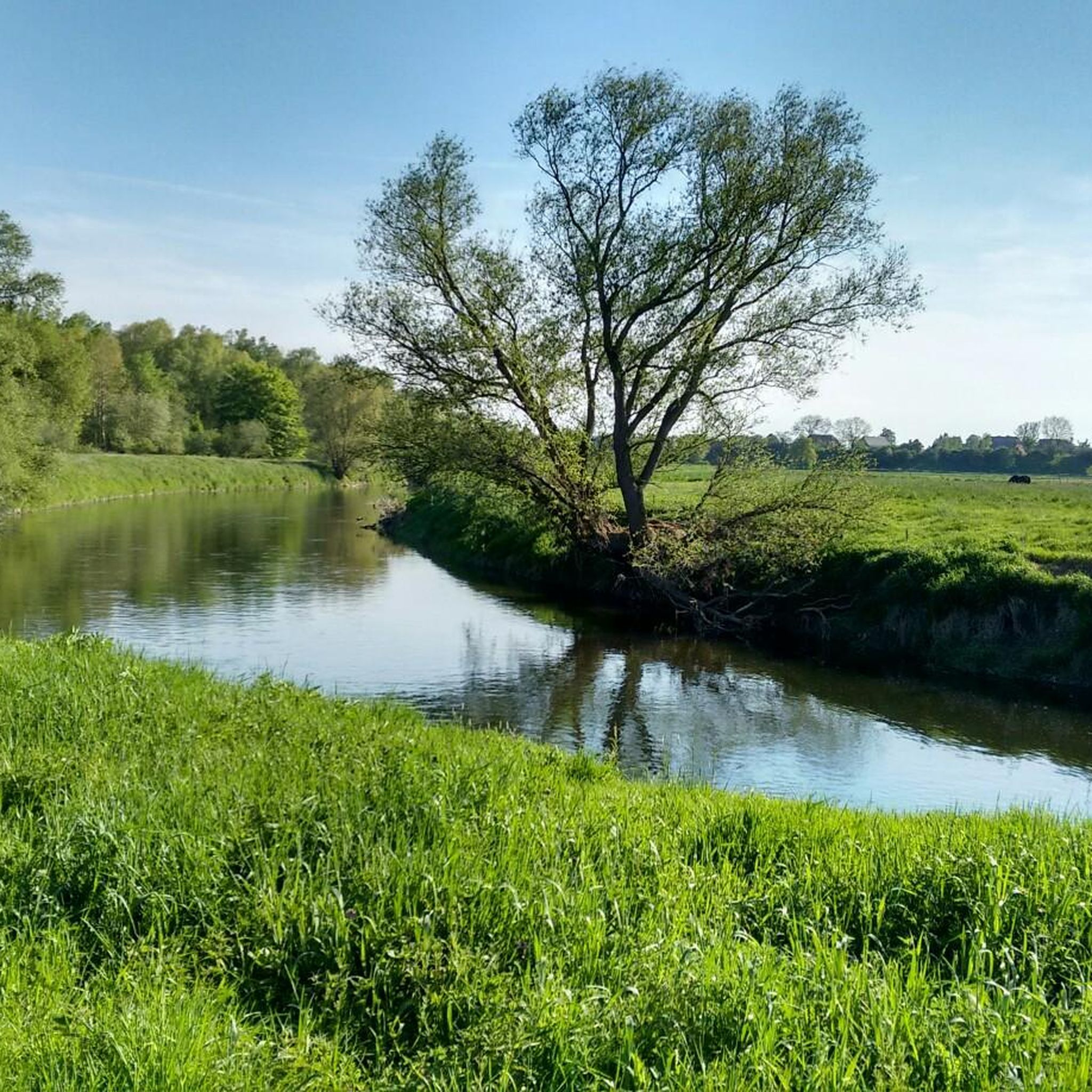
MTB Trails around Leineaue zwischen Ruthe und Koldingen
Tips from the Community

It's always nice to cycle along here.
1
0

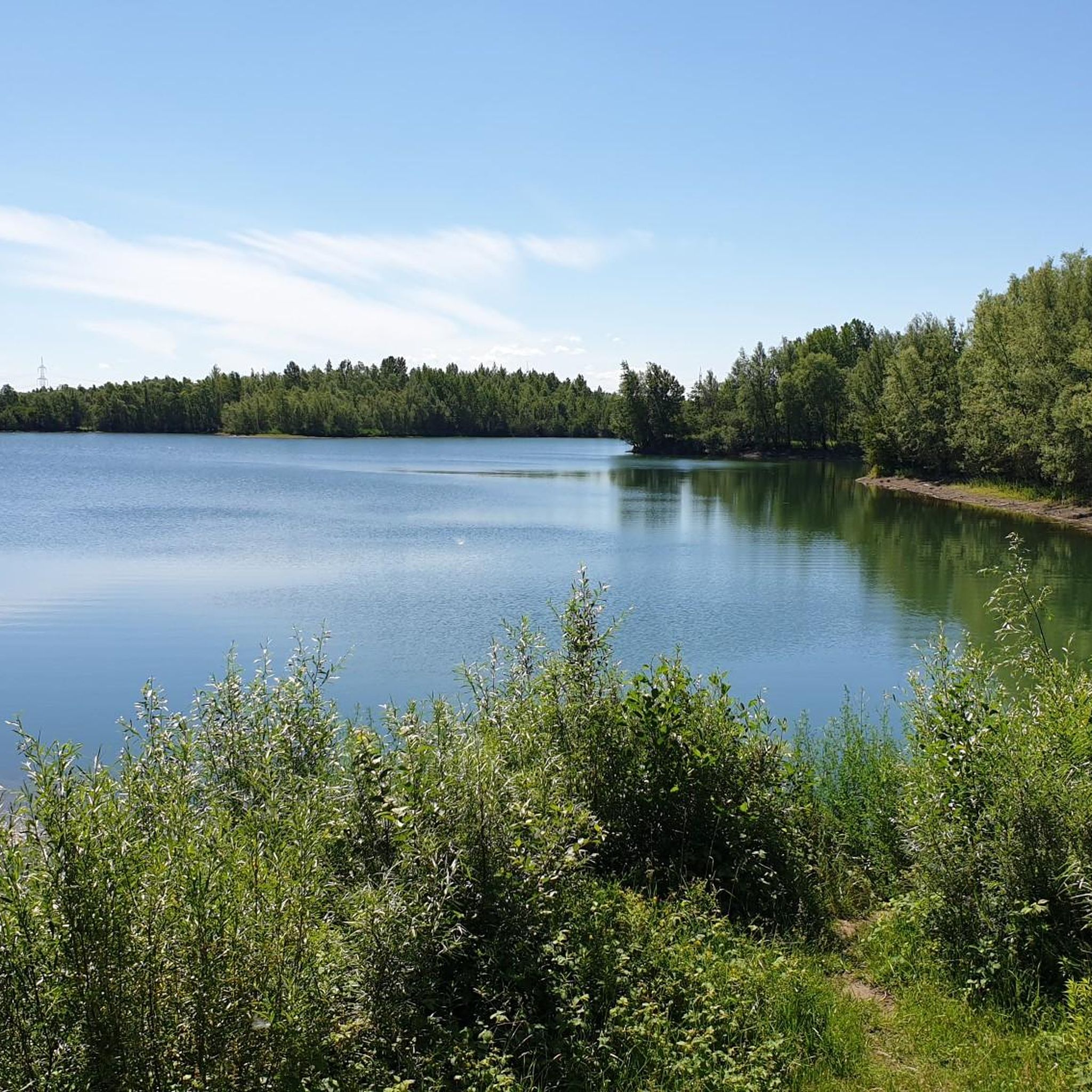
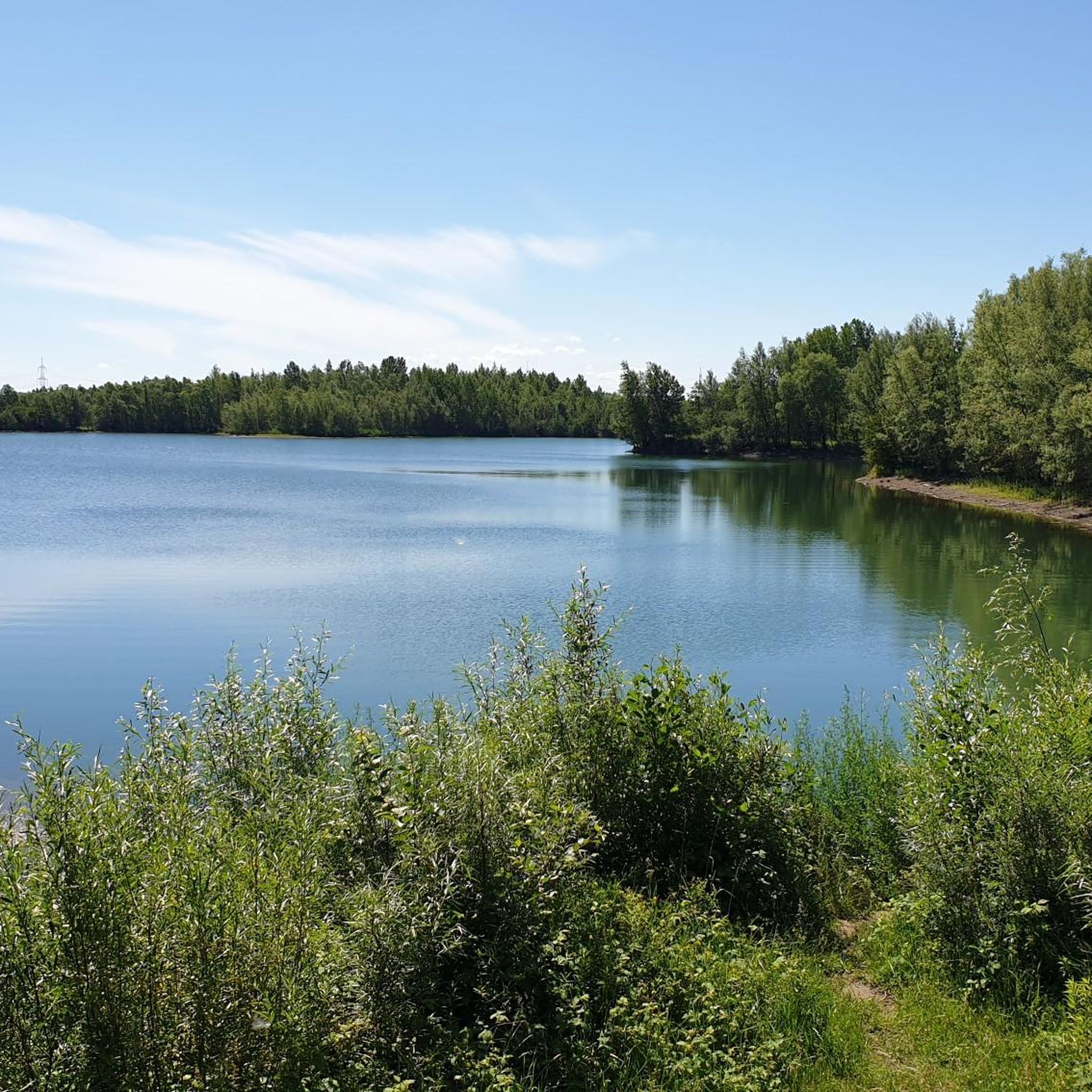
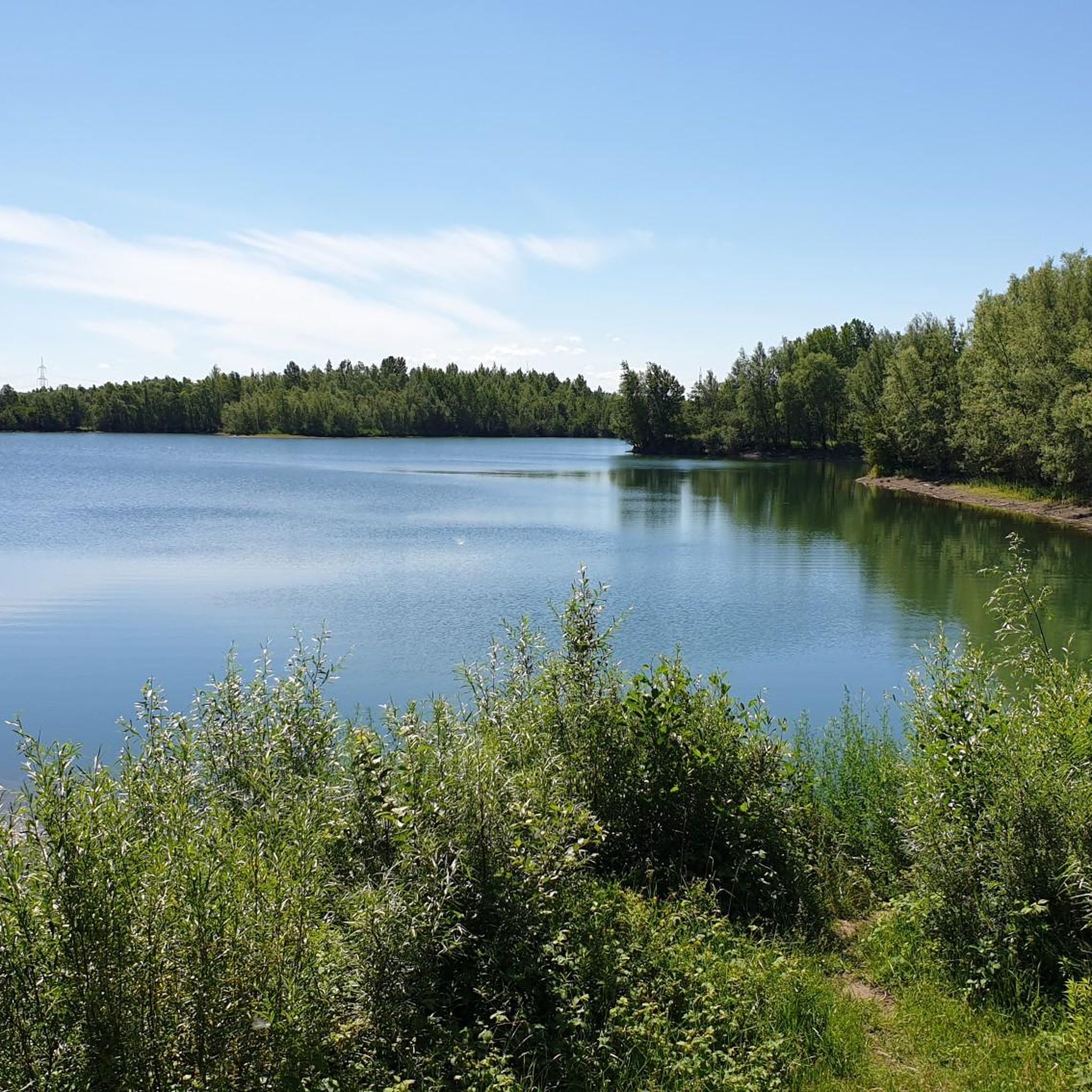
There are many birds to watch in the middle of the lake. The Koldinger lake landscape is the most important bird resting area in the Hannover region. It's not just cormorants that live here. There are over 240 different species of birds here. The nature reserve between Koldingen and Ruthe is therefore one of the most attractive places for bird watching.
1
0

This area was already flooded during high water. In recent drought years, however, areas of the riverbank were exposed, which are now flooded.
4
0

Here you should take some time to relax and have a nice break
3
0

Nature reserves around Hanover and the paths are excellent
3
0

From here you have a beautiful view of the water 💦, and you can listen to nature at the same time.☺️
6
0

The bench is right on the bike path for this section of the route. From there you have a beautiful view of the lake. The right place for a quiet, relaxed rest.
8
0

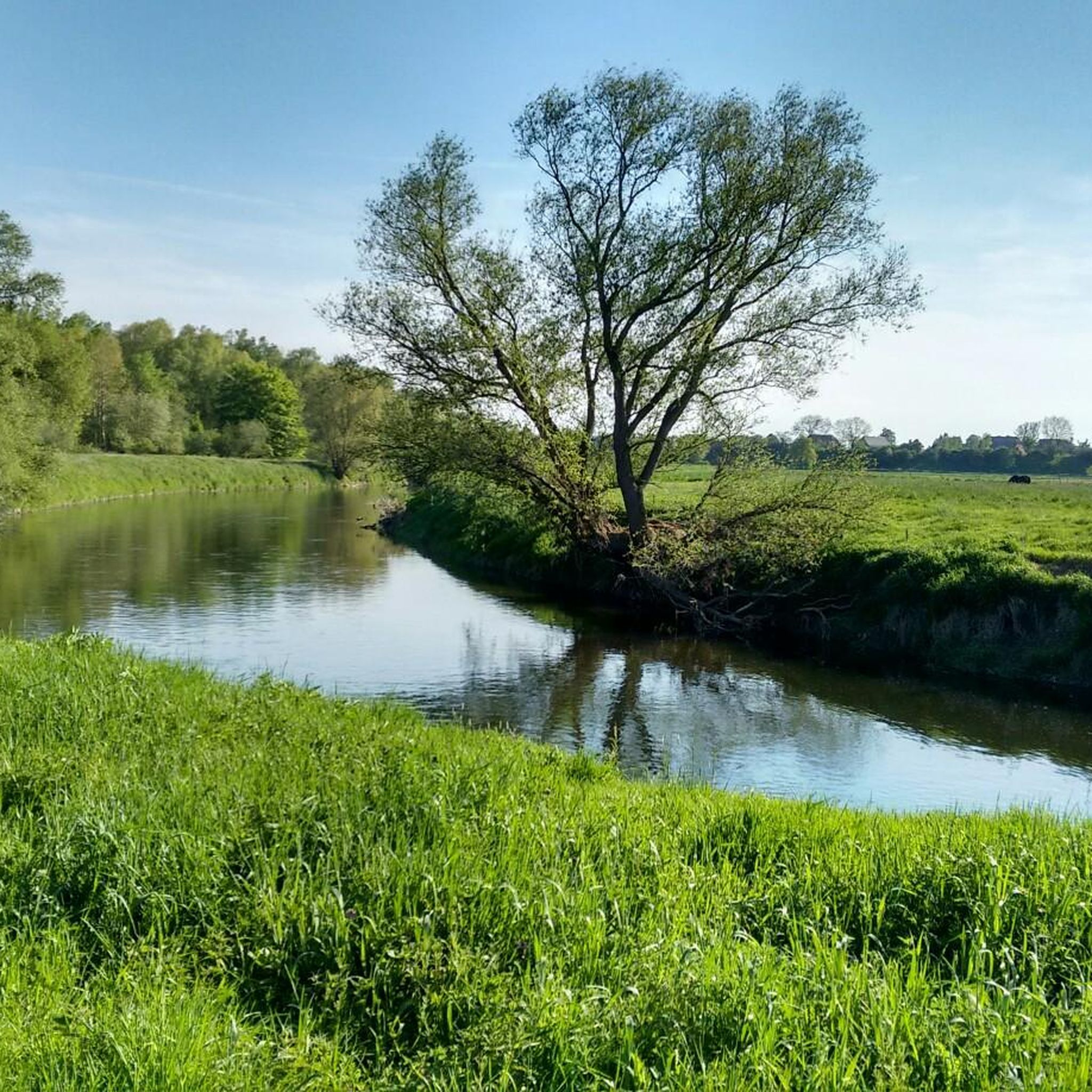
great view of the river, very nice nature experience.
4
0
Frequently Asked Questions
What makes the Leineaue zwischen Ruthe und Koldingen a significant natural area?
The Leineaue zwischen Ruthe und Koldingen is a 529-hectare nature reserve, vital for its diverse habitats. It features extensive former gravel extraction sites, particularly the Koldinger Seen, which have transformed into incredibly valuable ecosystems. The area is renowned for its exceptional birdlife, supporting over 240 bird species, and the dynamic Leine River, whose natural processes create varied habitats for flora and fauna.
Where can I find the best views of the Koldinger Lakes and observe birds?
For excellent views of the Koldinger Seenlandschaft and its winged inhabitants, visit the Koldinger Lakes Observation Tower. This wooden tower provides a prime vantage point, especially since the lakes serve as a significant resting place for migratory birds. Another great spot is View of the ponds with bench (Leineaue between Ruthe and Koldingen), offering a beautiful view of the water and a quiet place to observe nature.
Are there family-friendly natural monuments or activities in the Leineaue zwischen Ruthe und Koldingen?
Yes, many areas within the Leineaue zwischen Ruthe und Koldingen are family-friendly. Highlights like the Koldinger Lakes Observation Tower, View of the ponds with bench (Leineaue between Ruthe and Koldingen), and the Koldinger Lakes Nature Reserve are all suitable for families. These spots offer opportunities for nature observation, gentle walks, and enjoying the serene landscape.
What kind of wildlife can I expect to see in the Leineaue zwischen Ruthe und Koldingen?
The Leineaue is a paradise for wildlife enthusiasts, especially birdwatchers. Over 240 bird species have been recorded, including many water and wading birds. You might spot species like the European Honey Buzzard, Northern Lapwing, Common Kingfisher, and Red-backed Shrike. The area is also home to diverse plant species, endangered ground beetles, and dragonflies like the Common Hawker and Broad-bodied Chaser. Cormorant Island, Koldinger Lakes is particularly known for its abundant birdlife.
What outdoor activities can I do near the natural monuments in Leineaue zwischen Ruthe und Koldingen?
The region offers various outdoor activities. You can explore numerous hiking trails, such as the 'Great Koldinger Lake – Koldingen Lakes loop' which is an easy 4.4 km hike. For cyclists, there are gravel biking routes like the 'Great Koldinger Lake – Koldinger Lakes loop' (17.6 km, easy). Running enthusiasts can enjoy trails like the 'Christmas tree – Koldingen Lakes loop' (5.1 km, moderate). Find more details on these activities in the dedicated guides for hiking, gravel biking, and running around Leineaue zwischen Ruthe und Koldingen.
Are there places to rest and relax within the nature reserve?
Yes, several spots offer opportunities for rest and relaxation. The View of the ponds with bench (Leineaue between Ruthe and Koldingen) provides a quiet bench right on the bike path. Additionally, at the "Sackpiepe": Confluence of the Innerste and Leine rivers, you'll find a hut and benches, perfect for enjoying the natural surroundings.
What is the best time of year to visit Leineaue zwischen Ruthe und Koldingen for nature observation?
The Leineaue is particularly rewarding for nature observation during spring and autumn. These seasons are crucial for migratory birds, making it an important resting and overwintering ground. The Leine River often remains ice-free in winter, providing a refuge for waterfowl. However, the diverse flora and insect life also make it an interesting destination throughout the warmer months.
What is the geological history of the Leineaue landscape?
The landscape of the Leineaue was significantly shaped by the ice ages, with the current riverbed of the Leine forming approximately 180,000 years ago after the Saale ice age. A noticeable terrace edge, a remnant of this geological history, can still be observed at the edge of Koldingen. This ancient Leine terrace, known as 'Droth,' also features old-growth forest stands, adding to the area's habitat diversity.
Can I bring my dog to the natural monuments in Leineaue zwischen Ruthe und Koldingen?
While the guide data doesn't explicitly state dog-friendly policies for each highlight, nature reserves generally require dogs to be kept on a leash to protect wildlife. Given the exceptional birdlife and sensitive ecosystems, it's advisable to keep dogs leashed and stick to designated paths to minimize disturbance to the natural environment.
What are the Koldinger Seen and how were they formed?
The Koldinger Seen (Kolding Lakes) are a defining characteristic of the Leineaue. They are extensive former gravel extraction sites where mining ceased in late 2002. This industrial activity transformed agricultural land into a complex mosaic of water bodies, sand, gravel, and ruderal areas. These 'second-hand habitats' have since developed into incredibly valuable ecosystems, rich in diverse flora and fauna, and are a major draw for birdwatchers.
Are there any specific natural features related to the Leine River within the reserve?
Yes, the Leine River meanders through the reserve, and in several sections, its natural dynamics have been restored. Fluctuating water levels, spring floods, varying current speeds, and the creation of erosion and accretion banks contribute to diverse habitats. These dynamic conditions are crucial for fish, insects, and birds, with species like Kingfishers and Sand Martins utilizing newly formed steep banks for nesting.
Most popular routes around Leineaue zwischen Ruthe und Koldingen
Most popular attractions around Leineaue zwischen Ruthe und Koldingen

Get inspired with the komoot mobile app


Explore more
Extend your search for the best caves by checking out these guides of the top ones around Leineaue zwischen Ruthe und Koldingen:
