Schwartautal und Curauer Moor
Schwartautal und Curauer Moor
Top 6 Natural Monuments around Schwartautal und Curauer Moor
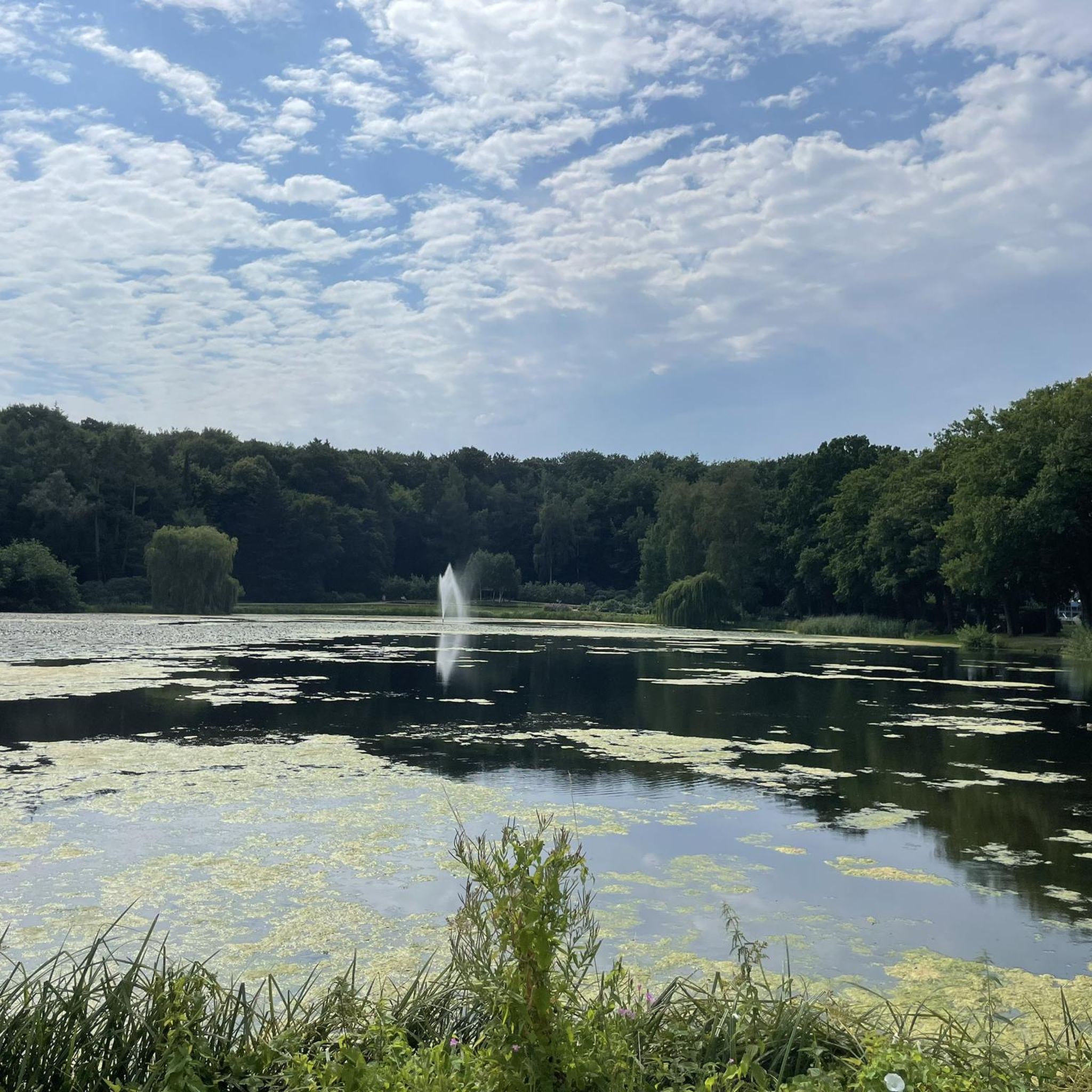
Best natural monuments around Schwartautal und Curauer Moor are situated within a significant natural area, designated as an FFH area and nature reserve. This region encompasses the Schwartau valley and the Curauer Moor, characterized by diverse landscapes including wet grasslands, beech forests, and deeply incised stream gorges. The area is notable for its rich biodiversity, supporting rare species and featuring unique habitats like calcareous springs and terminal moraines. Visitors can experience untouched nature, observe wildlife, and explore numerous trails suitable for hiking.
Best natural monuments around Schwartautal und Curauer Moor
- The most popular natural monuments is Schwartau Valley and Curau Moor Natural Forest, a forest that features many old trees, some of which have fallen over or collapsed, contributing to its original appearance. This area is home to many birds, including nuthatches and woodpeckers.
- Another must-see spot is Wilhelmsquelle, a natural monument. This source is mentioned in Thomas Mann's novel "The Buddenbrooks" and provides a pleasant spot for a break.
- Visitors also love Curauer Moor Nature Reserve, an other natural area. This deeply incised moor is part of the European protected area network "Natura 2000" due to its wealth of sources and structurally rich bog habitats.
- Schwartautal und Curauer Moor is known for its diverse natural monuments, including extensive river valleys, unique moors, and ancient forest complexes. The region offers a variety of natural monuments to see and explore, from calcareous springs to areas where water buffalo graze.
- The natural monuments around Schwartautal und Curauer Moor are appreciated by the komoot community, with more than 230 upvotes and 70 photos shared by visitors.
Last updated: September 3, 2026
Schwartautal and Curauer Moor Boardwalk
Highlight • Natural
Translated by Google •
Tip by

Medieval Slavic Castle Site in Riesebusch
Highlight • Historical Site
Translated by Google •
Tip by

Sign up now to discover places like this
Get recommendations on the best single tracks, peaks, & plenty of other exciting outdoor places.
Sign up for free
Wilhelmsquelle
Highlight • Natural Monument
Translated by Google •
Tip by

Curauer Moor Nature Reserve
Highlight • Natural
Basin between the localities of Böbs, Curau, Sarkwitz and Malkendorf
draws. Due to the particular wealth of sources that one has
400 meter long spring ridges have built up, flowing waters as well
structurally rich bog habitats, the lowland is part of the European
Protected area network "Natura 2000". The aim of this network is ecologically
Particularly valuable areas are the preservation of biological diversity and the
natural habitats and wild fauna and flora.
wildes-sh.de/fileadmin/PDFs/Gebiet_des_Monats/UEbersicht_Curauer_Moor.pdf
Translated by Google •
Tip by

Flow Trail Schwartautal and Curauer Moor
Highlight (Segment) • MTB Park
Translated by Google •
Tip by

Sign up for free to discover even more natural monuments around Schwartautal und Curauer Moor.
Sign up for free
Already have an account?
Start today with a free account
Your next adventure awaits.
Login or Signup
Popular around Schwartautal und Curauer Moor

Tips from the Community

Apart from the raised embankment, unfortunately not much else can be seen. A shelter offers protection and a place to rest.
1
0

a bit tight by bike
0
0

The Wilhelmsquelle is actually rather insignificant, but it is mentioned as a location in Thomas Mann's novel Buddenbrooks. This gives it a certain fame. According to the information board, the water should not be drunk, as it is only a seepage spring.
3
0

Several springs rise from the Riesebusch ridge - including the "Wilhelmsquelle" (named after Wilhelm Jensen - a friend of Emanuel Geibel), which Thomas Mann mentions in the novel Buddenbrooks. The Riesebusch and the Wilhelmsquelle were immortalized in literature by Thomas Mann in the novel Buddenbrooks (6th section) or in Ludwig Ewers' Die Väterstadt. On the excursion described there, they hike through the Riesebusch to the Wilhelmsquelle. https://de.wikipedia.org/wiki/Riesebusch
5
0

The different types of moorland, with their extreme living conditions, place high demands on the adaptability of their inhabitants. Over the past millennia, a unique biocenosis has therefore developed in and on the moorlands.
0
0
The castle complex is located on the Langen Hörn. The hill is surrounded on three sides by the Schwartau, so the castle never had any great fortifications. Not much is known, but it was probably owned by the bishop, who administered the diocese from Old Lübeck. The castle complex is several hundred meters long and can be walked along its entire length. The ramparts that separated the castle sections from each other are still clearly visible.
1
0

The Schwartau runs through the spa park and further...there are beautiful paths there.
6
0

But you also buck back if you start on the extension in the north and take the momentum with you. At the exit of the small depression you can treat yourself to a little airtime.
1
0
Frequently Asked Questions
What unique natural features can I expect to see in Schwartautal und Curauer Moor?
The region is characterized by diverse landscapes, including extensive wet grasslands along the Schwartau river, ancient beech forest complexes on steep slopes, and deeply incised stream gorges. You can also find unique habitats like calcareous springs and the transitional Curauer Moor Nature Reserve, which is part of the European protected area network "Natura 2000".
Are there any historical sites among the natural monuments?
Yes, the region offers a blend of natural beauty and historical interest. For example, the Wilhelmsquelle is a natural spring mentioned in Thomas Mann's novel "The Buddenbrooks." Additionally, you can explore the Medieval Slavic Castle Site in Riesebusch, where remnants of a high medieval castle's outer bailey, including a moat and rampart, are still visible.
Can I see wildlife in the Schwartautal und Curauer Moor region?
Absolutely. The Schwartautal und Curauer Moor is a habitat for various rare and protected species. You might spot the spined loach and otters in the rivers, and the common freshwater mussel. The area also supports species like the great crested newt and the moor frog. Keep an eye out for water buffalo, which graze in the area and help maintain the natural landscape, particularly near Water Buffaloes in Schwartautal and Curauer Moor.
Are there family-friendly natural monuments or activities?
Yes, several natural monuments are suitable for families. The Wilhelmsquelle offers a pleasant spot for a break, and the Medieval Slavic Castle Site in Riesebusch can be an engaging historical discovery for children. Observing the Water Buffaloes in Schwartautal and Curauer Moor is also a popular and impressive sight for all ages. Many trails are easy and accessible, perfect for family walks.
What kind of hiking trails are available near these natural monuments?
The region offers a variety of hiking trails, from easy paths suitable for all fitness levels to more moderate routes. You can find trails that meander through forests, across wet grasslands, and along the Schwartau river. For specific hiking routes, you can explore options like the "Wilhelmsquelle – Wilhelm-Jensen Trail loop from Bad Schwartau" or the "Curauer Stream and Moor – View of Curauer Moor loop from Curau." More details on hiking routes can be found in the Hiking around Schwartautal und Curauer Moor guide.
Are there easy walking trails suitable for beginners?
Yes, the Schwartautal und Curauer Moor area has numerous easy walking trails. For instance, the "View of Curauer Moor – Curau Church loop from Curau" and the "Wilhelmsquelle loop from Bad Schwartau" are both rated as easy. These paths provide a gentle way to experience the natural beauty of the region. You can find more easy routes in the Hiking around Schwartautal und Curauer Moor guide.
What is the best time of year to visit the natural monuments?
The Schwartautal und Curauer Moor is beautiful year-round, but spring and autumn are particularly recommended. Spring offers vibrant flora and active wildlife, while autumn showcases stunning foliage. During winter, some paths might be muddy, but the landscape retains its charm. For wildlife spotting, spring and early summer are ideal.
Are permits required to visit the nature reserve or FFH area?
No, permits are generally not required for hiking or visiting the designated FFH (Fauna-Flora-Habitat) area and nature reserve. However, visitors are expected to respect the natural environment, stay on marked paths, and follow general nature conservation rules to protect the sensitive ecosystems and wildlife.
What other outdoor activities can I do near these natural monuments?
Beyond hiking, the region is excellent for other outdoor pursuits. You can find various running trails, such as the "Riesebusch Forest loop from Bad Schwartau," which offers a moderate challenge. Cycling is also popular, with routes like the "Lübeck Salt Warehouses – View of Lübeck's Old Town loop from Bad Schwartau." Explore more options in the Running Trails around Schwartautal und Curauer Moor and Cycling around Schwartautal und Curauer Moor guides.
Where can I find viewpoints to appreciate the landscape?
There are several viewpoints offering scenic vistas of the region. The "Blick auf das Curauer Moor" provides a great perspective of the moorland. Additionally, areas within the Curauer Moor Nature Reserve and along the Schwartau river offer elevated spots or clearings for panoramic views of the diverse landscapes, including forests and wet grasslands.
What do visitors enjoy most about the natural monuments in Schwartautal und Curauer Moor?
Visitors frequently appreciate the untouched nature and the opportunity to observe diverse wildlife, including water buffalo. The Schwartau Valley and Curau Moor Natural Forest is praised for its original appearance with old trees and abundant birdlife. The historical connection of the Wilhelmsquelle to literature also adds a unique charm, making it a popular spot for a break.
Are there any specific natural monuments known for their ancient forests?
Yes, the Schwartau Valley and Curau Moor Natural Forest is particularly noted for its ancient trees. Many old trees, some of which have fallen or collapsed, contribute to its very original and wild appearance. This natural forest is a haven for birds like nuthatches and woodpeckers, thriving in the undisturbed environment.
Most popular routes around Schwartautal und Curauer Moor
Most popular attractions around Schwartautal und Curauer Moor

Get inspired with the komoot mobile app


Explore more
Extend your search for the best caves by checking out these guides of the top ones around Schwartautal und Curauer Moor:
