Top 20 Natural Monuments around the Vistula
Best natural monuments around the Vistula showcase Poland's diverse landscapes and rich biodiversity along its longest river. The Vistula River is flanked by protected areas and significant natural features, offering unique geological formations and ecological corridors. These areas provide habitats for various plant and animal species, including endangered birds. The region is characterized by varied terrain, including river valleys, escarpments, and diverse water bodies.
Best natural monuments around the Vistula
- The most popular natural monuments is Planty Park in Kraków…
Last updated: June 26, 2026
Zawadowskie Islands Nature Reserve
Highlight • Natural Monument
Translated by Google •
Tip by

Marconiego Fountain, Saxon Garden
Highlight • Monument
Translated by Google •
Tip by

Sign up now to discover places like this
Get recommendations on the best single tracks, peaks, & plenty of other exciting outdoor places.
Sign up for free
Planty Park in Kraków
Highlight • Forest
The Planty Park was …
Translated by Google •
Tip by

Krakus Mound
Highlight • Viewpoint
Translated by Google •
Tip by

Wyspy Świderskie Nature Reserve
Highlight • Natural Monument
Tip by

Wyspy Zawadowskie Nature Reserve
Highlight • Natural Monument
Translated by Google •
Tip by

Warsaw Uprising Mound Monument
Highlight • Monument
Translated by Google •
Tip by
Czerniakowskie Lake Nature Reserve
Highlight • Lake
The reserve was created in 1987 to protect a part of the Vistula …
Translated by Google •
Tip by

Norowy Dół Gorge
Highlight (Segment) • Gorge
Translated by Google •
Tip by

Mewia Łacha Nature Reserve
Highlight • Natural Monument
Translated by Google •
Tip by

Sign up for free to discover even more natural monuments around the Vistula.
Sign up for free
Already have an account?
Start today with a free account
Your next adventure awaits.
Login or Signup
Popular around Vistula
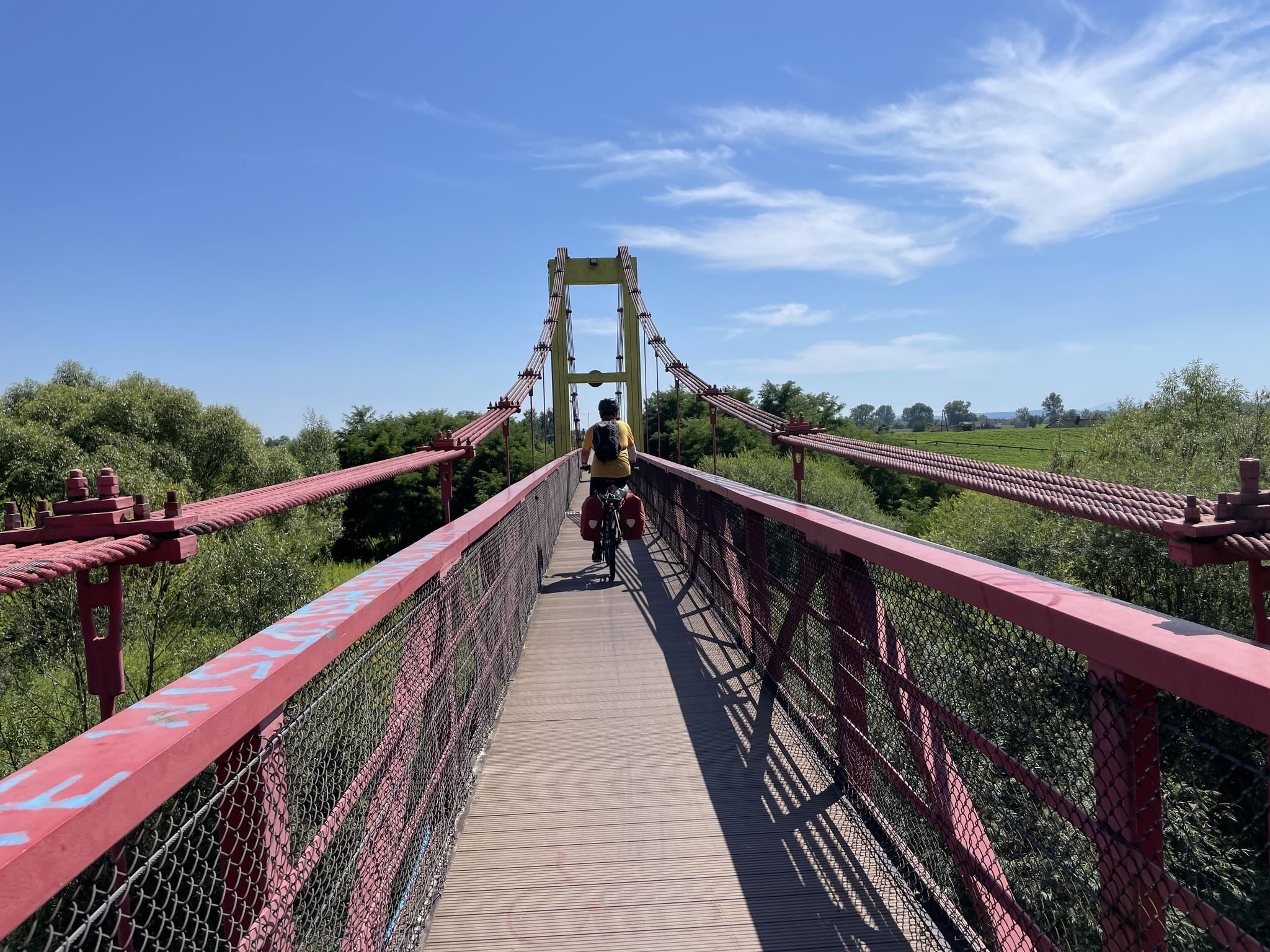
EuroVelo 4 (section in Poland) – Wonderful Vistula river vibes and historic Polish cities
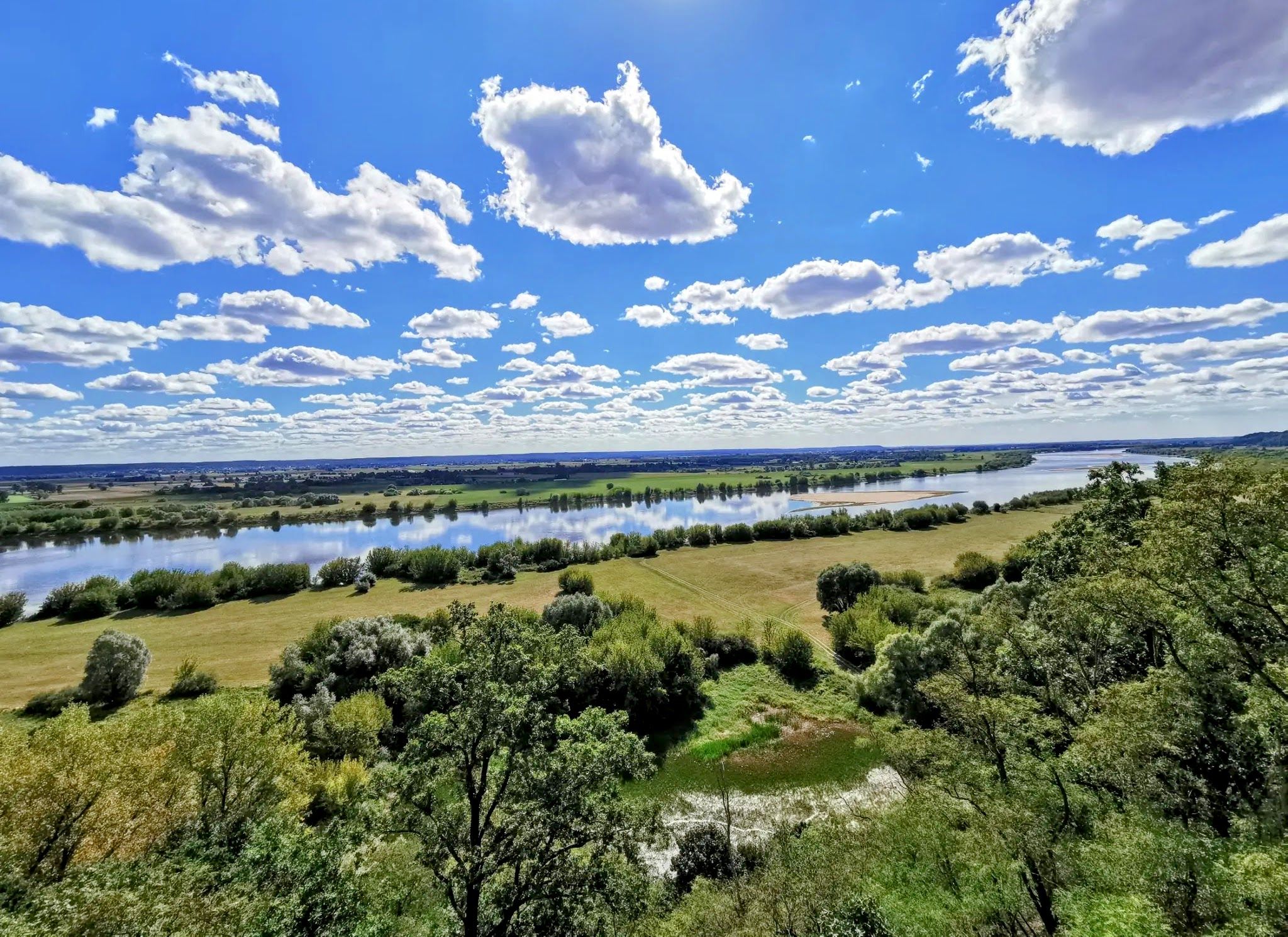
Vistula Cycle Route – The Queen of Polish Rivers in the Spotlight
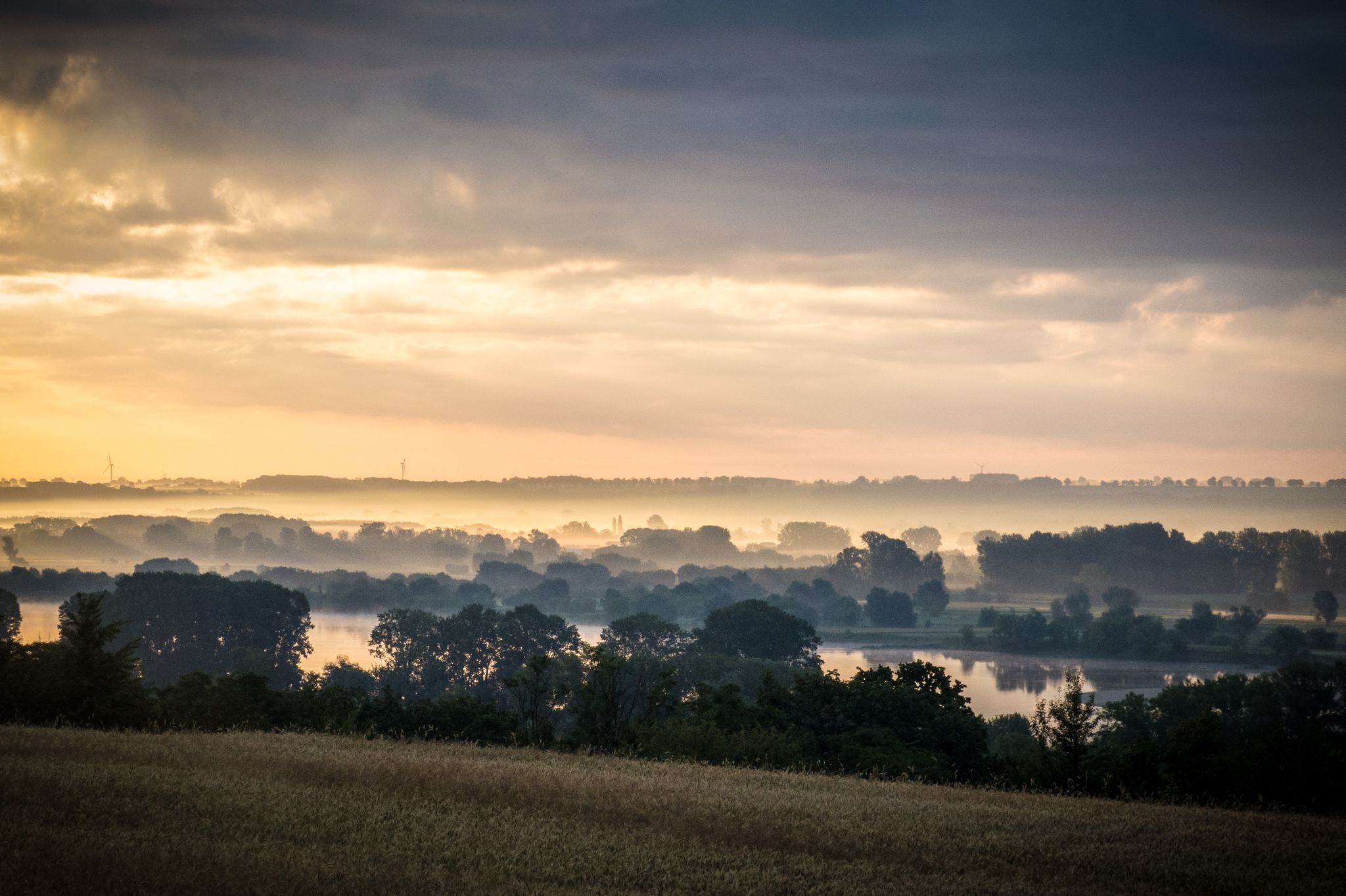
EuroVelo 9 – The Amber Route from the Baltic to Adriatic Sea
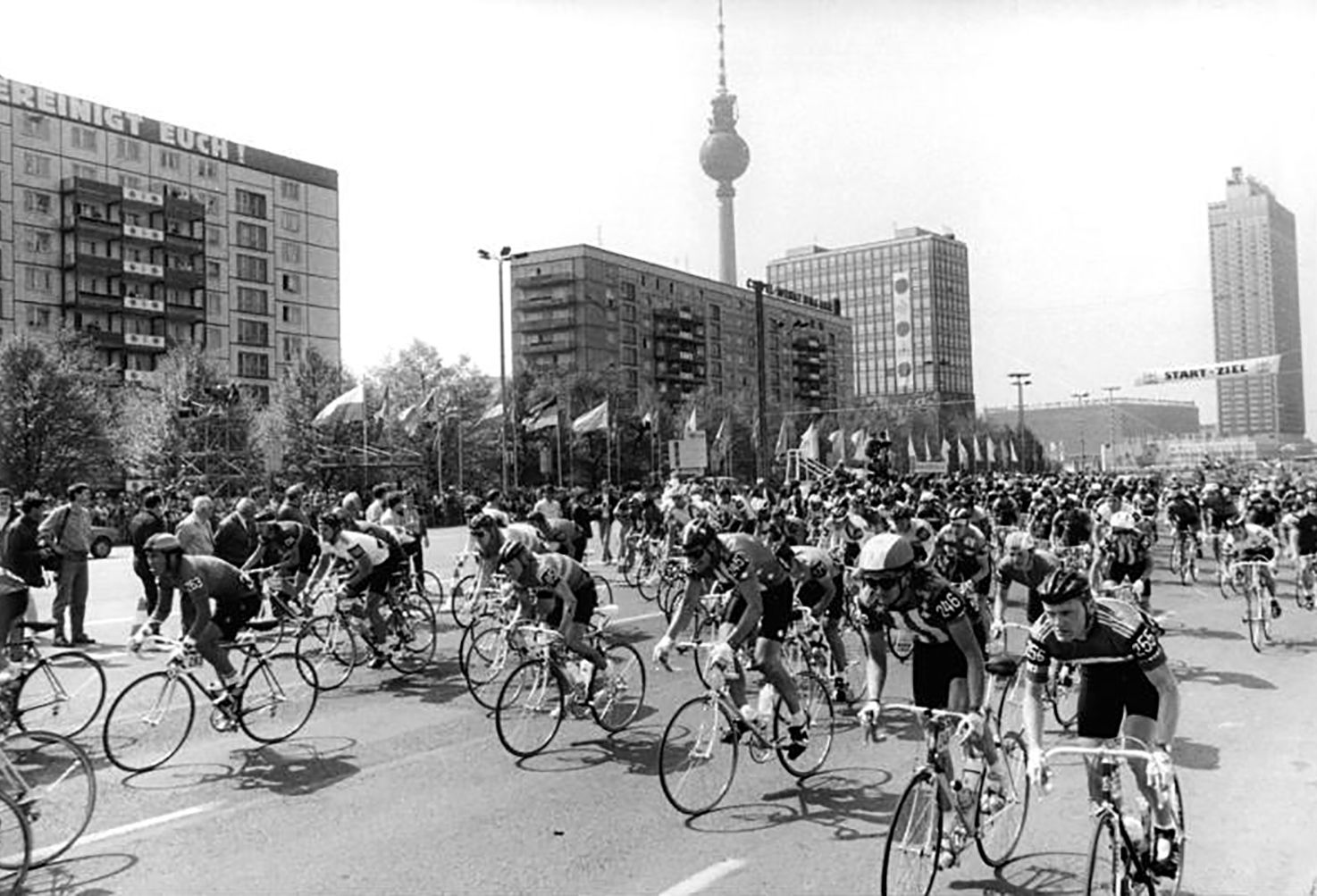
From Warsaw to Berlin — in the footsteps of the Peace Race part 1
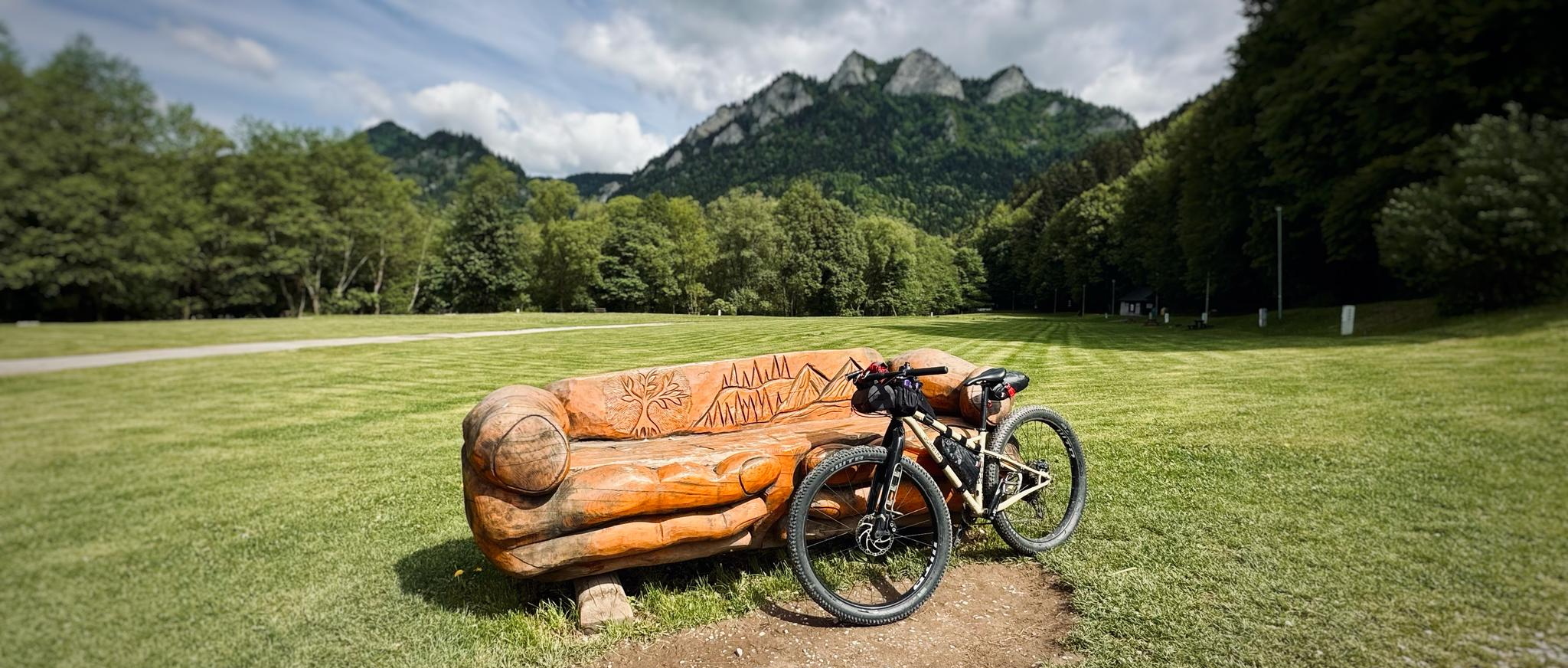
Between the Vistula & the High Tatras – bikepacking through Małopolska
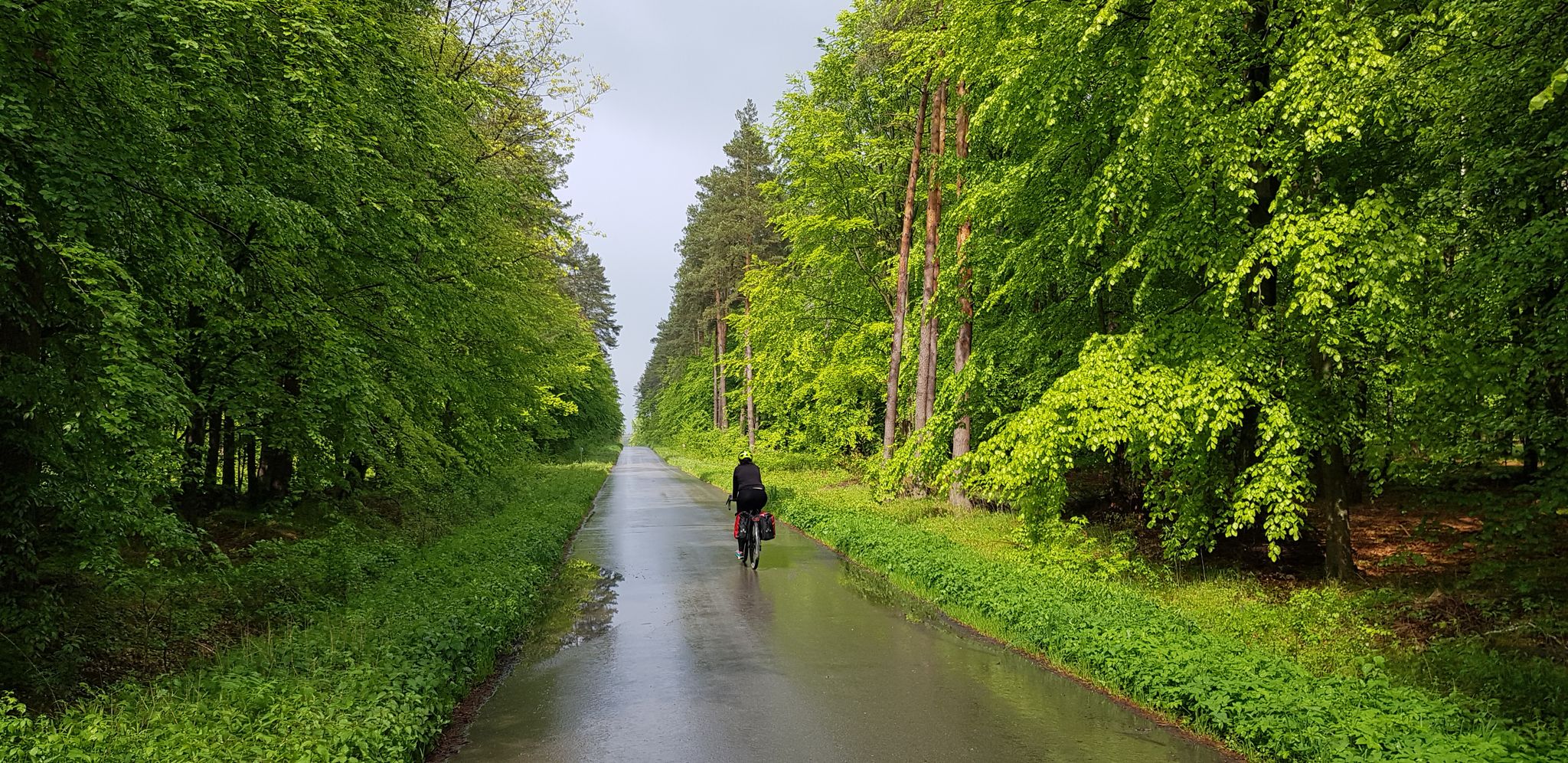
To the east, Eden – La Green Velo Szlak (part one)
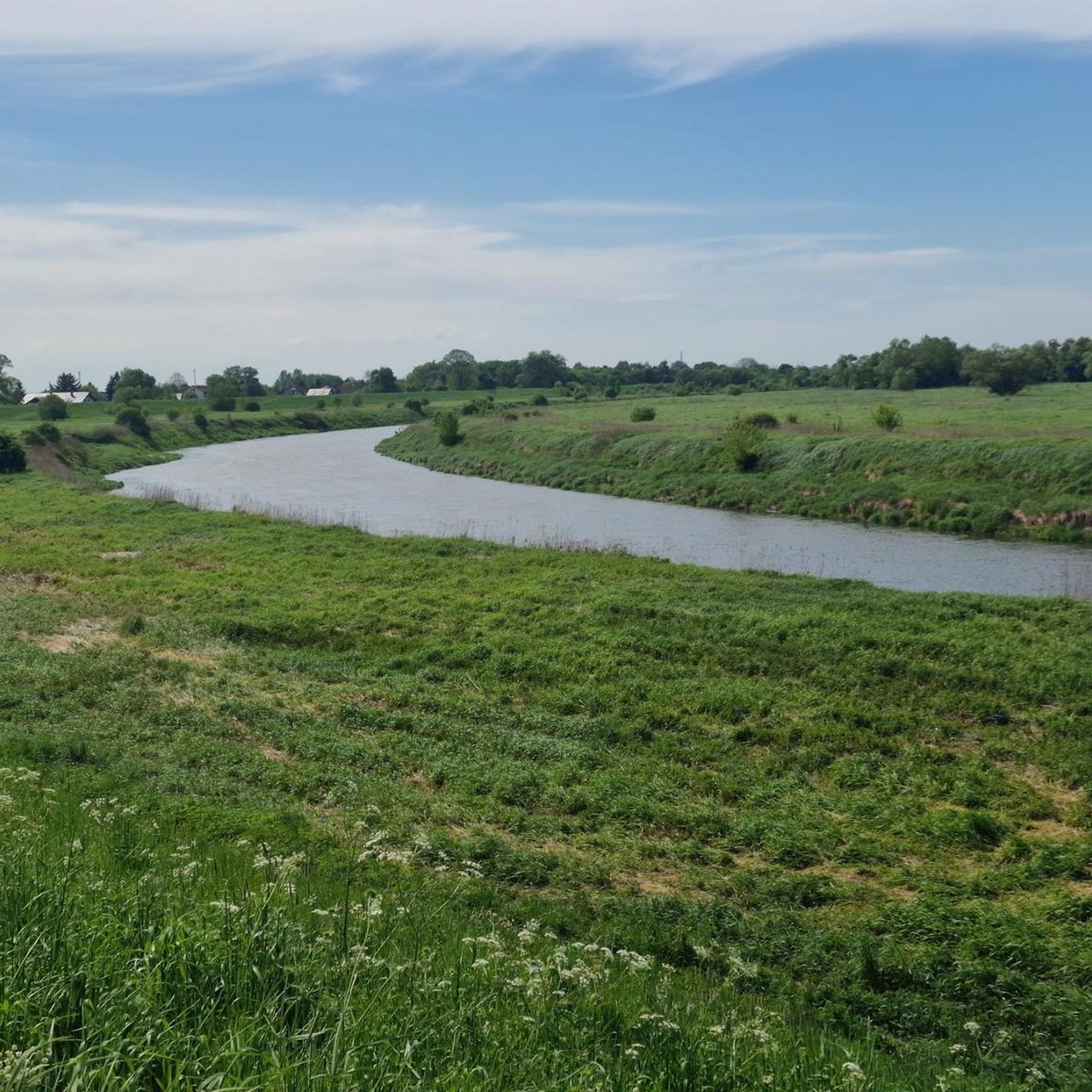
Hiking around the Vistula
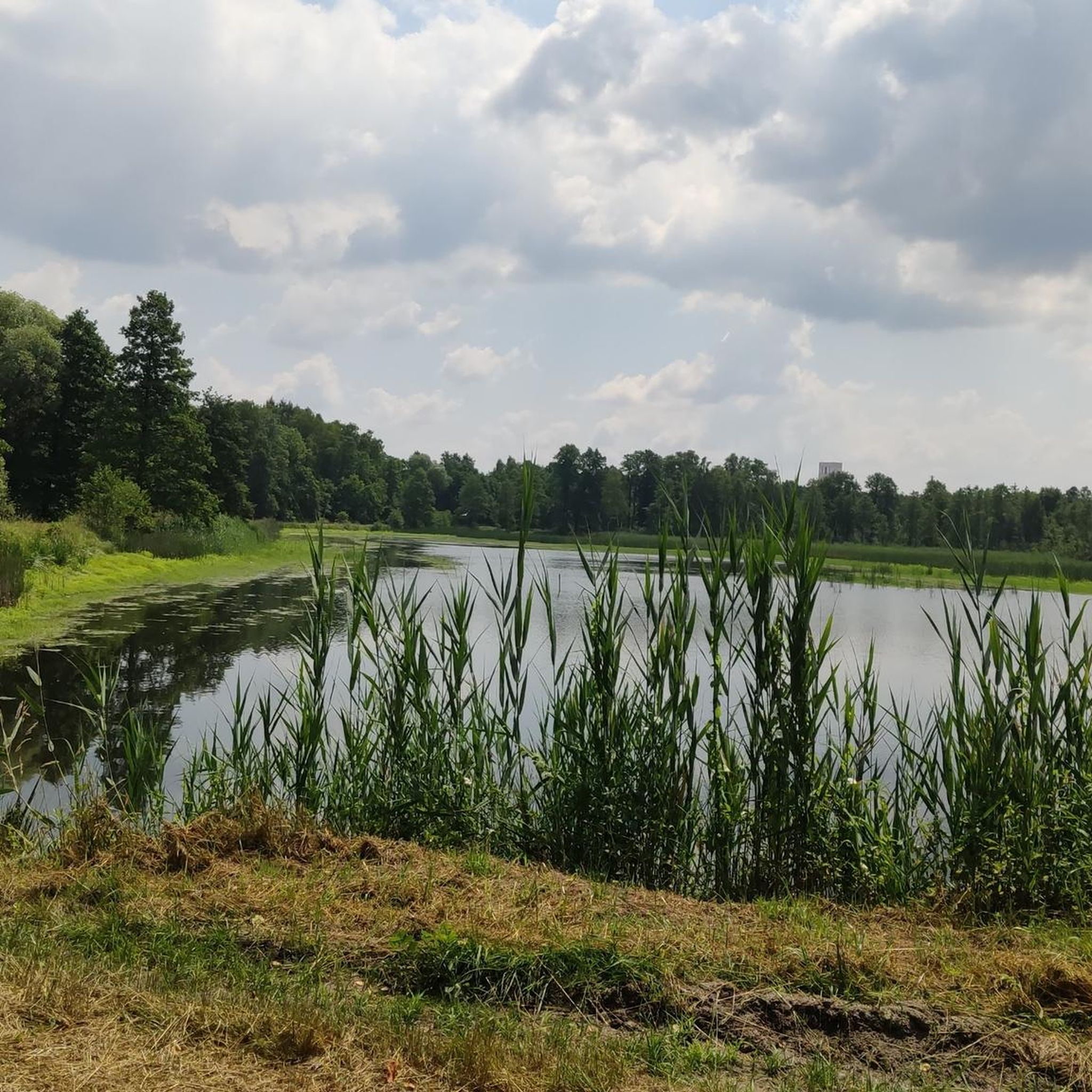
Running Trails around the Vistula
Cycling around the Vistula
Road Cycling Routes around the Vistula
Other adventures around the Vistula


Tips from the Community

Now part of the Collection https://www.komoot.com/de-de/collection/3600632/-naturdenkmaeler-besondere-baeume-und-weitere-schaetze-der-natur
1
0

Beautiful fountain in the park, inviting you to relax and linger
0
0

The natural surroundings are truly recommendable.
0
0

Beautiful peaceful place. Lots of nice paths and small climbs.
0
0
Very nice terrain for MTB
1
0

Norowy Dół is a ravine located in Kazimierz Dolny, on the right bank of the Vistula, between Aleja Kazimierza Wielkiego and Góry Pierwszemi and Góra Zamkowa. It is part of the edge of the Vistula valley, in the area of the Małopolska Vistula Gorge. The history of the ravine is associated with the Nor family (or Nur family), which was mentioned in the Kazimierz Dolny city book as early as 1555. Their lands stretched in the area of the ravine, and in 1633 Stefan Nur purchased an oak grove. Names related to the Nory/Nury family appeared regularly in city records until the end of the 18th century, and the ravine and the street leading through it are still called Norowy Dół. In the past, at the mouth of the ravine, there was an important nodal point of port facilities on the Vistula. The ravine is also an example of natural erosion, which had a destructive effect on human activity, including destroying roads and reducing the area of arable fields. Classes related to gully erosion are often held here.
4
0

From this path on the shore here you can see perfectly how the Vistula flows into the Baltic Sea. An interesting and unusual view. In addition, you will definitely hear the "chatter" of birds, which are abundant in the Mewia Łacha Reserve (on both sides of the river mouth).
0
0
The Warsaw Uprising Mound, located in Warsaw's Czerniaków district, is a symbolic elevation built from the rubble of the destroyed capital after 1945. The idea of its construction, proposed by engineer Stanisław Gruszczyński, appeared in 1945, but the implementation of the idea began only after several decades. The mound, once known as "Zwałka" or "Śmieciara", became an important point of national remembrance, especially after it was tidied up in 2004. The symbol of Fighting Poland was placed on the top of the mound, as well as commemorative plaques dedicated to the soldiers of the Home Army and the Warsaw insurgents. In 2004, the avenue leading to it was named "Hour of W", and every year, on August 1, ceremonies related to the anniversary of the outbreak of the Warsaw Uprising are held there. The mound offers a panoramic view of Warsaw, and the Action "Burza" park is located nearby.
2
0
Frequently Asked Questions
What unique natural features can I explore along the Vistula River?
The Vistula River offers a diverse range of natural features. You can explore dramatic gorges like the Lesser Poland Gorge of the Vistula, tranquil oxbow lakes such as the Czerniakowskie Lake Nature Reserve, and dynamic river islands like the Zawadowskie Islands Nature Reserve. These areas showcase varied landscapes from deep ravines to unique aquatic ecosystems.
Where can I experience the Vistula River's origins?
To experience the Vistula's origins, you should visit the Vistula Headwaters on the western slope of Barania Góra in the Silesian Beskids. This area is protected as a nature reserve and is notable for its waterfalls and numerous rocky erosional forms, offering a pristine and wild environment at the very beginning of Poland's longest river.
What kind of wildlife can I observe at the Vistula's natural monuments?
The natural monuments along the Vistula are vital ecological corridors, supporting diverse flora and fauna. Oxbow lakes, for instance, are crucial habitats for various plant and animal species, including endangered birds. The Zawadowskie Islands Nature Reserve is particularly known for its numerous bird species, making it an excellent spot for birdwatching.
Are there family-friendly natural monuments suitable for children around the Vistula?
Yes, several natural monuments around the Vistula are great for families. The Czerniakowskie Lake Nature Reserve is a tranquil spot for nature observation. The Korzeniowy Dół Ravine is also listed as family-friendly, offering an engaging natural exploration experience. Additionally, Goczałkowice Lake is another family-friendly natural monument.
What outdoor activities are available near the Vistula's natural monuments?
The Vistula region offers a variety of outdoor activities. You can find numerous hiking opportunities, including routes like 'The trail to Mewia Łacha from Sobieszewo Island' or the 'Loop Kazimierz Dolny - gorges Korzeniowy Dół and Norowy Dół'. For more challenging hikes, consider the 'Loop Wisla, Czarna Wiselka - Barania Gora'. You can explore more options on the Hiking around the Vistula guide page.
Can I find hiking trails near these natural monuments?
Absolutely. Many natural monuments along the Vistula are surrounded by hiking trails. For example, the Lesser Poland Gorge of the Vistula is excellent for hiking. You can find specific routes like the 'Loop Kazimierz Dolny - gorges Korzeniowy Dół and Norowy Dół' which takes you through natural monuments like Korzeniowy Dół Ravine and Norowy Dół Gorge. Discover more hiking trails on the Hiking around the Vistula guide.
What makes the Lesser Poland Gorge of the Vistula special?
The Lesser Poland Gorge of the Vistula is a geologically significant region stretching 70 kilometers. It features steep slopes, unique loess gullies, rocky walls, and deep canyons, particularly around Kazimierz Dolny. This area is part of the Natura 2000 network, protecting diverse avian species and wetland ecosystems, making it extraordinary for nature enthusiasts and those interested in geology.
Is there a natural monument within an urban setting along the Vistula?
Yes, Planty Park in Kraków is a notable example. This city park surrounds Kraków's Old Town, established on the site of former city fortifications. It offers a green space for recreation and is considered a natural monument within an urban environment. Another example is Kępa Bazarowa in Toruń, an island on the Vistula known for its rare riparian forest with monumental trees, offering a serene natural escape with panoramic views of Toruń's historic Old Town.
What are some of the most popular natural monuments according to visitors?
Visitors frequently enjoy the Zawadowskie Islands Nature Reserve for its extensive sand formations and opportunities for wild adventures and birdwatching. The Czerniakowskie Lake Nature Reserve is also highly appreciated as the largest natural water reservoir in Warsaw, vital for biodiversity. Planty Park in Kraków is another popular spot, offering a green oasis around the city's Old Town.
Are there any natural monuments that offer panoramic views?
Yes, the Three Crosses Hill offers scenic views. Additionally, the Vistula Landscape Park, with its varied terrain including river valleys and escarpments, provides numerous viewpoints to appreciate the post-glacial landscape. Kępa Bazarowa in Toruń also offers excellent panoramic views of Toruń's historic Old Town.
What is the Vistula Landscape Park known for?
The Vistula Landscape Park, located in north-central Poland, is known for its diverse mosaic of landscapes along the Lower Vistula Valley. It contains 14 nature reserves and explicitly designates 97 monuments of living nature (like individual trees) and four monuments of non-living nature. The park's landscape was shaped by the retreat of the Scandinavian glacier, resulting in varied terrain and diverse water bodies, making it a vital ecological corridor.
Are there any natural monuments that are wheelchair accessible?
Yes, some natural monuments and related sites offer wheelchair accessibility. For instance, Planty Park in Kraków is noted as wheelchair accessible. While not strictly a natural monument, the Marconi Fountain in Saski Garden and the Ignacy Jan Paderewski Monument in Ujazdowski Park, both within green spaces, are also listed as wheelchair accessible.
What are oxbow lakes and where can I see them along the Vistula?
Oxbow lakes are U-shaped bodies of water formed when a river's meander is cut off, creating an isolated lake. These are crucial for biodiversity, providing habitats for various species. You can see a significant oxbow lake at the Czerniakowskie Lake Nature Reserve in Warsaw, which protects a part of a Vistula oxbow lake and its adjacent areas.
Most popular routes around the Vistula
Most popular attractions around the Vistula

Get inspired with the komoot mobile app


Explore more
Extend your search for the best caves by checking out these guides of the top ones around the Vistula:
