Top 5 Natural Monuments around the the River Severn
Best natural monuments around the the River Severn are found along Britain's longest river, which flows through diverse landscapes in England and Wales. The region features significant geological formations, woodlands, and river valleys. These natural areas support varied wildlife and offer opportunities for outdoor exploration. The Severn's course, from its mountainous source to its wide estuary, presents a range of natural attractions.
Best natural monuments around the the River Severn
- The most popular natural monuments is Dylife Gorge Viewpoint,…
Last updated: July 10, 2026
Redstone Caves
Highlight • Natural Monument
Tip by

Ruskin Land
Highlight • Forest
Tip by

Sign up now to discover places like this
Get recommendations on the best single tracks, peaks, & plenty of other exciting outdoor places.
Sign up for free
Waterfall with Snowdrops
Highlight • Natural Monument
Tip by

Dylife Gorge Viewpoint
Highlight • Gorge
Tip by

Bryn y Fan Summit
Highlight • Viewpoint
Tip by

Highley Sandstone Cutting
Highlight • Gorge
Tip by
Start today with a free account
Your next adventure awaits.
Login or Signup
Popular around Severn

Bedtime Adventure Stories for Grown Ups
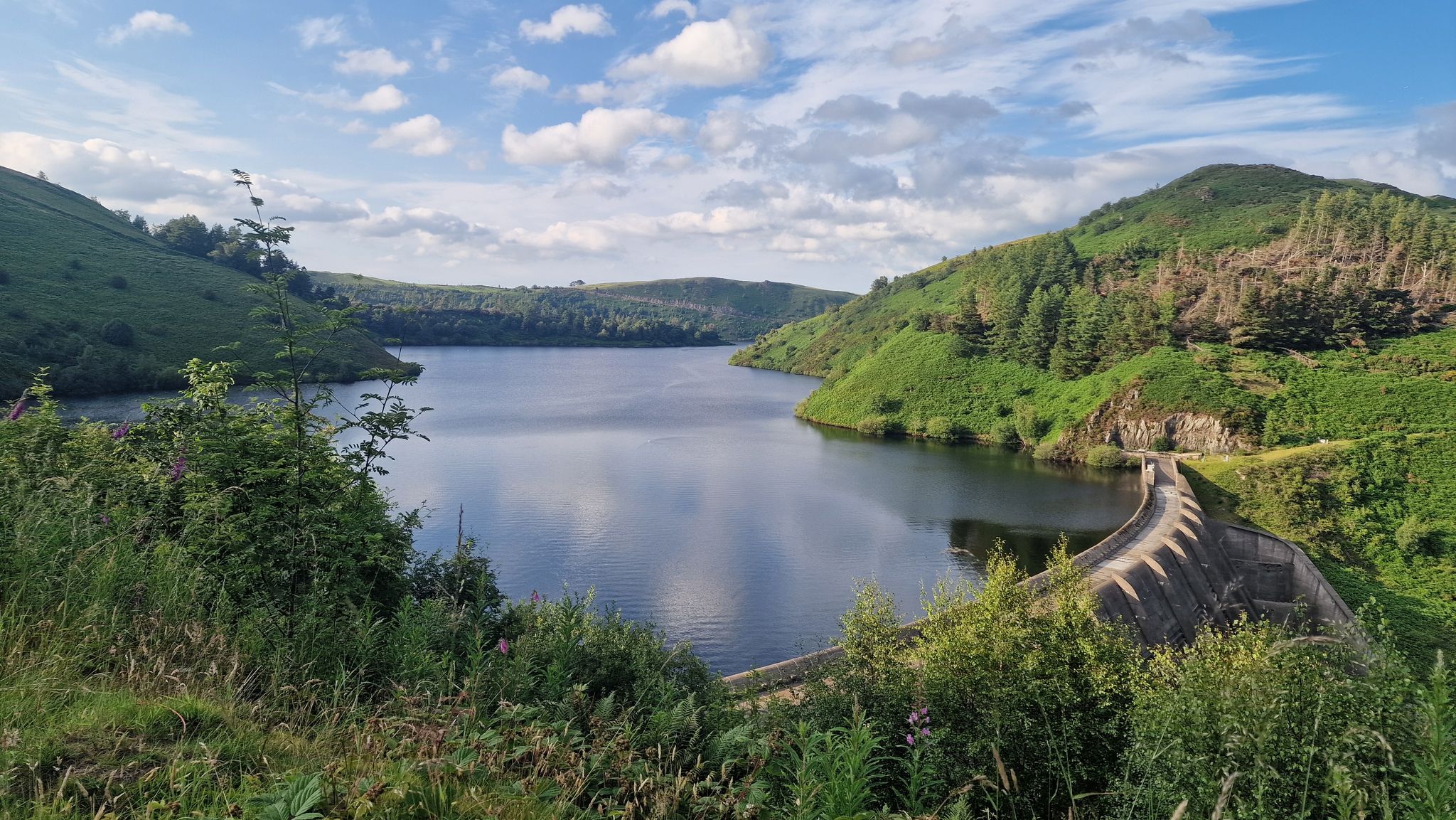
Glyndŵr’s Way – hiking in the footsteps of a Welsh hero
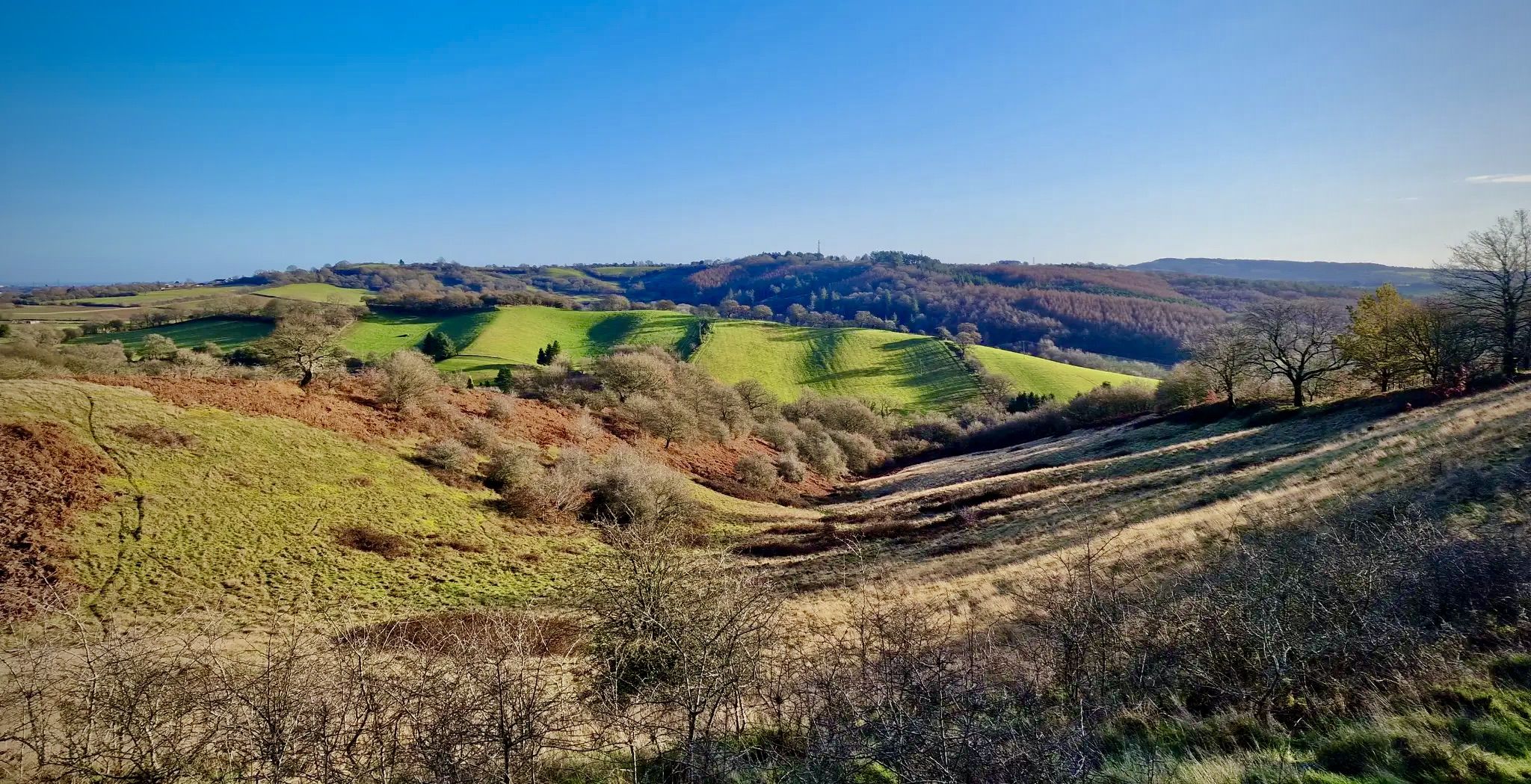
North Worcestershire Path – Explore rolling hills and country parks
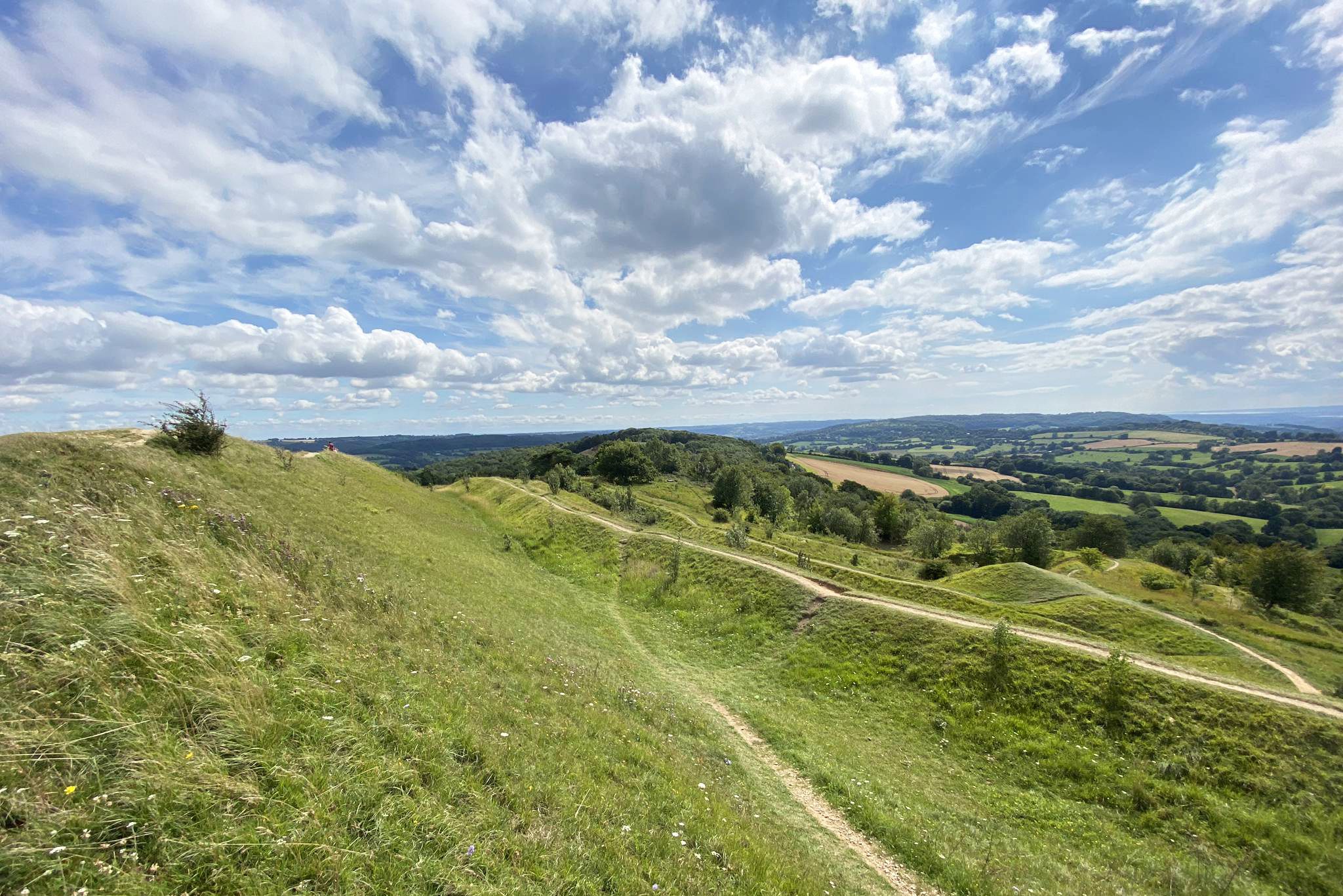
Wysis Way — Hike the golden link between the Wye and Thames
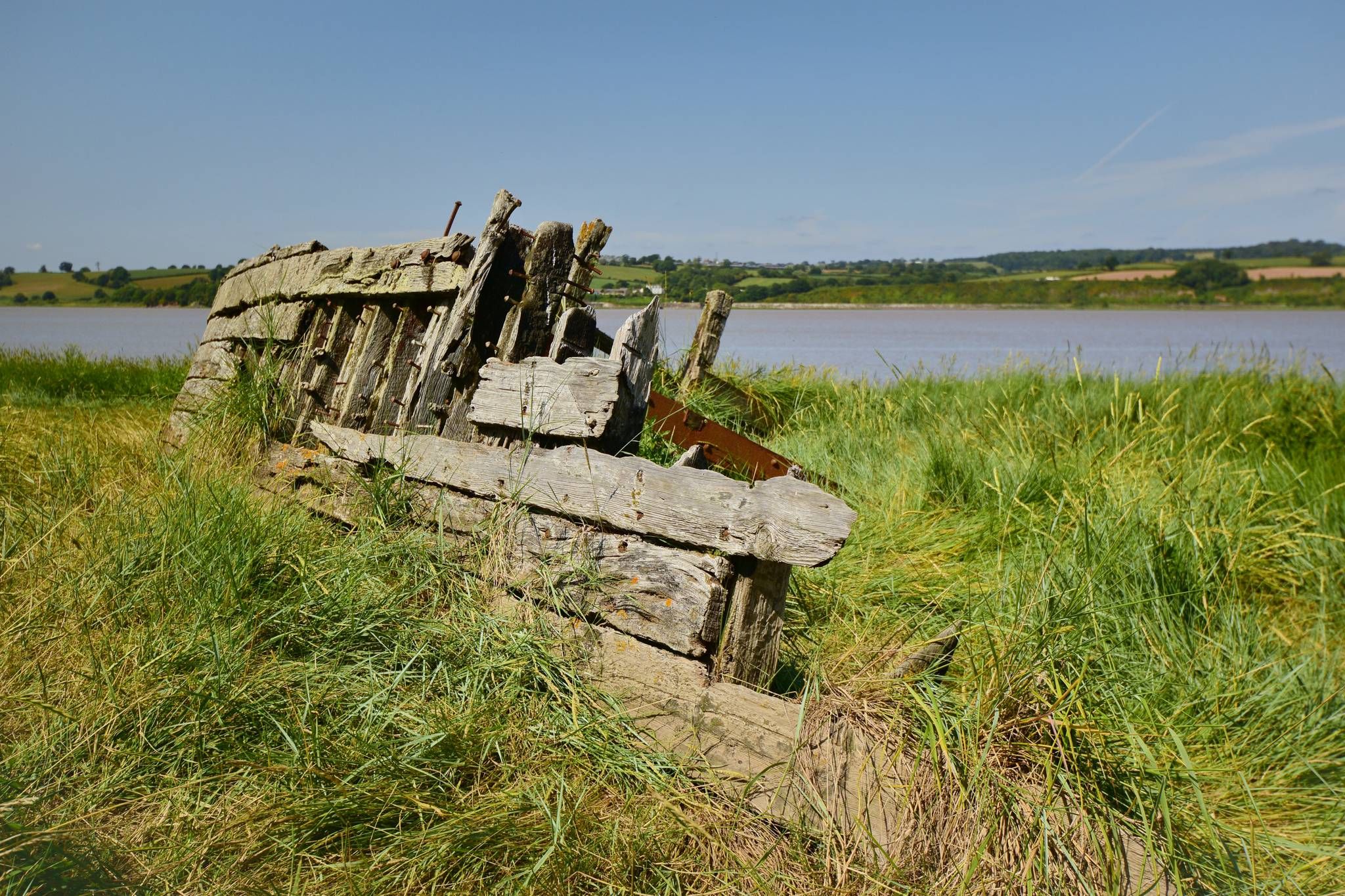
Severn Way — Hike Britain's longest river from source to sea
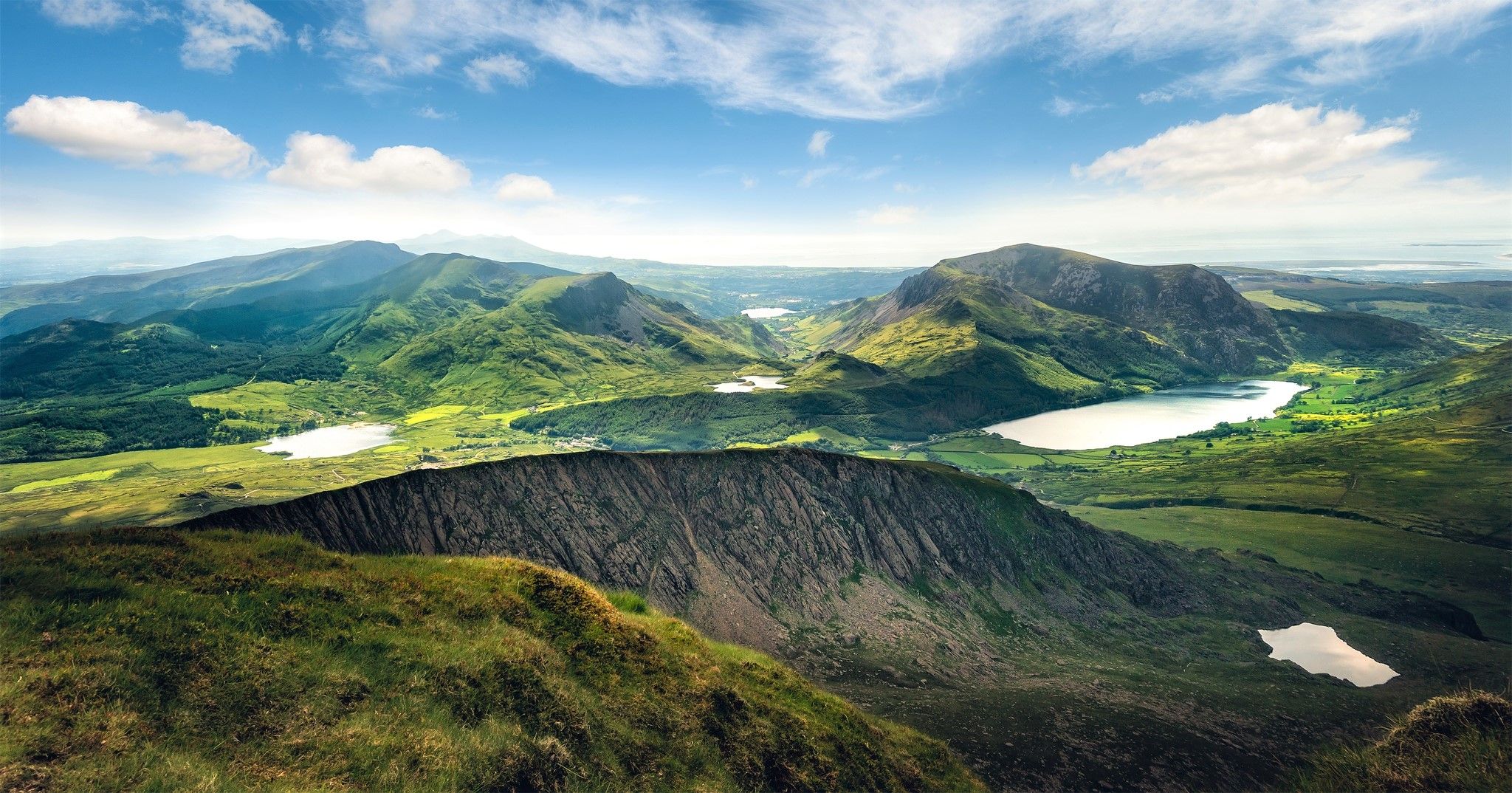
Cambrian Way — Hike the highest, wildest and most beautiful trail in Wales
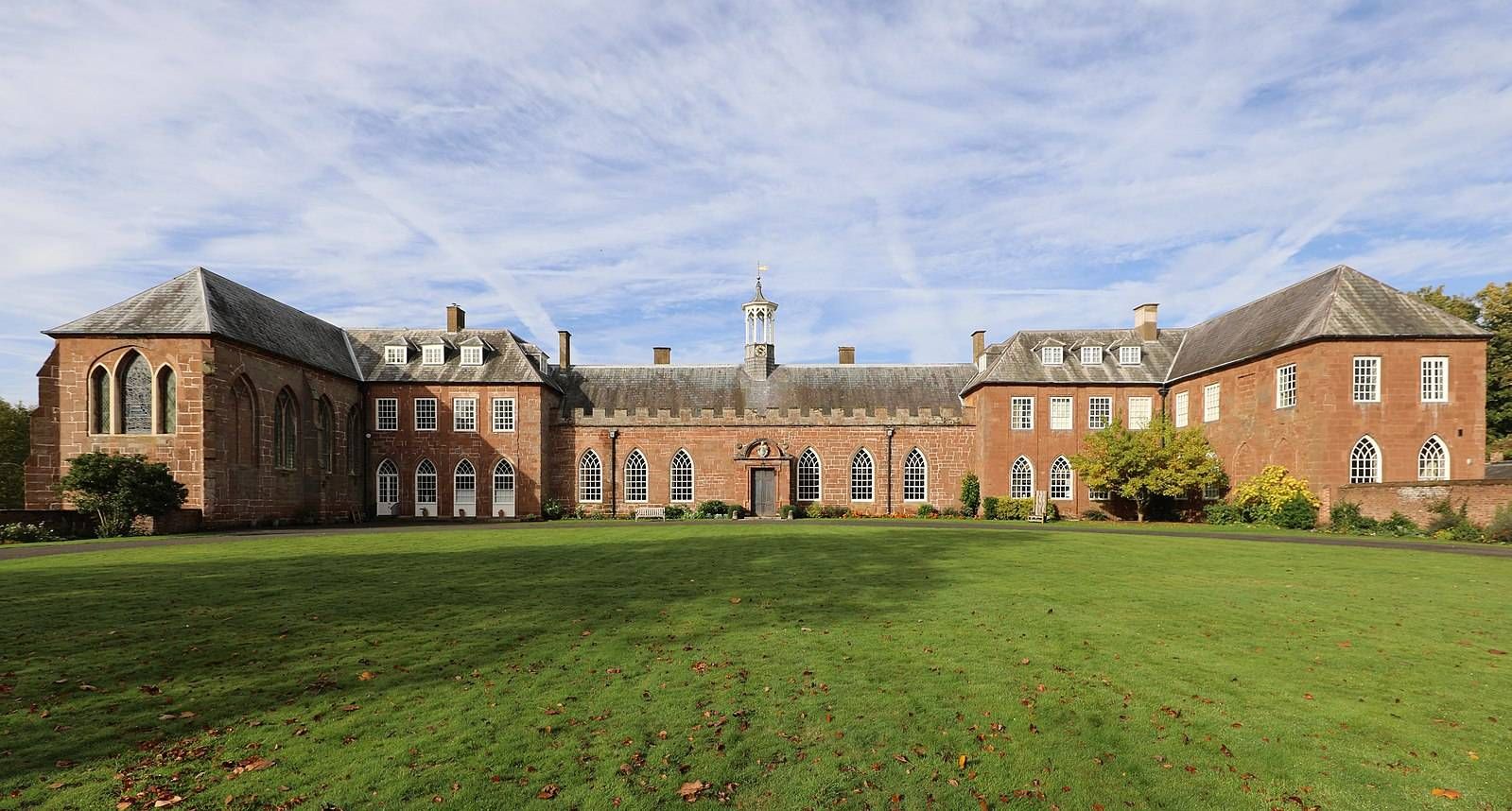
Cycling the Mercian Way – Explore England's historic heart
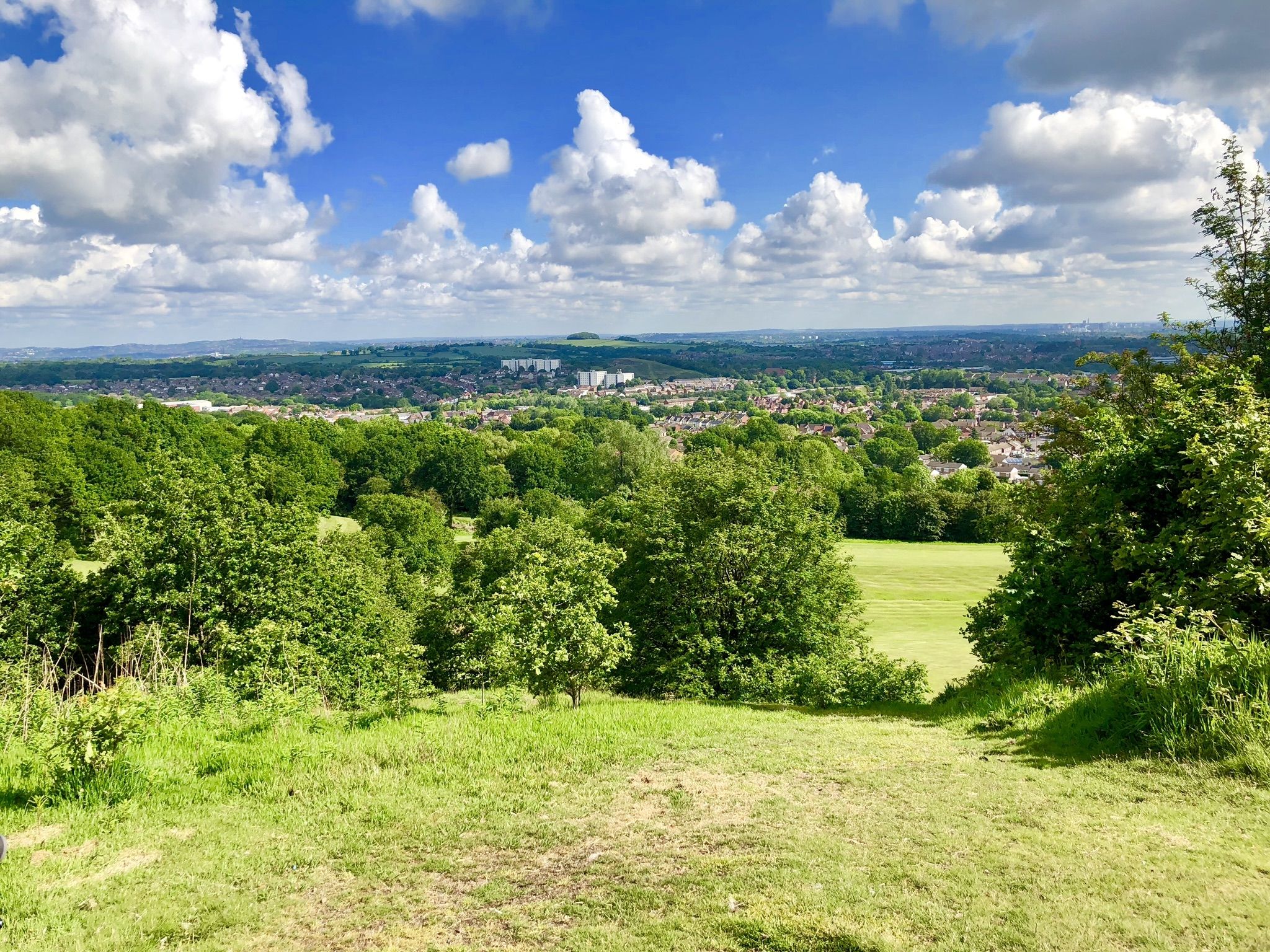
Monarch's Way: Part 1 — Conquer the longest inland trail in England
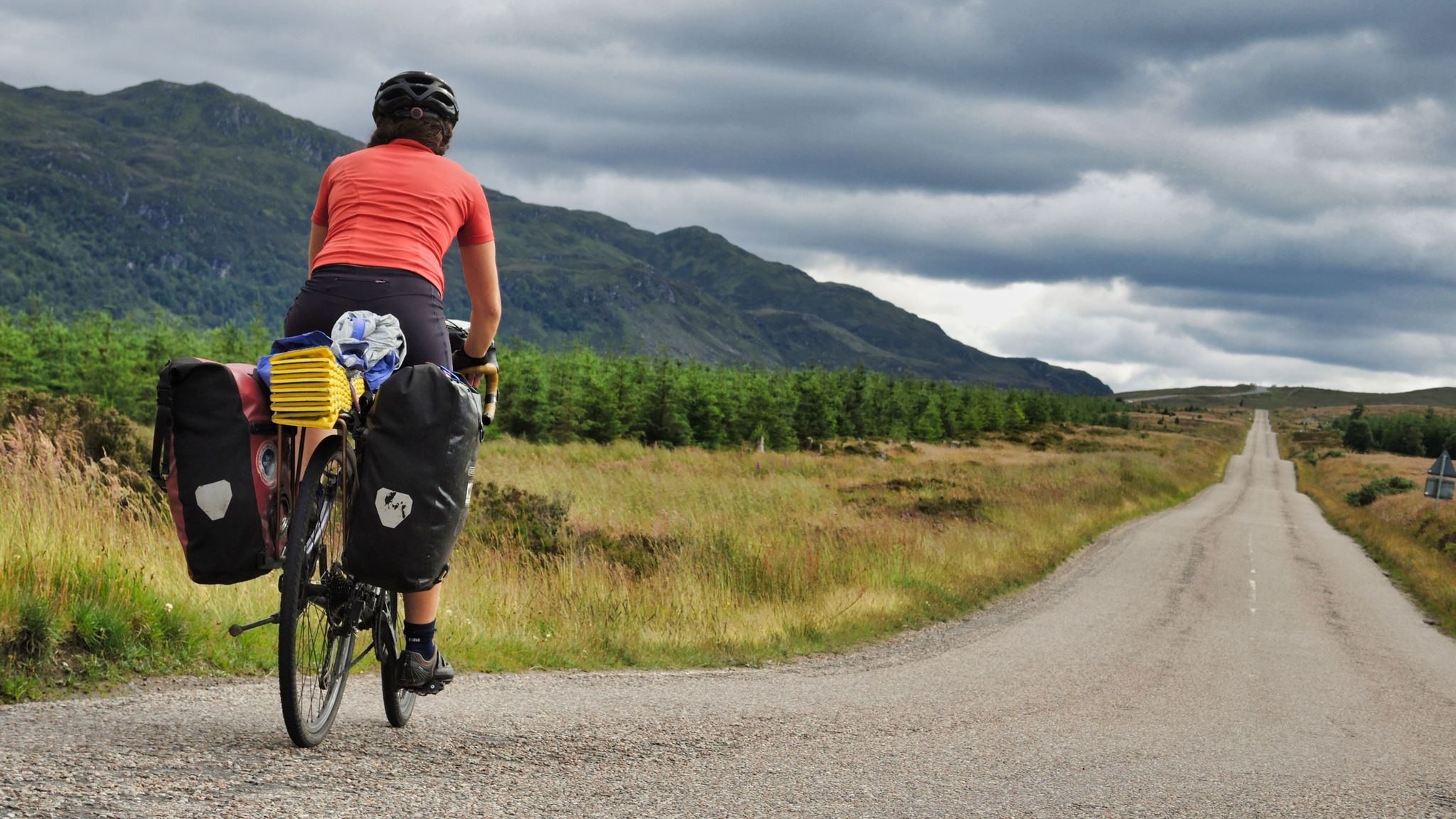
Land's End to John O'Groats – an unforgettable ride
Offa's Dyke Path — Epic coast-to-coast hike along ancient monument
Other adventures around the the River Severn


Tips from the Community

This little man-made waterfall is the overflow from the big lake but is still quite realistic. Best visited in the winter for flow and less foliage to get in the way of the camera shot!|
0
0


Geological overview Just south of Stourport a magnificent river cliff of fine grained red sandstone is seen. Although mainly homogenous in terms of geology, there are white streaks and thin bands of coarse material running throughout the section. The soft sandstone of Redstone Rock is easily carved and there is evidence of human-made habitation in the cliff face since Stone Age times. The caves that can be seen today were mostly made in the 12th century, when a hermitage was established there, conveniently located for the hermits to be on hand to offer blessings and prayers for passers-by in return for alms. It was said to house up to 500 men, who may have also manned the ferry crossing, which was there due to the presence of a ford until the river was dredged. The caves were later used as domestic dwellings and were inhabited almost continuously until the mid twentieth century. Source: Geopark.org
0
0
This area of the Wyre Forest Site of Special Scientific Interest belongs to John Ruskin's charity, the Guild of St George and is managed by the Wyre Community Land Trust. We are managing this area to support a mixture of high forest and heathland, which are valuable habitats for bats, birds and other species. In large areas of the woodland, the trees. are relatively young, and mainly comprise oak with bracken and bramble. This lack of diversity is a result of changes in woodland management following World War 1. when much of the woodland was no longer coppiced because of a collapse in the charcoal industry. In order to improve the habitat diversity, some trees have been removed to give those remaining more space to grow into large mature trees. The trees that are felled are extracted and processed at the Wyre Community land Trust's woodyard and sawmill at St George's Farm and used to make a variety of timber products and firewood. Volunteers have helped plant trees to ensure the forest has a diverse mixture of tree species that is more resilient to pests, disease and the effects of climate change.
0
0

Bryn y Fan is a prominent summit in mid Wales standing at 482m above the Llyn Clywedog reservoir. There is a nice trig point and great views. It's a bit of an outlier and you're unlikely to see many people on your walk.
0
0
The cutting is through beds of Highley Sandstone. They were deposited in the river channels on swampy deltas 310 million years ago. Their characteristic grey-green tinge indicates deposition in oxygen-poor conditions of a humid swamp. This is in contrast to the red Alveley Sandstone, seen earlier, formed in the oxygen-rich environment of a semi-arid desert. The pronounced 'bedding planes' running almost horizontally across the rock face, represent breaks in deposition. 'Cross-bedded' or 'current-bedded' layers are inclined at angles to each other. This cross cutting relationship is a result of changing directions in the river current that deposited the sediments, in the same way as changes in wind direction caused the dune-bedding seen in the Bridgnorth Sandstone
0
0
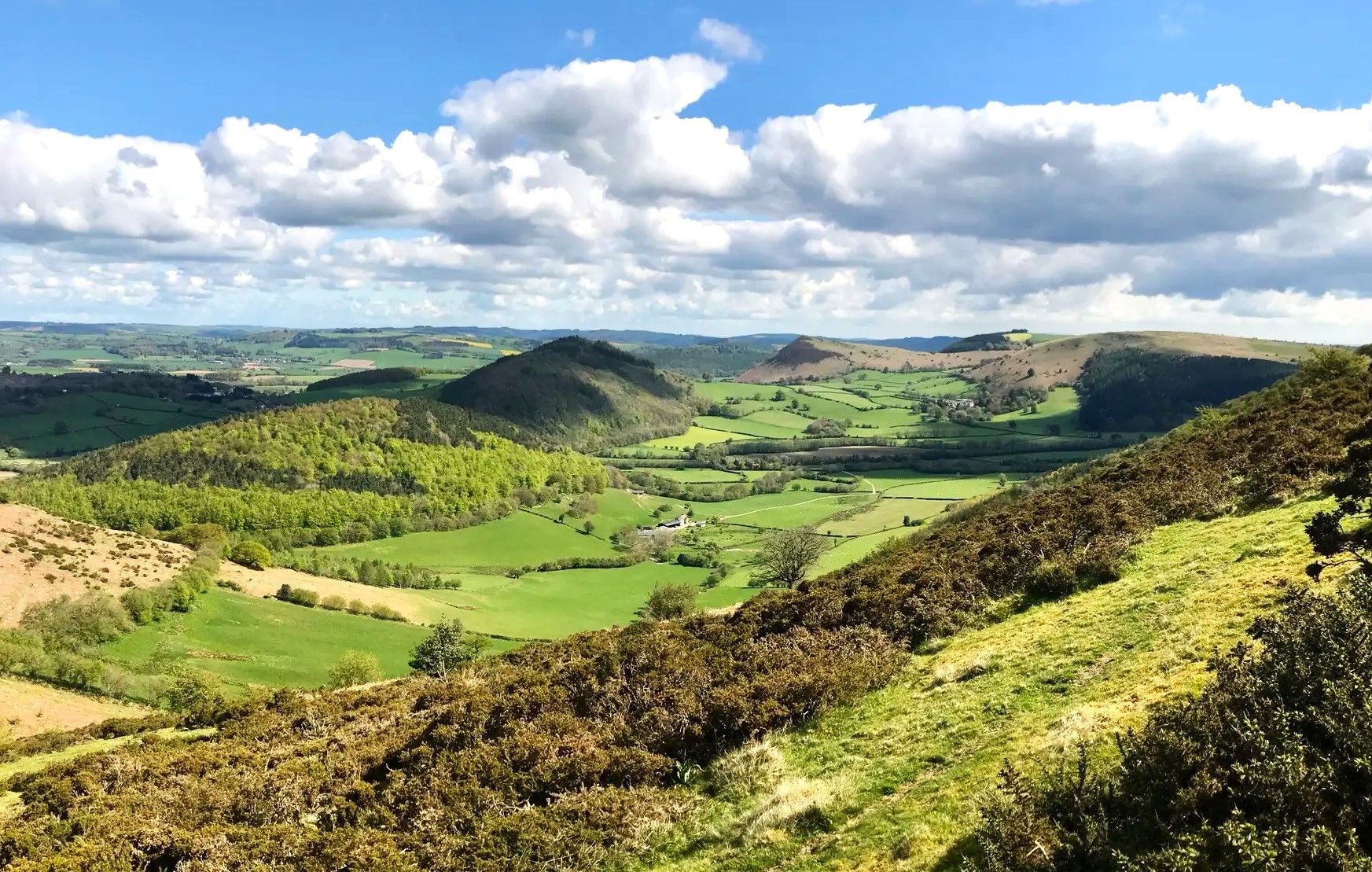
This is the viewpoint up the hill to the east of Dylife. the best view is north down the Afon Twymyn valley.
0
0

Frequently Asked Questions
What unique natural features can I explore around the River Severn?
The River Severn region offers a variety of natural features. You can visit the dramatic Dylife Gorge Viewpoint, a gorge formed during the last Ice Age, offering expansive views. Explore the ancient Redstone Caves, carved from Triassic sandstone, or observe geological formations at the Highley Sandstone Cutting. The area also features extensive woodlands and summits like Bryn y Fan Summit.
Are there natural monuments formed by significant geological events like the Ice Age?
Yes, the Dylife Gorge Viewpoint is a prime example. This stunning valley in Mid Wales, with the River Twymyn carving through its hills, was formed during the last Ice Age, offering a glimpse into the region's ancient geological past.
What kind of wildlife can I expect to see around the natural monuments?
The natural monuments around the River Severn support diverse wildlife. At Ruskin Land, a Site of Special Scientific Interest, the mixture of high forest and heathland provides valuable habitats for bats, birds, and other species. The River Severn itself is known for supporting rich wildlife, including glass eels, herons, and rare wading birds, especially in its estuary.
What outdoor activities are available near these natural monuments?
The area around the River Severn offers numerous outdoor activities. You can enjoy various cycling routes, including road cycling and touring, with options like the 'Shrewsbury Canal & River Severn loop' or 'Mercian Way'. There are also easy hiking trails, such as the 'Ironbridge Gorge loop' and the 'Shrewsbury Severn Loop'. For more details on routes, you can explore the Road Cycling Routes, Easy Hikes, and Cycling guides for the River Severn.
Are there family-friendly natural monuments or activities in the area?
Yes, Ruskin Land is categorized as family-friendly, offering woodlands and heathland for exploration. Additionally, the Severn Valley Country Park, located along the River Severn, is an ideal destination for families, providing well-maintained paths, cycleways, and activities like pond dipping and self-led nature trails for children.
When is the best time to visit the natural monuments around the River Severn?
The best time to visit depends on your interests. Spring brings vibrant bird song and wildflowers to ancient woodlands like Hall Close Coppice in Severn Valley Country Park. Summer sees grasslands blooming with orchids. The River Severn and its surrounding areas offer beauty year-round, with opportunities for walking and nature observation in various seasons.
Are there any historically significant natural monuments?
The Redstone Caves are particularly notable for their historical significance. Carved from Triassic sandstone, these caves have evidence of human habitation since Stone Age times and were home to a hermitage in the 12th century, housing up to 500 men at one point. They were continuously inhabited until the mid-20th century.
What do visitors enjoy most about the natural monuments around the River Severn?
Visitors frequently appreciate the stunning views, such as those from Dylife Gorge Viewpoint and Bryn y Fan Summit. The geological marvels of sites like Redstone Caves and Highley Sandstone Cutting are also highly valued. The tranquility and natural beauty of areas like Ruskin Land, with its diverse habitats, also draw many visitors.
Is parking available at these natural monuments?
While specific parking details for every natural monument are not provided, many popular natural areas and viewpoints, such as Severn Valley Country Park, typically offer designated parking facilities. It's advisable to check local information or trailheads for specific parking options when planning your visit.
Are there places to eat or drink near the natural monuments?
The region around the River Severn, particularly in towns and villages along its course, offers various pubs, cafes, and restaurants. While not directly adjacent to every natural monument, you'll find options for refreshments and meals within a reasonable distance, especially in areas popular with walkers and cyclists.
Are there any lesser-known natural monuments worth visiting?
Beyond the most popular spots, the Highley Sandstone Cutting offers a fascinating geological insight into the region's past. It showcases beds of Highley Sandstone deposited 310 million years ago, providing a unique perspective on ancient river channels and swampy deltas. It's a great spot for those interested in geology.
Are any natural monuments wheelchair accessible?
While specific accessibility information for all listed natural monuments is not detailed, Severn Valley Country Park, located along the River Severn, features an Easy Access Nature Trail designed to be wheelchair-friendly. For other specific natural monuments, it's recommended to check their individual accessibility details before visiting.
Most popular routes around the the River Severn
Most popular attractions around the the River Severn

Get inspired with the komoot mobile app


Explore more
Extend your search for the best caves by checking out these guides of the top ones around the the River Severn:
