Top 20 Natural Monuments around the Vilija
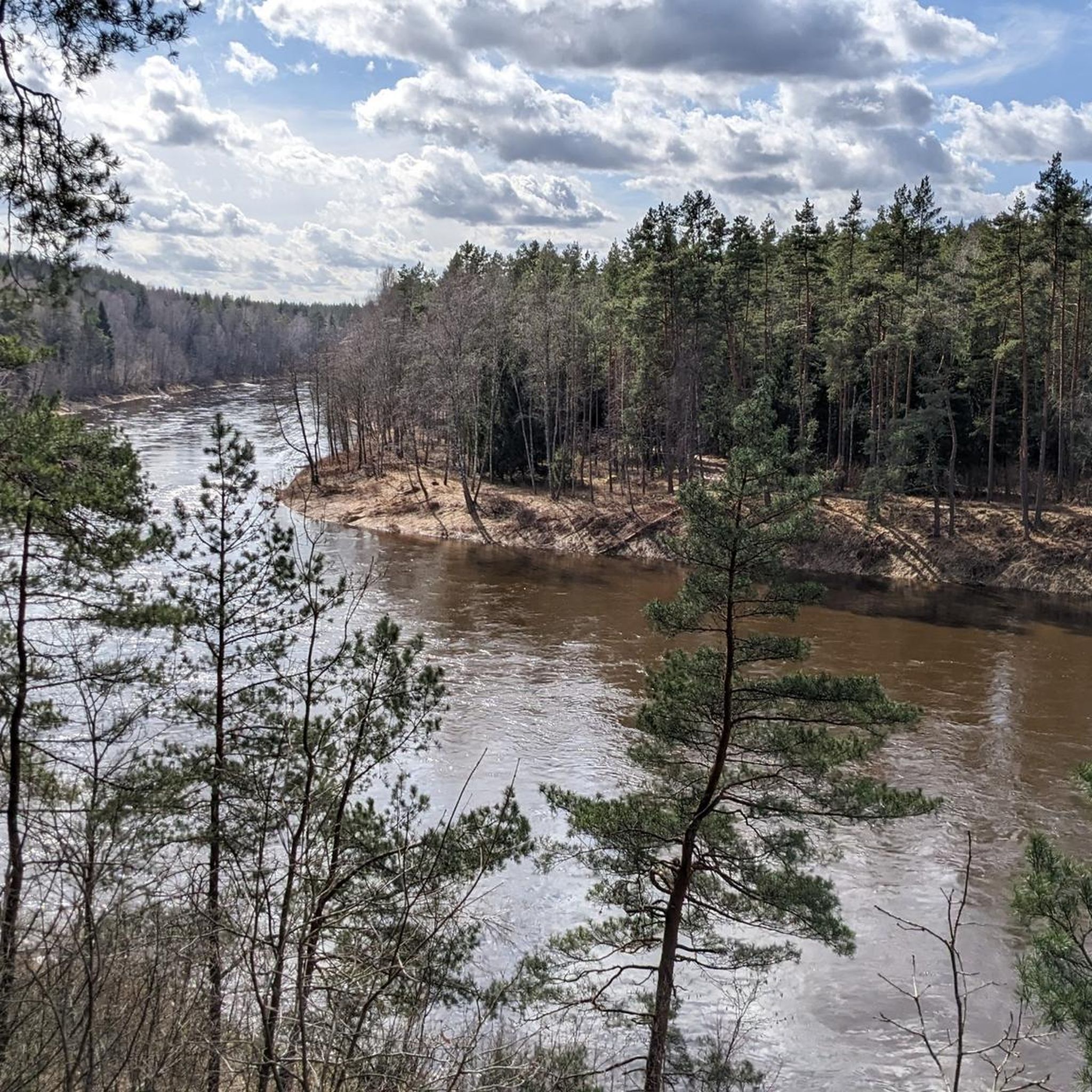
Best natural monuments around the Vilija showcase the unique landscape of the Neris Regional Park in Lithuania. This area is characterized by the Neris River valley, featuring distinctive river loops carved by ancient glaciers. The park preserves a diverse environment, including ancient oak forests, various streams, and unique geological formations. These natural features, combined with local folklore, offer a glimpse into the region's ecological and cultural heritage.
Best natural monuments around the Vilija
- The most popular natural monuments is Confluence…
Last updated: June 26, 2026
Three Crosses Monument
Highlight • Monument
Tip by

Confluence of the Neris and Nemunas Rivers
Highlight • River
Translated by Google •
Tip by

Sign up now to discover places like this
Get recommendations on the best single tracks, peaks, & plenty of other exciting outdoor places.
Sign up for free
Pinyklos Mythical Spring
Highlight • Natural Monument
Translated by Google •
Tip by

Ausiutiškiai Conglomerate
Highlight • Natural Monument
Translated by Google •
Tip by
Tuskulėnai Peace Park Memorial Complex
Highlight • Monument
Translated by Google •
Tip by
Žvėrynas Boulder with Gediminas Columns
Highlight • Natural Monument
Translated by Google •
Tip by
Oldest Linden Tree in Vilnius (Sapiegų Park)
Highlight • Natural Monument
Translated by Google •
Tip by
Alkų Oak
Highlight • Natural Monument
Translated by Google •
Tip by
Lurdo or Aukuras Stone near the Palace of the Grand Dukes
Highlight • Natural Monument
Translated by Google •
Tip by
Colorful Springs
Highlight • Natural Monument
Translated by Google •
Tip by

Sign up for free to discover even more natural monuments around the Vilija.
Sign up for free
Already have an account?
Start today with a free account
Your next adventure awaits.
Login or Signup

Tips from the Community

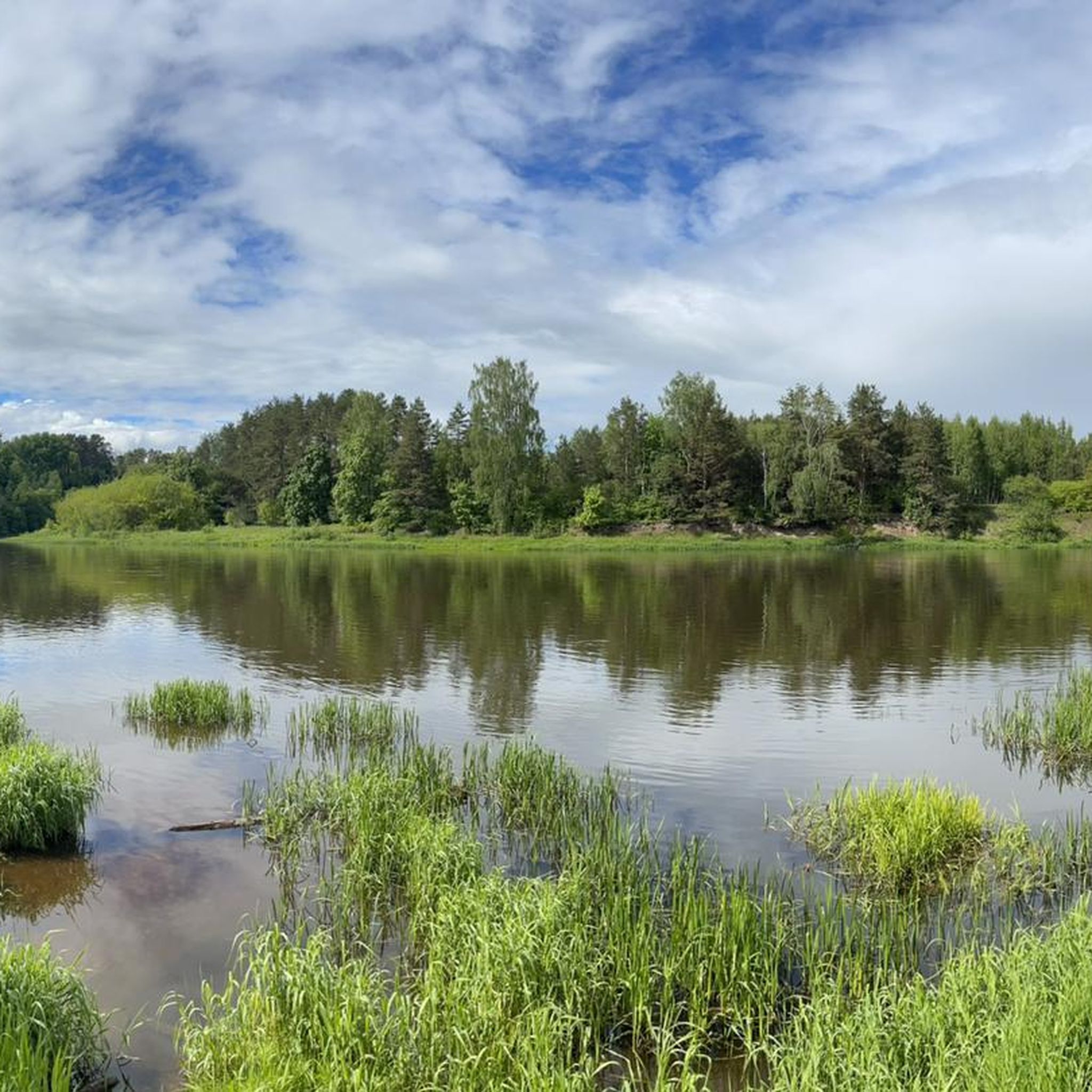
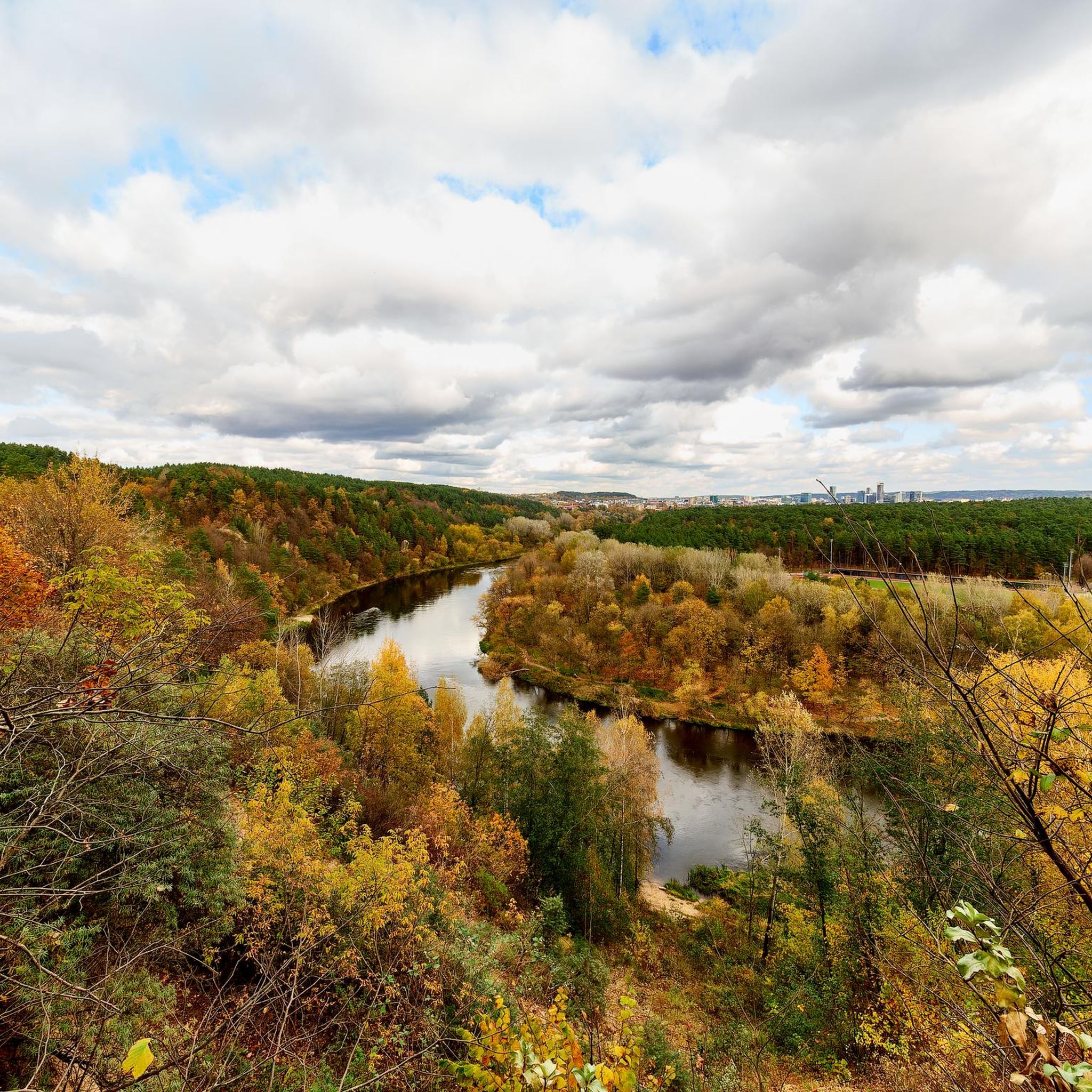
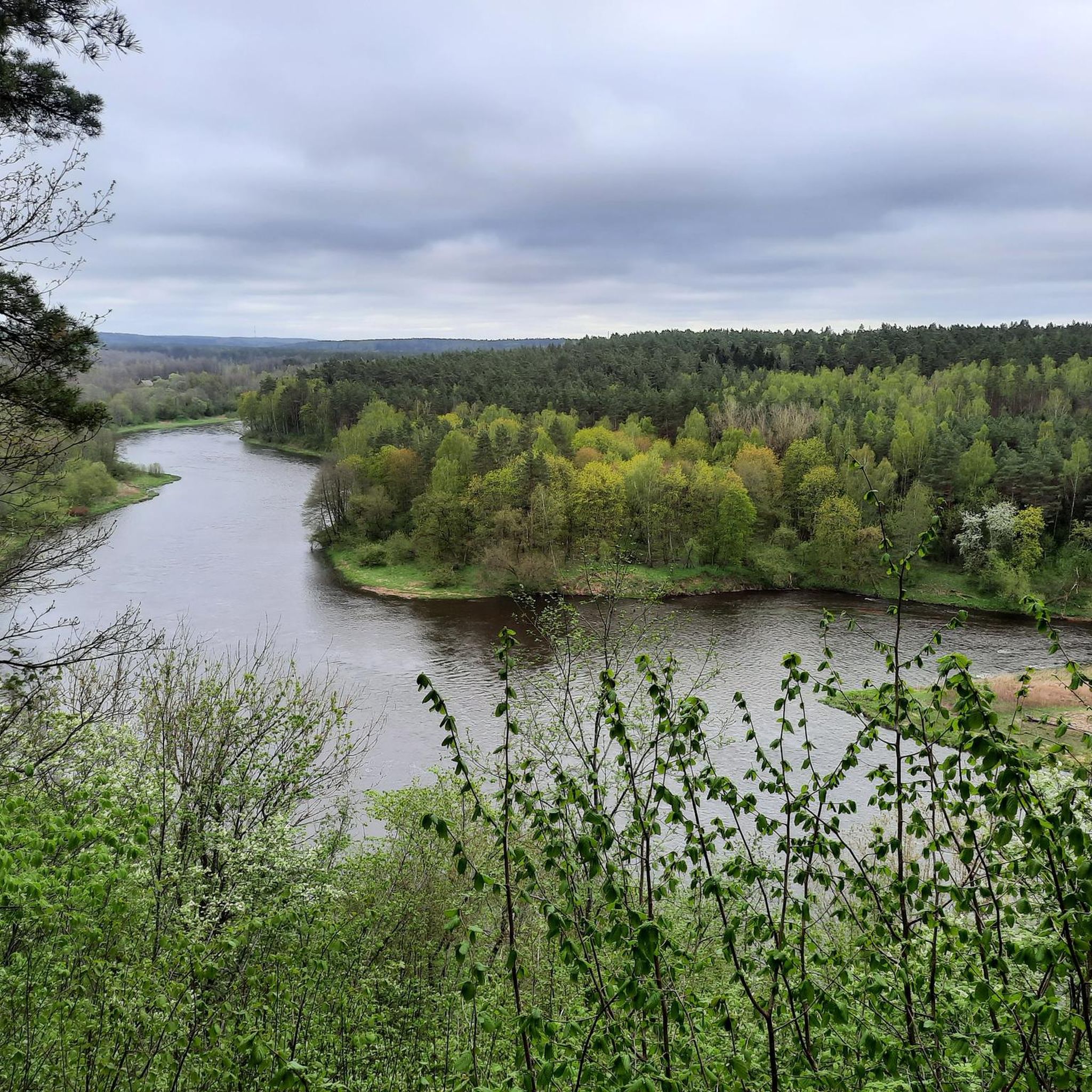
No matter what you believe in or who you worship, the confluence of two Lithuania’s biggest rivers, Nemunas and Neris, is a place to restore your energy levels. It’s also sometimes called the birthplace of Kaunas. Some sources say this is where a grove of Milda, the Lithuanian goddess of love, courting, friendship and freedom, once was – maybe this is why the place has always been so popular among romantics. Setting a date at the confluence is a very traditional and special thing to do! Every Thursday, a Romuvian (Romuva is a contemporary continuation of the traditional ethnic religion of the Baltic peoples, more than 5,000 people consider themselves Romuvians) mass is held at the aukuras [fire altar] in the Confluence park.
0
0


The view from here is just as amazing as that from Gediminas Tower. Not quite as crowded!
0
0

The oldest lime tree in the city of Vilnius grows in Sapiegiu Park. An information stand has been built here, which is set up for the purchase of visitor tickets. The tree of Sapiegii Park is a witness of the times when the nobles were creating the park itself, one of the most prominent examples of a regular geometric park in Lithuania. in 2023 In the summer, the storm and the rain broke the oldest tree in Vilnius. The tree was planted near the magnificent entrance gate at the current Antakalnis street. The palace in Antakalni was built by Kazimieras Jonas Sapiega. The double-stemmed linden was included in the list of natural heritage objects of the municipality, it reached 28 meters. Trunk volume - 4.4 m. According to experts, the tree should continue to grow.
2
0

Hidden in a forest gorge, this spring has long been known to the residents of the surrounding villages. The spring's water, known for its clear and clean properties, was traditionally valued for its healing powers. It was used to treat sore eyes and girls washed their faces with it to preserve the beauty of youth. In addition, the spring water was used by village magicians for their rituals in the past.
0
0


Very nice viewpoint over Vilnius! The access routes are currently being changed/renewed...
1
0
The memorial complex of the Tuskulėnai Rimties Park, located on the territory of the Tuskulėnai Manor, reminds visitors of the tragic events of the 20th century. events of Lithuanian history. During the Soviet occupation, the nationalized Tuskulėnai manor became a place where the Soviet system hid its crimes. After the restoration of Lithuania's independence, the remains of 724 people were found on the territory of the former manor, which were later reburied in the chapel-columbarium. You will learn more details about the atrocities of the totalitarian Soviet regime by visiting the exhibition "Secrets of Tuskulėnai Manor".
2
0
Frequently Asked Questions
What unique natural features can I explore in the Neris Regional Park?
The Neris Regional Park is rich in diverse natural features. You can explore the distinctive Neris River loops, particularly the Velniakampis Loop, which showcases how ancient glaciers shaped the landscape. The park also boasts the extensive Dūkštas Oak Forest, one of Lithuania's largest and oldest oak stands. Additionally, you'll find picturesque streams like Saidė and Dūkšta, which create small waterfalls and whirlpools, and various mythological stones with local legends.
Are there any ancient forests to visit in the Neris Regional Park?
Yes, the park is home to the Dūkštas Oak Forest, which is the largest oak forest in Lithuania. This ancient woodland is a significant natural monument, representing one of the country's oldest surviving stands of oak trees. It also features Lithuania's longest cognitive path designed for people with disabilities, spanning 2.3 km.
What kind of geological formations can I see in the Neris Regional Park?
The park features unique geological formations shaped by ancient glaciers, including dramatic river meanders and exposures of conglomerates. A notable example is the Ausiutiškiai Conglomerate. You can also find various mythological stones scattered throughout the park, such as the Airėnai Stone with its enigmatic carvings, the Valai Stone with a 'foot' mark, and the Dziuravas Stone, all tied to local folklore.
Are there family-friendly natural monuments around the Vilija (Neris) region?
Absolutely. Many natural monuments in the region are suitable for families. For instance, the Confluence of the Neris and Nemunas Rivers is accessible via a manicured park. The Pinyklos Mythical Spring and Colorful Springs are also considered family-friendly, offering unique natural experiences. The Dūkštas Oak Forest has a cognitive path designed for people with disabilities, making it accessible for many families.
What are some of the most popular natural monuments in the area?
Among the most popular natural monuments are the Confluence of the Neris and Nemunas Rivers, known for its wide stream and accessible park. Visitors also highly appreciate the Pinyklos Mythical Spring, hidden in a forest ravine with clear, clean water, and the Colorful Springs, where the water remains very cold due to pressurized feeding.
Can I find any historical or cultural sites related to the natural landscape?
Yes, the region's natural landscape is intertwined with its history and culture. The park contains nine mounds (piliakalniai), such as Bradeliškės and Buivydai, which are significant geological features that also served as ancient settlements or defense structures. These mounds offer elevated perspectives and hint at the long human history of the area. Additionally, mythological stones like the Žvėrynas Boulder with Gediminas Columns connect the natural environment with local folklore and historical narratives.
What outdoor activities can I do near these natural monuments?
The Neris Regional Park offers a variety of outdoor activities. You can explore numerous hiking trails, such as the easy 'Karmazinai Burial Mounds loop from Adomčiškės' or the 'Karmazinai Outcrop – Bradeliškės Hillfort loop from Verkšionys'. Cycling and mountain biking are also popular, with routes like the 'Vingis Park Bridge – Vingis Park Amphitheater loop from Vilnius' for cyclists and the 'Valakampiai Bridge – Fun Descent loop from Žirmūnai' for mountain bikers. You can find more details on these activities in the hiking, cycling, and MTB guides for the Vilija region.
Are there specific hiking trails to explore the natural monuments?
Yes, there are several hiking trails that allow you to experience the natural monuments. For example, the Velniakampis Loop of the Neris River can be explored via a 23-kilometer tourist route along its left bank. The Saidė River also offers a particularly scenic cognitive path. For specific routes, you can check out trails like the 'Karmazinai Burial Mounds loop from Adomčiškės' or the 'Šilėnai Wooden Church – View of the Neris River loop from Stirniai' in the hiking guide for the Vilija region.
What do visitors enjoy most about the natural monuments in the Neris region?
Visitors frequently praise the blend of natural beauty, ecological significance, and cultural resonance. They enjoy the serene atmosphere of places like the Pinyklos Mythical Spring, the panoramic views from the Three Crosses Monument, and the unique geological formations. The opportunity to explore ancient oak forests, winding river paths, and discover local folklore associated with mythological stones also adds to the appeal.
Is there an ancient tree that is considered a natural monument?
Yes, the Oldest Linden Tree in Vilnius (Sapiegų Park) is recognized as a natural monument. It stands as a testament to the region's long-standing natural heritage.
What is the significance of the Neris River in the park?
The Neris River is central to the park's identity and ecological value. Its distinctive loops, carved by ancient glaciers, create a unique and scenic river valley landscape. The river is also significant for its natural migratory fish routes and spawning grounds, supporting a diverse ecosystem. The Confluence of the Neris and Nemunas Rivers is a popular highlight.
Are there any natural monuments with mythological connections?
Yes, the park is home to several mythological stones, each with its own legends. The Airėnai Stone is known for its enigmatic carvings, sometimes referred to as runes. The Valai Stone bears an embossed 'foot' mark, locally known as Mary's foot, linked to tales of gods or fairies. The Dziuravas Stone also features footprints, believed to be left by mythological creatures. These stones offer a fascinating glimpse into local folklore.
Most popular routes around the Vilija
Most popular attractions around the Vilija

Get inspired with the komoot mobile app


