Top 20 Natural Monuments around Thônex
Best natural monuments around Thônex include significant riverine landscapes and urban green spaces within this municipality in the canton of Geneva, Switzerland. The area offers ecological significance and recreational opportunities. Notable natural features include the Seymaz River, recognized for its ecological restoration and importance for migratory birds, and the Foron River, which forms a natural border with France. The wider Geneva region also features geological formations like the Orjobet Cave.
Best natural monuments around Thônex
- The most popular natural monuments…
Last updated: June 26, 2026
Jet d'Eau Fountain
Highlight • Monument
Translated by Google •
Tip by

Orjobet Cave
Highlight • Cave
Translated by Google •
Tip by

Sign up now to discover places like this
Get recommendations on the best single tracks, peaks, & plenty of other exciting outdoor places.
Sign up for free
Flower Clock (Horloge Fleurie), English Garden
Highlight • Monument
Translated by Google •
Tip by

Broken Chair Sculpture
Highlight • Monument
Translated by Google •
Tip by

The Trou de la Tine
Highlight • Cave
Translated by Google •
Tip by
Sign up for free to discover even more natural monuments around Thônex.
Sign up for free
Already have an account?
Start today with a free account
Your next adventure awaits.
Login or Signup

Tips from the Community


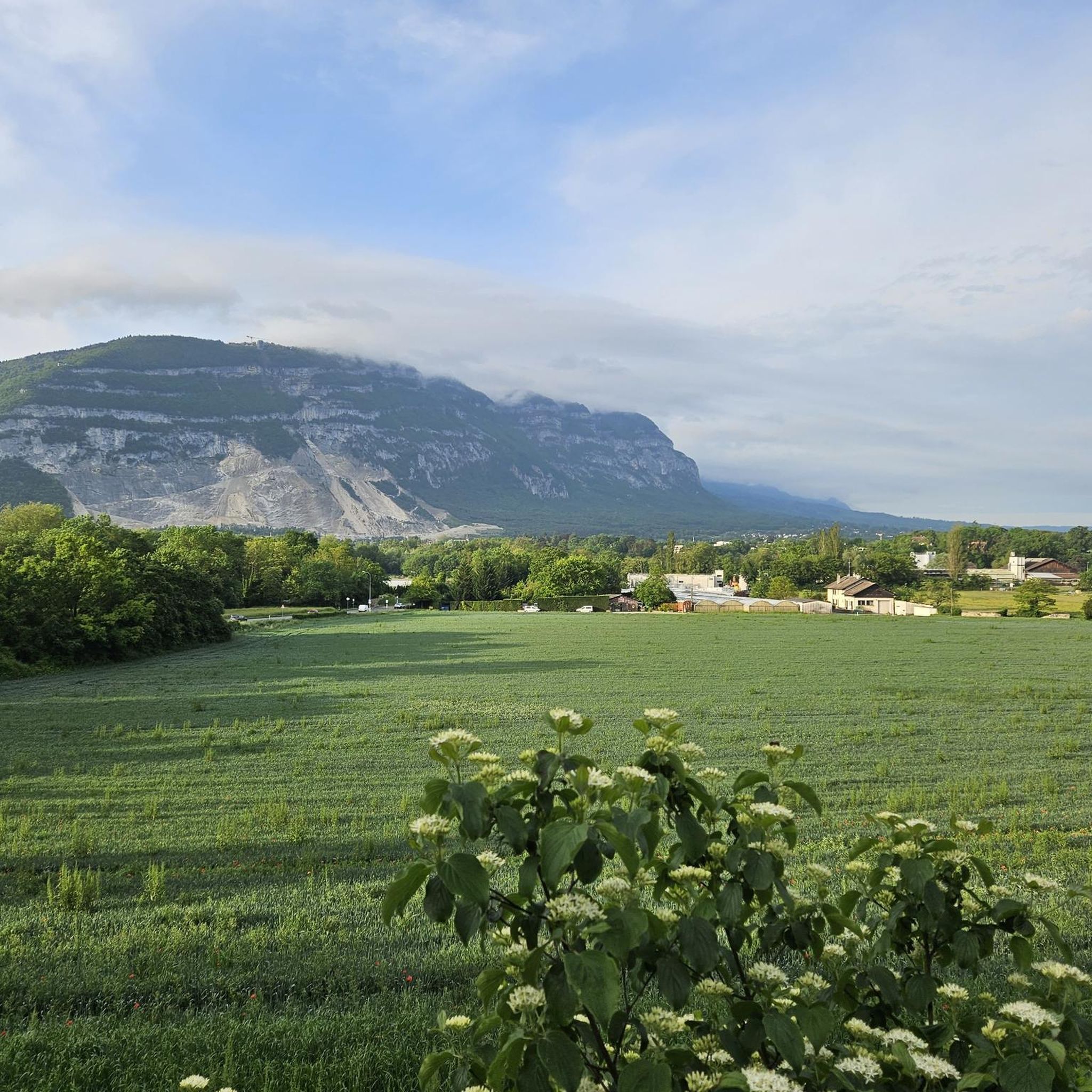
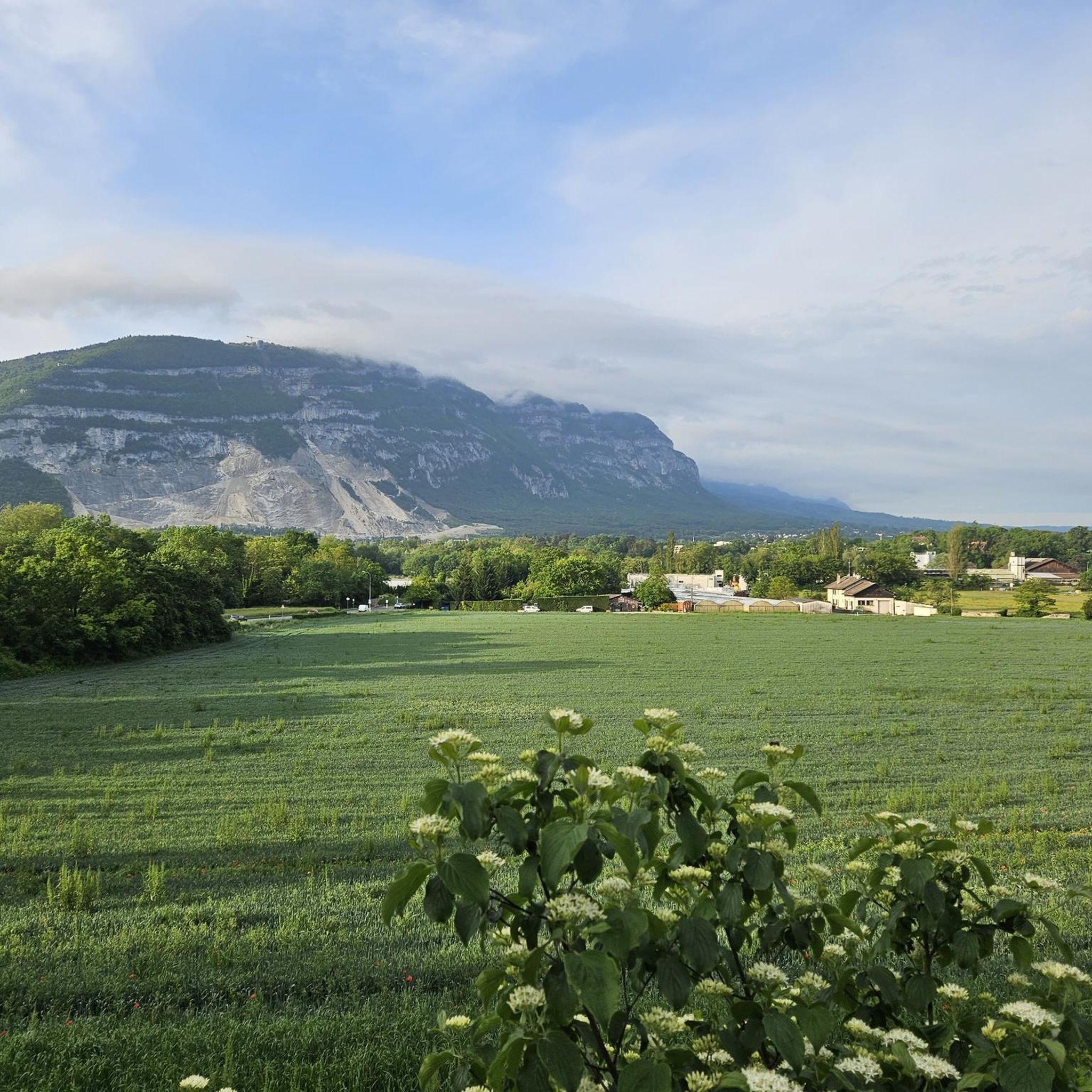
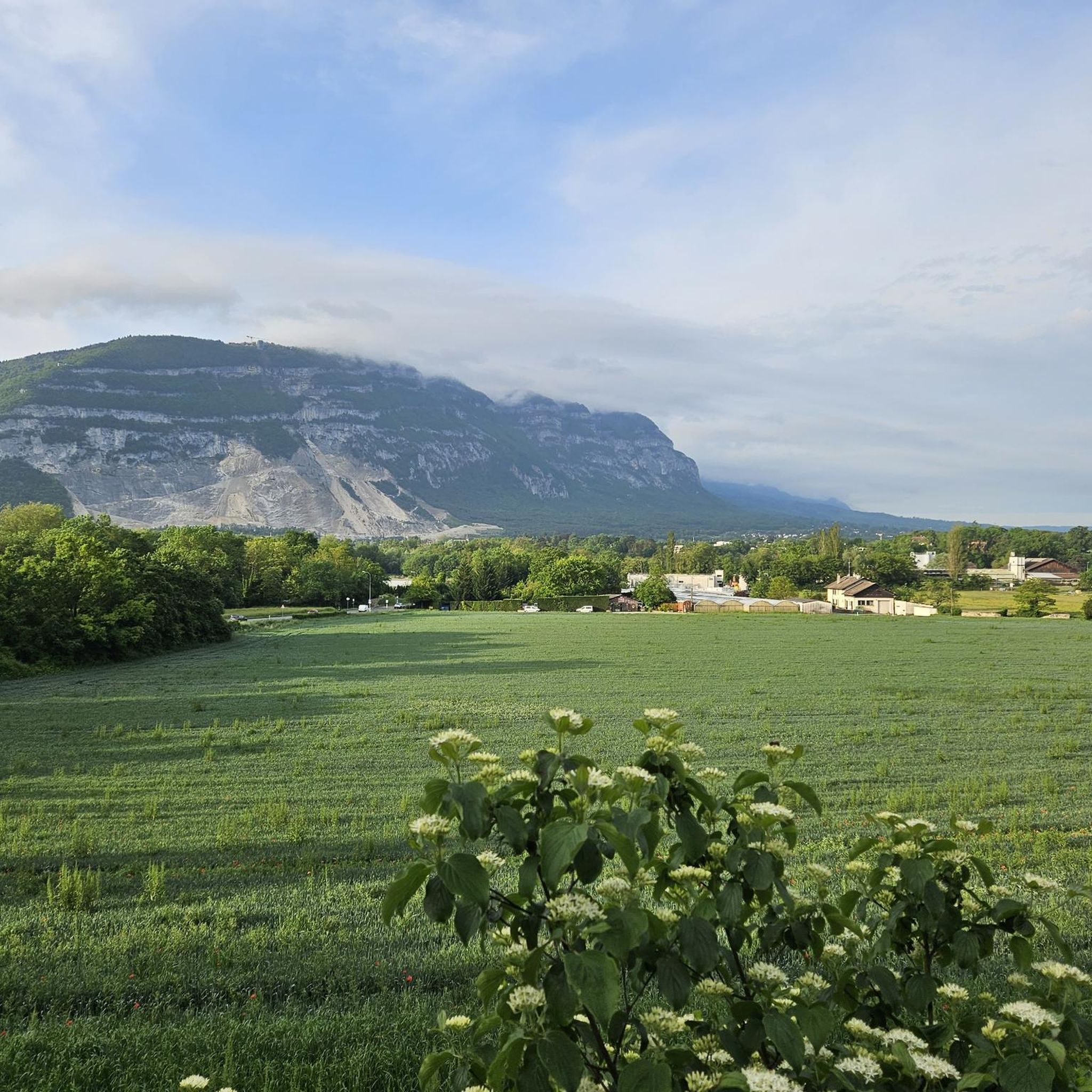
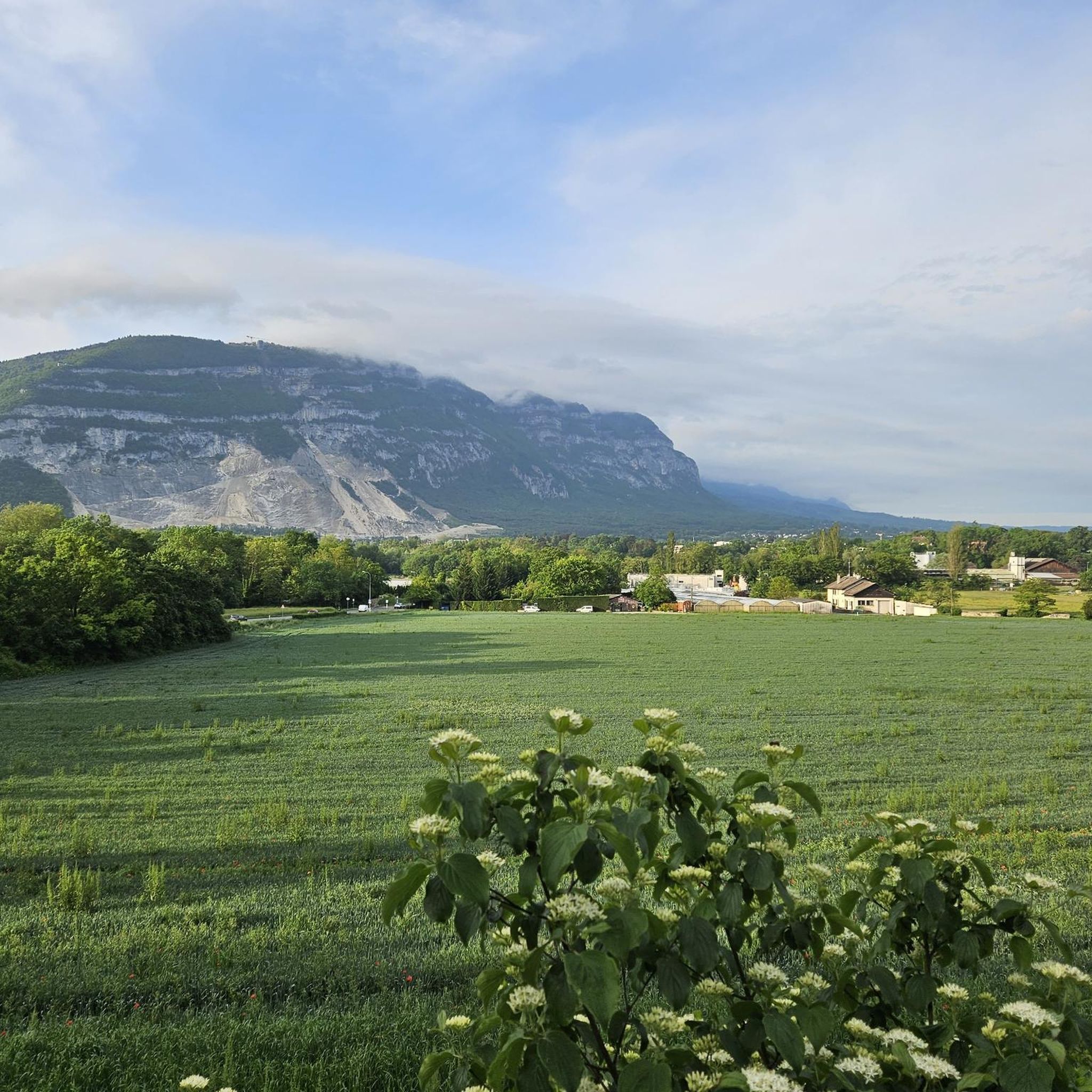
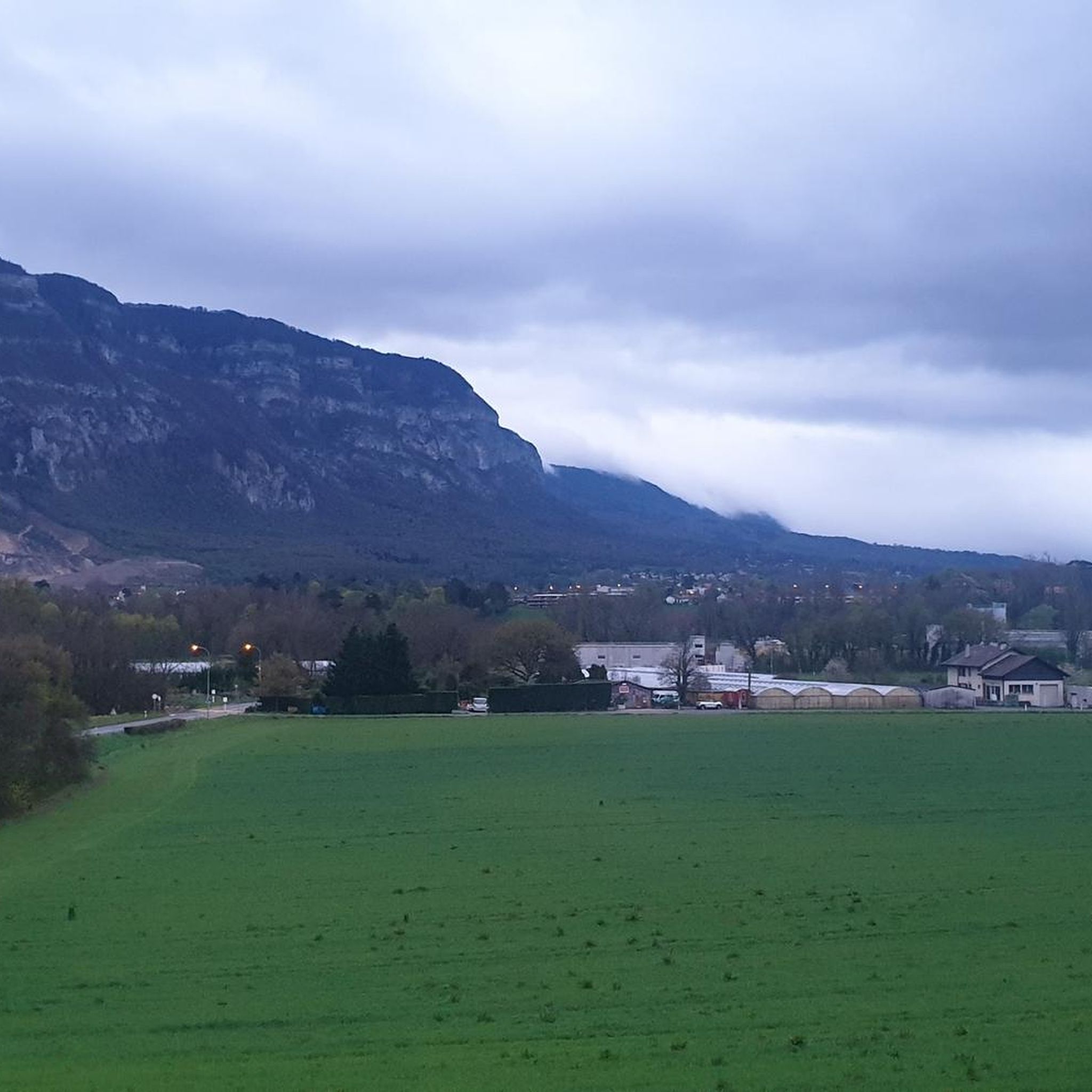
Le Trou de la Tine (Trou of the Tine Cave) was formed by erosion on the flank of Mont Salève. It is a deep, sunken hole shaped like an open-topped barrel ("Tine" is an old dialect term for barrel, "trou" means hole). The cave's ceiling has collapsed due to erosion, revealing a natural "barrel" with a side opening. One can walk into the "barrel" through this side opening.
0
0

Pretty and lively little park with several highlights and “must sees” of Geneva.
1
0
One of the city’s landmarks and a must-see.
1
0

In the English Garden, the flower clock is made up of more than 3,000 colorful plants. This horticultural mosaic requires special know-how, admirably implemented by the green spaces services of the City of Geneva. The plants of the clock are changed four times a year, giving life to a mosaic per season.
0
0

The Jet d'Eau is the emblem of Geneva. 140 metres high, it was projected in 1891 above the city's harbour, offering a superb view known to all.
1
0

What a beautiful flower mosaic
1
0

Frequently Asked Questions
What are some of the most popular natural monuments to visit around Thônex?
Among the most popular natural monuments, the Orjobet Cave stands out for its unique limestone erosion patterns and challenging geological trail. The Jet d'Eau Fountain, while man-made, is also a highly recognized symbol of Geneva and a significant visual spectacle.
Are there any natural monuments suitable for families or those with accessibility needs?
Yes, the Jet d'Eau Fountain and the Flower Clock (Horloge Fleurie) in the English Garden are both considered family-friendly and wheelchair accessible. They offer pleasant, accessible environments for all visitors.
What kind of natural features can I expect to see along the Seymaz River?
The Seymaz River is a prime example of successful ecological restoration. Along its banks, you can observe diverse flora, including rare species like bog pimpernel and marsh arrow-grass, as well as various farm plants. It's also a significant site for migratory birds, offering opportunities for birdwatching and leisurely walks.
Are there any natural monuments with historical significance near Thônex?
The Foron River holds historical significance as it marks the natural border between Switzerland and France for eight kilometers. Historically, it served as a crucial crossing point during wartime. Today, it offers opportunities for walks and observing local wildlife and plant life.
What kind of outdoor activities can I do near the natural monuments around Thônex?
The area around Thônex offers various outdoor activities. You can find numerous hiking trails, including easy and moderate options like 'Les Berges de Vessy' or 'Seymaz River and Cologny Loop'. For more adventurous visitors, there are also mountain biking trails. You can explore more options on the Hiking around Thônex or MTB Trails around Thônex guide pages.
What makes the Orjobet Cave a unique natural monument?
The Orjobet Cave, discovered in 1779, is known for its typical erosion patterns of limestone areas. It's a semi-wild cave that can be explored by hikers and is part of a challenging geological trail. It features a large chimney several dozen meters high, illuminated by natural openings, and offers panoramic views of the Geneva plain and Mont Blanc.
Are there any other interesting cave formations besides Orjobet Cave?
Yes, The Trou de la Tine is another fascinating cave formation. It's a cave where the ceiling has collapsed, giving it a unique shape that resembles a barrel. It offers a short, worthwhile detour for exploration during a hike.
What do visitors enjoy most about the natural monuments in the Thônex area?
Visitors particularly appreciate the diverse natural monuments, from the ecological success story of the Seymaz River to the challenging yet rewarding experience of exploring the Orjobet Cave. The area's blend of natural beauty, recreational opportunities, and unique geological features receives high praise, with over 800 upvotes and 86 photos shared by the komoot community.
Can I access the natural monuments using public transport?
While specific public transport routes to every single natural monument may vary, many areas, especially those closer to urban centers like the English Garden (home to the Flower Clock) and the Jet d'Eau, are well-served by Geneva's public transport network. For more remote sites like the caves, a combination of public transport and hiking might be necessary.
Are there any natural areas near Thônex that are good for birdwatching?
Absolutely. The Seymaz River, particularly after its renaturation project, has become the third most important site for migratory birds in Geneva. Its recreated marshland provides a crucial refuge for local fauna and a resting place for various bird species, making it an excellent spot for birdwatching.
What is the best time of year to visit the natural monuments around Thônex?
The natural monuments around Thônex can be enjoyed throughout the year, but spring and autumn often offer the most pleasant conditions for walking and exploring. During these seasons, the weather is generally mild, and the natural landscapes, especially along the rivers, are vibrant with flora or autumn colors. Summer is also popular, though it can be warmer, while winter offers a different, often quieter, perspective.
Are there any natural monuments that offer panoramic views?
Yes, the geological trail leading to and around the Orjobet Cave provides panoramic views of the Geneva plain and Mont Blanc, offering breathtaking vistas for hikers.
Most popular routes around Thônex
Most popular attractions around Thônex

Get inspired with the komoot mobile app


Explore more
Extend your search for the best caves by checking out these guides of the top ones around Thônex:
