Top 20 Natural Monuments around Münster-Geschinen
Best natural monuments around Münster-Geschinen are found within the Goms municipality in the canton of Valais, Switzerland. This region features diverse natural landscapes, including high alpine lakes, glaciers, and protected wetland habitats. The area is characterized by its position in the Swiss Alps, offering varied terrain and significant natural features. It serves as a key area for exploring the natural environment of the Valais region.
Best natural monuments around Münster-Geschinen
- The most popular natural monuments is Toce Waterfall, a…
Last updated: July 10, 2026
Totensee (Grimsel Pass)
Highlight • Lake
Translated by Google •
Tip by

Morasco Lake
Highlight • Lake
Translated by Google •
Tip by

Sign up now to discover places like this
Get recommendations on the best single tracks, peaks, & plenty of other exciting outdoor places.
Sign up for free
Lake Toggia
Highlight • Lake
Translated by Google •
Tip by

Toce Waterfall
Highlight • Waterfall
Translated by Google •
Tip by

Oberaar Glacier Tongue
Highlight • Natural Monument
Translated by Google •
Tip by

Sign up for free to discover even more natural monuments around Münster-Geschinen.
Sign up for free
Already have an account?
Start today with a free account
Your next adventure awaits.
Login or Signup
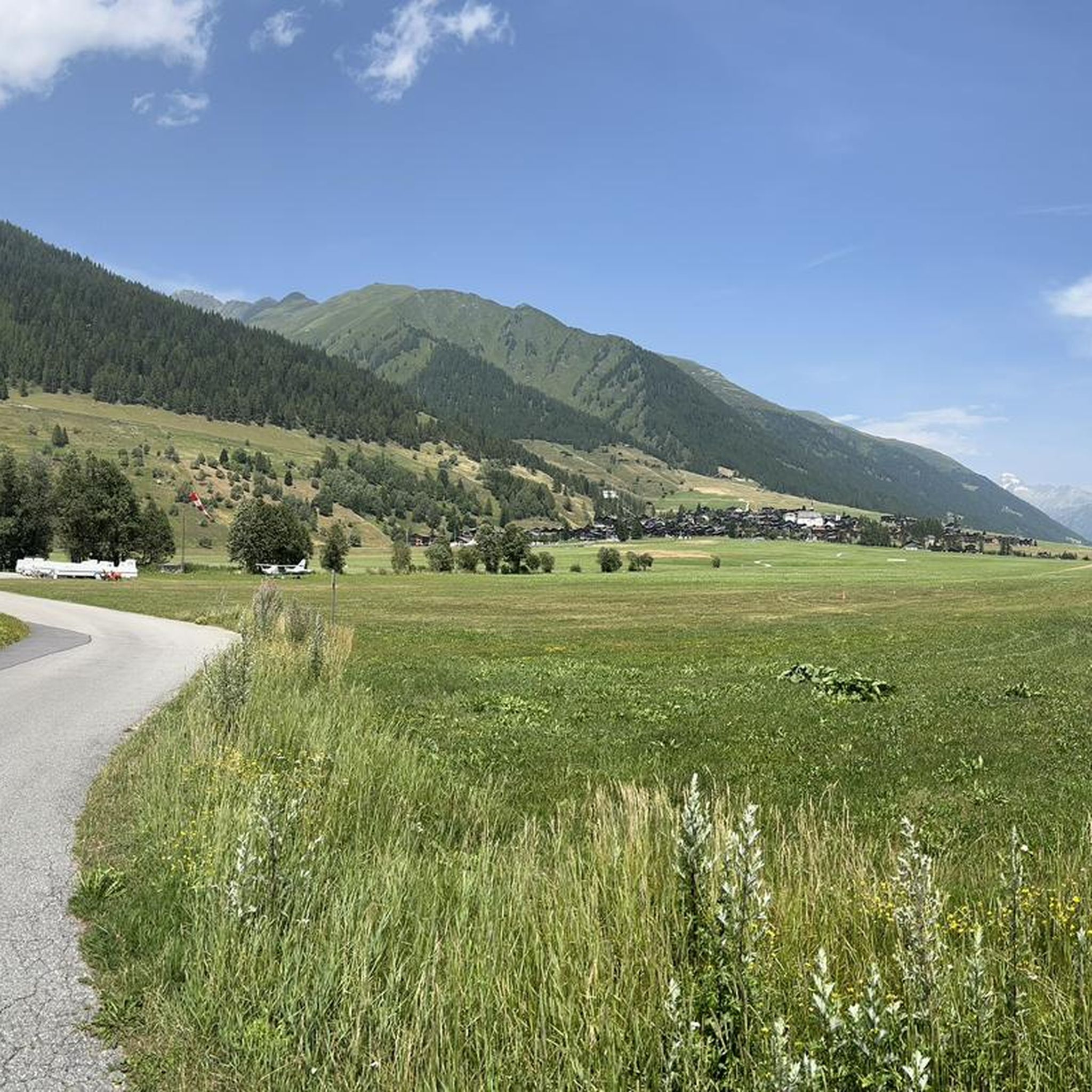
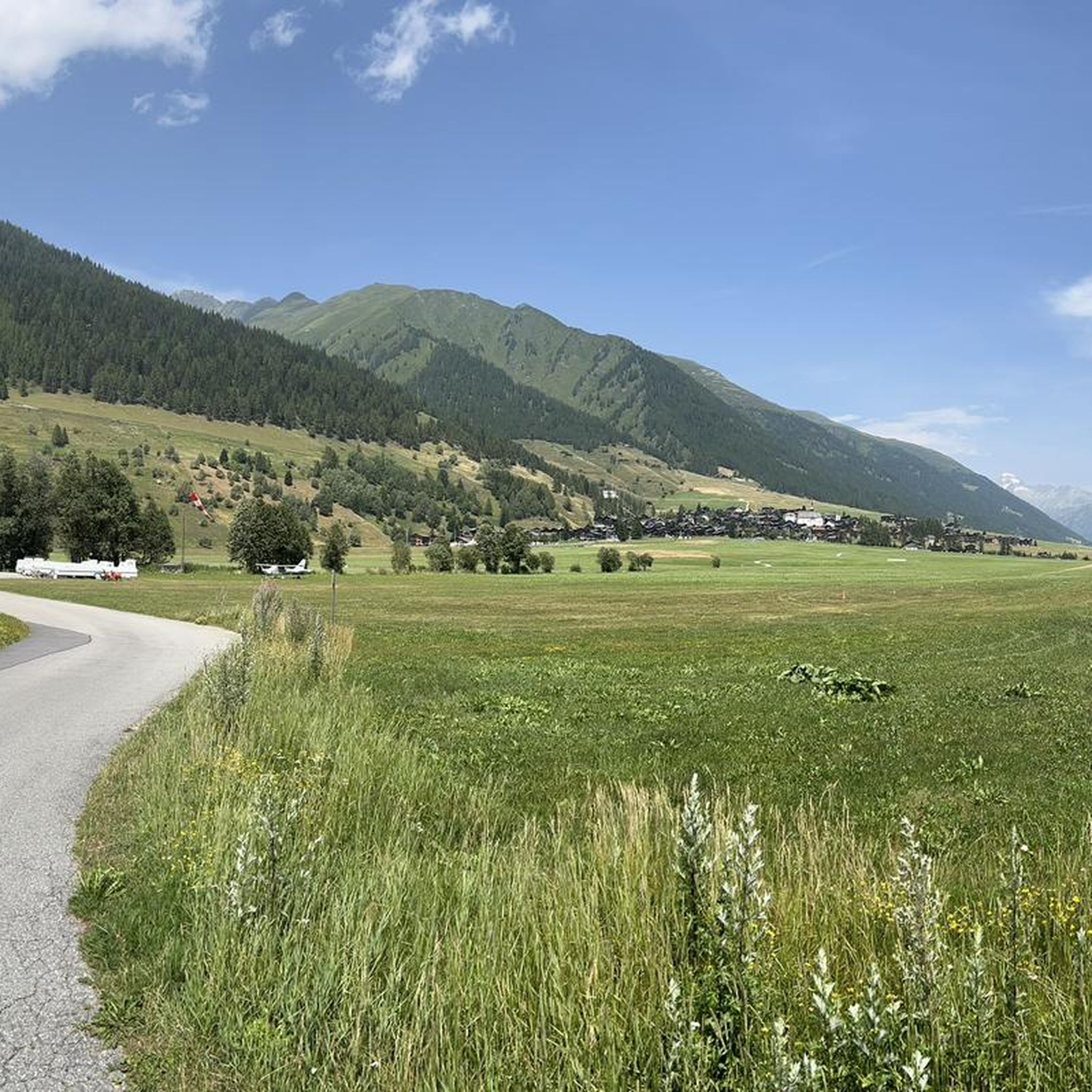
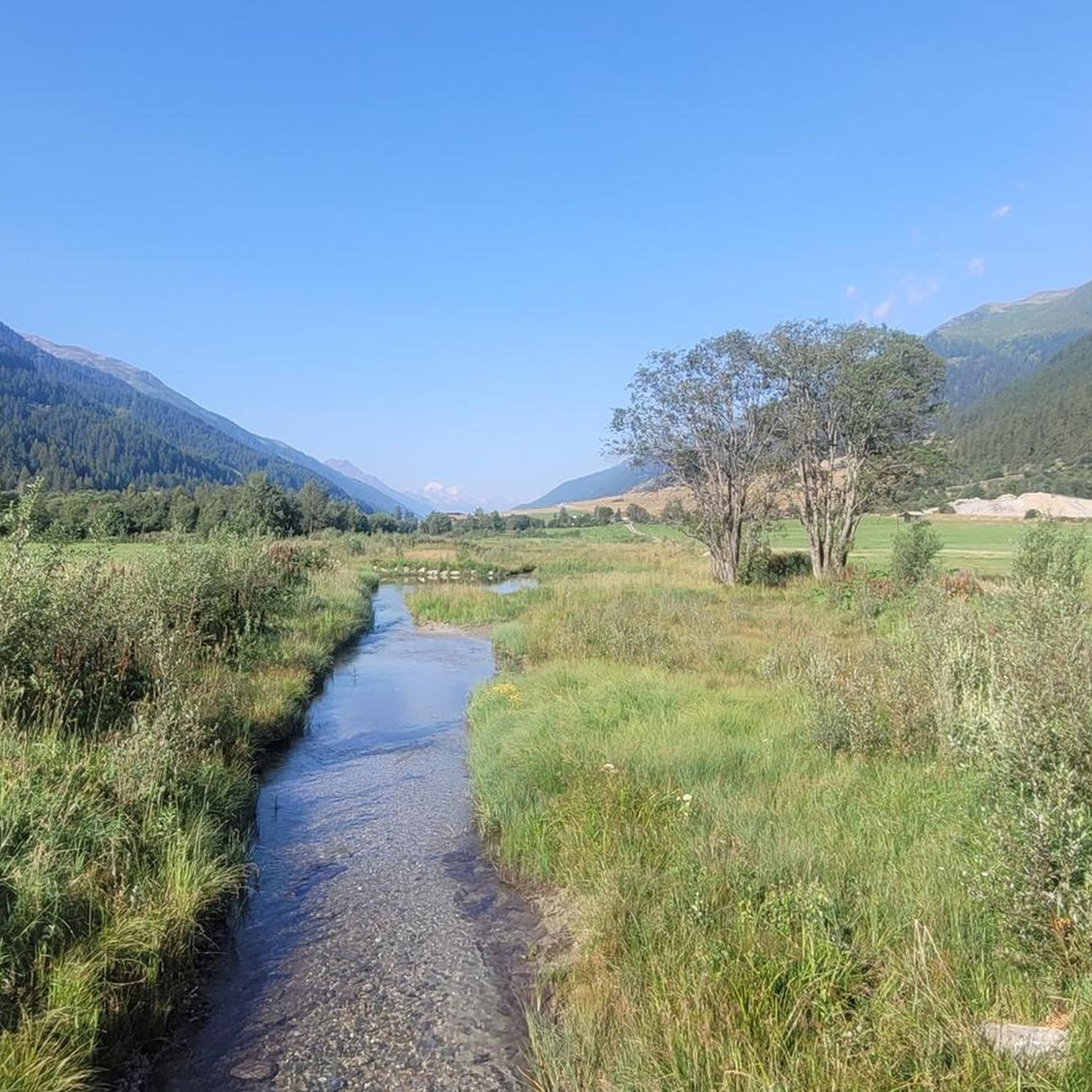
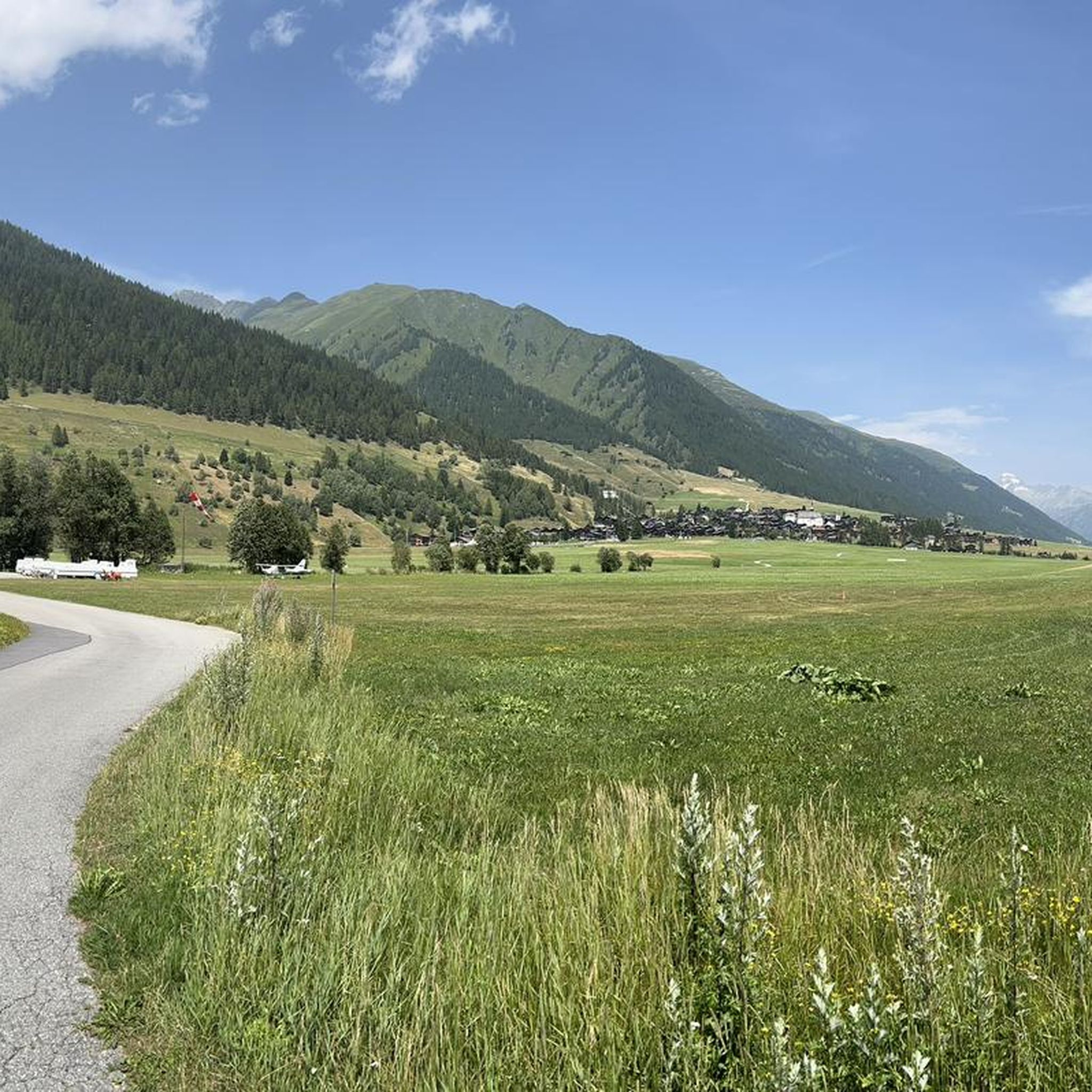

Tips from the Community


A few minutes from the Maria Luisa refuge...not to be missed, on a road suitable for vehicles
0
0

A Bit of Relaxation🌈on Lake Toggia🏞️
1
0

Lake Toggia (or Lake Toggia) is located in Val Formazza (VB) upstream of Riale, the northernmost hamlet of Piedmont. Its dam, built in the years 1929-32 on the Roni Torrent, is 199 meters long and 44 meters high. A dirt road runs along the western shore and then continues towards the San Giacomo Pass which marks the border with Switzerland. The closest support point is the Rifugio Maria Luisa
1
0


A beautiful lake, I was lucky enough to photograph it with the snow-capped mountains.
22
1

A well-maintained gravel road leads to the San Giacomo Pass
0
3

The dam, built in the years 1929-32 on the Roni stream, has a length of 199 meters and is 44 meters high. A dirt road runs along the western shore and then continues towards the San Giacomo Pass which marks the border with Switzerland. The structure can be explored both on foot and by bike.
0
3
Frequently Asked Questions
What unique natural monuments can I explore in the Münster-Geschinen region?
Beyond the well-known sites, the region offers unique natural monuments like the Honeye-Magadi nature reserve, a significant relic of alluvial forest and a crucial habitat for dragonflies. You can also visit the pristine high-alpine lake Trützisee, located below Löffelhorn, offering breathtaking mountain scenery.
Are there any family-friendly natural monuments to visit around Münster-Geschinen?
Yes, the Toce Waterfall is considered family-friendly. A wooden walkway at its top allows for safe and impressive views of the 143-meter cascade. It's a striking natural spectacle that can be enjoyed by all ages.
What kind of natural features are prominent in the Goms municipality around Münster-Geschinen?
The Goms municipality is characterized by diverse natural features, including high alpine lakes, glaciers, and protected wetland habitats. You'll find impressive water features like the Totensee (Grimsel Pass), a reservoir on the alpine watershed, and the Lake Toggia, a magnificent reservoir with a stunning mountain backdrop.
What outdoor activities can I do near the natural monuments in Münster-Geschinen?
The area around Münster-Geschinen offers various outdoor activities. You can find numerous hiking trails, such as the moderate 'Galmihorn Hut loop from Münster VS' or easier routes like 'Along the Rotten – Lake Geschinen loop from Ulrichen'. For cyclists, there are road cycling and touring bicycle routes available. Explore more options on the Hiking around Münster-Geschinen or Cycling around Münster-Geschinen guide pages.
When is the best time to visit the natural monuments in the Münster-Geschinen region?
The best time to visit largely depends on the specific natural monument and desired activity. High-alpine areas and passes like Grimsel Pass are typically accessible from late spring to early autumn (roughly July to October) when snow has melted. Wetlands and lower-elevation lakes can be enjoyed throughout the warmer months. Always check local conditions, especially for higher altitudes.
Are there any natural monuments that offer significant viewpoints?
Yes, several natural monuments double as excellent viewpoints. The Toce Waterfall provides a unique perspective from its wooden walkway. Additionally, the Continental Divide Monument at Grimsel Pass offers panoramic views and highlights the European watershed, where water flows either to the Mediterranean or the North Sea.
Can I find easy hiking trails near the natural monuments in Münster-Geschinen?
Yes, there are easy hiking trails available. For instance, the 'Along the Rotten – Lake Geschinen loop from Ulrichen' is an easy route. These trails often provide accessible ways to experience the natural beauty of the region. You can find more details on the Hiking around Münster-Geschinen guide.
Is there parking available near the natural monuments?
Parking availability varies by location. For example, to access the Oberaar Glacier Tongue, there is a chargeable parking lot below the Berghaus Oberaar, accessible via a private panoramic road from Grimsel Pass. For other sites, it's advisable to check specific access information for each monument.
What can I expect to see at the Oberaar Glacier Tongue?
The Oberaar Glacier Tongue offers a close-up experience with a valley glacier. It's nearly 5 km long and originates at the Oberaarjoch. Visitors can hike on a mountain path to the glacier tongue, which sits at 2,310 meters at the far end of the Oberaar reservoir, providing a dramatic alpine landscape.
What do visitors enjoy most about the natural monuments in this region?
Visitors frequently appreciate the stunning mountain backdrops, the pristine nature of the high-alpine lakes, and the sheer power of waterfalls like Toce. The unique ecological significance of areas like the Honeye-Magadi nature reserve also draws interest, offering opportunities for wildlife observation, particularly dragonflies.
Are there any man-made natural monuments in the area?
While many features are purely natural, some significant sites integrate man-made structures into the natural environment. For example, Lake Toggia is a reservoir created by a dam, yet it is set within a beautiful mountain landscape. Similarly, Geschinersee, though a reservoir created in 2004, has become an important recreational and bird-watching spot.
Can I reach these natural monuments using public transport?
Public transport options exist within the Goms region, connecting various villages. However, direct access to all natural monuments, especially those in remote high-alpine areas, might require a combination of public transport and hiking. It's recommended to research specific routes and schedules for your chosen destination.
Most popular routes around Münster-Geschinen
Most popular attractions around Münster-Geschinen

Get inspired with the komoot mobile app


Explore more
Extend your search for the best caves by checking out these guides of the top ones around Münster-Geschinen:
