Top 12 Natural Monuments around Ecublens
Best natural monuments around Ecublens offer a rich tapestry of natural beauty through its rivers, forests, and dedicated green spaces. The municipality of Ecublens, in the canton of Vaud, Switzerland, is recognized for its commitment to urban greenery and biodiversity. These natural areas provide accessible spaces for relaxation, walks, and observing local wildlife. Proactive conservation efforts ensure these green lungs remain vibrant and contribute to the quality of life in the region.
Best natural monuments around Ecublens
- The most popular…
Last updated: June 26, 2026
Lavaux Vineyard Terraces (UNESCO World Heritage Site)
Highlight • Historical Site
Translated by Google •
Tip by

Soldiers' Fountain
Highlight • Structure
Translated by Google •
Tip by

Sign up now to discover places like this
Get recommendations on the best single tracks, peaks, & plenty of other exciting outdoor places.
Sign up for free
Lutry Megalithic Alignment
Highlight • Historical Site
Translated by Google •
Tip by
Bird Island (Île aux Oiseaux)
Highlight • Natural
Translated by Google •
Tip by

Independence Park Tulip Gardens
Highlight • Natural Monument
Translated by Google •
Tip by

Sign up for free to discover even more natural monuments around Ecublens.
Sign up for free
Already have an account?
Start today with a free account
Your next adventure awaits.
Login or Signup

Tips from the Community


In April and May, the Tulip Festival takes place in the Parc de l'Indépendance in Morges. Many beautiful beds with diverse varieties of tulips are planted there. Truly worth a visit and a short trip!
1
0


Perhaps because Willem VS's text was originally written in German as indicated by the "translated with Google" at the end of his comment...
0
0

The Alignement mégalithique de Lutry in Switzerland is a fascinating Neolithic megalithic site consisting of 23 menhirs divided into two segments. Discovered in 1984 and reconstructed in 1986, the stones are placed next to each other with almost no gaps, which is unique. Some of the menhirs have human forms and engravings, suggesting that they may have had a ritual function. The largest stones are up to 3 meters high, while others are no higher than 80 cm. This site offers an intriguing insight into the prehistoric culture and rituals of the region.
7
0

One of the 12 fountains on the fountain circuit. It was used to supply the soldiers with water on their journey between the Pontaise barracks and the shooting range on the Mauvernay plain.
2
0

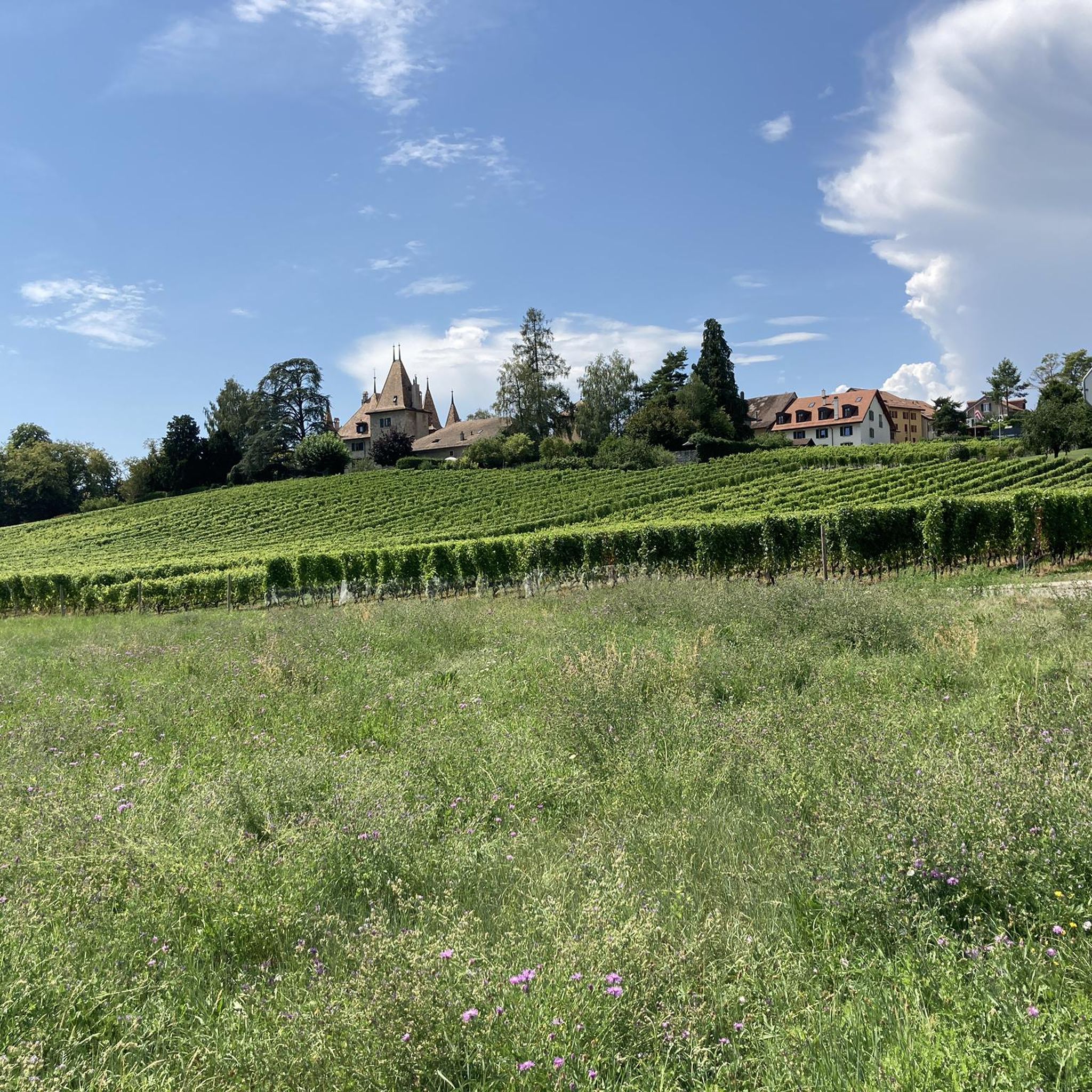
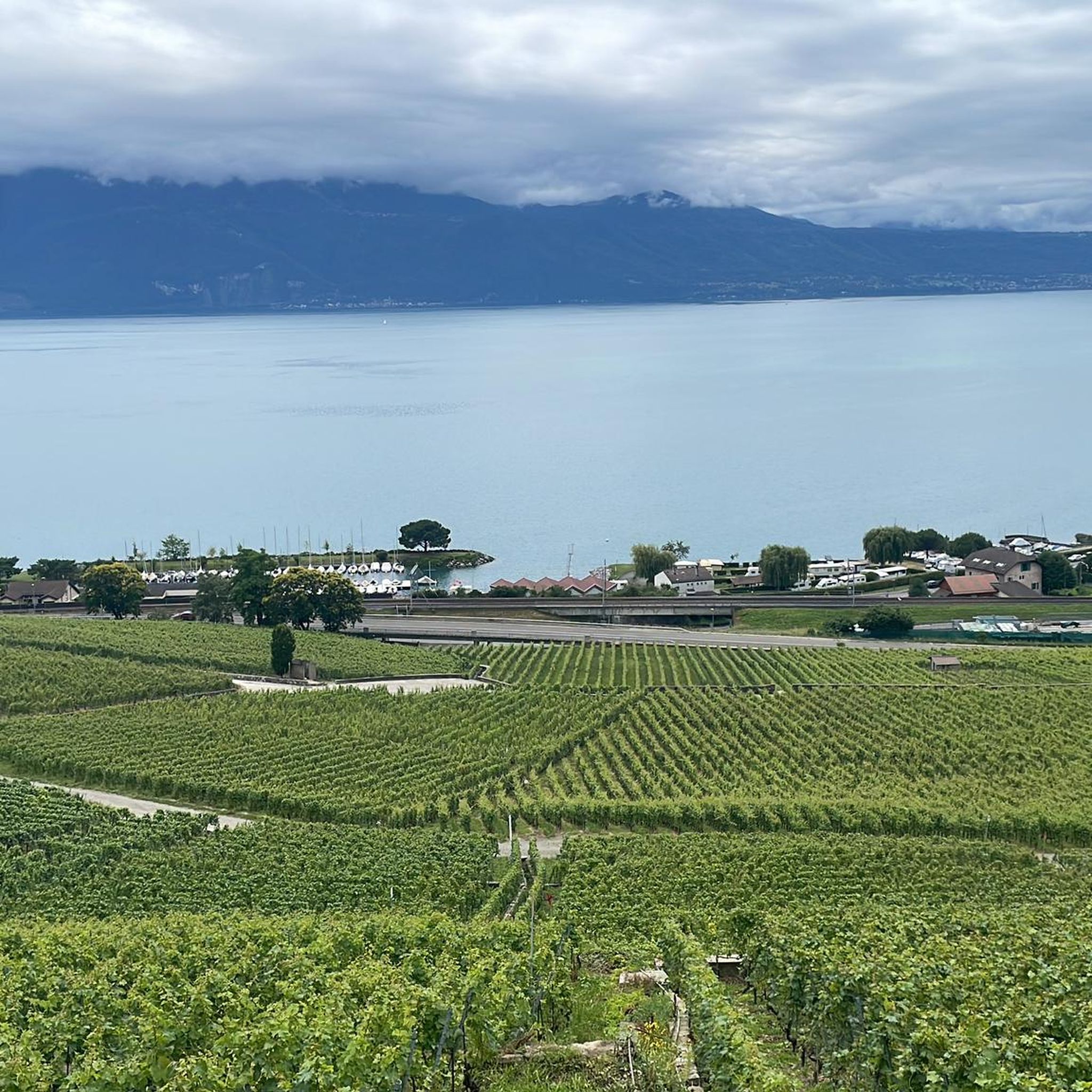
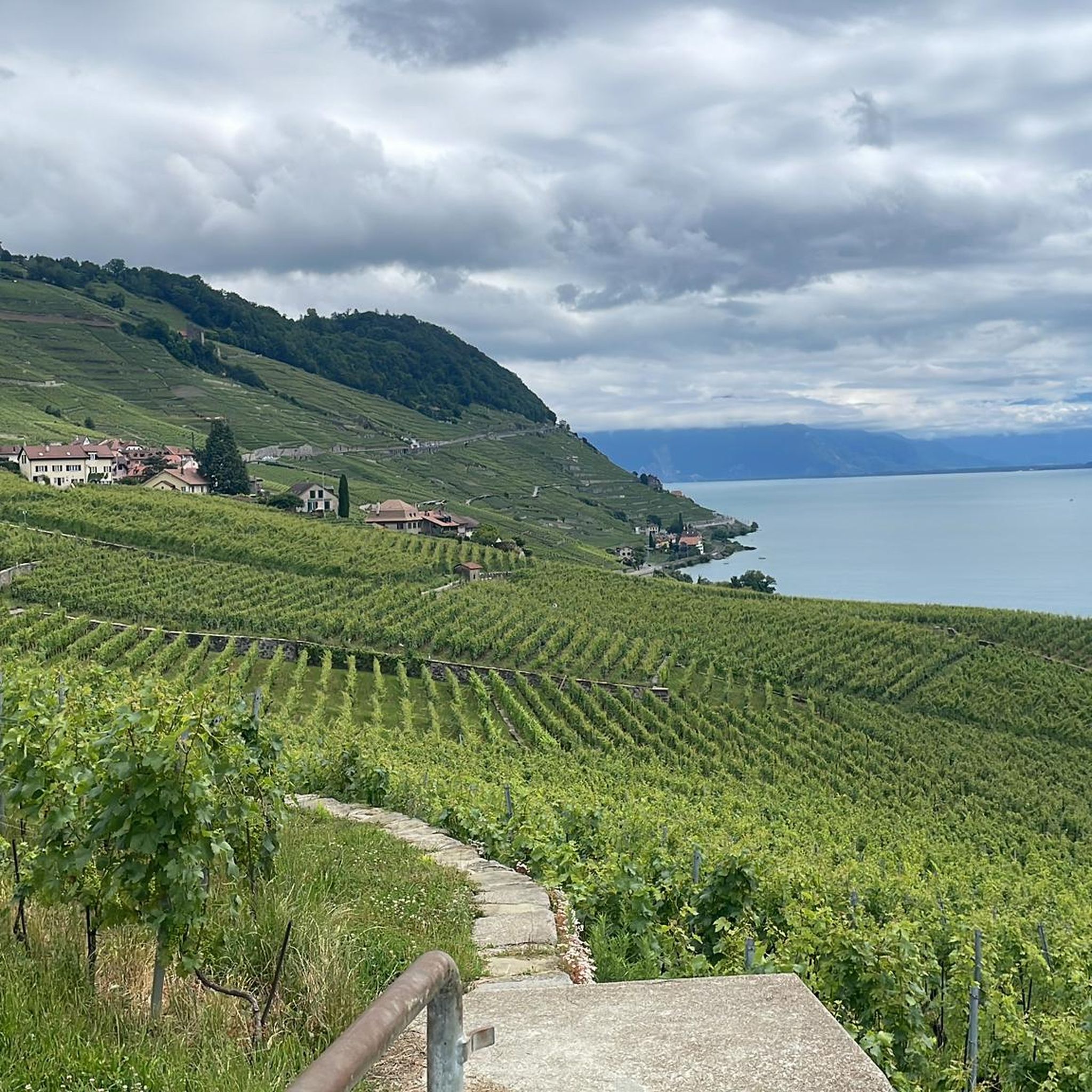
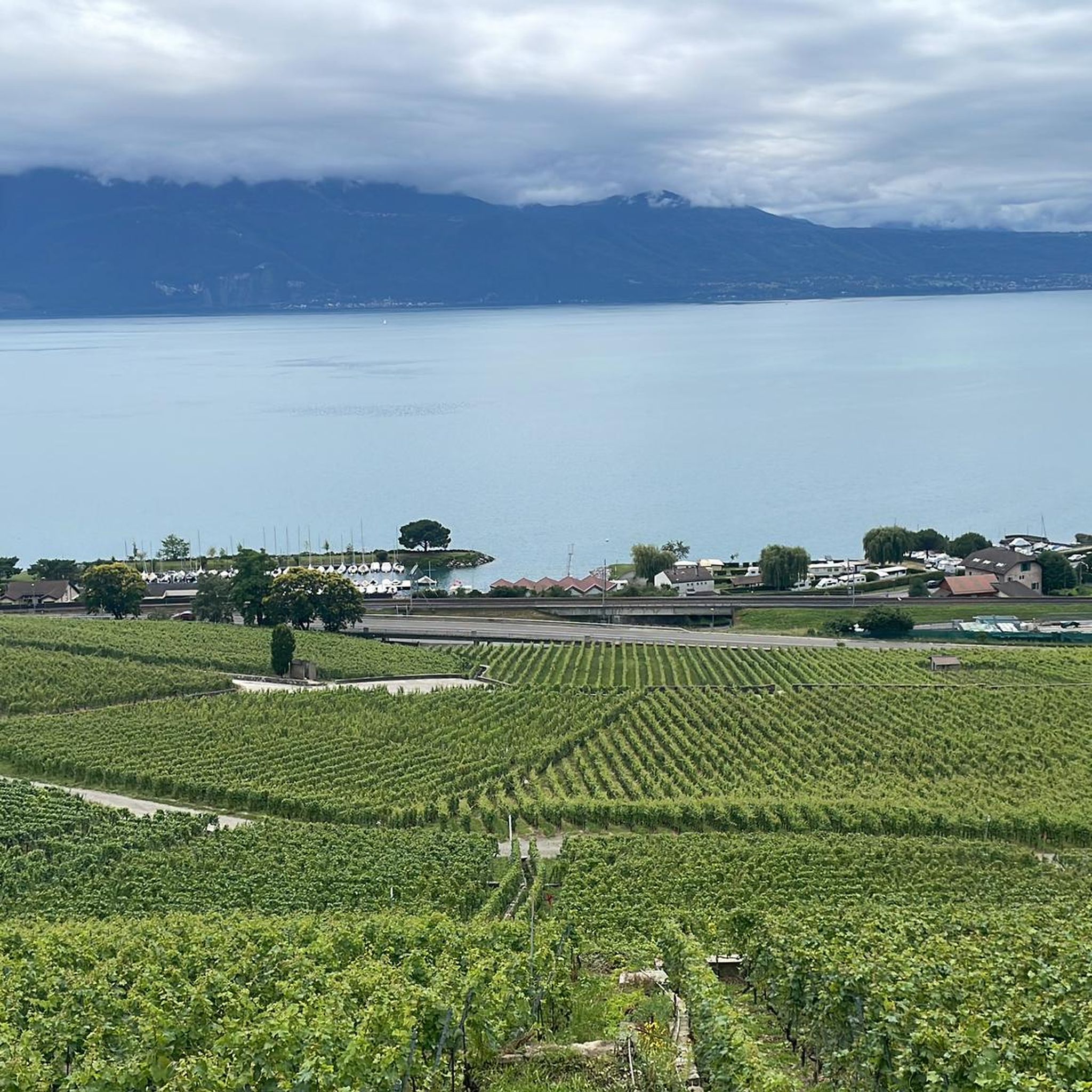
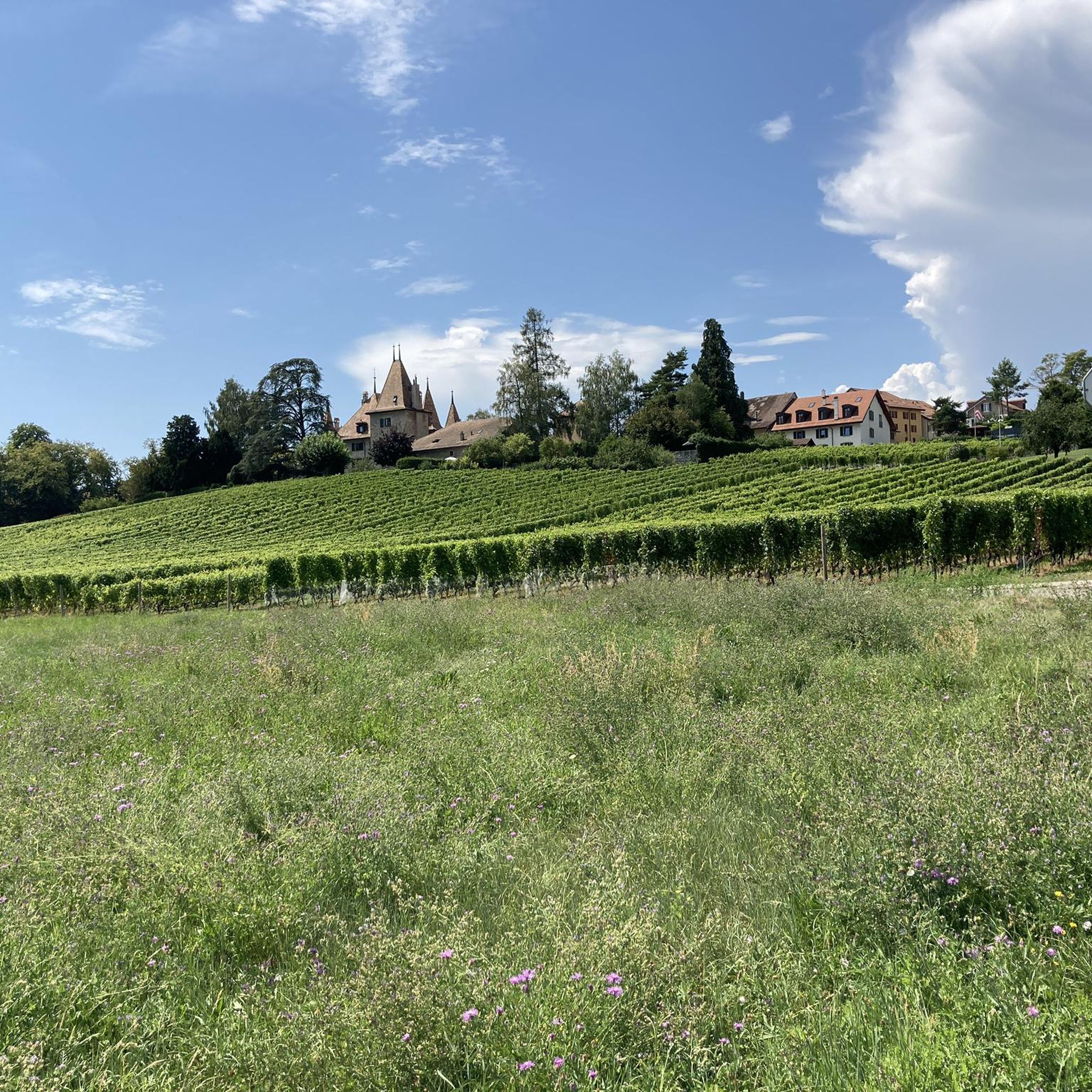
Hello, I am surprised by the name used for your route called weinroute. This is located in the heart of Lavaux. Wine region of the canton of Vaud in French-speaking Switzerland. We speak french. So why not title the route vineyard route as in the photo. I don't think the routes in Bordeaux have names in German!
0
1
The Lavaux vineyard terraces are located on the shores of Lake Geneva in Switzerland. They were built by monks in the 12th century and cover approximately 800 hectares. The terraces are built on steep slopes and are supported by stone walls that provide protection against erosion. The area is known for its beautiful views over Lake Geneva and the Alps, and for the production of quality wines, mainly white wine made from the Chasselas grape. The Lavaux Vineyard Terraces are also included in the UNESCO World Heritage List for their cultural and landscape value. The terraces are still worked by local winegrowers and the tradition of winemaking has been continued here for centuries. Visitors can explore the Lavaux vineyard terraces via hiking trails and enjoy wine tastings at local wineries. The area attracts many tourists every year who come to enjoy the beautiful surroundings and the delicious wines.
8
0
Frequently Asked Questions
What are the most popular natural monuments around Ecublens?
Visitors frequently enjoy the tranquil beauty of Bird Island (Île aux Oiseaux), an artificial refuge for migratory birds, and the stunning Lavaux Vineyard Terraces (UNESCO World Heritage Site), known for its breathtaking views over Lake Geneva and the Alps. The historic Soldiers' Fountain also offers a glimpse into the region's past.
Are there family-friendly natural monuments in Ecublens?
Yes, several natural monuments are suitable for families. Bird Island (Île aux Oiseaux) is excellent for wildlife observation. The Soldiers' Fountain and the Lutry Megalithic Alignment offer interesting historical insights. Additionally, the Independence Park Tulip Gardens are particularly family-friendly, especially during the Tulip Festival, with free admission and paths suitable for prams.
What kind of wildlife can I spot near Ecublens' natural areas?
Ecublens' natural areas are rich in biodiversity. Along the Venoge River, you might spot various fish species like brown trout and common grayling, as well as waterbirds such as the Grey Heron and the European Kingfisher. The municipal forests are home to deer, foxes, badgers, and a variety of bird species, insects, and amphibians. Bird Island (Île aux Oiseaux) is specifically designed as a refuge for migratory and nesting birds, making it a prime spot for ornithologists.
What historical or cultural sites are considered natural monuments in the region?
The Lavaux Vineyard Terraces (UNESCO World Heritage Site) is a prime example, recognized for both its natural beauty and its cultural and landscape value. Another significant site is the Lutry Megalithic Alignment, a fascinating Neolithic site with ancient menhirs, offering insight into prehistoric culture. The Soldiers' Fountain also carries historical significance related to the region's past.
Are there accessible natural monuments for visitors with wheelchairs or prams?
Yes, the Independence Park Tulip Gardens are noted for their accessibility, with paths suitable for wheelchairs and prams, especially during the Tulip Festival. The municipality's commitment to green spaces also ensures that many parks and green belts are generally accessible for leisurely strolls.
What outdoor activities can I do near these natural monuments?
The region around Ecublens offers various outdoor activities. You can enjoy cycling on routes like the 'Parc du Pelican – Port de Pierrettes loop' or 'SwissTech Convention Center – Saint-Sulpice Cycle Path loop'. For gravel biking, explore routes such as 'Montheron Abbey – Trail Along the Talent Stream loop'. Road cycling enthusiasts can take on routes like 'Vufflens Castle – Rolle Castle loop'. You can find more details on these and other routes in the Cycling around Ecublens, Gravel biking around Ecublens, and Road Cycling Routes around Ecublens guides.
When is the best time to visit the natural monuments in Ecublens?
The best time to visit depends on your interests. For vibrant floral displays, late April and the first two weeks of May are ideal to see the 120,000 tulips in full bloom at the Independence Park Tulip Gardens. Spring and autumn generally offer pleasant weather for exploring the Venoge River trails and municipal forests. Summer is great for enjoying the green spaces and recreational opportunities, while winter can offer serene, quiet walks, though some areas might be less accessible.
What are the main natural features that define Ecublens' landscape?
Ecublens' landscape is primarily defined by the serene Venoge River, often described as 'poetic,' which supports a diverse ecosystem. The municipality also boasts 32 hectares of communal forests, predominantly deciduous, serving as vital ecological refuges. Additionally, dedicated green spaces, parks, and biodiversity initiatives contribute significantly to the town's natural character, reflecting its 'VilleVerte' (Green City) label.
Can I find hiking trails near the natural monuments?
Yes, trails alongside the Venoge River offer picturesque walks, connecting visitors to surrounding landscapes and even extending towards Lake Geneva. The Lavaux Vineyard Terraces also feature hiking trails that allow visitors to explore the area and enjoy wine tastings at local wineries.
What makes the Venoge River special?
The Venoge River is often celebrated for its serene character and is known as a 'poetic river.' Its clear waters support a diverse ecosystem, including various fish species like brown trout and common grayling, as well as aquatic insects, crayfish, and frogs. Birdwatchers can also spot waterbirds such as the Grey Heron and the European Kingfisher along its tranquil banks. Trails alongside the river provide excellent opportunities for peaceful walks.
How does Ecublens contribute to environmental conservation?
Ecublens is recognized for its strong commitment to urban greenery and biodiversity, holding the 'VilleVerte' (Green City) label. The municipality actively manages its 32 hectares of communal forests to ensure ecological soundness and dedicates 4.4% of its area to parks and green belts. Local initiatives like 'Les Jardins Extraordinaires' encourage residents to enhance biodiversity in private gardens through subsidies for creating biotopes, wildflower meadows, and planting indigenous species.
Are there any unique natural formations or geological sites to see?
While Ecublens may not have dramatic geological formations, the Lutry Megalithic Alignment is a unique man-made arrangement of natural stones. This Neolithic site consists of 23 menhirs, some with human-shaped engravings, offering an intriguing glimpse into prehistoric culture and the use of natural elements in ancient rituals.
Most popular routes around Ecublens
Most popular attractions around Ecublens

Get inspired with the komoot mobile app


Explore more
Extend your search for the best caves by checking out these guides of the top ones around Ecublens:
