Top 17 Natural Monuments around Bretonnières
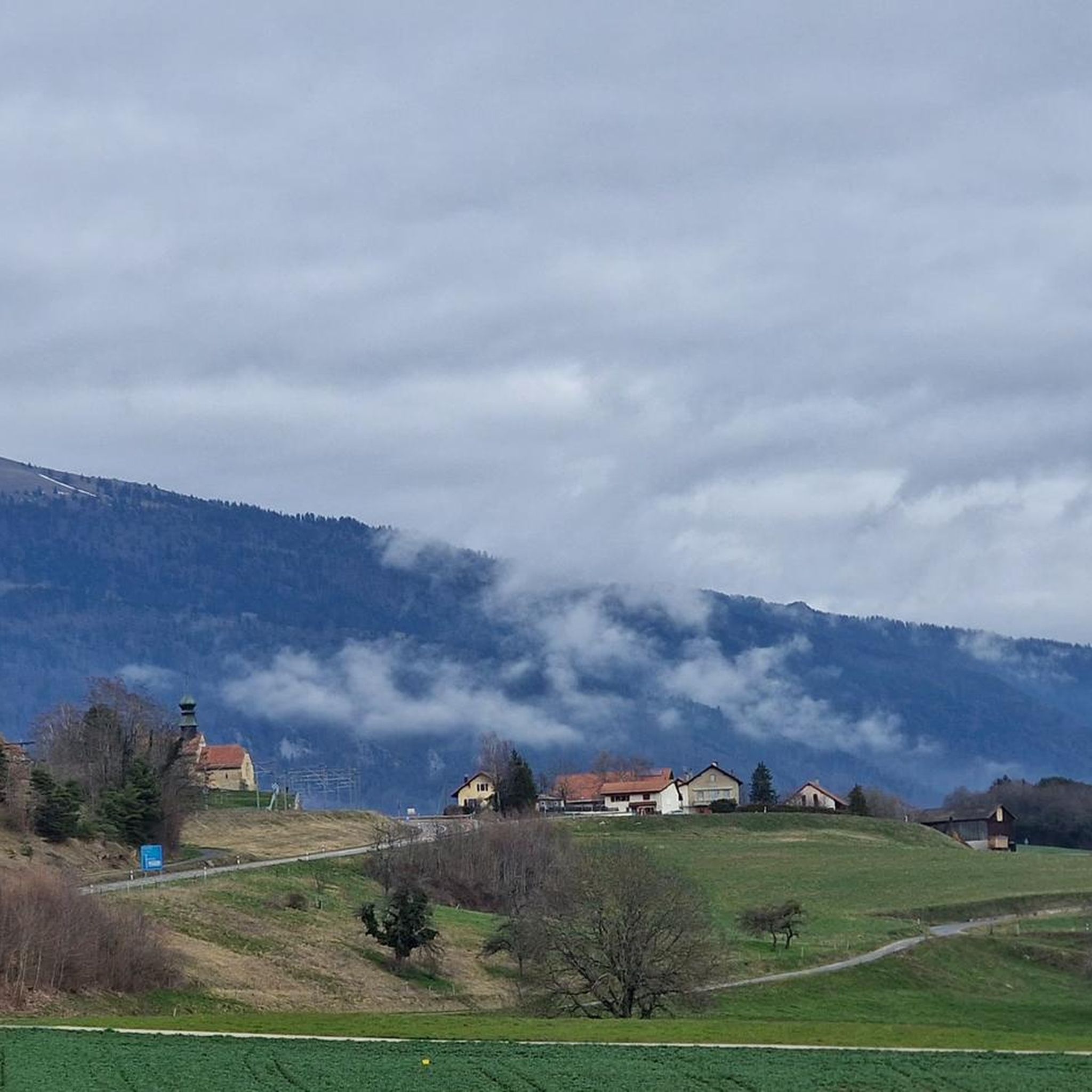
Best natural monuments around Bretonnières are found in a region characterized by its mountainous terrain and diverse natural features, offering a range of outdoor experiences. The landscape includes high summits, dramatic waterfalls, and intriguing cave systems. This area provides opportunities to explore geological formations and observe varied ecosystems.
Best natural monuments around Bretonnières
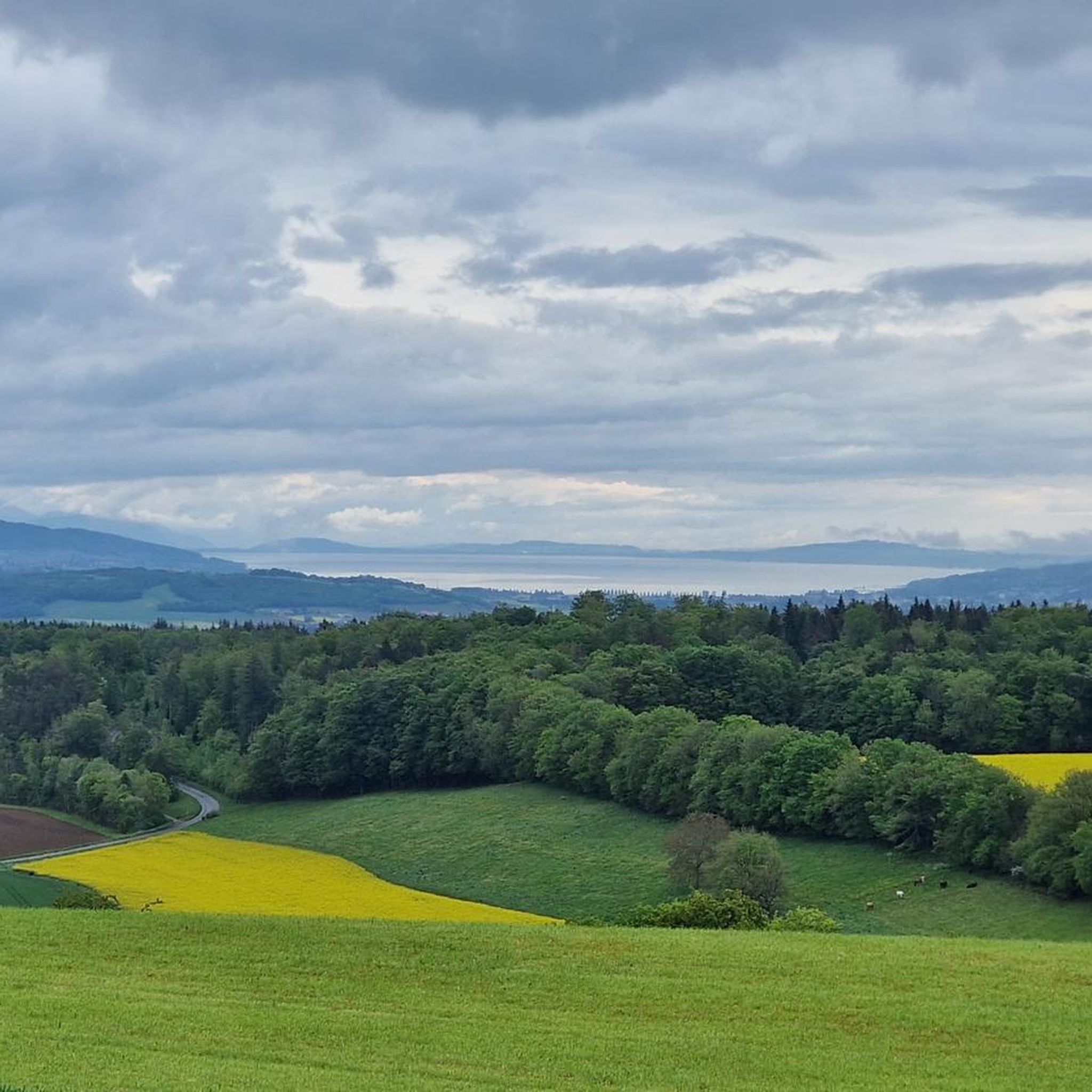
- The most popular natural monument is Dent de Vaulion, a summit that offers panoramic views of western Switzerland and its lakes. This 1,483 meter high peak…
Last updated: June 26, 2026
Dent de Vaulion
Highlight • Summit
Translated by Google •
Tip by

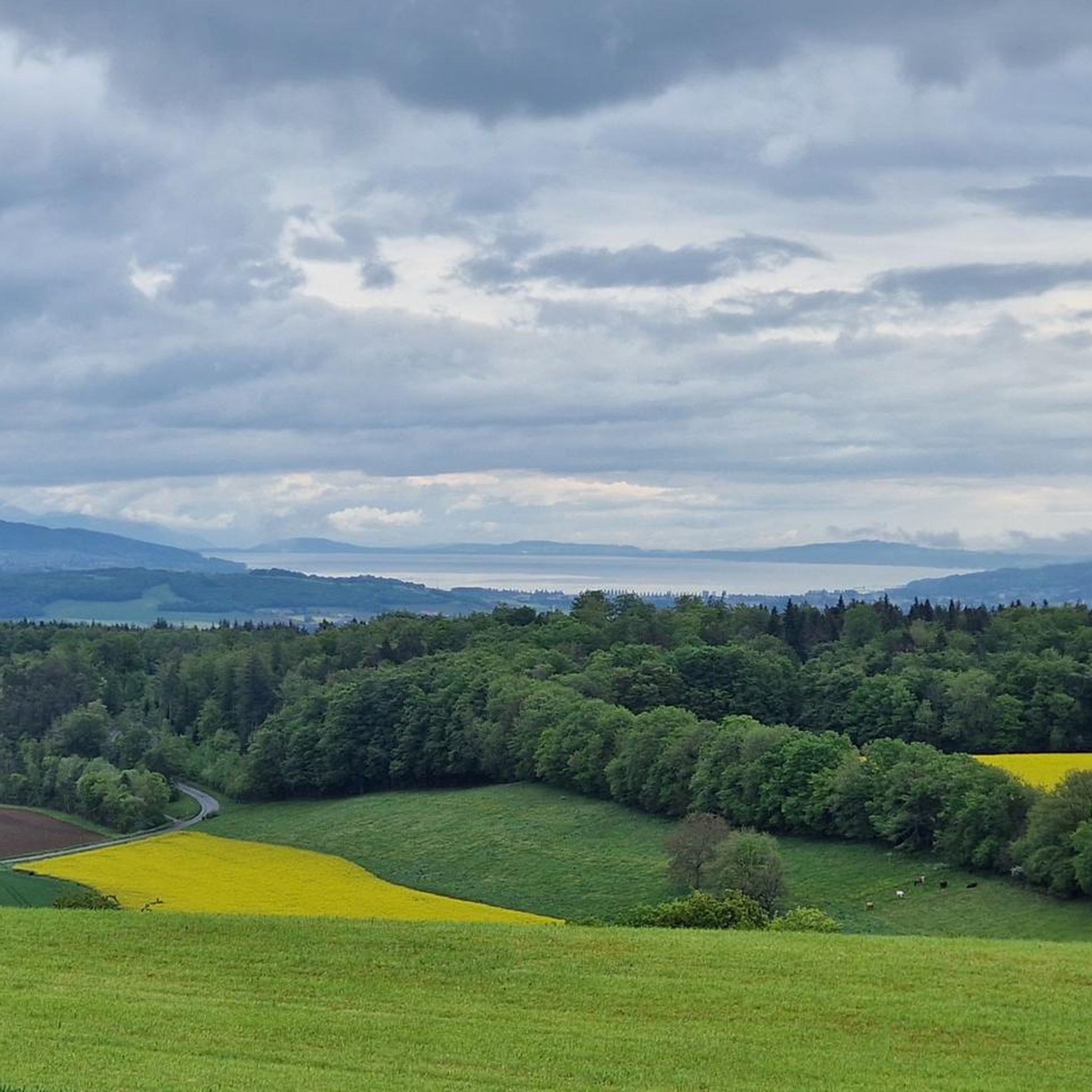
Dard Waterfall
Highlight • Waterfall
Translated by Google •
Tip by

Sign up now to discover places like this
Get recommendations on the best single tracks, peaks, & plenty of other exciting outdoor places.
Sign up for free
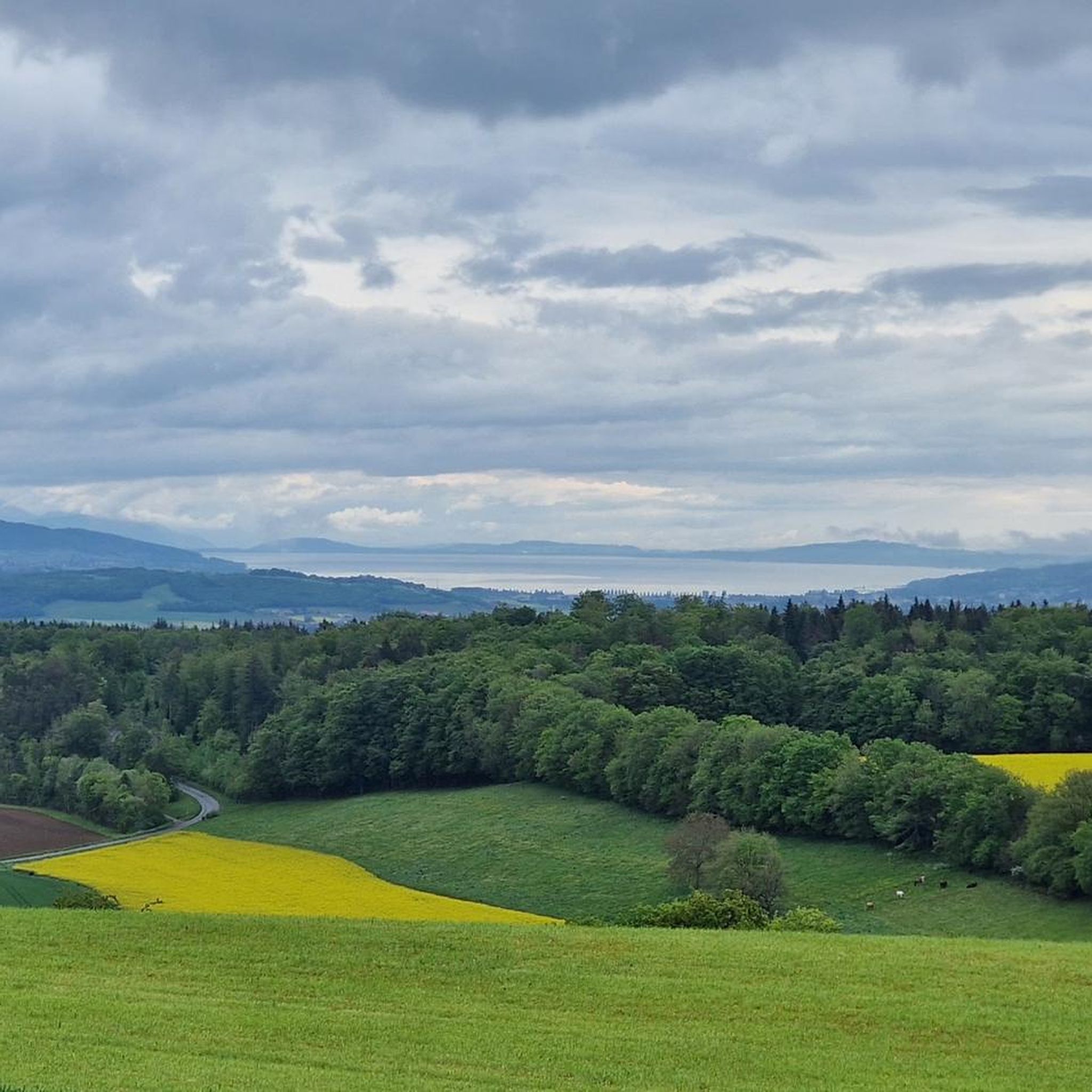
Mont d'Or
Highlight • Summit
Its position offers hikers superb and very …
Translated by Google •
Tip by

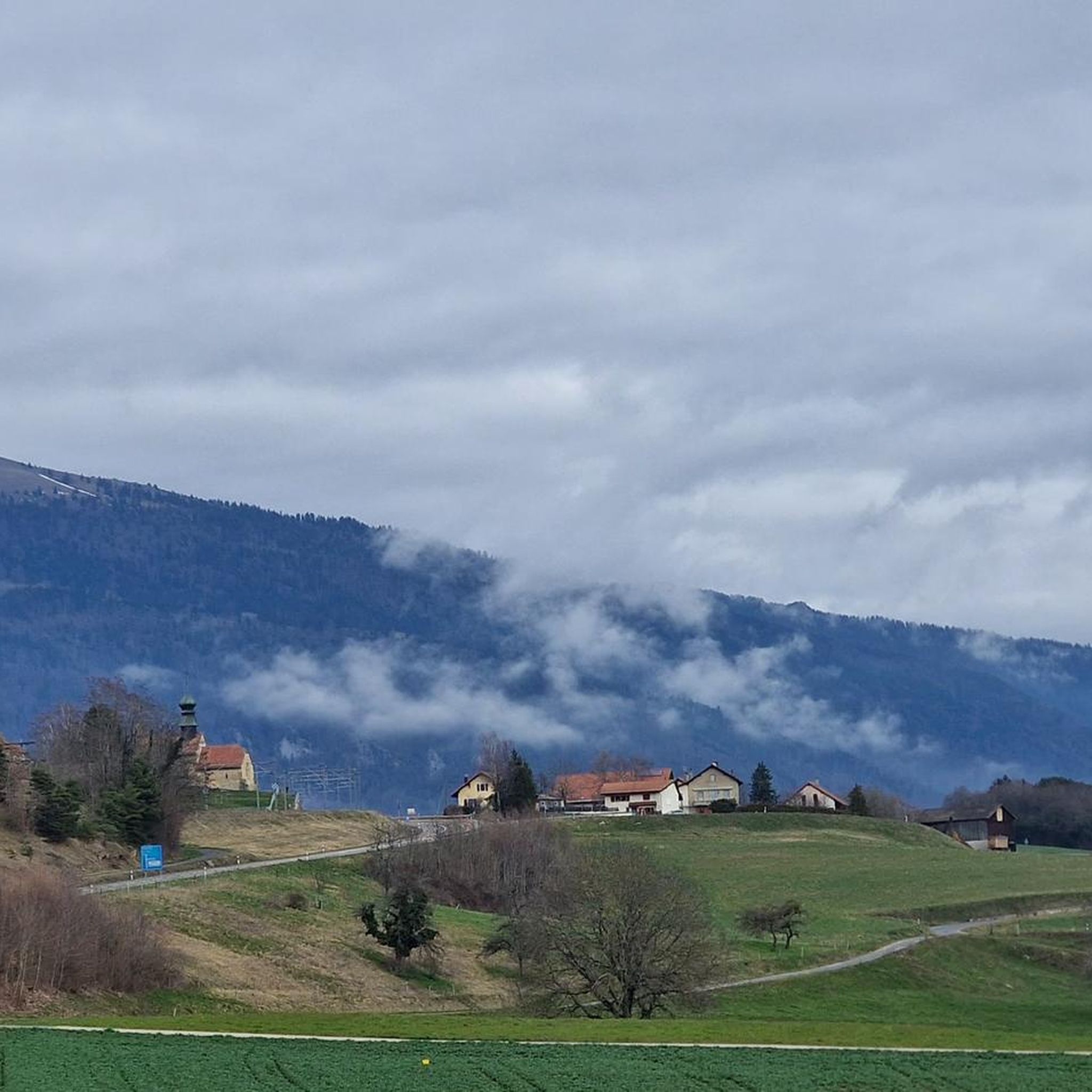
Vallorbe Caves
Highlight • Cave
Translated by Google •
Tip by

Creux de Terre Nature Reserve
Highlight • Natural Monument
Tip by

Sign up for free to discover even more natural monuments around Bretonnières.
Sign up for free
Already have an account?
Start today with a free account
Your next adventure awaits.
Login or Signup
Tips from the Community

The view is breathtaking all around
2
1
Wonderful grotto, very impressive how the stream rushes through underneath you and the size of the whole grotto
2
0

The Creux de Terre near Yverdon-les-Bains is an impressive karst sinkhole and also a significant nature reserve. The basin was formed by geological processes in which limestone sank, forming a funnel-shaped basin. Today, the area is home to moist meadows, ponds, small forests, and rich biodiversity. Amphibians such as frogs, toads, and newts find ideal living conditions here. Numerous bird species also breed or rest in the reserve. Walking trails with information panels lead through the basin and explain its geology, flora, and fauna. The Creux de Terre is easily accessible from nearby Yverdon.
0
0

The Mont d'Or is a mountain in the Jura Mountains on the border between France and Switzerland, whose summit is 1463 m in the French department of Doubs, not far from the national border, north of the Swiss town of Vallorbe.
2
0

On clear days you can see the snow-capped peaks of the Alps
1
0

Magnificent view of the Mont Blanc range
4
1
The local mountain of Le Pont is a wonderful vantage point with views over the lakes and the Alps
4
1

The cave is impressive, we pass through different rooms before arriving in the cathedral, passing over an underground river. You really feel like you're exploring the depths of the earth. Once outside, it's good to find the sun and the colors of life! Don’t leave without buying some cheese matured in the caves, it’s perfect for an aperitif!
4
0
Frequently Asked Questions
What natural features can I expect to see around Bretonnières?
The region around Bretonnières is characterized by diverse natural features, including high summits, dramatic waterfalls, and intriguing cave systems. You can explore geological formations and observe varied ecosystems, from mountain peaks to underground wonders.
Are there any natural monuments offering panoramic views?
Yes, several natural monuments provide stunning panoramic views. Dent de Vaulion, the highest mountain in the region at 1,483 meters, offers breathtaking vistas of western Switzerland and its lakes, including the Vallée de Joux. Similarly, Mont d'Or, at 1,463 meters, provides clear views of the Suchet massif, Dent de Vaulion, and on clear days, over 300 Alpine peaks including Mont Blanc.
What are some unique geological formations to explore?
The Vallorbe Caves offer a fascinating journey into an underground world with crystals, colorful water, and a labyrinth of tunnels. Another unique site is the Creux de Terre Nature Reserve, an impressive karst sinkhole near Yverdon-les-Bains, featuring moist meadows, ponds, and rich biodiversity.
Can I experience impressive waterfalls in the area?
Absolutely. The Dard Waterfall is a must-see, featuring magnificent cascades in a forest setting. It's particularly impressive after rainfall or during snowmelt, offering an imposing natural spectacle.
Are there hiking opportunities near these natural monuments?
Yes, the region offers numerous hiking opportunities. You can find trails that lead to viewpoints, through forests, and along rivers. For example, the Nozon Gorge Trail or the Cascade du Dard loop from Croy-Romainmôtier are popular choices. You can explore more hiking routes in the area by visiting the Hiking around Bretonnières guide.
Are there family-friendly natural monuments or activities?
Yes, the Vallorbe Caves are considered family-friendly, offering an engaging experience for all ages. The Creux de Terre Nature Reserve also provides walking trails with information panels, making it suitable for families to learn about geology, flora, and fauna.
What is the best time to visit the natural monuments around Bretonnières?
The best time to visit largely depends on the activity. For hiking and enjoying the panoramic views from summits like Dent de Vaulion and Mont d'Or, spring to autumn offers pleasant weather. Waterfalls like Dard Waterfall are most impressive after rainfall or during snowmelt. Winter can also be beautiful for snowshoeing, especially to places like Dent de Vaulion.
Are there cycling or mountain biking routes near the natural monuments?
Yes, the region provides excellent opportunities for cycling and mountain biking. You can find routes like 'To the source of the Venoge' for gravel biking or various loops around Lac de Joux for cycling. For more details, check out the Gravel biking around Bretonnières guide and the Cycling around Bretonnières guide.
What do visitors enjoy most about the natural monuments in this area?
Visitors frequently praise the breathtaking panoramas from summits like Dent de Vaulion, often mentioning views of Mont Blanc. The impressive cascades of Dard Waterfall and the unique, almost 'other-worldly' experience of the Vallorbe Caves are also highly appreciated. The diverse natural settings, from forests to lakes, offer a wide range of outdoor experiences.
Are the natural monuments around Bretonnières accessible by public transport?
While specific public transport details for each monument vary, the region around Bretonnières, including areas like Romainmôtier and Vallorbe, generally has public transport options. It's advisable to check local transport schedules for the most convenient access to individual sites.
Can I find places to eat or stay near these natural monuments?
Yes, you can find amenities such as restaurants and accommodation in nearby towns and villages. For instance, a small restaurant is located a short walk from the summit of Dent de Vaulion, and the areas around Vallorbe and Romainmôtier offer various options for dining and lodging.
Are there any natural monuments suitable for birdwatching or wildlife spotting?
The Creux de Terre Nature Reserve is an excellent spot for birdwatching and observing nature. It's home to rich biodiversity, including amphibians and numerous bird species that breed or rest in the reserve's moist meadows and ponds. Marillet Lake, mentioned in broader regional research, is also noted for its rich birdlife, including European orioles, common nightingales, and kingfishers.
Most popular routes around Bretonnières
Most popular attractions around Bretonnières

Get inspired with the komoot mobile app


Explore more
Extend your search for the best caves by checking out these guides of the top ones around Bretonnières:
