Top 20 Natural Monuments around Cevio
Best natural monuments around Cevio are found in the Vallemaggia district of Switzerland, an area known for its diverse natural features and traditional culture. The region is characterized by dramatic valleys, powerful waterfalls, and serene alpine lakes. Geological formations and ancient pastoral routes contribute to the unique landscape, offering a range of natural landmarks for exploration.
Best natural monuments around Cevio
- The most popular natural monuments is Froda Waterfall, a waterfall that plunges dramatically into the valley. It offers…
Last updated: October 13, 2026
Froda Waterfall
Highlight • Waterfall
Tip by

Guex Monument at Gotthard Pass
Highlight • Monument
Translated by Google •
Tip by

Sign up now to discover places like this
Get recommendations on the best single tracks, peaks, & plenty of other exciting outdoor places.
Morasco Lake
Highlight • Lake
Translated by Google •
Tip by

Lake Toggia
Highlight • Lake
Translated by Google •
Tip by

Toce Waterfall
Highlight • Waterfall
Translated by Google •
Tip by

Sign up for free to discover even more natural monuments around Cevio.
Already have an account?
Start today with a free account
Your next adventure awaits.
Popular around Cevio
Great passes and green valleys – Ticino climbs
Sentiero Cristallina – 3 days through the mountains of Ticino
Ticino — Between heaven and formaggini
5 trails to run before you die - Ascona-Locarno
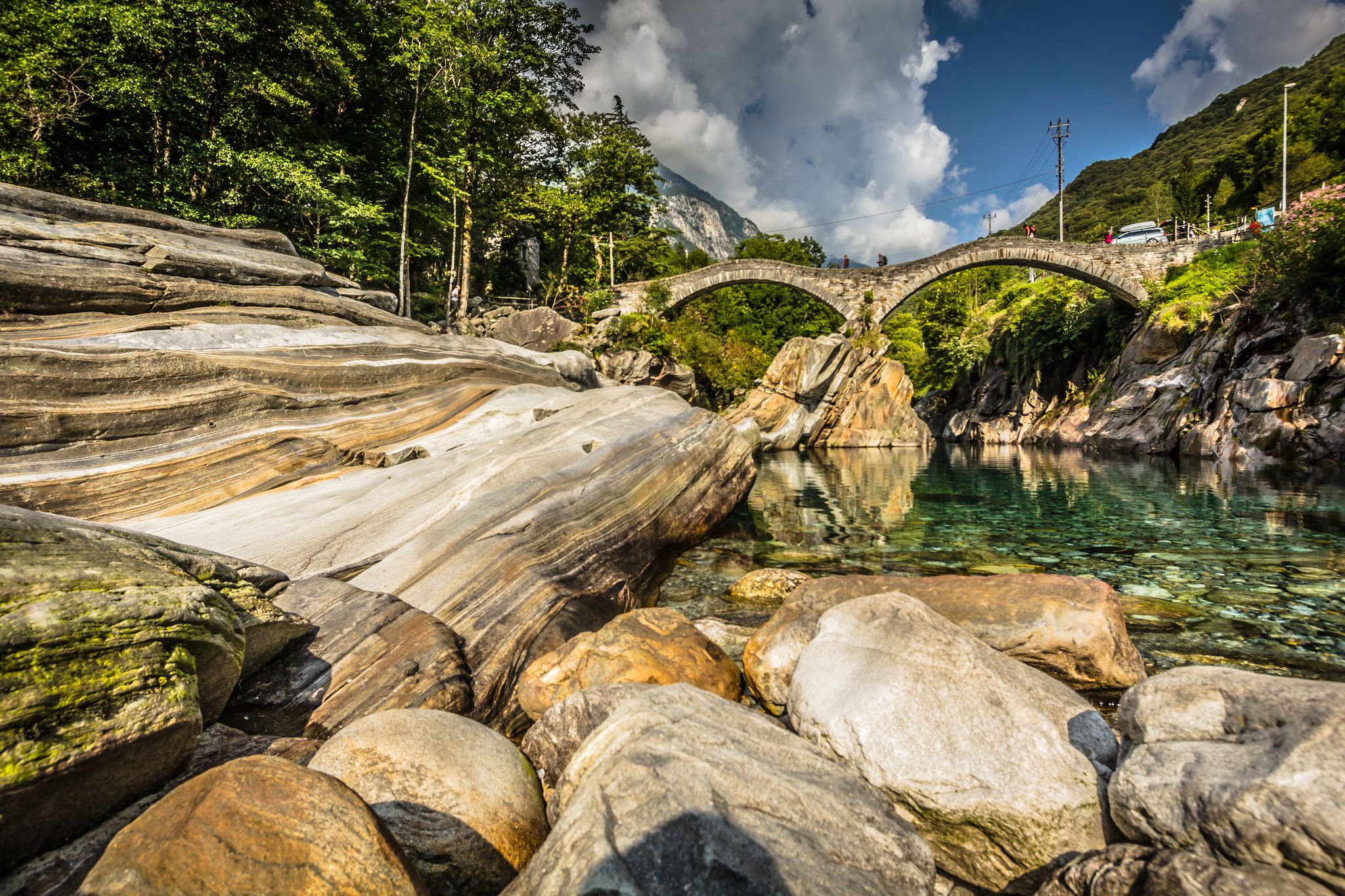
From palm trees to glaciers
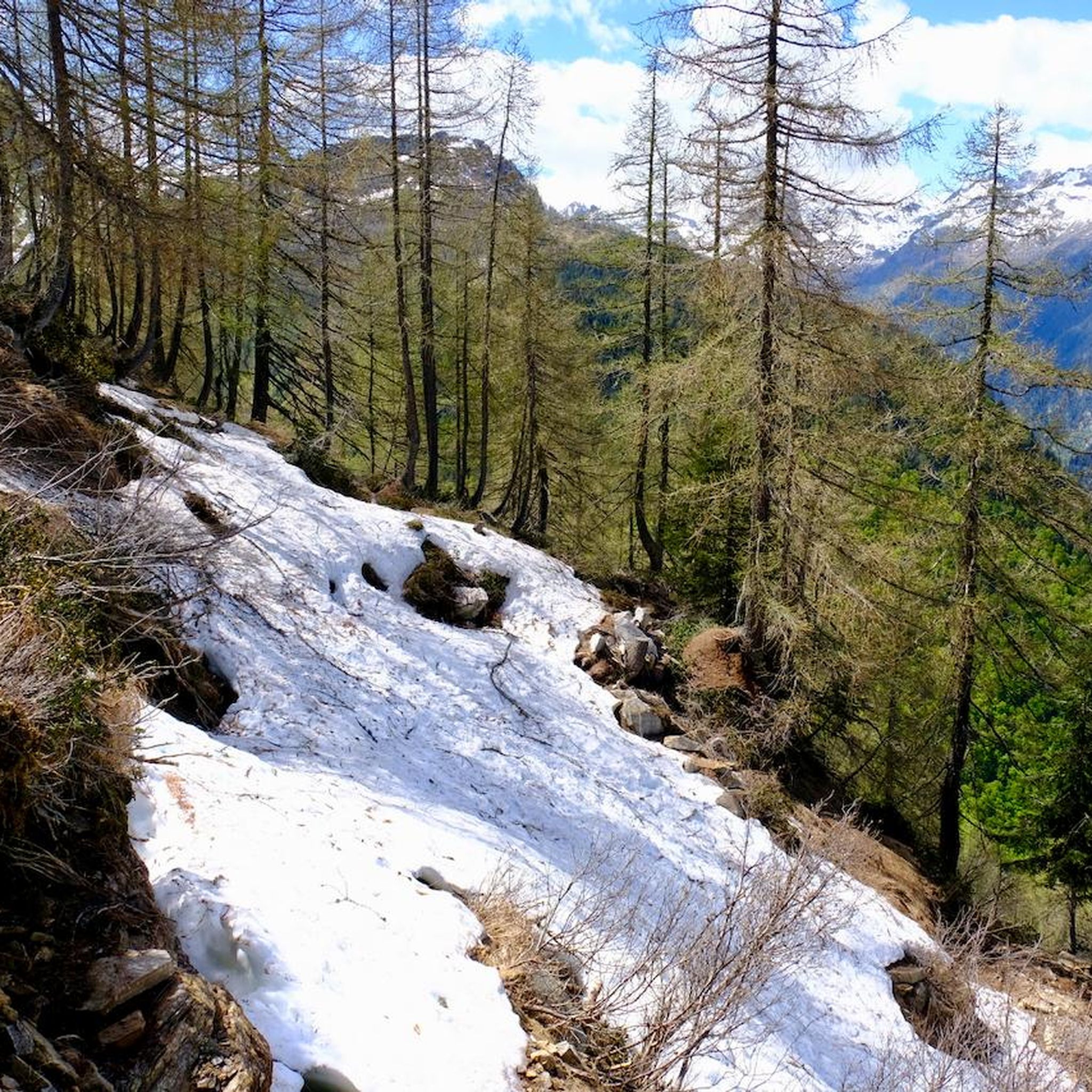
Hiking around Cevio
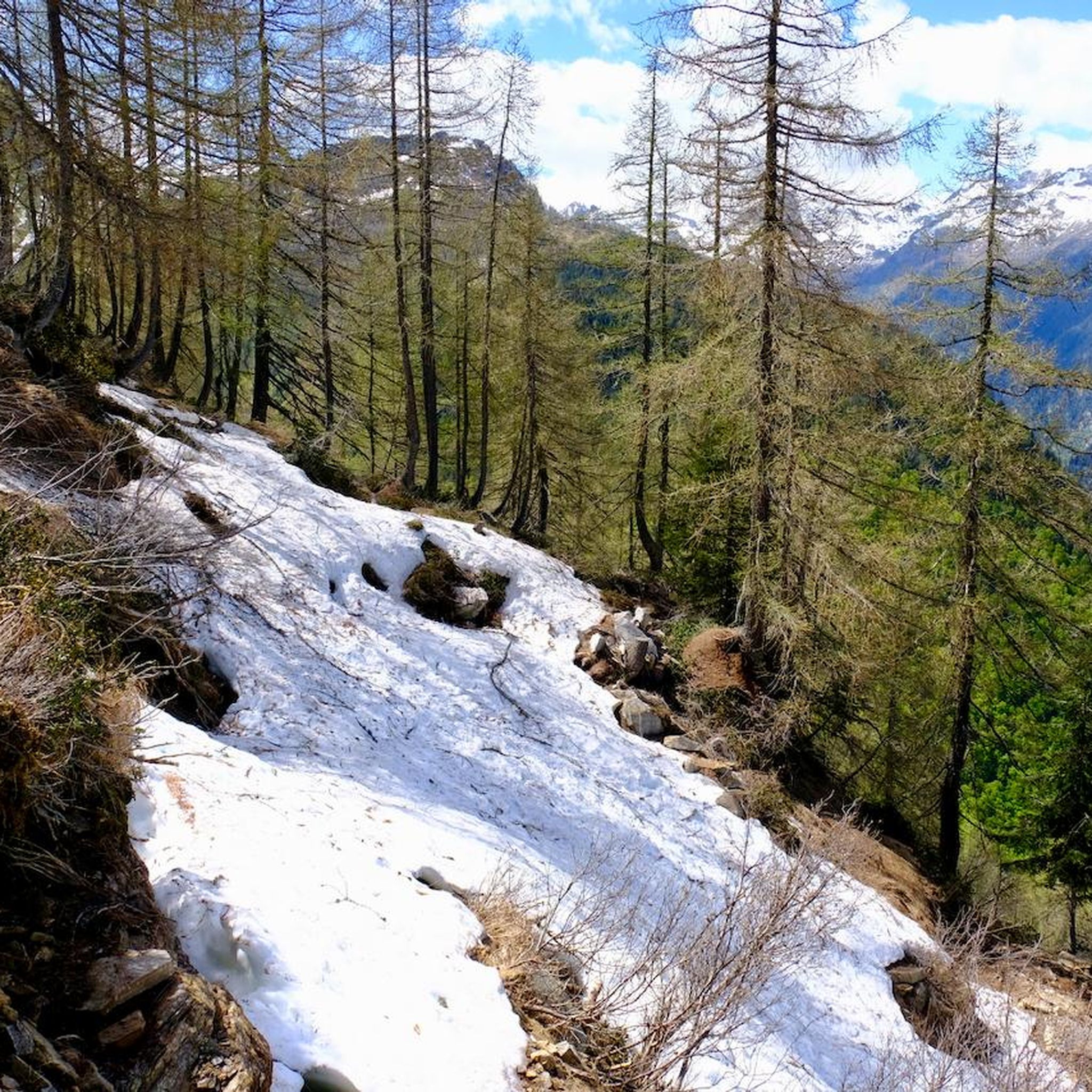
Road Cycling Routes around Cevio
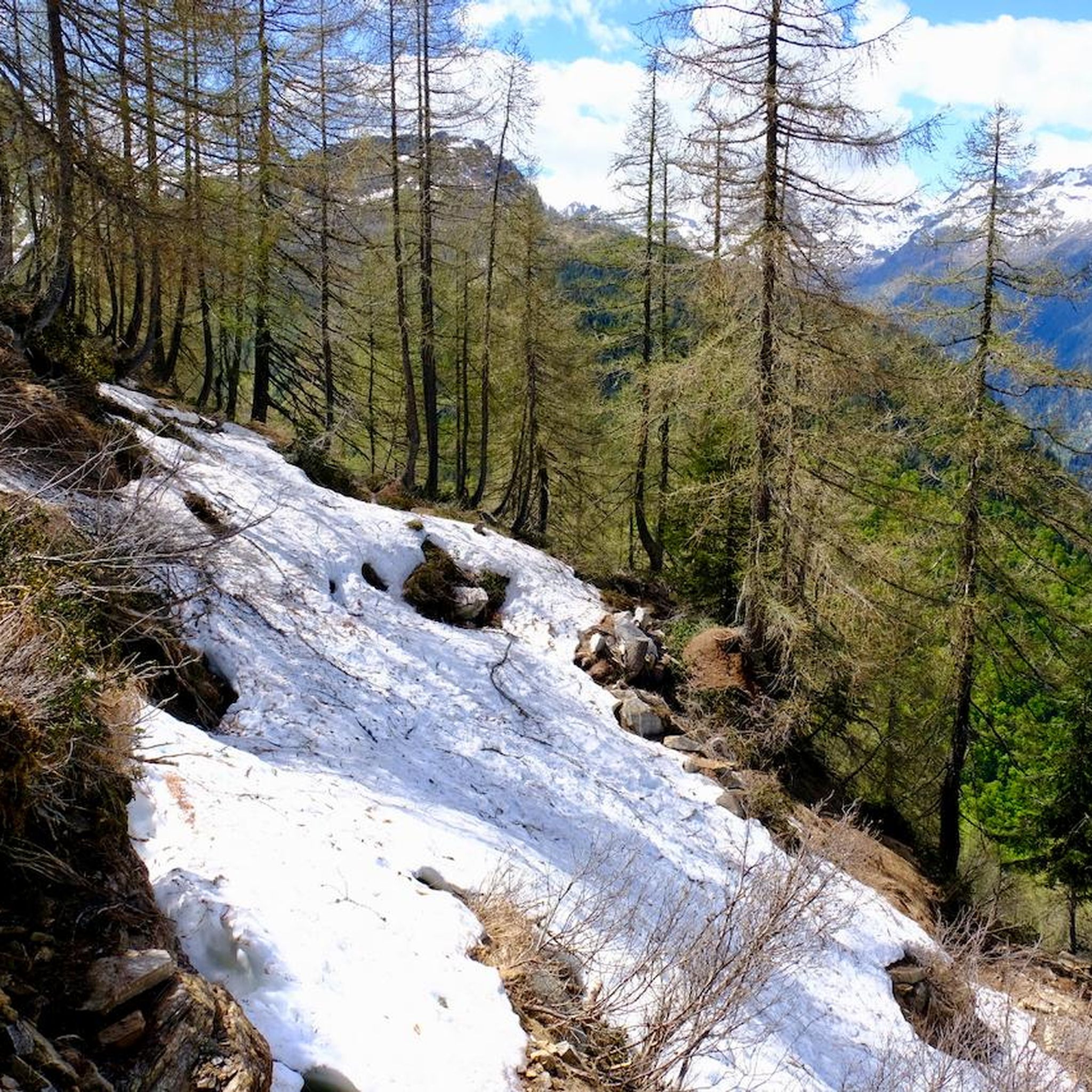
MTB Trails around Cevio
Running Trails around Cevio
Cycling around Cevio
Other adventures around Cevio


Tips from the Community

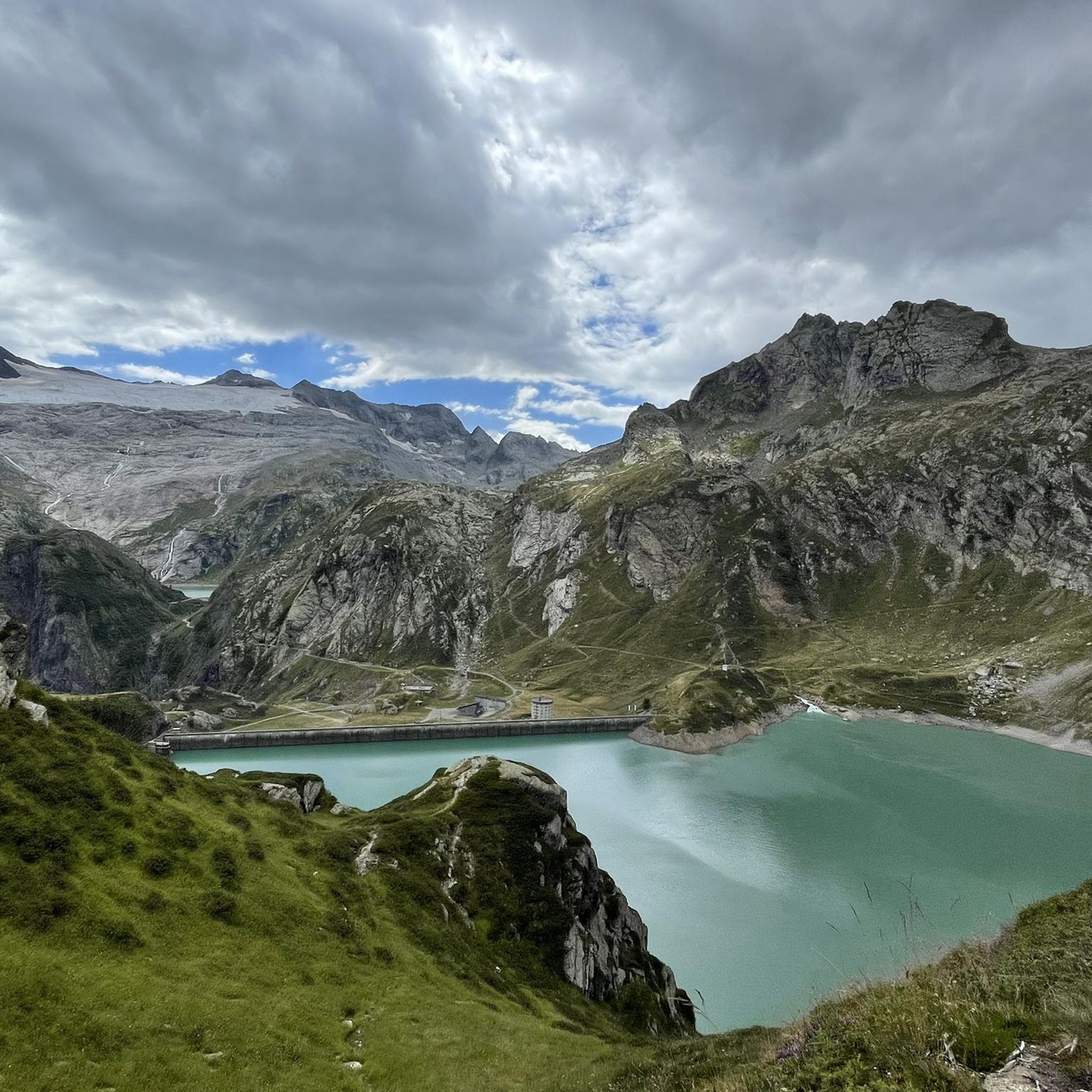
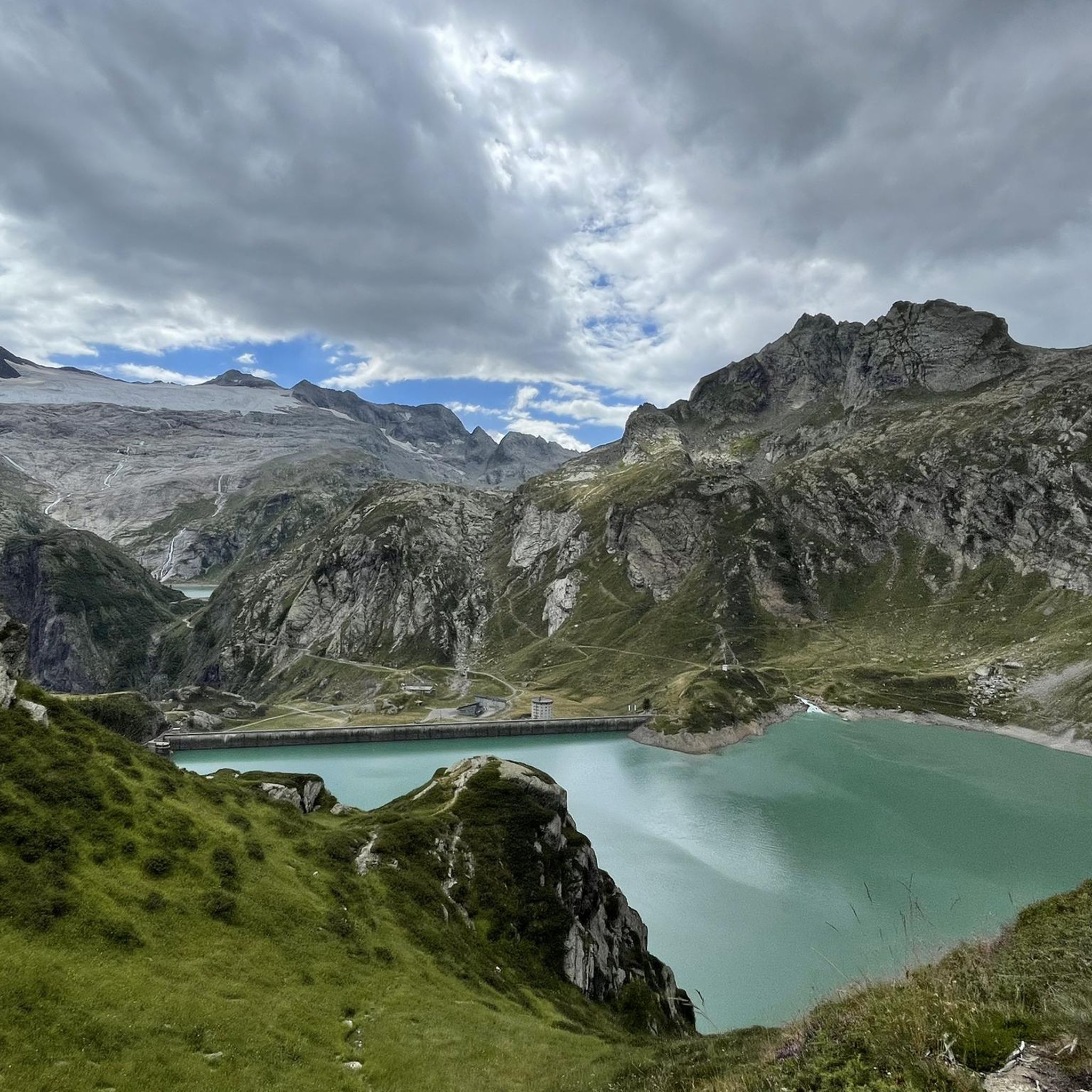
Artificial lake in Val Formazza at an altitude of 2200m
0
0

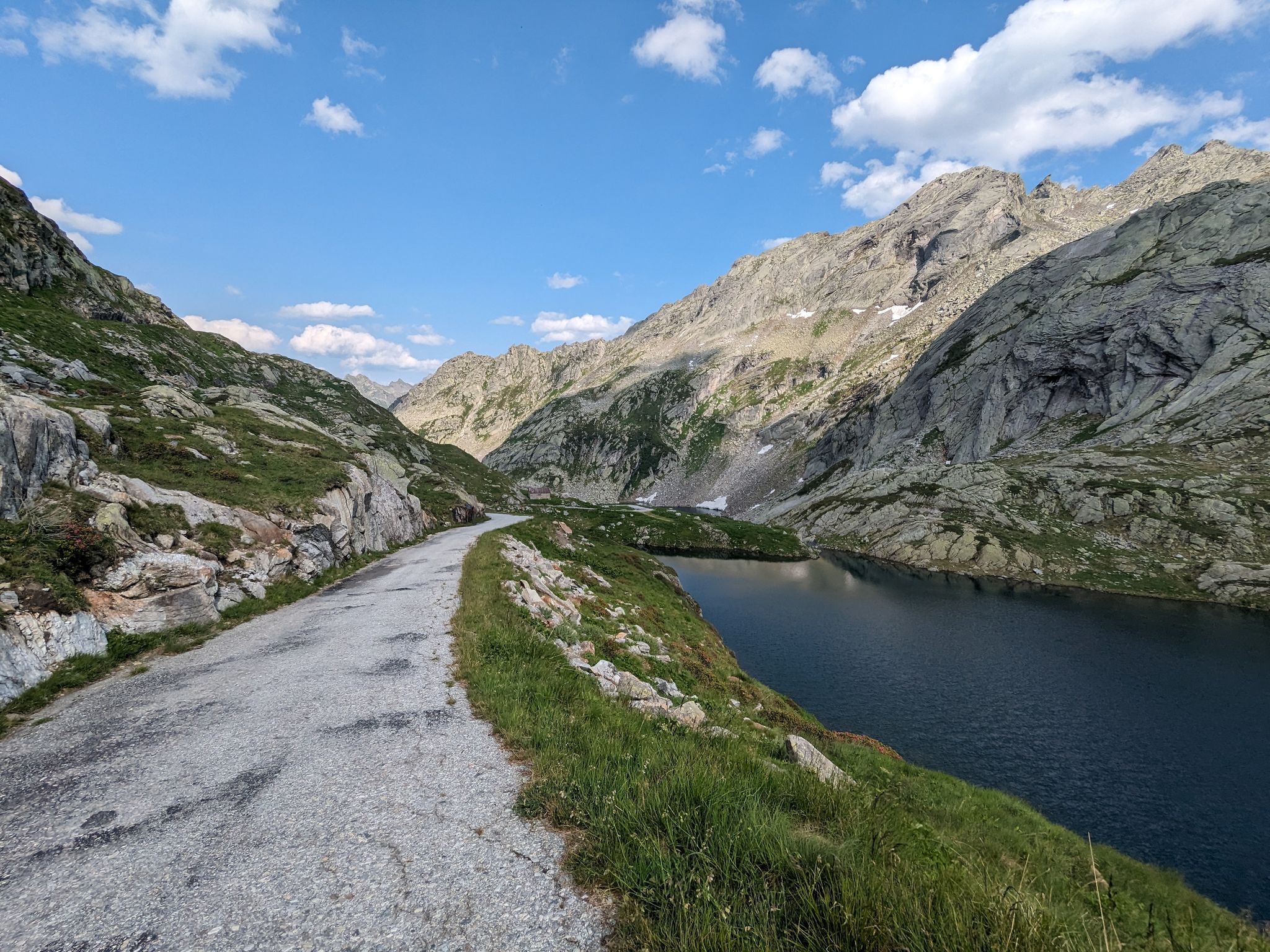
St. Gotthard Pass The Gotthard Pass divides waterways and connects various cultural and linguistic areas. Its significance as an "Alpine transversal" began at the beginning of the 13th century with the construction of the legendary Devil's Bridge in the Schöllenen Gorge. For many centuries, trade caravans (trading cattle and cheese for grain, wine, rice, and salt), mercenaries, messengers, and even entire armies crossed the pass. Between 1818 and 1836, the canton of Uri, with the help of other cantons, expanded the pass road, thus achieving its predominance among Swiss Alpine passes. The Gotthard Pass has significantly shaped the economy and culture of Central Switzerland for centuries. Until the opening of the Gotthard Railway in 1882, the Gotthard Pass was also used in winter. Dozens of roadmen and shovel workers were employed for this purpose. In 1922, the post bus replaced the stagecoach, and with the introduction of gasoline duties in 1923, the expansion of the pass roads began, continuing to this day. The old pass road on the south side, the Tremola between the top of the pass and Airolo, is still preserved and passable. This stretch of road recalls more tranquil journeys over the Gotthard that occurred not so long ago. In the 19th and 20th centuries, the Gotthard Pass was "condensed" into a myth, a symbol of Switzerland's independence, unity, and identity. Text / Source: Interest Group for Alpine Passes IAP, PO Box 11, 6491 Realp https://alpen-paesse.ch/de/alpenpaesse/gotthardpass
15
1

A few minutes from the Maria Luisa refuge...not to be missed, on a road suitable for vehicles
0
0

A Bit of Relaxation🌈on Lake Toggia🏞️
1
0

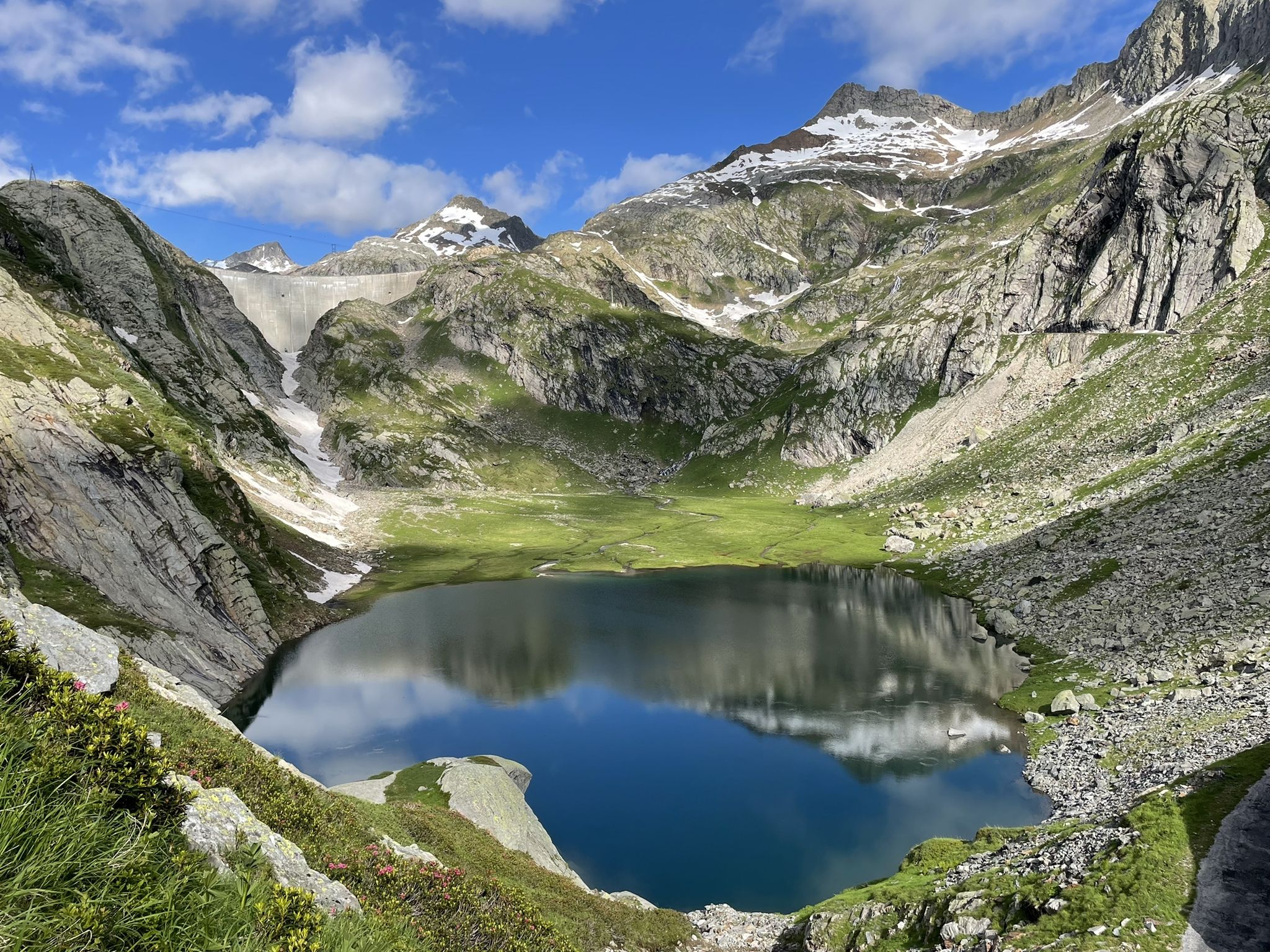
Lake Toggia (or Lake Toggia) is located in Val Formazza (VB) upstream of Riale, the northernmost hamlet of Piedmont. Its dam, built in the years 1929-32 on the Roni Torrent, is 199 meters long and 44 meters high. A dirt road runs along the western shore and then continues towards the San Giacomo Pass which marks the border with Switzerland. The closest support point is the Rifugio Maria Luisa
1
0


A beautiful lake, I was lucky enough to photograph it with the snow-capped mountains.
22
1

In summer, arrival by post bus from Andermatt or Airolo is possible.
2
0
Frequently Asked Questions
What types of natural monuments can I explore around Cevio?
The Vallemaggia district around Cevio is rich in diverse natural monuments. You can discover dramatic waterfalls like the Froda Waterfall and the powerful Toce Waterfall, serene alpine lakes such as Lake Toggia, and unique geological formations. The area also features ancient pastoral routes and valleys shaped by historical events, offering a blend of natural beauty and cultural heritage.
Are there family-friendly natural sites to visit near Cevio?
Yes, several natural monuments around Cevio are suitable for families. The Froda Waterfall offers an interesting experience with a beautiful up and down trail that can be enjoyed by families. The Toce Waterfall also welcomes families, with a wooden walkway at its top for safe viewing. Additionally, the tranquil Lavizzara Valley provides peaceful settings for leisurely strolls and picnics.
What are some unique geological formations or historical natural sites in the Vallemaggia region?
The Vallemaggia region boasts unique geological formations and historical natural sites. Around Cevio, you can explore 'grotti' – cellars carved out of large granite blocks resulting from a prehistoric landslide. These formations are a testament to the area's natural history. Another notable site is Splüia Bèla, an ancient rock shelter where shepherds and goats once found protection, showcasing the interaction between humans and the rugged landscape.
What is the best time of year to visit the natural monuments around Cevio?
The best time to visit the natural monuments around Cevio largely depends on your preferences. Spring and summer (May to September) are ideal for vibrant green landscapes and strong water flow at waterfalls like Foroglio. Autumn offers a stunning tapestry of golden and red hues. While some areas might be accessible in winter, many alpine routes and higher-altitude lakes may be covered in snow, making spring through autumn generally more suitable for exploration.
How can I reach the natural monuments around Cevio using public transport?
Public transport options are available, though access to some remote natural monuments may require a combination of bus and hiking. For instance, public transport typically ends at Sonogno for areas like the Froda Waterfall, with the road beyond primarily used by residents and cyclists. It's advisable to check local bus schedules and plan your route in advance, especially for destinations deeper within the valleys like Val Bavona or Val Calnegia.
Are there hiking opportunities near these natural monuments?
Yes, the area around Cevio offers extensive hiking opportunities. You can find various trails ranging from moderate to difficult. For example, there are challenging routes like the Via Alpina from Robiei to Riale, or the Via Alta Vallemaggia. You can explore more hiking options and detailed routes on the Hiking around Cevio guide.
What other outdoor activities can I do in the Vallemaggia region besides visiting natural monuments?
Beyond exploring natural monuments, the Vallemaggia region is excellent for various outdoor activities. You can find numerous running trails, such as the challenging ascent to Passo San Giacomo or the Piansecco Hut loop. Mountain biking is also popular, with routes like 'Da Cevio a San Carlo' or 'Da Cevio al lago del Narèt'. For more details on these activities, refer to the Running Trails around Cevio and MTB Trails around Cevio guides.
What do visitors enjoy most about the natural monuments in Cevio?
Visitors frequently praise the dramatic beauty of the waterfalls, the serene atmosphere of the alpine lakes, and the unique geological features. Many appreciate the opportunity for beautiful up-and-down trails, the refreshing mist from the falls, and the stunning mountain backdrops. The blend of natural spectacle with the tranquility of the valleys and the historical context of sites like ancient shelters makes for a memorable experience.
Can I bring my dog to the natural monuments and trails around Cevio?
Generally, the natural trails and areas around Cevio are dog-friendly, allowing you to enjoy the scenery with your canine companion. However, it's always recommended to keep dogs on a leash, especially in protected areas, near livestock, or on busy trails, and to ensure you clean up after them. Specific rules might apply to certain attractions or public transport, so checking local signage is advisable.
Are there any less crowded natural monuments or hidden gems to discover?
While popular sites like the Foroglio Waterfall attract many, the wider Vallemaggia region offers many tranquil spots. The Val Bavona and Val Calnegia, closely associated with Foroglio, are celebrated for their untouched beauty and ancient pastoral routes, offering a sense of stepping back in time. Exploring these valleys can lead to less crowded experiences and hidden gems, including various rock shelters and unique landscapes.
What should I bring when visiting the natural monuments around Cevio?
When visiting the natural monuments around Cevio, it's advisable to bring appropriate gear for outdoor activities. This includes sturdy hiking shoes, layers of clothing suitable for changing mountain weather, water, snacks, and sun protection. Depending on your planned activities, a map or GPS device, and a camera to capture the stunning scenery, would also be beneficial.
Most popular attractions around Cevio

Get inspired with the komoot mobile app


Explore more
Extend your search for the best caves by checking out these guides of the top ones around Cevio:
