Top 20 Natural Monuments around Brusio
Natural monuments around Brusio are located in a municipality within the Swiss canton of Graubünden. This region is characterized by its natural landscapes and significant geological features. The area encompasses glacial formations, alpine vegetation, and diverse natural settings. It offers insights into geological history and the power of ancient glaciers.
Best natural monuments around Brusio
- The most popular natural monuments is Giant's Pots of Cavaglia (Cavaglia Glacier Garden), a natural monument featuring glacial mills. These geological formations were carved…
Last updated: June 26, 2026
Gletschergarten Cavaglia
Highlight • Natural Monument
Translated by Google •
Tip by

Lake Poschiavo
Highlight • Lake
Translated by Google •
Tip by

Sign up now to discover places like this
Get recommendations on the best single tracks, peaks, & plenty of other exciting outdoor places.
Sign up for free
Sentiero della Gola di Cavaglia
Highlight • Natural Monument
A natural gem, the pots of the giants, carved out by glaciers during the Ice Ages, located in the Cavaglia basin at the foot of the …
Translated by Google •
Tip by

Foppa Pass: "Mortirolo"
Highlight • Mountain Pass
Translated by Google •
Tip by

Pian di Gembro Nature Reserve
Highlight • Natural Monument
Translated by Google •
Tip by

Sign up for free to discover even more natural monuments around Brusio.
Sign up for free
Already have an account?
Start today with a free account
Your next adventure awaits.
Login or Signup
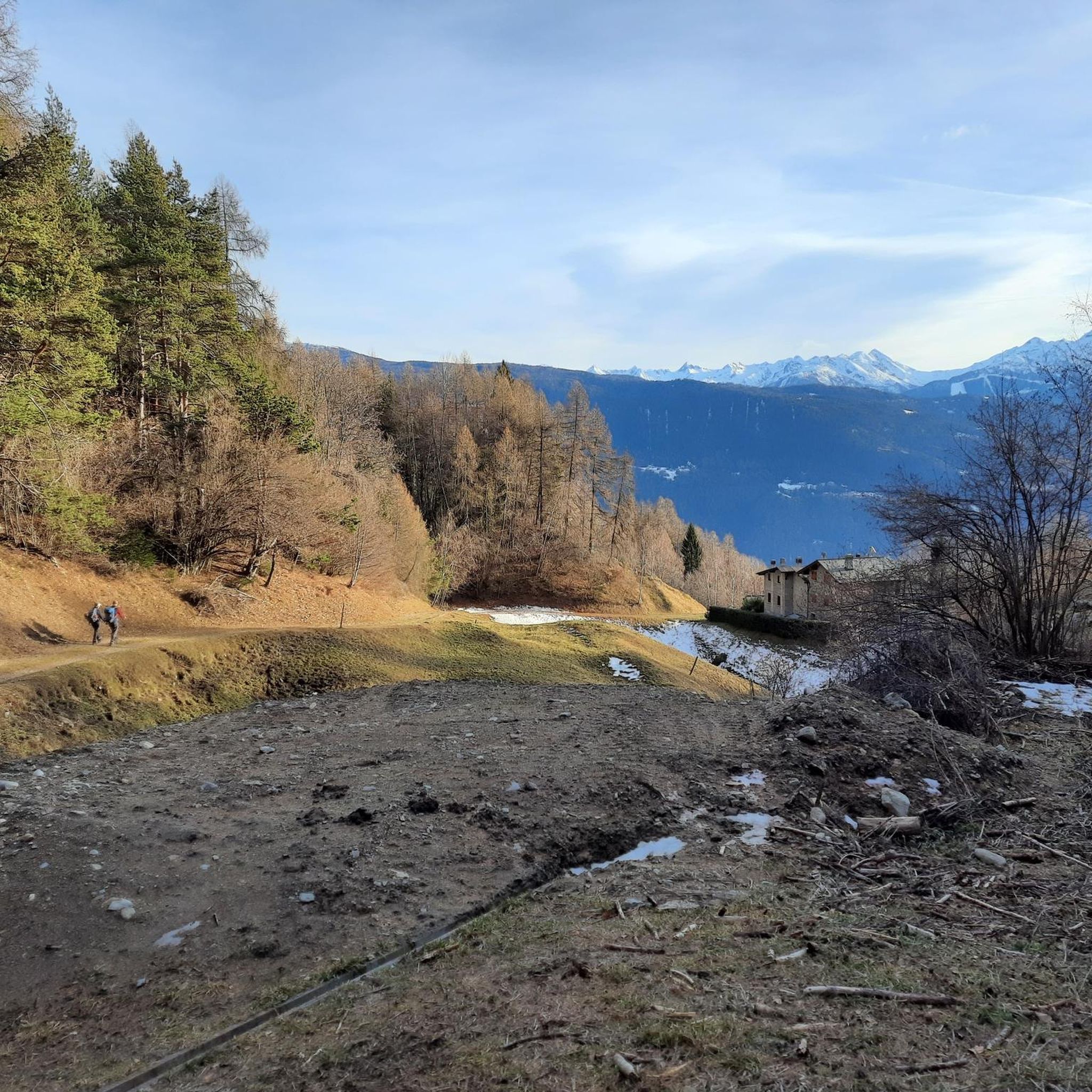
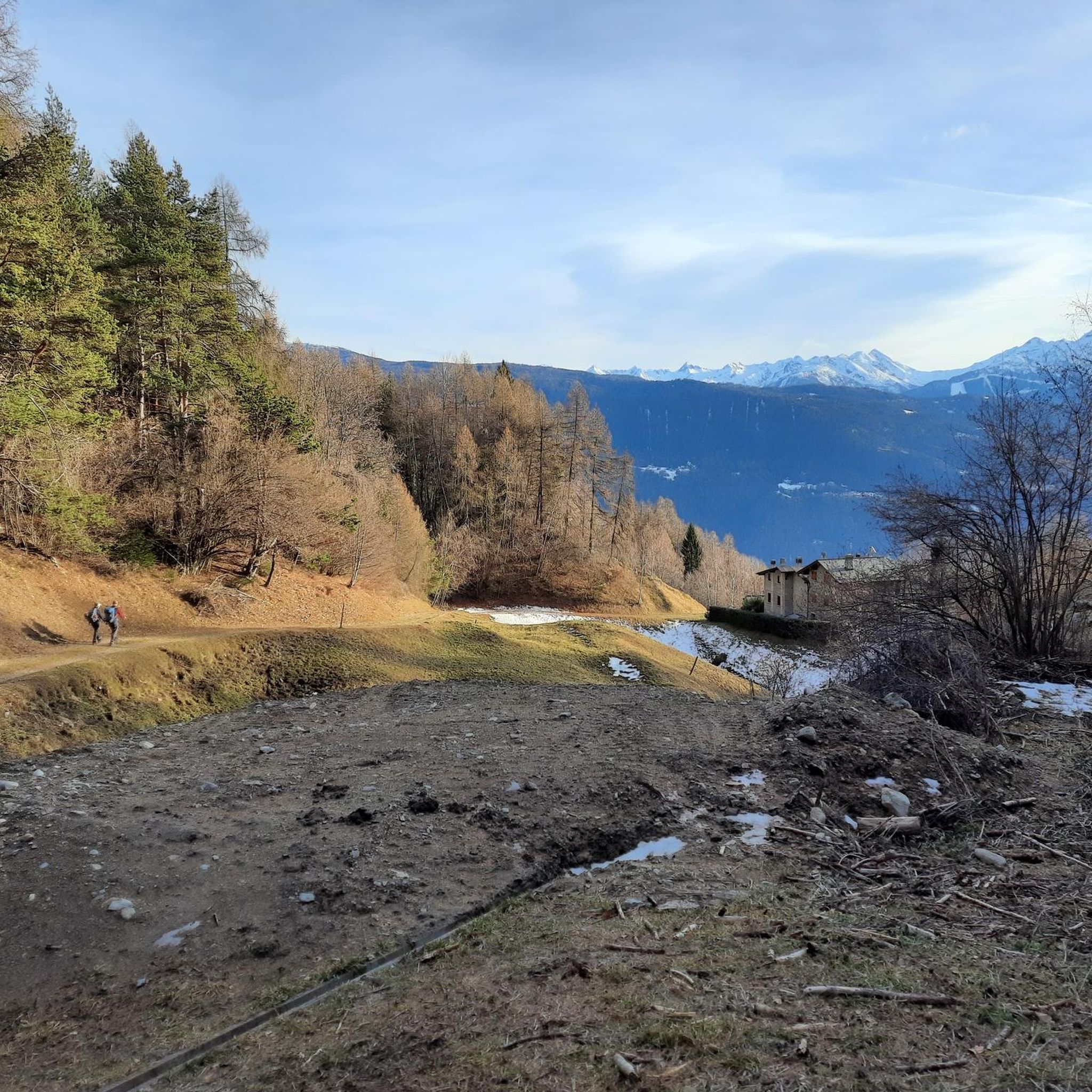
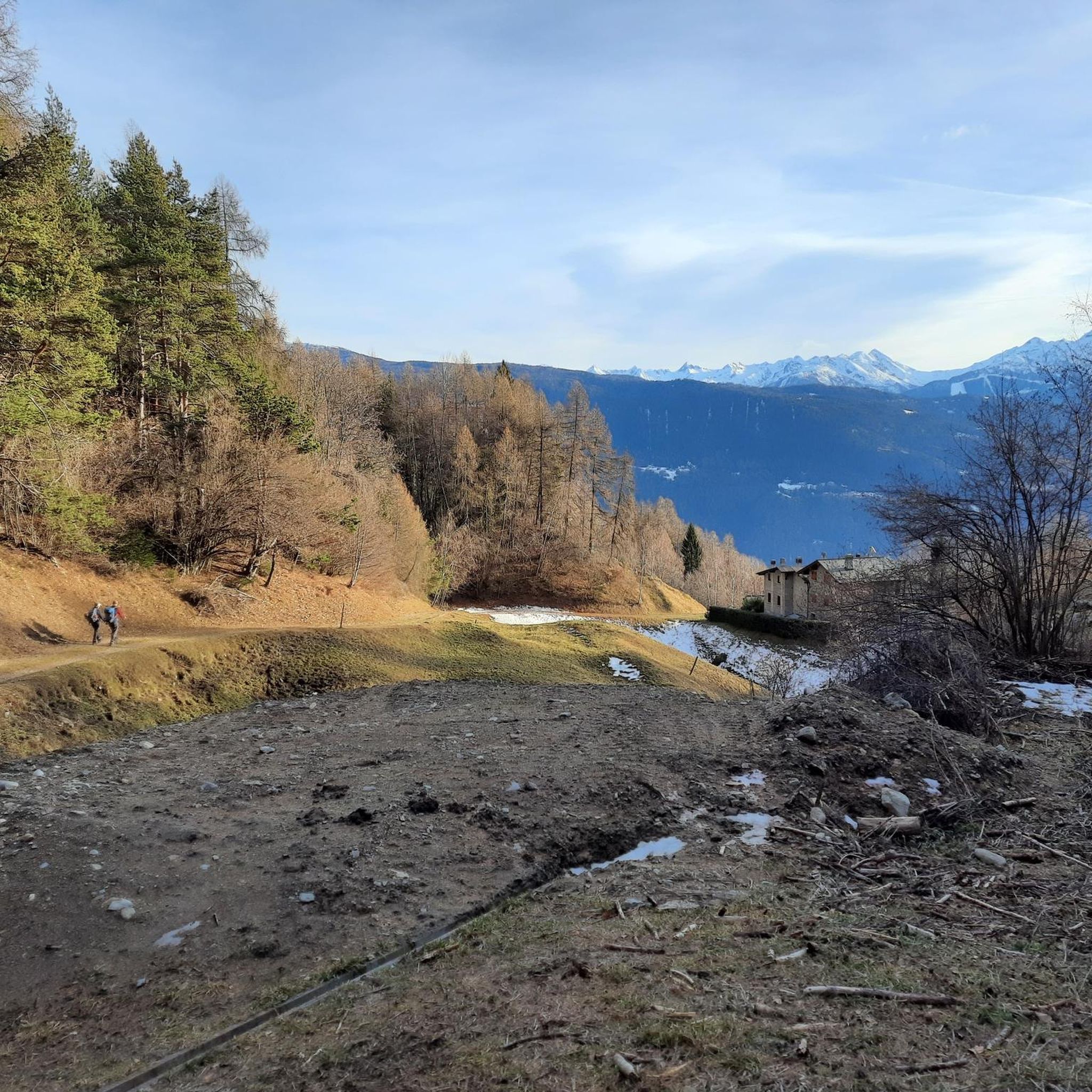
Tips from the Community

Trail suitable for everyone
1
0

Breathtaking view, even when frozen
0
0

Lago di Poschiavo / Puschlav Lake The Lago di Poschiavo, or Puschlav Lake in German, is located in the southern Graubünden municipality of Poschiavo/Puschlav. The natural reservoir is 962 meters above sea level. The lake is approximately 2.5 km long in a north/south direction and one kilometer wide. The Poschiavino river is both an inflow and outflow of the lake, which is up to 80 m deep at most. The Rhaetian Railway line runs along the western shore towards Brusio and Tirano in Italy. The village center of Poschiavo is about five kilometers north of the Puschlav Lake. On the lake itself are the villages of Miralago in the south and Le Prese in the north end. Both villages have Rhaetian Railway stops. The approximately seven-kilometer circular route around the Lago di Poschiavo can be completed in just under two hours. Since 2016, the "Sassalbo" has been a rentable boat on Lake Poschiavo. It is considered the largest passenger ship in the canton of Graubünden. Text / Source: schweizersee.ch https://www.schweizersee.ch/lago_di_poschiavo/
15
0

A very tough climb from any side you choose to do it.
21
0

Whichever side you pedal, the pass is always a spectacle of nature…
4
0
Gletschergarten, Cavaglia (Poschiavo) A natural gem, the pots of the giants, shaped by the glaciers of the ice ages, located in the basin of Cavaglia at the foot of the Bernina massif, overlooked by Piz Palü! Access to the glacial mills is extremely easy: they are located near the train station, which can be reached by the legendary "little red train", part of the UNESCO World Heritage since 2008. The glacier garden is open from May to October. Framed by rich flora and varied alpine vegetation, the glacial mills are one of the most impressive sights that Val Poschiavo has to offer! Text: Giardino dei Ghiacciai Cavaglia www.ghiacciai.info https://ggc.swiss/de/
16
0
Gletschergarten, Cavaglia (Poschiavo) A natural gem, the pots of the giants, shaped by the glaciers of the ice ages, located in the basin of Cavaglia at the foot of the Bernina massif, overlooked by Piz Palü! Access to the glacial mills is extremely easy: they are located near the train station, which can be reached with the legendary „trenino rosso“, a UNESCO World Heritage site since 2008. The glacier garden is open from May to October. Surrounded by rich flora and varied alpine vegetation, the glacial mills are one of the most impressive things that the Val Poschiavo has to offer! Text: Giardino dei Ghiacciai Cavaglia http://www.ghiacciai.info/
14
0
Glacier Garden, Cavaglia (Poschiavo) A natural gem, the pots of the giants, carved out by glaciers during the Ice Ages, located in the Cavaglia basin at the foot of the Bernina massif, dominated by Piz Palü! Access to the glacial moulins is extremely easy: they are located near the train station, which can be reached on the legendary "trenino rosso" (red train), a UNESCO World Heritage Site since 2008. The Glacier Garden is open from May to October. Surrounded by lush flora and diverse alpine vegetation, the glacial moulins are among the most impressive sights the Poschiavo Valley has to offer! Text: Giardino dei Ghiacciai Cavaglia http://www.ghiacciai.info/
18
0
Frequently Asked Questions
What are the most popular natural monuments around Brusio?
The most popular natural monument is the Giant's Pots of Cavaglia (Cavaglia Glacier Garden), which features impressive glacial mills. Another highly appreciated spot is Pian di Gembro Nature Reserve, known for its ancient peat bog and rare plant species. Visitors also enjoy the Sentiero della Gola di Cavaglia, a gorge trail offering views of glacier mills and rock formations.
What kind of natural features can I expect to see among Brusio's natural monuments?
Brusio's natural monuments showcase a variety of features, including glacial mills and rock formations carved by ancient glaciers, as seen at Cavaglia. You can also explore ancient peat bogs, diverse alpine vegetation, and picturesque gorges. The region is characterized by its significant geological history and stunning natural landscapes.
Are there family-friendly natural monuments in the Brusio area?
Yes, several natural monuments are suitable for families. The Giant's Pots of Cavaglia (Cavaglia Glacier Garden) and the Sentiero della Gola di Cavaglia are both considered family-friendly, offering accessible paths to explore geological wonders. The Pian di Gembro Nature Reserve also provides simple and less strenuous itineraries, perfect for families to immerse themselves in nature.
How can I reach the natural monuments around Brusio using public transport?
Many natural monuments in the Brusio area are easily accessible by public transport. For instance, the Giant's Pots of Cavaglia (Cavaglia Glacier Garden) is conveniently located near a train station, reachable by the legendary "trenino rosso" (Bernina Railway), a UNESCO World Heritage Site.
What is the best time of year to visit the natural monuments around Brusio?
The best time to visit the natural monuments around Brusio is typically from May to October. During these months, sites like the Cavaglia Glacier Garden are open, and the alpine vegetation is rich and varied, offering picturesque settings for exploration.
What outdoor activities can I do near the natural monuments in Brusio?
The Brusio region offers a range of outdoor activities. You can find numerous cycling routes, including easy to difficult options like the "Ring from Tirano to San Giacomo on the Valtellina trail" or the challenging "Bernina Pass – Foscagno Pass loop." For mountain biking, trails like "Alture della Valposchiavo e San Romerio" provide thrilling experiences. Running enthusiasts can enjoy routes such as the "Lago di Poschiavo – loop run." You can explore more options on the Cycling around Brusio, MTB Trails around Brusio, and Running Trails around Brusio guide pages.
What geological history do the natural monuments in Brusio reveal?
The natural monuments in Brusio offer a fascinating glimpse into geological history, primarily showcasing the powerful forces of glaciers during the Ice Ages. Sites like the Giant's Pots of Cavaglia are prime examples of glacial mills, formations carved by ancient glaciers. The region's landscape, including its peat bogs, also reflects its glacial origins.
Is there a natural monument in Brusio that showcases a blend of nature and human ingenuity?
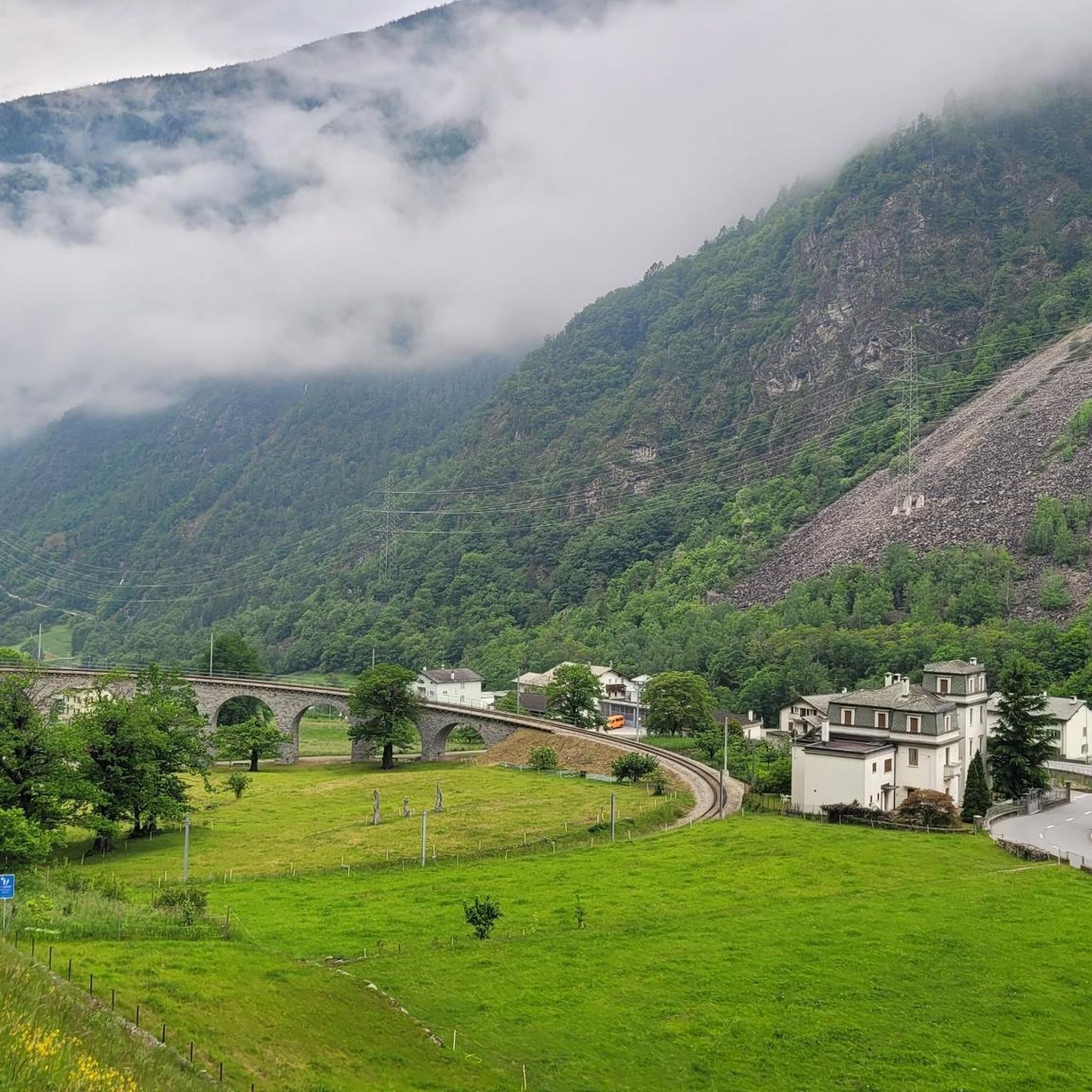
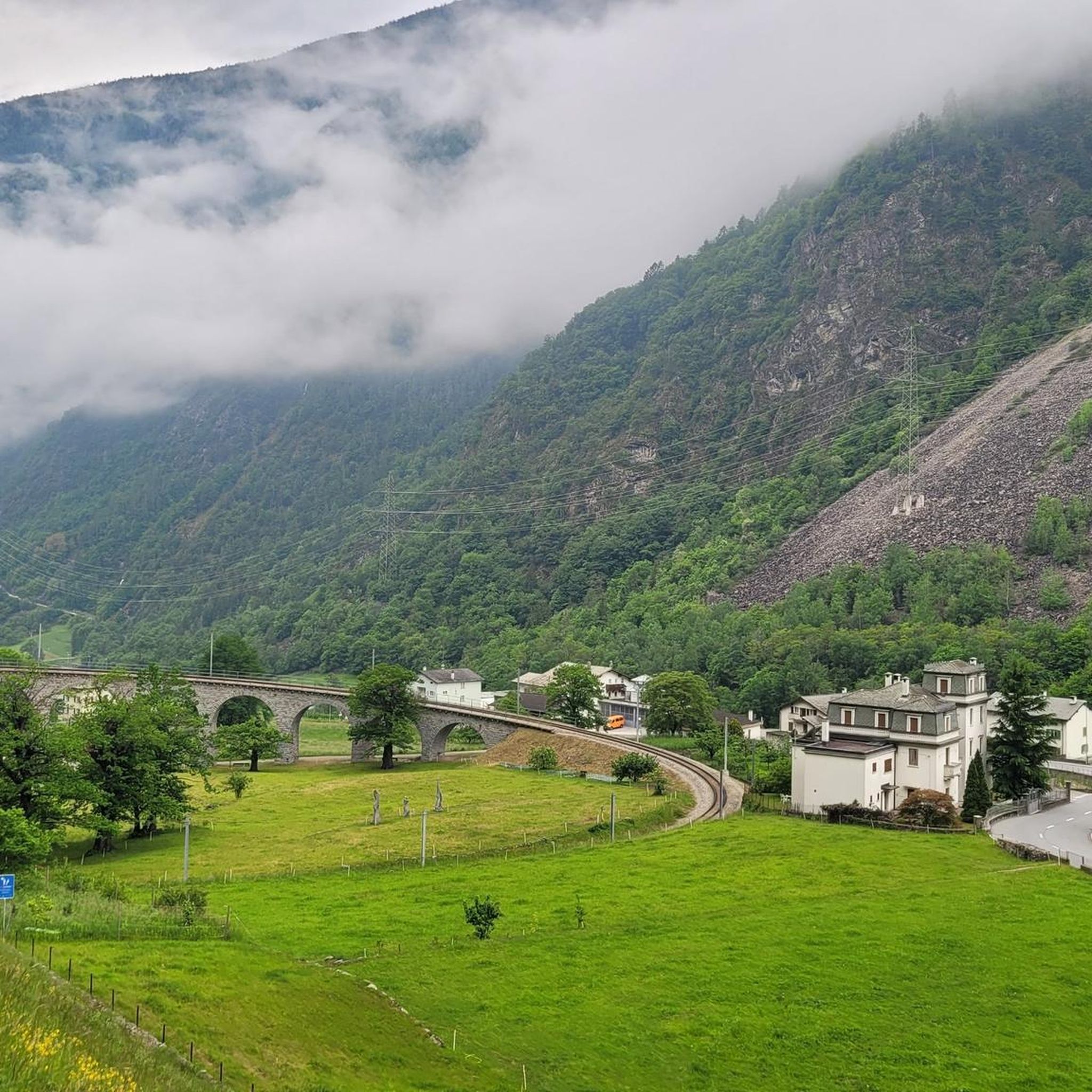
While primarily an engineering marvel, the Brusio Spiral Viaduct is deeply integrated with the natural landscape, making it a significant site that harmonizes human ingenuity with nature. This single-track, nine-arched stone railway viaduct, part of the UNESCO World Heritage Bernina Railway, was ingeniously designed to manage elevation changes while blending seamlessly with the surrounding hillsides, vineyards, and alpine scenery. You can learn more about it on Wikipedia or Atlas Obscura.
Are there facilities or cafes near the natural monuments in Brusio?
Some natural monuments, particularly those with easy access, may have facilities nearby. For example, the Cavaglia Glacier Garden is located near a train station, which often implies some basic amenities. For specific details on cafes or facilities, it's advisable to check local information for each monument before your visit.
What do visitors enjoy most about the natural monuments in Brusio?
Visitors frequently express awe at the geological formations, such as the impressive glacier mills and rock formations. The ease of access to many sites, especially those reachable by the Bernina Railway, is also highly appreciated. The rich flora and diverse alpine vegetation surrounding these natural gems contribute to a picturesque and memorable experience.
Can I find circular walks around Brusio's natural monuments?
While specific 'circular walks' directly around each natural monument aren't explicitly detailed, the region offers numerous trails and routes that can be combined for circular experiences. For instance, the Sentiero della Gola di Cavaglia can be explored as part of a larger walk from the train station. Many cycling and running routes in the area are also designed as loops, providing opportunities to explore the natural surroundings.
Is the Foppa Pass: "Mortirolo" considered a natural monument in Brusio?
The Foppa Pass, also known as "Mortirolo," is a significant mountain pass in the broader region. While it is categorized as a natural monument and offers stunning viewpoints, it is primarily renowned as an iconic and challenging cycling climb, rather than a geological formation like the glacial pots of Cavaglia. It's a popular spot for cyclists due to its demanding slopes and historical significance in professional cycling.
Most popular attractions around Brusio

Get inspired with the komoot mobile app


Explore more
Extend your search for the best caves by checking out these guides of the top ones around Brusio:
