Top 20 Natural Monuments around Känerkinden
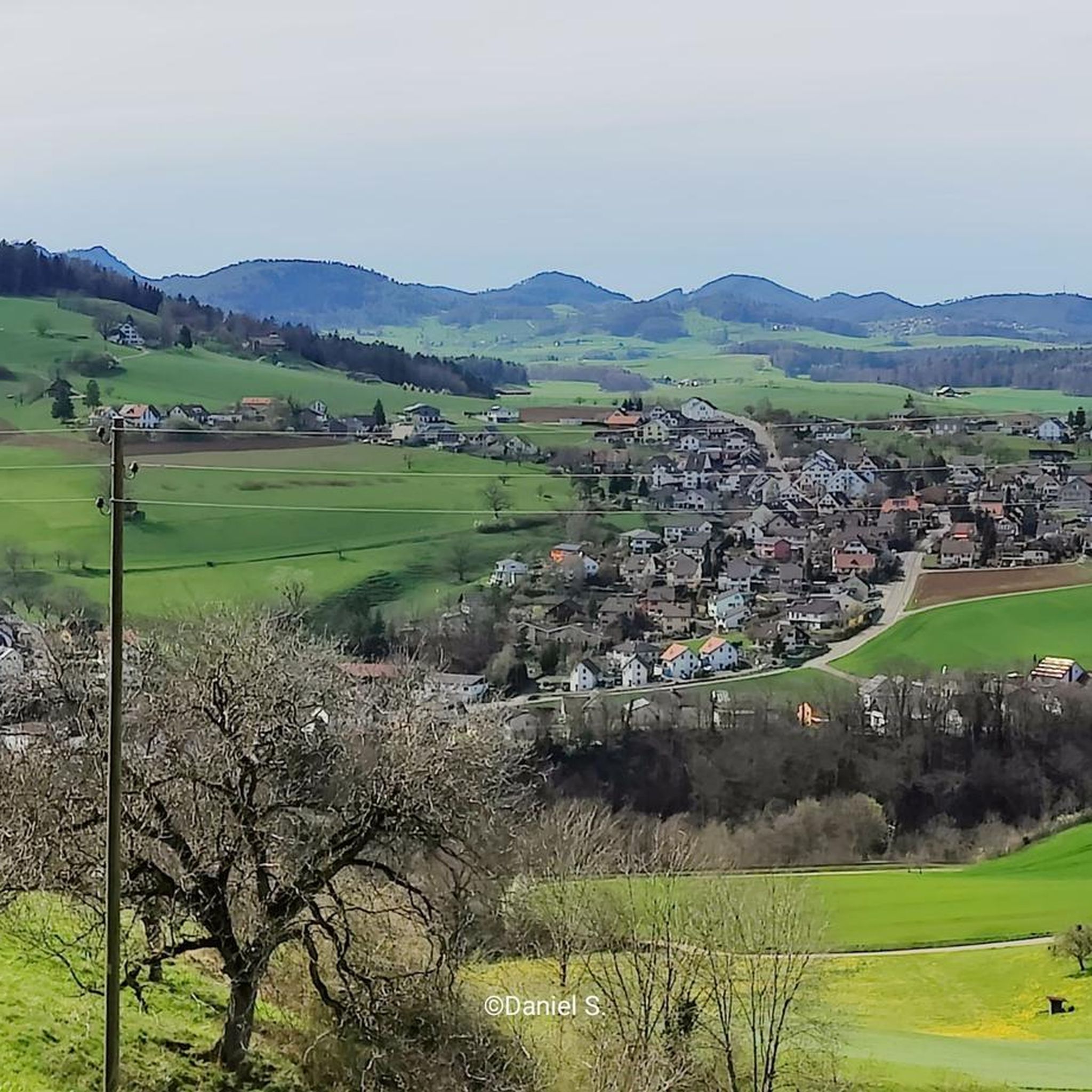
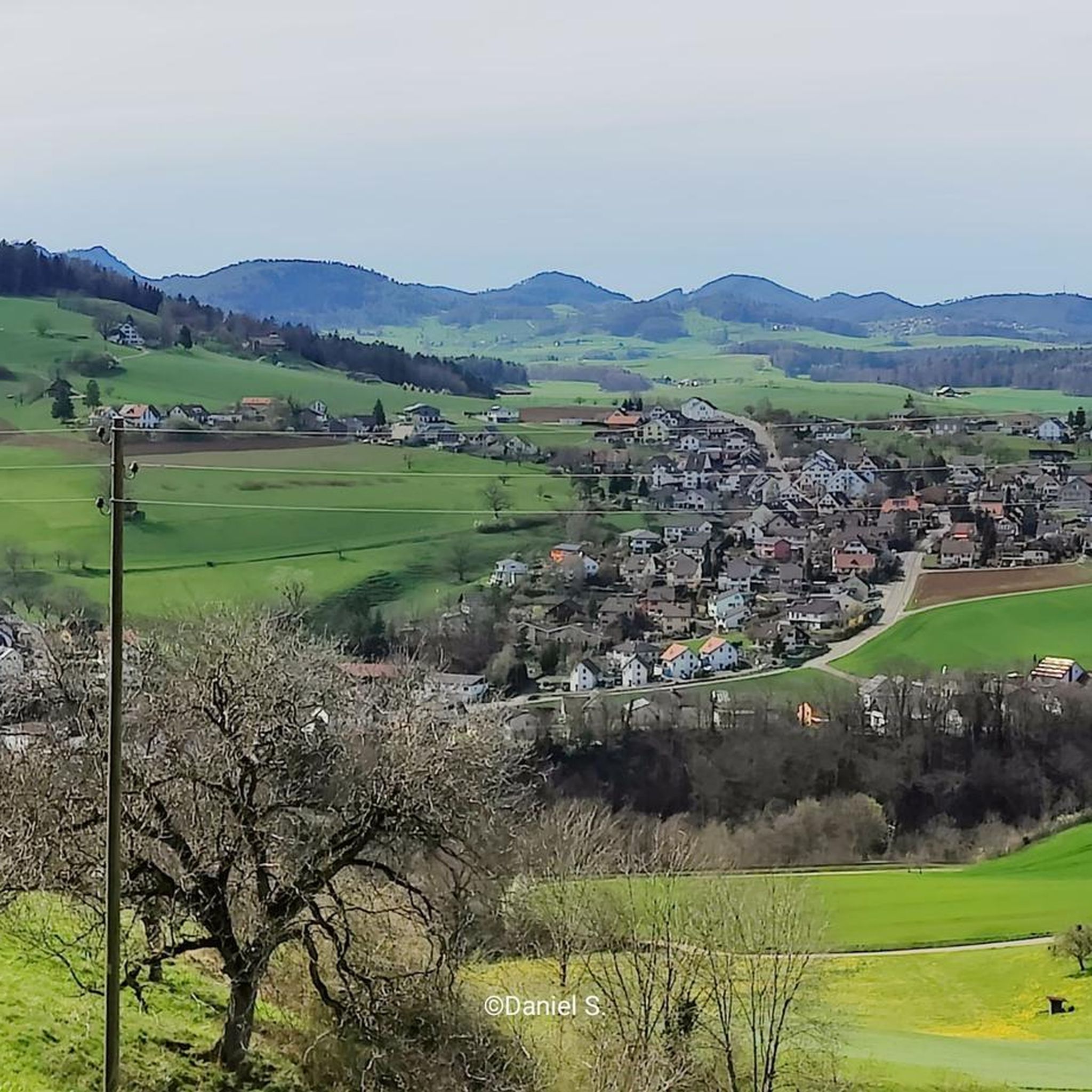
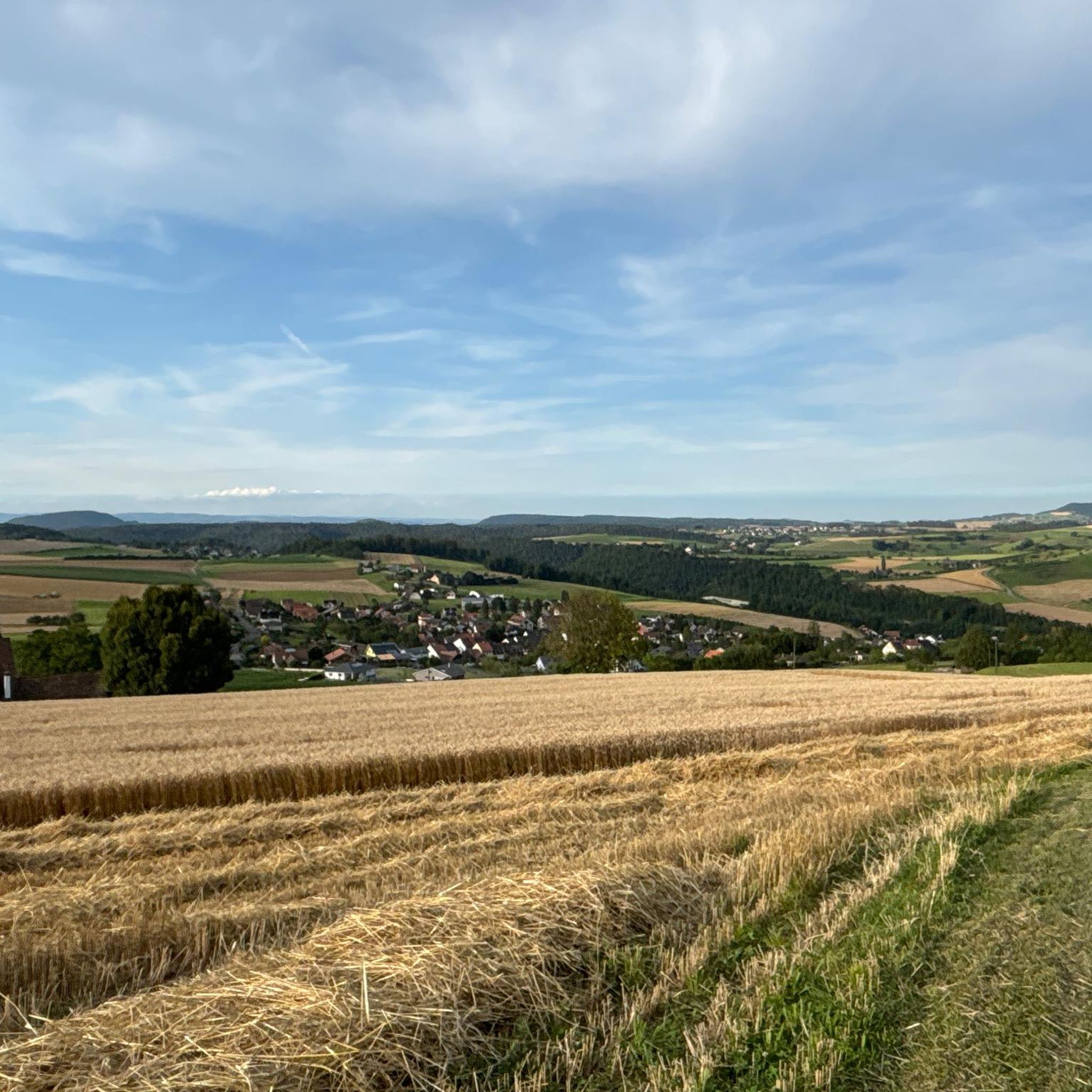
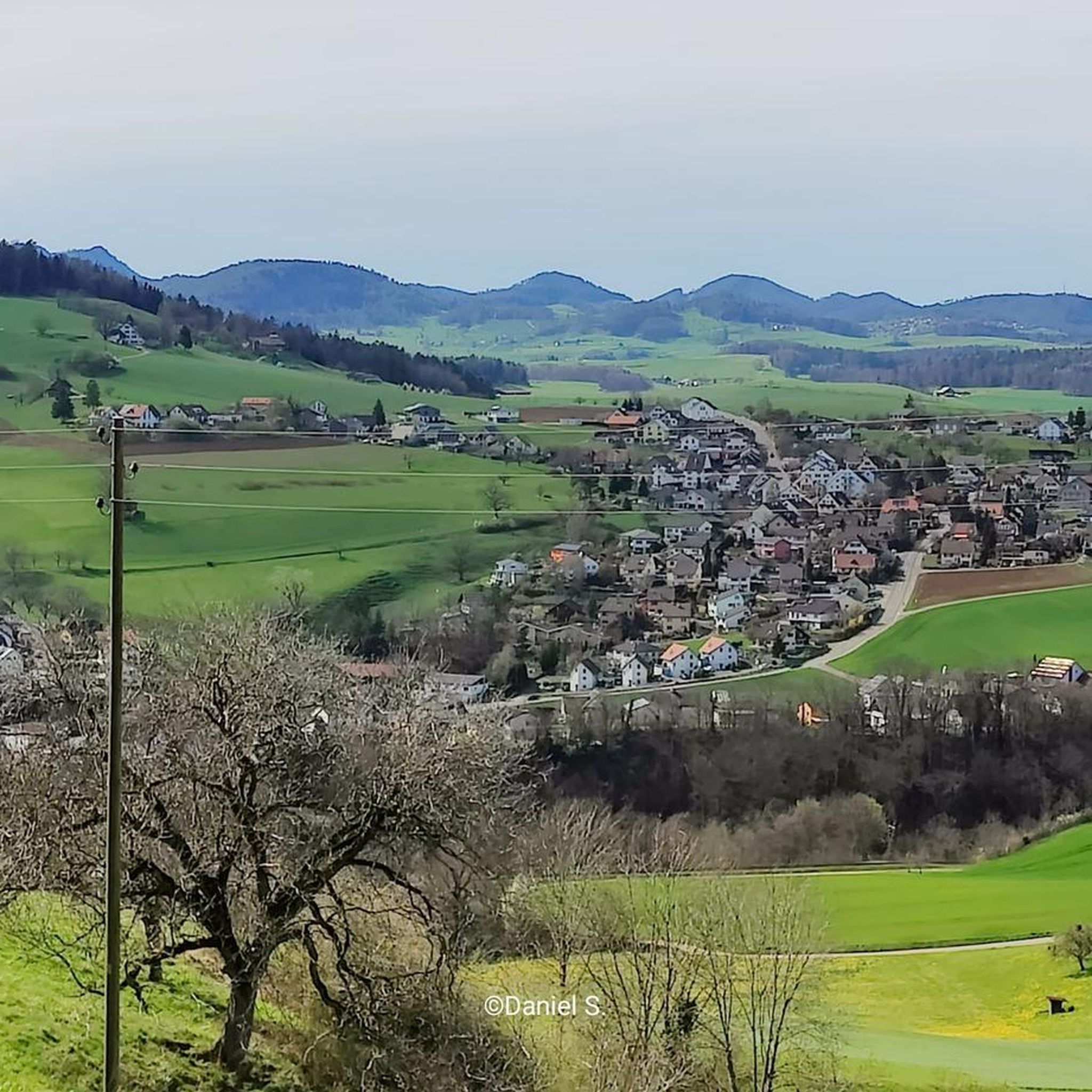
Best natural monuments around Känerkinden are situated within the scenic Jura Mountains in the Sissach district of Basel-Country, Switzerland. The municipality is characterized by its tranquil rural environment, featuring expansive agricultural land and substantial forested areas. While specific named natural monuments are primarily found in the surrounding regions, the area offers diverse natural landscapes ideal for exploring the Swiss countryside.
Best natural monuments around Känerkinden
- The most popular natural monuments is Belchenflue Summit Viewpoint, a summit that offers panoramic…
Last updated: June 26, 2026
Wisenberg Observation Tower
Highlight • Monument
The forest grew higher and higher, making it necessary to expand the tower.
Translated by Google •
Tip by

Belchenflue Summit Viewpoint
Highlight • Summit
Translated by Google •
Tip by
Sign up now to discover places like this
Get recommendations on the best single tracks, peaks, & plenty of other exciting outdoor places.
Sign up for free
Wildenstein Castle
Highlight • Castle
Translated by Google •
Tip by

Geissfluhgrat — Highest point in the Canton of Aargau
Highlight • Summit
Unfortunately, from here you do not have the brilliant view as from the Geissflue.
Translated by Google •
Tip by
Wildenstein Oak Grove
Highlight (Segment) • Forest
Translated by Google •
Tip by

Sign up for free to discover even more natural monuments around Känerkinden.
Sign up for free
Already have an account?
Start today with a free account
Your next adventure awaits.
Login or Signup
Tips from the Community

The most impressive plants in Wildenstein are undoubtedly the ancient oaks (over 500 years old). Just imagine what these trees have seen in their long lives!
2
0

This viewpoint is located on the highest point of the Swiss Belchen on the border between Baselland and Solothurn and is best reached on foot. There are no public transport stations nearby. A car park is available 5 minutes on foot below the Chilchzimmersattel. From there it is a 15-minute hike to the Belchenfluh. Further information The famous "Belchenflue" viewpoint was used as an observation post in World War I and was blasted into its current form. The Belchensüdstrasse between Ifenthal and the Belchenflue commemorates the troops involved in the construction with numerous coats of arms, which immortalized themselves in the rock after the work was completed.
14
2
The oak grove of Wildenstein near Bubendorf is one of the few preserved medieval cultural landscapes of this kind. The area is also considered an important nature reserve. A visit to the oak trees, some of which are over 500 years old, is a highlight for all nature and tree enthusiasts. A visit to the old oak trees is also worthwhile in winter. Without leaves, the trees look better and you can also move around freely. Between March and September, you have to stick to the path out of respect for the valuable lean grassland under the oak trees. People like to linger in the oak grove. In addition to the oak grove, the fairly large nature reserve also offers other attractions. Between the oak grove and the castle there is a large pond, a regionally important spawning ground for the common toad. The area around Wildenstein Castle is also diverse; a circular path leads around the foot of the castle.
0
1

There is something mystical about the oak forest. Especially in changeable weather, when light and shadow bathe the mighty oaks in a diffuse light and their gnarled, long-fingered branches seem to reach out to you. So that future generations can also benefit from this magical place, it is very important not to leave the marked path. The temptation to do so is great. For a photo, for example. Warning signs point out, however, that this is not only forbidden, but also causes long-term damage to the flora and fauna around the oaks. There are also nature park rangers who monitor compliance with the ban.
2
1

Unique landscape protected. Here you can see 500-year-old oak trees and a correspondingly large variety of birds.
3
2

A place that is particularly worthy of protection and is worth hiking through with open eyes and ears.
3
0
The most beautiful oak grove far and wide. A place of power that needs to be taken care of.
1
0
Since the Wiesenberg is in the forest, this observation tower makes sense. It takes hikers above the treetops and allows a 360-degree panorama. There are panorama boards. The climb is worth it.
5
0
Frequently Asked Questions
What are some of the most popular natural monuments around Känerkinden?
Visitors frequently enjoy the panoramic views from Belchenflue Summit Viewpoint, the ancient trees at Wildenstein Oak Grove, and the expansive vistas from Wisenberg Observation Tower. These spots are highly rated by the komoot community.
Are there any family-friendly natural monuments in the area?
Yes, several natural monuments are suitable for families. The Wisenberg Observation Tower and Wildenstein Oak Grove are both marked as family-friendly. Additionally, the grounds around Wildenstein Castle offer an information trail that is great for all ages.
What kind of geological features can I explore near Känerkinden?
Beyond the immediate vicinity of Känerkinden, you can find unique geological formations such as the Weiacher Höhe (The "Stein") near Wasterkingen, which features striking rock faces and small caves formed by erosion. The "middle cover gravel" capping its sandstone and marl layers is over 200,000 years old.
Are there historical sites or monuments related to the natural landscape?
Yes, the Belchenflue Summit Viewpoint was historically used as an observation post during World War I. The Wisenberg Observation Tower also served as an air observation post during World War II. Further afield, the Flühhalde — Neolithic Cave (Winterlislöchli) near Wasterkingen offers a glimpse into ancient history with local legends.
What outdoor activities can I do near these natural monuments?
The region offers diverse outdoor activities. You can find numerous running trails, mountain hikes, and cycling routes. For example, there are challenging mountain hikes like the Chilchzimmersattel – Belchenflue Summit Viewpoint loop, or various cycling routes such as the Schönthal Monastery – Chilchzimmersattel loop. You can explore more options in the Running Trails around Känerkinden, Mountain Hikes around Känerkinden, and Cycling around Känerkinden guides.
What is the best time of year to visit the natural monuments?
The best time to visit depends on your interests. For expansive views, especially from spots like Weiacher Höhe, winter can be ideal when deciduous trees are bare. If you plan to explore the Wildenstein Oak Grove, note that from March to September, visitors are encouraged to stay on marked paths to protect rare plants. From October to February, you have more freedom to roam within the grove.
Are there any easy walking routes to natural monuments?
While some trails can be intermediate or challenging, there are options for easier walks. The general rural environment of Känerkinden, with its agricultural fields and forests, offers tranquil paths. For specific easy routes, it's best to check individual tour descriptions in the nearby guides, such as those for Running Trails around Känerkinden, which include moderate options.
What makes the Wildenstein Oak Grove special?
The Wildenstein Oak Grove is a protected habitat featuring oak trees, some over 500 years old. These ancient trees are crucial for a diverse ecosystem, providing homes for numerous insects, fungi, and lichen species. It's considered one of Switzerland's most significant lichen sites.
Can I bring my dog to the natural monuments?
While specific dog-friendly regulations vary by location, the general natural landscape around Känerkinden is suitable for walks with dogs. When visiting protected areas like the Wildenstein Oak Grove, it's always advisable to keep dogs on a leash and stay on marked paths, especially during sensitive seasons, to protect wildlife and plants.
What is the highest point in the Canton of Aargau, and can I visit it?
The highest point in the Canton of Aargau is Geissfluhgrat, which stands at 908 meters above sea level. It is located right next to a hiking trail, requiring only a short detour to reach. While the view from Geissfluhgrat itself might not be as expansive as from other viewpoints, it's a notable landmark for those exploring the region.
Are there any significant bird-watching spots nearby?
Yes, the Neeracherried, located near Wasterkingen, is an expansive fen covering 105 hectares and is recognized as a significant bird paradise. It's one of Switzerland's last large fens, providing a crucial habitat for numerous birds, plants, amphibians, and reptiles.
What do visitors appreciate most about the natural monuments around Känerkinden?
Visitors particularly enjoy the stunning panoramic views from summits and observation towers, the tranquility of ancient forests, and the opportunity to connect with nature. The diverse landscapes, from geological formations to protected oak groves, offer a rich experience, as evidenced by the numerous photos and upvotes shared by explorers.
Most popular routes around Känerkinden
Most popular attractions around Känerkinden

Get inspired with the komoot mobile app


Explore more
Extend your search for the best caves by checking out these guides of the top ones around Känerkinden:
