Top 20 Natural Monuments around Düdingen
Natural monuments around Düdingen feature a diverse landscape shaped by geological history and ecological significance. The region, influenced by the last Ice Age, includes protected wetland areas and unique geological formations. These sites offer insights into the area's past as a seabed and provide crucial habitats for various plant and animal species. Düdingen's natural features are recognized for their ecological and geological importance.
Best natural monuments around Düdingen
- The most popular natural monuments is Grasburg Castle Ruins, a castle…
Last updated: September 29, 2026
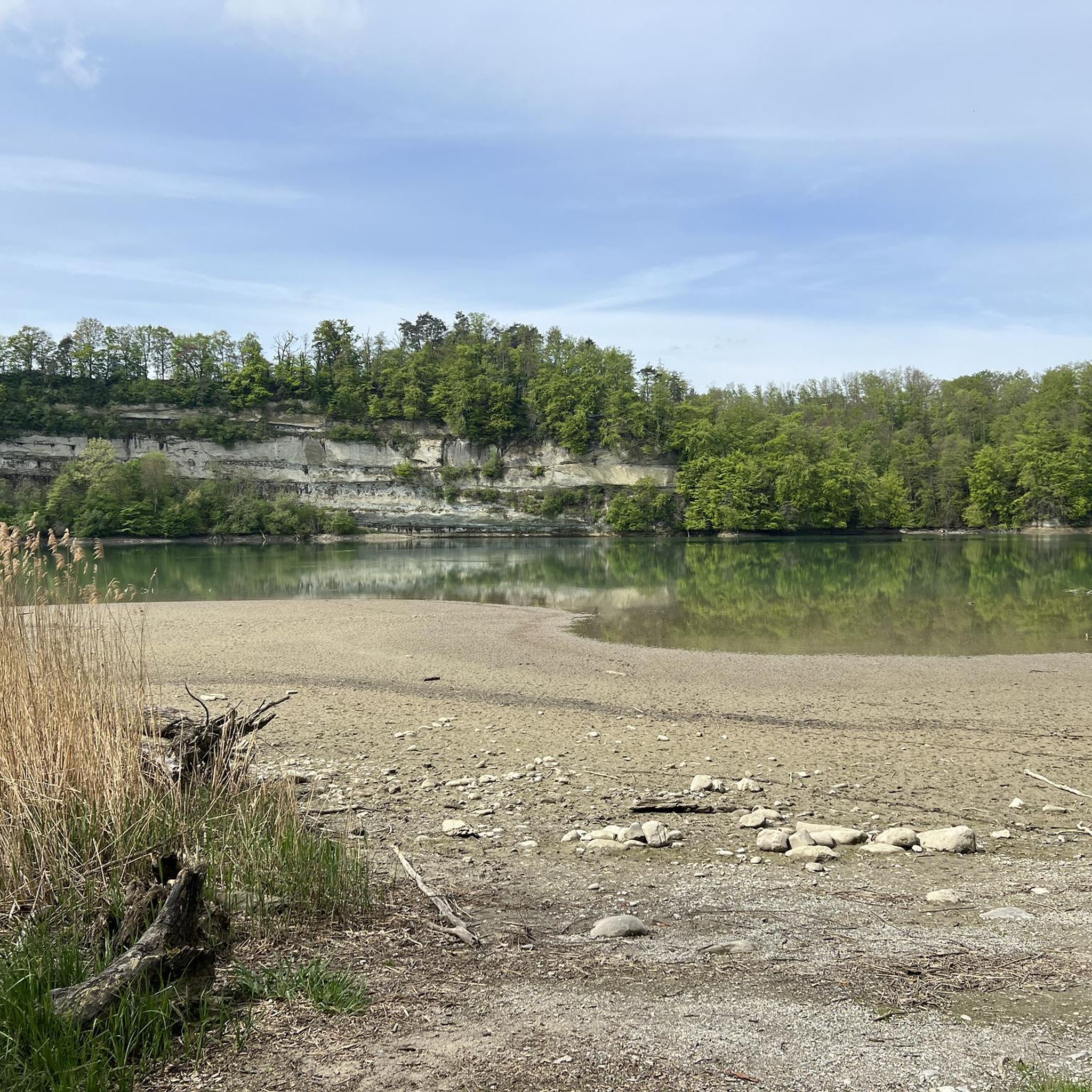
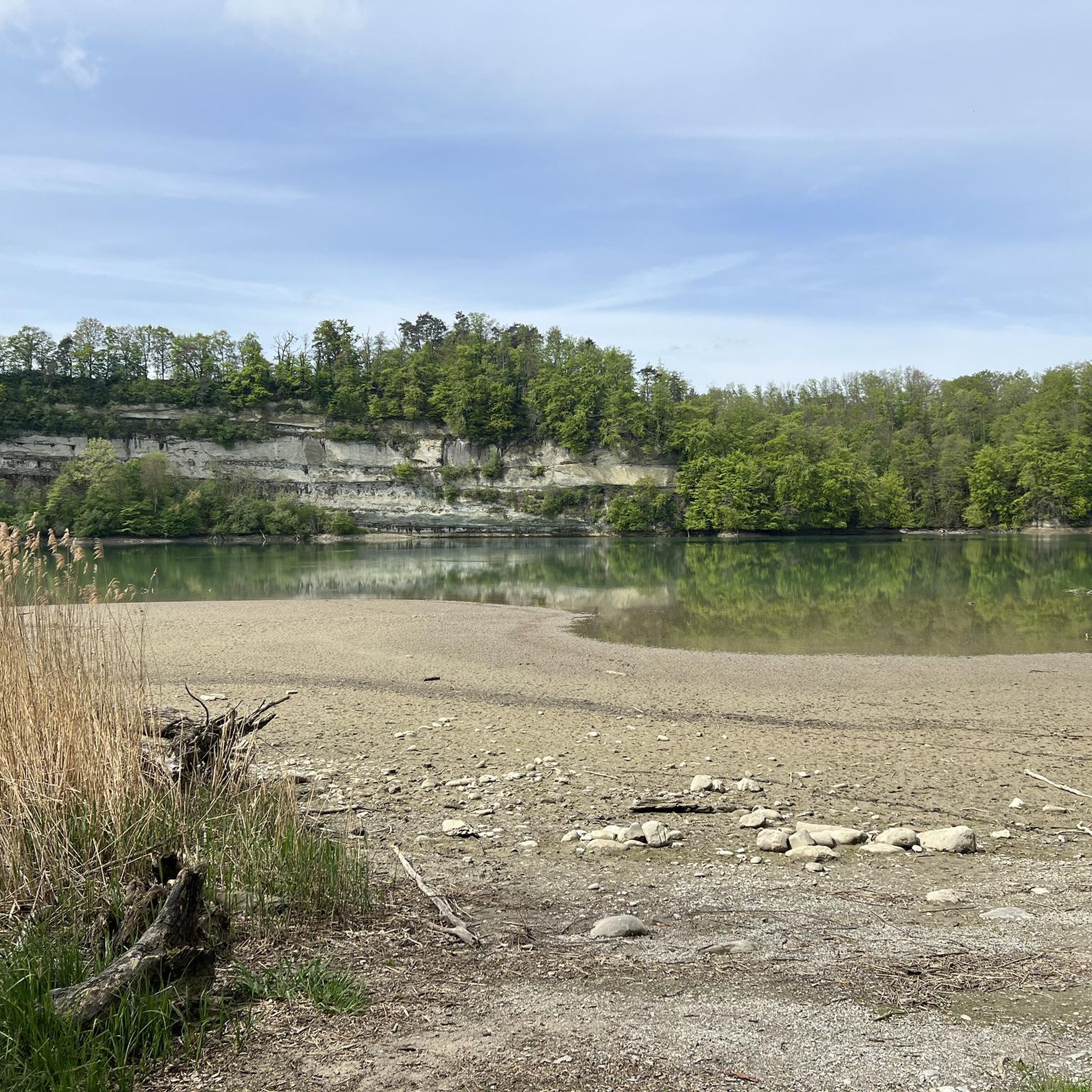
Auried Nature Reserve
Highlight • Natural
As a former gravel mining area, this area was acquired by Pro Natura.
One of the …
Translated by Google •
Tip by

Grasburg Castle Ruins
Highlight • Castle
Translated by Google •
Tip by

Sign up now to discover places like this
Get recommendations on the best single tracks, peaks, & plenty of other exciting outdoor places.
Magdalena Hermitage, Räsch
Highlight • Religious Site
Translated by Google •
Tip by
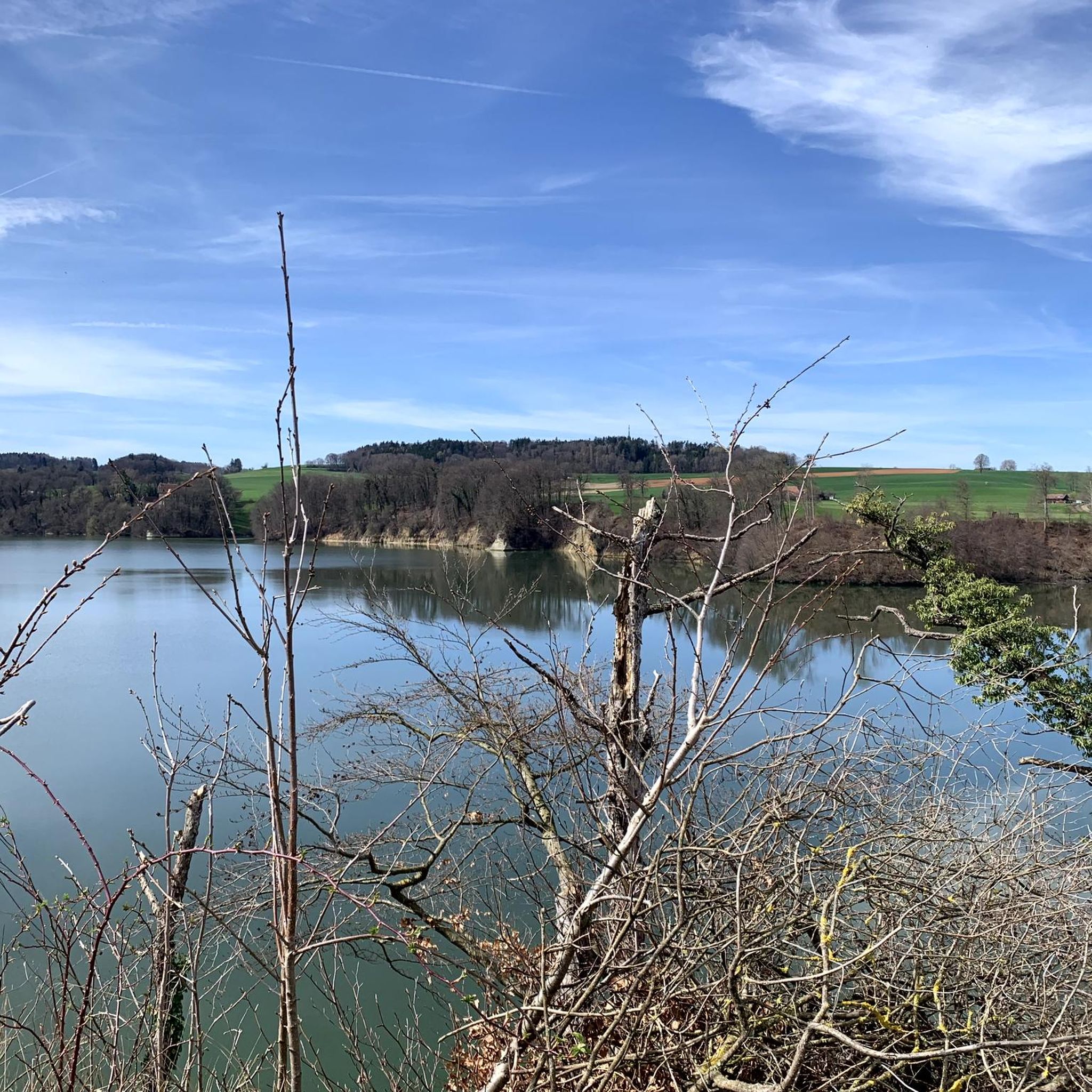
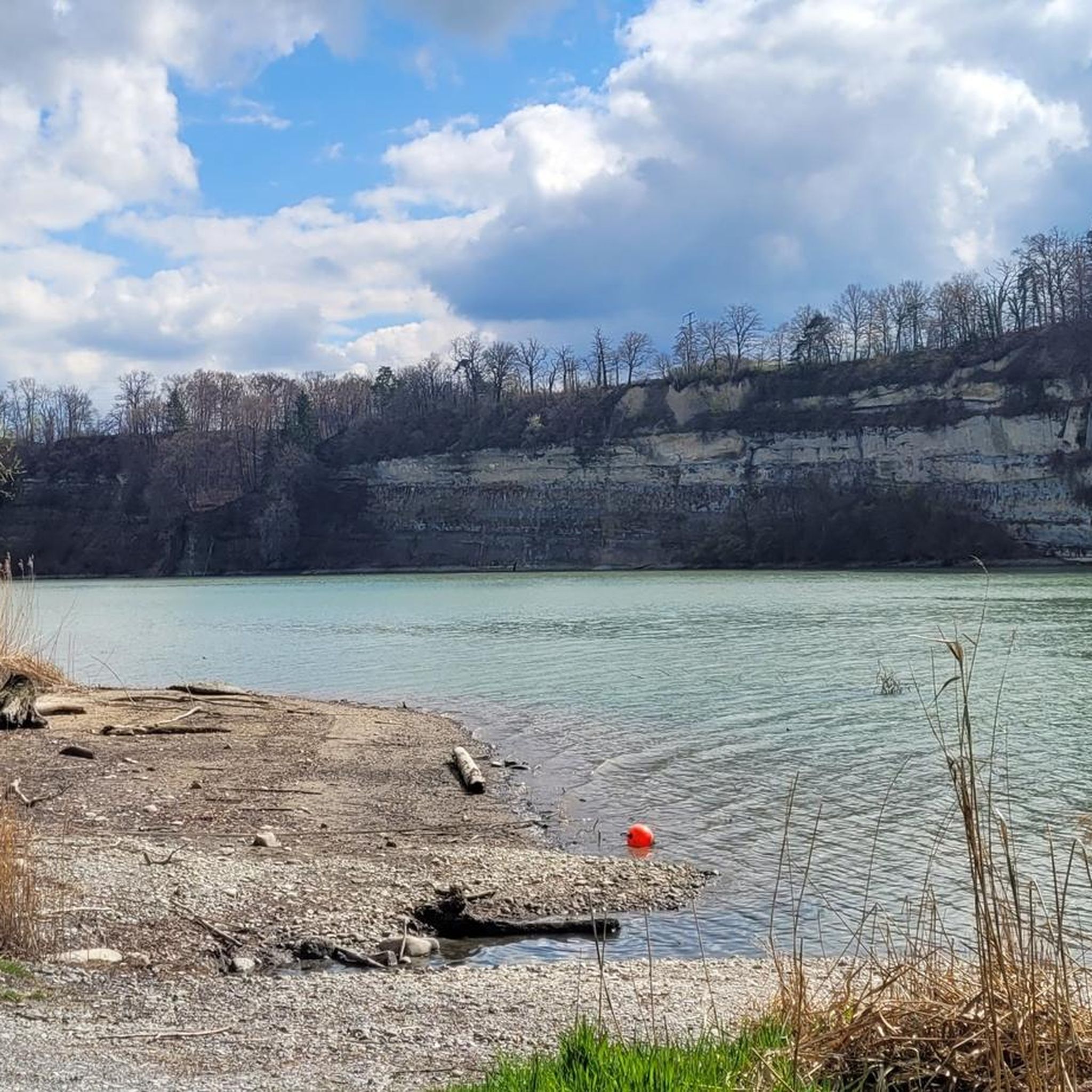
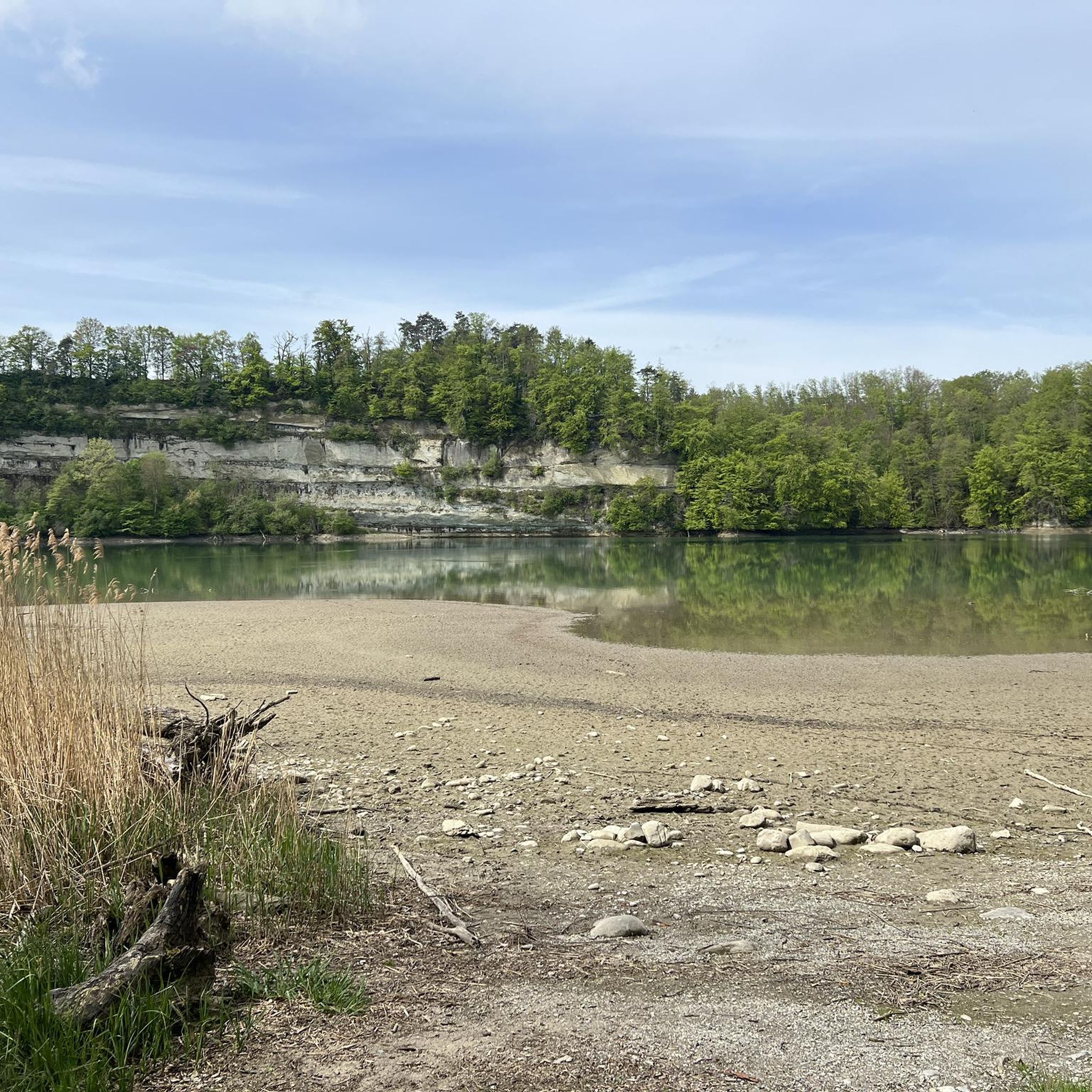
Confluence of the Sense and Saane
Highlight • River
Translated by Google •
Tip by
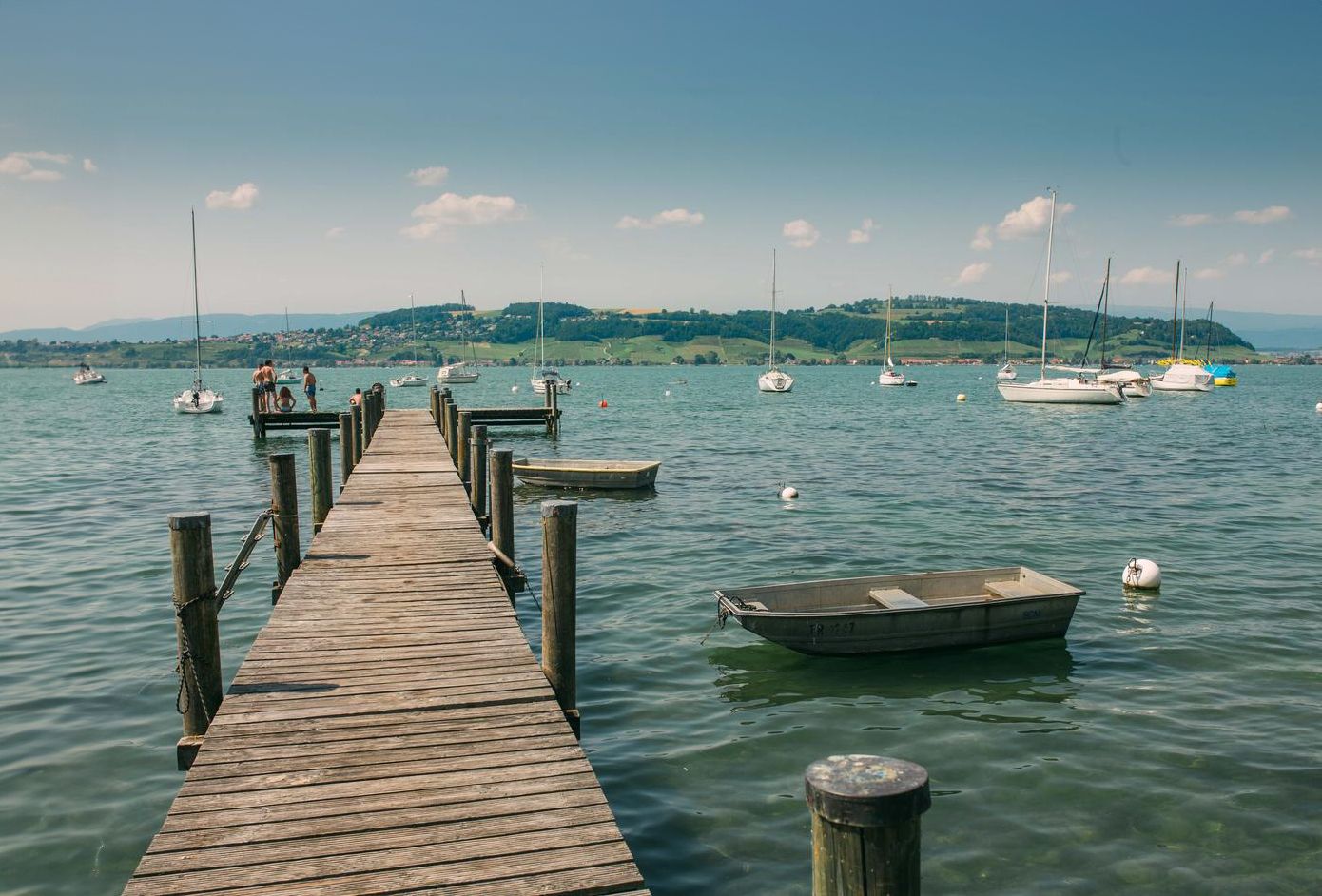
Düdinger Moos Nature Reserve
Highlight • Lake
Translated by Google •
Tip by
Sign up for free to discover even more natural monuments around Düdingen.
Already have an account?
Start today with a free account
Your next adventure awaits.

Other adventures around Düdingen

Tips from the Community

A super highlight is the Düdinger Moos
0
0

The Düdingen Möser were subject to numerous disturbances in the 20th century. The peat of this Möser, which took several thousand years to form, was intensively mined during the Second World War to counteract the lack of coal. This resulted in several bodies of water and the habitat began to be colonized by trees and bushes. The use of part of the Möser as a waste pit and for fish farming, as well as the construction of the A12 motorway, had a major impact on this habitat in the 1970s.
6
0
A hermit's dwelling in the hamlet of Räsch was first mentioned in 1448. The hermit Johann Dupré and his assistant Johann Liecht expanded the rock dwelling to its current size between 1680 and 1708. In order to prevent the hermitage from collapsing and to preserve it for the general public, the parish of Düdingen carried out extensive renovation work in 2005/2006. Open and free of charge from April to September.
6
0

It also has several tables and benches to relax
0
0

https://www.pronatura.ch/de/naturschutzgebiet-auried Frog concerts can be heard in spring and early summer.
0
0

The partially restored ruin is a place with historical charm and invites you to linger.
1
0

Beautiful trail towards Schwarzenburg
3
0

The Grasburg is not only the largest ruin in the canton of Bern, but also a real eye-catcher high above the lively Sense. The rock falls vertically on its outer walls and the castle complex is lined with dense forest. Below the castle there is a pretty barbecue area and two more above in the former courtyard. Since the building fabric is in poor condition, large parts of the Grasburg will remain wrapped in scaffolding until autumn 2023. The path to the ruins leads steeply downhill and a steep staircase then leads up to the castle. Hiking poles can be useful.
1
0
Frequently Asked Questions
What are the most significant natural reserves around Düdingen?
The region features several important natural reserves. The Auried Nature Reserve is a nationally important area, known for one of Switzerland's largest tree frog populations, diverse bird species, and invertebrates. Another significant site is the Düdinger Moos Nature Reserve, a protected wetland area with ponds, bog woodlands, and moors, crucial for various plants and animals, including rare bird species like the Great Reed Warbler. You can find more detailed information about the Düdinger Moos on Wikipedia.
Are there any natural monuments with historical significance in Düdingen?
Yes, the Magdalena Hermitage, Räsch, while primarily a historical structure carved into sandstone cliffs, also features a remarkable geological phenomenon. Visitors can walk on fossilized sand dunes, remnants of a Tertiary sea from approximately 20 million years ago. Additionally, the Grasburg Castle Ruins, the largest castle in the canton of Bern, is set within an interesting valley shaped by the Sense river, blending historical architecture with natural landscape.
What kind of geological features can I observe in the natural monuments near Düdingen?
The region offers unique geological insights. At the Magdalena Hermitage, Räsch, you can see fossilized sand dunes, which are evidence of a 20-million-year-old Tertiary sea that once covered the area. The broader landscape, including the Düdinger Moos Nature Reserve, was shaped by the last Ice Age, leaving behind lakes and swampy valleys that formed the current wetland ecosystems.
Are there family-friendly natural monuments or activities in the Düdingen area?
Absolutely. The Confluence of the Sense and Saane is a great family-friendly spot, offering a scenic rest area and barbecue facilities where the two rivers meet. The Auried Nature Reserve is also suitable for families, providing opportunities to observe diverse wildlife in a protected environment. Many paths in the Düdinger Moos Nature Reserve are accessible and offer easy walks for all ages.
What outdoor activities can I do near these natural monuments?
The area around Düdingen is excellent for various outdoor activities. You can find numerous routes for cycling, mountain biking, and gravel biking. For example, there are several cycling routes, including a moderate 12.6 km loop from Düdingen to the Grandfey Viaduct. If you prefer mountain biking, explore MTB trails around Düdingen, such as the 23.3 km Grandfey Viaduct loop. Gravel biking enthusiasts can also find suitable gravel biking routes in the region.
Are there hiking trails near the natural monuments in Düdingen?
Yes, the natural monuments are often integrated into hiking networks. The Düdinger Moos Nature Reserve has easily accessible paths suitable for hiking. The area around Grasburg Castle Ruins also features trails, including a beautiful path towards Schwarzenburg. While specific hiking guides are not listed here, the cycling and MTB guides often overlap with scenic paths suitable for walking.
What kind of wildlife can I expect to see in Düdingen's natural monuments?
The natural monuments are rich in biodiversity. The Auried Nature Reserve is a vital habitat for amphibians, notably one of Switzerland's largest tree frog populations, as well as various waders, dragonflies, and other invertebrates. It's also a significant resting and breeding area for numerous bird species. The Düdinger Moos Nature Reserve is excellent for birdwatching, with an observation tower to spot species like the Great Reed Warbler, Savi's Warbler, Black-crowned Night Heron, and the Black Woodpecker.
Are there any viewpoints or scenic spots among the natural monuments?
Yes, several natural monuments offer scenic views. The Confluence of the Sense and Saane provides a picturesque spot where the two rivers meet. The Grasburg Castle Ruins offer elevated perspectives of the surrounding valley and the Sense river. Additionally, the Düdinger Moos Nature Reserve includes an observation tower for birdwatching and enjoying the wetland landscape.
Is the Düdinger Moos Nature Reserve accessible for people with wheelchairs?
Yes, the Düdinger Moos Nature Reserve is noted as being wheelchair accessible, making it possible for a wider range of visitors to enjoy its unique natural environment and observe its biodiversity.
What is the best time of year to visit the natural monuments around Düdingen?
The natural monuments around Düdingen can be enjoyed throughout the year, but the best time often depends on your interests. Spring and summer are ideal for wildlife observation, especially for birds and amphibians in the Auried Nature Reserve and the Düdinger Moos. The Magdalena Hermitage is open from April to October, with May to September offering the longest visiting hours. Autumn provides beautiful foliage, while winter can offer serene, quiet landscapes, though some facilities might be closed.
Are the natural monuments around Düdingen dog-friendly?
Many natural areas and trails around Düdingen are generally dog-friendly, provided dogs are kept on a leash and owners clean up after them. The Auried Nature Reserve is a natural area where dogs are typically welcome on designated paths. Always check local signage for specific rules, especially in protected wildlife areas, to ensure a pleasant visit for everyone.
What do visitors enjoy most about the natural monuments in Düdingen?
Visitors frequently appreciate the diverse natural beauty and the opportunities for outdoor recreation. The Auried Nature Reserve is highlighted as an 'absolute highlight for nature lovers' due to its rich biodiversity. The Düdinger Moos Nature Reserve is praised as 'a beautiful area to discover,' especially when combined with a hike. The Confluence of the Sense and Saane is valued as a 'nice rest area' with barbecue facilities, perfect for a break.
Most popular routes around Düdingen
Most popular attractions around Düdingen

Get inspired with the komoot mobile app


Explore more
Extend your search for the best caves by checking out these guides of the top ones around Düdingen:
