Top 20 Natural Monuments around Grossaffoltern
Best natural monuments around Grossaffoltern are found in this municipality in the canton of Bern, Switzerland. The area is characterized by its rural surroundings, picturesque hills, and green meadows, offering opportunities for outdoor activities. While not abundant in dramatic geological formations directly within its borders, the region is recognized for its biodiversity and serene landscapes. Grossaffoltern's natural features include significant nature reserves and unique geological sites.
Best natural monuments around Grossaffoltern
- The most popular natural monuments is Alte Aare Nature…
Last updated: June 26, 2026
Lobsigen Sandstone Caves
Highlight • Cave
Translated by Google •
Tip by

Niederried Hydroelectric Power Plant and Niederried Reservoir
Highlight • Structure
The Niederried hydropower plant is located about 3 km below the mouth of the Saana into the Aare. It was built between 1959 and 1963 next to the existing weir of the Kallnach power plant.
Translated by Google •
Tip by

Sign up now to discover places like this
Get recommendations on the best single tracks, peaks, & plenty of other exciting outdoor places.
Sign up for free
Alte Aare River
Highlight • River
Translated by Google •
Tip by
Alte Aare Nature Reserve
Highlight (Segment) • Natural Monument
Showing Translation
Tip by

Sandstone Quarry Ober Bockstein
Highlight • Cave
There is also a barbecue area in the pit.
Translated by Google •
Tip by

Sign up for free to discover even more natural monuments around Grossaffoltern.
Sign up for free
Already have an account?
Start today with a free account
Your next adventure awaits.
Login or Signup
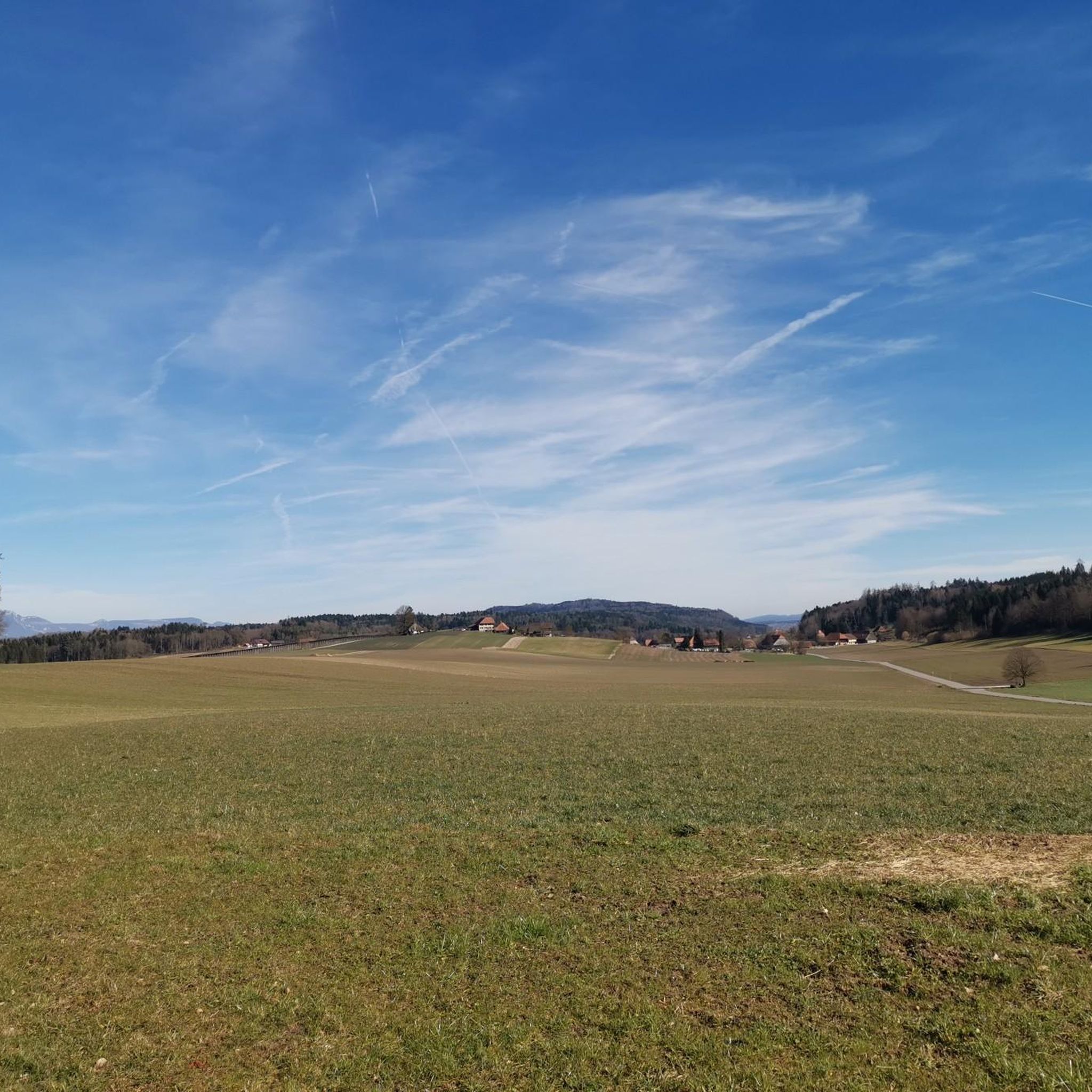

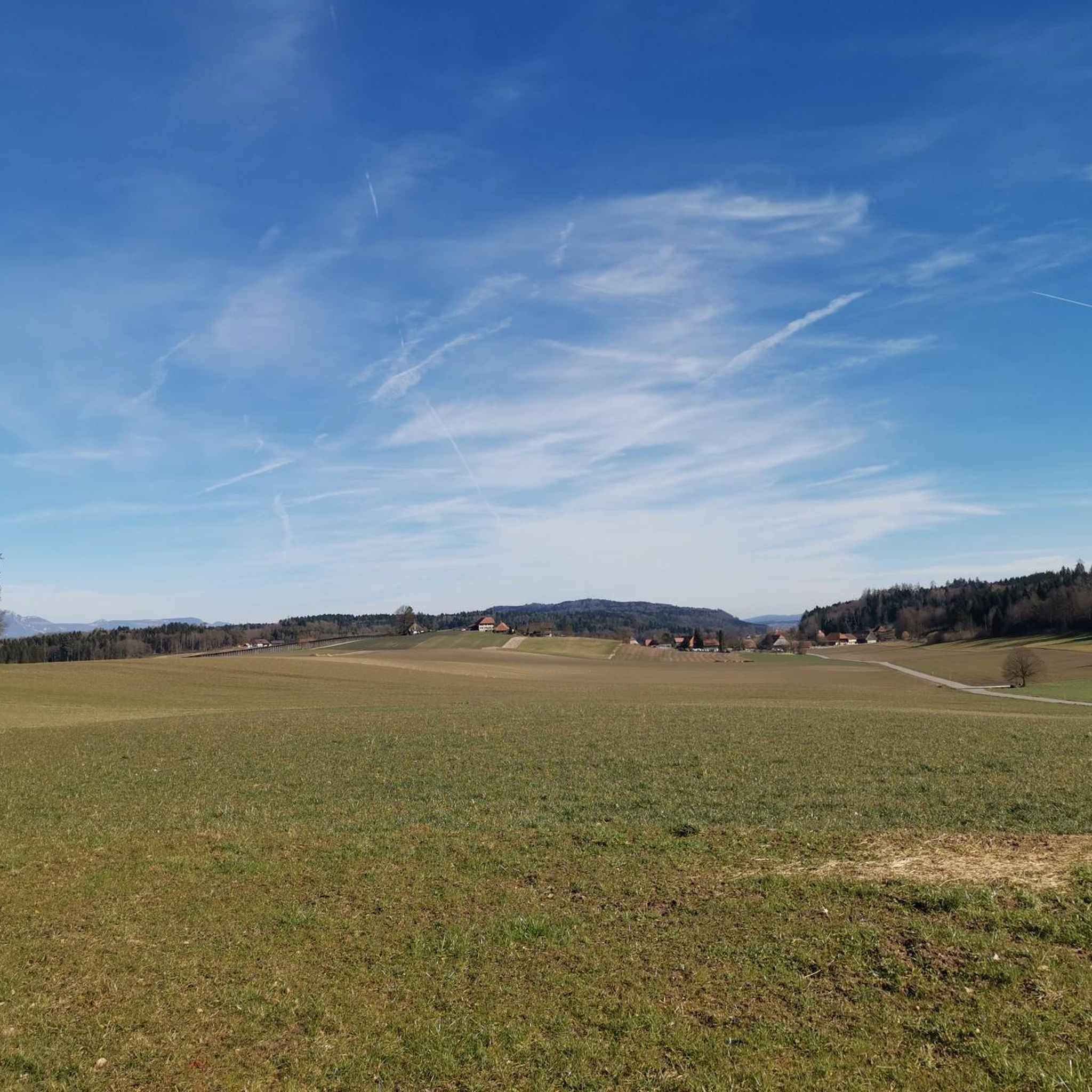
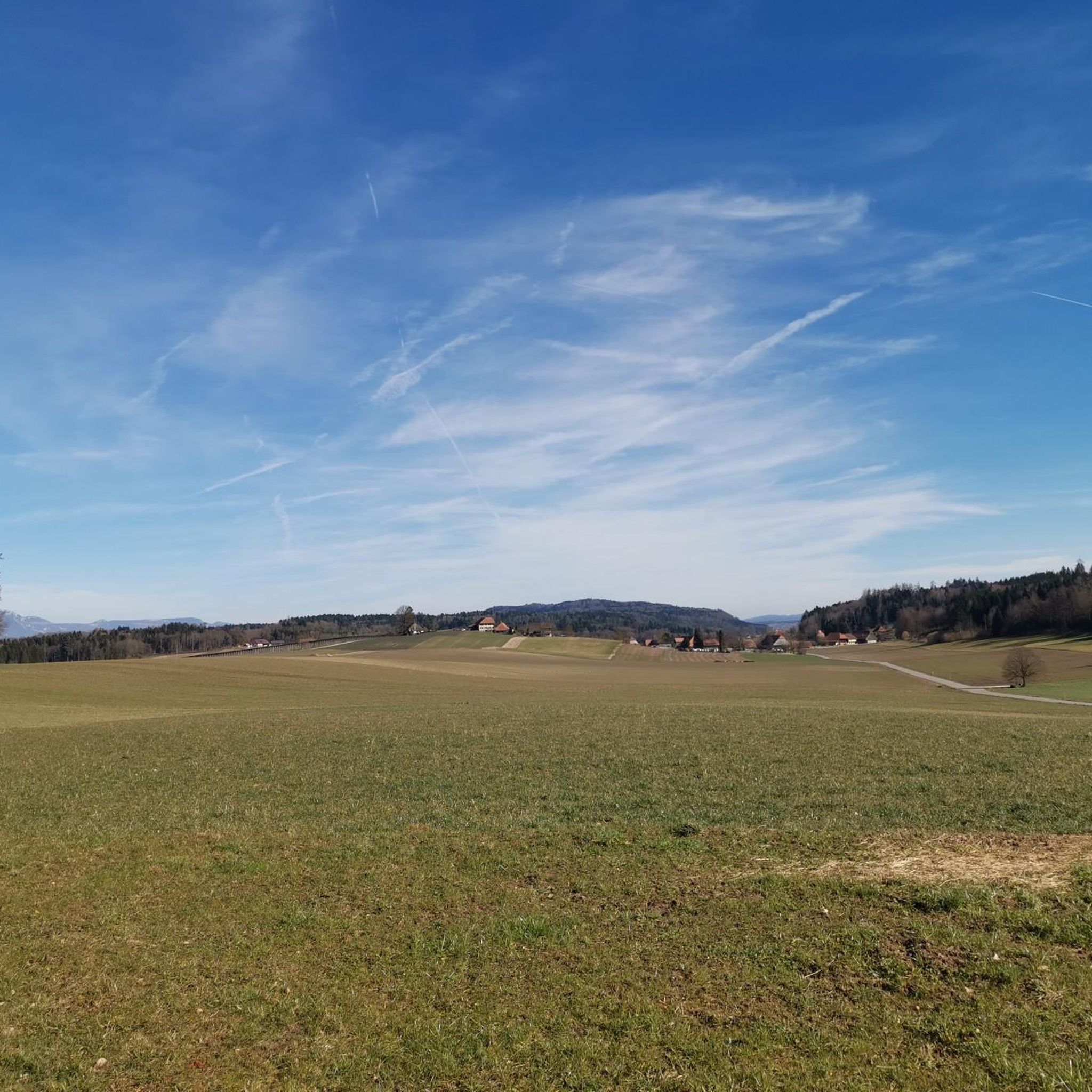
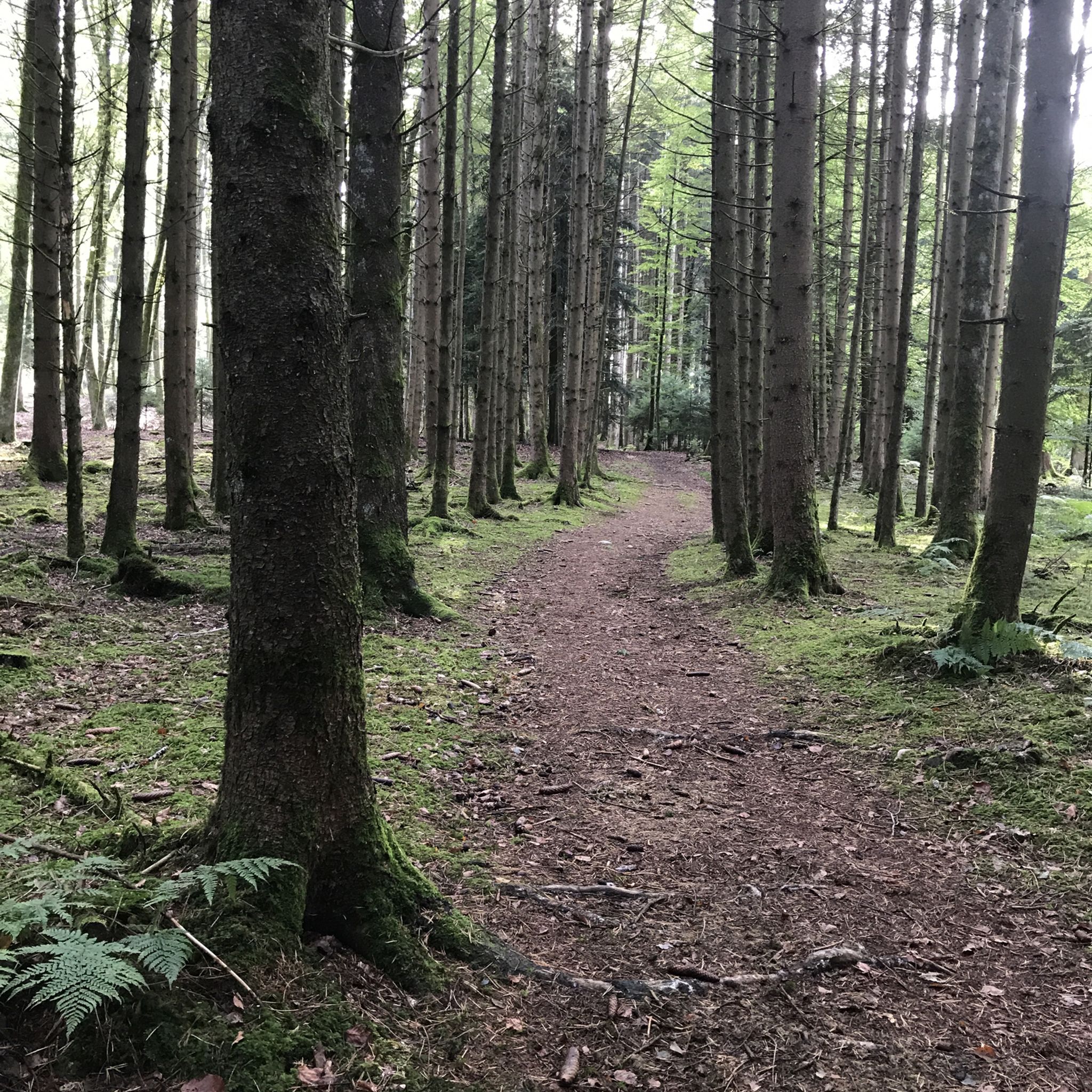
Tips from the Community

pretty here, mega super pretty
1
0

The Old Aare – a fascinating river landscape between Aarberg and Büren. It is a valuable habitat for numerous animals and plants. People from near and far love and appreciate it as an attractive relaxation area. This unique idyll was created as a result of the first Jura water correction in the 19th century. The Alte Aare Hydraulic Engineering Association, together with private and public partners, ensures that this landscape is preserved. Source https://www.alte-aare.ch/
0
0

The Niederried nature reserve is highly recommended 👍
2
0

Short but beautiful bike descent from the Chutzeturm via the hidden trails to the sandstone caves of Lobsigen and on to Aarberg.
2
0

Very cool sandstone caves that invite you to linger. It has fireplaces and some tables and benches.
2
0

We hiked from the swimming pool in Büren a.A. over the footbridge on the "inside" of the loop. You can hardly see anything from the Aare. That's why we stopped halfway. Then try the part from Meienried or around the outside again. But we were welcomed in Büren an der Aare with a "holiday feeling" and enough time to stop!
0
1

At this point there is a sandstone pit, which can be accessed from the back through a tunnel. In the pit there is a fireplace and various wooden chairs made from tree trunks. In the summer a shady place to grill. "You enter the pit through a tunnel that the users once excavated. Mining began in the 16th century. At that time, a lot of millstones were needed, a pit near Oberramsern could no longer meet the demand. This was the decision of the Great Council of Solothurn In 1527 a local miller was commissioned to quarry stone near Ober Bockstein on its land. After a few years, however, the miller gave up, as it turned out that his sandstone was too soft for millstones. In 1777, operations resumed in the Upper Bockstein Bockstein-Grube. Above all stove plates were now made from the sandstone. The last stone carver, the "Grubendurs", lived with his wife, the "Grubenänni" until 1890 on site, where the two had set up makeshift in a cave-like niche, as stated on the information board." Source: web.
0
0

It was a wonderful day in an even more beautiful area!
2
0
Frequently Asked Questions
What unique natural features can I explore around Grossaffoltern?
Grossaffoltern offers a diverse range of natural features. You can explore the fascinating river landscape of the Alte Aare Nature Reserve, which is a valuable habitat for numerous animals and plants. Additionally, discover the unique Lobsigen Sandstone Caves, which were inhabited until the early 20th century, or visit the Löörmoos Raised Bog, one of the few raised bogs remaining near Bern.
Are there any family-friendly natural monuments in the Grossaffoltern area?
Yes, several natural monuments are suitable for families. The Alte Aare Nature Reserve is an attractive relaxation area perfect for walks. The Niederried Hydroelectric Power Plant and Niederried Reservoir is also family-friendly, offering opportunities to spot beavers and numerous water birds. The Löörmoos Raised Bog also welcomes families.
Where can I go birdwatching near Grossaffoltern?
Grossaffoltern is renowned for its thriving stork colony, where you can observe white storks nesting within the village, particularly during nesting season. For an even broader birdwatching experience, visit the Häftli Observation Tower in the Häftli nature reserve, which offers excellent views of the birdlife along the Alte Aare. The Niederried Reservoir is also home to around 10,000 water birds during winter.
What kind of wildlife can I expect to see in the natural monuments around Grossaffoltern?
The region is rich in biodiversity. At the Alte Aare Nature Reserve, you might spot beavers, kingfishers, and various amphibian species, including over ten amphibian species and up to thirty different dragonfly species. The Niederried Reservoir is a significant habitat for beavers and hosts around 10,000 water birds in winter. During migration periods, numerous migratory birds stop over, especially in spring and autumn.
Are there hiking trails near the natural monuments in Grossaffoltern?
Yes, the rural surroundings of Grossaffoltern offer numerous opportunities for hiking. You can find various routes, including those that pass through the Alte Aare Nature Reserve. For more hiking options, explore the 'Hiking around Grossaffoltern' guide, which features trails like the 'Alte Aare Nature Reserve – Fenchneren-Seeli loop from Lyss' and 'Waldhaus Lyss – Schürmatt Pond loop from Lyss'. You can find more details on these routes in the Hiking around Grossaffoltern guide.
What cycling opportunities are available near Grossaffoltern's natural monuments?
The area around Grossaffoltern is excellent for cycling. You can enjoy road cycling routes such as the 'Stausee Niederried loop from Suberg-Grossaffoltern,' which takes you near the Niederried Reservoir. For gravel biking, consider the 'Alte Aare Nature Reserve – Alte Aare River loop from Lyss Grien.' Discover more cycling options in the Road Cycling Routes around Grossaffoltern guide and the Gravel biking around Grossaffoltern guide.
What is the best time of year to visit the natural monuments in Grossaffoltern?
The best time to visit depends on your interests. Spring and autumn are ideal for birdwatching, especially at the stork colony and the Alte Aare Nature Reserve, due to migratory birds. Summer offers pleasant weather for hiking and cycling. The unique ecosystems of the bogs, like Löörmoos Raised Bog, can be appreciated year-round, though their flora is most vibrant in warmer months.
Are there any historical natural sites in the Grossaffoltern region?
Yes, the Lobsigen Sandstone Caves are a notable historical natural site. These caves in the sandstone cliffs were inhabited until the beginning of the 20th century, offering a glimpse into past ways of life. The Alte Aare Nature Reserve itself is a result of the first Jura Water Correction in the 19th century, making its landscape historically significant.
What do visitors particularly enjoy about the natural monuments in Grossaffoltern?
Visitors appreciate the tranquility and ecological value of the region. The Alte Aare Nature Reserve is loved as an attractive relaxation area and a fascinating river landscape. The Lobsigen Sandstone Caves are enjoyed for their unique trails, short climbs, and fun steps. The Niederried Hydroelectric Power Plant and Niederried Reservoir is considered a highlight for all nature lovers due to its wildlife.
Is there an observation tower to get a better view of the natural landscapes?
Yes, the Häftli Observation Tower is located in the Häftli nature reserve at the Alte Aare. This wooden tower stands 10.5 meters high, with a viewing platform at 7.5 meters, offering panoramic views, particularly of the birdlife in the Alte Aare area.
How can I access the natural monuments around Grossaffoltern using public transport?
Grossaffoltern is approximately 30 minutes from Bern, suggesting good regional public transport connections. While specific routes to each monument vary, many natural areas in Switzerland are accessible via bus or train, often requiring a short walk from the nearest stop. It's advisable to check local transport schedules for the most direct routes to specific sites like the Alte Aare Nature Reserve or the stork colony.
Are there any natural monuments that are considered 'hidden gems' in the area?
While the main natural monuments are well-known, the Löörmoos Raised Bog could be considered a hidden gem for those interested in unique ecosystems. It's one of only a few raised bogs near Bern, offering a distinct natural experience that originated around 12,000 years ago and is fed almost exclusively by rainwater, creating a rare habitat.
Most popular routes around Grossaffoltern
Most popular attractions around Grossaffoltern

Get inspired with the komoot mobile app


Explore more
Extend your search for the best caves by checking out these guides of the top ones around Grossaffoltern:
