Top 20 Natural Monuments around Lucca
Best natural monuments around Lucca offer a diverse range of landscapes, from serene wetlands to dramatic mountain ranges. The region, while known for its historic architecture, features captivating natural areas that provide a refreshing contrast to urban settings. These sites present unique geological formations, rich biodiversity, and tranquil environments. The natural landscape surrounding Lucca includes significant mountain ranges and protected wetlands.
Best natural monuments around Lucca
- The most popular natural monuments is Monte Forato Natural Arch, a natural monument…
Last updated: August 20, 2026
Monte Forato Natural Arch
Highlight • Natural Monument
Translated by Google •
Tip by

Candalla Waterfalls
Highlight • Waterfall
Tip by

Sign up now to discover places like this
Get recommendations on the best single tracks, peaks, & plenty of other exciting outdoor places.
Sign up for free
Santallago Plateau
Highlight • Natural
Translated by Google •
Tip by

The Witches' Oak
Highlight • Natural Monument
Showing Translation
Tip by

Mount Prana
Highlight • Viewpoint
Translated by Google •
Tip by

Summit of Monte Matanna
Highlight • Summit
Translated by Google •
Tip by

Summit cross of Monte Giovo
Highlight • Summit
Translated by Google •
Tip by

Mount Prado
Highlight • Summit
Translated by Google •
Tip by

Summit of Monte Corchia
Highlight • Summit
Translated by Google •
Tip by

Radici Pass
Highlight • Mountain Pass
Translated by Google •
Tip by
Sign up for free to discover even more natural monuments around Lucca.
Sign up for free
Already have an account?
Start today with a free account
Your next adventure awaits.
Login or Signup
Popular around Lucca
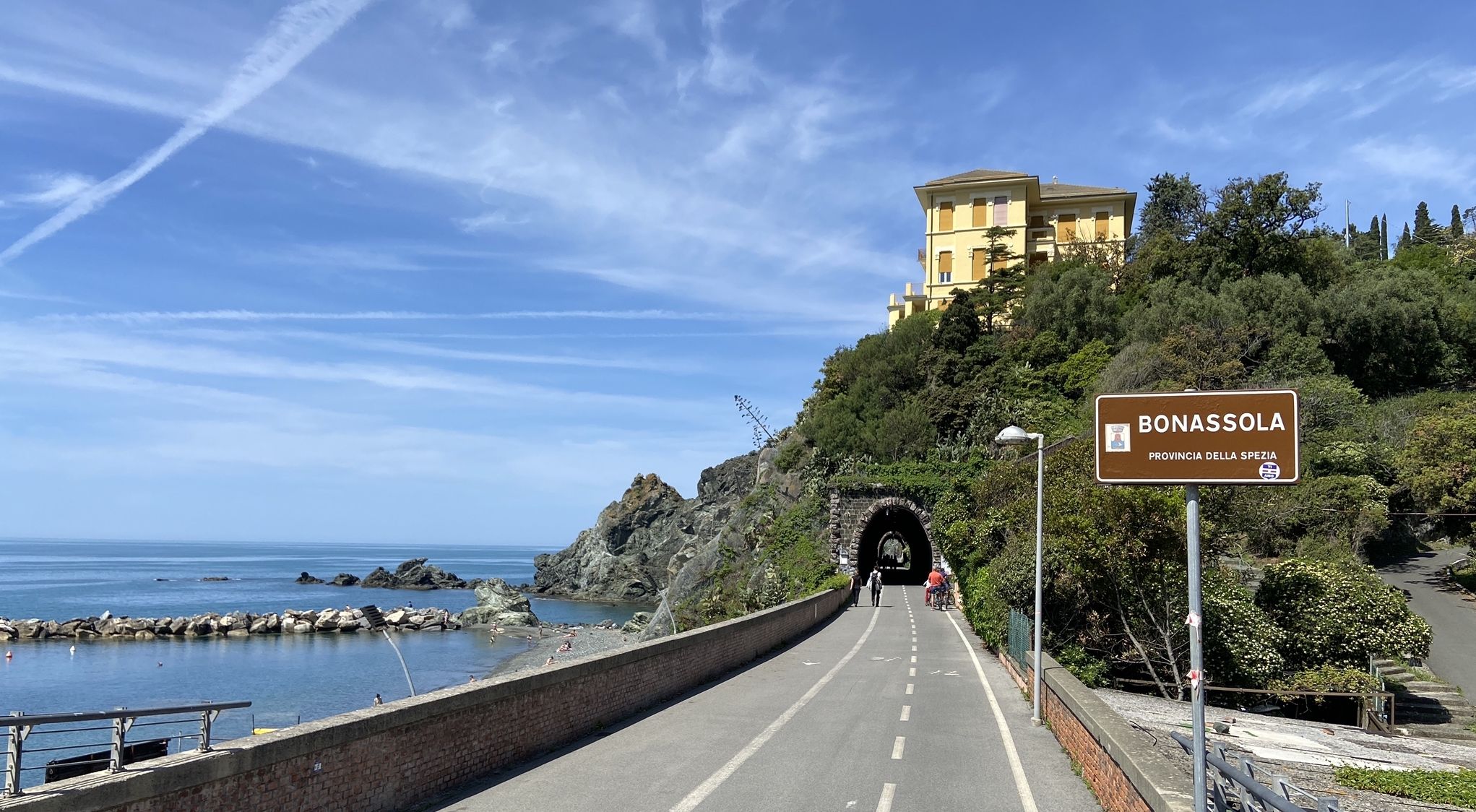
Pedalling to Portofino and the Cinque Terre — sea and mountains
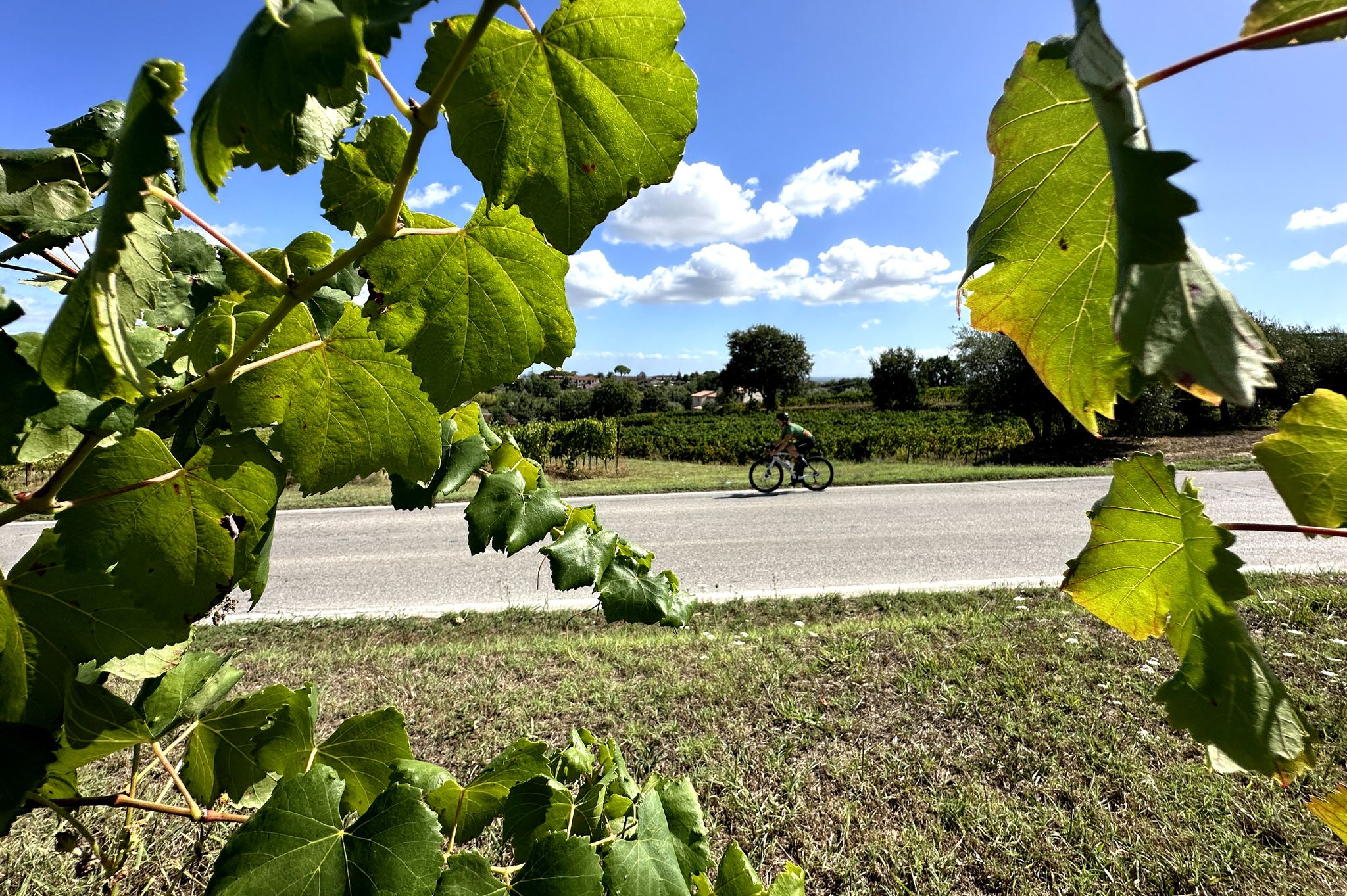
Strade di Lucca Bike Hub – cycling among villas, hills and legends
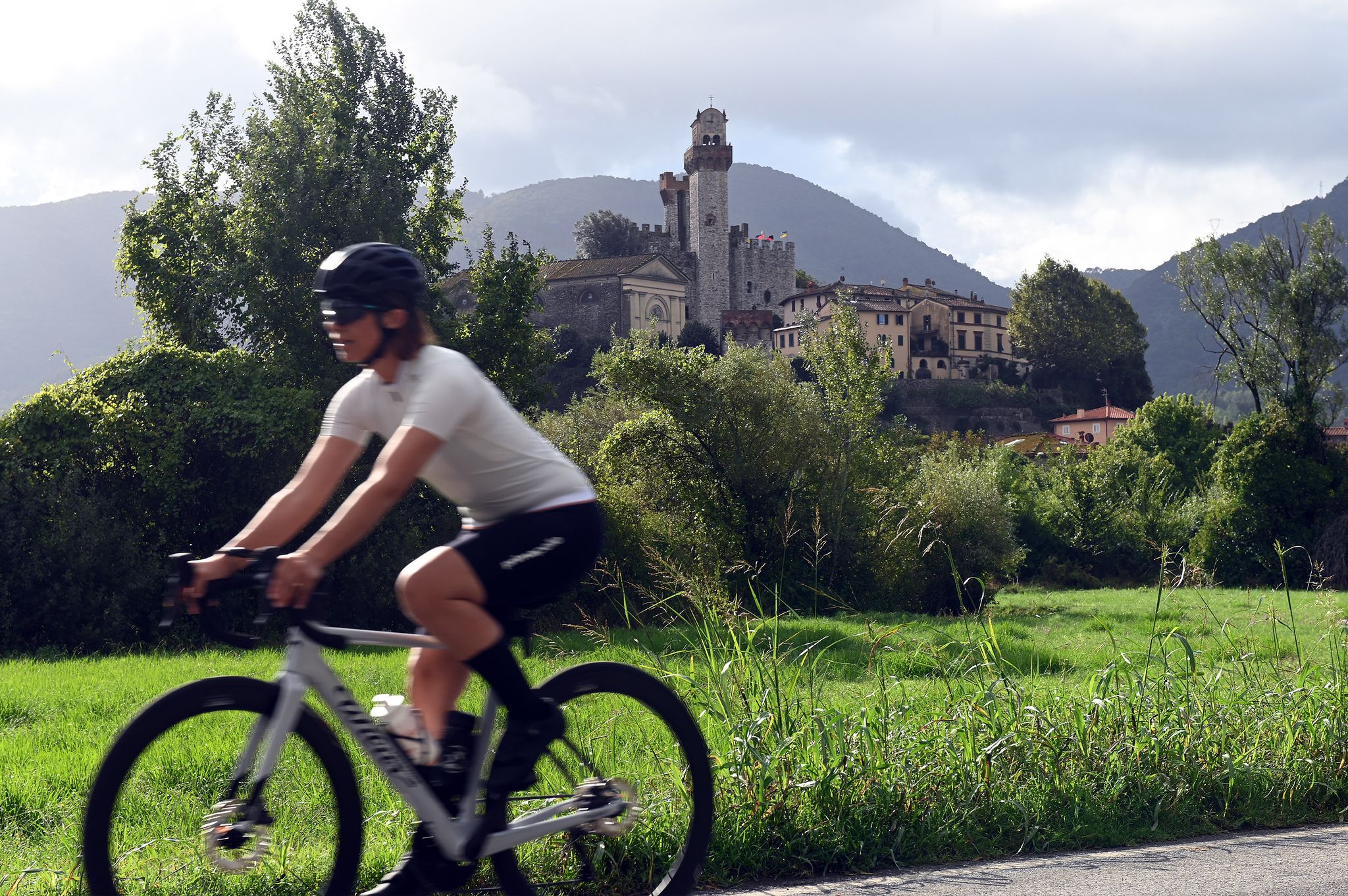
Strade di Lucca Bike Hub – gravel, historic climbs and pretty villages
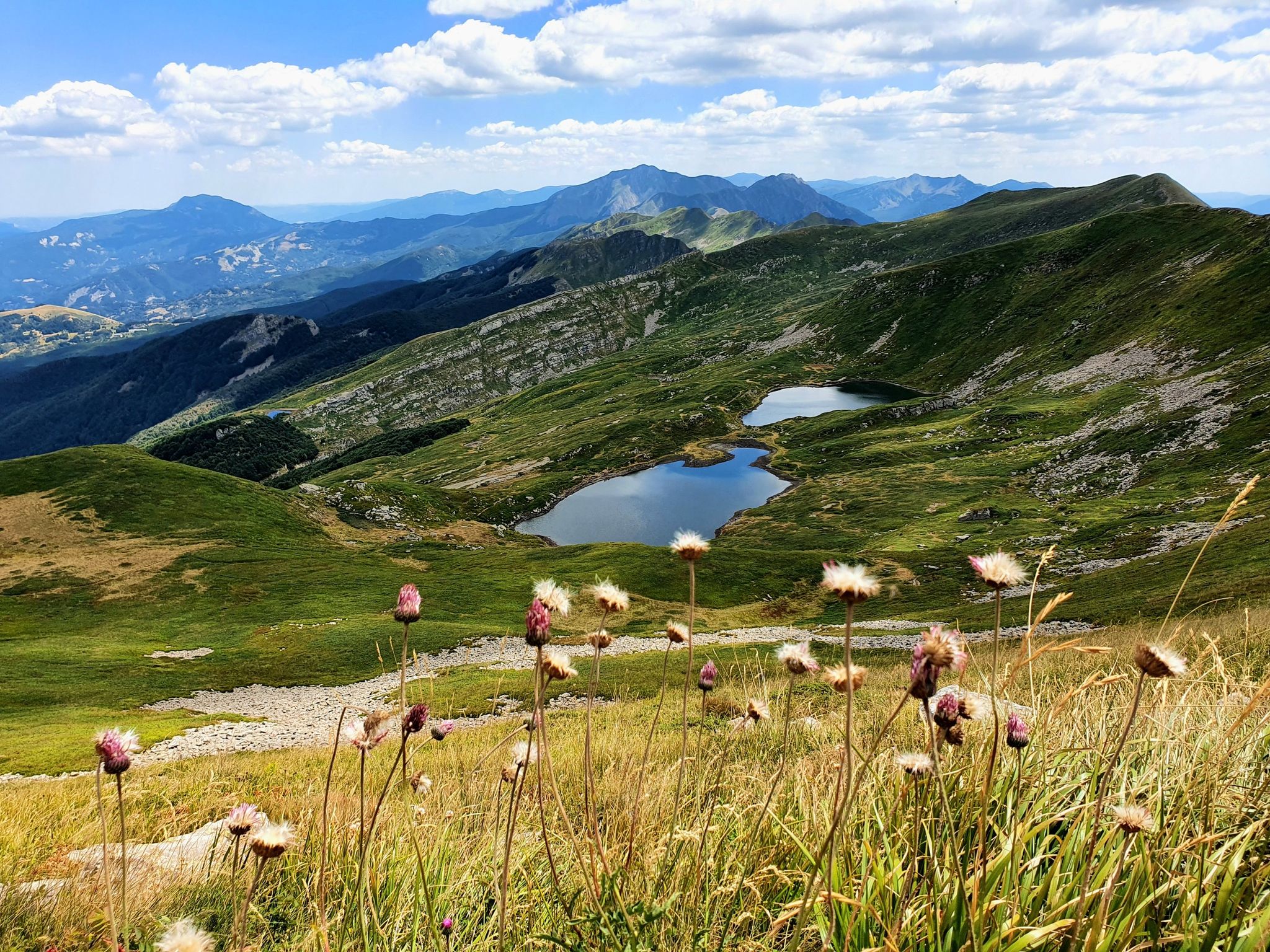
Berceto to Abetone – Alta Via dei Parchi (part 1)
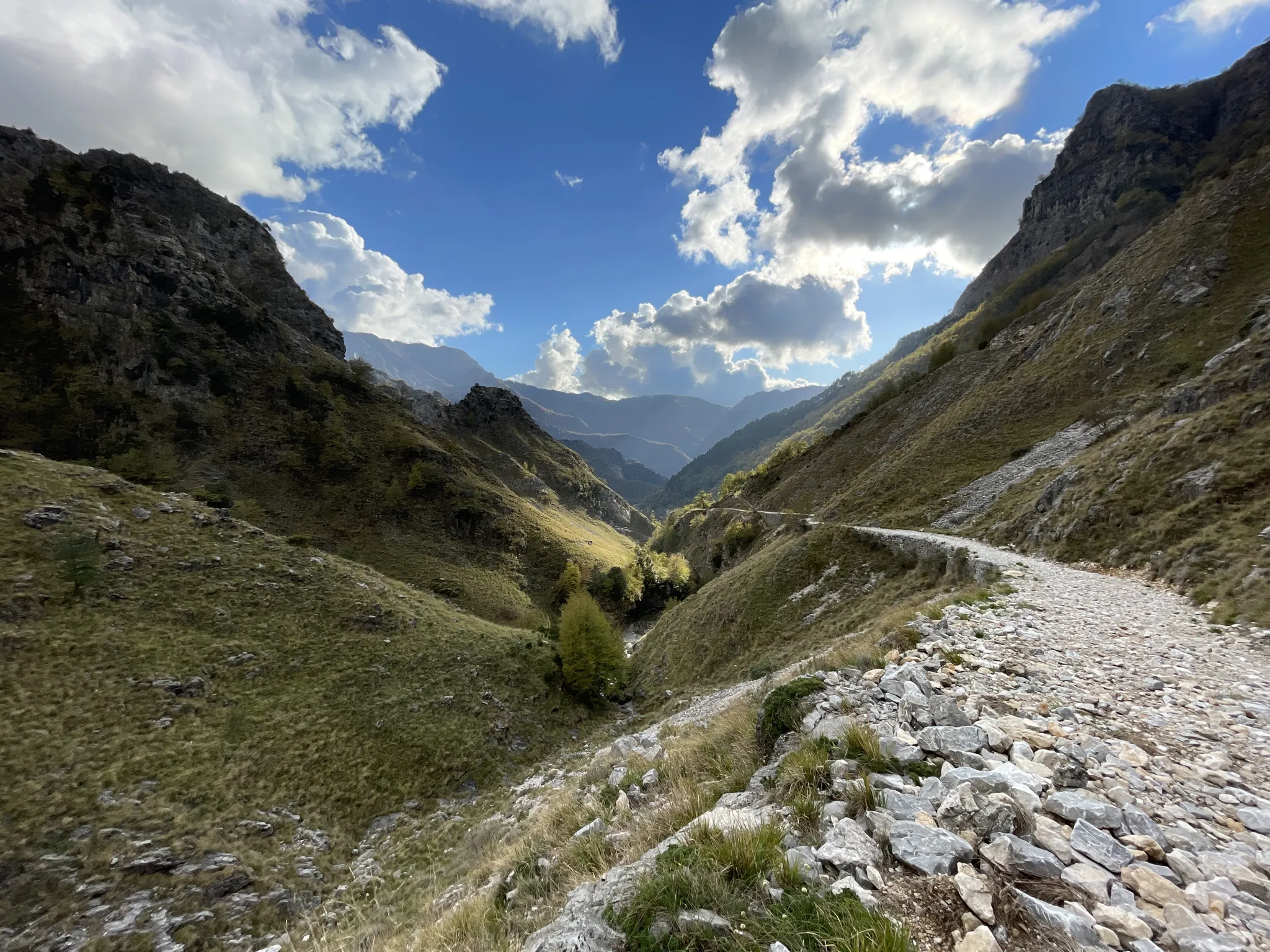
18th-century route from Modena to Massa – Via Vandelli
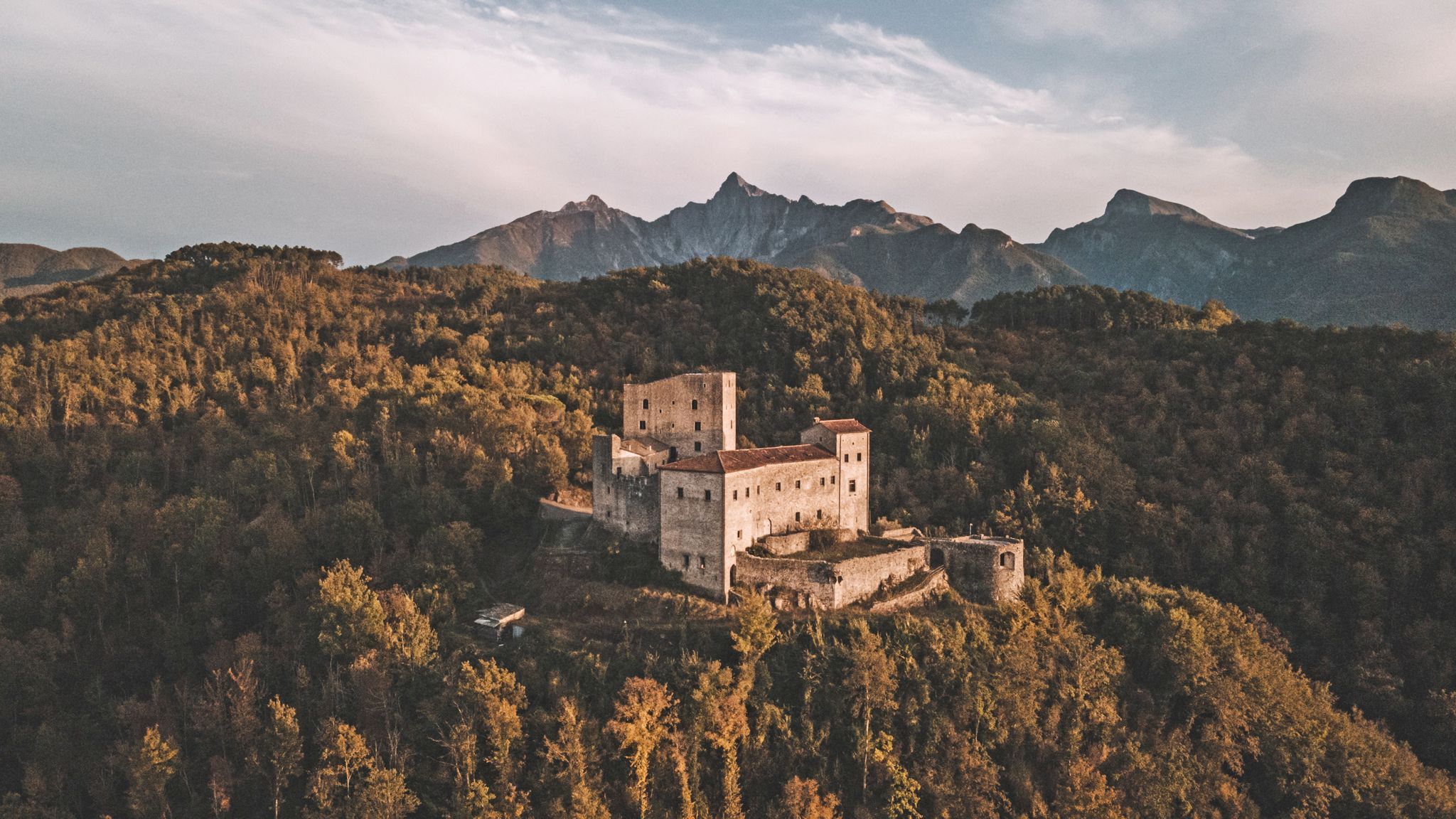
Through history between Lunigiana and Garfagnana – Via del Volto Santo by MTB
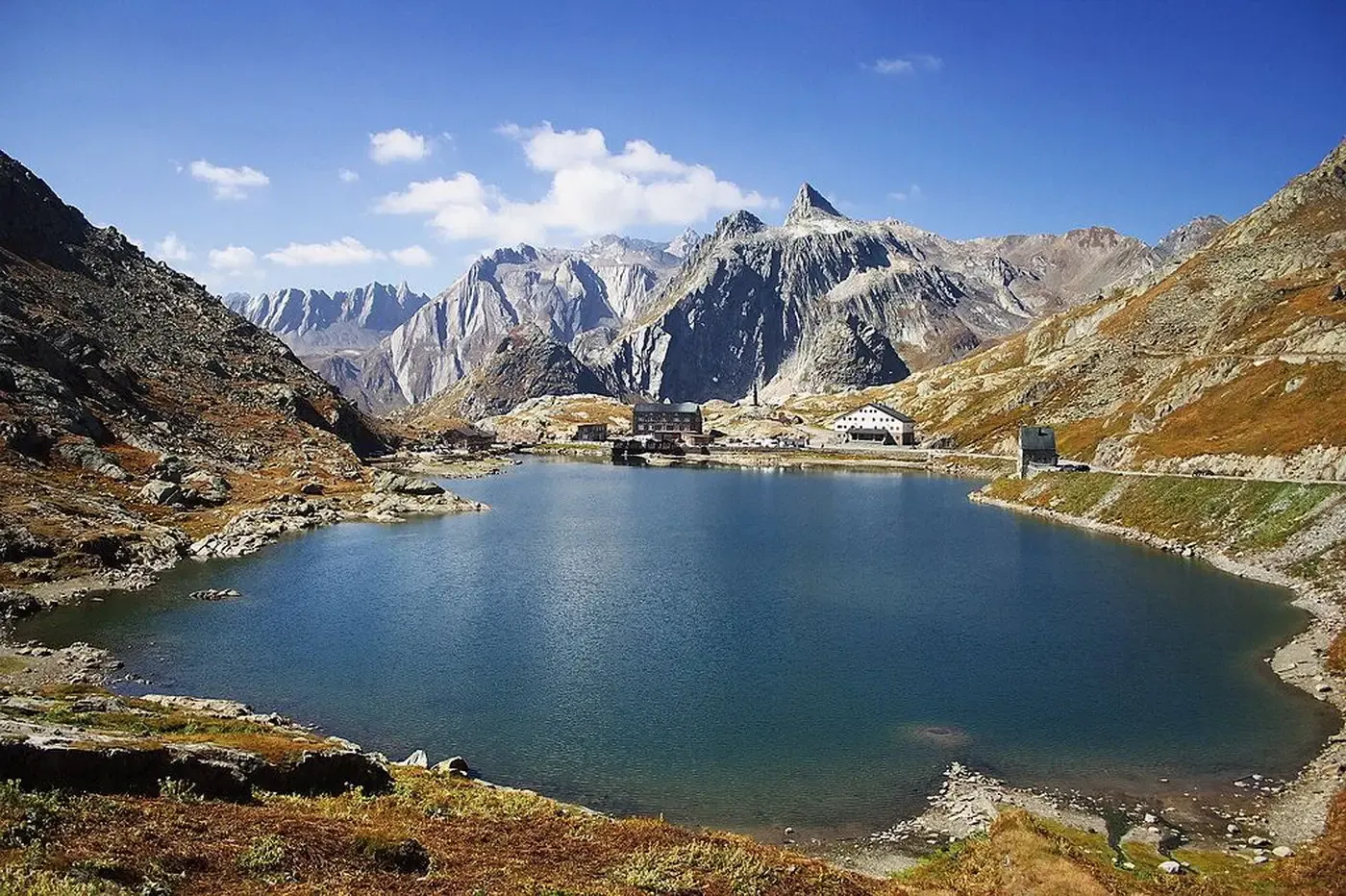
A cycling pilgrimage — history and nature on Italy’s Via Francigena
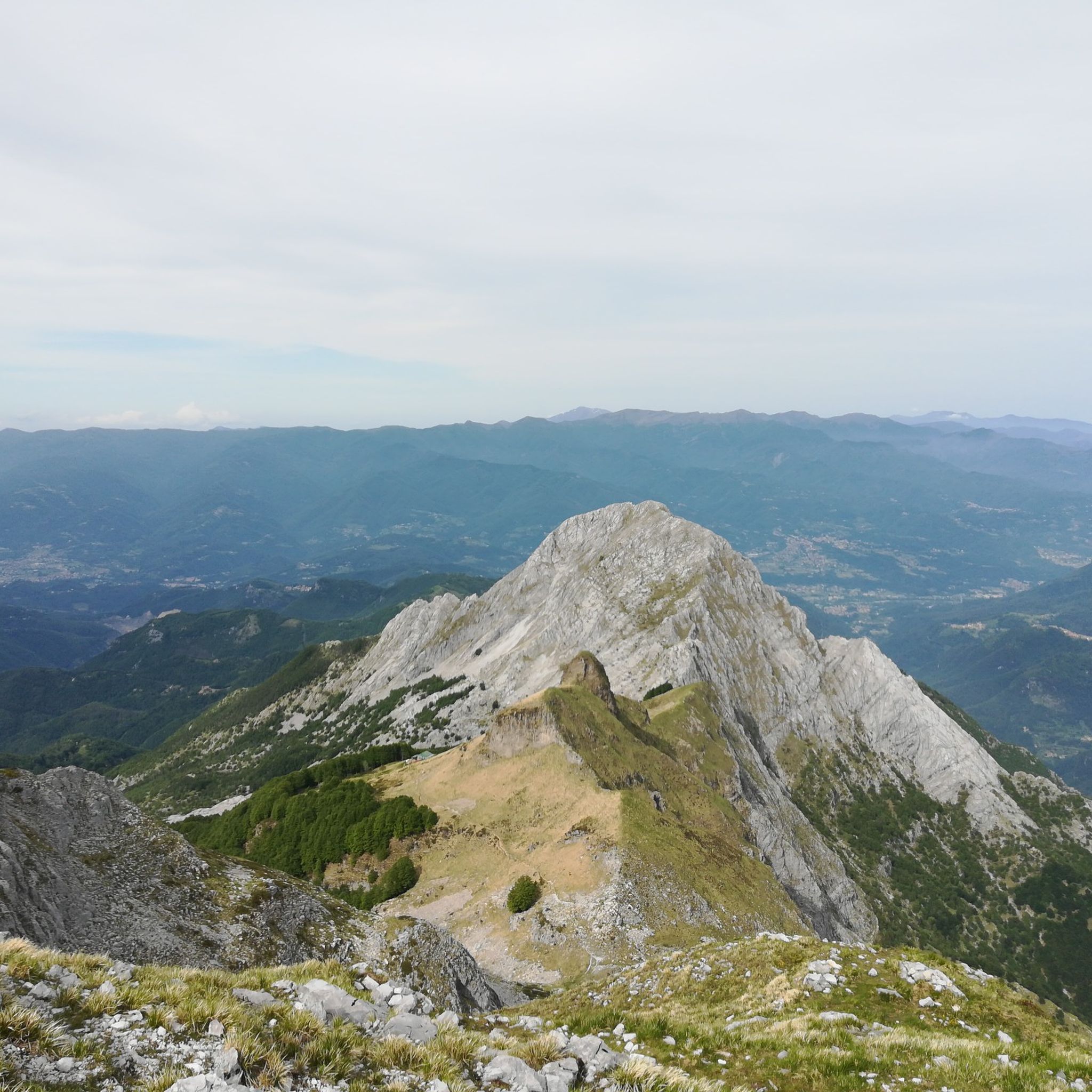
Hiking around Lucca
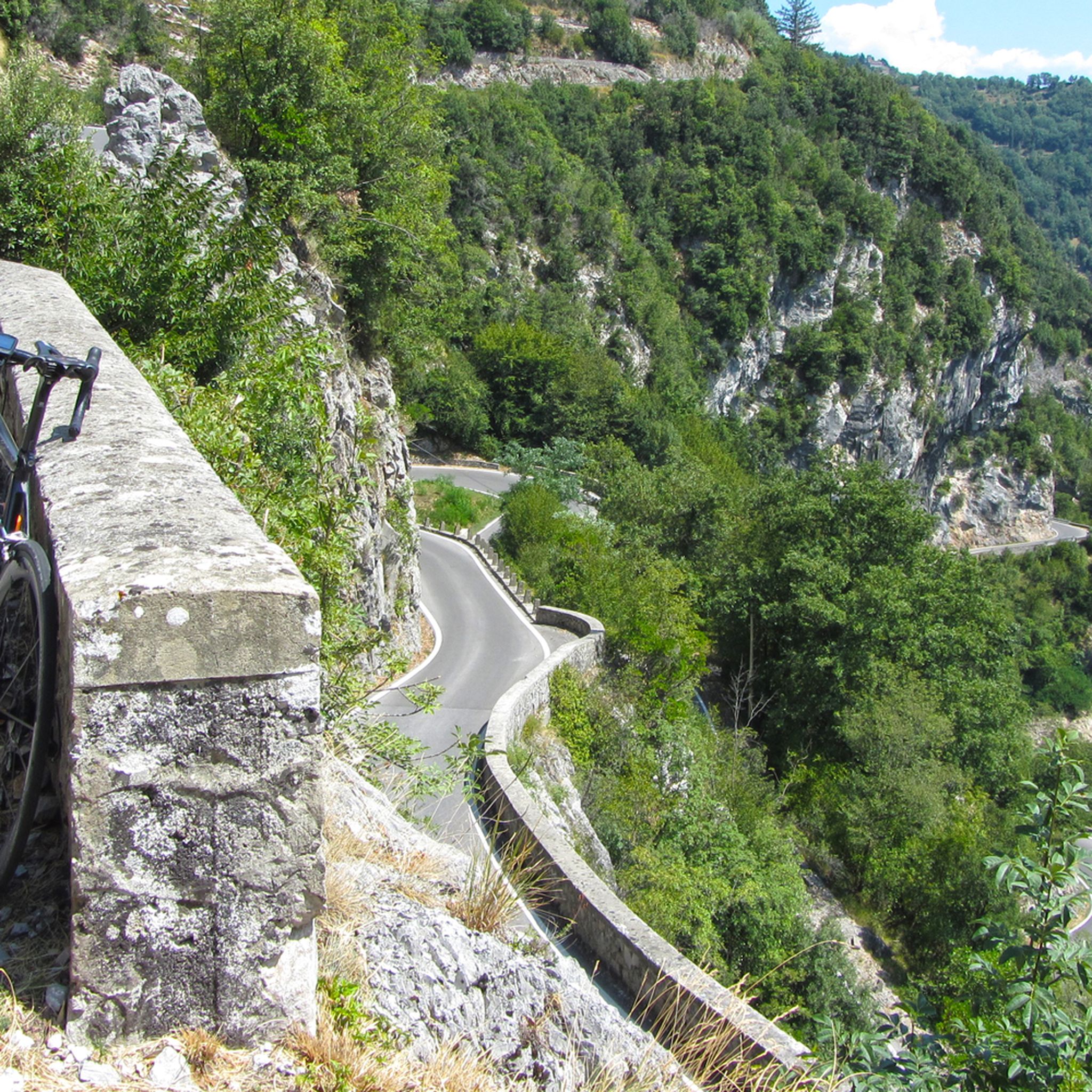
Road Cycling Routes around Lucca
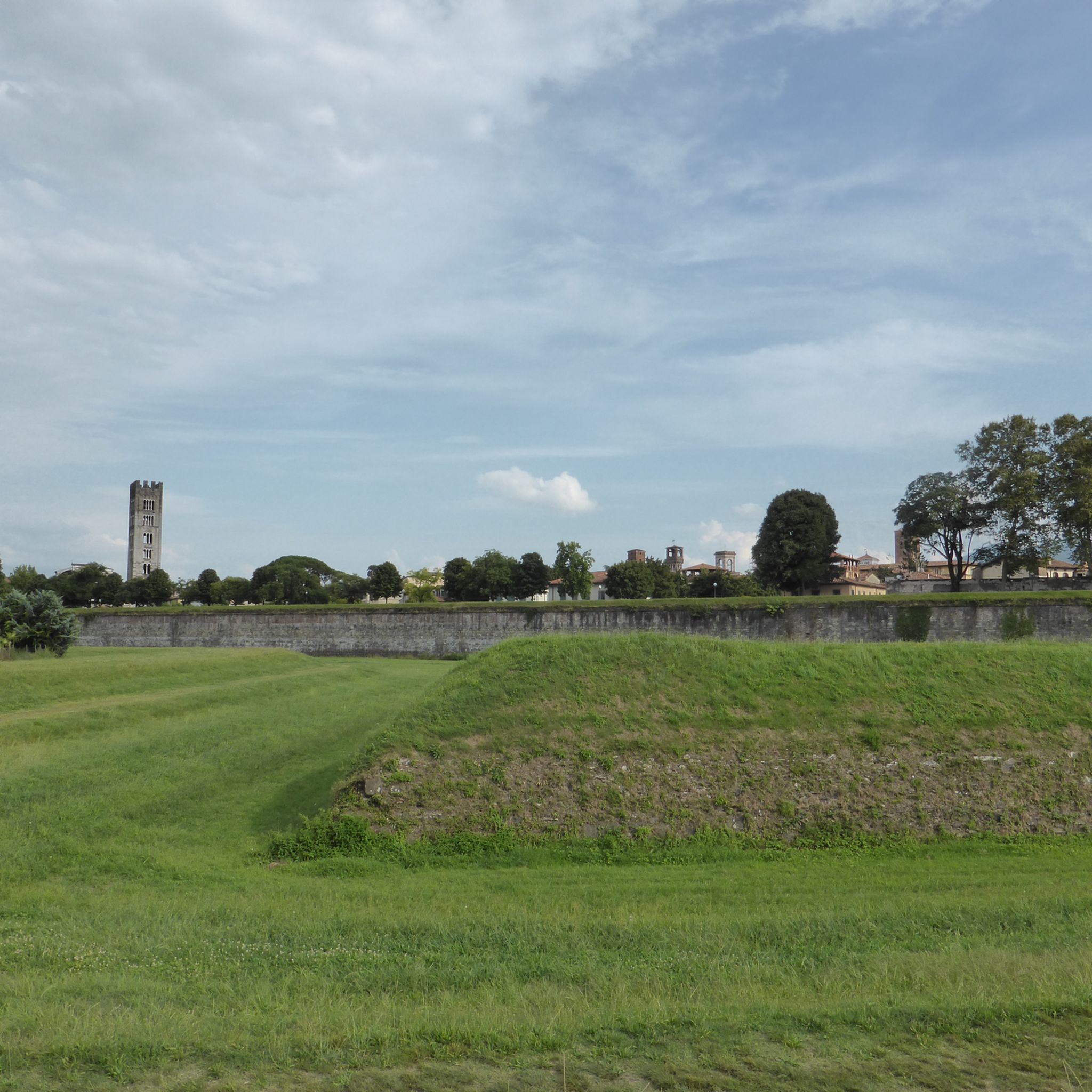
Cycling around Lucca
Other adventures around Lucca


Tips from the Community

From whichever side, a very beautiful, lonely ascent or descent. However, it is quite neglected due to the abandoned hotel ruin, at least as of May 2026.
1
0

The Candalla waterfalls are famous for providing summer refreshment to many tourists and locals alike. Interesting trails leading to the Apuan Alps begin here.
0
0

Not a demanding but always beautiful trek
0
0

There is a rope next to the waterfall for those daring enough to climb up it.
0
1

excellent place to spend Sundays and holidays, have barbecues and take walks in the surrounding area
0
0

Monte Giovo, 1991 metres, is the highest peak in this part of the Apennines.
0
0
2054 meters of pure beauty from every angle you look
0
0

Reaching this goal was a great satisfaction for me…it had been in my plans for a long time of peaks to reach so a little dream to realize…from up there breathtaking view obviously! 🙌🏼😃
0
0
Frequently Asked Questions
What are some family-friendly natural monuments to visit around Lucca?
For families, the Santallago Plateau is an excellent choice, offering an equipped area perfect for picnics and easy access by car. Another great option is The Witches' Oak, a 700-year-old tree with wide branches that's freely accessible. The LIPU Massaciuccoli Oasis also provides a tranquil, family-friendly environment for nature observation.
Are there any natural monuments suitable for easy walks or beginner hikers near Lucca?
Yes, the Santallago Plateau is easily accessible and great for gentle walks. The Acquedotto Nottolini offers a unique, flat walking experience alongside an impressive historical structure. For a peaceful stroll within the city, the Orto Botanico Comunale provides a tranquil green space.
What kind of wildlife can I expect to see at the natural monuments around Lucca?
The region is rich in biodiversity. At the LIPU Massaciuccoli Oasis and Lake Massaciuccoli, you can observe a variety of birdlife, ducks, dragonflies, and butterflies in the protected wetlands. In the more mountainous areas like the Apuan Alps, you might encounter Italian wolves, bears, wild boars, deer, mouflons, falcons, and golden eagles, particularly in areas like Orecchiella Park.
What are the best natural monuments for panoramic views near Lucca?
For breathtaking vistas, consider hiking to the Monte Forato Natural Arch, where the view from the nearby peak is notable, and the arch itself offers an astonishing perspective. Other summits like the Summit of Monte Matanna, Mount Prana, and the Summit cross of Monte Giovo also provide expansive views, stretching from the Tyrrhenian Sea to the Apuan Alps on clear days.
Are there any natural monuments with historical significance around Lucca?
Absolutely. The Acquedotto Nottolini is an architectural marvel from the 1820s, offering a walk alongside a historic engineering feat. The The Witches' Oak is a 700-year-old natural landmark with local legends. Additionally, the Candalla Waterfalls area features ruins of 15th-century mills, oil mills, and pasta factories, showcasing historical working technology.
What outdoor activities can I do near these natural monuments?
The region around Lucca offers diverse outdoor activities. You can find numerous running trails, including the popular Wall of Lucca - Ring tour. Cycling enthusiasts can explore routes like the Puccini Cycle and Pedestrian Path: Lake Massaciuccoli Loop. For mountain biking, the Santallago Plateau serves as a fundamental hub for trails, and the Apuan Alps offer challenging terrain for hiking and climbing.
What is the best time of year to visit the natural monuments around Lucca?
Spring and autumn generally offer the most pleasant weather for exploring, with mild temperatures and beautiful scenery. Summer is ideal for visiting places like the Candalla Waterfalls for a refreshing escape. Winter hikes are possible in the mountains, but require adequate preparation and equipment due to snow and ice, especially in areas like Monte Giovo.
Are there any natural monuments that are particularly challenging for experienced hikers?
Yes, the Apuan Alps, located north of Lucca, offer exceptional hiking and climbing opportunities with dramatic landscapes and unique geological formations. Summits like Monte Matanna, Mount Prana, Monte Giovo, Mount Prado, and Monte Corchia are categorized as challenging and provide a genuinely wild experience.
Can I find cafes or amenities near the natural monuments?
Some natural monuments, like the Santallago Plateau, have facilities and are equipped for visitors, including cafes. For other more remote locations, it's advisable to bring your own provisions. Lucca itself and the towns surrounding the natural areas offer various cafes and restaurants.
What are the unique geological features of the natural monuments in this region?
The Apuan Alps are renowned for their distinctive 'marble mountains,' characterized by dramatic white and grey veins cutting through forested slopes. The Monte Forato Natural Arch is a prime example of erosion creating a natural hole in the mountain. The Pistoiese Apennines feature deep forests, open ridges, and glacial lakes, offering a different geological character.
Are there any natural monuments that are particularly good for birdwatching?
The eastern shore of Lake Massaciuccoli, specifically the LIPU Massaciuccoli Oasis, is a protected wetlands area known as a haven for birdwatching. It's part of the Nature Park Migliarino San Rossore Massaciuccoli, one of Tuscany's largest protected natural areas, making it an ideal spot to observe diverse avian species.
How accessible are the natural monuments by public transport from Lucca?
While some natural monuments like the Orto Botanico Comunale are within Lucca's city walls, and the Acquedotto Nottolini is on the city's outskirts, many of the more remote natural areas, especially in the Apuan Alps or Pistoiese Apennines, are best reached by car. Public transport options may be limited for direct access to trailheads, so planning ahead is recommended.
Most popular routes around Lucca
Most popular attractions around Lucca

Get inspired with the komoot mobile app


Didn’t find what you were looking for?
Find even more amazing natural monuments around Lucca by checking out the top Highlights region by region:
Explore more
Extend your search for the best caves by checking out these guides of the top ones around Lucca:
