Top 9 Natural Monuments around Geisberger Forst
Best natural monuments around Geisberger Forst are found within a 10.31 km² unparished area east of Bamberg, Germany. This region, part of the Naturpark Fränkische Schweiz-Veldensteiner Forst, features extensive woodlands and the Geisberg mountain, rising to 585 meters. While known for its natural environment and biodiversity, the area also contains significant archaeological monuments, often valued as natural landmarks. Visitors can explore various hiking and cycling routes through the forest landscape.
Best natural monuments around Geisberger Forst
- The most popular natural…
Last updated: October 13, 2026
⚰️ Early Celtic burial mound field
Highlight • Historical Site
Translated by Google •
Tip by

Denzels Spring
Highlight • Structure
Translated by Google •
Tip by

Sign up now to discover places like this
Get recommendations on the best single tracks, peaks, & plenty of other exciting outdoor places.
Wendelinus Oak
Highlight • Natural Monument
Translated by Google •
Tip by

Melkendorf Nature Discovery Trail
Highlight (Segment) • Trail
Not just a must for kids.
Starting point here:
komoot.de/highlight/3689741
The whole route here:
komoot.de/tour/185700432?share_token=aBBt3GvLqKJ1ELvZH1rlSjvpfk3vXsOPeg7VEQZ6zpAa9jwxEL&ref=wtd
More details under
fraenkische-schweiz.com/de/detail/remoteid=86334
frankenmitkinder.de/naturerlebnisweg-melkendorf
Translated by Google •
Tip by

Schloßberg Ringfort
Highlight • Historical Site
"Ringwallanlage with upstream section fortification pre-and early historic Zeitstellung."
Source: Bavarian State Office for the Preservation of Monuments
The ringwall lies on a small, after W advanced mountain …
Translated by Google •
Tip by

Sign up for free to discover even more natural monuments around Geisberger Forst.
Already have an account?
Start today with a free account
Your next adventure awaits.
Tips from the Community

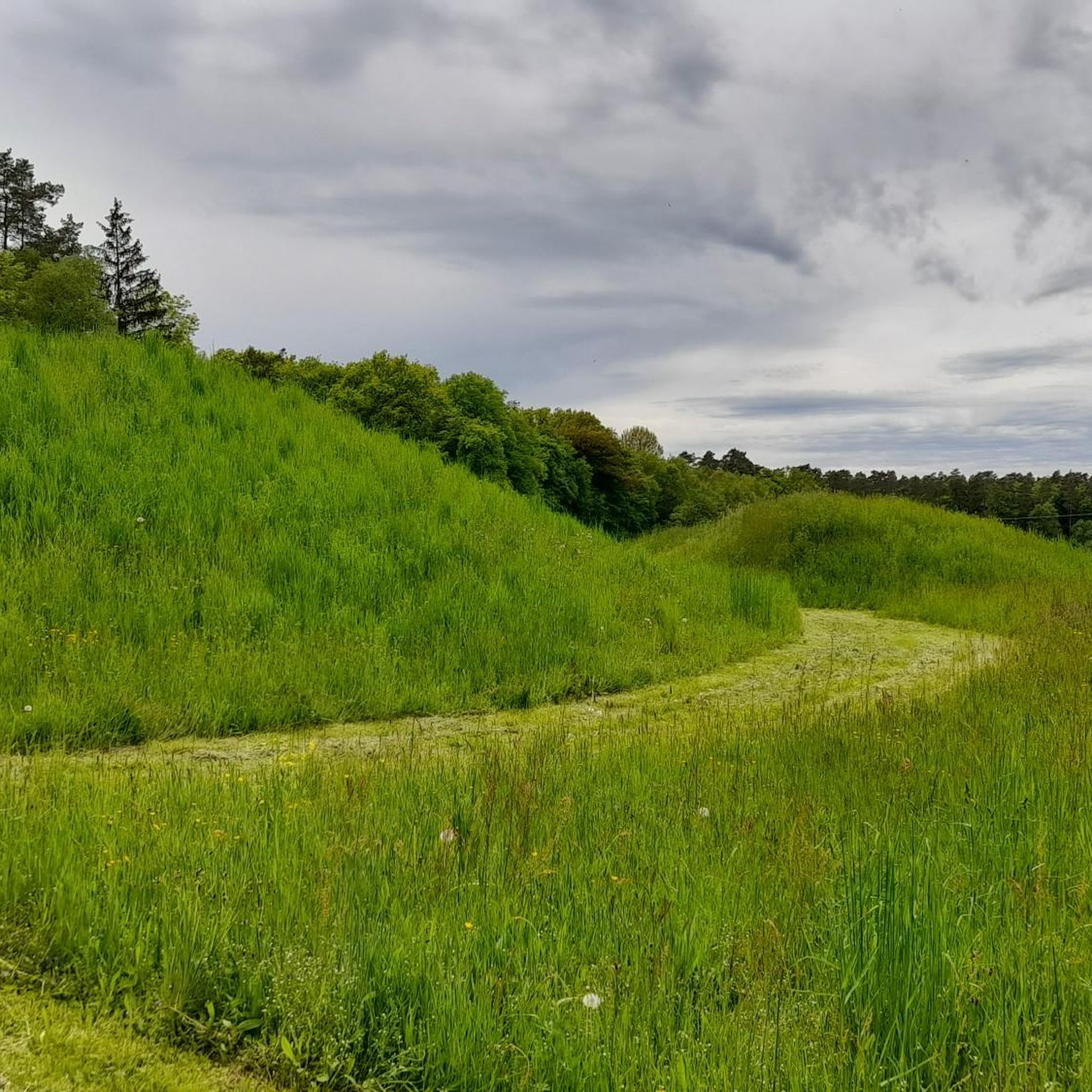
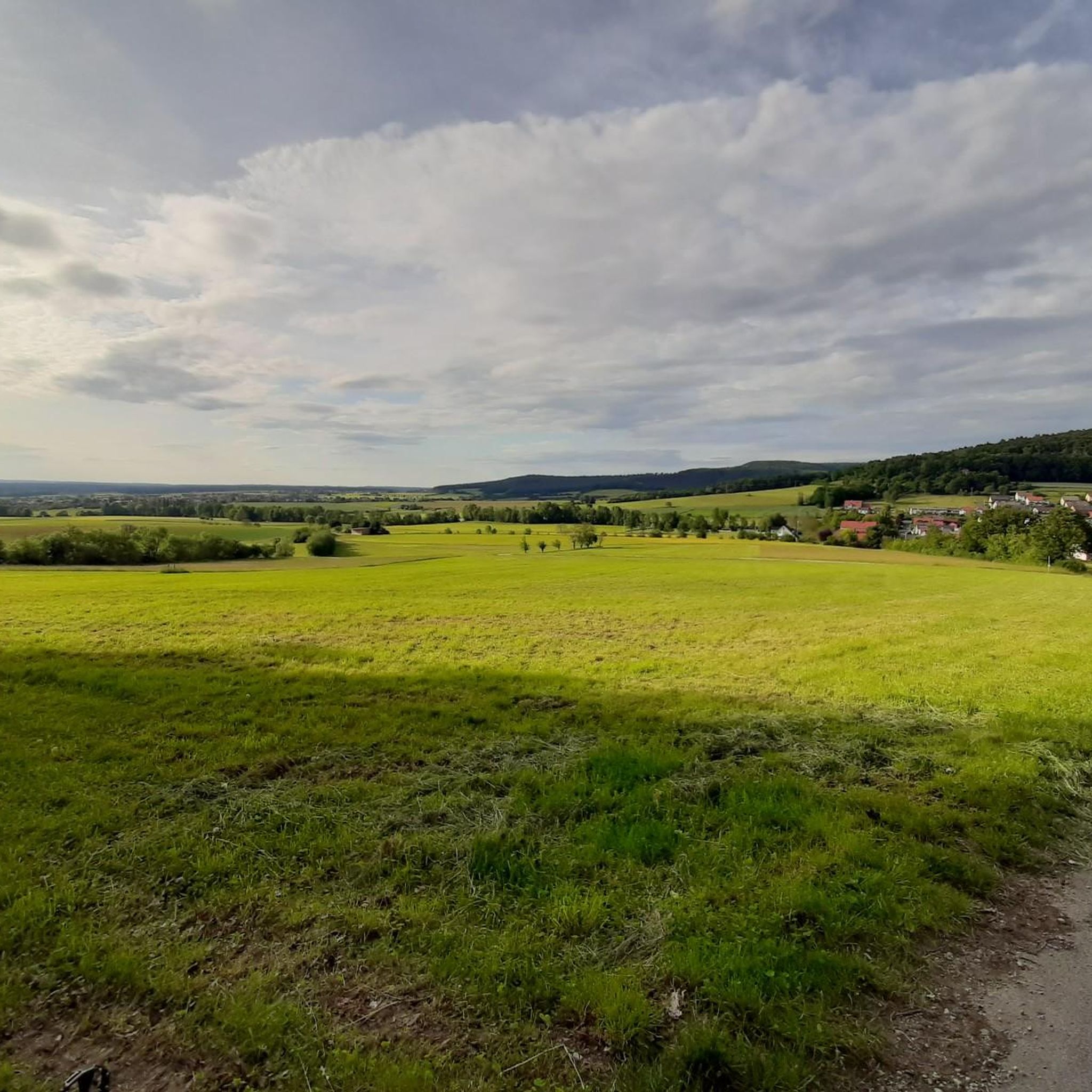
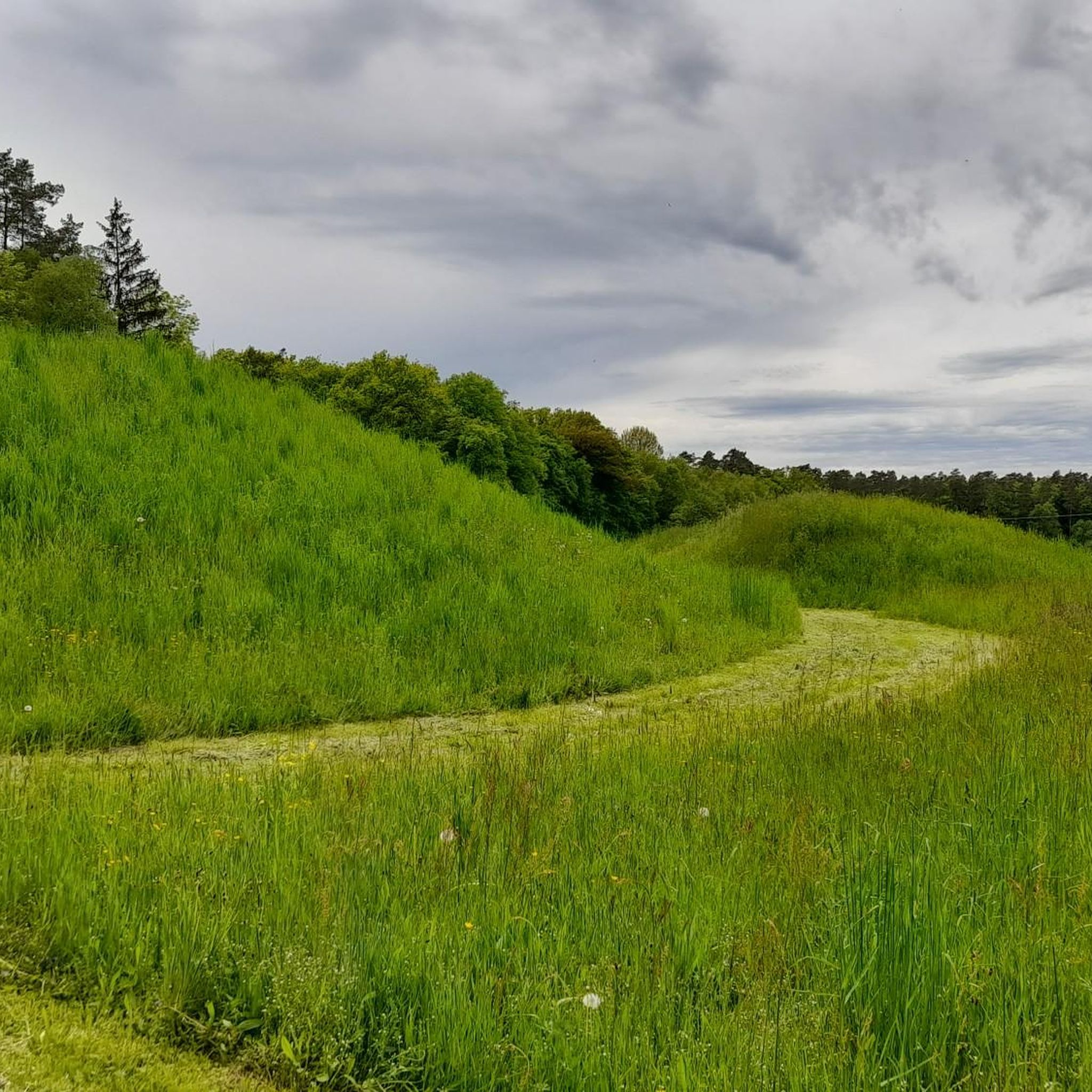
This Celtic cemetery is the most beautiful of its kind in Upper Franconia. Using six reconstructed burial mounds, you get a visual idea of how the Celts buried their dead. In the adjacent forest there are 33 other burial mounds, some of which are no longer so clearly visible. The entire complex was built around 700 BC. Created by Celtic farmers in the 1st century BC. Probably the most beautiful early Celtic cemetery in Upper Franconia, located on the state road from Litzendorf to Geisfeld, originally consisted of more than 50 burial mounds. The mounds were burial monuments of early Celtic farmers, whose size and furnishings indicate the social status of the deceased. Some mounds reached 4 m high and were crowned with a stone stele. The base of the hill, which could be up to 25 m in diameter, was surrounded by a ring of stone to mark a boundary between the living and the dead. When the cemetery was built around 700 B.C. When it was built in the 1st century BC, it was probably consecrated with a small sanctuary, which consisted of two concentric circular ditches. During the 7th century B.C. In the 4th century BC, the dead were burned on a pyre at the burial site and the ash urns were placed in the spacious, wooden burial chambers, which were understood to be the dwellings of the dead. Numerous ceramic vessels, which also contained food and drink for a banquet with deceased ancestors in the afterlife, as well as a few personal bronze jewelry completed the grave furnishings. Only the chiefs were placed in the grave with the rare swords as a sign of their rank. During the 6th century B.C. In the 4th century BC, people switched to inhumation, with new graves being dug into many of the existing mounds. During the 5th century, only a few graves were laid in this cemetery and it was abandoned around 400 BC at the latest. As early as the 19th century, all grave mounds in the forest had been removed. They were restored again in 1983 by the Scheßlitz Forestry Office. Between 1989 and 1992, six burial mounds and the small sanctuary north of the forest were excavated. In their place, six burial mounds were rebuilt in collaboration with the Bamberg district and the municipality of Litzendorf in order to show visitors the original size of these impressive prehistoric grave monuments.
2
0

Even the days of the tree trunk of the Wendelinus oak are numbered. The sad remains of the former giant tree have been modern for some time and will probably soon only be compost.
0
0

Huge half-decayed tree trunk, worth a look!
2
0

Research, play, learn: the children learn a lot, but can also "do a lot" themselves. The information boards are short and concise with the most important information, not in any way "overheaded" or "schooled": A successful mixture of information and campaigns. At 16 stations you can learn a lot about water production, local animals and the flora of the Franconian Jura. The 5.3 kilometer circular trail leads from Melkendorf to the Otto fountain and back through the state forest. A great experience for the whole family!
1
0

recently completely renewed! better than ever!
0
0
A SUPER tour. Lovingly cared for. Really educational. A dream landscape. Not just a must for kids. Starting point here: https://www.komoot.de/highlight/3689741 The whole route here: https://www.komoot.de/tour/185700432?share_token=aBBt3GvLqKJ1ELvZH1rlSjvpfk3vXsOPeg7VEQZ6zpAa9jwxEL&ref=wtd More details under https://www.fraenkische-schweiz.com/de/detail/remoteid=86334 https://frankenmitkinder.de/naturerlebnisweg-melkendorf/
2
0

the trunk is in the forest and you can look through the trunk
12
0
shady place where you can take a break.
3
0
Frequently Asked Questions
What kind of natural attractions can I find in Geisberger Forest?
The Geisberger Forest, part of the Naturpark Fränkische Schweiz-Veldensteiner Forst, is primarily known for its extensive woodlands and the Geisberg mountain, which rises to 585 meters. While specific natural monuments like unique rock formations are not prominently listed, the entire forest landscape is valued for its natural environment and biodiversity. You'll also find archaeological monuments, such as the ⚰️ Early Celtic burial mound field, which are often appreciated as natural landmarks due to their integration into the landscape.
Are there any historical or archaeological sites to explore in Geisberger Forest?
Yes, the Geisberger Forest is rich in historical and archaeological significance. You can visit the ⚰️ Early Celtic burial mound field, where reconstructed burial mounds from around 700 BC offer a glimpse into early Celtic peasant culture. More than 30 additional burial mounds are discernible within the forest. Another significant site is the Schloßberg Ringfort, an ancient ring wall system dating back to pre- and early historic times.
What are some family-friendly activities or trails in the Geisberger Forest area?
For families, the Melkendorf Nature Discovery Trail is an excellent choice. This 5.3-kilometer circular trail features 16 stations where visitors of all ages can learn about water production, local animals, and the flora of the Franconian Jura. The ⚰️ Early Celtic burial mound field and Denzels Spring are also considered family-friendly spots.
Where can I go for a rest or a break during my visit?
You can find a tranquil resting spot at Denzels Spring. This small, man-made fountain is located halfway up the Geisberg and provides a shady place to take a break. Please note that the water is not for drinking.
Are there hiking opportunities near the natural monuments in Geisberger Forest?
Absolutely. The Geisberger Forest offers various hiking routes. For easy walks, you can explore trails like the 'Salvator Chapel – St. Salvator Chapel Litzendorf loop from Geisberger Forst' or the 'Singers’ Memorial Melkendorf – St. Salvator Chapel Litzendorf loop from Litzendorf'. You can find more options in the Easy hikes around Geisberger Forst guide.
What about cycling or mountain biking in the Geisberger Forest?
The area around Geisberger Forest is suitable for cycling and mountain biking. You can find routes like the 'Brauerei Griess – Ring Wall on Schlossberg loop from Geisfeld' for an easy ride, or more challenging options such as the 'Singers’ Memorial Melkendorf – Geisberg Trail to Melkendorf loop from Geisberger Forst'. Explore more trails in the MTB Trails around Geisberger Forst guide.
Is there a specific natural monument related to trees in the area?
Yes, the Wendelinus Oak is a notable site. While the ancient tree fell in 1969, its remains are still present in the forest. Experts estimated its age at 1000 to 1500 years, and you can still see a secured fragment of its trunk, offering a sense of its former monumental size.
What do visitors enjoy most about the Geisberger Forest?
Visitors particularly appreciate the educational and engaging experience offered by the Melkendorf Nature Discovery Trail, often describing it as a 'SUPER tour' and a 'dream landscape' that is lovingly cared for. The historical significance of sites like the ⚰️ Early Celtic burial mound field also draws interest, with many finding the reconstructed mounds and the surrounding ancient sites fascinating.
Are there any viewpoints in the Geisberger Forest?
While the forest is densely wooded, the Schloßberg Ringfort, an archaeological site, is situated on a mountain tongue that, without vegetation, would offer views over Bamberg and the Regnitz and Main valleys. The general elevation of the Geisberg mountain itself also provides opportunities for scenic vistas within the forest.
What is the best time to visit Geisberger Forest?
The Geisberger Forest can be enjoyed throughout the year. Spring and autumn offer pleasant temperatures and beautiful foliage, ideal for hiking and exploring. Summer is great for shaded walks, and even winter can be appealing for quiet strolls, though some paths might be less accessible depending on snow conditions.
Can I bring my dog to the natural monuments and trails?
The Geisberger Forest is generally dog-friendly, offering many trails and open spaces for walks with your pet. However, it's always advisable to keep dogs on a leash, especially near archaeological sites or in areas with wildlife, and to respect local regulations regarding pet access.
Most popular routes around Geisberger Forst
Most popular attractions around Geisberger Forst

Get inspired with the komoot mobile app


Explore more
Extend your search for the best caves by checking out these guides of the top ones around Geisberger Forst:
