Top 20 Natural Monuments in the Greater Caucasus
Best natural monuments in the Greater Caucasus encompass a diverse range of geological formations and natural landscapes. This mountain range, stretching across countries like Georgia and Azerbaijan, features towering peaks, deep gorges, and varied ecosystems. The region is characterized by its rugged terrain, including glaciers, waterfalls, and unique canyons. Visitors can explore a variety of natural features that highlight the area's ecological significance.
Best natural monuments in the Greater Caucasus
- The most popular natural monuments is Chalaadi Glacier, a…
Last updated: July 10, 2026
Chalaadi Glacier
Highlight • Natural Monument
Be safe
Tip by

Mount Tetnuldi
Highlight • Summit
The Tetnuldi is …
Translated by Google •
Tip by

Sign up now to discover places like this
Get recommendations on the best single tracks, peaks, & plenty of other exciting outdoor places.
Sign up for free
Mineral Spring and Pond in Truso Valley
Highlight • Natural Monument
Tip by

Martvili Canyon Waterfalls
Highlight • Waterfall
Tip by

Shdugra Waterfall
Highlight • Waterfall
Tip by

Mutso Fortress
Highlight • Historical Site
Translated by Google •
Tip by

Shkhara Glacier
Highlight • Natural Monument
Translated by Google •
Tip by
Atsunta Pass
Highlight • Mountain Pass
Translated by Google •
Tip by
Tobi Waterfall
Highlight • Waterfall
Tip by

Cheladi Glacier
Highlight • Natural Monument
Showing Translation
Tip by

Sign up for free to discover even more natural monuments in the Greater Caucasus.
Sign up for free
Already have an account?
Start today with a free account
Your next adventure awaits.
Login or Signup
Popular around Greater Caucasus
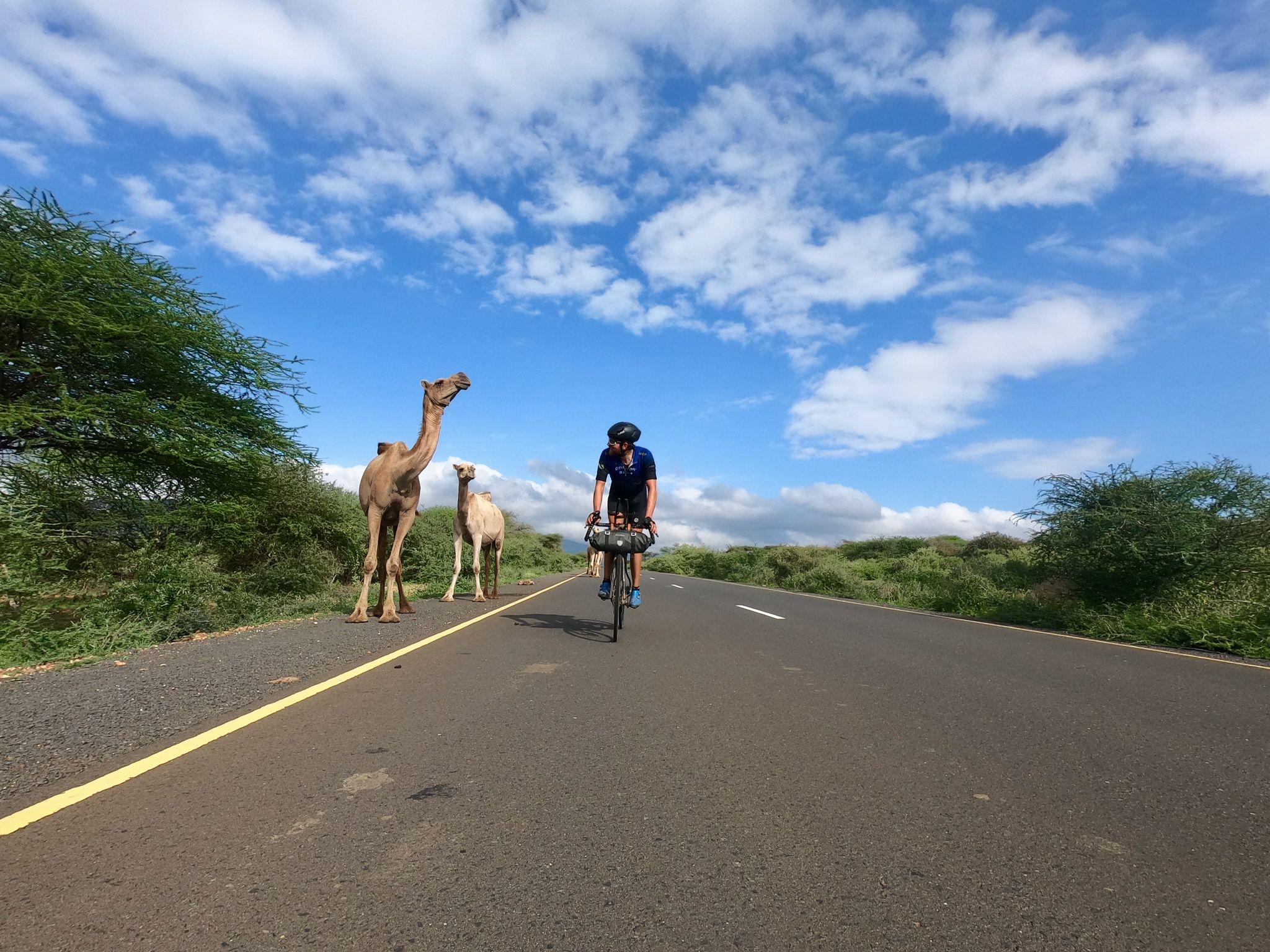
Cape to Cape Challenge – 18,000km in 73 days
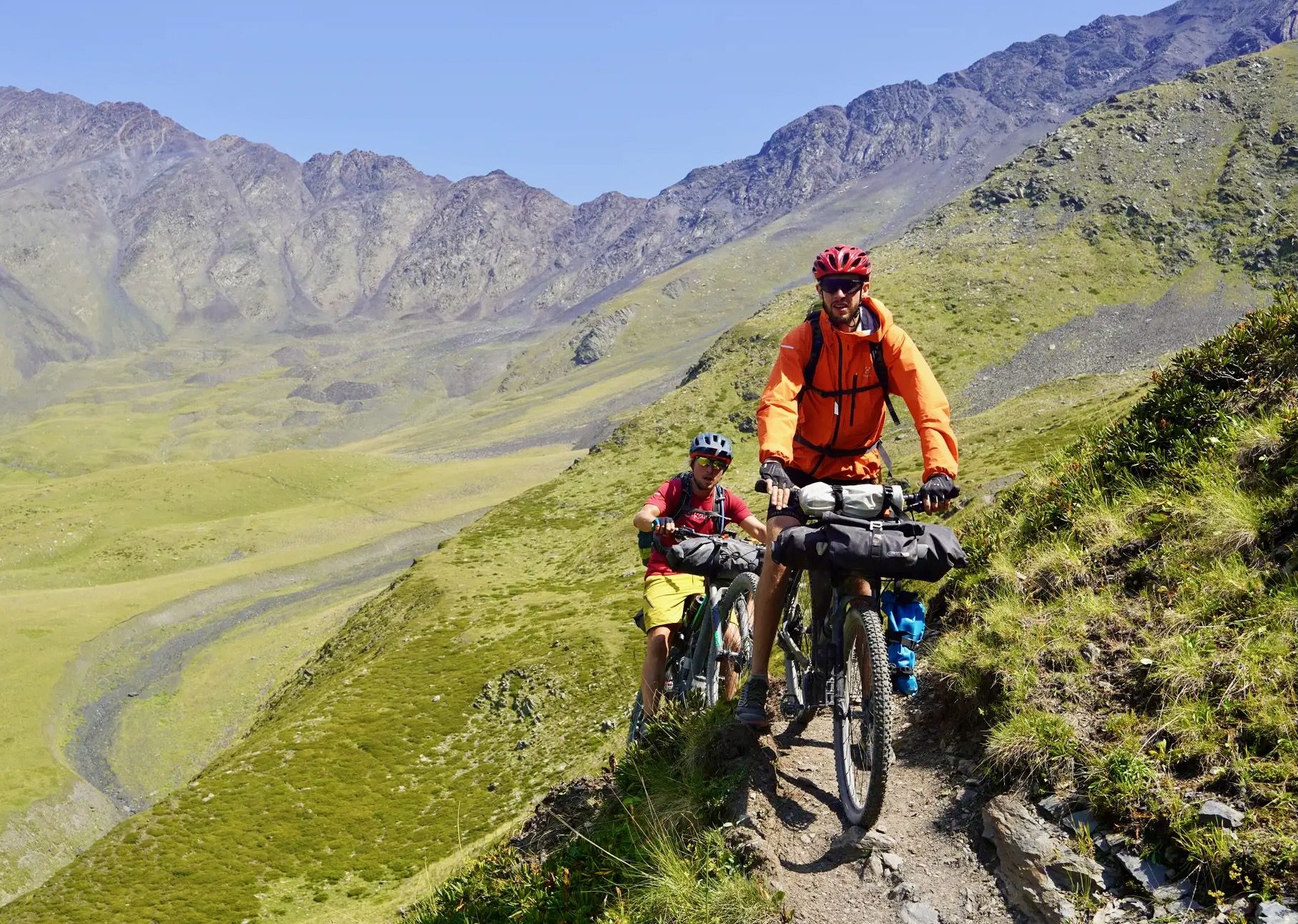
Georgia’s Caucasus Crossing
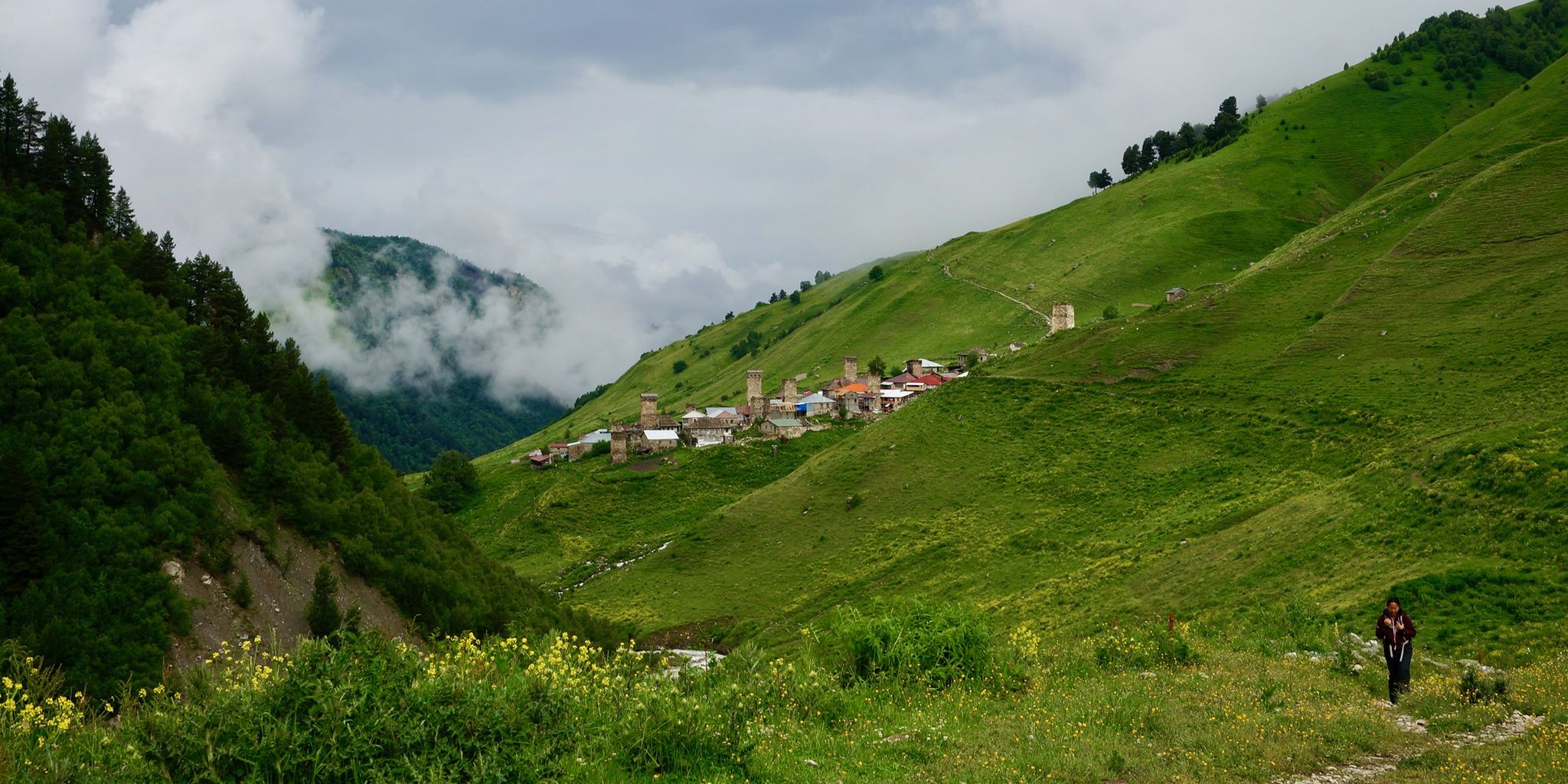
The mighty Caucasus Mountains – 4-day trek in Georgia
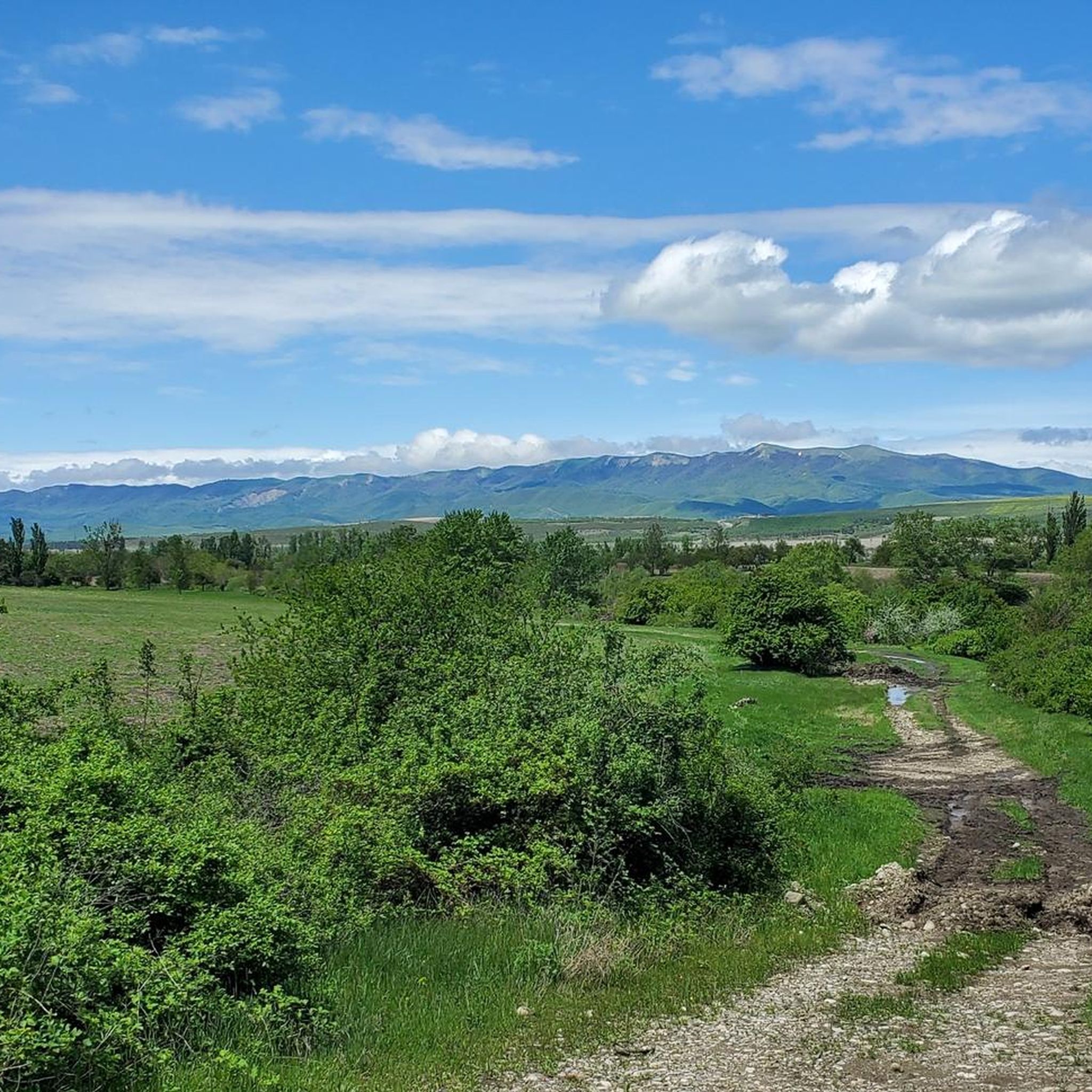
Hiking in the Greater Caucasus
Running Trails in the Greater Caucasus
Road Cycling Routes in the Greater Caucasus
Cycling in the Greater Caucasus
MTB Trails in the Greater Caucasus

Mountain Hikes in the Greater Caucasus


Tips from the Community

From the town of Mestia, head upstream along the Mestiachala river, which flows through Mestia itself, until you reach a tributary, the Chalaadi river. The Chalaadi river is named after the glacier from which it flows. Now, all you need to do is cross a footbridge over the water and continue upstream. Expect the journey from Mestia to the glacier to take approx. 3 hours on foot.
0
0
From the small town of Mestia, head upstream along the Mestiachala River, which flows through Mestia itself, until you reach a tributary, the Chalaadi River. The Chalaadi River gets its name from the glacier it flows from. Now you just need to cross a footbridge over the water and continue upstream. Expect the journey from Mestia to the glacier to take approximately 3 hours on foot.
1
0
Chalaadi Glacier (Georgia) Do you want to visit pristine mountain nature and admire the beauty of a breathtaking landscape? Head north of Georgia, to the Svaneti region.
0
0

Normal view on this waterfall available only from Birdwatching tower that is placed further on the route to Oniore waterfall. Here only bottom of the waterfall is visible and also nice place to sit and rest on the hot summer day. For other seasons could be not so comfortable as this part almost all day in shadow and cold wind blow from waterfall.
0
0

We started the walk from the village of Mestia and also walked back, although I would recommend taking a bus at least to cover the 4-5 km of road to where the dirt track begins. From the bridge onward, everything is more entertaining and enjoyable.
0
0

The entrance fee was 25 Lari with another 20 Lari for optional boat ride (May 2025). The entrance allow u to walk along the walkway to the falls but the 15 mins boat ride takes you to spot inside the canyon not accessible by foot, so it was worth the experience. My suggestion is to visit near mid day when sun is bright and shine from above for good light for photos.
1
0

It is worth visiting this site for the view of the glacier. Its access is simple.
0
0
Stunning views of the glacier. Access is simple.
0
0
Frequently Asked Questions
What are some of the most popular natural monuments in the Greater Caucasus?
Among the highly regarded natural monuments in the Greater Caucasus, visitors frequently highlight the majestic Chalaadi Glacier, known for extending into the forest zone. Another significant site is the vast Shkhara Glacier, which impresses with its sheer scale. The Mineral Spring and Pond in Truso Valley also draws attention for its unique water features and scenic beauty.
What types of natural features can I expect to see in the Greater Caucasus?
The Greater Caucasus is rich in diverse natural features. You can explore stunning glaciers like Chalaadi Glacier and Shkhara Glacier, impressive waterfalls such as Martvili Canyon Waterfalls, Shdugra Waterfall, and Gveleti Waterfall. The region also features unique canyons like Dashbashi Canyon, high-altitude lakes such as the Abudelauri Lakes, and prominent peaks like Mount Tetnuldi.
Are there family-friendly natural monuments in the Greater Caucasus?
Yes, some natural monuments are suitable for families. For instance, the Martvili Canyon Waterfalls are categorized as family-friendly, offering a relaxing experience with stunning visual and soothing sounds of flowing water. When planning, it's always good to check the specific trail difficulty and accessibility for each location.
What outdoor activities can I do near these natural monuments?
The Greater Caucasus offers a wide range of outdoor activities. You can find numerous hiking opportunities, from easy strolls to challenging mountain treks. There are also options for mountaineering and mountain biking. For example, you can explore easy hikes like the "View of the Okatse Canyon" loop or more challenging mountain hikes such as the "Kazirakashvili Hut – Cafe 360°" loop near Kazbegi. Mountain biking trails are also available, including the "Sulfate Lake – View of the Terek River Valley" loop. You can find more details on these activities in the Easy hikes in the Greater Caucasus, Mountain Hikes in the Greater Caucasus, and MTB Trails in the Greater Caucasus guides.
What is the best time to visit the natural monuments in the Greater Caucasus?
The best time to visit largely depends on the specific monument and desired activity. Generally, the warmer months from June to October are ideal for trekking and accessing higher-altitude areas, as some mountain passes, like the infamous Abano Pass leading to Tusheti National Park, are only open during this period. During these months, alpine meadows are vibrant with wildflowers, and weather conditions are more favorable for outdoor exploration.
Are there any historical or cultural sites near the natural monuments?
Yes, the Greater Caucasus blends natural beauty with rich history and culture. For example, within Kazbegi National Park, the Gergeti Trinity Church, while a religious site, offers panoramic views of the surrounding mountains, making it a significant cultural and natural highlight. The Svaneti region is famous for its medieval stone tower houses, which are a UNESCO World Heritage site, standing proudly against the dramatic mountain backdrop. Additionally, the Mutso Fortress is another notable historical site found among the natural landscapes.
What are some unique geological formations to explore?
The Greater Caucasus boasts several unique geological formations. Dashbashi Canyon stands out with its distinct ecosystem formed on lava-made hills, carved by the Khrami River through volcanogenic rocks. The region is also characterized by its numerous glaciers, including Chalaadi Glacier and Shkhara Glacier, and high-altitude lakes like the Abudelauri Lakes, all shaped by ancient volcanic activity and glacial processes.
What kind of wildlife can be spotted in the Greater Caucasus natural monuments?
The Greater Caucasus is home to diverse ecosystems, supporting a variety of wildlife. In areas like Kazbegi National Park, you can spot birds of prey soaring above wild valleys. The Colchic Forests & Wetlands, a UNESCO site, are particularly important for biodiversity, hosting over 1,100 plant species (many threatened) and 19 threatened animal species. This region is also a crucial habitat for a huge number of migratory and nesting birds, making it an excellent spot for birdwatching.
Do I need permits to visit national parks or natural monuments in the Greater Caucasus?
While specific permit requirements can vary by park and activity, it's advisable to check in advance, especially for national parks like Kazbegi, Tusheti, or Lagodekhi. Some remote areas or specific trails might require registration or a small fee. For example, the journey to Tusheti National Park via the Abano Pass is an adventure in itself, and understanding access regulations is key.
What do visitors enjoy most about the natural monuments in the Greater Caucasus?
Visitors consistently praise the breathtaking panoramic views and the sense of solitude and authenticity offered by the Greater Caucasus. Many are impressed by the sheer scale of features like Shkhara Glacier, noting how small one feels in its presence. The unique mineral water at sites like the Mineral Spring and Pond in Truso Valley is also a memorable experience. The region's wild, rugged beauty and the opportunity for unforgettable trekking in non-crowded environments are frequently highlighted.
Are there options for rock climbing or bouldering?
Yes, for those interested in climbing, the Greater Caucasus offers specific spots. The Kazbegi Boulders Climbing Area is a notable natural monument for bouldering. It features volcanic rock with sharp holds, providing challenging routes for climbers. Safety precautions, such as wearing appropriate gear, are highly recommended due to the nature of the rock.
What are some challenging natural monuments for experienced trekkers?
Experienced trekkers seeking a challenge will find plenty in the Greater Caucasus. The ascent to Mount Tetnuldi, a prominent peak in Svaneti, offers formidable terrain. The Atsunta Pass is another challenging natural monument, part of demanding multi-day treks. Peaks like Mount Bazardüzü and Mount Shahdagh in Azerbaijan also provide challenging routes with incomparable views for those looking for true authenticity and solitude.
Most popular routes in the Greater Caucasus
Most popular attractions in the Greater Caucasus

Get inspired with the komoot mobile app


Explore more
Extend your search for the best caves by checking out these guides of the top ones in the Greater Caucasus:
