Top 19 Natural Monuments in the Mount Olympus Mountains
Best natural monuments in the Mount Olympus Mountains include the highest peaks, deep gorges, and numerous waterfalls. Mount Olympus is Greece's highest mountain, designated as a National Park and a UNESCO World Biosphere Reserve. It features exceptional biodiversity with over 1,700 plant species and more than 30 mammal species. The region offers diverse geological formations, including limestone caves and glacial cirques.
Best natural monuments in the Mount Olympus Mountains
- The most popular natural monuments is Enipeas River Waterfalls, a…
Last updated: May 14, 2026
Mytikas - Mytikas Summit, Mount Olympus (2918 m)
Highlight • Summit
Tip by

Zeus' Bath Waterfall
Highlight • Waterfall
Translated by Google •
Tip by

Sign up now to discover places like this
Get recommendations on the best single tracks, peaks, & plenty of other exciting outdoor places.
Sign up for free
Broken Wooden Bridge Crossing, Mount Olympus National Park
Highlight • Bridge
Translated by Google •
Tip by

E4 Trail to Mount Olympus (Mytikas)
Highlight • Trail
Translated by Google •
Tip by

Skolio Summit – 2,911 m
Highlight • Summit
Translated by Google •
Tip by

Red Waterfall, Mount Olympus National Park
Highlight • Waterfall
You are rewarded with a great waterfall and pool that …
Translated by Google •
Tip by
Waterfall in Mount Olympus National Park
Highlight • Waterfall
Translated by Google •
Tip by

Profitis Ilias Summit (2,788 m), Mount Olympus
Highlight • Summit
Translated by Google •
Tip by
Enipeas River Waterfalls
Highlight • Waterfall
Translated by Google •
Tip by
View of Skala and Skolio Peaks
Highlight • Viewpoint
Translated by Google •
Tip by

Sign up for free to discover even more natural monuments in the Mount Olympus Mountains.
Sign up for free
Already have an account?
Start today with a free account
Your next adventure awaits.
Login or Signup
Popular around Mount Olympus Mountains
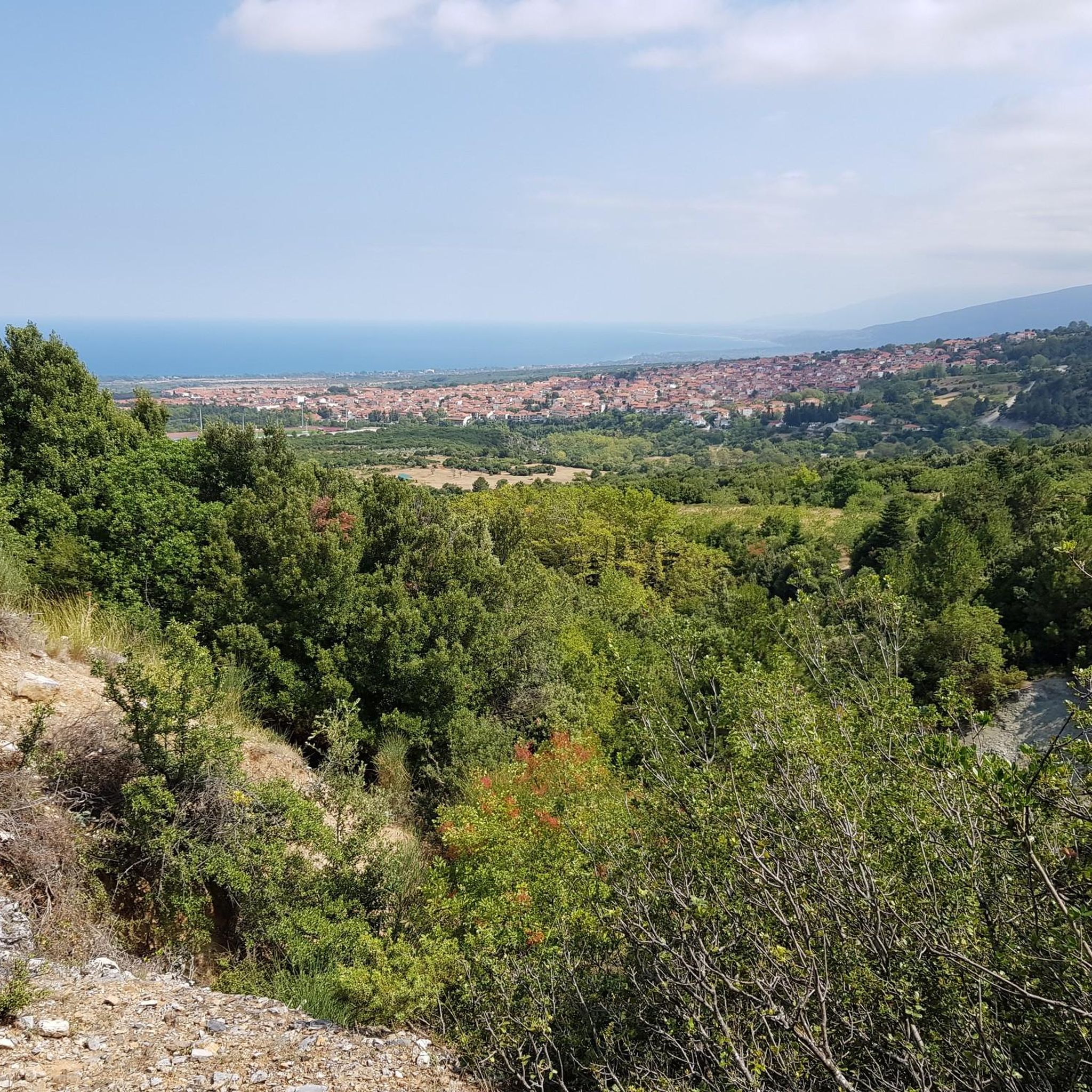
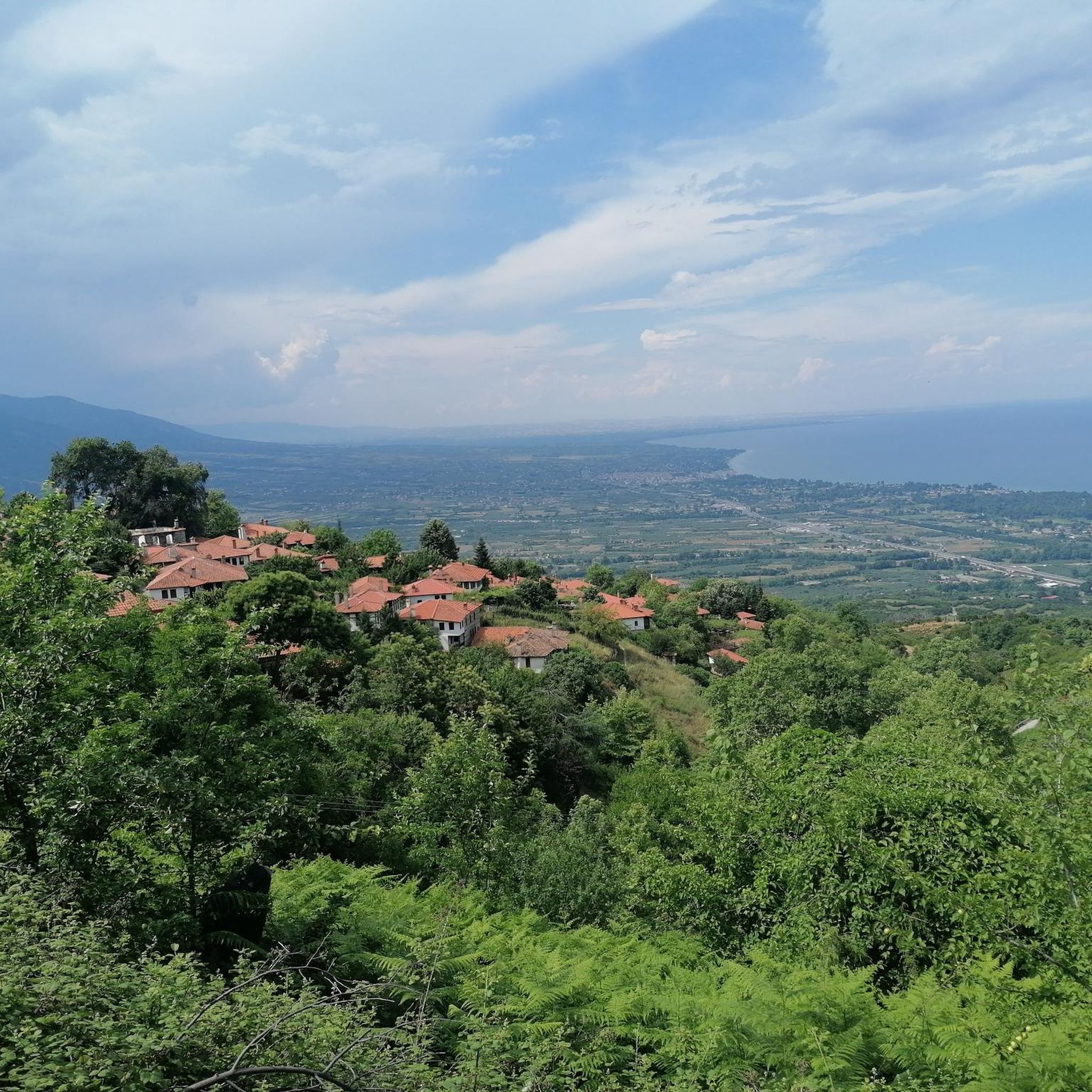
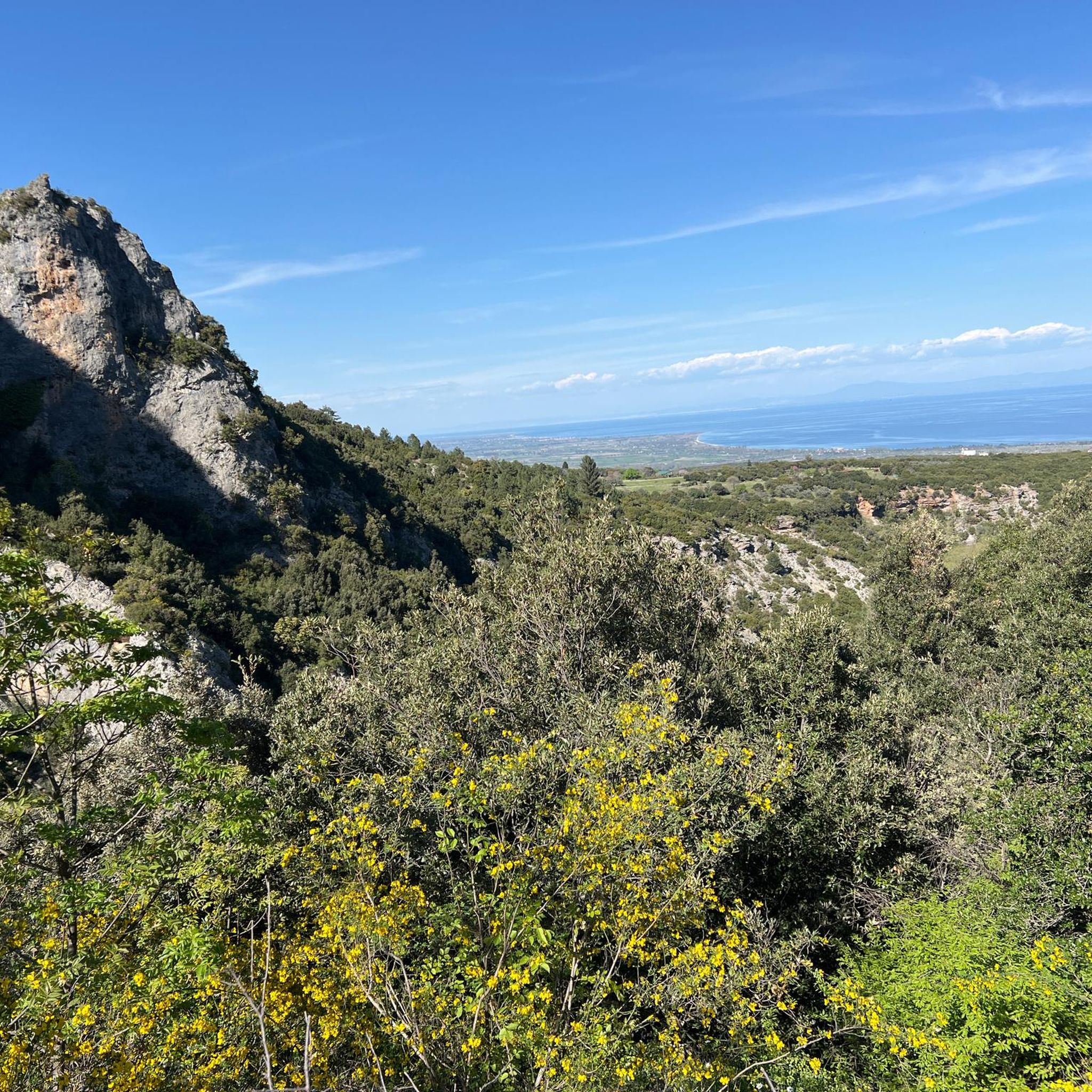
Other adventures in the Mount Olympus Mountains

Tips from the Community


From Prionia, it's 950 meters in elevation to the well-equipped hut at 2100 meters. Approximately 2 to 2.5 hours of total walking time. It's a good place to stay overnight and eat. And you can also buy water, as there's no drinking water up there! From the hut, it's another 550 meters in elevation to the summit. Windy, cloudy, and sometimes cold, even in summer!
0
1
Easy after all previous hike, so definitely worse it. way back can cut a little by lower path
0
0
May 2025: A couple of additions to „DemSchnitzel“. The three down-river bridges are the ones which are missing. Walking through the river takes time and added 1 hour to our walk today (finding best place to cross, boots off and on etc.). The brown stones in the riverbed are very slippery, use a stick for balance! But a beautiful walk nevertheless👍
1
0

May 2025: Three wooden bridges used to cross the river are now broken. The path is officially still closed. Alternatively, you can walk through the riverbed (knee-deep and with strong currents in places). You should have a reasonable level of balance.
1
0

Very, very rewarding. I personally climbed the summit in snow (mid-May). The last part from Skala to Mytika was absolutely not easy and requires experience hiking and climbing in less than optimal conditions, at least in snow. The summit is still highly recommended and is certainly a lot easier in season. :)
0
0

The hike along the E4 trail toward Mount Olympus is an unforgettable experience for nature lovers and hiking enthusiasts. The trail leads through picturesque forests and over rocky paths, offering breathtaking views of the surrounding landscape. The climb becomes increasingly steep, but the view of majestic Mount Olympus is worth every effort. The route is well-marked and offers both challenging sections and quieter passages that invite you to enjoy nature. Ideal for experienced hikers who want to experience the beauty of Mount Olympus and the tranquility of nature!
0
0
Frequently Asked Questions
What are some of the most prominent natural monuments to explore in the Mount Olympus Mountains?
Beyond the well-known peaks, you can explore the dramatic Mytikas Summit, Greece's highest point, offering challenging climbs and panoramic views. The Skolio Summit – 2,911 m provides extensive views and is considered a relatively accessible Olympus summit. The Enipeas Gorge features stunning footpaths, wooden bridges, and historical sites like the Cave of Agios Dionysios. Don't miss the numerous waterfalls, such as Enipeas River Waterfalls, which offer continuous water sources for hikers.
What unique geological features can be found in the Mount Olympus Mountains?
Mount Olympus is rich in geological marvels, including numerous unexplored limestone caves, glacial cirques at higher altitudes, and carved ravines. The predominance of limestone has shaped deep valleys and steep slopes. These formations not only offer opportunities for speleology but also house diverse microhabitats with bat colonies, endemic insects, and rare mosses, connecting the mountain to ancient myths and folklore.
Are there family-friendly natural monuments or activities in the Mount Olympus Mountains?
While many of Olympus's natural monuments involve challenging terrain, some areas of the Enipeas Gorge offer moderate trails suitable for families. Exploring the lower sections of the gorge allows for immersion in nature, discovering natural springs, and enjoying the serene environment without the intensity of summit climbs. Always check specific trail difficulties before heading out with children.
What is the best time of year to visit the natural monuments in the Mount Olympus Mountains?
The best time to visit for hiking and exploring the natural monuments is typically from late spring (May) to early autumn (October). During these months, the weather is generally more stable, and the higher trails are free of snow. Winter offers a different, more challenging experience, with snow and ice making many areas accessible only to experienced mountaineers with proper equipment.
What kind of flora and fauna can I expect to see in the Mount Olympus Mountains?
Mount Olympus is a biodiversity hotspot, home to over 1,700 plant species, including 23 endemic species found nowhere else, such as the *Jankaea heldreichii*. The mountain also supports more than 30 species of mammals, including wolves, chamois, and wild goats, and over 100 bird species like peregrine falcons and golden eagles. Different vegetation zones, from deciduous forests to alpine meadows, contribute to this rich ecological diversity.
What outdoor activities can I do near the natural monuments in the Mount Olympus Mountains?
The Mount Olympus Mountains offer a wide range of outdoor activities. Besides exploring the natural monuments themselves, you can find numerous routes for running, road cycling, and mountain biking. For instance, there are challenging running trails like the 'View of Mount Olympus loop from Άγ. Ιωάννης-Τρόχαλο', scenic road cycling routes such as the 'Leptokarya – Platamon Castle loop', and diverse MTB trails like the 'Stavros Hut – Enipeas River Waterfalls loop'.
Are there any waterfalls worth visiting besides the Enipeas River Waterfalls?
Yes, the region boasts several other beautiful waterfalls. You can visit Zeus' Bath Waterfall, known for its scenic gorge setting. Another notable spot is the Red Waterfall, offering picturesque views within the National Park. There's also a general Waterfall in Mount Olympus National Park that requires a good level of fitness to reach but rewards with stunning natural beauty.
What should I wear for a hike to the natural monuments in Mount Olympus during summer?
Even in summer, conditions on Mount Olympus can change rapidly, especially at higher altitudes. It's advisable to wear layers, including moisture-wicking base layers, a fleece or insulated mid-layer, and a waterproof and windproof outer shell. Sturdy hiking boots, sun protection (hat, sunglasses, sunscreen), and ample water are essential. For summit attempts like Mytikas, gloves and a warm hat might still be useful due to exposed, rocky conditions.
What is the significance of Mount Olympus beyond its natural beauty?
Mount Olympus holds immense cultural and mythological significance as the legendary home of the twelve Olympian gods in ancient Greek religion. Its peaks, gorges, and caves are intertwined with myths and folklore. It is also Greece's first National Park and a UNESCO World Biosphere Reserve, recognized for its outstanding natural beauty, rich ecosystems, and efforts in conservation.
Are there any viewpoints offering extensive panoramas of the Mount Olympus Mountains and its natural monuments?
Absolutely. The Skolio Summit – 2,911 m is renowned for its extensive views, providing rewarding panoramas in clear weather. The View of the Olympus Gorge offers breathtaking perspectives of the dramatic landscape. For the most expansive 360-degree views, reaching the Mytikas Summit is unparalleled, showcasing the entire national park and the Aegean Sea.
What do visitors enjoy most about the natural monuments in the Mount Olympus Mountains?
Visitors frequently highlight the sense of accomplishment from reaching challenging summits like Mytikas, the breathtaking panoramic views, and the wild serenity of the Enipeas Gorge. Many appreciate the continuous water sources found at waterfalls like the Enipeas River Waterfalls, which are crucial for longer tours. The unique blend of natural beauty, mythological history, and diverse ecosystems also leaves a lasting impression.
Do I need a permit to access the natural monuments or hike in Mount Olympus National Park?
Generally, you do not need a specific permit for day hikes or to access most natural monuments within Mount Olympus National Park. However, it is always recommended to check with local authorities or park information centers for any specific regulations, especially if planning overnight stays in refuges or attempting more technical climbs. Respecting park rules and leaving no trace is essential.
Most popular routes in the Mount Olympus Mountains
Most popular attractions in the Mount Olympus Mountains

Get inspired with the komoot mobile app


