Top 20 Natural Monuments in the Iceland Mountains
Best natural monuments in the Iceland Mountains are shaped by volcanic activity, glacial erosion, and tectonic plate movements. These sites feature unique geological formations and significant cultural heritage. The region offers diverse landscapes, from dramatic rift valleys to colorful rhyolite mountains and active geothermal areas. These natural monuments provide insight into Iceland's dynamic geological processes.
Best natural monuments in the Iceland Mountains
- The most popular natural monuments is Svartifoss, a waterfall that flows over an edge formed by uniform…
Last updated: July 10, 2026
Svartifoss
Highlight • Waterfall
Translated by Google •
Tip by

Seljalandsfoss Waterfall
Highlight • Waterfall
Translated by Google •
Tip by
Sign up now to discover places like this
Get recommendations on the best single tracks, peaks, & plenty of other exciting outdoor places.
Sign up for free
Öxarárfoss
Highlight • Waterfall
Translated by Google •
Tip by

Thingvellir National Park
Highlight • Natural Monument
Translated by Google •
Tip by

Flosagjá Fissure
Highlight • Gorge
Translated by Google •
Tip by
Almannagjá Rift
Highlight (Segment) • Gorge
You will …
Translated by Google •
Tip by
Magnúsarfoss
Highlight • Waterfall
Translated by Google •
Tip by
Hengifoss Waterfall
Highlight • Waterfall
Translated by Google •
Tip by

Lögberg (Law Rock) — Þingvellir National Park
Highlight • Historical Site
Translated by Google •
Tip by
Hundafoss
Highlight • Waterfall
Translated by Google •
Tip by
Sign up for free to discover even more natural monuments in the Iceland Mountains.
Sign up for free
Already have an account?
Start today with a free account
Your next adventure awaits.
Login or Signup
Popular around Iceland Mountains
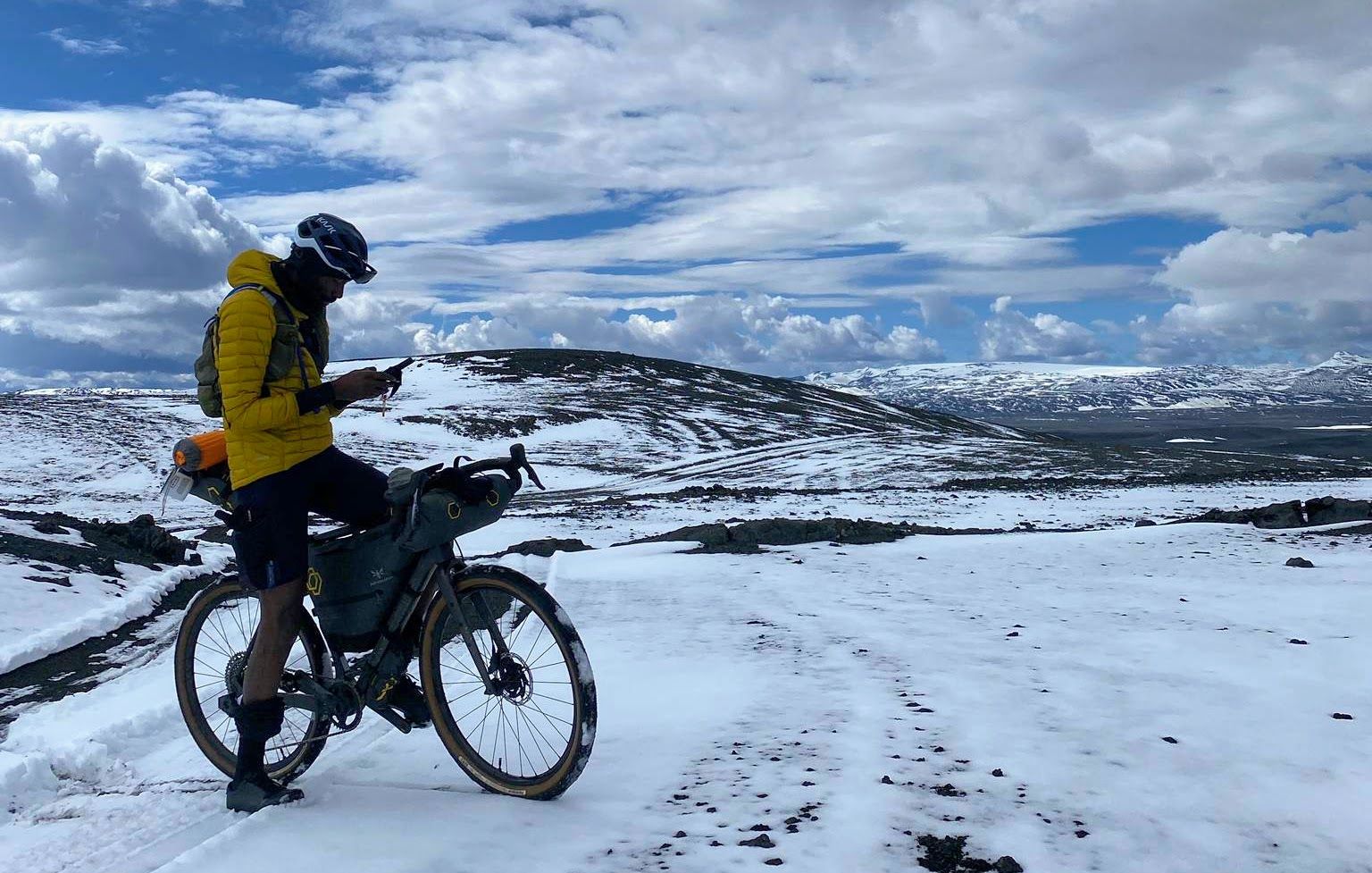
Iceland Divide – Lava fields, icy glaciers and river crossings
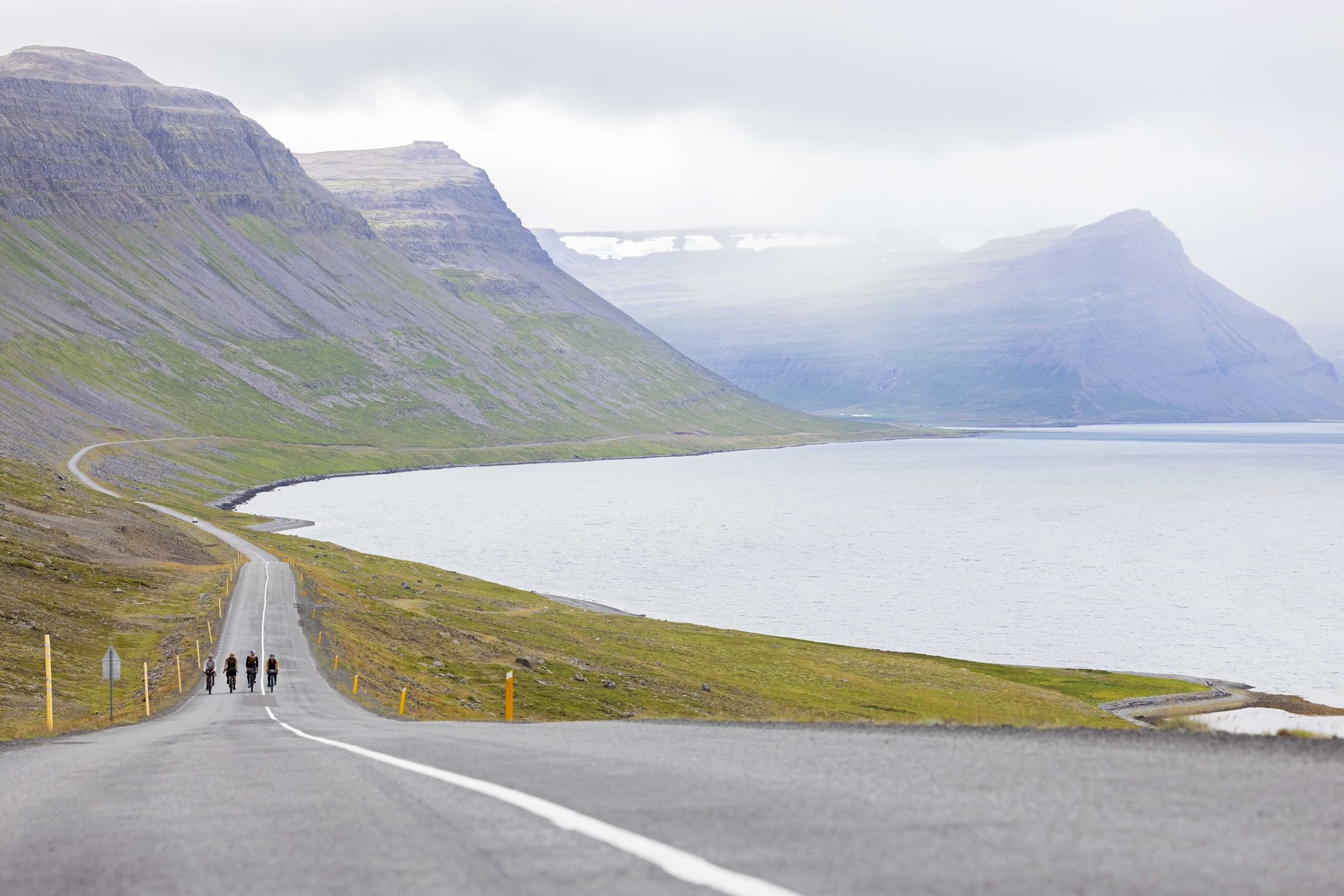
The Westfjords Way — Bikepacking Iceland's most remote coastline
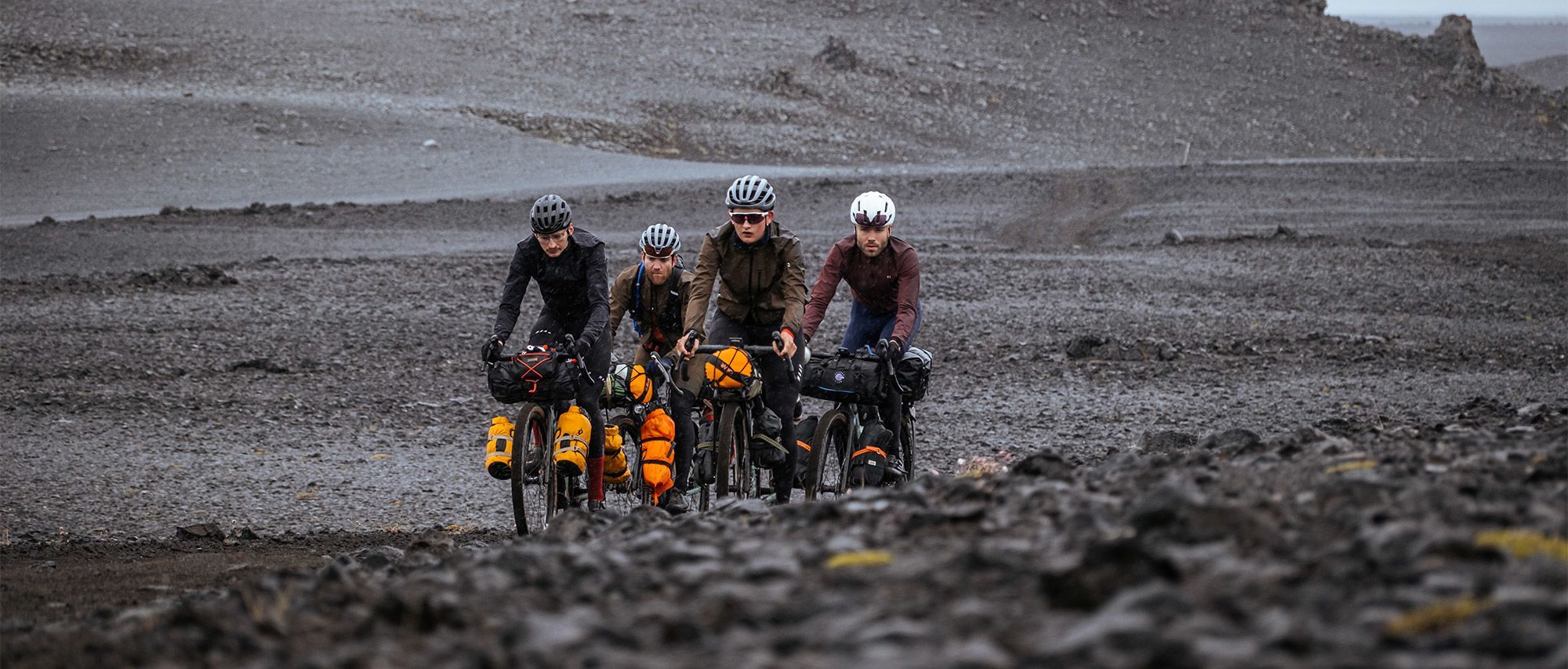
Iceland Divide — Ride Beyond Crew: between fire and ice
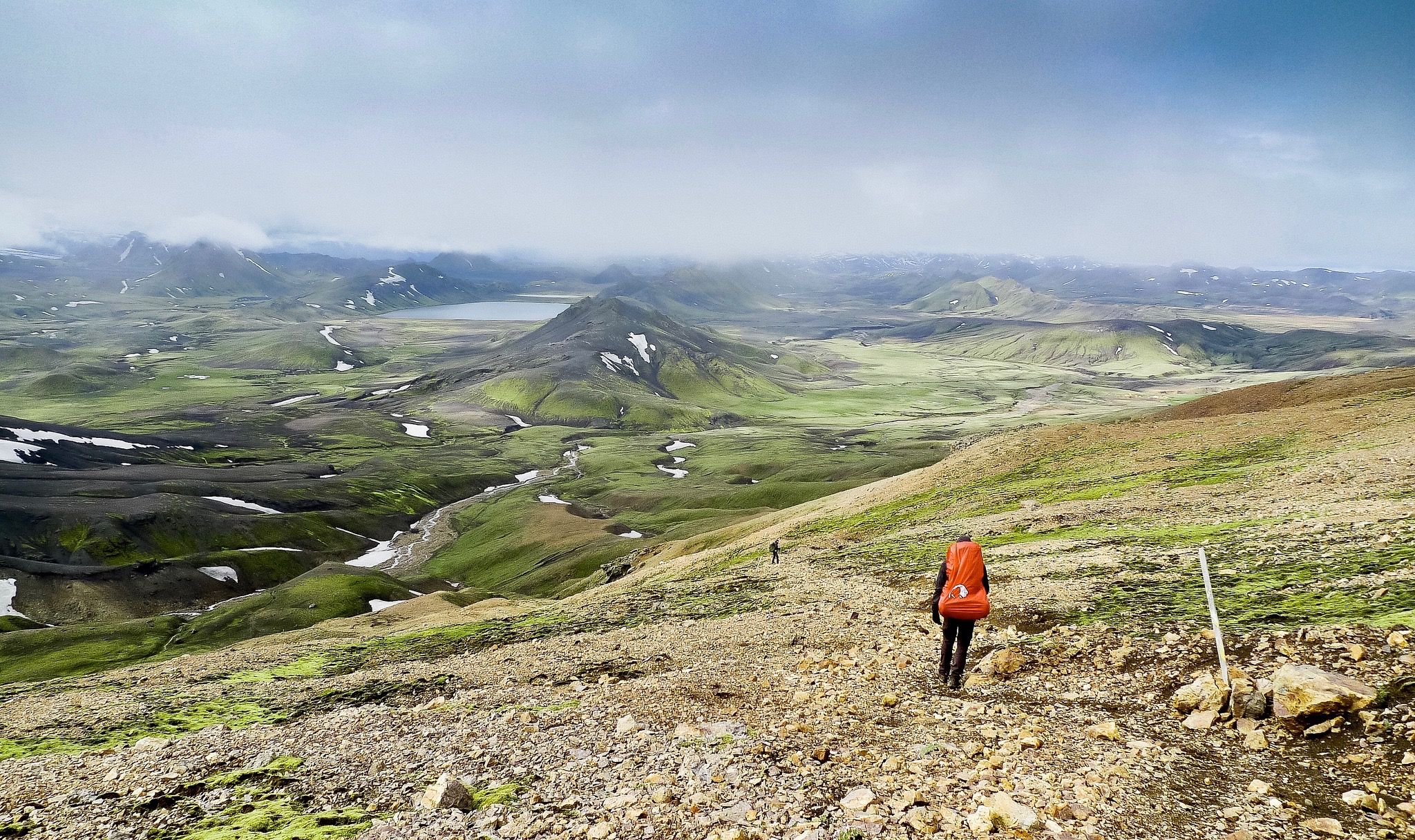
Laugavegur — 6 days trekking through Iceland
Glamping Adventures on Foot
Solitude in the saddle – Iceland Divide
Icelandic Highlands – Kjölur and the northwest fjords
Gravel: Islands Westfjorde
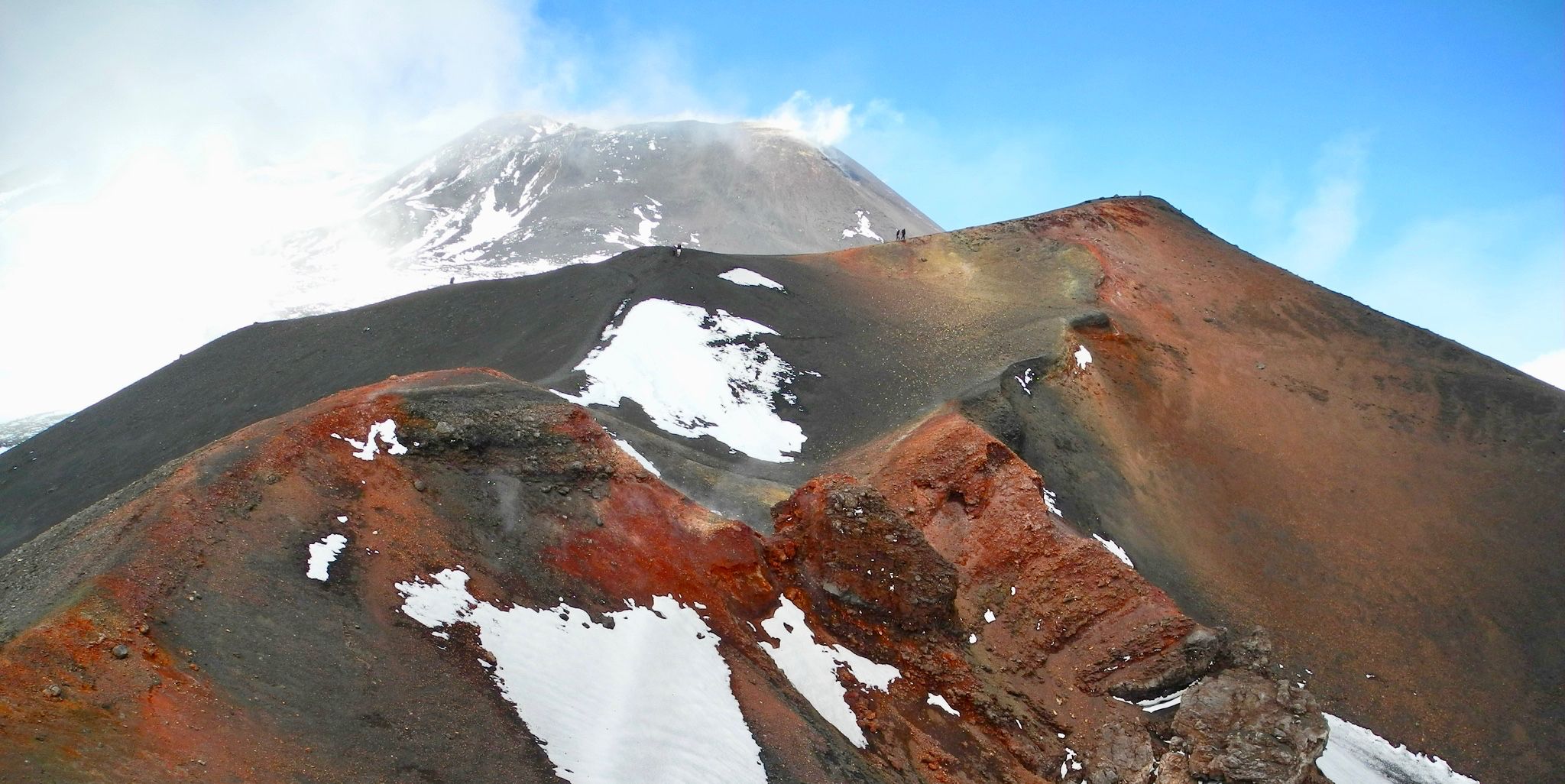
Holy mountains and their stories
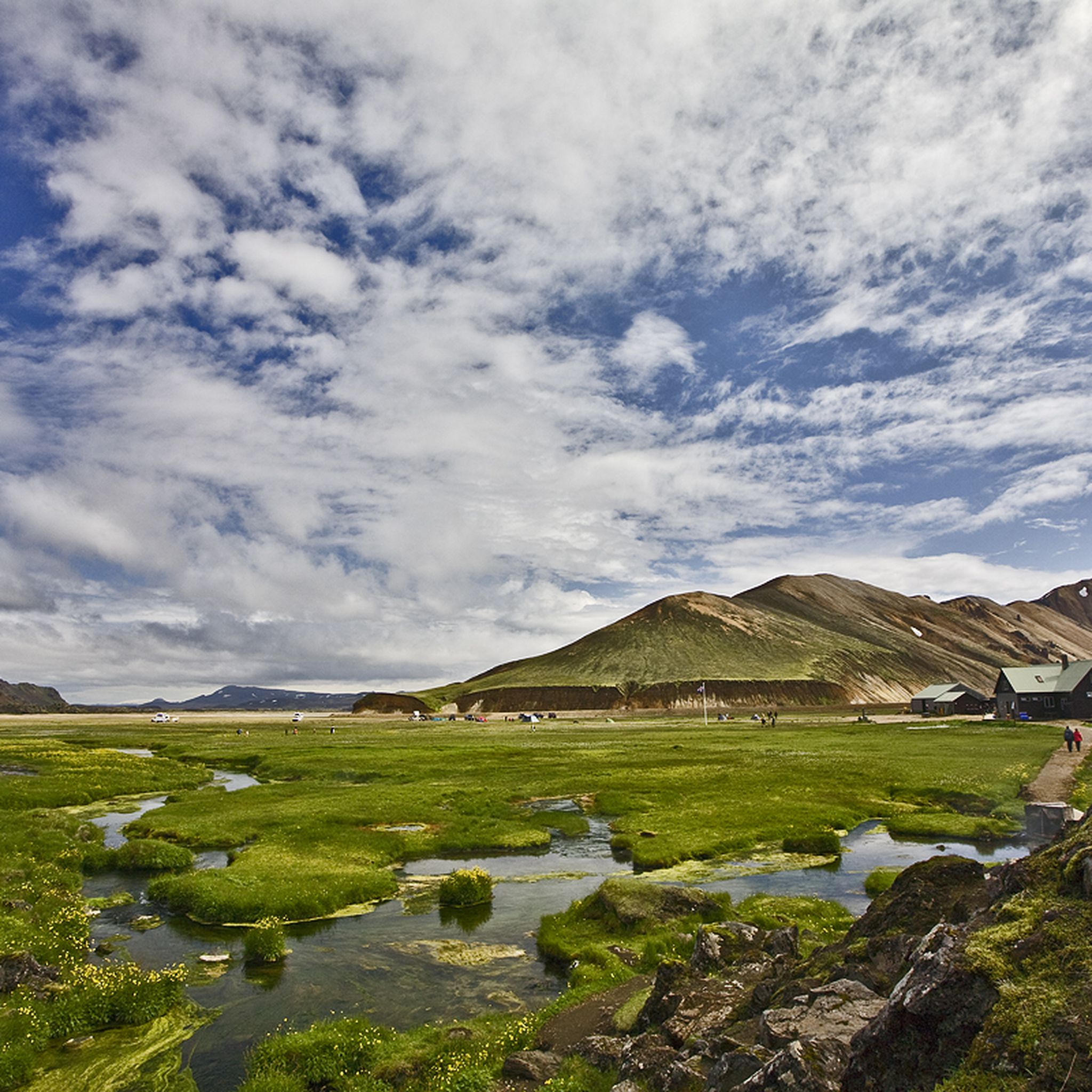
Hiking in the Iceland Mountains
Other adventures in the Iceland Mountains


Tips from the Community

Hundafoss is the easiest to reach of the many waterfalls leading up to the plateau overlooking the glacier. It's not as famous or spectacular as Svartifoss, but it's also a nice sight.
0
0

The National Museum has an interesting exhibition about the proclamation of the republic here in 1944—in pouring rain, but still with a significant portion of the population at that time. Anyone with time should definitely check it out to understand why this valley is still so deeply rooted in the country's cultural history.
1
0


Beautiful waterfall. It is near Svartifoss.
0
0

This waterfall can be reached via the easy walking path in Skaftafell National Park.
0
1

Great short hike to a great waterfall with viewpoints
0
0


Þingvellir (or Thingvellir) National Park in Iceland is a unique geological location. It is the place where the North American and Eurasian tectonic plates move apart. This separation is very clearly visible in the park, making it one of the few places in the world where you can see this phenomenon so clearly. The park is located on the Mid-Atlantic Ridge and the plates here are drifting apart at a rate of about 2 to 2.5 centimeters per year. This results in spectacular geological features such as deep gorges filled with very cold and clear water, fissures, cracks, waterfalls, subsidence and fault surfaces.
14
1
Frequently Asked Questions
What unique geological features can I find among the natural monuments in the Iceland Mountains?
The Iceland Mountains offer a variety of unique geological features. You can witness the visible separation of the North American and Eurasian tectonic plates at Þingvellir National Park, explore colorful rhyolite mountains in areas like Landmannalaugar, and experience active geothermal activity with smoking fumaroles and bubbling mud pots in places such as Kerlingarfjöll and Hveradalir. The region also features vast volcanic canyons like Eldgjá and striking flat-topped tuyas like Herðubreið, formed by subglacial volcanic eruptions.
Are there natural monuments with historical significance in the Iceland Mountains?
Yes, several natural monuments hold significant historical importance. Þingvellir National Park is a UNESCO World Heritage site, historically crucial as the meeting place of Iceland's ancient parliament, the Alþingi, established in 930 AD. Within Þingvellir, you can visit Lögberg (Law Rock), where laws were proclaimed, and Drekkingarhylur (Drowning Pool), a site with a somber past. The immense Eldgjá Canyon also has historical significance, formed during a massive eruption around 934 AD, one of the largest lava flows in historical times.
What kind of hiking trails are available near these natural monuments?
The natural monuments in the Iceland Mountains are surrounded by diverse hiking opportunities. For instance, you can find easy to moderate trails around Thingvellir National Park, such as the loop from Þingvellir to Öxarárfoss and Flosagjá Fissure. More challenging routes are available in areas like Landmannalaugar, which is a popular starting point for the multi-day Laugavegur Trail. You can explore various hiking routes in the region by checking out the Hiking in the Iceland Mountains guide.
Are there family-friendly natural monuments to visit in the Iceland Mountains?
Yes, several natural monuments are well-suited for families. Seljalandsfoss Waterfall allows visitors to walk behind the cascading water, offering a unique experience. Öxarárfoss and Magnúsarfoss are also considered family-friendly waterfalls. Þingvellir National Park, with its historical sites like Lögberg and the accessible Almannagjá Rift, provides an engaging experience for all ages.
Can I find opportunities for unique activities like snorkeling or bathing in hot springs near these monuments?
Absolutely. At Þingvellir National Park, you can snorkel or dive in the crystal-clear Silfra fissure, allowing you to touch both the North American and Eurasian tectonic plates simultaneously. In Landmannalaugar, you can relax in natural geothermal hot springs amidst the stunning colorful rhyolite mountains. Kerlingarfjöll also features geothermal areas like Hveradalir, though these are more for observation than bathing.
What is the best time to visit the natural monuments in the Iceland Mountains?
The best time to visit largely depends on the experience you seek. Summer (June to August) offers the mildest weather, longer daylight hours, and full accessibility to most highland areas, including Landmannalaugar and Kerlingarfjöll. However, popular sites like Seljalandsfoss and Svartifoss can be visited year-round. Winter transforms the landscape with snow and ice, offering a mystical appearance, especially at waterfalls like Svartifoss with its icicles and blue shimmering ice sculptures.
Are there any active volcanic areas to explore among the natural monuments?
Yes, Iceland's mountainous regions are home to active volcanic systems. Kerlingarfjöll in the central highlands is an active volcanic system featuring impressive geothermal activity in the Hveradalir valley, where you can explore smoking fumaroles and bubbling mud puddles. Mount Hekla, often called the 'Gateway to Hell,' is one of Iceland's most active volcanoes, offering an awe-inspiring yet unpredictable peak for trekkers.
What do visitors enjoy most about the natural monuments in the Iceland Mountains?
Visitors consistently praise the breathtaking and unique landscapes. They are captivated by the geological wonders, such as the basalt columns at Svartifoss and the continental fissure at Öxarárfoss. The opportunity to walk behind Seljalandsfoss Waterfall is a highlight for many. The historical significance of sites like Þingvellir National Park also leaves a lasting impression, connecting visitors to Iceland's rich past.
Where can I see impressive waterfalls in the Iceland Mountains?
The Iceland Mountains are renowned for their stunning waterfalls. You can visit Svartifoss, famous for its uniform basalt columns. Seljalandsfoss Waterfall offers the unique experience of walking behind the cascade. Öxarárfoss is a picturesque waterfall flowing into a continental column. Additionally, Hengifoss Waterfall, the fourth highest in Iceland, features striking reddish, grainy layers of clay in its lava background.
Are there opportunities for mountain biking near the natural monuments?
Yes, the Iceland Mountains offer mountain biking opportunities. While specific trails directly adjacent to every natural monument may vary, the region provides diverse terrain for MTB enthusiasts. You can find various routes, including moderate and difficult options, in areas like Akureyri and Þingeyri. For more details on mountain biking trails, refer to the MTB Trails in the Iceland Mountains guide.
What is the largest volcanic canyon in the world, and where can I find it?
The largest volcanic canyon in the world is Eldgjá Canyon, located within Vatnajökull National Park. This dramatic 60 km long fissure was formed during a massive eruption around 934 AD. It extends from Gjátindur mountain to the Mýrdalsjökull glacier and houses the beautiful Ófærufoss waterfall. Its immense scale and geological history make it a significant natural monument.
What is a 'tuya' mountain, and where can I see one in Iceland?
A 'tuya' is a unique flat-topped, steep-sided volcano formed when lava erupts through a thick glacier or ice sheet. The ice confines the lava, shaping it into a distinctive table-like mountain. You can see a prominent example in Herðubreið, often called 'The Queen of Icelandic Mountains,' located near the Askja volcano in the northeast. It stands as a testament to the powerful interplay of volcanic activity and glacial ice during the Ice Age.
Most popular routes in the Iceland Mountains
Most popular attractions in the Iceland Mountains

Get inspired with the komoot mobile app


Explore more
Extend your search for the best caves by checking out these guides of the top ones in the Iceland Mountains:
