Top 20 Natural Monuments in Fredensborg
Best natural monuments in Fredensborg showcase a landscape shaped by both natural processes and historical design. The region features serene lakes, ancient forests, and unique geological formations. These areas offer opportunities to explore diverse natural features and historical sites. Fredensborg provides a blend of meticulously designed landscapes and untouched nature.
Best natural monuments in Fredensborg
- The most popular natural monuments is Frederiksborg Castle Baroque Garden, a natural monument that features a magnificent display of horticultural artistry. This garden is…
Last updated: October 13, 2026
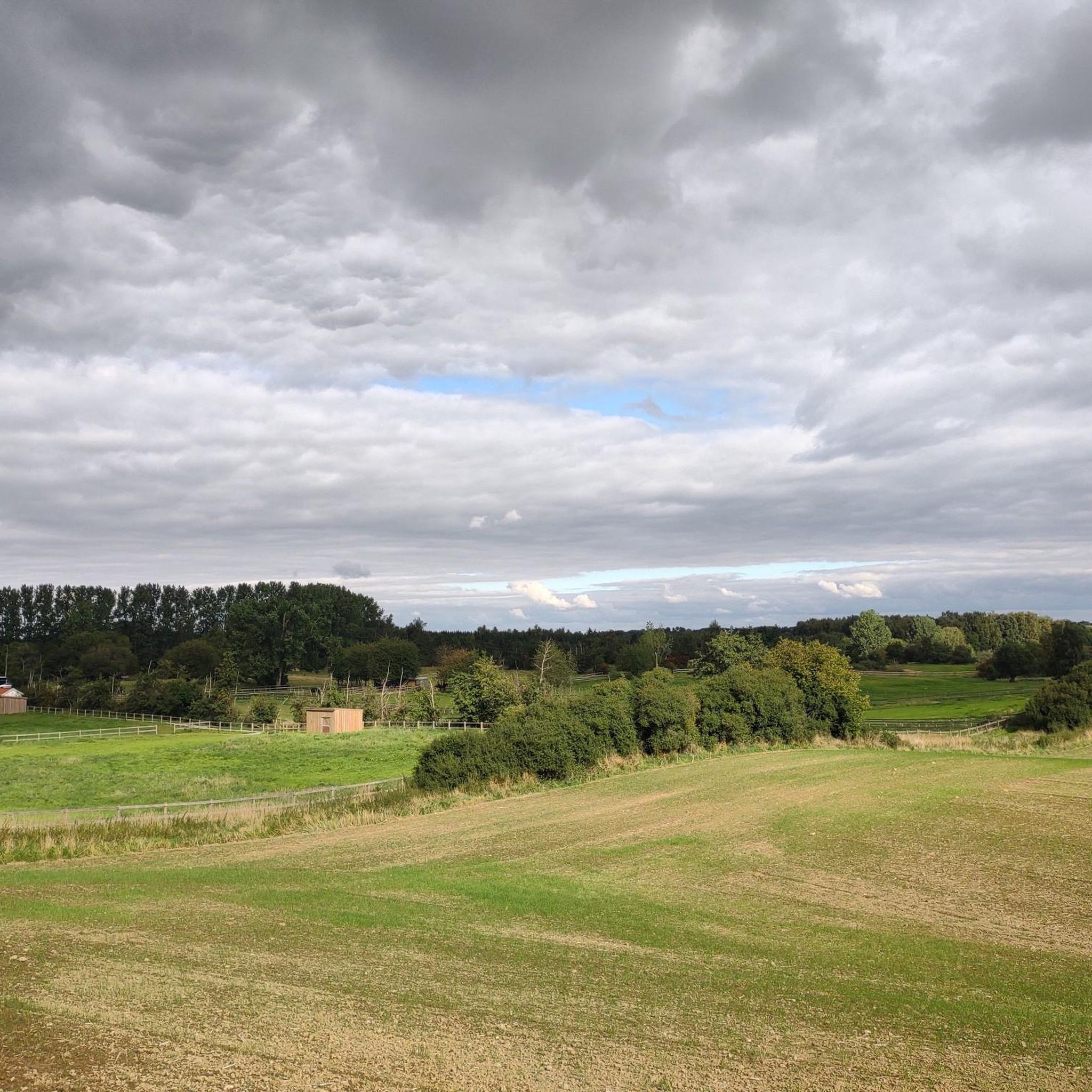
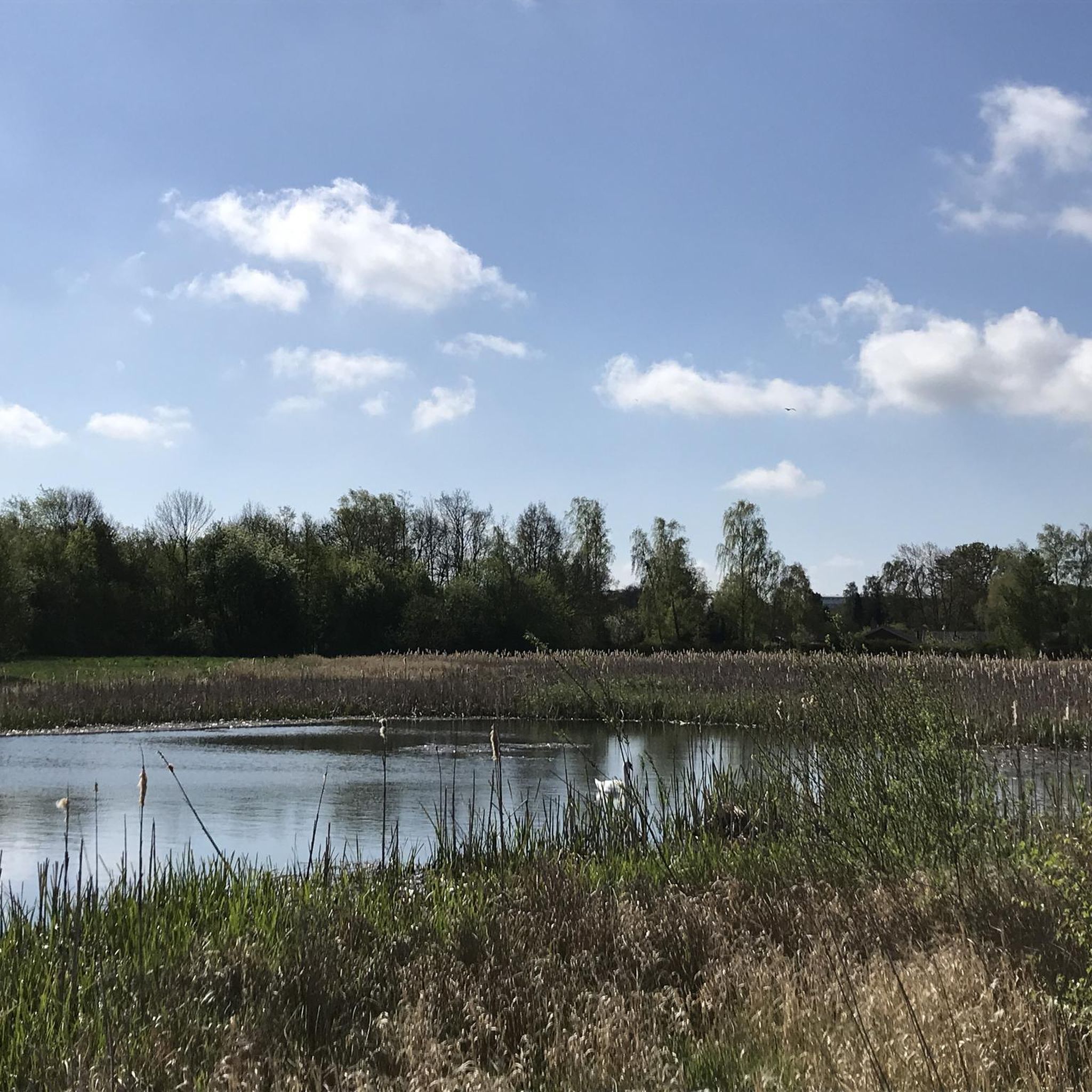
Dronningens Bøge Pier, Esrum Lake
Highlight • Lake
Translated by Google •
Tip by

Kulsvierstenen (The Charcoal Burners' Stone)
Highlight • Monument
Translated by Google •
Tip by
Sign up now to discover places like this
Get recommendations on the best single tracks, peaks, & plenty of other exciting outdoor places.
Skibet (The Ship)
Highlight • Natural Monument
Translated by Google •
Tip by
The gardens of Fredensborg Palace
Highlight (Segment) • Historical Site
Translated by Google •
Tip by

Smørstenen (The Butter Stone)
Highlight • Natural Monument
Translated by Google •
Tip by
Sign up for free to discover even more natural monuments in Fredensborg.
Already have an account?
Start today with a free account
Your next adventure awaits.

Tips from the Community

Fredensborg Castle Gardens are one of the largest historical gardens in Denmark and one of the most beautiful baroque gardens not only in Denmark but in all of Scandinavia. The long straight avenues radiating out from the chateau in a star shape are a feature of the garden's original French Baroque style. The star shape makes the castle a powerful center that once symbolized the power of the autocratic king, where the winding avenues were meant to demonstrate man's ability to dominate nature. The garden is richly decorated with sculptures, which were mainly created in the period 1760-1770. The romantic style, to which the castle garden was partially converted between 1833 and 1850, can be clearly seen in the natural forest areas of the garden. The reorganization meant most avenues were removed. In the last quarter of the 20th century, most of the avenues from the baroque period were recreated so that you can once again experience the wide view of the Esrumsee. Source: Wikipedia
2
0

Während des 2. Weltkriegs war de sogenannte Köhlergruppe aktiv im Widerstandskampf. The group merged the Waffen container, the von der Englischen Luftwaffe über dem Gribskov abgeworfen wurden ein. In those places, there is a stone heute steht, wurden von März bis April 1945 8 Abwürfe vorgenommen. Bei der letzten Mission am 21. April 1945 wurden 18 Container abgeworfen. The Occupation Power Hats, but Information on the Abwurfplatz, and the rule of law are the Feuergefecht Zwischen der Widerstandsgruppe und Wehrmachtsoldiers. 2 The soldier kamen dabei ums Leben und 4 Widerstandsleute wurden festgenommen. The 14th anniversary of the Wald bis zum Esrum See zu kommen. Mit einem Ruderboot gelang sie dann an das gegenüberliegende Ufer vom See. The bullet at the marked route close to the intersection of Stutterivej and Søndre Skovportsvej near the Smørsten has been reminiscent of a fierce battle between opponents and Germans the night of April 21, 1945. The place was used for the removal of weapons from allied aircraft to the resistance movement, and this The last weapon reception was revealed by the Germans. They surrounded the 18 men, "The Bulls Battalion", who were saving the dumped firearms, hand grenades and ammunition, which were instead used to answer the fire of the 120 German police soldiers. To Germans were shot, four opponents were captured , and the rest fled in dinghies across Esrum Lake or to Hillerød. The four captured were released when the occupation ended two weeks later. Nearby is the Morsestenen, where the resistance leader's local leader was sitting as he routed the planes over the place. The master signal for B (- ...) has been captured.
4
0
Der "Smørsten", which is geologically seen is a wandering block, liegt hier im Wald, seit sich das Eis vor ca. 13,000 years back. Über die Meaning of Names gibt es viele, mostly very imaginative stories. The butter stone rises with vertical sides like a small triangular mountain between fir trees by a forest path in Gribskov. The butterstone consists of granite with pegmatitic passages, where centimeter-sized quartz and feldspar grains are seen. The butter stone consists of medium-grained homogenous light red-grey granite. 55% feldspar grains up to 1 cm in size 20% 2-3 mm white plagioclase grains 20% smoke colored 2-3 mm quartz grain 5% dark minerals In many places, pegmatitic sheaths with up to 2 cm grains of smoky quartz and white kalifeldspar with perthite striations are seen. The sheaths are 1 to 5 cm wide and up to ½ m long. The stone is smooth ground on the lower half and rougher on the upper half. On the south side, the ice scouring is pronounced, and you can see scour marks and a sickle-shaped fracture. The butter stone stands on an approximately right-angled triangular ground plan. The apex of the right angle points to the southeast. The sides of the triangle are measured: Side to the south 2.4 m. Side to the east 2.2 m. Side to the north 3.3 m. The points of the triangle are cut off to the west (facing the path) and measure 0.8 m. And to the east, the blunt tip measures 0.9 m. The total circumference between chest height and knee height is 10.5 m. Its volume is estimated at 12 cubic metres, giving it a weight of around 30 tonnes, granite weighing 2.7 tonnes per cubic metre. There is no legend attached to the Smørstenen according to the book on 'Danish stones in legend and faith' from 1994. And the excavated giant stone is not mentioned at all in the book 'Danmark's giant stone in folkeoverlervingen' from 1932. But in the book 'Gribskov' from 2009 it is found tradition described that the stone turns when it smells of freshly churned butter on Easter Sunday, and that the stone has been a harbinger of spring, as spring was supposed to be just around the corner when a dollop of butter placed on top of the stone melted. Likewise, in the Gribskovbogen, a throwing legend is reproduced which tells that "It must originate from Kullen and was thrown after Nøddebo Church. When the monks from Esrum built Nøddebo Church, the coal man became angry and threw a large stone at the church. When it didn't hit, he took an even bigger stone and threw it with great force at the church, but it missed and lies in the forest near Egelund". And sure enough, there is a giant stone at Egelund - called the Trollstone. However, it should have been thrown by the Devil and not the Coal Man.
2
0
In one Storm 1827 one big book feels. Instead of dying, 5 new book strains grow from the fallen book. Duch the particular form of the progressive tribes under other perpendicular standing tribes they look like masts on a sailing ship. //// The ship is probably Gribskov's most peculiar attraction of nature. For several decades it had become a rumor that the 6 old beech trees 1 km north of the Forest School in a row and row close to each other in reality were the side branches of a toppled beech that had taken root and had grown further. Could that be right? Yes ! In the old operating plan of 1878, the tree formation is described, and at that time you could clearly see the overturned tree. So the ship is really a real "frigate tree", and even Denmark's finest. The oldest parts date back at least to the 18th century. The ship is difficult to find these years because of the strong beech growth in the section of the forest where it stands. But in the back of the book's map (and in Volume 2) you can see the tree's GPS coordinates, so with a pocket GPS and a little talent, you can go right there. (source: gyldenlund.dk/severdigheter/se1.htm)
2
0
At the end of Frederik IV all ', north of Nødbo on the banks of Esrum lake, several old beech stands as an avenue towards the water. Probably the avenue has originally continued all the way to the present Gillelejevej. Only a few of these beech stands back along the road, which is today called Frederik IV allé. If the line is extended to the east above the lake, it continues in the baroque hall, which extends from the lake bank up to Fredensborg Castle. It was Frederik IV who was responsible for the construction of Fredensborg Castle and to leave the avenue over the lake and into the forest on the other side. Only built in the early 1720s. King Frederik IV was married to Louise of Mecklenburg in 1695 on fatherly orders. When Queen Luise died in 1721, he married Anna Sophie Reventlow. This caused some fury at the court and it is said that for peace, they went on excursions along Esrum Lake. It is also said that it was her who had the idea of letting the avenue extend west of the lake. Thus, it should be her who has named the Queen's beech.
7
0
Frequently Asked Questions
What unique natural features can I discover in Fredensborg?
Fredensborg offers a diverse range of natural features. You can explore the meticulously designed horticultural artistry of the Frederiksborg Castle Baroque Garden, which features precise lines and sinuous hedges. Additionally, you'll find ancient trees like those at Dronningens Bøge Pier, Esrum Lake, and the unique 'Skibet' (The Ship), where five new beech strains grew from a fallen tree, resembling a sailing ship. The region also hosts geological formations such as the glacial erratic Smørstenen (The Butter Stone).
Are there any historical natural monuments in Fredensborg?
Yes, Fredensborg is rich in historical natural monuments. The Frederiksborg Castle Baroque Garden is a significant part of Danish cultural heritage, showcasing 18th-century garden art. Dronningens Bøge Pier, Esrum Lake, has historical ties to Frederik IV and Queen Anna Sophie Reventlow. You can also visit Kulsvierstenen (The Charcoal Burners' Stone), which marks a significant event during World War II involving resistance fighters.
What is the best time of year to visit Fredensborg's natural monuments?
The natural monuments in Fredensborg offer beauty throughout the year. The Fredensborg Palace Gardens, including the Baroque Garden, are open year-round. Spring and summer bring lush greenery and blooming flowers, ideal for enjoying the gardens and recreational activities on Esrum Lake like kayaking or boat tours. Autumn offers vibrant foliage, while winter provides a serene, often snow-covered landscape. The public sections of the Palace Gardens are open from 10:00 a.m. to sunset, no later than 9:00 p.m.
Are Fredensborg's natural monuments suitable for families with children?
Many of Fredensborg's natural monuments are very family-friendly. The Frederiksborg Castle Baroque Garden and Dronningens Bøge Pier, Esrum Lake, are great for leisurely strolls. Within the Palace Gardens, Nordmandsdalen features 70 sandstone sculptures of ordinary 18th-century Norwegian and Faroese fishermen and farmers, which can be an interesting discovery for children. The Smørstenen (The Butter Stone) and Skibet (The Ship) are also accessible and offer unique natural sights that can spark curiosity.
Can I bring my dog to the natural monuments in Fredensborg?
While specific rules can vary, many natural areas in Denmark, including parts of the Fredensborg Palace Gardens and areas around Esrum Lake, generally permit dogs on a leash. It's always advisable to check local signage or specific regulations for each site, especially within formal gardens or protected areas, to ensure a pleasant visit for everyone.
What kind of outdoor activities can I do near Fredensborg's natural monuments?
Beyond exploring the monuments themselves, the Fredensborg area offers various outdoor activities. You can enjoy cycling on routes like 'The Queen's Round' or 'Langstrup Trail' (Cycling in Fredensborg). Gravel biking is also popular, with routes such as 'Langstrupstien' (Gravel biking in Fredensborg). For mountain biking enthusiasts, there are trails like the 'Danstrup Forest loop' (MTB Trails in Fredensborg). Esrum Lake also provides opportunities for kayaking, canoeing, and boat tours during warmer months.
Are there good hiking or walking trails around Fredensborg's natural monuments?
Yes, the natural monuments are often integrated into or surrounded by areas with walking paths. The Fredensborg Palace Gardens offer extensive grounds for walking. The areas around Esrum Lake, including near Dronningens Bøge Pier, provide scenic strolls. Many of the natural monuments like Kulsvierstenen, Skibet, and Smørstenen are located within forested areas like Gribskov, which have numerous trails for exploration.
Where can I find scenic viewpoints among Fredensborg's natural monuments?
For scenic viewpoints, the Frederiksborg Castle Baroque Garden offers magnificent displays of horticultural artistry with its terraced layout. Dronningens Bøge Pier, Esrum Lake, provides expansive views across the lake, especially picturesque with its avenue of old beech trees. The general area around Esrum Lake itself offers many tranquil spots to enjoy the natural beauty.
How long should I plan for a visit to Fredensborg's natural monuments?
The duration of your visit depends on which monuments you wish to see and how deeply you want to explore. You could easily spend half a day or more exploring the extensive Fredensborg Palace Gardens, including the Baroque Garden and Nordmandsdalen. Visiting Esrum Lake and the Dronningens Bøge Pier could take an hour or two, especially if you enjoy a stroll along the waterfront. For monuments like Kulsvierstenen, Skibet, or Smørstenen, which are often located within forested areas, allow for travel time and a walk of 1-2 hours per site, depending on your pace and interest in the surrounding trails.
How can I get to the natural monuments in Fredensborg using public transport?
Fredensborg is accessible by public transport. The town itself has a train station. From there, local buses can take you closer to various attractions, including the Fredensborg Palace Gardens and areas around Esrum Lake. For detailed planning, it's recommended to check local bus schedules and routes, or consult resources like VisitNorthSealand for up-to-date information on transport options to specific sites.
Are there any less crowded natural monuments to visit in Fredensborg?
While the Fredensborg Palace Gardens are popular, they are extensive enough to find quieter spots, especially outside peak tourist times. For a more secluded experience, consider exploring the forested areas where monuments like Skibet (The Ship) and Smørstenen (The Butter Stone) are located. These sites are often found along forest paths, offering a tranquil escape into nature away from the main tourist hubs.
Can I spot wildlife in the natural areas around Fredensborg?
Yes, the natural areas surrounding Fredensborg, particularly around Esrum Lake and within the extensive forests like Gribskov, are home to various wildlife. You might spot different bird species, deer, and other small mammals. Early mornings or late evenings are often the best times for wildlife observation. The serene environment of Esrum Lake is particularly good for birdwatching.
Most popular routes in Fredensborg
Most popular attractions in Fredensborg

Get inspired with the komoot mobile app


Explore more
Extend your search for the best caves by checking out these guides of the top ones in Fredensborg:
