Top 18 Natural Monuments in Frederikshavn
Natural monuments in Frederikshavn showcase a diverse landscape shaped by geological forces and coastal dynamics. The region features significant natural formations, including expansive sand dunes, unique coastal meeting points of seas, and elevated viewpoints offering broad vistas. These sites provide opportunities to observe distinct geological features and experience the area's natural heritage. The area's natural attractions are often characterized by their dynamic environments and panoramic views.
Best natural monuments in Frederikshavn
- The most popular natural monument is Grenen — Meeting…
Last updated: October 13, 2026
Grenen — Meeting point of the North Sea and the Baltic Sea
Highlight • Beach
More information at: visitnordjylland.de/de/natur-urlaub/grenen-bei-skagen
Translated by Google •
Tip by

The Sand-Covered Church (Danish: Den Tilsandede Kirke)
Highlight • Religious Site
Translated by Google •
Tip by

Sign up now to discover places like this
Get recommendations on the best single tracks, peaks, & plenty of other exciting outdoor places.
Råbjerg Mile
Highlight • Natural Monument
Translated by Google •
Tip by

Grenen — Denmark's northernmost point
Highlight • Beach
Translated by Google •
Tip by

Seal Rock
Highlight • Natural Monument
Translated by Google •
Tip by
Sign up for free to discover even more natural monuments in Frederikshavn.
Already have an account?
Start today with a free account
Your next adventure awaits.
Popular around Frederikshavn
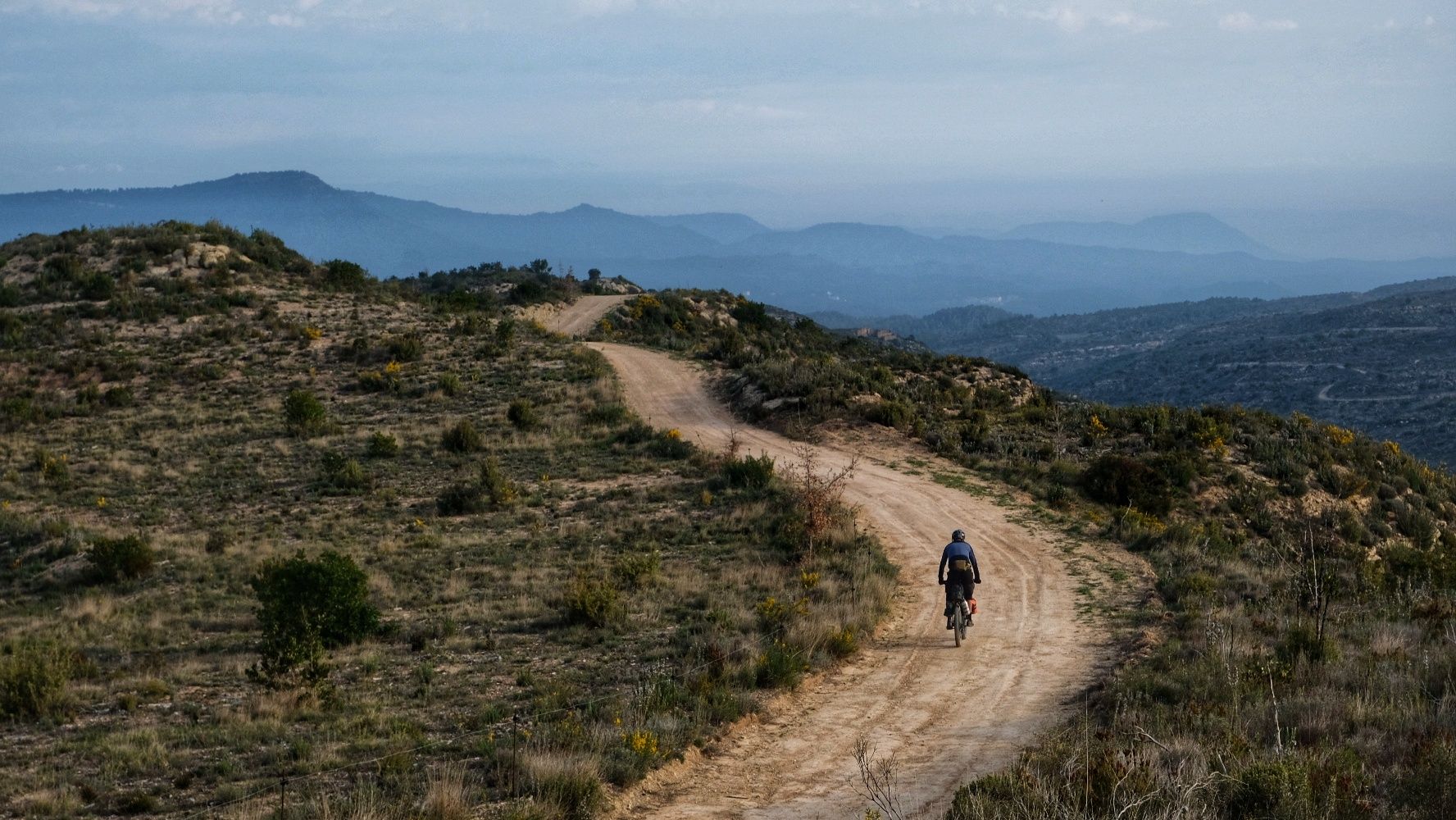
European Divide Trail — 7,600 km across the continent
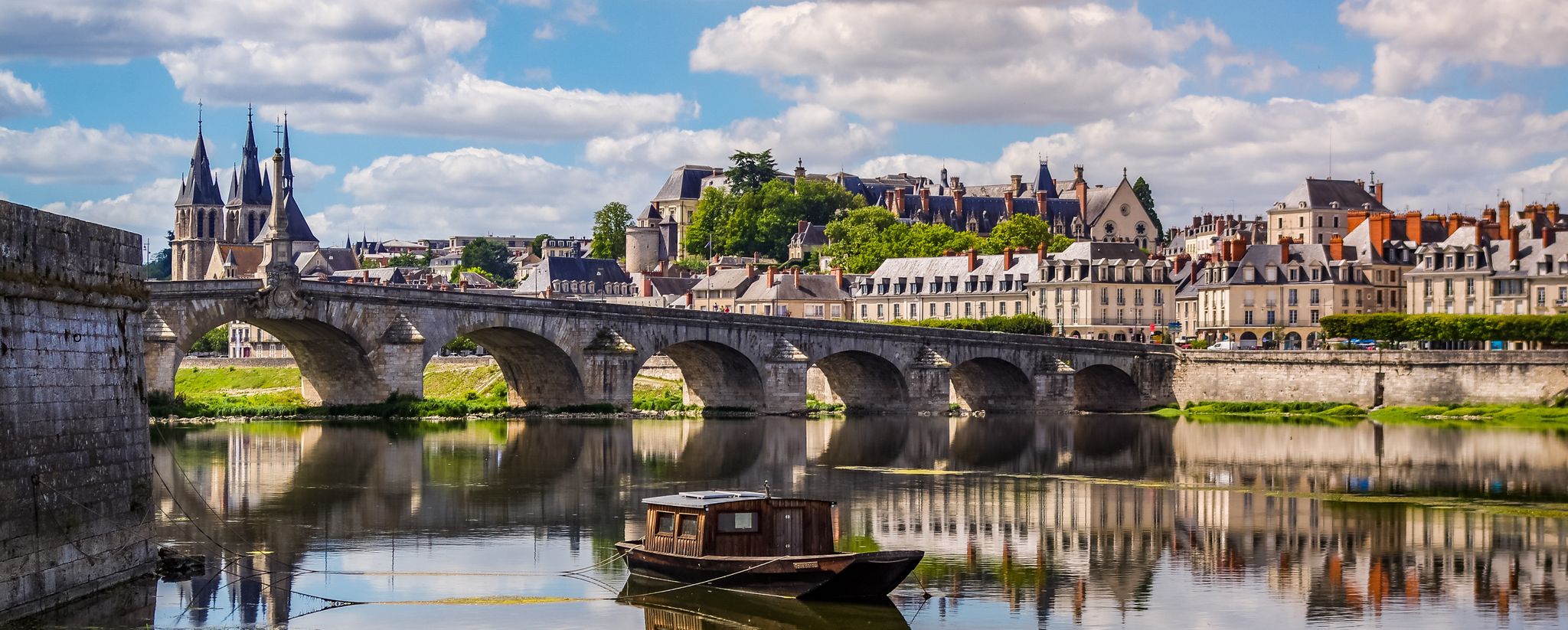
EuroVelo 3 – A cycling pilgrimage from Norway to France
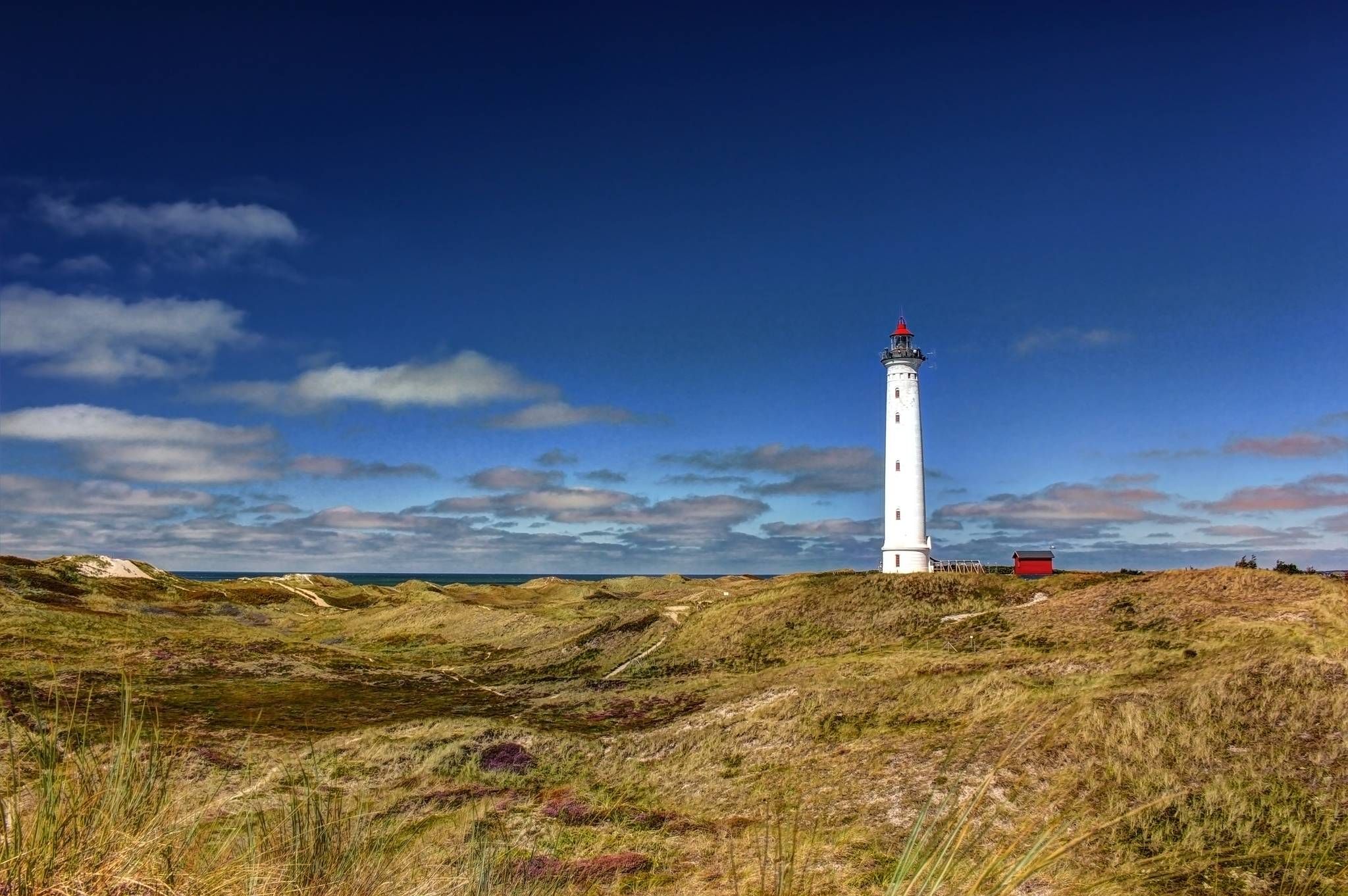
The North Sea Coast Cycle Route – Denmark
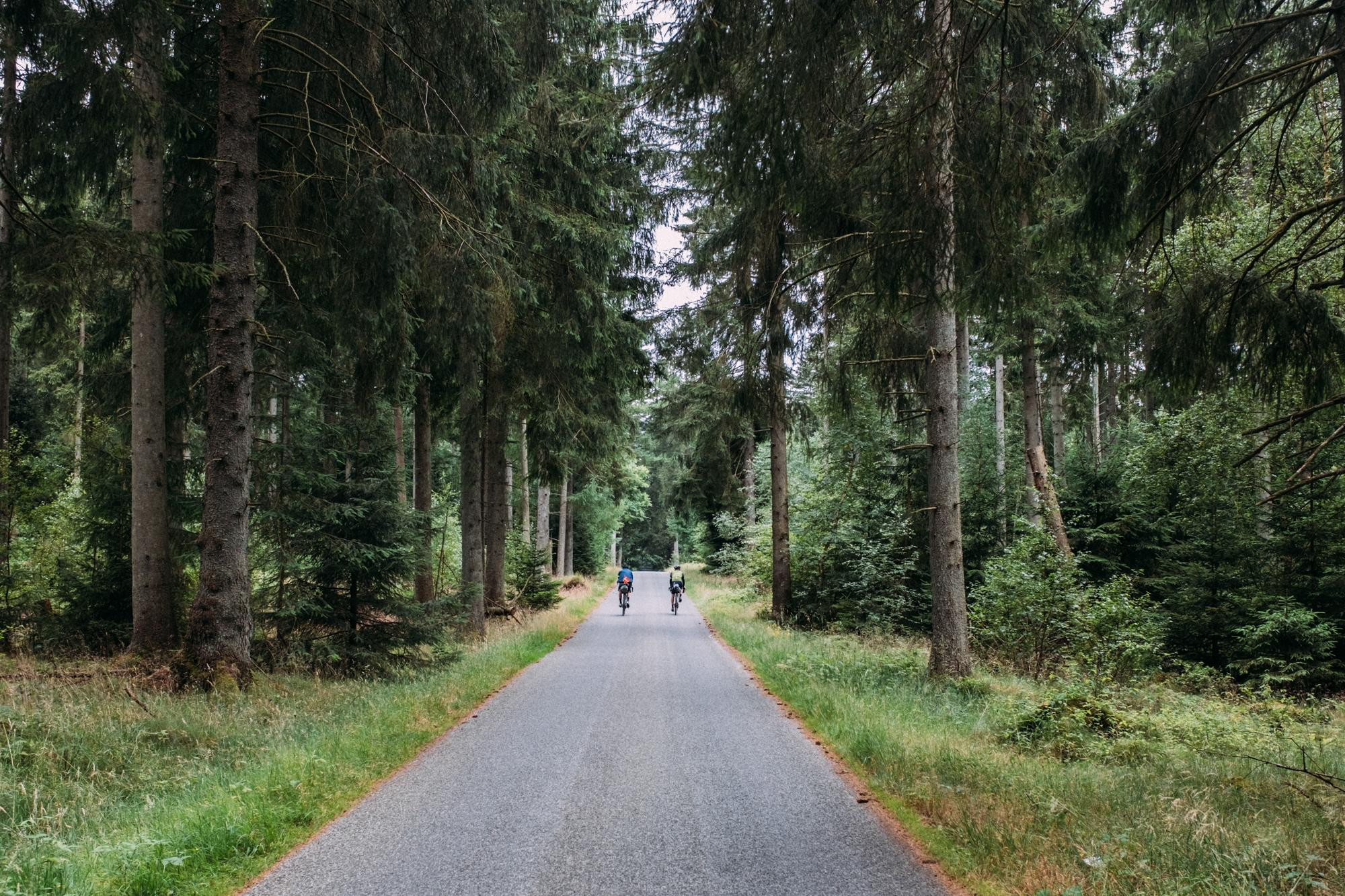
National Cycle Route 3: Pilgrims Route
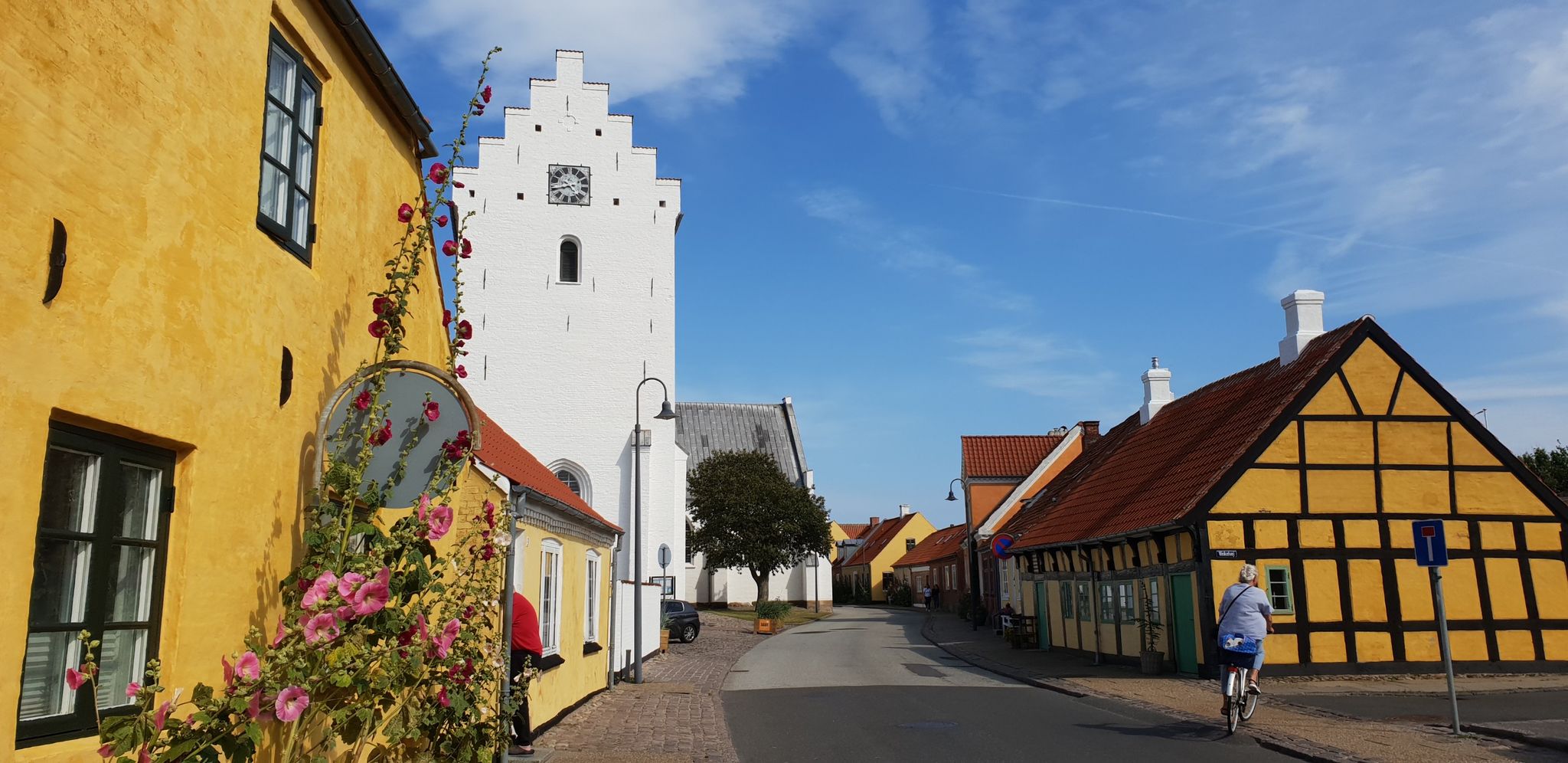
East Coast Route – National Cycle Network Route 5
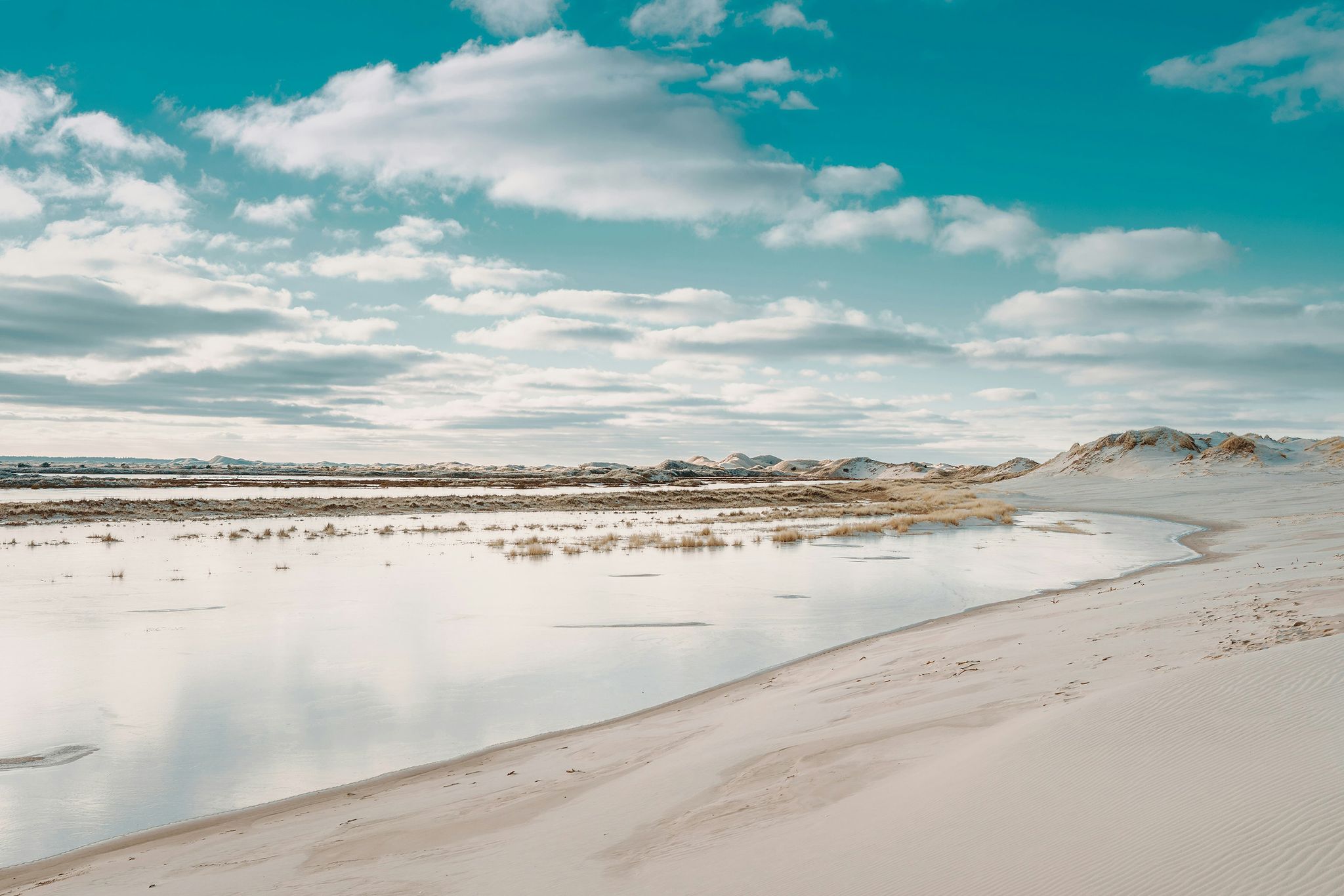
Hiking in North Jutland from Frederikshavn to Skagen
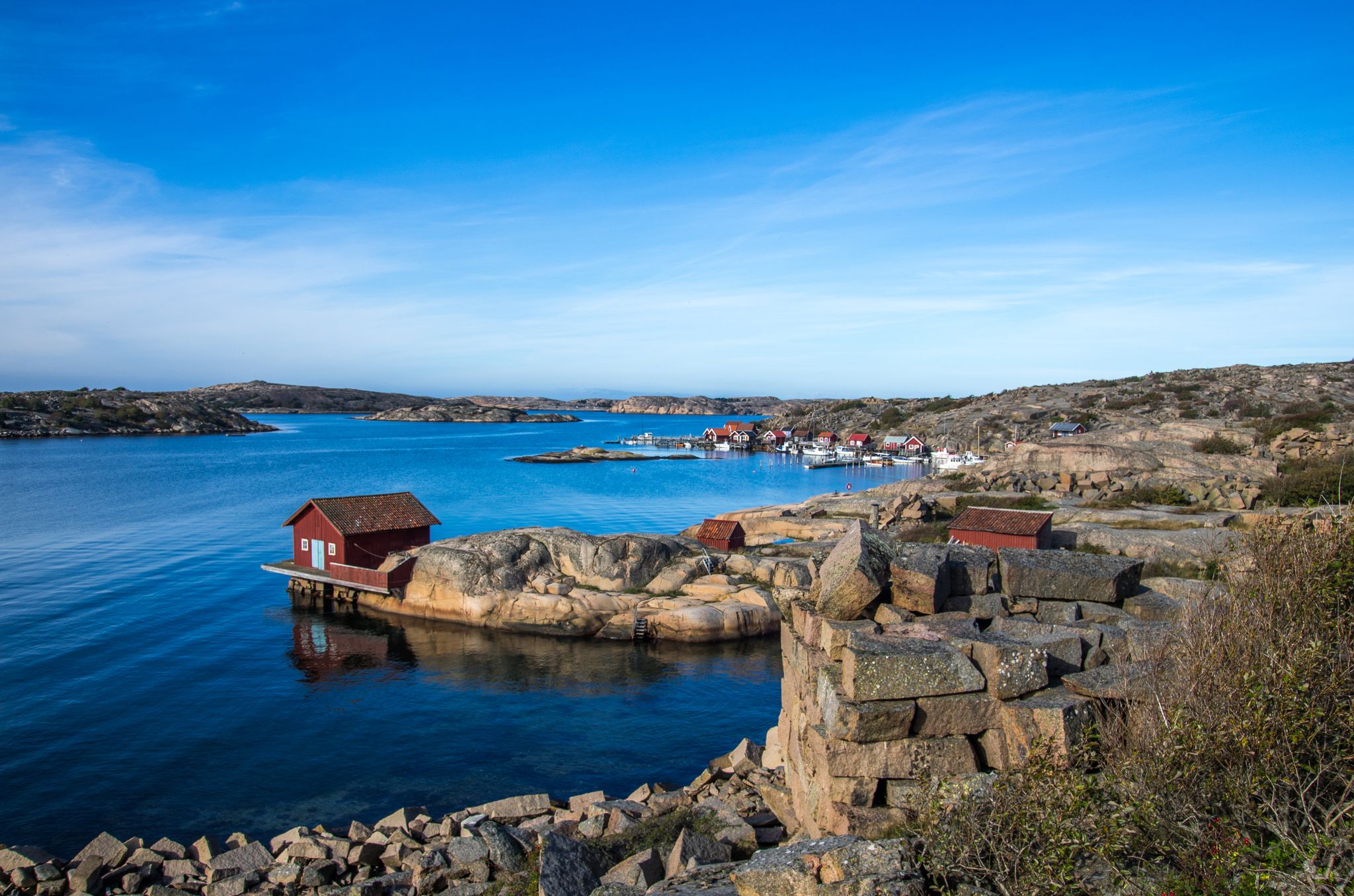
Scandinavia to Germany – cycle the Iron and Bronze Age Route
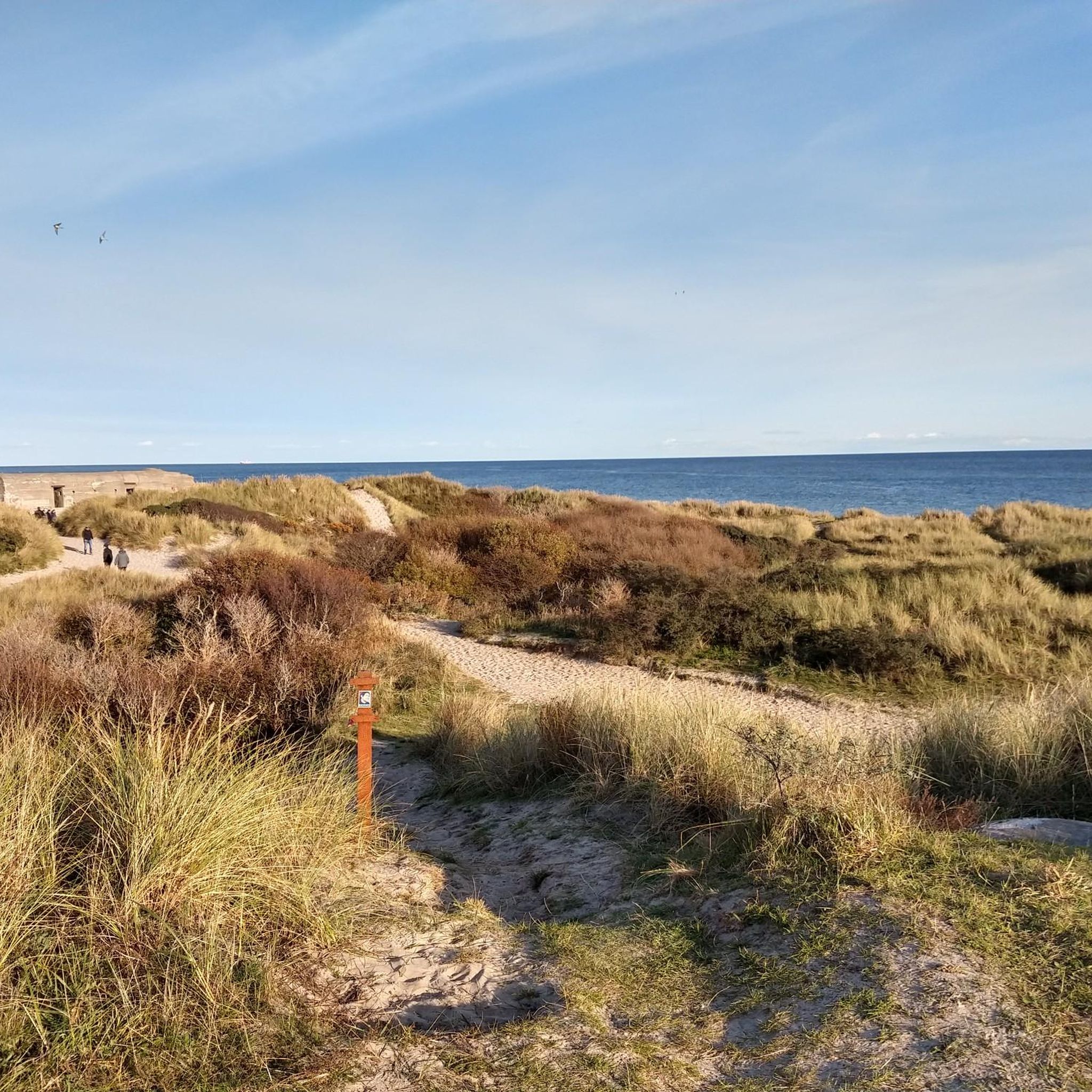
Hiking in Frederikshavn
Cycling in Frederikshavn
Road Cycling Routes in Frederikshavn
Other adventures in Frederikshavn


Tips from the Community

Definitely worth seeing, even if you have to dismount at some points.
1
0

A wonderful relic from earlier days, it's very popular today and can be reached on foot in just a few minutes. The stairs are quite narrow, so watch out for oncoming traffic.
6
0

Be sure to go up. Pro tip: take off your shoes right at the bottom :)
2
0

Grenen, Denmark's northernmost point, is one of Denmark's most popular attractions. Visitors come to experience the unique light and the confluence of the North and Baltic Seas. Skagerrak - Kattegat
2
0


Due to heavy silting, the nave was demolished in 1805. The church tower was preserved - initially as a navigation mark - and can be visited. It takes a bit of imagination to imagine how deep the floor of the nave was originally. You can get an idea of this by looking at the remaining arch of the roof vault on the other side of the tower.
5
0

Råbjerg Mile is a massive shifting dune on the northern tip of Jutland, Denmark. It has been a nature reserve since 1900. This ensures that dune migration can continue unhindered. The sand masses reach heights of over 40 meters and cover an area of approximately 120 hectares. Due to prevailing westerly winds, the sand moves eastward toward the Kattegat. Each year, the dune moves an average of 15 meters. According to estimates, Råbjerg Mile will reach the 3.5 km distant road to Skagen around the year 2130 and disappear into the Baltic Sea after another 30 years. The question of whether the Frederikshavn–Skagen railway line would need to be rerouted westward around the dune in 100 years has not yet sparked any political debate. By the mid-19th century, the northern town of Skagen was also suffering from increasing drifting sand, a result of deforestation and the destruction of dune vegetation to meet the demand for fuel. The municipality eventually offered to transfer the inhospitable land to the state, which undertook an extensive reforestation program starting in 1887. The forests (klitplantager) in Bunken and Skagen were established. At the same time, Skagen received a paved road to Aalbæk and a railway connection. Previously, all transport had been accomplished by horse-drawn carts across the impassable Baltic Sea coast. However, the taming of the raw forces of nature also aroused resistance. The poet Jeppe Aakjær (1866–1930) was an early advocate for nature conservation. In 1900, the Danish state acquired the area around Råbjerg Mile to protect it from human interference. While World War I was raging in Europe, this desert-like panorama served as the backdrop for the Danish silent film Sfinxens Hemmelighed (English: "The Secret of the Sphinx") by director Robert Dinesen. The monumental wooden backdrop of a Sphinx of Giza rising from the sand attracted so many onlookers that filming was occasionally interrupted to allow summer visitors to enjoy themselves. https://de.wikipedia.org/wiki/R%C3%A5bjerg_Mile
3
0

A very beautiful beach with clear water
0
0
Frequently Asked Questions
What are some unique natural phenomena to experience in Frederikshavn?
Frederikshavn offers several unique natural phenomena. You can visit Grenen, the northernmost tip of Denmark, where the waters of the Skagerrak (North Sea) and the Kattegat (Baltic Sea) visibly meet. Another impressive sight is Råbjerg Mile, Denmark's largest migrating sand dune, which creates a unique, desert-like landscape.
Are there family-friendly natural monuments in Frederikshavn?
Yes, several natural monuments in Frederikshavn are suitable for families. Grenen is a popular choice, where children can enjoy standing with a foot in two different seas. Råbjerg Mile offers a vast sandy playground for exploration. The area around The Sand-Covered Church is also family-friendly, offering a glimpse into history amidst shifting sands.
What kind of views can I expect from Frederikshavn's natural monuments?
The natural monuments in Frederikshavn offer diverse and expansive views. From Grenen, you can witness the dramatic confluence of two seas. Pikkerbakken, a viewing platform south of Frederikshavn, provides breathtaking panoramic views of the town, its harbor, the Hirsholmene islands, and on clear days, even extends to Sæby, Skagen, and the island of Læsø. From the highest point of Råbjerg Mile, you can enjoy expansive views, including the Kattegat and Skagerrak seas.
What historical or cultural sites are associated with the natural monuments in Frederikshavn?
The region's natural monuments often intertwine with history. The Sand-Covered Church is a significant historical religious building partially buried by sand, illustrating the impact of nature on human structures. Pikkerbakken features the 'Kongesten' (King Stone) with signatures of Danish kings and remnants from historical conflicts, including a World War II museum bunker. Grenen has inspired renowned artists and holds a rich maritime history with lighthouses and nearby historical bunkers.
Are there hiking opportunities near the natural monuments in Frederikshavn?
Yes, there are numerous hiking opportunities. The area around Pikkerbakken is ideal for walks with forest tracks and trails, including the 4.5 km Blue Trail. You can also find several routes near the natural monuments, such as the North Sea Trail: Grenen Loop or the Grenen Trail - Blue Route. Råbjerg Mile is also a popular spot for hiking across its unique sandy landscape.
What outdoor activities can I do near these natural monuments?
Beyond hiking, the Frederikshavn area offers various outdoor activities. You can explore running trails like the Grenen Beach – Grenen Bunker loop. Cycling is also popular, with routes such as the Skagen's Buried Church – Heathland trail near Skagen loop. The Bangsbo area, near Pikkerbakken, is popular for hiking, cycling, and mountain biking.
Can I visit the natural monuments in Frederikshavn during winter?
Many natural monuments in Frederikshavn are accessible year-round, including in winter. While the landscape takes on a different, often stark beauty, it's essential to be prepared for colder weather and potentially strong winds, especially at coastal locations like Grenen or exposed areas like Råbjerg Mile. Always check local conditions before your visit.
What should I wear when visiting the natural monuments?
Given the coastal and often exposed nature of many sites, it's advisable to dress in layers. Windproof and waterproof outer layers are recommended, especially for places like Grenen and Råbjerg Mile. Comfortable walking shoes are essential for exploring trails and sandy terrain. Even on warm days, a jacket can be useful due to coastal breezes.
Are there any natural monuments where I can observe wildlife?
Yes, Grenen is a haven for birdwatchers and offers opportunities to observe sea mammals like porpoises, common seals, and sometimes even grey seals, dolphins, or whales. It's recognized as one of Europe's best places for observing migratory birds. Additionally, Seal Rock is a specific location where seals can often be observed sunbathing, though it's important to maintain a distance of 50 meters to avoid disturbing them.
How long should I plan to spend at the natural monuments?
The time needed varies by monument. For Grenen, you might spend 1-2 hours exploring the sand spit and enjoying the views. Råbjerg Mile can also take 1-2 hours for a good walk across the dune. Pikkerbakken offers trails that can be explored for an hour or more, depending on your interest in hiking. The Sand-Covered Church is typically a shorter visit, perhaps 30-60 minutes.
Are the natural monuments in Frederikshavn accessible by public transport?
While some natural monuments are more easily reached by car, public transport options exist for certain locations. For instance, to reach Grenen, you can cycle to the square at the end of Fyrvej and then continue on foot or take the 'Sandormen' mini-train. For specific routes and schedules, it's best to check local public transport information for the Frederikshavn and Skagen areas.
What makes Pikkerbakken a significant natural monument?
Pikkerbakken is significant for its spectacular viewing platform, situated 71 meters above sea level. It's part of a 3 km coastal cliff shaped during the Ice Age, offering unparalleled panoramic views of Frederikshavn, its harbor, the Hirsholmene islands, and distant landmasses. Beyond the views, it holds historical importance with the 'Kongesten' and remnants from past conflicts, making it a blend of natural beauty and historical context.
Most popular routes in Frederikshavn
Most popular attractions in Frederikshavn

Get inspired with the komoot mobile app


Explore more
Extend your search for the best caves by checking out these guides of the top ones in Frederikshavn:
