Top 12 Natural Monuments in Samsø
Natural monuments in Samsø showcase a diverse landscape shaped by Ice Age glaciers and centuries of human interaction. The island features rolling hills, deep valleys, extensive fjords, and varied coastal areas. These natural landmarks offer a range of experiences, from panoramic viewpoints to protected ecosystems. Samsø's commitment to preserving its natural heritage provides numerous opportunities to explore its unique topography.
Best natural monuments in Samsø
- The most popular natural monuments is Stavns Fjord, a lake and natural monument known…
Last updated: June 26, 2026
Kongehøjen Memorials on Samsø
Highlight • Monument
at the top of the hill is a monumental monument …
Translated by Google •
Tip by

Bronze Age Burial Mound Near Sælvig Bay
Highlight • Historical Site
Translated by Google •
Tip by
Sign up now to discover places like this
Get recommendations on the best single tracks, peaks, & plenty of other exciting outdoor places.
Sign up for free
Stavns Fjord
Highlight • Lake
Translated by Google •
Tip by

Ilsemade Holy Spring
Highlight • Natural Monument
Legend has it that the spring ran where a dead woman walked …
Translated by Google •
Tip by
Niels Halses Høj Dolmen
Highlight • Historical Site
Translated by Google •
Tip by
Sign up for free to discover even more natural monuments in Samsø.
Sign up for free
Already have an account?
Start today with a free account
Your next adventure awaits.
Login or Signup
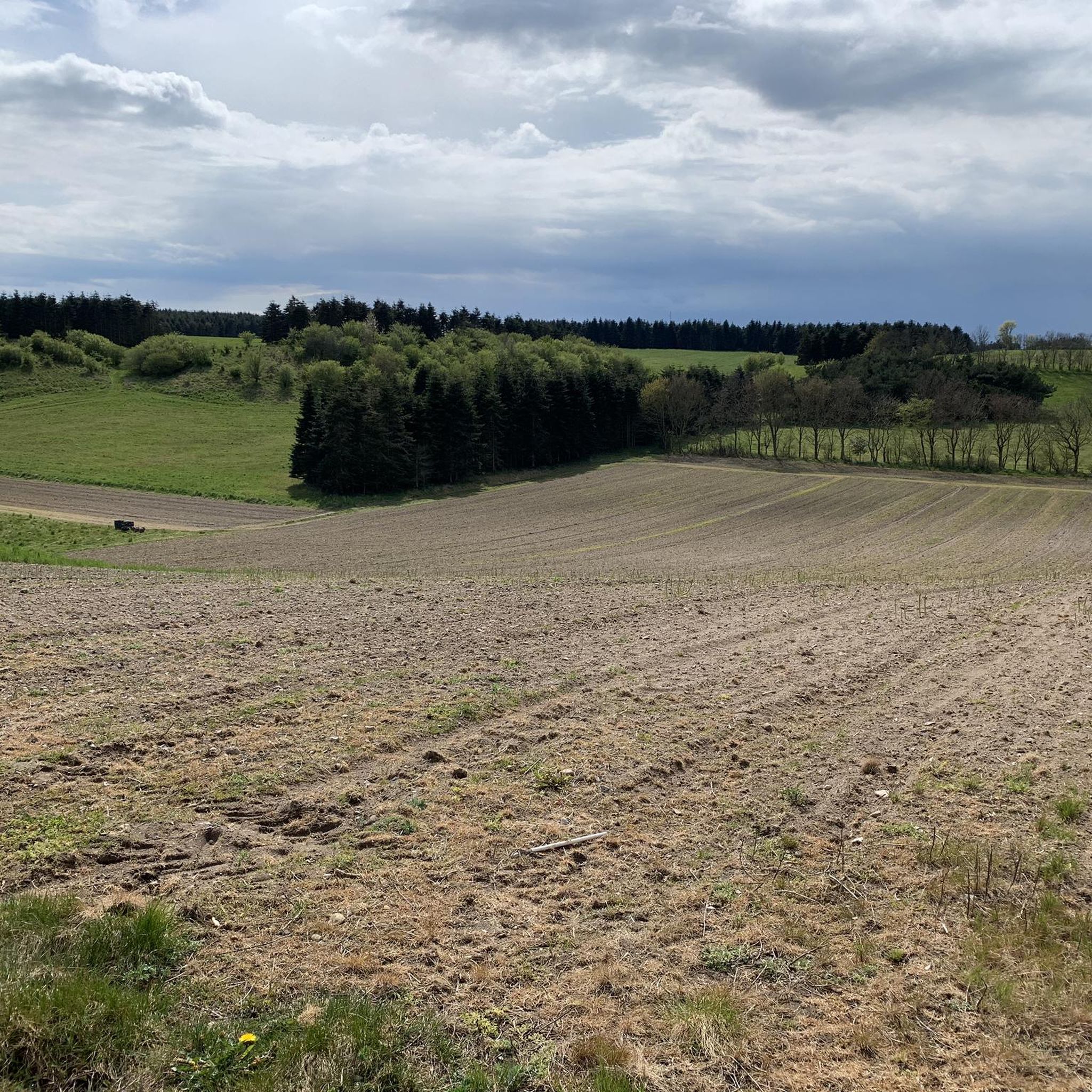
Tips from the Community

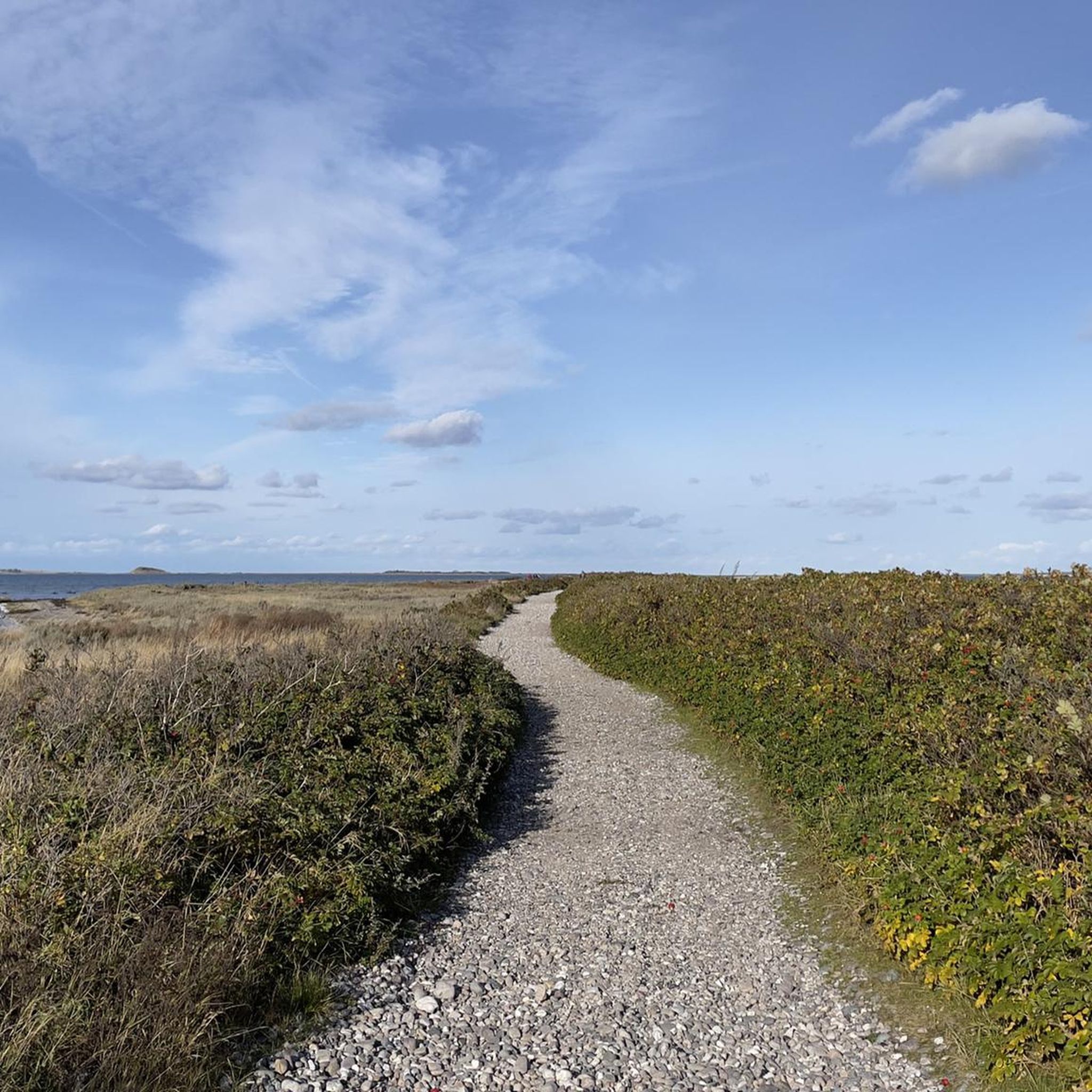
Nestled just on the edge of the island, these Bronze Age Burial Mounds near Sælvig Bay make for an interesting stop. The site is around 6,000 years old, and the view is also excellent.
1
0

Fresh water directly on the beach
0
0


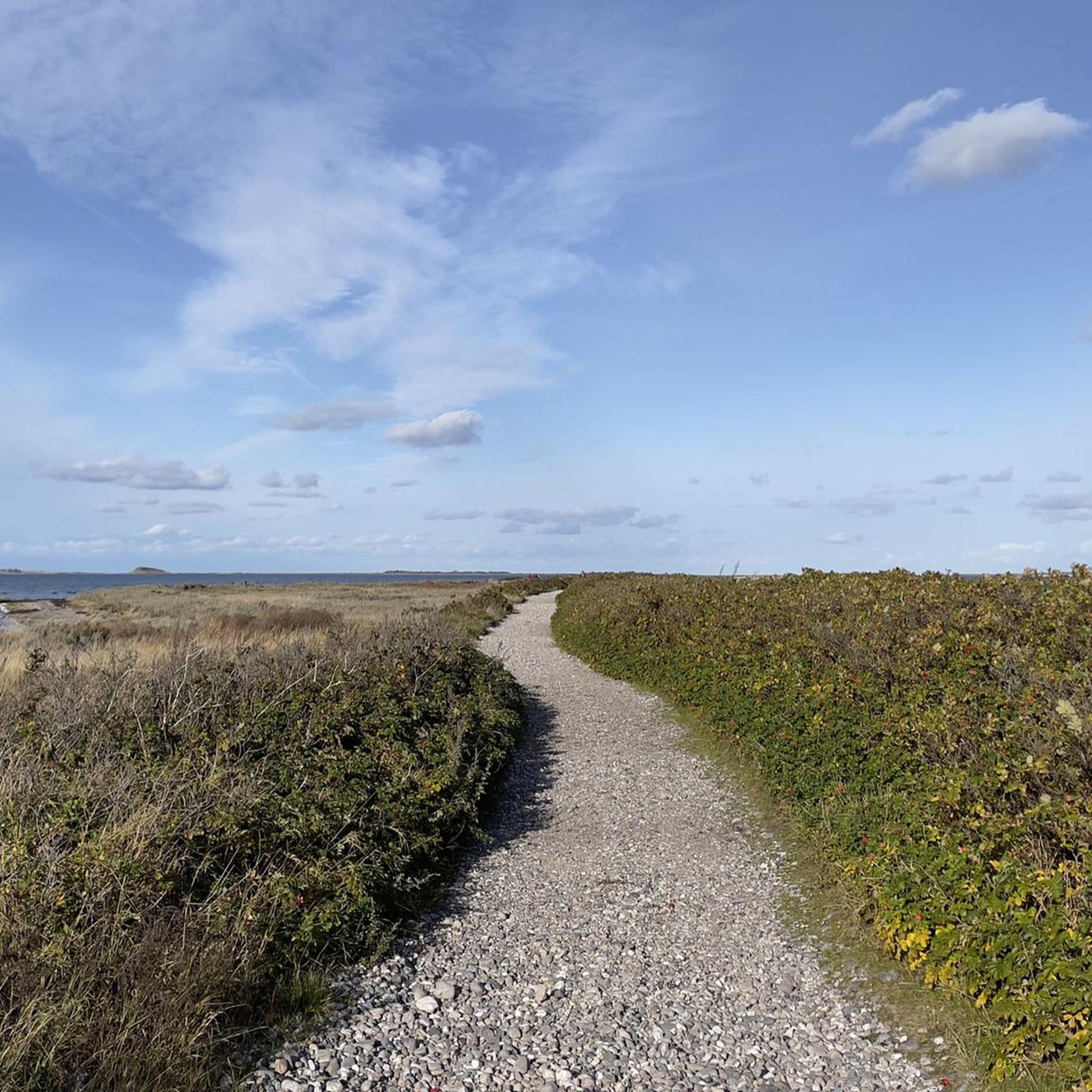
Stavns Fjord is different from other fjord landscapes. The Stavns fjord is round and the many islets give the landscape a very special character. The shallow fjord and uninhabited islands offer unique breeding and resting opportunities for shorebirds. There is food here and there is peace and quiet here. A game reserve was established in Stavns Fjord as early as the 1920s, and in 1981 rules for public transport in the area were set in a comprehensive nature reserve. Source: www.visitdenmark.dk
2
0

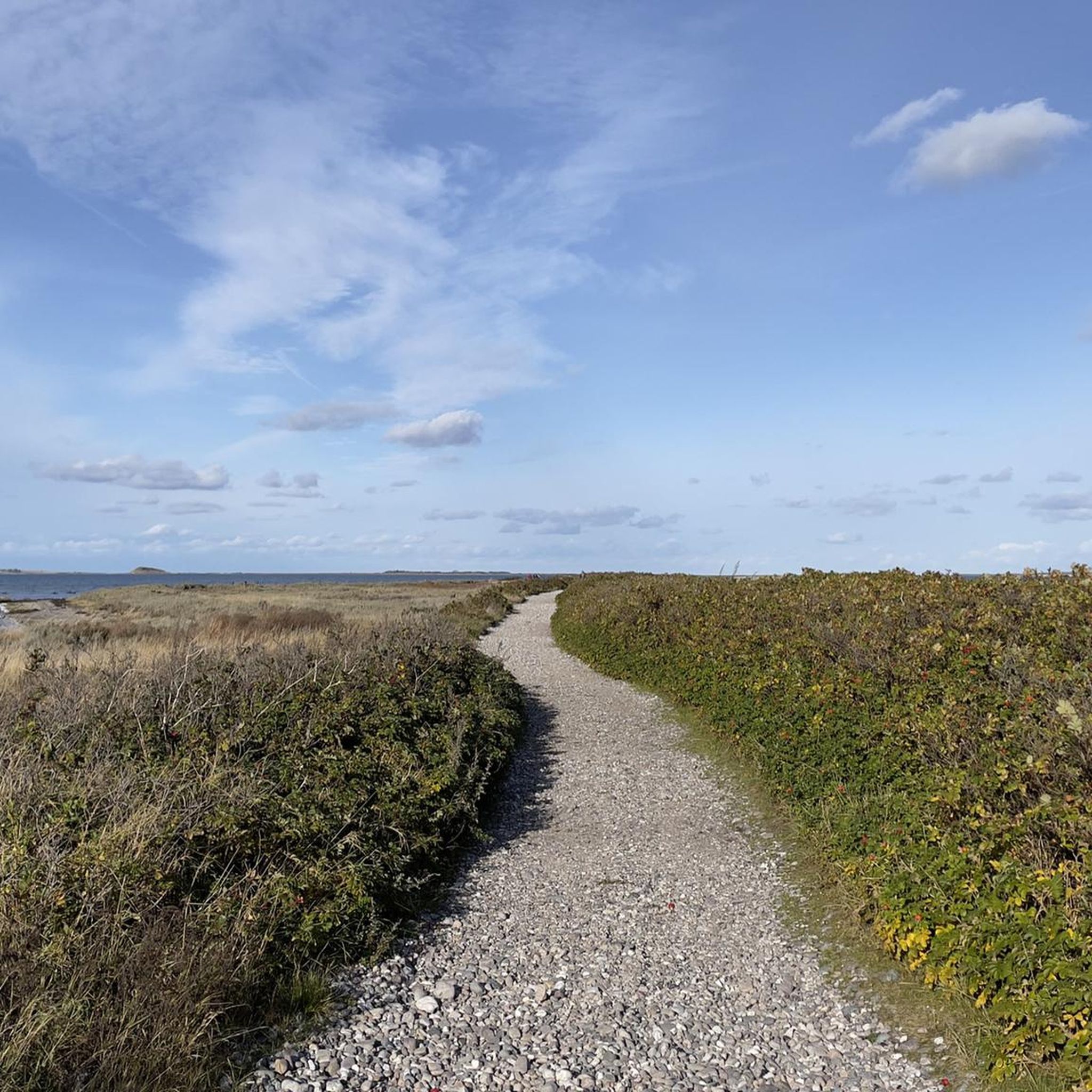
Interesting cairn located on a small hill. This offers a beautiful view of the sea and the coastline.
1
0

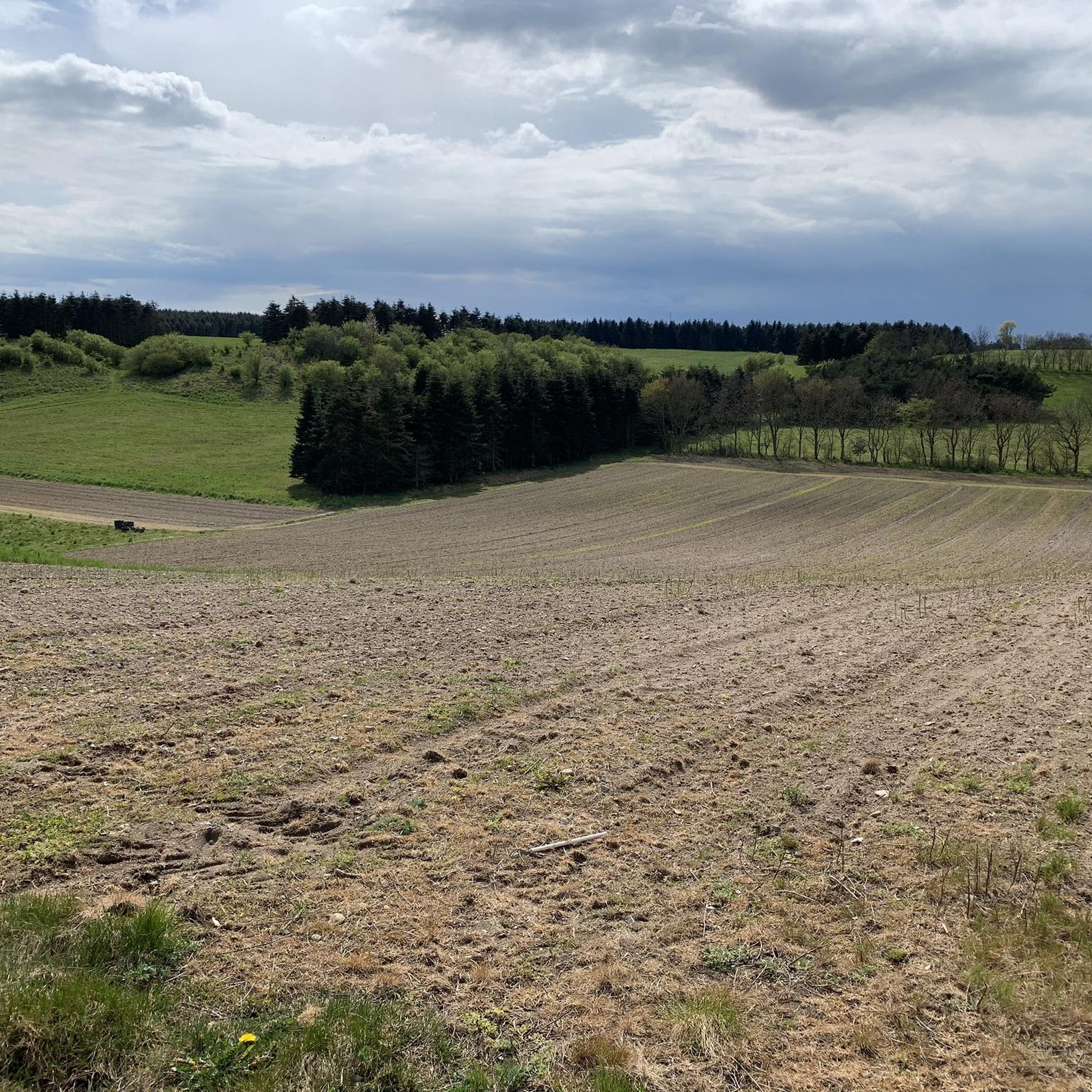
Halfway between Tranebjerg and Onsbjerg on the west side of the road the 33 meter high hill Kongehøjen is located at the top of the hill is a monumental monument in the form of a large stone with a bronze relief crowned by a laurel Frederik 7, which signed the Constitution in 1849. The monument was raised to the parishes in 1866 as a thanks to the Constitution. On the hill is also the monument to the reunification and a former chairman of the Agricultural Association. The hill is crowned with stones with names or initials at prominent joints. Unfortunately, most of the rocks on the hills were recorded by dikes around the island.
3
0
The many burial mounds in the landscape of the island are testimony that Samsø was inhabited for thousands of years by humans. These burial mounds are burial places from the early Paleolithic period about 6,000 years ago to the end of the Viking Age, when Christianity gained a foothold in Denmark. In the Paleolithic period, the tall people were often buried on a hill bordered by stones. They placed the stones in the rectangle, put the dead man in there and covered this formation with a large stone. Around these so-called chimney tombs a number of other stones were either placed in a circle or in a rectangle. The dead were brought to the grave both weapons and food, so that he was prepared to make the journey to the realm of the dead. Sometimes sacrifices were made in front of the grave. The places where you can still see traces of gangplanks and megalithic tombs, are mainly on private land in the area of the estate Brattingsborg. Along the Havvejen on the Sælvig bay is "Niels Halses Høj", a dolmen from around 3,500 BC. Chr., Which is open to the public. Oak coffins from the Bronze Age In the Bronze Age, the burial custom changed radically. The dead were put to rest in oak coffins covered with a thick layer of peat. Several of these coffins have been preserved to our times, as an Ortstein cap had formed, which preserved the moisture and prevented the rotting of the wood. "Egtvedpigen" (girl Egtved) was u.a. found in an oak coffin from the Bronze Age. The burial mounds from the Bronze Age were often built on much-used paths. Especially beautiful are the grave mounds north of the campsite Sælvigbugten.
4
0
The many burial mounds in the landscape of the island are testimony that Samsø was inhabited for thousands of years by humans. These burial mounds are burial places from the early Paleolithic period about 6,000 years ago to the end of the Viking Age, when Christianity gained a foothold in Denmark. In the Paleolithic period, the tall people were often buried on a hill bordered by stones. They placed the stones in the rectangle, put the dead man in there and covered this formation with a large stone. Around these so-called chimney tombs a number of other stones were either placed in a circle or in a rectangle. The dead were brought to the grave both weapons and food, so that he was prepared to make the journey to the realm of the dead. Sometimes sacrifices were made in front of the grave. The places where you can still see traces of gangplanks and megalithic tombs, are mainly on private land in the area of the estate Brattingsborg. Along the Havvejen on the Sælvig bay is "Niels Halses Høj", a dolmen from around 3,500 BC. Chr., Which is open to the public. Oak coffins from the Bronze Age In the Bronze Age, the burial custom changed radically. The dead were put to rest in oak coffins covered with a thick layer of peat. Several of these coffins have been preserved to our times, as an Ortstein cap had formed, which preserved the moisture and prevented the rotting of the wood. "Egtvedpigen" (girl Egtved) was u.a. found in an oak coffin from the Bronze Age. The burial mounds from the Bronze Age were often built on much-used paths. Especially beautiful are the grave mounds north of the campsite Sælvigbugten.
1
0
Frequently Asked Questions
What are the most significant natural monuments to explore in Samsø?
Samsø offers a diverse range of natural monuments. Key areas include the dramatic Nordby Bakker (Nordby Hills) in the north, featuring the island's highest point, Ballebjerg, and the distinctive Issehoved. In the center, Stavns Fjord is a large, protected fjord with numerous uninhabited islands and rich birdlife. Further south, Dyret is the highest point in the southern part of the island, offering different perspectives of the landscape.
Where can I find the best panoramic views on Samsø?
For breathtaking panoramic views, head to Ballebjerg, the highest point on Samsø at 64 meters, located within Nordby Bakker. It features a watchtower built in 1920 that enhances the viewing experience across the island and surrounding waters. Another significant elevation is Dyret, a 51-meter-tall hill south of Onsbjerg, which also provides excellent vantage points.
Are there natural monuments on Samsø with historical significance?
Yes, Samsø has several natural monuments intertwined with history. Kongehøjen Memorials on Samsø is a 33-meter-high hill featuring a monumental stone with a bronze relief commemorating Frederik VII and the Constitution. The Ilsemade Holy Spring is a historical site where fresh water flows into a hollowed-out Bronze Age oak, with legends of healing powers. Additionally, the Bronze Age Burial Mound Near Sælvig Bay and Niels Halses Høj Dolmen are ancient burial sites dating back thousands of years.
What kind of wildlife can I expect to see at Samsø's natural monuments?
Samsø's natural monuments are excellent for wildlife observation, especially birdlife. Stavns Fjord is a protected area renowned for its expansive salt marshes and beach meadows, providing unique breeding and resting opportunities for shorebirds, including one of Denmark's largest populations of breeding eiders. Seals can also be spotted in the fjord. Rævebakkerne is notable for protecting the endangered Astragalus danicus bean plant.
Are there family-friendly natural monuments or activities on Samsø?
Many of Samsø's natural monuments are family-friendly. The Nordby Bakker hills offer marked walking routes across large pastures, suitable for family hikes. Stavns Fjord is great for nature walks and activities like 'crab fishing,' often facilitated by the Samsø Nature School, which organizes public excursions. Historical sites like Kongehøjen Memorials on Samsø and the Bronze Age burial mounds also offer engaging experiences for families.
What outdoor activities can I do near Samsø's natural monuments?
Samsø offers a variety of outdoor activities near its natural monuments. You can enjoy extensive hiking in Nordby Bakker, with routes across its large pastures. Cycling is also very popular, with numerous routes traversing the island's diverse landscapes. For more adventurous cycling, there are dedicated MTB and gravel biking trails. You can find detailed routes for MTB Trails, Cycling, and Gravel Biking across Samsø.
What is the best time of year to visit Samsø's natural monuments?
The best time to visit Samsø's natural monuments is generally during spring and summer. This period allows for optimal enjoyment of the island's diverse biotopes, lush landscapes, and rich birdlife, especially at Stavns Fjord where eiders breed. The weather is also more conducive for hiking, cycling, and exploring the outdoor attractions.
Are there specific geological formations or unique landscapes to see?
Yes, Samsø's landscape is shaped by Ice Age glaciers, resulting in unique geological formations. Nordby Bakker is known for its mighty hills and large grasslands, with features like Møgelskår showcasing dramatic domed hills and deep valleys. Issehoved, the northernmost tip of Samsø, has a distinct shape resembling Skagen. Stavns Fjord itself is an almost circular fjord with numerous uninhabited islands, and Besser Rev is a 5-kilometer-long isthmus contributing to its unique ecosystem.
Can I find guided tours or educational programs related to Samsø's nature?
Yes, the Samsø Nature School, located near Stavns Fjord, organizes public excursions and events to help visitors explore the fjord's natural wonders. These often include exploring landscape formations, cultural history, and activities like 'crab fishing' or nature walks to find ingredients for schnapps. You can find more information about their offerings on the VisitSamsø website.
What makes Nordby Bakker a national landmark?
Nordby Bakker, particularly the northern tip of Samsø, is considered one of Denmark's most significant hill regions. Its status as a national landmark stems from its mighty hills, extensive grasslands, and unique geological features like Møgelskår and Issehoved, which were shaped by Ice Age glaciers. The area offers dramatic and varied terrain, making it a prime example of Denmark's natural beauty.
Are there any rare plant species protected on Samsø?
Yes, Rævebakkerne, a 14-acre area of hills north of Sælvig, is protected specifically because it is home to the endangered Astragalus danicus bean plant. This makes it a significant site for botanical enthusiasts and those interested in conservation efforts on the island.
What are the general characteristics of Samsø's natural landscape?
Samsø's natural landscape is remarkably varied, often described as a 'miniature Denmark.' It was shaped by repeated glaciations during the Ice Age, resulting in a topography of rolling hills, deep valleys, and plains. The island features numerous small biotopes, including water holes, village ponds, hedgerows, and small stands of trees, all contributing to its rich wildlife and diverse ecosystems.
Most popular attractions in Samsø

Get inspired with the komoot mobile app


Explore more
Extend your search for the best caves by checking out these guides of the top ones in Samsø:
