Top 10 Natural Monuments in Corrèze
Natural monuments in Corrèze are found within a region characterized by deep forests, waterfalls, and diverse geological formations. Part of the Massif Central, the area features volcanic rock formations, gorges, and ancient peat bogs. These natural sites offer opportunities for exploration and observation of varied landscapes. Corrèze provides a range of natural features for visitors to discover.
Best natural monuments in Corrèze
- The most popular natural monuments is View over Bort-les-Orgues, a natural monument that features unique volcanic rock…
Last updated: June 26, 2026
Puy de Pauliac Summit
Highlight • Summit
Translated by Google •
Tip by

Cascades de Gimel
Highlight (Segment) • Waterfall
Translated by Google •
Tip by

Sign up now to discover places like this
Get recommendations on the best single tracks, peaks, & plenty of other exciting outdoor places.
Sign up for free
View over Bort-les-Orgues
Highlight • Natural Monument
Translated by Google •
Tip by

View from Suc au May
Highlight • Viewpoint
Translated by Google •
Tip by

Confluence of the Dordogne and the Arpiat
Highlight • River
Translated by Google •
Tip by

Saut de la Saule Waterfall
Highlight • Waterfall
Translated by Google •
Tip by

Sainte-Magdeleine Fountain, Clédat
Highlight (Segment) • Natural Monument
Translated by Google •
Tip by
Druids' Stone
Highlight • Natural Monument
Translated by Google •
Tip by

Argentat‑sur‑Dordogne Departmental Biodiversity Reserve
Highlight • Natural
Translated by Google •
Tip by

Clédat Rock
Highlight (Segment) • Viewpoint
Translated by Google •
Tip by
Sign up for free to discover even more natural monuments in Corrèze.
Sign up for free
Already have an account?
Start today with a free account
Your next adventure awaits.
Login or Signup
Popular around Corrèze
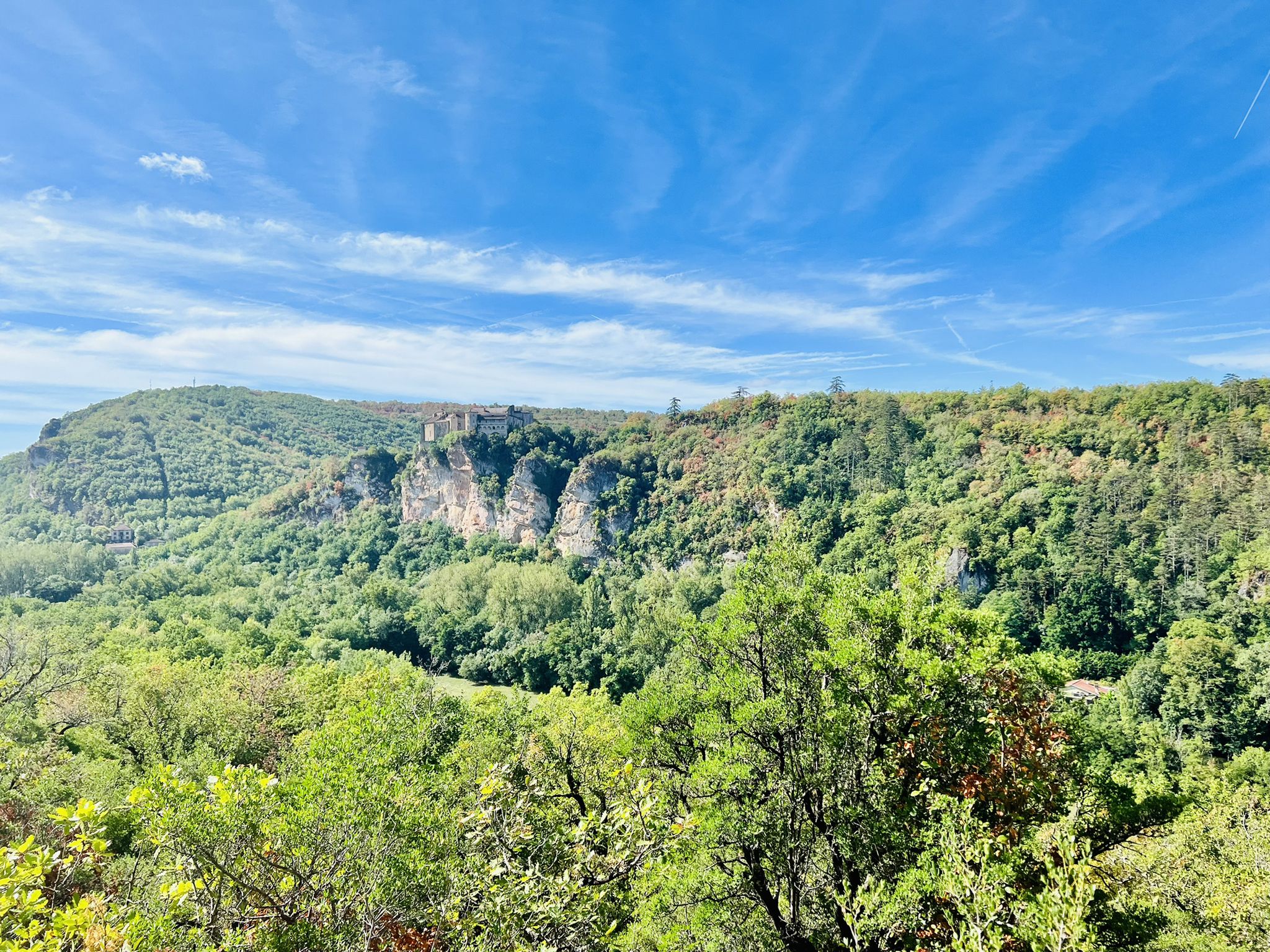
GR 46 — The Truant School
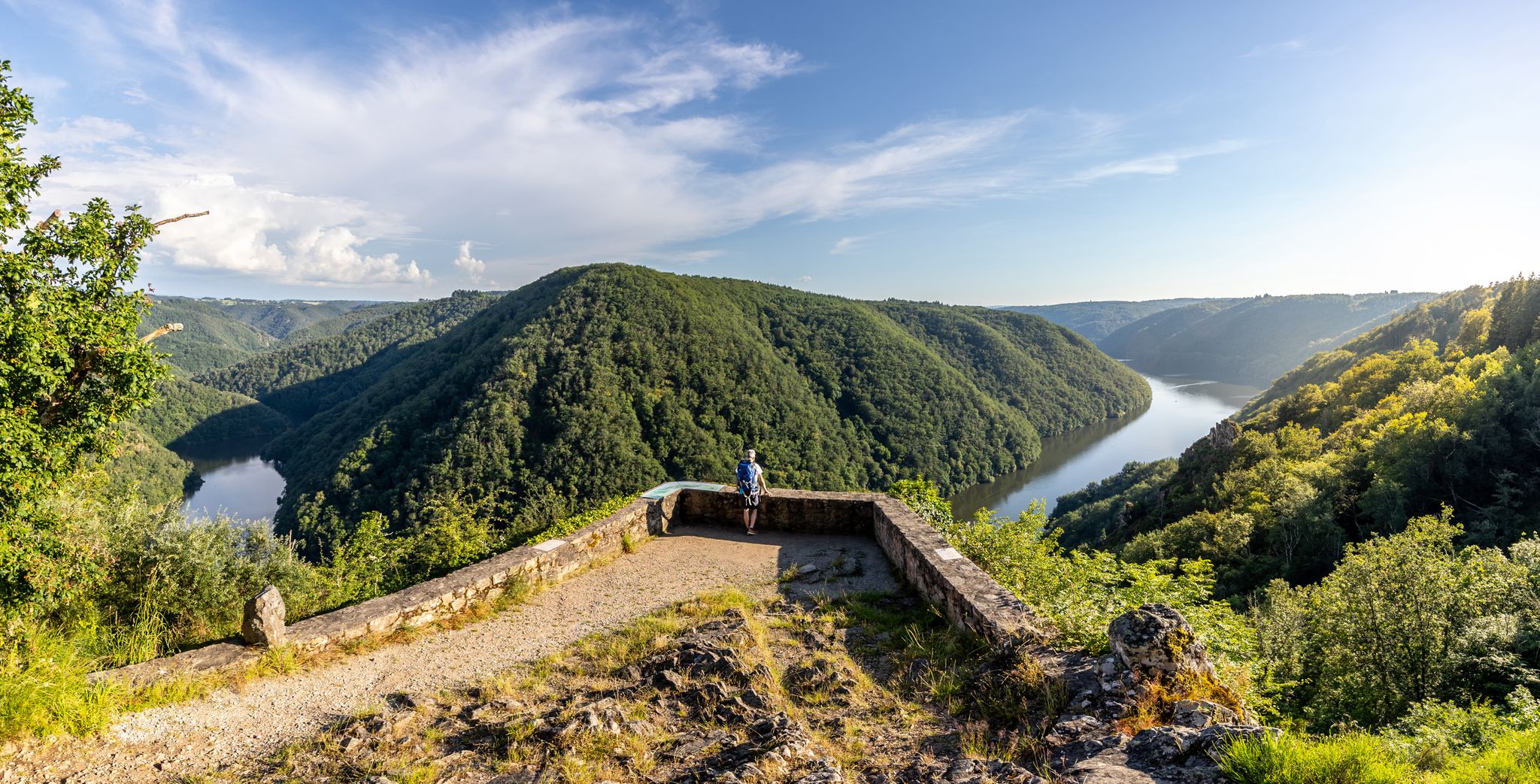
Escape and eco-mobility – hiking in Corrèze
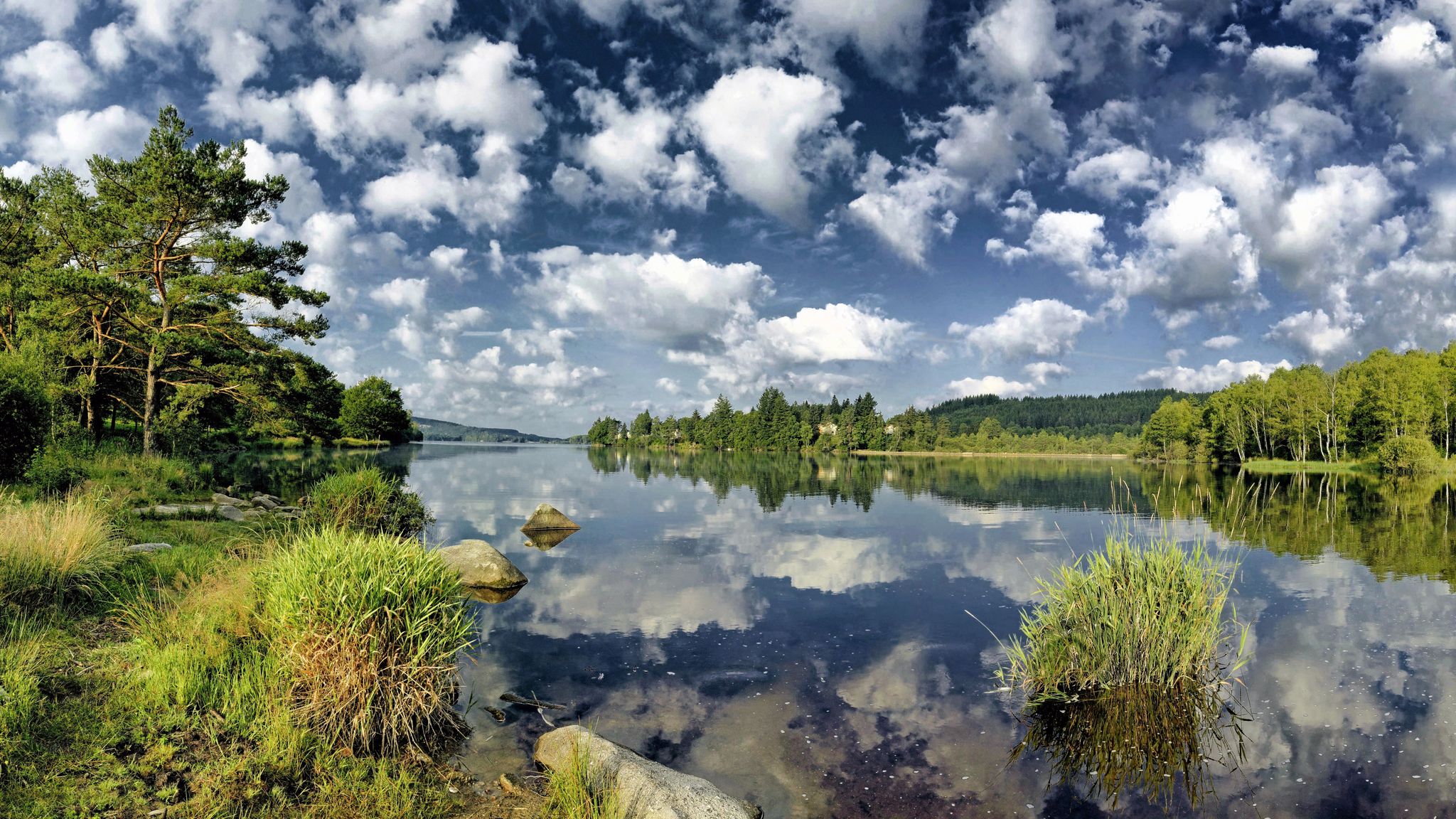
A bike Tour through the heart of France – La Vagabonde
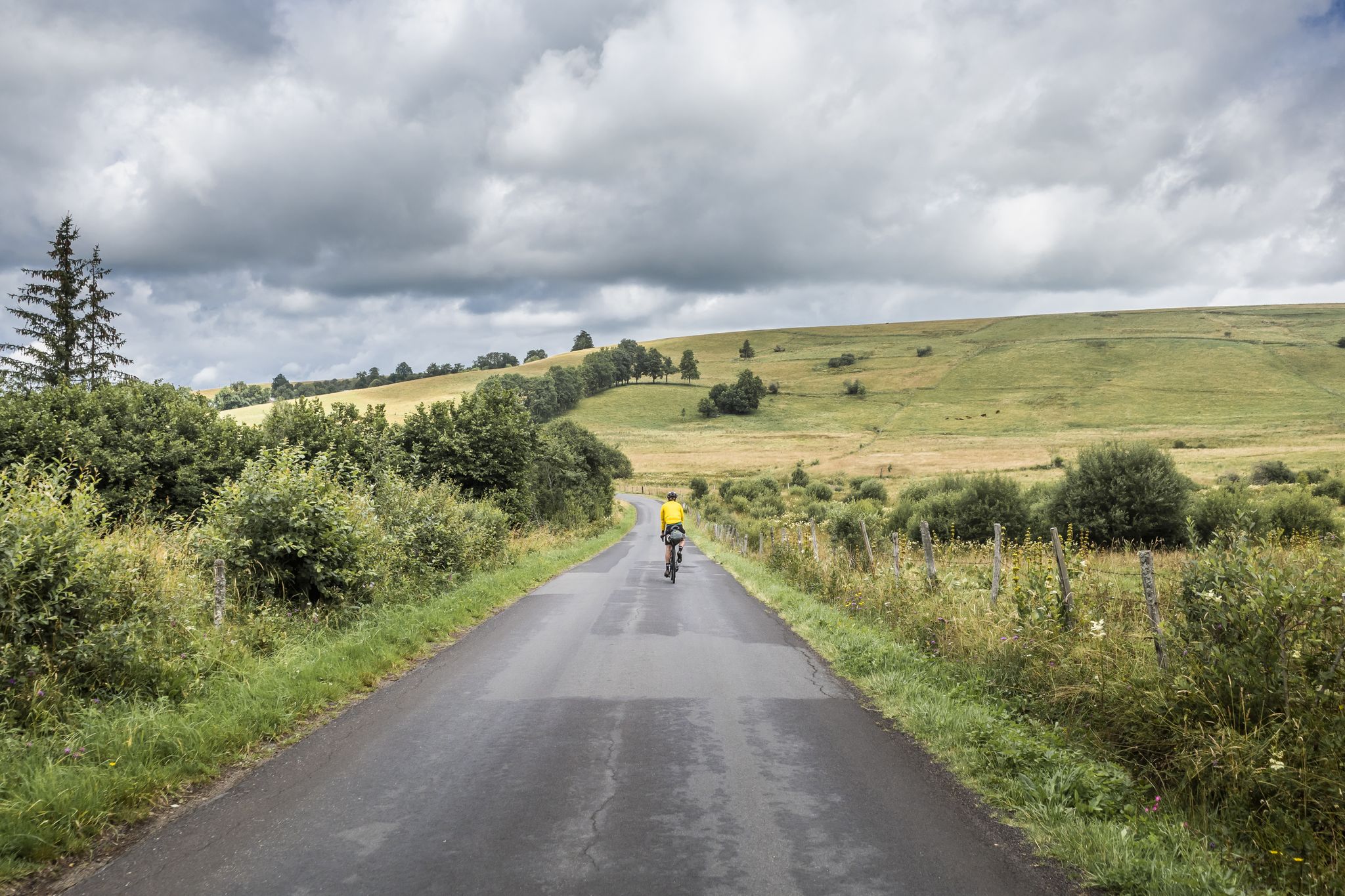
Volcanoes and cows — Le Tour des Puys in France
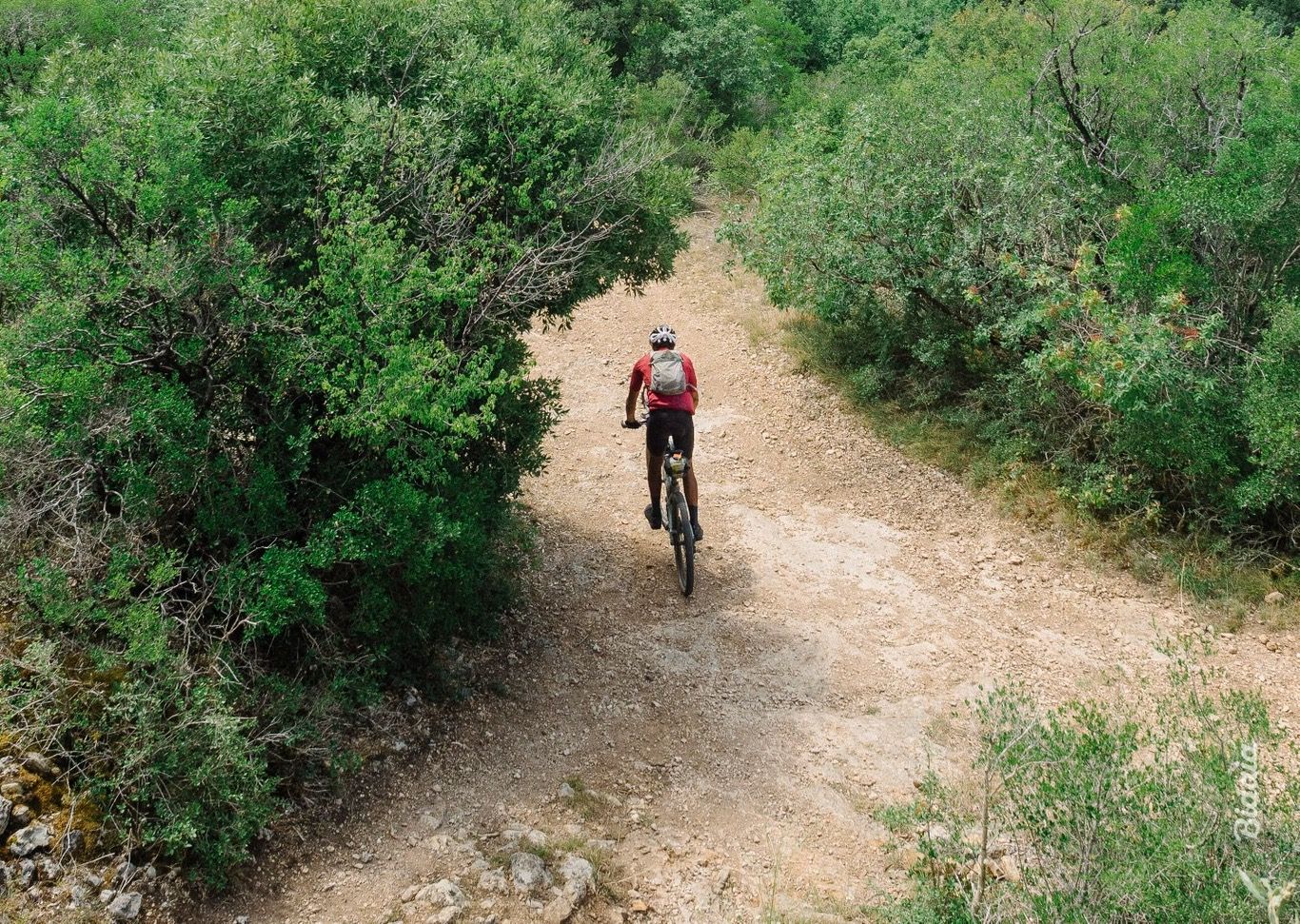
French Divide: the other Tour de France
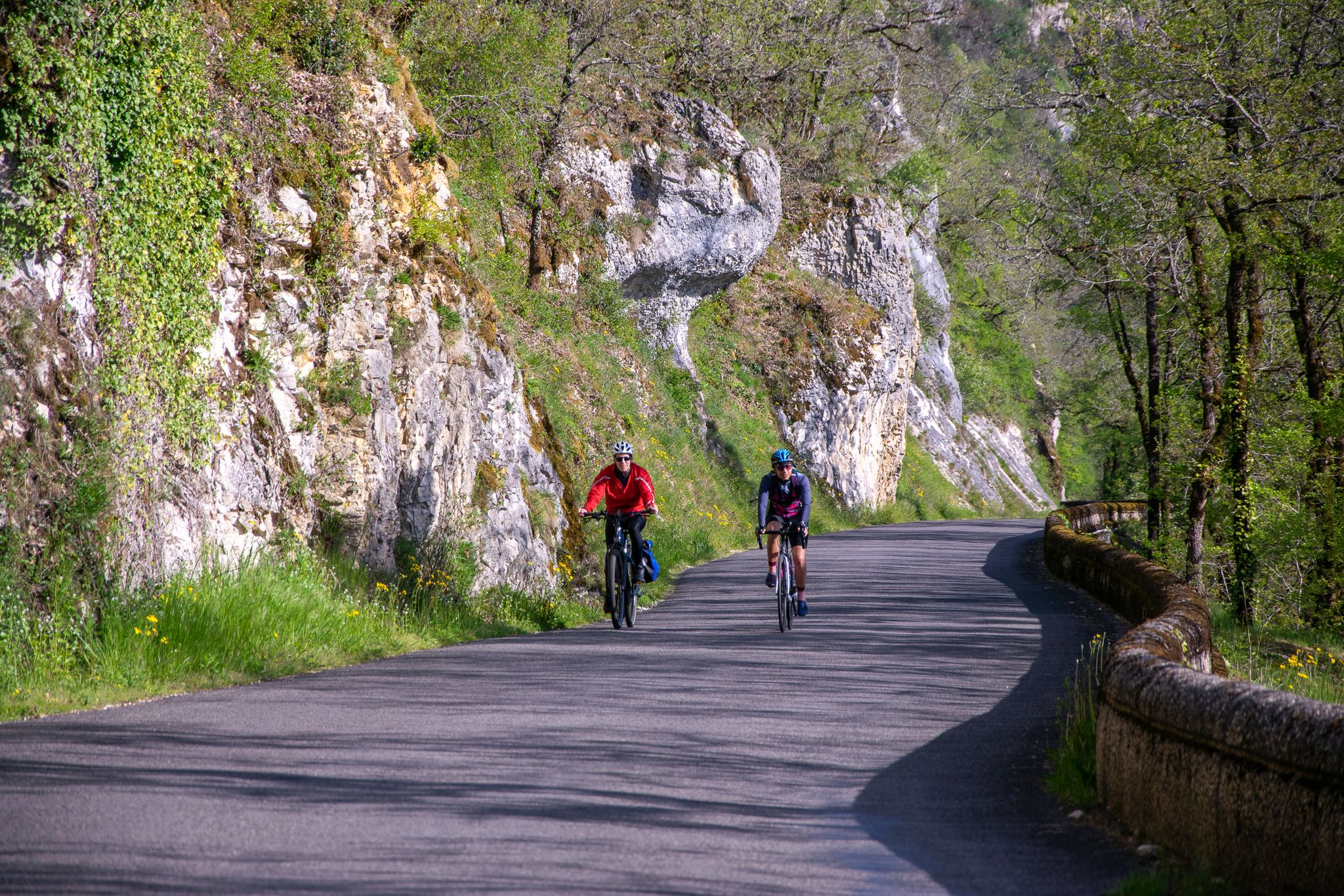
V87 "La Vagabonde" à travers le Lot
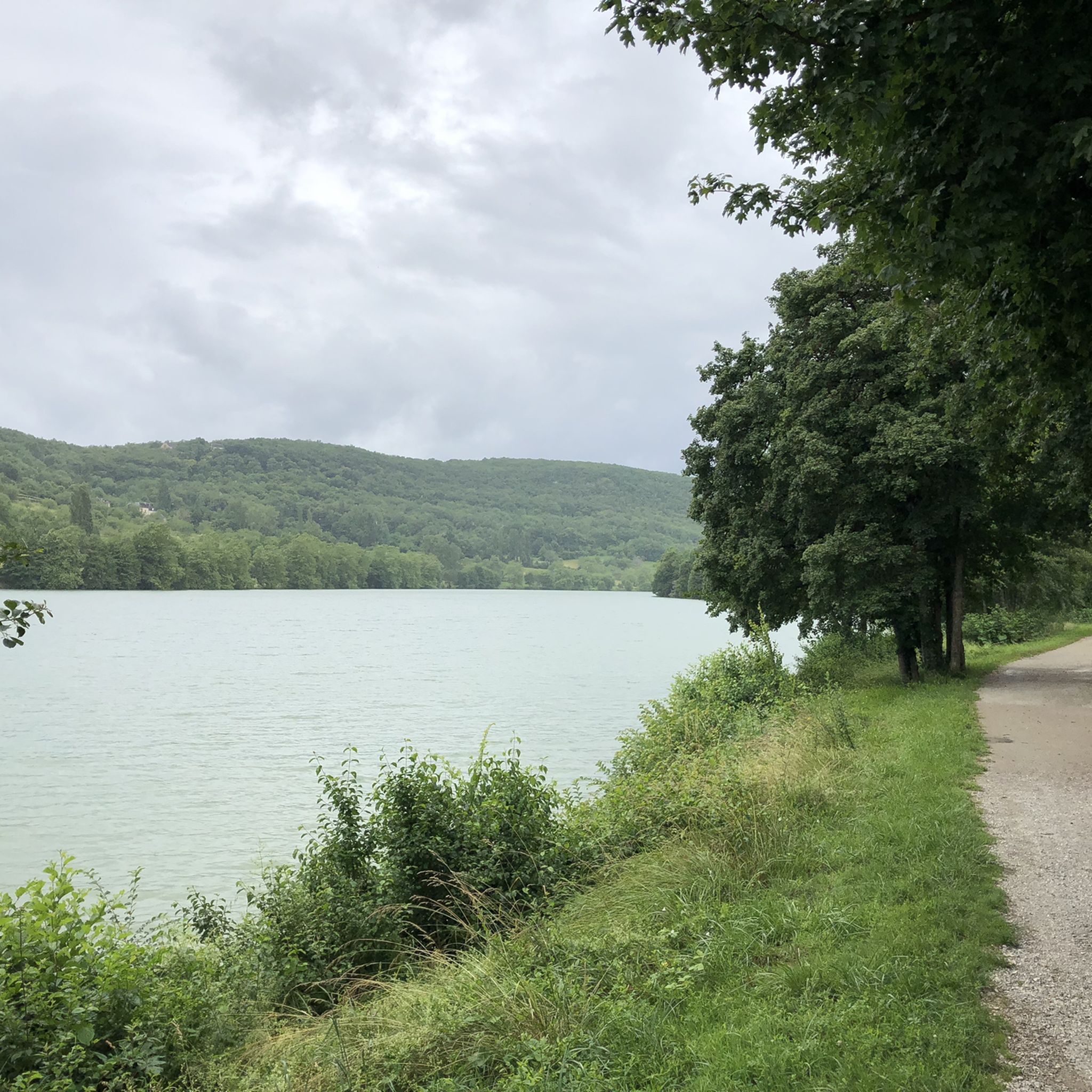
Hiking in Corrèze
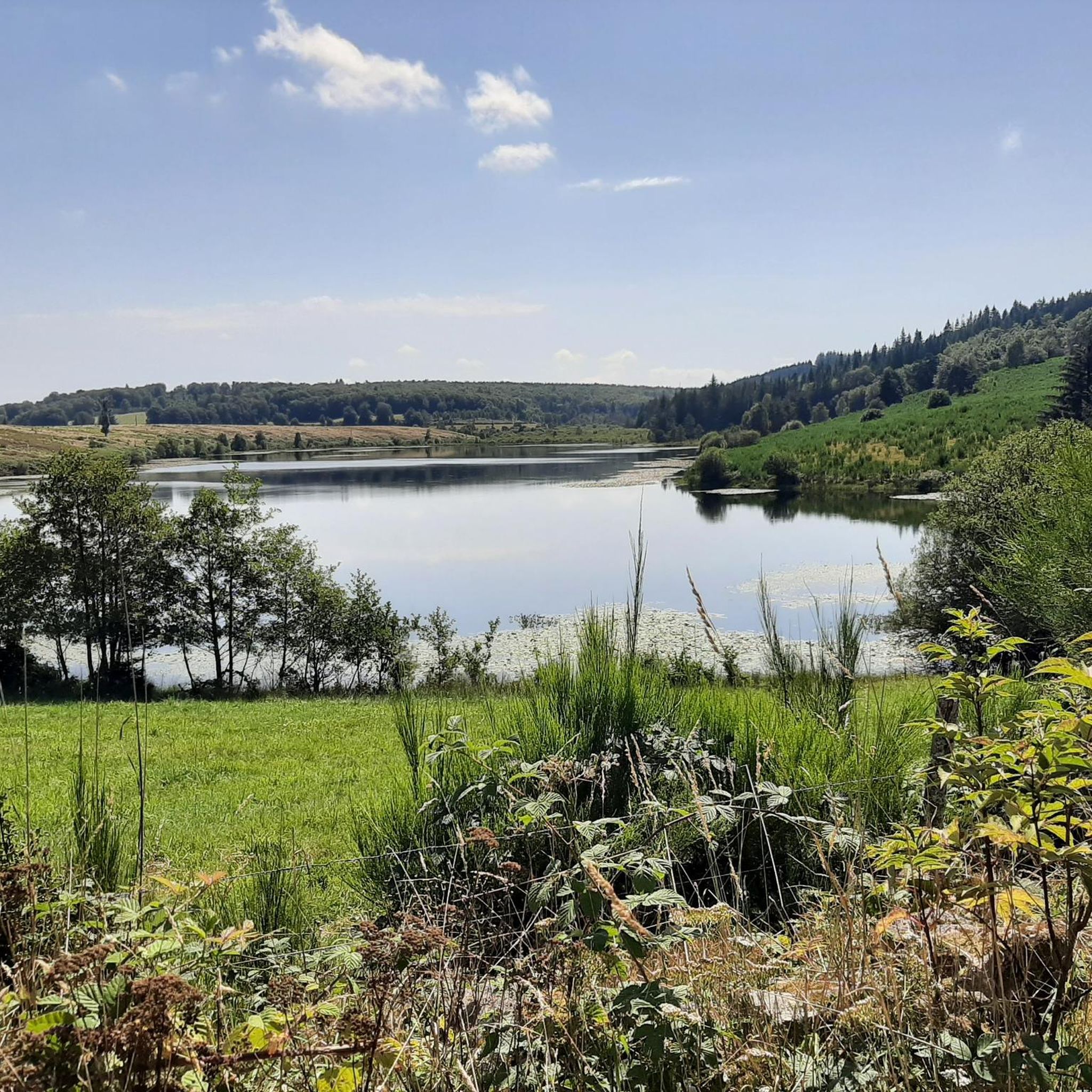
Cycling in Corrèze
Road Cycling Routes in Corrèze
Running Trails in Corrèze
Other adventures in Corrèze


Tips from the Community

Beautiful exposed rock formation, or rather arrangement, with a great view.
1
0
If you don't take the detour from the GR, you'll have to look for the trails west of the summit... but the view is great, weather permitting.
1
0

The Puy de Pauliac is one of the most popular peaks among Corrèze residents because it offers a very open panorama of the Corrèze landscapes. From here, you can perfectly see the gentle, hilly terrain composed of oaks and pines.
3
0

Why Visit Puy de Pauliac? For the panorama: Enjoy breathtaking views of Corrèze, ideal for photography and landscape enthusiasts. For hiking: Explore a preserved natural setting thanks to hiking trails suitable for all levels. For serenity: Recharge your batteries in a quiet location, away from the hustle and bustle, surrounded by nature. Puy de Pauliac is an authentic place of discovery in Corrèze, perfect for those seeking natural beauty, tranquility, and outdoor activities.
2
0
The Puy de Pauliac is a peak located in the Corrèze department, in the Nouvelle-Aquitaine region. Although less well-known than some of the region's other peaks, it offers beautiful panoramic views and a preserved natural setting, ideal for hikers and nature lovers. Points of Interest at the Puy de Pauliac: Corrèze Landscapes: The Puy de Pauliac offers an exceptional panorama of the rolling and wooded landscapes of Corrèze. On clear days, visitors can observe distant horizons and the small valleys that shape this rural region. Preserved Natural Setting: The vegetation surrounding the summit is typical of Corrèze forests, with oaks, pines, and a rich diversity of local flora. Hiking Activities: Marked Trails: The Puy de Pauliac is accessible via several hiking trails. The trails are generally well-marked, offering hikers of all levels the opportunity to explore the surrounding area in peace and quiet. Natural Discovery: In addition to the panoramic views, hikers can appreciate the region's ecological richness, observe local wildlife, and immerse themselves in nature. Place of Serenity: Spirit of Relaxation: This is a perfect place for those seeking peace and quiet away from the hustle and bustle of the city. The summit is often a peaceful place, conducive to reflection or contemplation of the surrounding nature. Heritage and Local History: A Place of Remembrance: The Puy de Pauliac can also be linked to certain local histories, particularly those related to the Resistance or the history of Corrèze, although it is less well-known than other historical sites in the region.
2
0

The municipality of Bort-les-Orgues has around 2500 inhabitants and is located in the Dordogne valley. Bort is the name of a ford with a steep slope. The name les Orgues (the organ pipes) is given by a striking rock formation above the town.[
1
0


An emblematic site in Corrèze, ranked among the most beautiful waterfalls in France. Including Le Grand Saut, La Redole and La Queue de Cheval. Knowing the site for years, I use a personal route that allows you to see the first from an angle that few observe. The following is a shortcut reserved for initiates, who must tread the bramble under foot and descend on the rockery hidden under the ivy, to join the traditional circuit at the foot of the Redole. The rest is no less magnificent on the tourist route. https://fr.wikipedia.org/wiki/Cascades_de_Gimel
1
0
Frequently Asked Questions
What are the most popular natural monuments to visit in Corrèze?
Among the most popular natural monuments in Corrèze, visitors frequently highlight the unique volcanic rock formations of View over Bort-les-Orgues, which gave the town its name. The spectacular Cascades de Gimel, with its three impressive cascades including Le Grand Saut and La Queue de Cheval, is also a must-see. Another favorite is the Murel Waterfalls, nestled in wooded gorges near Albussac.
Are there any natural monuments in Corrèze suitable for families with children?
Yes, Corrèze offers several family-friendly natural monuments. The Argentat‑sur‑Dordogne Departmental Biodiversity Reserve is a great option, providing a natural setting suitable for all ages. Waterfalls like the Cascades de Gimel and Murel Waterfalls also have developed trails that make them accessible for family outings, allowing children to enjoy the natural beauty safely.
What kind of unique geological features can I explore in Corrèze?
Corrèze is rich in unique geological formations. The most striking are the Orgues of Bort-les-Orgues, which are volcanic rock formations resembling giant organ pipes. The region also features deep gorges carved by rivers like the Dordogne, offering dramatic landscapes and panoramic viewpoints. Additionally, ancient peat bogs such as the Longeyroux Peat Bog on the Plateau de Millevaches showcase unique ecosystems.
What outdoor activities can I do near the natural monuments in Corrèze?
Near the natural monuments in Corrèze, you can enjoy a variety of outdoor activities. Hiking is very popular, with numerous trails available. For example, you can find routes like the 'Tour of lac de Causse' or the 'Canal des Moines and Puy de Pauliac Loop' in the Hiking in Corrèze guide. The Dordogne Gorges are excellent for canoeing, kayaking, paddle trips, and boat excursions. The Millevaches Regional Natural Park also offers extensive trails for hiking and cycling.
Are there specific hiking trails to explore the waterfalls in Corrèze?
Yes, Corrèze is known for its beautiful waterfalls and dedicated hiking trails. You can find routes like 'The waterfalls path' or the 'Cascade – Prade Waterfall loop from Albussac' in the Waterfall hikes in Corrèze guide. These trails allow you to experience the Cascades de Gimel, Murel Waterfalls, and other cascades like the Saut de la Saule Waterfall up close.
Where can I find panoramic views of the Corrèze landscape?
For breathtaking panoramic views, consider visiting the Puy de Pauliac Summit, which offers an open panorama of the gentle, hilly terrain composed of oaks and pines. The Druids' Stone also provides a great viewpoint. Additionally, the Dordogne Gorges, particularly around Argentat-sur-Dordogne, feature several belvederes like the Belvédère des Grégeolles, offering stunning vistas of the river valley.
What is the best time of year to visit the natural monuments in Corrèze?
The best time to visit the natural monuments in Corrèze is generally during spring, summer, and early autumn. Spring brings lush greenery and full-flowing waterfalls, while summer offers pleasant weather for hiking and water activities in the Dordogne. Autumn provides beautiful fall foliage, especially in the forested areas. Winter can be picturesque, but some trails might be less accessible, and waterfalls may have reduced flow or be partially frozen.
Are there any hidden gems or lesser-known natural monuments worth exploring?
Beyond the well-known sites, Corrèze holds several lesser-known natural treasures. The Tine Waterfall, nestled within a forest, offers a serene experience. The Confluence of the Dordogne and the Arpiat provides a unique natural spectacle where two rivers meet. The Gouffre de la Fage, an underground cave system, also offers a glimpse into Corrèze's subterranean natural wonders.
What kind of natural diversity can I expect to see in Corrèze?
Corrèze boasts exceptional natural diversity. You can expect to see deep forests, spectacular waterfalls, ancient peat bogs, wild gorges carved by rivers like the Dordogne, and unique volcanic rock formations. The region is also home to the Millevaches Regional Natural Park, a Natura 2000 site characterized by its moors, streams, and diverse flora and fauna, often referred to as 'a thousand springs'.
Are there any historical or cultural sites integrated with the natural monuments?
While primarily focused on natural beauty, some sites in Corrèze have historical connections. The Sainte-Magdeleine Fountain in Clédat is a natural monument with historical significance. The area around the Saut de la Saule Waterfall was once used for the silkworm industry, adding a historical layer to the natural canyon. The Druids' Stone also evokes ancient cultural practices.
What are the typical terrain and difficulty levels for exploring natural monuments in Corrèze?
The terrain around Corrèze's natural monuments varies. Many sites, especially waterfalls like Cascades de Gimel, have developed trails that are generally of intermediate difficulty, involving some ascents and descents. Summits like Puy de Pauliac Summit offer moderate hikes with rewarding views. The Dordogne Gorges can involve more rugged paths for advanced hikers, while peat bogs like Longeyroux offer easier, flatter trails. It's advisable to check specific route details for difficulty before visiting.
Most popular routes in Corrèze
Most popular attractions in Corrèze

Get inspired with the komoot mobile app


Didn’t find what you were looking for?
Find even more amazing natural monuments in Corrèze by checking out the top Highlights region by region:
Explore more
Extend your search for the best caves by checking out these guides of the top ones in Corrèze:
