Top 20 Natural Monuments in Somme
Natural monuments in Somme showcase a diverse landscape, particularly along its coast and within its wetlands. This French department features a variety of natural landforms, including extensive estuaries, chalk cliffs, and marshlands. These areas are recognized for their rich biodiversity and unique geological features. The region offers varied ecosystems for exploration, from coastal environments to inland wetlands.
Best natural monuments in Somme
- The most popular natural monuments is La Cise Cliff, a natural_monument composed of chalk from the Upper…
Last updated: June 26, 2026
Ault Chalk Cliffs
Highlight • Natural Monument
Translated by Google •
Tip by

Cape Hornu
Highlight • Beach
The name Cap Hornu comes from the Picard word “hornu”, which means “horned” …
Tip by
Sign up now to discover places like this
Get recommendations on the best single tracks, peaks, & plenty of other exciting outdoor places.
Sign up for free
La Cise Cliff
Highlight • Natural Monument
Translated by Google •
Tip by

Bois de Cise
Highlight • Forest
Translated by Google •
Tip by

Cliffs of Ault
Highlight • Natural Monument
Even if the city has lost its splendor, the site is impressive, because to the north, the plain of …
Translated by Google •
Tip by

Baie de Somme
Highlight • Beach
Translated by Google •
Tip by

Baie d'Authie
Highlight • Beach
Showing Translation
Tip by

Valloires Abbey and Gardens
Highlight • Natural Monument
Translated by Google •
Tip by

Saint-Ladre Pond Nature Reserve
Highlight • Natural Monument
Translated by Google •
Tip by

Lochnagar Crater
Highlight • Monument
Translated by Google •
Tip by
Sign up for free to discover even more natural monuments in Somme.
Sign up for free
Already have an account?
Start today with a free account
Your next adventure awaits.
Login or Signup
Popular around Somme
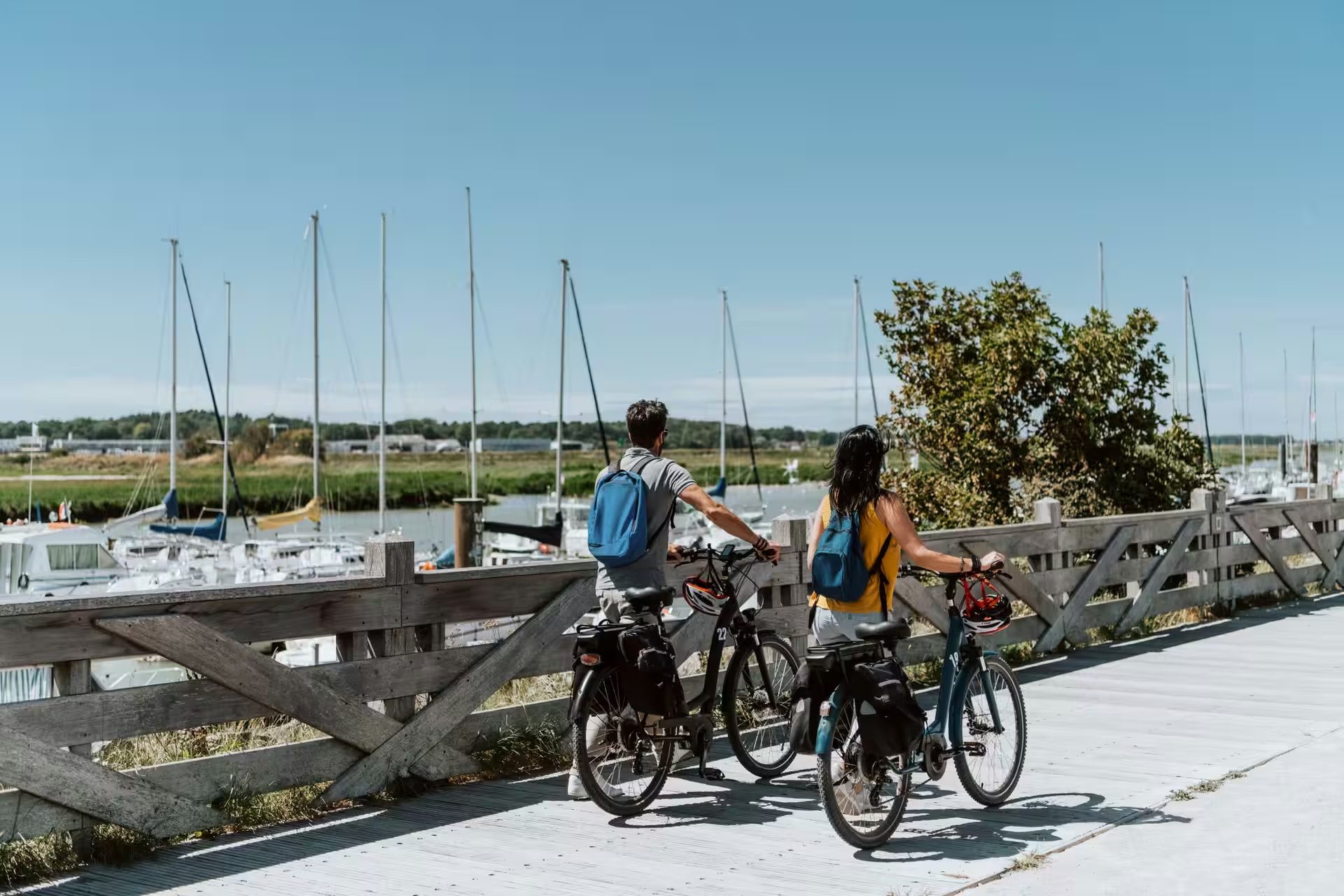
Routes in Hauts-de-France for cycling enthusiasts
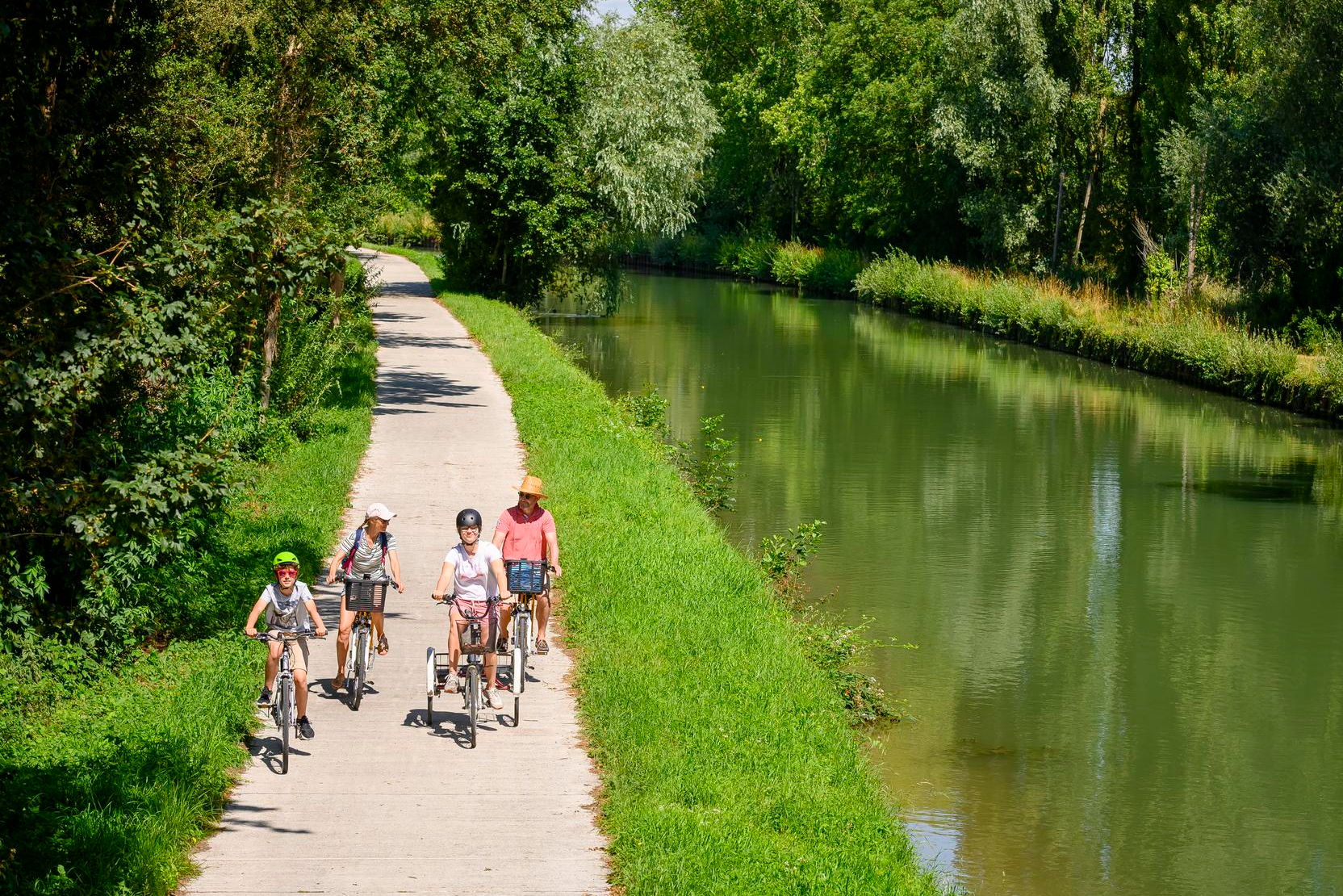
Cycling routes in Hauts-de-France for beginners and families
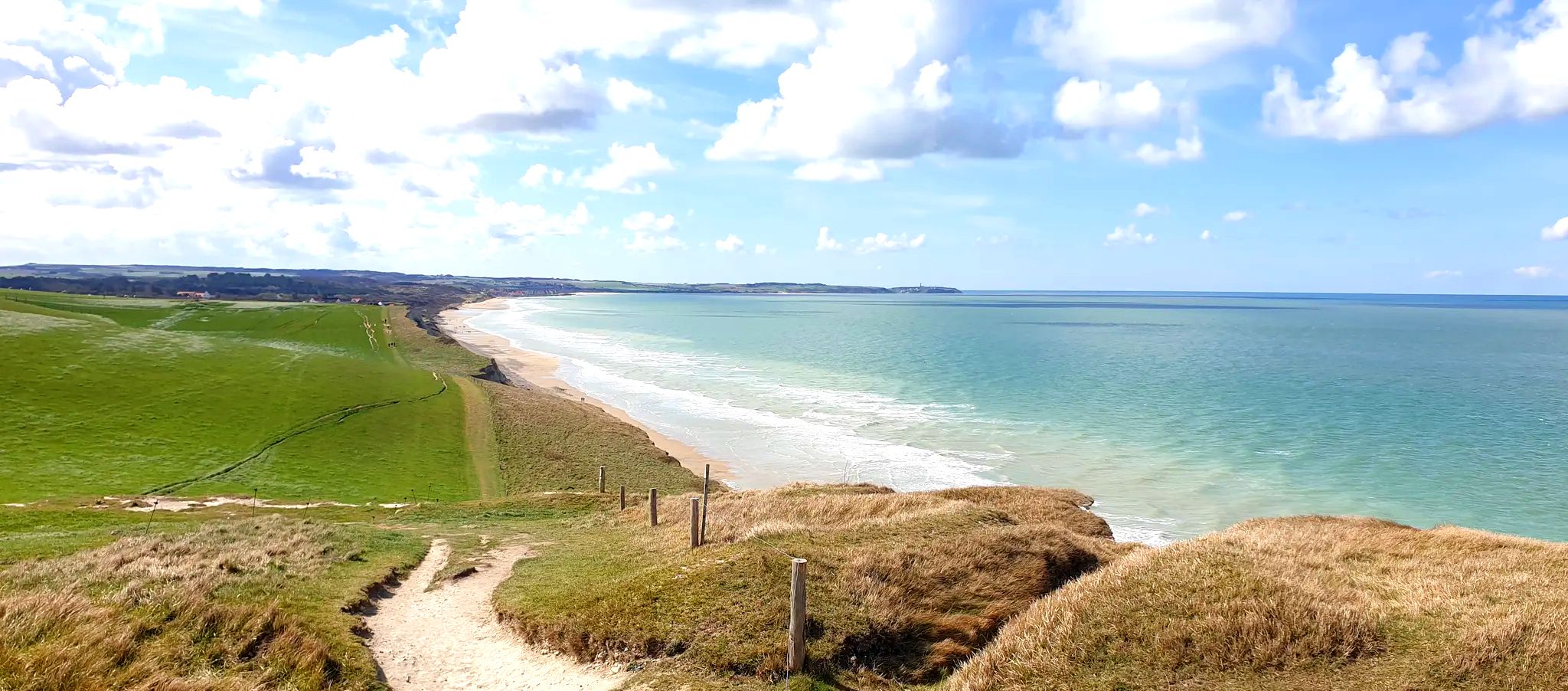
Journey from Flanders to the Somme – GR 120 coastal path
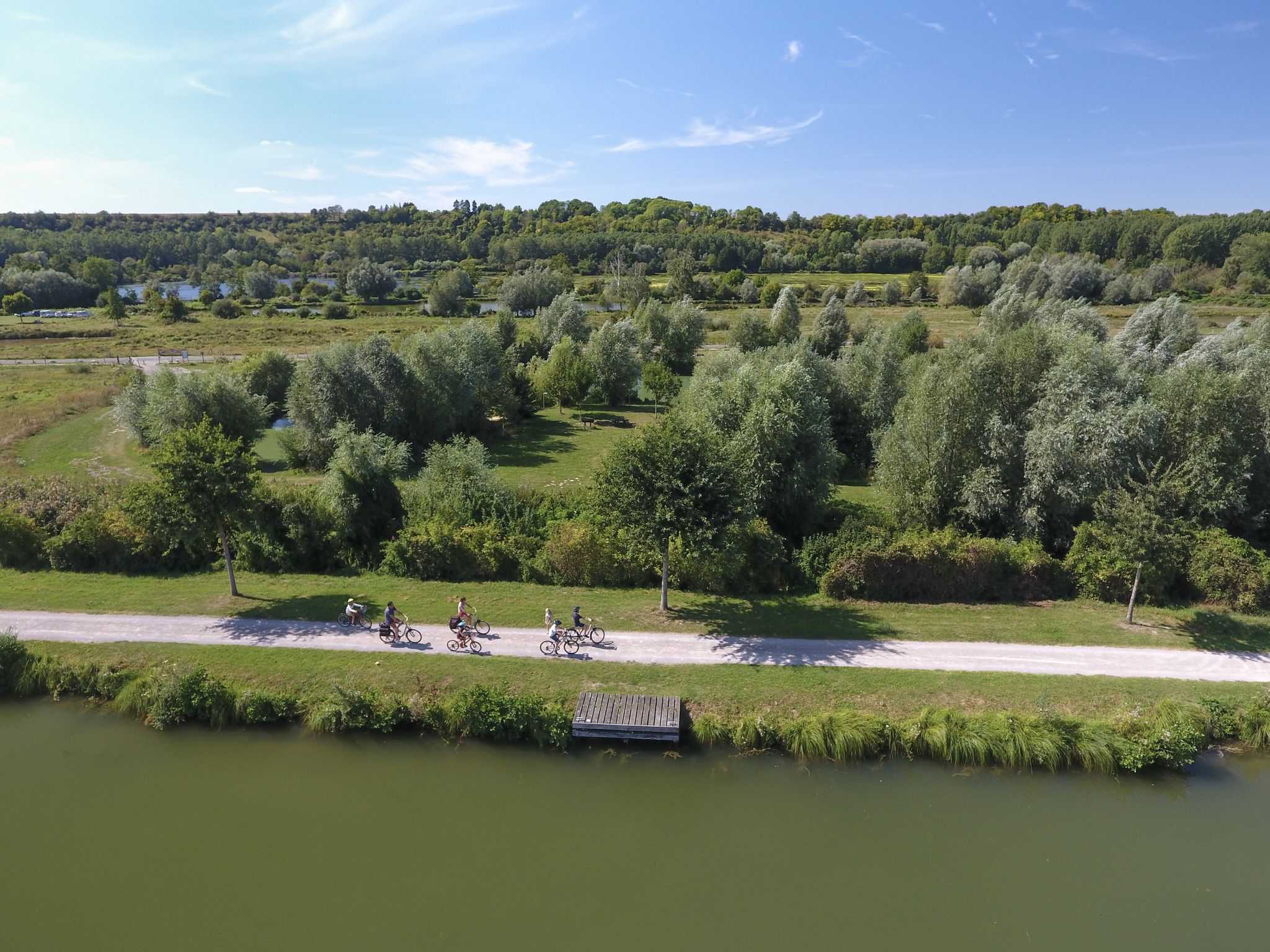
Along the river — La Véloroute Vallée de Somme V30
Five days cycling along the Opal Coast in Pas-de-Calais – La Vélomaritim
Riding the long river of Picardy — the Somme Valley Cycle Route
From pink granite to the Opal Coast — cycle France’s la Vélomaritime
Hiking in Somme
Cycling in Somme
Running Trails in Somme
Other adventures in Somme


Tips from the Community


Site managed by the Conservatoire d'Espaces Naturels des Hauts de France (Hauts-de-France Regional Nature Reserve). A wide, stabilized gravel path, open to the public, is maintained and marked with signposts. Since 2012, an audio guide has allowed you to explore the nature reserve with a "virtual guide." QR codes placed along the path allow you to play the audio clips using your smartphone. This audio guide is available in three languages (French, English, and Dutch). https://www.cen-hautsdefrance.org/rnn-l-etang-saint-ladre
0
0
A very worthwhile abbey, well worth a visit.
0
0

The Cratère de Lochnagar, an impressive war memorial, was created by a huge mine blown up by the British Royal Engineers on 1 July 1916, as part of the Battle of the Somme. The explosion marked the beginning of the battle and left a crater 90 metres in diameter and 25 metres deep. Interestingly, the crater was named after Lochnagar Street, the trench from which the tunnel was dug. The crater is now a preserved site of remembrance and a religious service is held there every year on 1 July in memory of those who died.
8
0

The cliffs are made of chalk and are impressive to look at.
3
0
Here in Ault begin the chalk cliffs, which stretch all the way to Normandy and repeatedly appear as enormous cliffs.
4
0
The bay of summer, on our trip it was low tide.
6
0
Frequently Asked Questions
What are the most popular natural monuments in Somme for hiking?
For scenic and exhilarating hikes, La Cise Cliff offers stunning white chalk cliffs overlooking the sea. Be aware that some passages are very steep due to erosion. Another impressive area is the Ault Chalk Cliffs, marking the beginning of the chalk cliff formations that extend towards Normandy.
Are there family-friendly natural monuments in Somme?
Yes, several natural monuments are suitable for families. Baie de Somme is a great option, offering vast open spaces and opportunities for wildlife spotting. The Saint-Ladre Pond Nature Reserve is also family-friendly and even wheelchair accessible, providing a peaceful environment to explore lakes and forests.
What unique natural features can I observe in Somme?
The Somme region is rich in diverse natural features. You can explore the extensive estuary of the Baie de Somme with its dynamic landscapes of chalk cliffs, sand, pebbles, dunes, and marshes. The Authie Bay, for instance, is a vast marine swamp with remarkable flora and fauna, including a seal colony. The Marais de Long (Long Marshes) are notable for their peat extraction history, creating shallow water bodies and supporting unique wetland flora and fauna.
Where can I see wildlife, especially birds and seals?
The Baie de Somme is an exceptional area for wildlife. It's a major migratory route for over 300 bird species, with numerous observation posts. You can also witness France's largest colony of marine calf seals, particularly around Pointe du Hourdel at low tide. The Hâble d'Ault is another renowned bird sanctuary, recording over 270 species of migratory birds, making it ideal for ornithologists.
What are the geological highlights of the Somme region?
The Somme region is characterized by its impressive chalk cliffs. The cliffs around La Cise Cliff and Ault Chalk Cliffs are composed of chalk from the Upper Cretaceous period, strewn with flint nodules. These geological formations mark the beginning of the Normandy Alabaster Coast and offer insights into the region's ancient past.
Are there any historical sites near the natural monuments?
Yes, the area around Cape Hornu near Saint-Valery-sur-Somme offers a blend of nature and history. Saint-Valery-sur-Somme itself is a medieval town with ancient ramparts and a rich past, including connections to William the Conqueror and Joan of Arc. You can follow paths along the coast, passing by the Chapelle des Marins, a small chapel dedicated to sailors.
What outdoor activities can I do near these natural monuments?
The Somme region offers various outdoor activities. You can enjoy gravel biking or cycling on routes like the 'Saint-Valery-Sur-Somme via the pointe de Houdel' loop or 'The cliffs of Ault' loop. For mountain biking, explore trails such as the 'Somme Bay – Saint-Valery-sur-Somme loop'. Find more details on these activities in the Gravel biking in Somme, Cycling in Somme, and MTB Trails in Somme guides.
What is the best time to visit the natural monuments in Somme?
The Baie de Somme is particularly appealing for birdwatching during migratory seasons (spring and autumn). For seal spotting, low tide is ideal, especially around Pointe du Hourdel. Generally, spring and summer offer pleasant weather for exploring the diverse landscapes, while autumn provides unique light and colors, especially in wetland areas like the Marais de Long.
Are there any protected natural areas in Somme?
Yes, the Somme department is home to significant protected areas. The Baie de Somme is internationally recognized for its wetlands and is covered by the Parc Naturel Régional Baie de Somme Picardie Maritime. The Hâble d'Ault is part of the Natura 2000 network and a Ramsar site, indicating its importance for wetland conservation. The Marais de Long is also a protected area and a designated Ramsar site, showcasing diverse habitats.
What do visitors enjoy most about the natural monuments in Somme?
Visitors frequently appreciate the stunning panoramic views, especially from viewpoints like Cape Hornu. The diverse landscapes, from the chalk cliffs of Ault to the vast marine swamps of Authie Bay, are highly valued. The opportunity for wildlife observation, particularly the seal colony and numerous bird species, is also a major draw. Many find the blend of natural beauty and historical context, such as around Saint-Valery-sur-Somme, to be a unique experience.
Is public transport available to reach natural monuments in Somme?
While specific public transport details for each monument can vary, the Trans'80 bus network serves various locations within the Somme department, including parts of the Baie de Somme. For detailed information on routes and schedules to specific natural monuments, it is advisable to consult local tourist information or the Trans'80 website.
Most popular routes in Somme
Most popular attractions in Somme

Get inspired with the komoot mobile app


Explore more
Extend your search for the best caves by checking out these guides of the top ones in Somme:
