Top 12 Natural Monuments in Morbihan
Natural monuments in Morbihan showcase a diverse landscape, from coastal areas to inland forests. This department in Brittany, France, features a rich natural heritage, including the Gulf of Morbihan Regional Natural Park. The region is characterized by its numerous islands, rugged coastlines, and significant geological formations. Visitors can explore a variety of ecosystems and historical sites integrated into the natural environment.
Best natural monuments in Morbihan
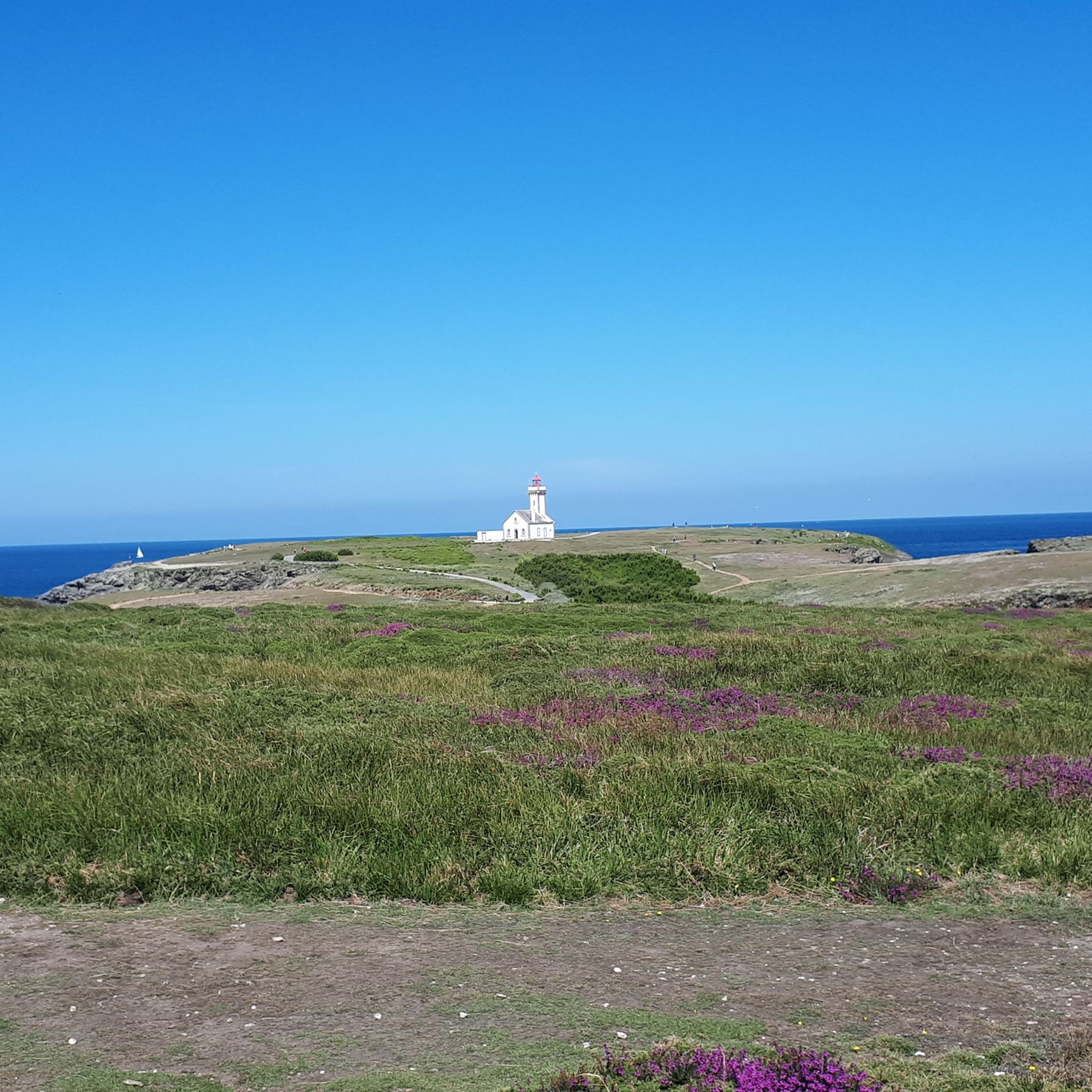
- The most popular natural monuments is Poulains Lighthouse, a natural monument located on…
Last updated: August 20, 2026
Poulains Lighthouse
Highlight • Monument
Translated by Google •
Tip by

Pointe de Brouel
Highlight • Viewpoint
This similarity in name with the nearby Pointe de Brouel on Île aux Moines originated four thousand …
Translated by Google •
Tip by

Sign up now to discover places like this
Get recommendations on the best single tracks, peaks, & plenty of other exciting outdoor places.
Sign up for free
Kergonan Stone Circle
Highlight • Historical Site
Translated by Google •
Tip by

L'Apothicairerie Cliffs
Highlight • Natural Monument
Translated by Google •
Tip by

Panorama from Pouldon
Highlight • Viewpoint
Translated by Google •
Tip by
Port Maria Cove
Highlight • Beach
Translated by Google •
Tip by

The face of the sleeping woman in the rock
Highlight • Natural Monument
Translated by Google •
Tip by

Rock arch near Kerbéllec
Highlight • Natural Monument
Rock arches are fascinating and silent witnesses to the primal power of erosion.
Translated by Google •
Tip by
Mini Dolmen, Kerno
Highlight • Historical Site
Translated by Google •
Tip by

Trou de l'Enfer Cliffs
Highlight • Climb
Translated by Google •
Tip by

Sign up for free to discover even more natural monuments in Morbihan.
Sign up for free
Already have an account?
Start today with a free account
Your next adventure awaits.
Login or Signup



Tips from the Community

The Cromlech de Kergonan is located a little way back from the path. There is a small car park in front of it. This large stone circle is not fully accessible, with parts lying on private land.
0
0

Having completed the route by electric mountain bike, I can't say if it requires any physical fitness. However, there's a beautiful view when you arrive at the site.
0
0

Perhaps the smallest dolmen in Brittany, but the great narrow access path from Kerno, lined with high walls, is also very beautiful.
1
0

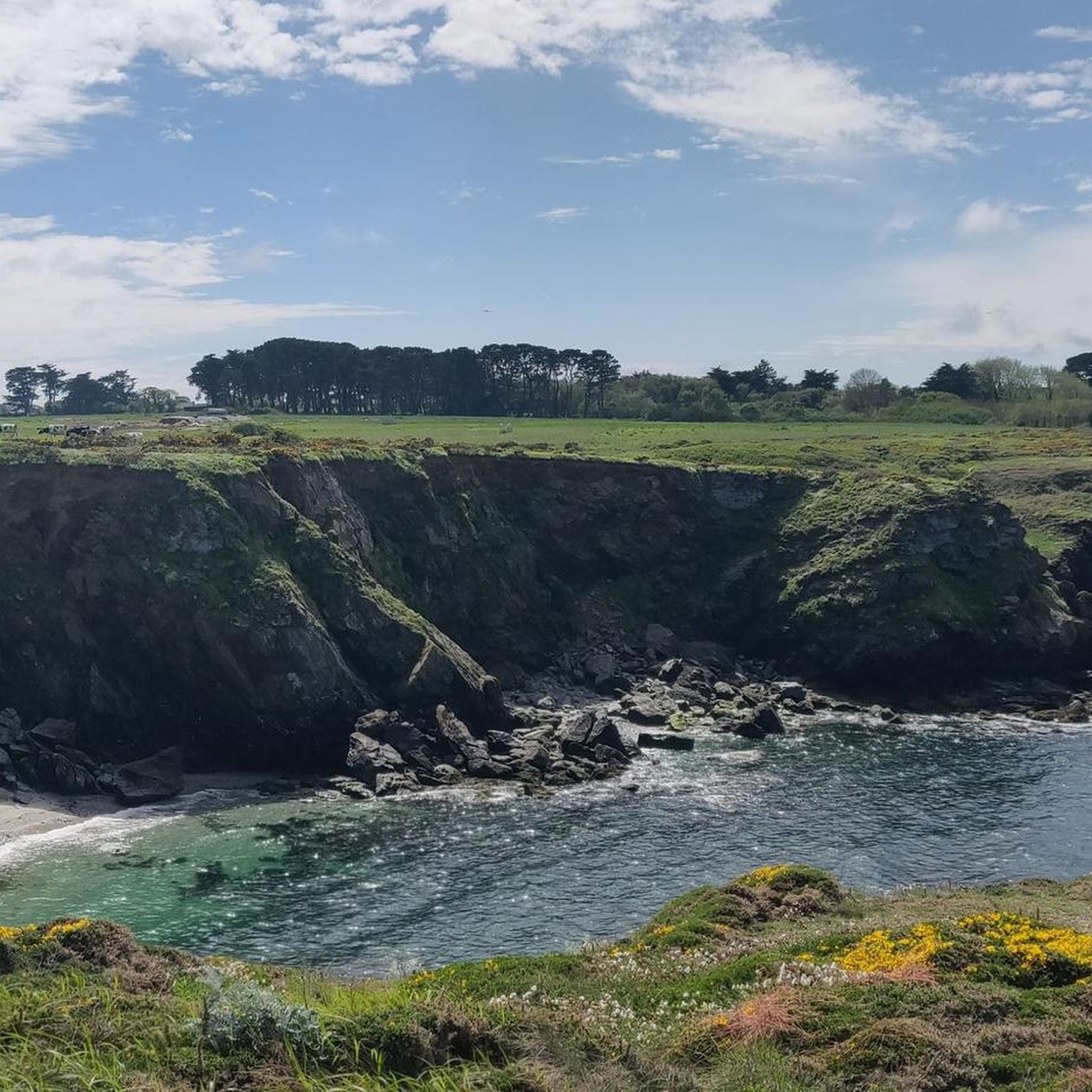
Look closely into the crater. On the opposite rock face you will see the face of the sleeping woman. Her eyes and mouth are closed, her hair falls into her face and a scar adorns her cheek. Nature is enchanting! But be careful, do not leave the path, the heather soil is vulnerable!
1
0
You have to look closely. There is only one place on the coastal path to see it. Rock arches are fascinating and silent witnesses to the primal power of erosion.
1
0

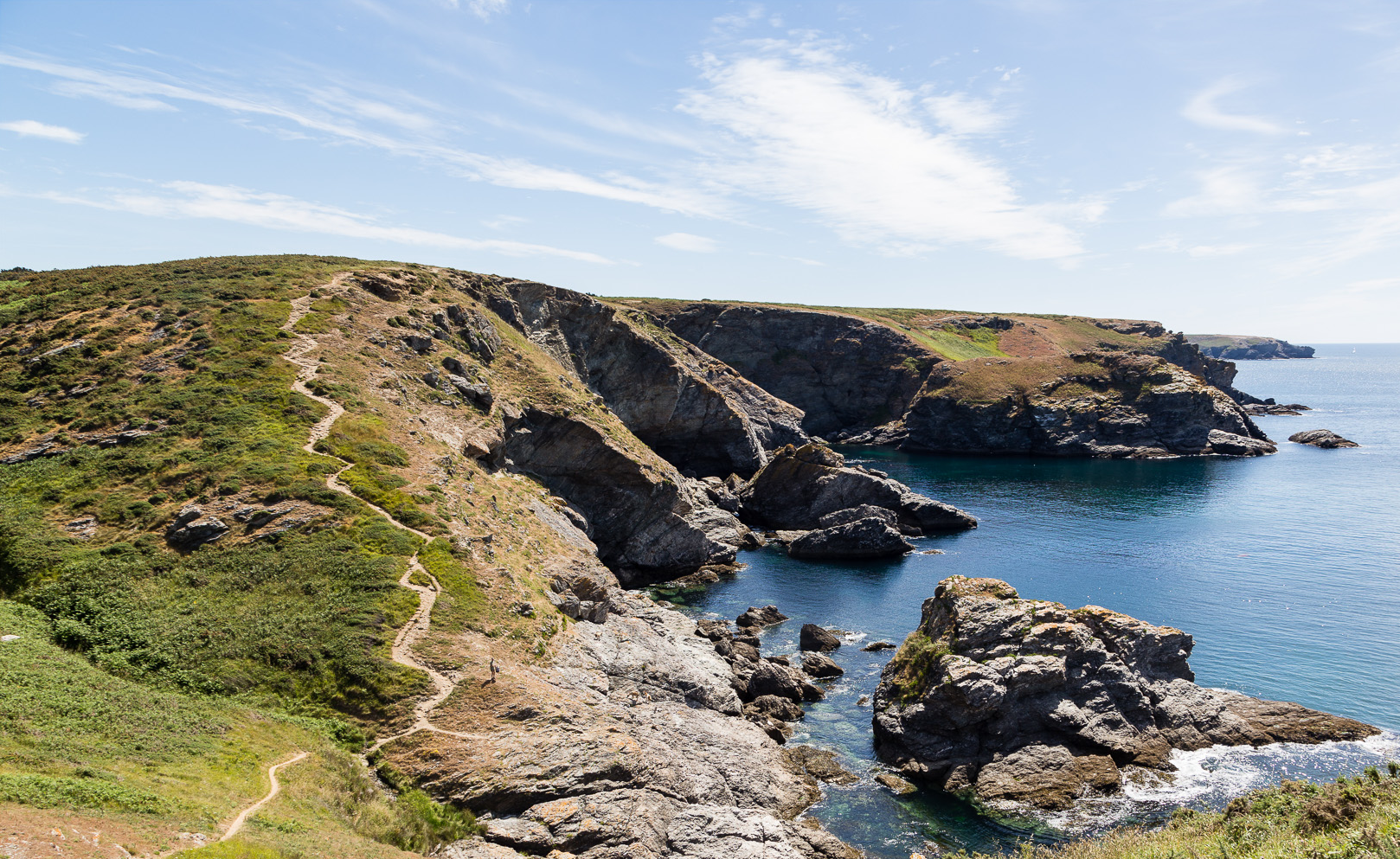
The guide claims that this place gets its name from bird nests in rock crevices that look like bottles on pharmacy shelves. That wasn't clear to me on site, but it's good. ;-) Still a beautiful, rough piece of earth. You can easily get here by bus from Le Palais. What impressed me was that there apparently used to be tourist facilities here (souvenir shop, restaurant) that were closed and dismantled a good 10 years ago. Today there is nothing here but sea, rocks and heath, and that's a good thing.
1
0

With a length of approximately 600 meters, this point overlooks the sea by around fifty meters. Isolated at its end, we find the rock called Djuir.
1
0
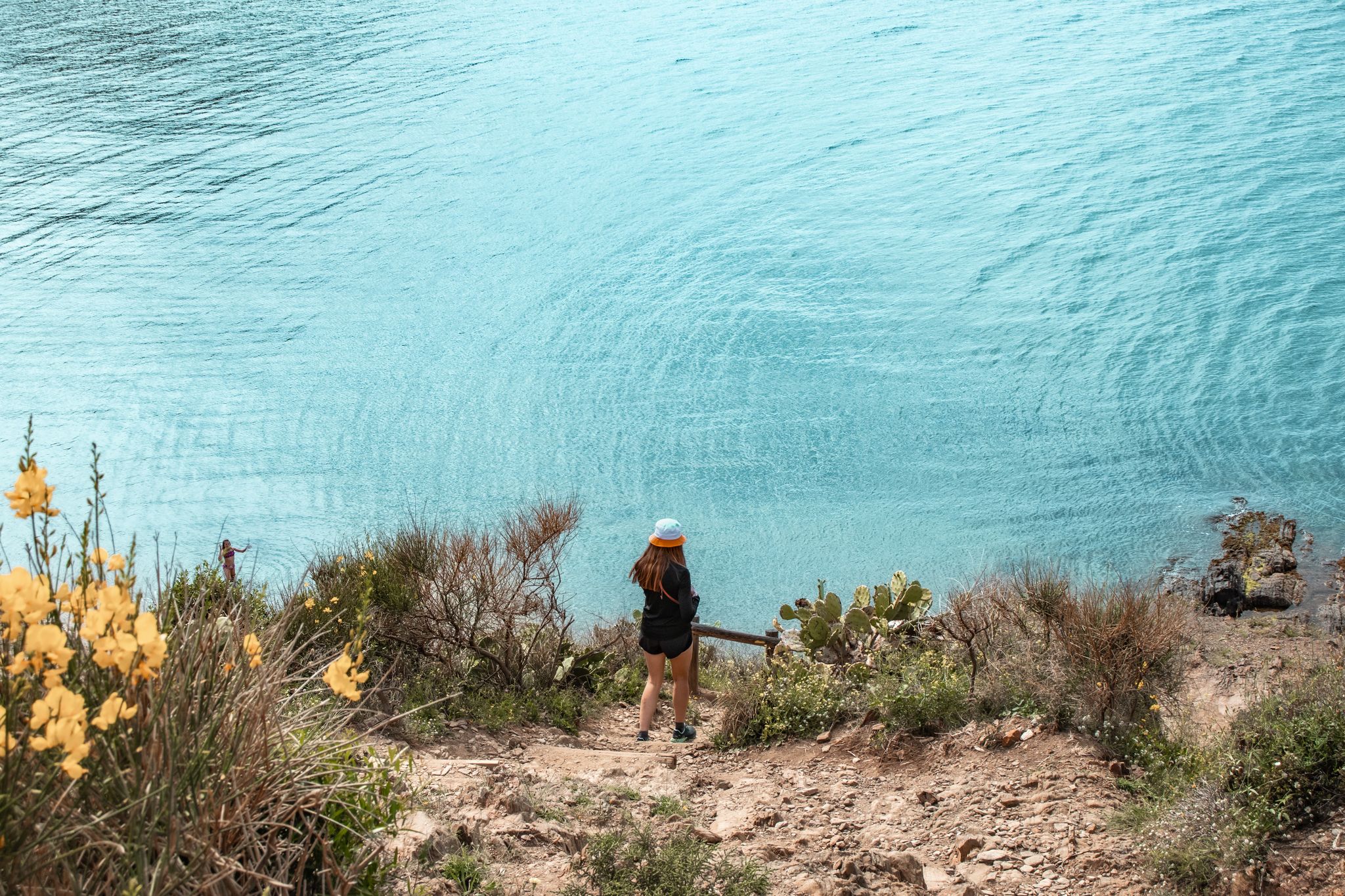
This pretty little cove is located a few steps from Locmaria. There is also an old small fort embedded in its hollow.
1
0
Frequently Asked Questions
What unique natural features can I explore in Morbihan?
Morbihan offers a diverse range of natural features. The Gulf of Morbihan Regional Natural Park is a highlight, featuring a 'small inland sea' dotted with numerous islands and extensive coastal paths. You can also discover dramatic cliffs, serene coves, and significant geological formations like the stone arch of Port Blanc on the Wild Coast of Quiberon.
Which islands in the Gulf of Morbihan are known for their natural beauty?
Several islands within and near the Gulf of Morbihan are celebrated for their natural beauty. Île-aux-Moines, known as the 'Pearl of the Gulf,' offers serene landscapes for walking and cycling. Île d'Arz is cherished for its untouched nature and wild scenery. Further afield, Belle-Île-en-Mer boasts stunning beaches and dramatic cliffs, while Île de Groix provides peaceful ambiance and beautiful coves like Poulziorec.
Where can I experience dramatic coastal landscapes in Morbihan?
For dramatic coastal landscapes, visit the Wild Coast of Quiberon, characterized by rugged cliffs and powerful Atlantic waves. A notable feature here is the stone arch of Port Blanc. Another excellent spot is L'Apothicairerie Cliffs, offering breathtaking views of the ocean. The Trou de l'Enfer Cliffs also provide a striking natural spectacle.
Are there important wildlife observation sites in Morbihan?
Yes, the Séné Marshes Nature Reserve, located in the eastern part of the Gulf of Morbihan, is a vital ornithological site. It boasts a rich diversity of landscapes and a significant number of bird species, making it an exceptional place for birdwatching and observing local fauna and flora.
Can I find ancient historical sites among Morbihan's natural monuments?
Morbihan beautifully blends natural beauty with ancient history. The island of Gavrinis is famous for its impressive Neolithic cairn, a megalithic burial site over 6,000 years old. On the mainland, you can visit the Kergonan Stone Circle and the Mini Dolmen, Kerno, which are both significant historical sites integrated into the natural landscape.
What outdoor activities are available near Morbihan's natural monuments?
The region offers a wide array of outdoor activities. You can enjoy hiking, road cycling, and mountain biking. For example, there are numerous routes for hiking in Morbihan, including tours of Île d'Arz and Belle-Île-en-Mer. Road cycling routes explore areas like Belle-Île-en-Mer, and MTB trails can be found around Port Sauzon and the Gulf of Morbihan.
Are there specific hiking trails recommended around the natural monuments?
Yes, many natural monuments are perfect for hiking. On Île-aux-Moines and Île d'Arz, you'll find extensive walking paths. The Wild Coast of Quiberon also features coastal paths offering spectacular views. For specific routes, consider the 'Tour of the island of Arz' or the 'Tour de Belle-Île-en-Mer: Sauzon à la Pointe des Poulains', both moderate hikes listed in the hiking guide for Morbihan.
Are there family-friendly natural monuments in Morbihan?
Many natural monuments in Morbihan are suitable for families. The islands like Île-aux-Moines and Île d'Arz offer gentle paths for walking and cycling. Historical sites such as the Kergonan Stone Circle and the Mini Dolmen, Kerno, provide an engaging blend of nature and history for all ages. The Séné Marshes Nature Reserve also offers guided tours that can be educational for families.
What is the best time to visit Morbihan's natural monuments?
The best time to visit Morbihan's natural monuments is generally from spring to early autumn (April to October). During these months, the weather is milder and more conducive to outdoor activities like hiking, cycling, and exploring the islands. Birdwatching at the Séné Marshes is particularly rewarding during migration seasons in spring and autumn.
What do visitors enjoy most about Morbihan's natural monuments?
Visitors frequently praise the diverse and stunning scenery. Many appreciate the dramatic coastal views from spots like Panorama from Pouldon and the unique beauty of sites like Poulains Lighthouse. The tranquility of small coves such as Port Maria Cove and the fascinating geological formations like the Rock arch near Kerbéllec are also highly valued.
Are there any natural monuments that offer exceptional panoramic views?
Yes, Morbihan is home to several natural monuments with exceptional panoramic views. The Panorama from Pouldon offers expansive sea views, overlooking the water by about 50 meters. Pointe de Brouel is another viewpoint providing stunning vistas. Additionally, Kerpenhir Point in Locmariaquer offers spectacular views of the entrance to the Gulf of Morbihan and Quiberon Bay.
Can I find tranquil beaches or coves among Morbihan's natural monuments?
Absolutely. Morbihan features several tranquil spots perfect for relaxation. Port Maria Cove, located near Locmaria, is a small, quiet beach known for its serene atmosphere. The islands like Île de Groix and Houat also offer pristine sandy beaches and charming, peaceful coves, such as Grands Sables and Poulziorec.
Most popular routes in Morbihan
Most popular attractions in Morbihan

Get inspired with the komoot mobile app


Didn’t find what you were looking for?
Find even more amazing natural monuments in Morbihan by checking out the top Highlights region by region:
Explore more
Extend your search for the best caves by checking out these guides of the top ones in Morbihan:
