Top 20 Natural Monuments in Ariège
Natural monuments in Ariège, nestled in the heart of the French Pyrenees, present a remarkable array of geological formations and diverse ecosystems. This region is characterized by its varied terrain, including high-altitude passes, extensive natural parks, and unique subterranean features. It provides numerous opportunities for outdoor exploration and experiencing the rich natural heritage of the Pyrenees.
Best natural monuments in Ariège
- The most popular natural monuments is Agnès Pass, a mountain pass that offers beautiful views of the Etang…
Last updated: June 26, 2026
Agnès Pass
Highlight • Mountain Pass
Translated by Google •
Tip by

Lers Pass
Highlight • Mountain Pass
Translated by Google •
Tip by

Sign up now to discover places like this
Get recommendations on the best single tracks, peaks, & plenty of other exciting outdoor places.
Sign up for free
Tristaina Solar Viewpoint
Highlight • Viewpoint
Translated by Google •
Tip by

Mérens sulphur springs
Highlight • Natural Monument
Open at the end of the Nabre valley, the constitution of the springs contrasts with the spa towns of …
Translated by Google •
Tip by

En Beys Refuge
Highlight • Restaurant
Translated by Google •
Tip by
Pic de la Serrera
Highlight • Summit
Translated by Google •
Tip by

Grotte du Mas-d'Azil
Highlight • Cave
Translated by Google •
Tip by

Pica d'Estats
Highlight • Summit
Translated by Google •
Tip by

Gorges de la Frau
Highlight (Segment) • Gorge
Translated by Google •
Tip by

Montcalm Peak
Highlight • Summit
Translated by Google •
Tip by

Sign up for free to discover even more natural monuments in Ariège.
Sign up for free
Already have an account?
Start today with a free account
Your next adventure awaits.
Login or Signup
Popular around Ariège
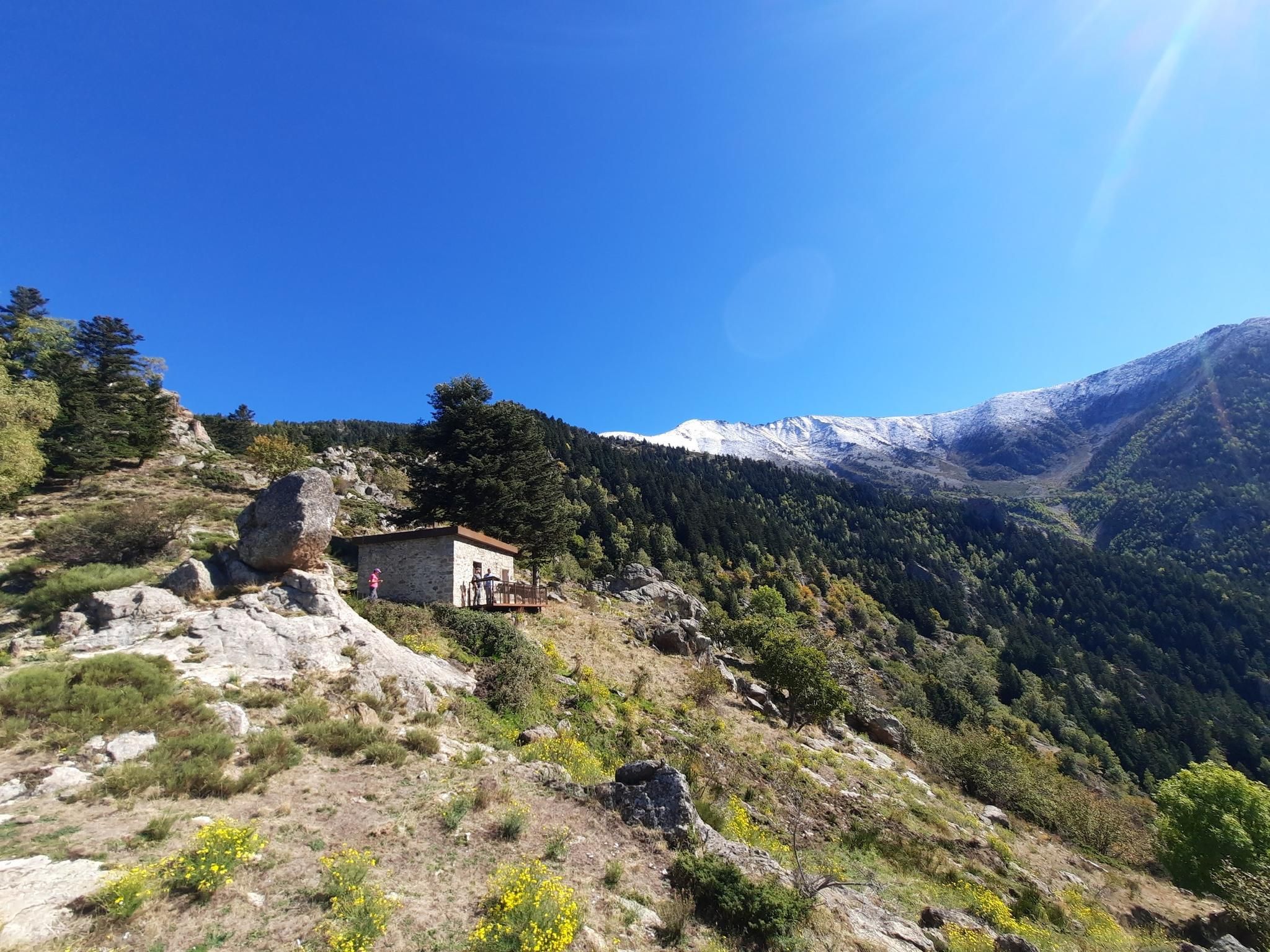
The Crossing of the Pyrenees via the GR 10 — Eastern Pyrenees
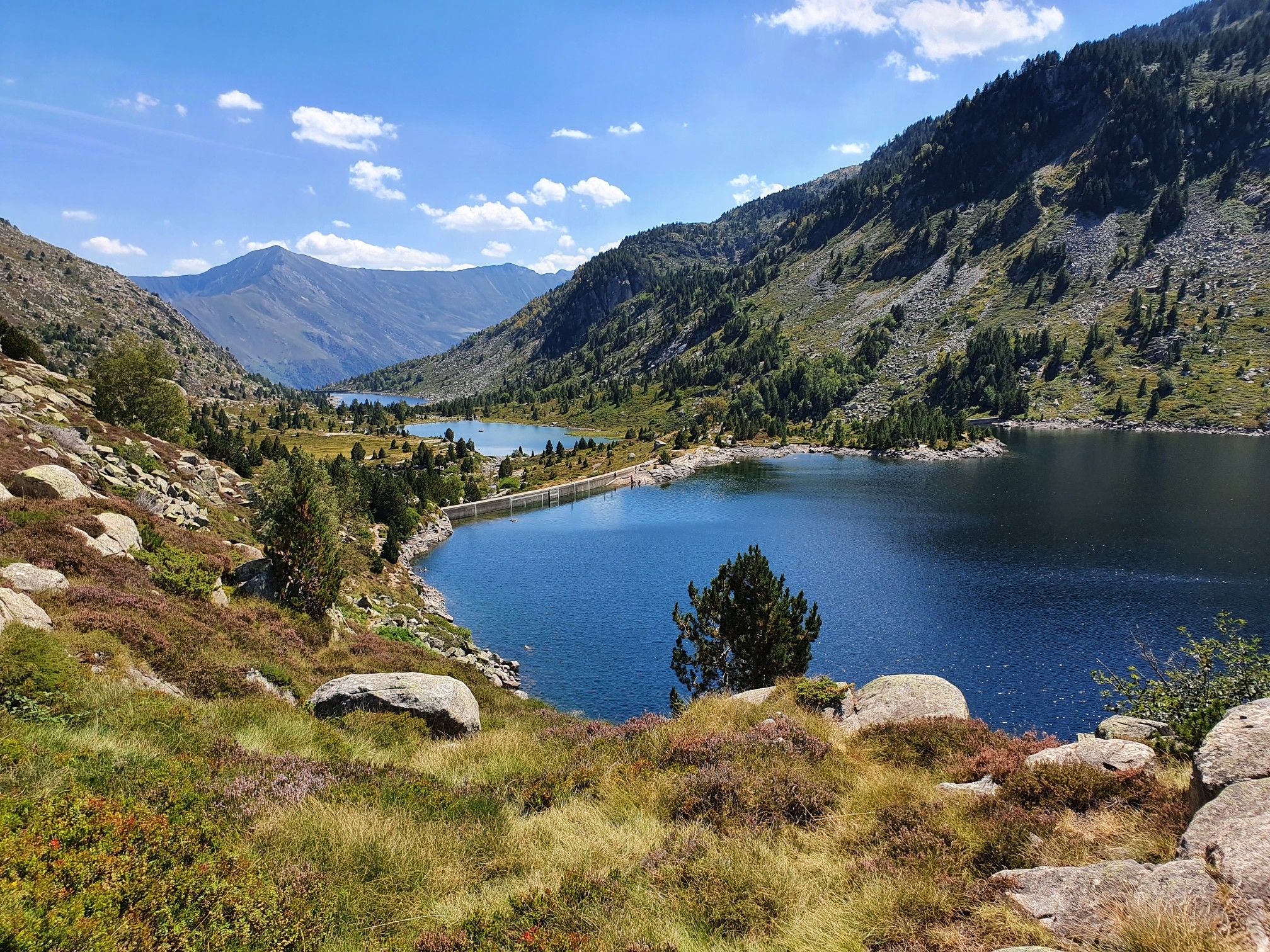
GR 10 – Explore the Ariège Pyrenees crossing the Pyrenees
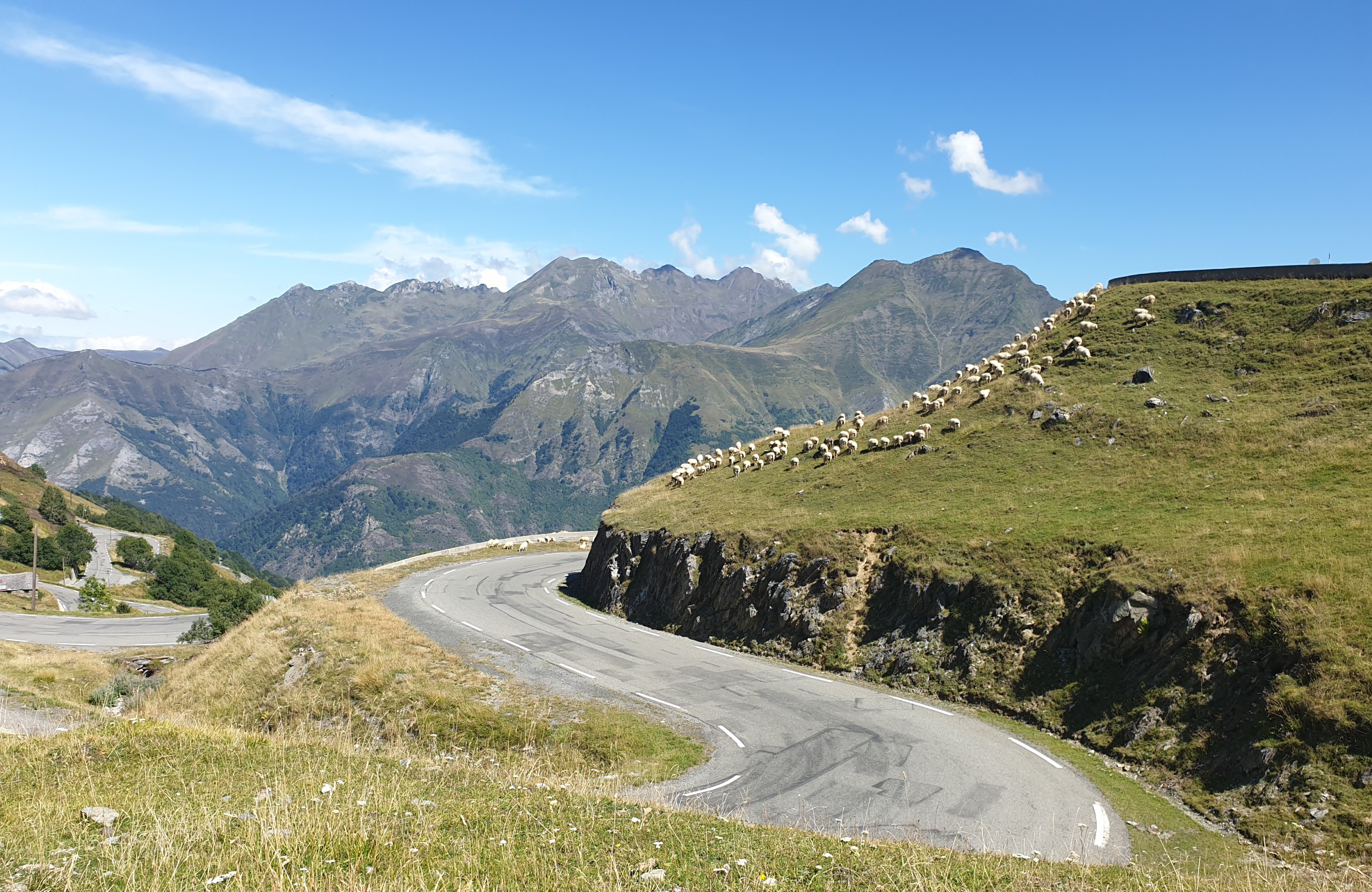
Between myths and legends – emblematic passes of the Pyrenees
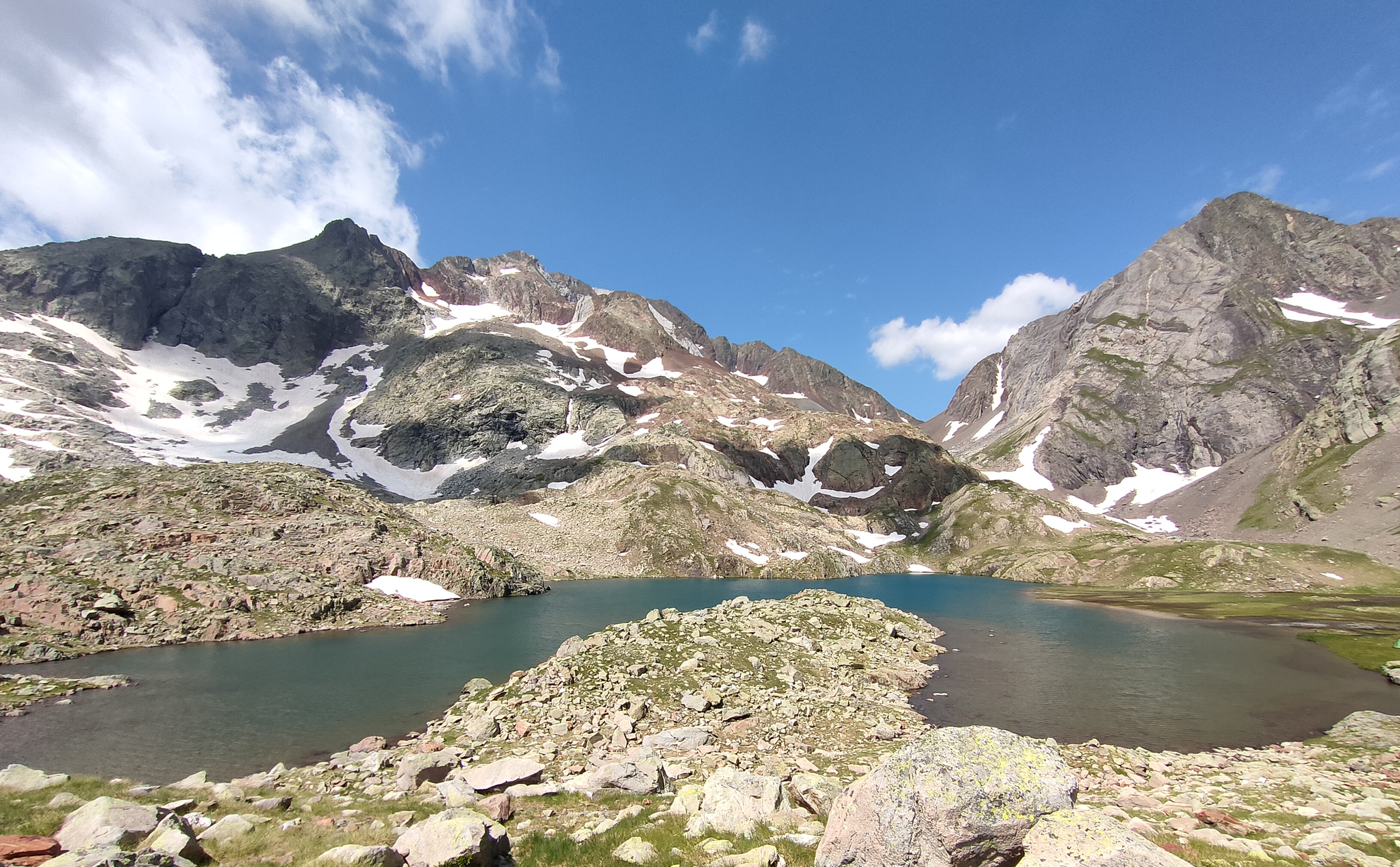
Panoramic Pyrenees – 15 hikers' peaks of over 3,000 metres
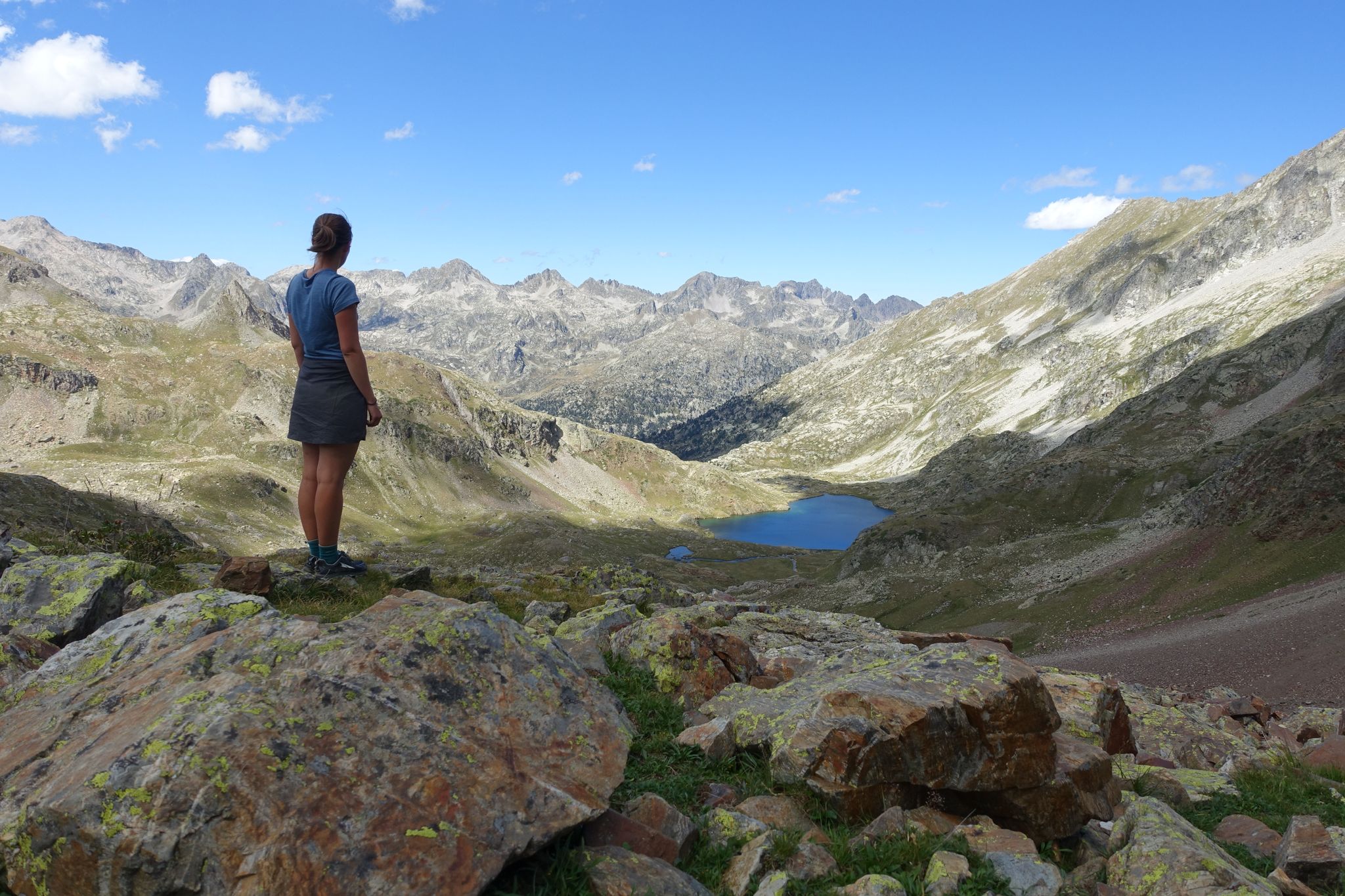
Haute Route Pyrénéenne – Pyrenees Crossing
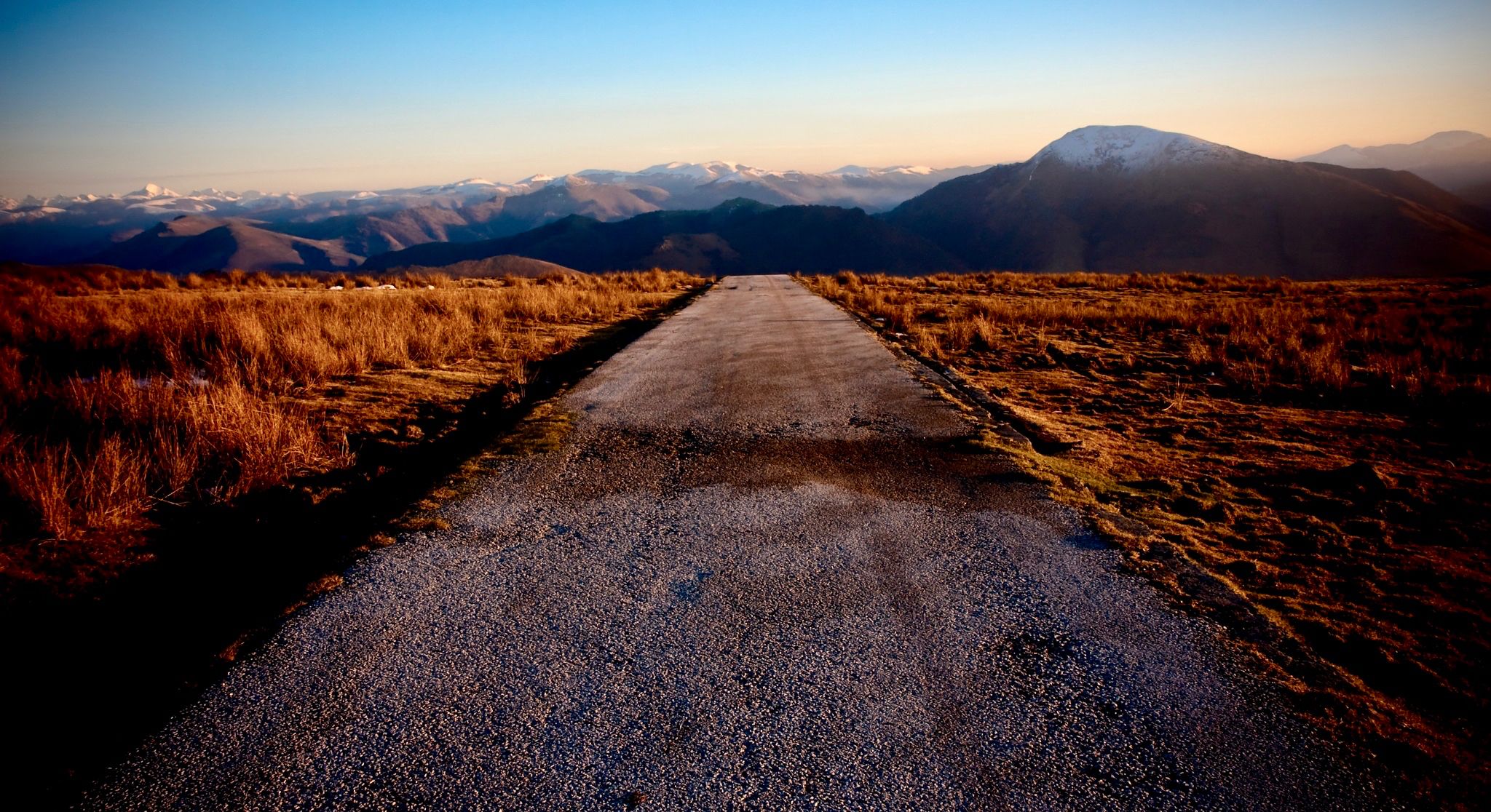
Coast to coast across the Pyrenees on your road bike
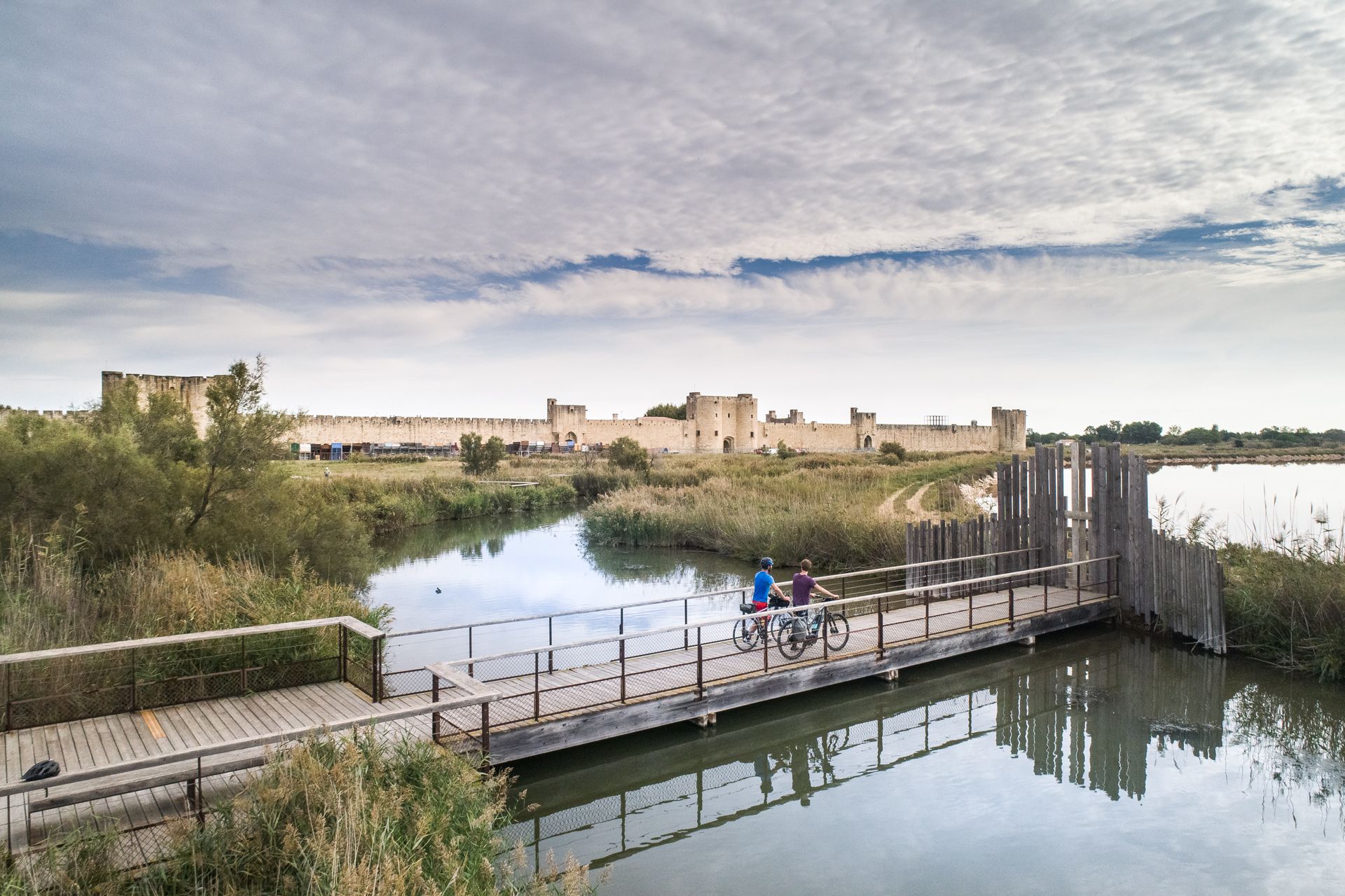
The most beautiful bike rides in Occitanie
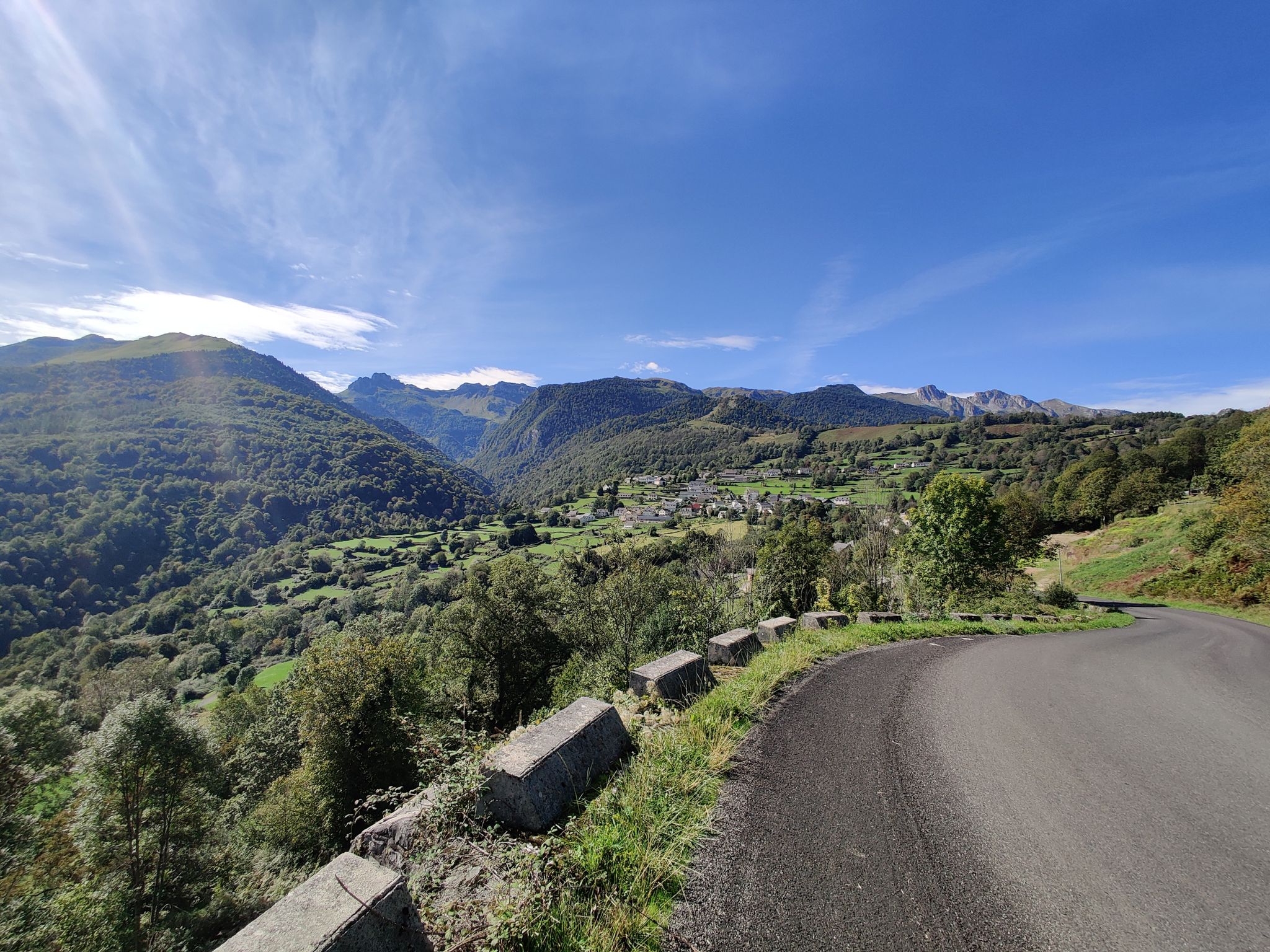
From the Atlantic to the Mediterranean – Route des Cols in the Pyrénées
Tour of Mont Valier - The Giant of Ariège
Climbs and greenways - The Great Ariège-Pyrénées Crossing by MTB
Other adventures in Ariège


Tips from the Community

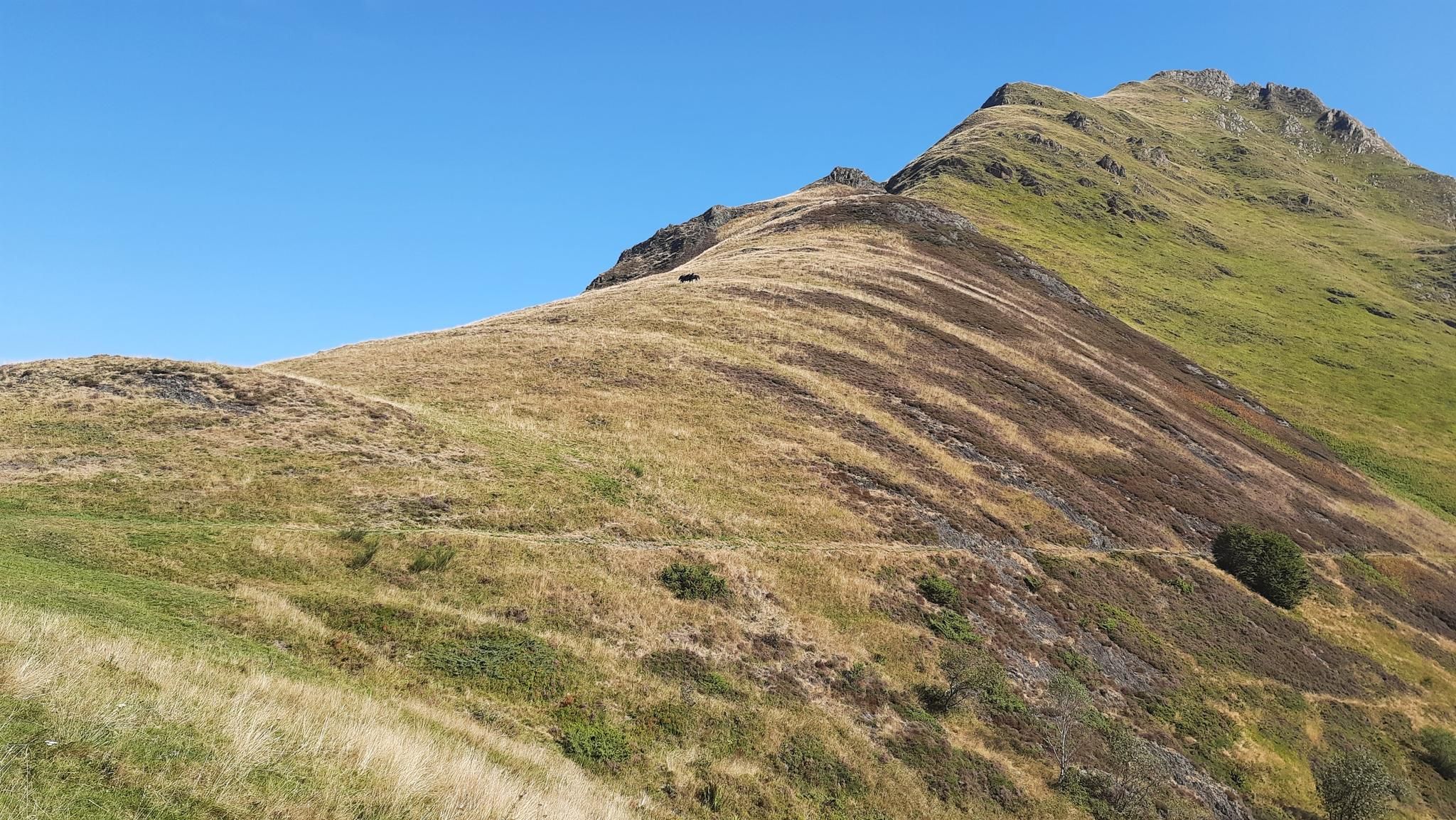
It is a MUST of the Pyrenees, without a doubt, that should be included in any route that crosses the Pyrenees from side to side. Any of its slopes 2 is spectacular and tough. The views from its summit are wonderful, feeling the wild side of the Pyrenees. Of course, once at the summit of this pass... you have to descend to the Étang de Lers and enjoy a quiet rest on the shores of the lake. It is a pass that has been part of the Tour de France route on several occasions, although always far from the finish line. The first professional rider to crest it in the lead was the unforgettable Marco Pantani in 1995.
0
0

The highest peak in the Catalan Pyrenees is well worth the visit, although you have to earn it as it is a long route with considerable elevation gain to overcome.
0
0

Great panoramic view of France and Spain and the mega beautiful mountain scenery. I am very happy that the weather held up during our ascent. It was really mega beautiful up there. However, the ascent and descent are not for the inexperienced.
0
0

I liked the climb from the north side (from Massat), very scenic and alpine landscapes towards the end at the étang de Lers
0
0

A magnificent spot with the road winding under the rock, running alongside a partially underground stream. It's both breathtaking and peaceful. Plus, there's a starting point for a short walk; I did the beginning and it was lovely: I'd love to come back and do a longer section!
0
0

Fantastic panoramic views all around; this summit is well worth it, as you can see from my two panorama photos. Ascent from Estany de Sotllo via the pass. I took the partly exposed scrambling/climbing ridge via Pic Verdaguer. Beautiful scrambling; you just have to be careful to stay on the right track. Descent around the summit, then back to the same pass and down past the same beautiful mountain lakes, and via the Valferrera Hut into the valley. The length and roughness of this route surprised me. Luckily, I didn't start my ascent from the hut. The section along the mountainside, especially above the hut, was quite challenging. There are frequent short climbs over rocky outcrops, and at one point, I found myself on a side path below the main trail, which then ended in the undergrowth. After a short climb, everything was fine again.
0
0

The climb is steep, but manageable. The view from up there, stretching far into France, is definitely worth it!
0
0

Half of those present aren't following the rules! At the start of the climb, a sign clearly states that swimwear should be worn out of consideration (especially for children). Instead, a Frenchman presents himself completely naked. Some French women enjoy exposing their breasts. Everyone present is smugly sprawling, lying head-to-toe in the water without a single gesture of consideration for newly arrived visitors. A little further upstream from the spring, we encounter the third disappointment: Down in the village, several signs indicate a camping ban. A few meters above the spring, we found a camping tent in the forest (keyword: wild camping) and a prepared campfire site (as if there weren't enough forest fires in France by 2025). The behavior of some of the people is unacceptable.
1
4
Frequently Asked Questions
What unique natural features can I explore in Ariège?
Ariège is home to a diverse range of natural wonders. You can explore the fascinating Grotte du Mas-d'Azil, a massive cave system, or marvel at the unique geological formations of the Gorges de la Frau. The region also boasts the intermittent Fountain of Fontestorbes and the picturesque Tufa Waterfall of Roquefort-les-Cascades, known for its moss-covered tufa deposits.
Are there any family-friendly natural monuments in Ariège?
Yes, several natural monuments in Ariège are suitable for families. The Subterranean River of Labouiche offers a captivating guided boat tour 60 meters below ground, which is accessible and engaging for all ages. Lake Bethmale is another excellent choice for a relaxing day out, perfect for picnics and gentle strolls. The Tufa Waterfall of Roquefort-les-Cascades also provides a pleasant spot for families to enjoy nature.
Where can I observe wildlife in Ariège's natural monuments?
For wildlife enthusiasts, the Ariège Pyrenees Regional Natural Park is a prime location to spot diverse flora and fauna, including the bearded vulture, European otter, and Pyrenean euproct. The Orlu National Hunting and Wildlife Reserve is specifically dedicated to protecting species like chamois and marmots, offering excellent observation opportunities. Additionally, the area around En Beys Refuge is known for chamois sightings, especially in the early morning.
What are some of the most impressive viewpoints in Ariège?
Ariège offers breathtaking panoramic views from several natural monuments. The Tristaina Solar Viewpoint provides spectacular vistas of the Arcalís Valley and the Pyrenees. Mountain passes like Agnès Pass and Lers Pass also offer impressive scenery as they ascend through the Pyrenees. For a challenging hike with rewarding views, consider summits like Pic de la Serrera, Pica d'Estats, or Montcalm Peak.
Are there historical or archaeological natural monuments in Ariège?
Yes, Ariège combines natural beauty with rich history. The Grotte du Mas-d'Azil is not only a natural wonder but also a significant prehistoric site. Additionally, the dolmens of Le Mas d'Azil are well-preserved Neolithic structures that offer a glimpse into ancient human activity within the natural landscape.
What kind of hiking opportunities are available near Ariège's natural monuments?
Ariège is a hiker's paradise with numerous trails near its natural monuments. You can find a variety of routes, from easy strolls to challenging mountain hikes. For detailed information on trails, including difficulty levels and distances, explore our guides on Mountain Hikes in Ariège, Waterfall Hikes in Ariège, and Easy Hikes in Ariège.
What is the best time of year to visit the natural monuments in Ariège?
The best time to visit Ariège's natural monuments largely depends on your preferred activities. Spring and autumn offer pleasant temperatures for hiking and exploring, with vibrant foliage or blooming wildflowers. Summer is ideal for enjoying lakes like Lake Bethmale and waterfalls, though some popular sites might be busier. The unique intermittent flow of the Fountain of Fontestorbes is most noticeable between July and October.
Are there any natural monuments in Ariège that are particularly known for water features?
Absolutely. Ariège is rich in water-related natural monuments. The Subterranean River of Labouiche offers a unique underground river experience. The Fountain of Fontestorbes is famous for its mysterious intermittent flow. You can also visit the Tufa Waterfall of Roquefort-les-Cascades and the impressive Ars Waterfall, often considered one of the most beautiful in the Pyrenees. The Mérens sulphur springs also present a unique natural water feature.
What do visitors enjoy most about the natural monuments in Ariège?
Visitors frequently praise the stunning natural beauty and tranquility of Ariège's natural monuments. Many highlight the impressive views from mountain passes and summits, the unique geological formations like caves and gorges, and the opportunity to connect with nature. The En Beys Refuge, for example, is loved for its warm welcome and the chance to observe chamois at sunset.
Are there accommodations or facilities near the natural monuments?
While specific facilities vary by location, many natural monuments are within reasonable distance of towns or villages offering accommodation, cafes, and pubs. For example, the En Beys Refuge provides beds and catering in the heart of the Orlu national reserve, making it an ideal base for exploring the surrounding natural beauty.
How challenging are the natural monuments to access or explore?
The difficulty varies significantly across Ariège's natural monuments. Some, like the Subterranean River of Labouiche, offer accessible guided tours. Mountain passes such as Lers Pass are generally pleasant to drive or cycle. However, summits like Tristaina Solar Viewpoint, Pic de la Serrera, Pica d'Estats, and Montcalm Peak involve challenging hikes and are best suited for experienced adventurers, especially in good weather conditions.
Most popular routes in Ariège
Most popular attractions in Ariège

Get inspired with the komoot mobile app


Didn’t find what you were looking for?
Find even more amazing natural monuments in Ariège by checking out the top Highlights region by region:
Explore more
Extend your search for the best caves by checking out these guides of the top ones in Ariège:
