Top 20 Natural Monuments in Haute-Vienne
Best natural monuments in Haute-Vienne are found within this department of Nouvelle-Aquitaine, France, which features a diverse natural landscape. The region is characterized by ancient forests, extensive peat bogs, dramatic gorges, and tranquil lakes. These sites offer opportunities for nature observation, hiking, and exploring unique geological formations. Haute-Vienne provides a variety of natural settings for outdoor activities and peaceful retreats.
Best natural monuments in Haute-Vienne
- The most popular natural monuments is La Roche aux Fées, a natural monument located…
Last updated: June 26, 2026
Arboretum of La Jonchère-Saint-Maurice
Highlight • Forest
Translated by Google •
Tip by

Beech Tree Over the Spring
Highlight (Segment) • Natural Monument
Translated by Google •
Tip by

Sign up now to discover places like this
Get recommendations on the best single tracks, peaks, & plenty of other exciting outdoor places.
Sign up for free
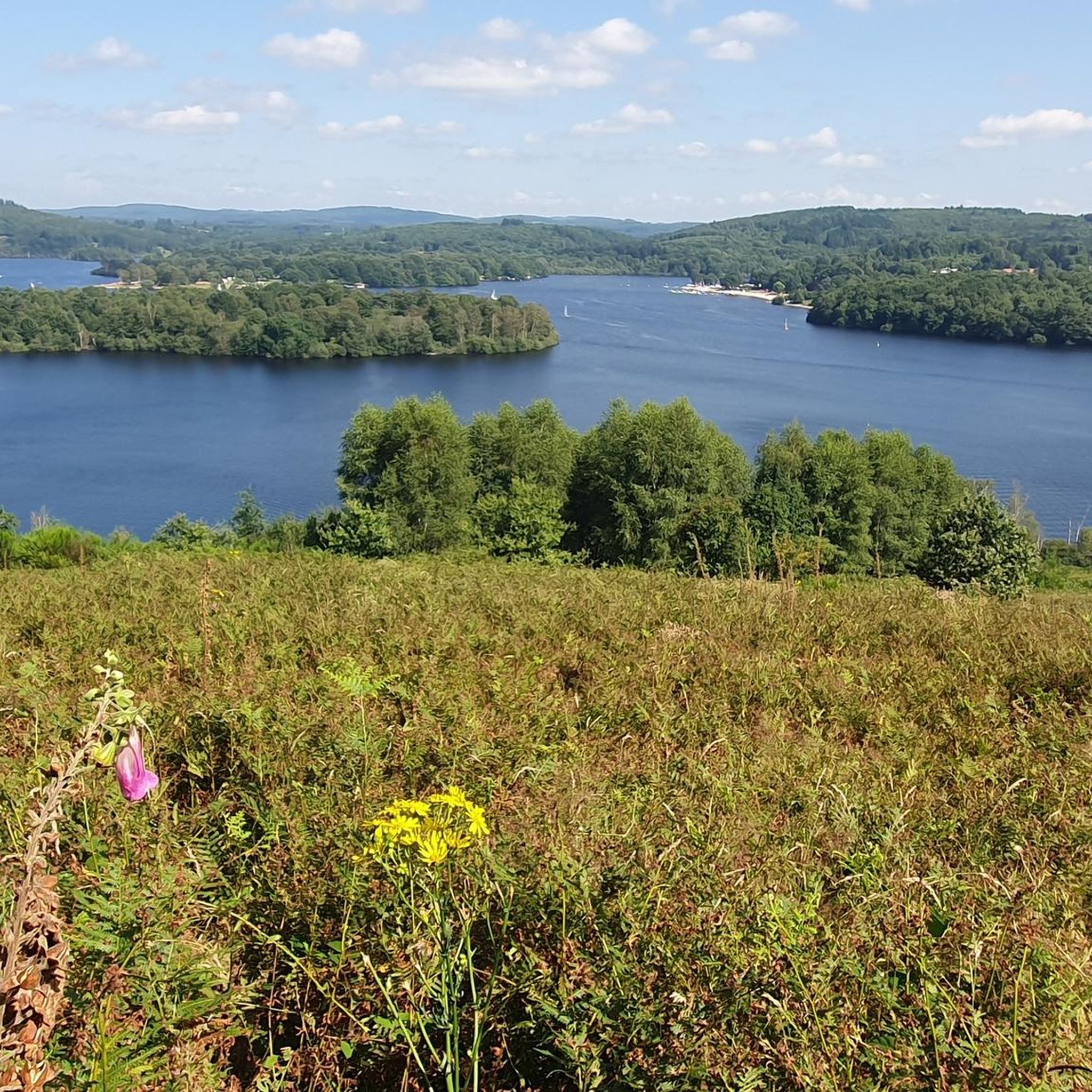
Vassivière Lake viewpoint
Highlight • Viewpoint
Translated by Google •
Tip by

La Fontaine du Bois Maury
Highlight • Natural Monument
Translated by Google •
Tip by
La Roche aux Fées
Highlight (Segment) • Natural Monument
Translated by Google •
Tip by
La Lieue Dolmen
Highlight • Historical Site
Translated by Google •
Tip by
La Patte à Sally
Highlight • Natural Monument
Translated by Google •
Tip by
Sources of the Dronne River
Highlight • River
Translated by Google •
Tip by

La Pierre à Voir
Highlight (Segment) • Viewpoint
Translated by Google •
Tip by
Corot Site - Glane Valley
Highlight • Historical Site
Starting point for many hiking trails, the place is also invested by many associations that offer entertainment.
Translated by Google •
Tip by

Sign up for free to discover even more natural monuments in Haute-Vienne.
Sign up for free
Already have an account?
Start today with a free account
Your next adventure awaits.
Login or Signup
Popular around Haute-Vienne



Tips from the Community


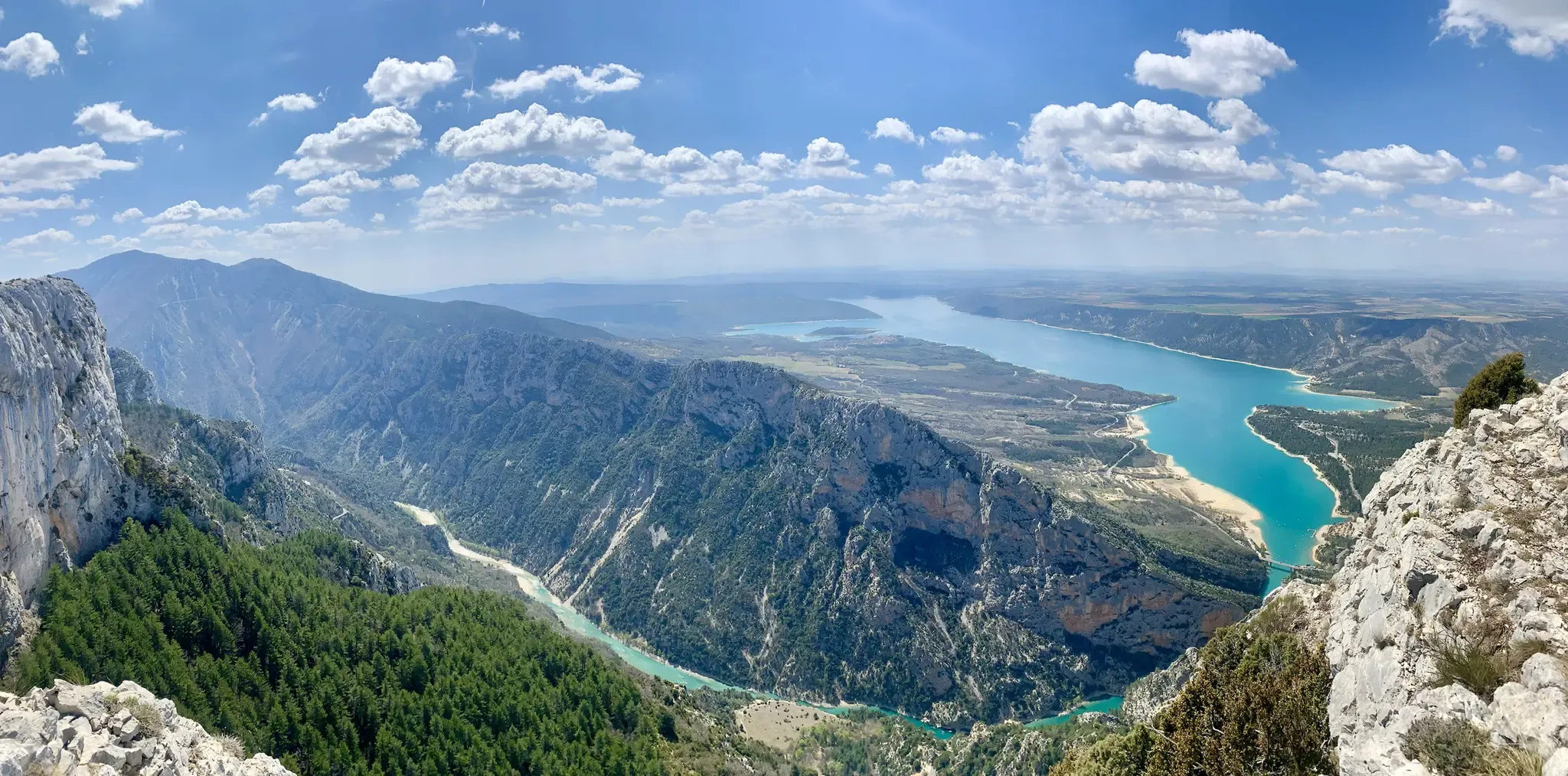
A beautiful view of the Chassagnas peninsula, Lake Vassivière and the wild island of Vauveix which is worth a stop on your route.
3
0
A beautiful view of the Chassagnas peninsula, Lake Vassivière and the wild island of Vauveix.
3
0

From here it would only be 500m to the source,... but in the heat of July 2022 we preferred to drive further.
0
0

In the heart of the Glane Valley, the Corot site is classified as a Natural Area of Faunistic and Floristic Ecological Interest Starting point for many hiking trails, the place is also invested by many associations that offer entertainment.
1
0

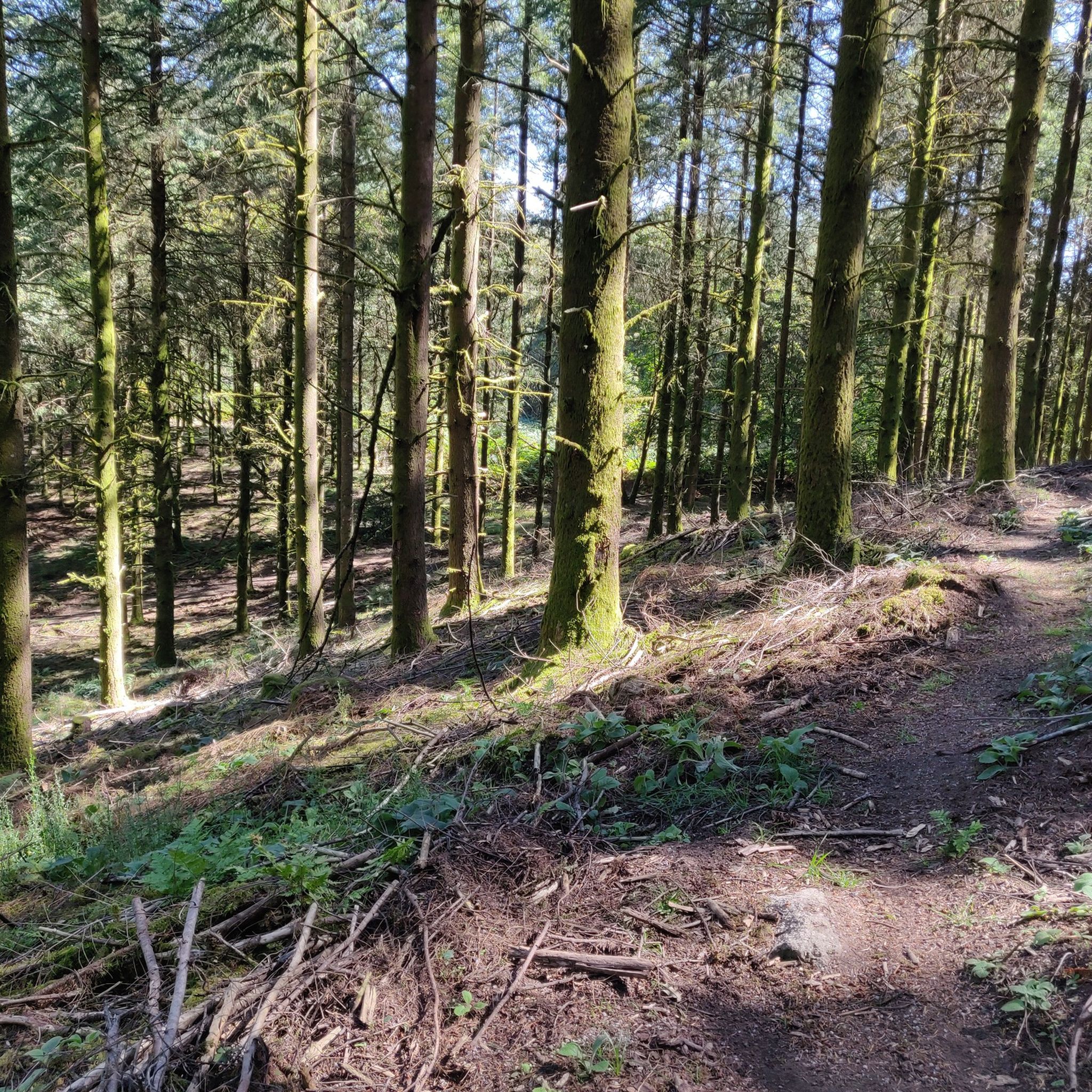
It has very beautiful paths that are a little wet these days. Too bad that some trails are no longer accessible because the vegetation has invaded them.
0
0

The source does not look like much, but the tree has chosen its place well, while preserving the building, it has water for its roots.
0
0
Walked by without seeing her. It was when I saw Mlle turn in front that I saw the tree. Its roots had a particular shape, they spanned a pile of stones. Closer, surprise, a spring with an open coping and an old-fashioned masonry cap. We can assume that it was built before and that the tree grew, respecting its environment. Nature does things well.
0
0
Frequently Asked Questions
What are some unique natural monuments to explore in Haute-Vienne?
Haute-Vienne offers a variety of unique natural monuments. You can discover the ancient geological formations of the Massif d'Épagne, known for its rare plants and wildlife, or explore the Dauges Peat Bog, a significant site for biodiversity that formed 12,000 years ago. For a blend of nature and history, the La Lieue Dolmen offers paths around a historical site within a natural setting.
Where can I find impressive viewpoints among Haute-Vienne's natural monuments?
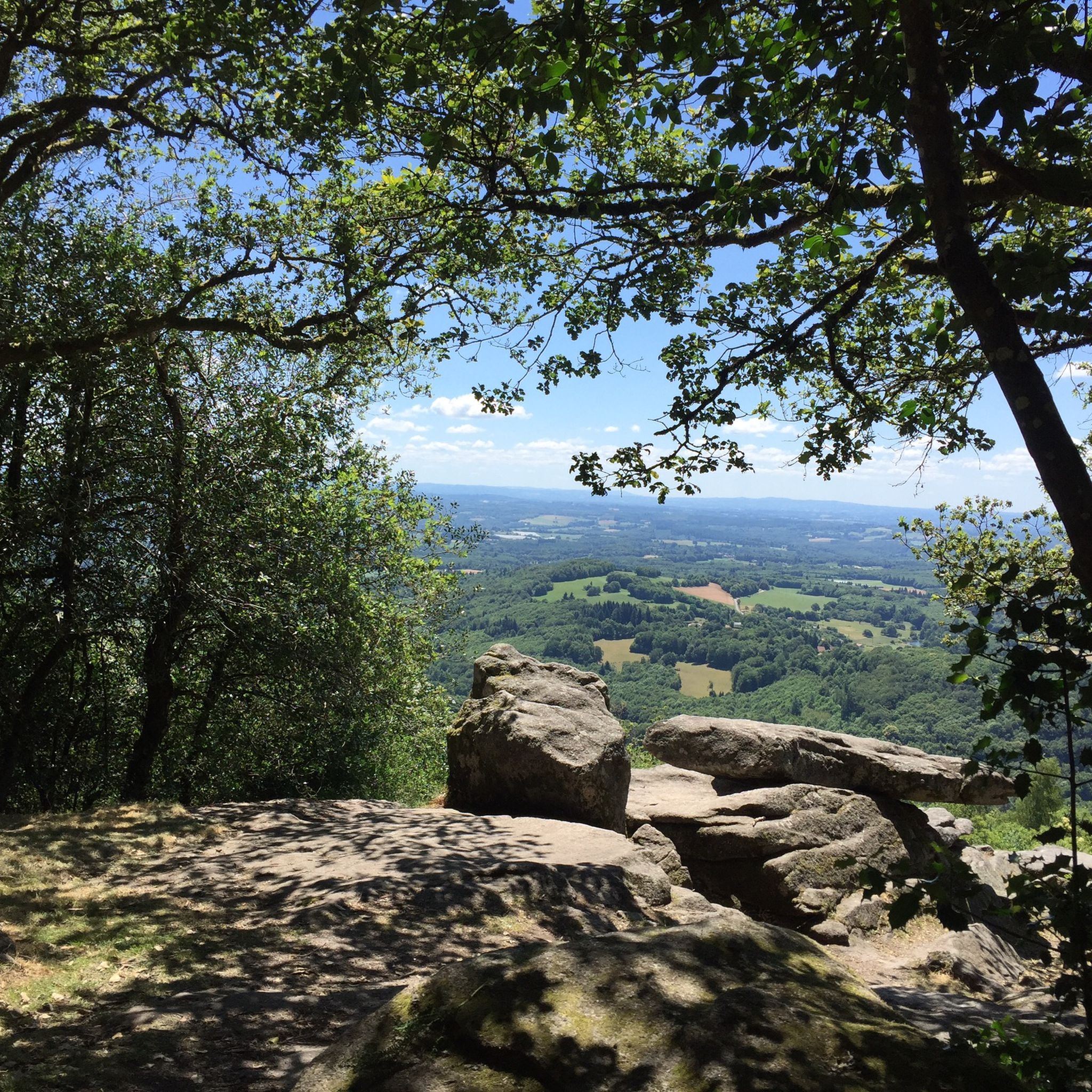
Several natural monuments in Haute-Vienne offer stunning views. The Monts de Blond provide panoramic vistas of the Limousin countryside from their forested hills. For a more specific spot, La Roche aux Fées features an imposing rock mass with cavities, offering views of the valley and its stream. Additionally, La Pierre à Voir is another notable viewpoint.
Are there family-friendly natural monuments in Haute-Vienne?
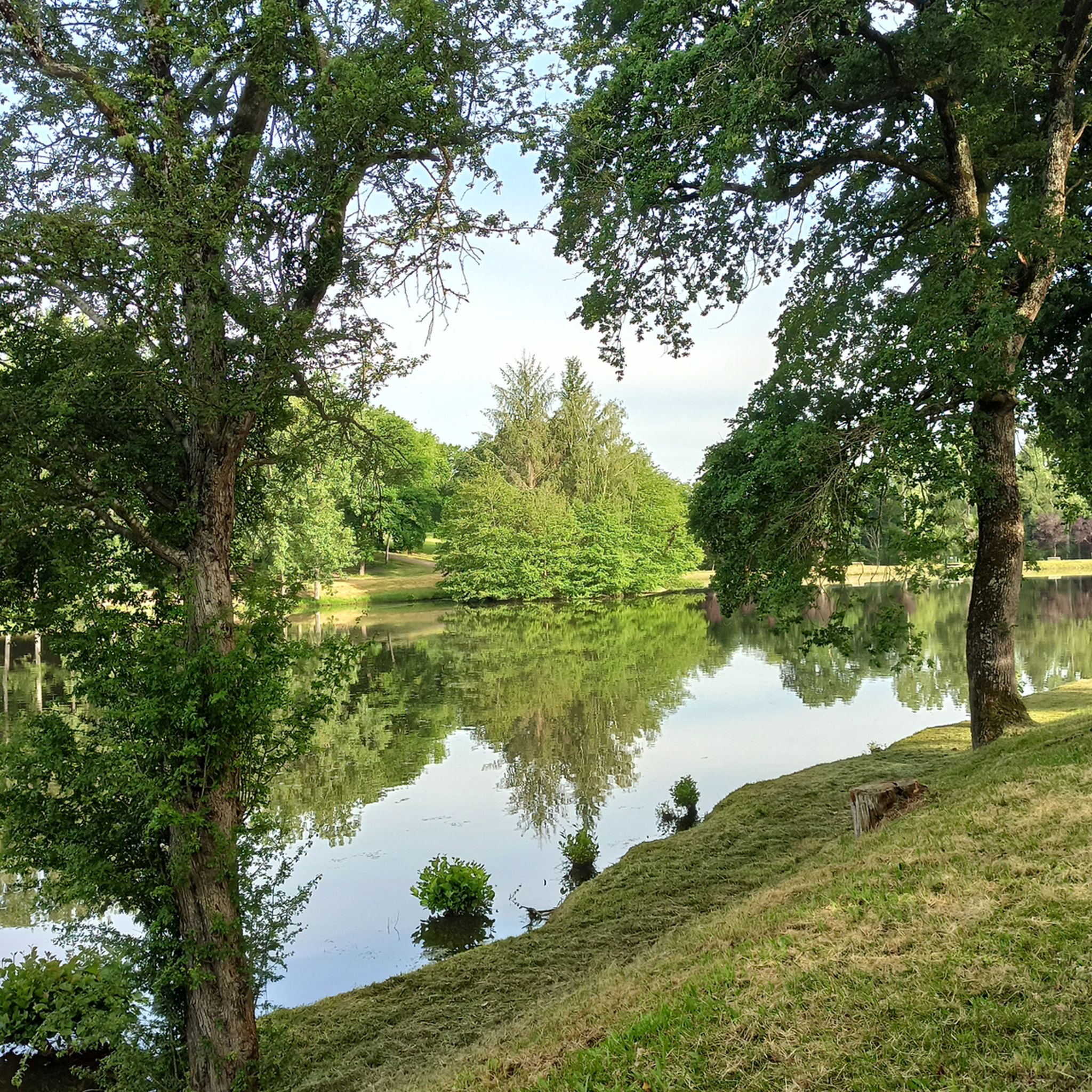
Yes, Haute-Vienne has several natural monuments suitable for families. Lac de Saint-Pardoux is ideal, offering beaches, picnic areas, play parks, and watersports. The Arboretum of La Jonchère-Saint-Maurice has well-maintained trails perfect for young children and strollers. The Corot Site - Glane Valley also features family-friendly trails.
What kind of hiking trails can I expect at Haute-Vienne's natural monuments?
You'll find diverse hiking experiences. The Gorges de la Vienne offer trails through wild landscapes with rocky cliffs and wooded banks. The Monts de Blond feature walking and riding trails through old beech woods and past prehistoric structures. The Massif d'Épagne has a 12-step interpretation circuit, and the Périgord-Limousin Regional Natural Park boasts 2,000 km of hiking trails through varied landscapes.
Are there specific routes for running or cycling near these natural monuments?
Yes, Haute-Vienne offers numerous routes for running and cycling. For running, you can explore trails like the 'Tour du Lac de Saint-Pardoux' or 'The Ponds Trail'. Cyclists can enjoy routes such as the 'Tour of Lake Vassivière' or the 'Glane Valley and Cognac-la-Forêt Loop'. You can find more details on these and other routes in the Running Trails in Haute-Vienne and Cycling in Haute-Vienne guides.
Can I bring my dog to the natural monuments in Haute-Vienne?
Many natural sites in Haute-Vienne are dog-friendly. For example, La Fontaine du Bois Maury is noted as dog-friendly. The distinctive rock formation La Patte à Sally is also a dog-friendly viewpoint. It's always advisable to keep dogs on a leash and respect local regulations to protect wildlife.
What kind of wildlife and geological features can I observe?
Haute-Vienne is rich in both wildlife and unique geology. The Massif d'Épagne is known for its 600-million-year-old gabbro rock and is home to otters, salamanders, and black woodpeckers. The Dauges Peat Bog is a haven for diverse biodiversity. Étang de la Pouge is a paradise for birdwatchers, with species like purple herons and great egrets. The Monts de Blond feature huge granite chaos and ancient prehistoric structures.
Are there any natural monuments with historical significance?
Yes, several natural monuments in Haute-Vienne also hold historical importance. The Monts de Blond are steeped in legends and feature menhirs, dolmens, and natural rocks that serve as testimonies of Neolithic funerary monuments. The La Lieue Dolmen is a historical site set within a natural landscape, offering different perspectives of the ancient structure.
What is the best time of year to visit the natural monuments in Haute-Vienne?
The best time to visit largely depends on your preferred activities. Spring and autumn offer pleasant temperatures for hiking and exploring, with vibrant foliage or blooming flora. Summer is ideal for watersports at Lac de Saint-Pardoux and enjoying outdoor activities. Winter can offer a different, serene beauty, especially in forested areas like the Massif d'Épagne or Monts de Blond.
Are there opportunities for birdwatching or fishing?
Absolutely. The Étang de la Pouge is a prime location for birdwatching, featuring an ornithological observatory where you can spot various species like purple and grey herons. The calm waters of Étang de la Pouge are also suitable for fishing carp, tench, and roach. The Navière Island is known for diving cingle and water robin during autumn and winter migrations.
What are the Regional Natural Parks in Haute-Vienne and what do they offer?
Haute-Vienne is home to parts of two significant Regional Natural Parks. The Périgord-Limousin Regional Natural Park spans 1800 km² and offers preserved landscapes with wetlands, peat bogs, and limestone grasslands, along with 2,000 km of hiking trails. The Millevaches Regional Nature Park in Limousin covers over 3,300 km² and is known for its remarkable natural environments, including peat bogs, dry heather moors, and large lakes. Both parks are excellent for hiking, wildlife spotting, and exploring diverse natural environments.
Are there any natural monuments that are wheelchair accessible?
The Arboretum of La Jonchère-Saint-Maurice is noted for its perfectly maintained trails, making it accessible for strollers and potentially some wheelchairs, allowing visitors to enjoy its diverse tree species and tranquil pond.
What are some lesser-known natural gems in Haute-Vienne?
Beyond the more prominent sites, Haute-Vienne holds hidden gems like the Sources of the Dronne River, offering a tranquil natural setting. The Pierre Branlante de Boscartus is another intriguing natural monument, a rocking stone that adds a touch of mystery to the landscape.
Most popular routes in Haute-Vienne
Most popular attractions in Haute-Vienne

Get inspired with the komoot mobile app


Didn’t find what you were looking for?
Find even more amazing natural monuments in Haute-Vienne by checking out the top Highlights region by region:
Explore more
Extend your search for the best caves by checking out these guides of the top ones in Haute-Vienne:
