Top 20 Natural Monuments in Vendée
Natural monuments in Vendée offer diverse landscapes along France's Atlantic coast, from sandy beaches to tranquil wetlands and dense forests. This region is recognized for its ecological significance and geological formations. Vendée features a variety of natural sites, including coastal areas, extensive marshes, and ancient forests. These locations provide opportunities for outdoor activities and observation of natural heritage.
Best natural monuments in Vendée
- The most popular natural monuments is Puits d'Enfer, a gorge where the sea rushes into the…
Last updated: June 26, 2026
Lac de la Bultière
Highlight • Lake
Translated by Google •
Tip by

Cayola Bay
Highlight • Beach
Translated by Google •
Tip by

Sign up now to discover places like this
Get recommendations on the best single tracks, peaks, & plenty of other exciting outdoor places.
Sign up for free
Pointe de l'Aiguillon
Highlight • Viewpoint
Translated by Google •
Tip by

Puits d'Enfer
Highlight • Gorge
Translated by Google •
Tip by

Five Pineaux Beach
Highlight • Beach
Tip by

Pointe du Payré cliffs
Highlight • Viewpoint
Translated by Google •
Tip by

Pointe de la Casie
Highlight • Viewpoint
Translated by Google •
Tip by
La Pointe de But
Highlight • Viewpoint
In addition to a panorama pushed to the extreme horizon of the ocean, you will find the remains …
Translated by Google •
Tip by

Dolmen de la Planche-à-Puare
Highlight • Historical Site
With a funerary vocation, the Dolmen would have housed several …
Translated by Google •
Tip by
Salt Pans and White Paths of Noirmoutier
Highlight • Natural Monument
Translated by Google •
Tip by

Sign up for free to discover even more natural monuments in Vendée.
Sign up for free
Already have an account?
Start today with a free account
Your next adventure awaits.
Login or Signup
Popular around Vendée
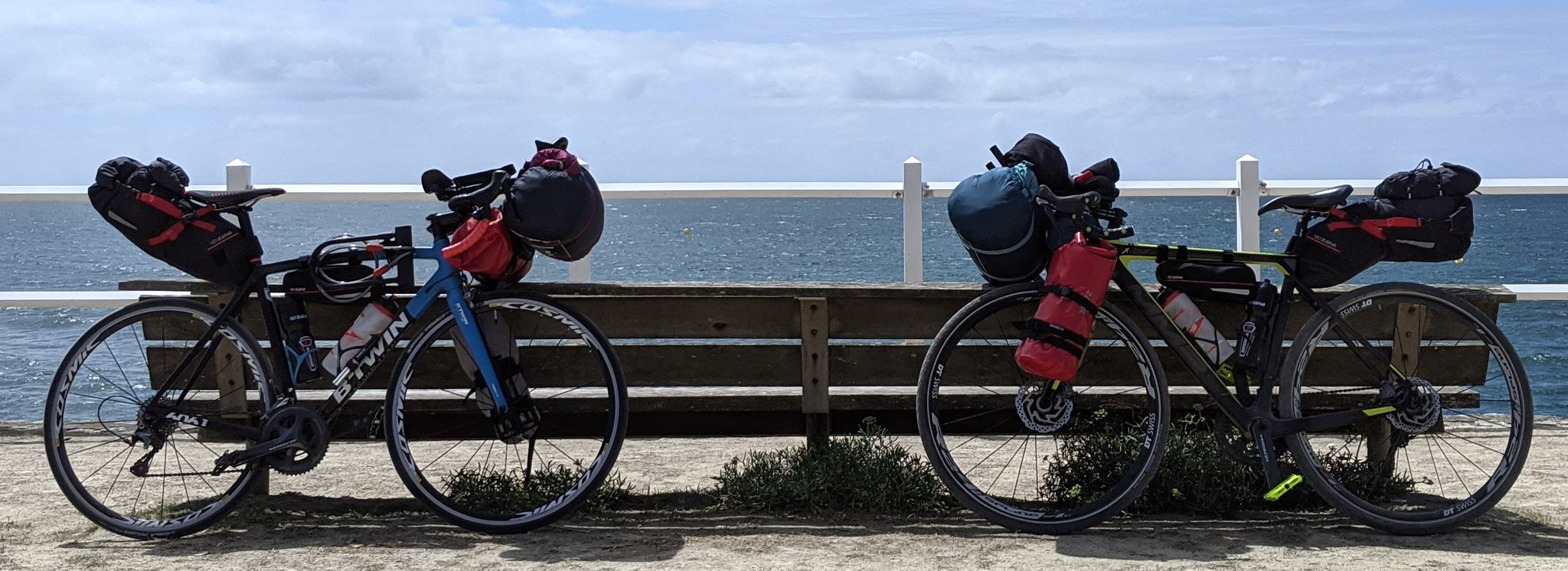
La Vélodyssée — From north to south via the ocean
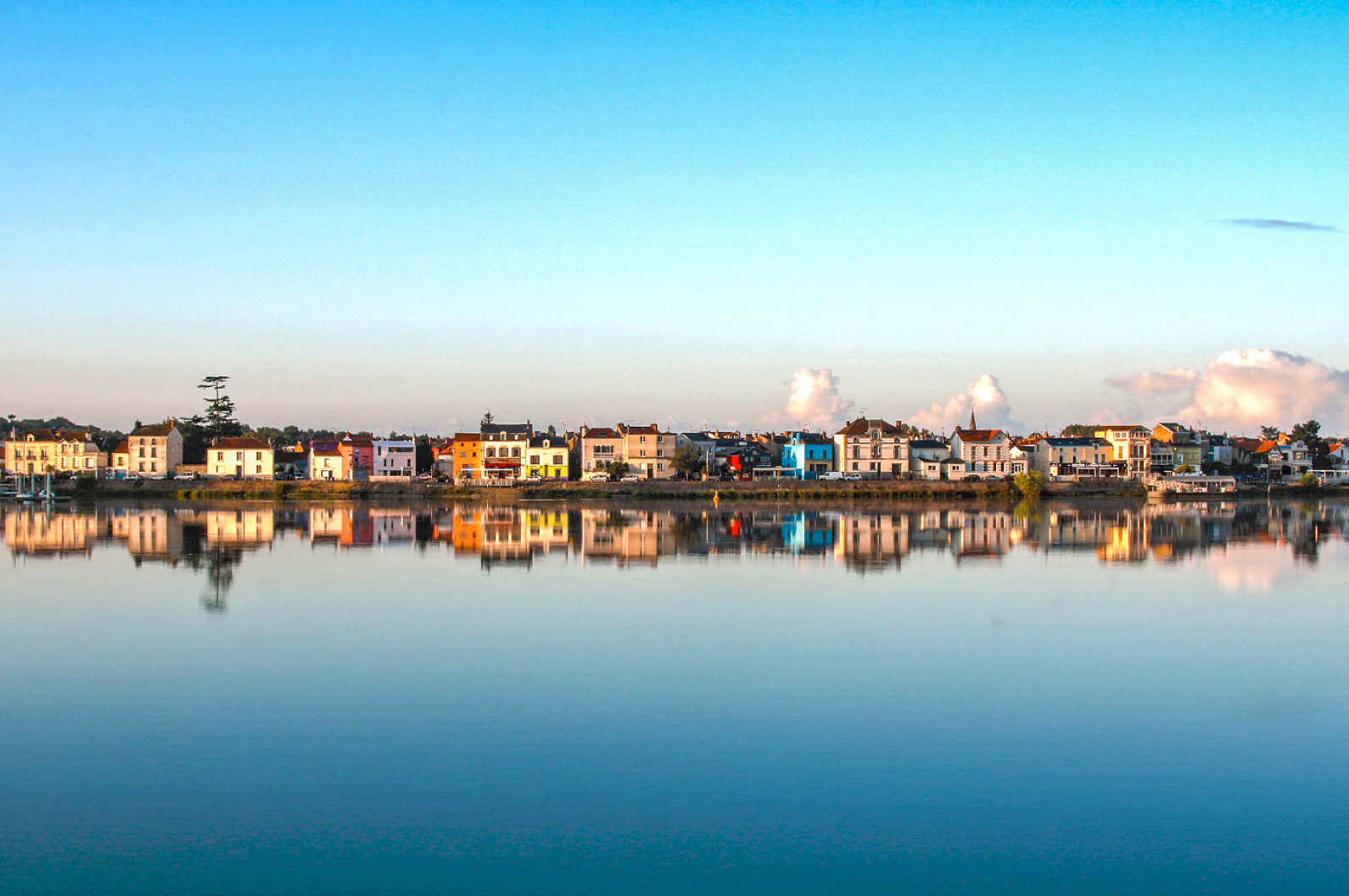
La Vélidéale - From the Limousin to the Atlantic
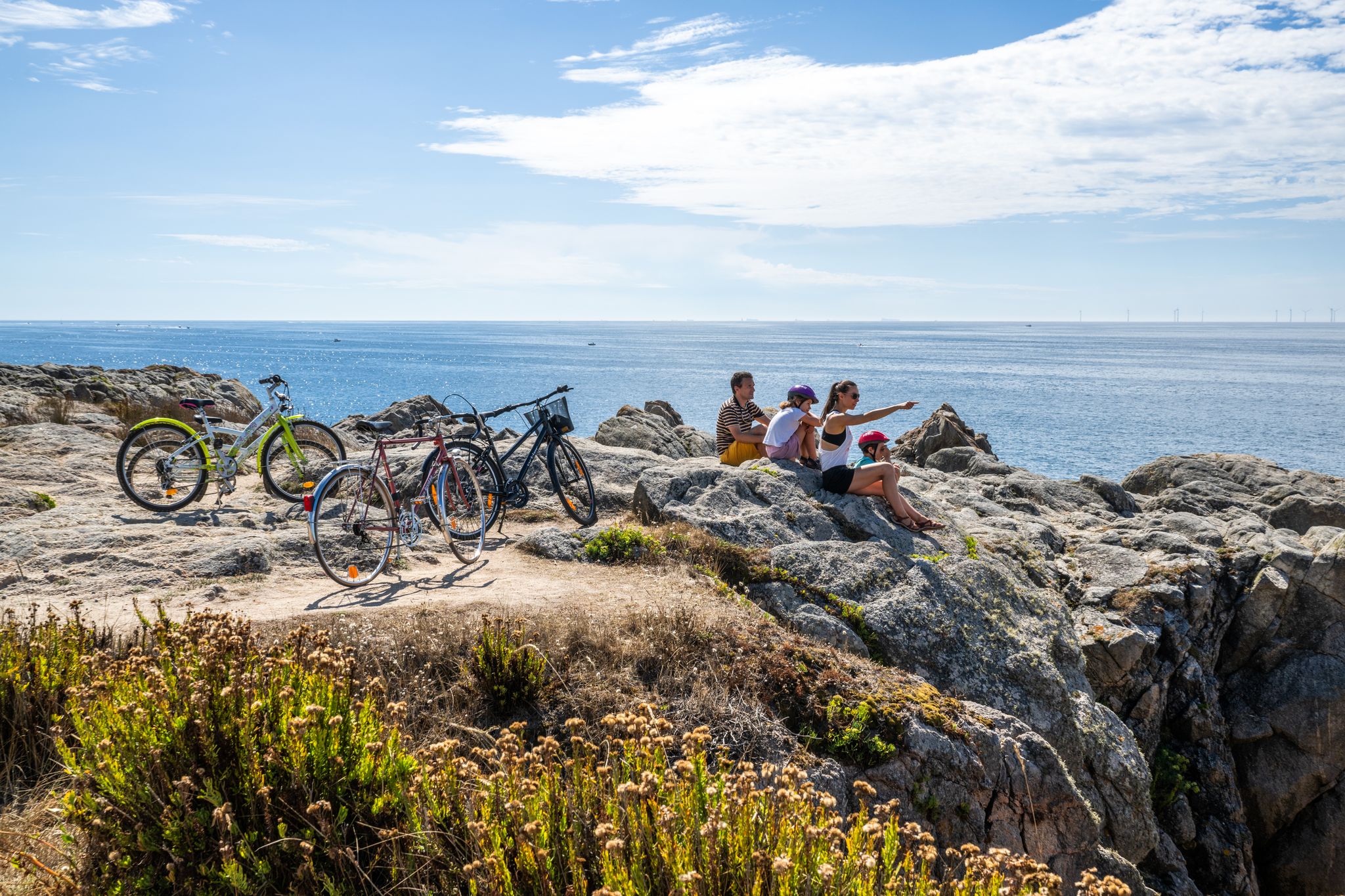
French Atlantic coast – 9 bike Tours from La Baule to Saint-Jean-de-Luz
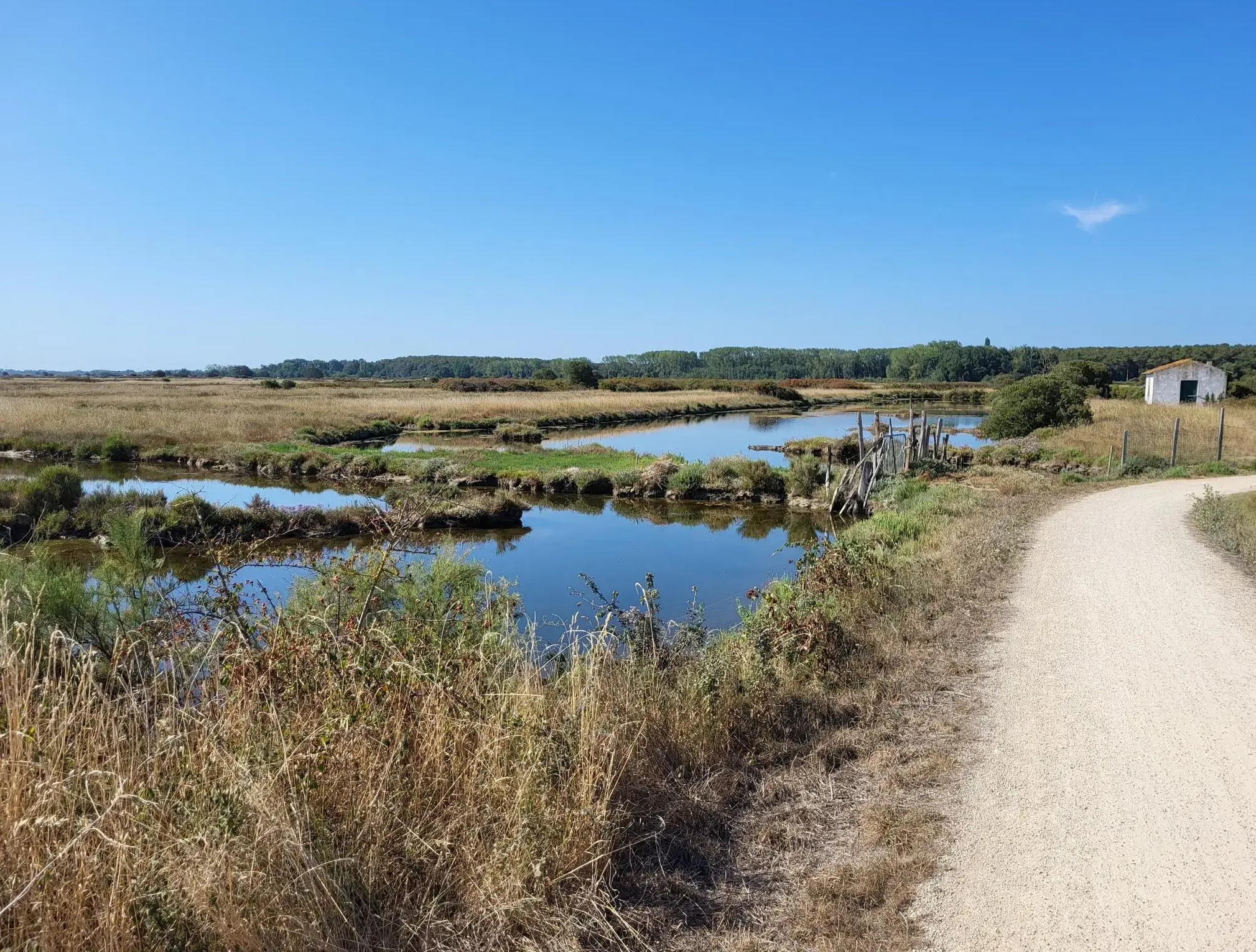
Coast, marshes and hedges — Vendée Vélo Tour
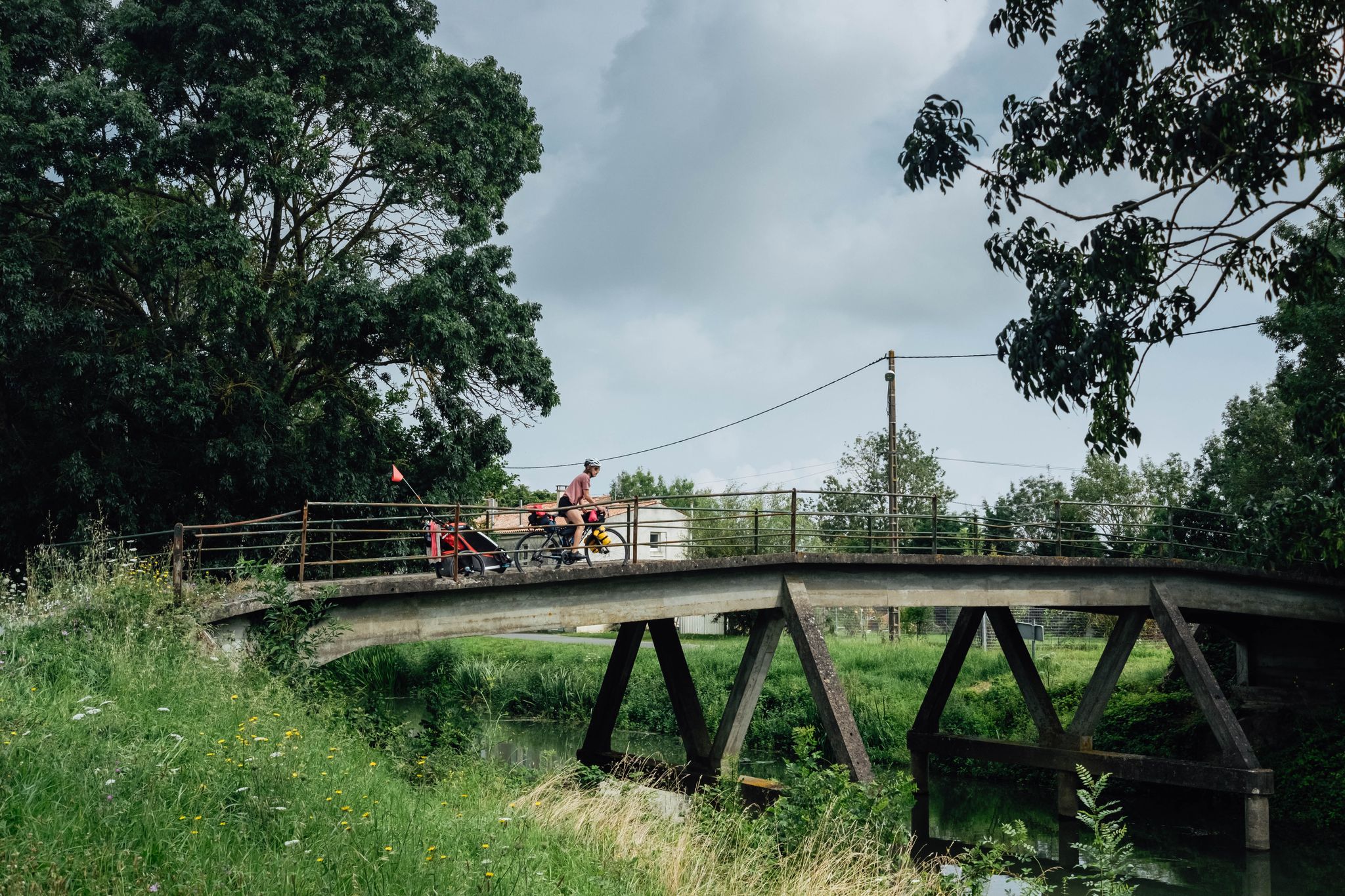
Our first family bike adventure in Western France
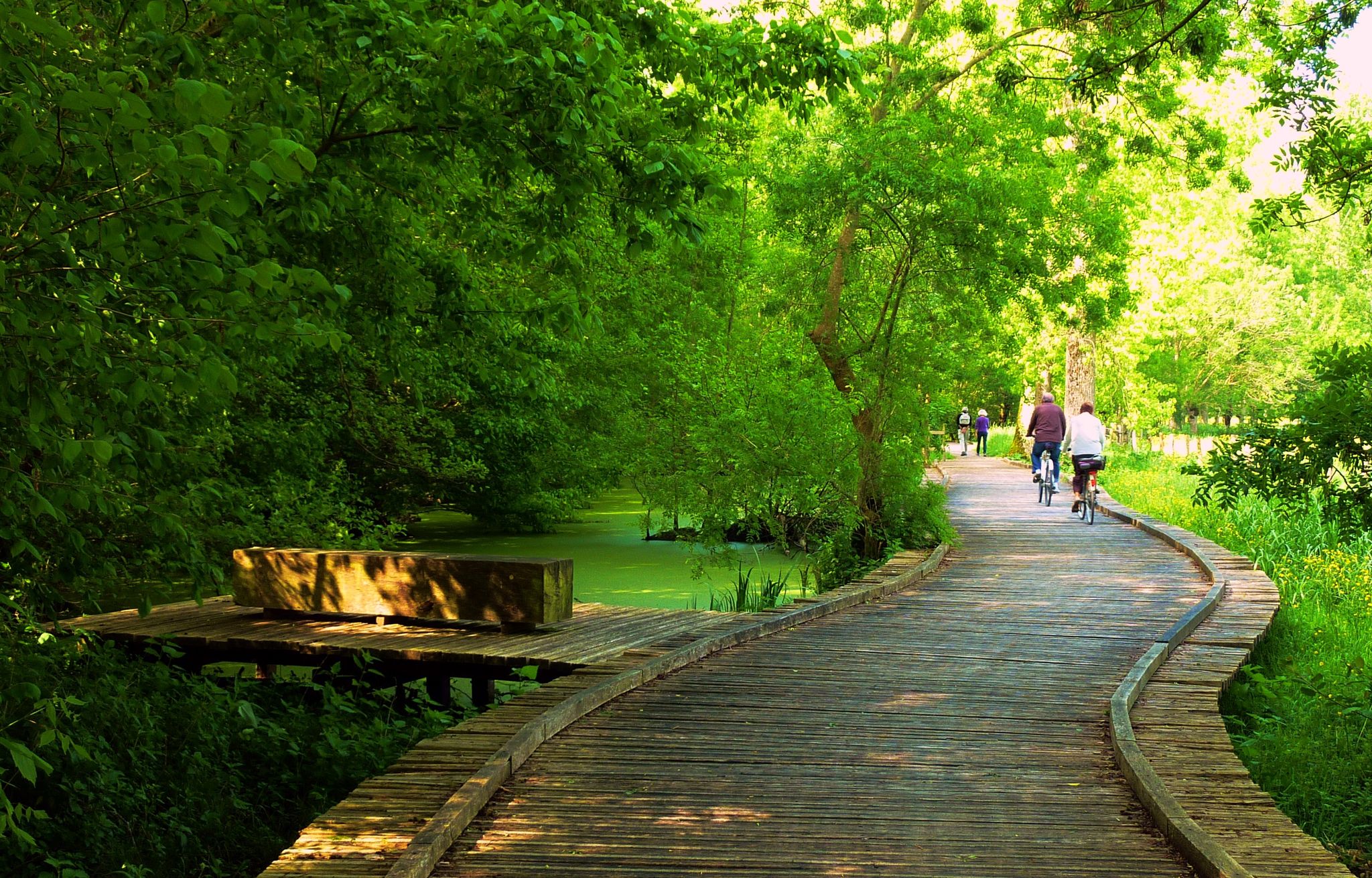
Between Fontenay-le-Comte, Parthenay and Niort – Poitou on the water
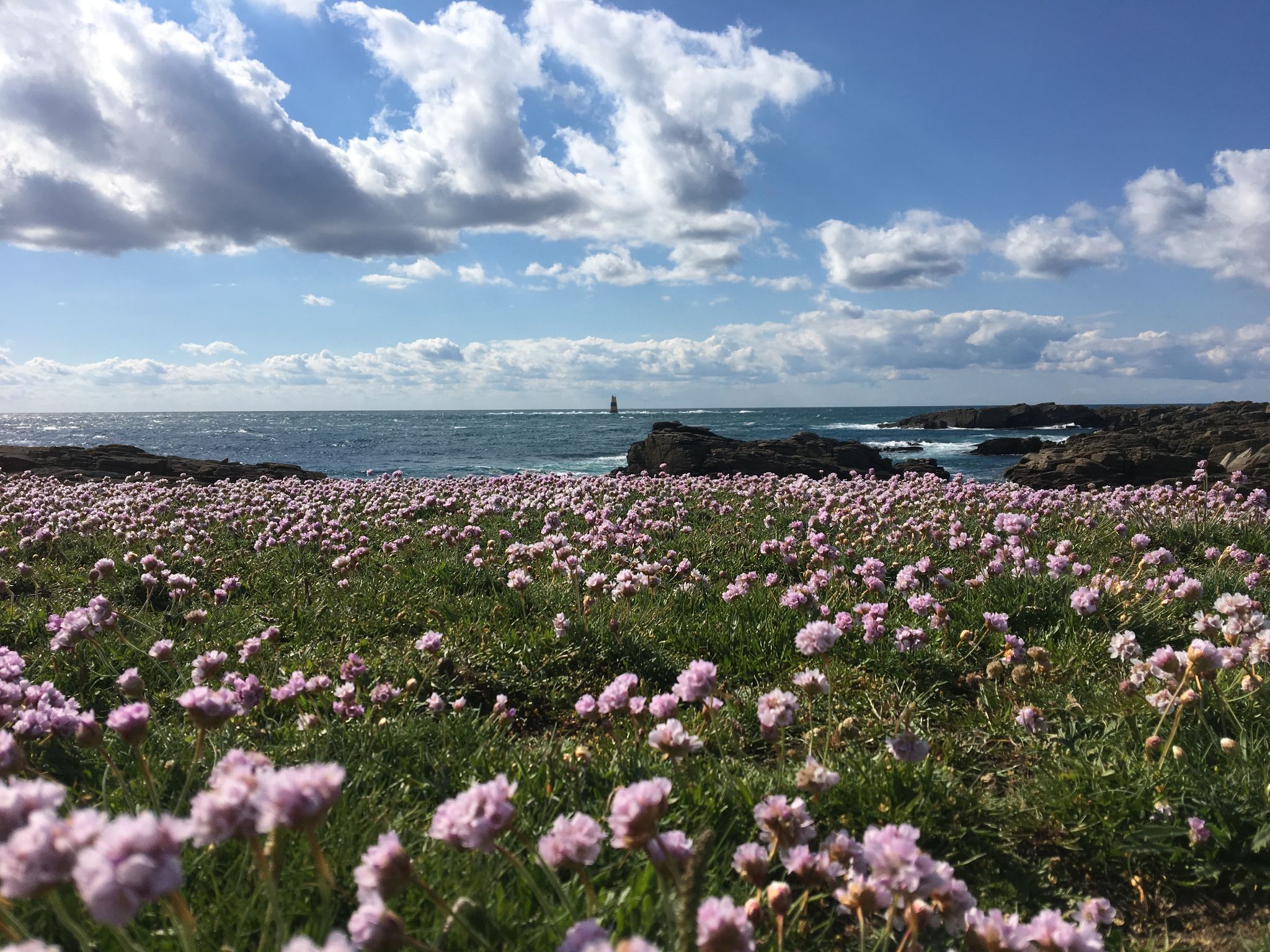
An island adventure – Tour of Île d'Yeu (GR 80)
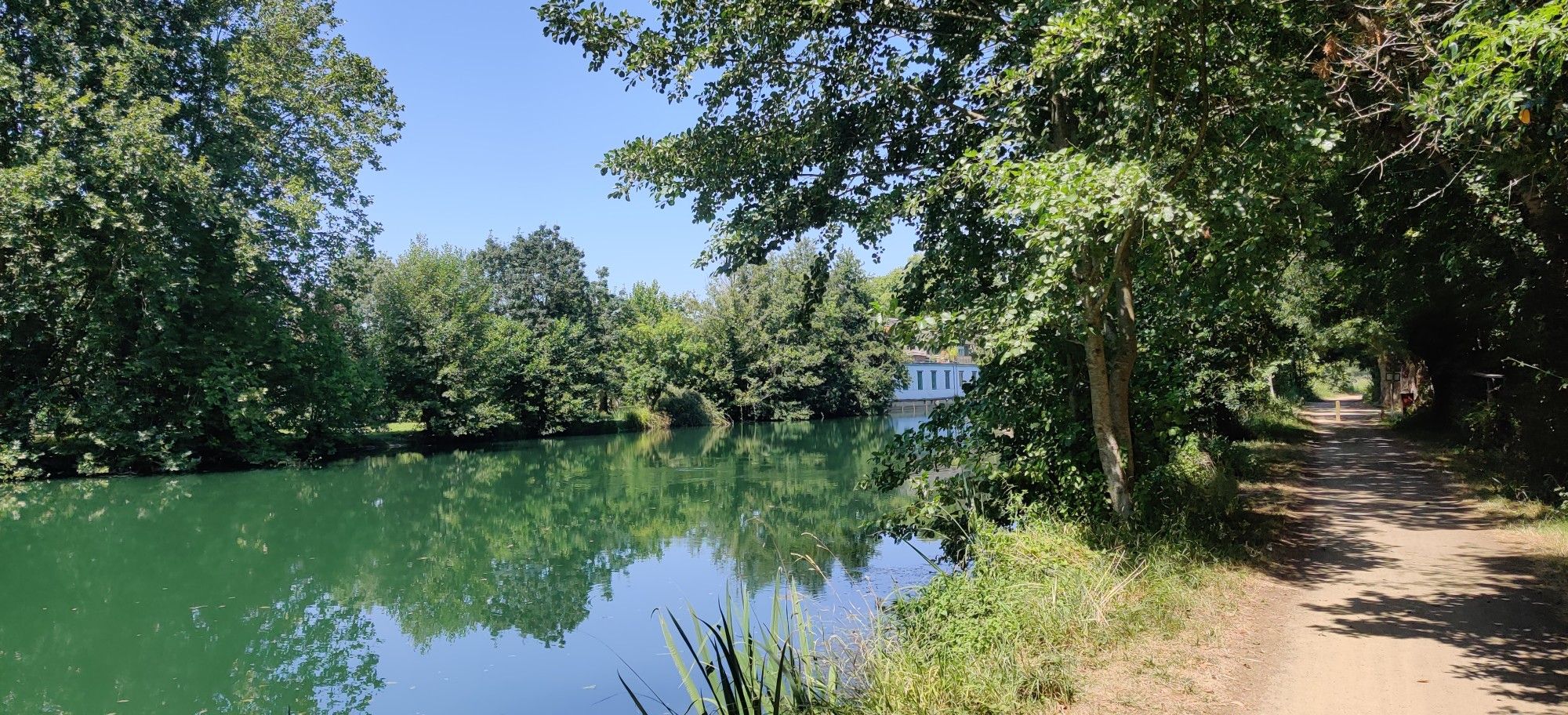
From Ouistreham to La Rochelle — riding the Vélo Francette
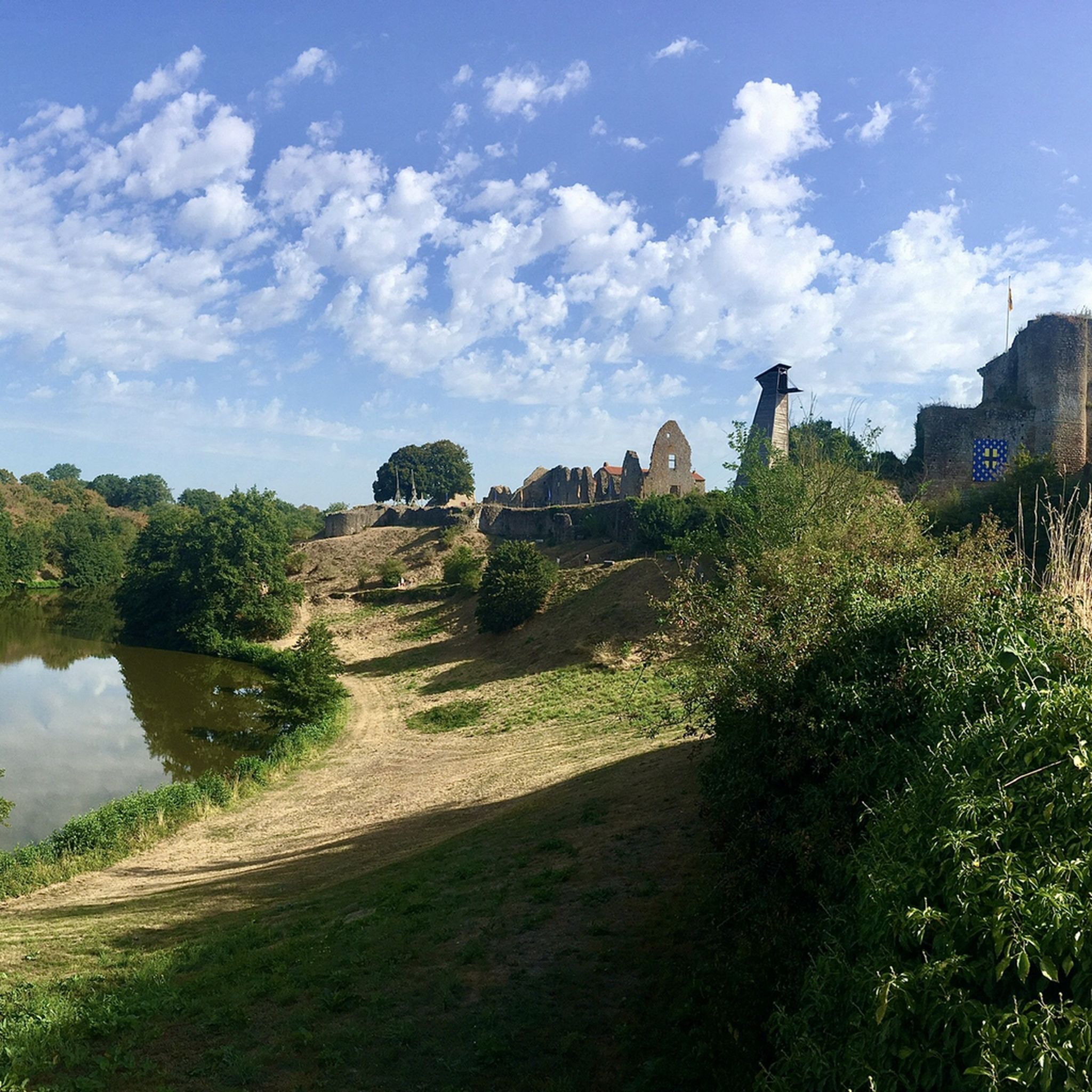
Hiking in Vendée
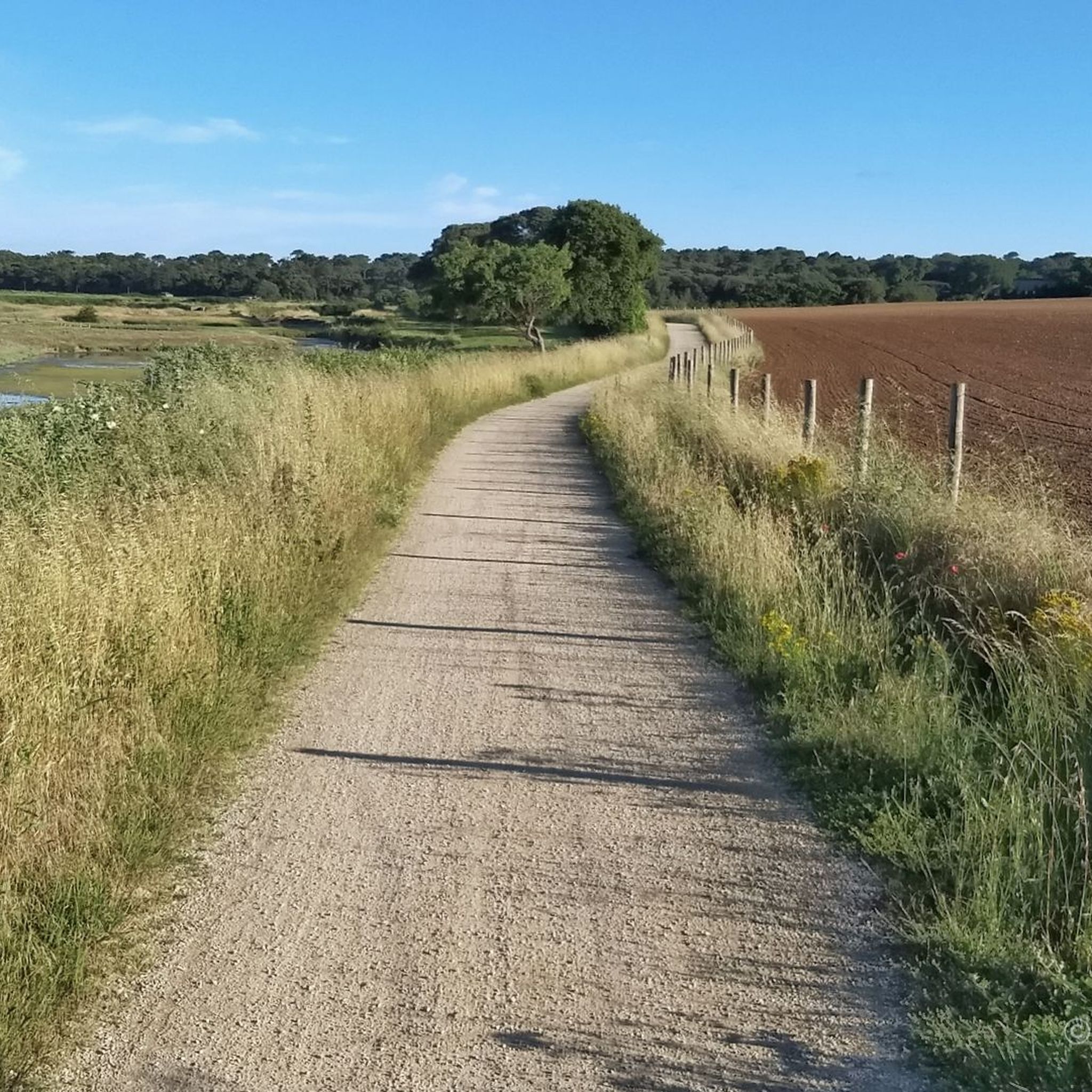
Cycling in Vendée
Other adventures in Vendée


Tips from the Community

Excellent run to the mine and back. In the cool of the early morning
0
0

Pointe de Casie offers an unforgettable experience as you cruise right along Bourgneuf Bay on the island's east coast. This strip of land, which also serves as a seawall, offers commanding views of both land and sea.
0
0

Bultière Lake is an artificial reservoir. The Bultière Dam was built in 1994. It is located in the commune of Chavagne en paillers. It supplies the drinking water network. Its surface area is 72 hectares and contains 5.2 million cubic meters of water. It is possible to walk around the lake via a 15-km trail. This lake, with its exceptionally rich fish population, awaits you with almost every type of fish (perch, pike, zander, catfish, carp, roach, bream, tench, etc.). You can go predator fishing from the shore or from a boat to catch zander, pike, and catfish. It is, of course, possible to still fish for roach, bleak, or bream. Carp are also present in this lake. A night carp fishing route located on the right bank in the Maurosière sector will delight those who love a good catch.
0
0


This vast body of water, popular for fishing and nature walks, offers an ideal setting for a bike ride along its banks. The trails surrounding the lake reveal superb views of the calm water and the surrounding hills.
0
0

Pointe de la Casie offers an exhilarating mountain biking experience with its rugged trails and breathtaking views. Located in a beautiful coastal area, the trail seems to sink into the ocean as it skirts the island of Noirmoutier.
1
0

Lake Bultière is an artificial water reservoir. The Bultière dam was built in 1994. It is located in the town of Chavagne en strawlers. It supplies the drinking water network. Its surface area is 72 hectares containing 5.2 million m3 of water. it is possible to go around the lake via a 15 km path. This lake of exceptional fish wealth awaits you with almost all kinds of fish (perch, pike, zander, catfish, carp, roach, bream, tench, etc.). You can practice predator fishing from the shore or with a boat to catch zander or pike, catfish.
0
0
Frequently Asked Questions
What unique geological features can I discover in Vendée's natural monuments?
Vendée offers fascinating geological formations. For instance, the Pointe du Payré cliffs in Jard-sur-Mer showcase a rare angular unconformity, where rock layers from different eras meet at a distinct angle. The 'Côte Sauvage' also features dramatic rocky formations and viewpoints like the 'Trou du Diable' and 'Les 5 Pineaux', offering rugged beauty.
Are there family-friendly natural monuments in Vendée?
Absolutely! Many natural monuments in Vendée are suitable for families. The Salt Pans and White Paths of Noirmoutier are great for observing birds and offer easy trails. The Lac de la Bultière has a 15 km path around its perimeter, perfect for a family stroll or bike ride. The Forêt de Mervent-Vouvant also provides a cool retreat with attractions like Natur'Zoo de Mervent and Pierre Brune amusement park nearby.
Where can I go for wildlife spotting in Vendée's natural areas?
Vendée is a haven for wildlife enthusiasts. The Salt Pans and White Paths of Noirmoutier are known for hosting around 170 bird species. The Marais Poitevin, often called the 'Green Venice', is a vast wetland ecosystem ideal for birdwatching and observing diverse flora and fauna from a traditional boat. The Baie de l'Aiguillon is also a crucial ornithological site, especially for migratory birds.
What are the best natural monuments for hiking and walking in Vendée?
For hiking and walking, the Vendée offers diverse options. The Pointe du Payré cliffs provide beautiful viewpoints and well-marked trails. The Forêt de Mervent-Vouvant, the largest forest massif in Vendée, is excellent for hiking with its hilly terrain and magnificent views. You can find more hiking routes in the region by visiting our guide to Easy hikes in Vendée.
Can I cycle around any of Vendée's natural monuments?
Yes, cycling is a popular way to explore Vendée's natural beauty. The Île de Noirmoutier is perfect for cycling along its numerous paths, especially around the salt marshes. The Lac de la Bultière also features a 15 km path around its perimeter suitable for bikes. For more cycling adventures, check out our guide to Cycling in Vendée.
What are the best coastal natural monuments to visit in Vendée?
The Vendée's 'Côte de Lumière' offers stunning coastal natural monuments. The Puits d'Enfer is a dramatic gorge where the sea rushes into the rock at high tide. Cayola Bay features a natural pebble dike and cliffside paths. The Five Pineaux Beach offers great views along the magnificent Vendée corniche.
Are there any historical or cultural sites integrated with Vendée's natural monuments?
While primarily natural, some sites have historical significance. The Dolmen de la Planche-à-Puare is a historical site classified as a natural monument. The ancient Forêt de Mervent-Vouvant is also steeped in legends of fairies and brigands, adding a cultural layer to its natural beauty.
What is the best time of year to visit Vendée's natural monuments?
The Vendée, known as the 'Côte de Lumière' for its exceptional sunshine, is pleasant throughout much of the year. Spring and early autumn offer mild weather ideal for hiking and cycling, with fewer crowds. Summer is perfect for enjoying the beaches and water activities, though it can be busier. Wetlands like the Marais Poitevin are beautiful in spring and autumn for birdwatching.
What kind of water activities can I do near Vendée's natural monuments?
Many natural monuments in Vendée offer opportunities for water activities. The Forêt de Mervent-Vouvant, with its Mervent lake, is great for canoeing or electric boat rides. The 'Côte de Lumière' beaches are ideal for various water sports. The Marais Poitevin allows for exploration by traditional flat-bottomed boat, offering a unique perspective on its waterways.
Are there any unique wetland areas to explore in Vendée?
Vendée is home to significant wetland areas. The Marais Poitevin, known as the 'Green Venice', is France's second-largest wetland, a vast mosaic of waterways and wet meadows. The Marais Breton Vendéen in northern Vendée also offers a wild natural experience with its wet pastures and canals. The Baie de l'Aiguillon, at the mouth of the Marais Poitevin, is another remarkable site composed of salt meadows and mudflats.
What are some lesser-known natural spaces worth visiting in Vendée?
Beyond the major sites, Vendée protects smaller, unique natural spaces. L'étang de Beau Soleil in La Bruffière is an 8-hectare site recognized for its exceptional amphibian population and various orchid species. La Petite Yvoie, in the Sèvre Nantaise valley, features wooded hillsides and dense riparian forests, attracting specific aquatic fauna like dragonflies.
Most popular routes in Vendée
Most popular attractions in Vendée

Get inspired with the komoot mobile app


Explore more
Extend your search for the best caves by checking out these guides of the top ones in Vendée:
