Top 20 Natural Monuments in Nord
Best natural monuments in Nord are found across a diverse landscape that includes coastal dunes, expansive forests, and unique geological formations. The region features a mix of natural reserves, lakes, and historical sites, reflecting both its natural beauty and human impact. Visitors can explore areas shaped by mining history alongside pristine natural habitats. This variety offers numerous opportunities for outdoor exploration.
Best natural monuments in Nord
- The most popular natural monuments is Heron Lake, a lake that features a…
Last updated: June 26, 2026
Dune Dewulf Nature Reserve
Highlight • Natural Monument
Translated by Google •
Tip by

Heron Lake
Highlight • Lake
Translated by Google •
Tip by

Sign up now to discover places like this
Get recommendations on the best single tracks, peaks, & plenty of other exciting outdoor places.
Sign up for free
Goriaux Pond
Highlight • Lake
Translated by Google •
Tip by

Grand-Fort-Philippe Beach
Highlight • Beach
Translated by Google •
Tip by

Ostricourt slag heap
Highlight • Natural Monument
Translated by Google •
Tip by

The Menhir of Lécluse or the Devil's Stone
Highlight • Summit
Translated by Google •
Tip by

Northernmost Point of France
Highlight • Natural Monument
Translated by Google •
Tip by

Ladder Tree
Highlight • Forest
It is easily accessible by bicycle.
Which is not the path that goes deep into the forest.
Translated by Google •
Tip by

the stone that grows
Highlight • Historical Site
Translated by Google •
Tip by
Vaucelles watering trough
Highlight • Structure
Translated by Google •
Tip by

Sign up for free to discover even more natural monuments in Nord.
Sign up for free
Already have an account?
Start today with a free account
Your next adventure awaits.
Login or Signup
Popular around Nord
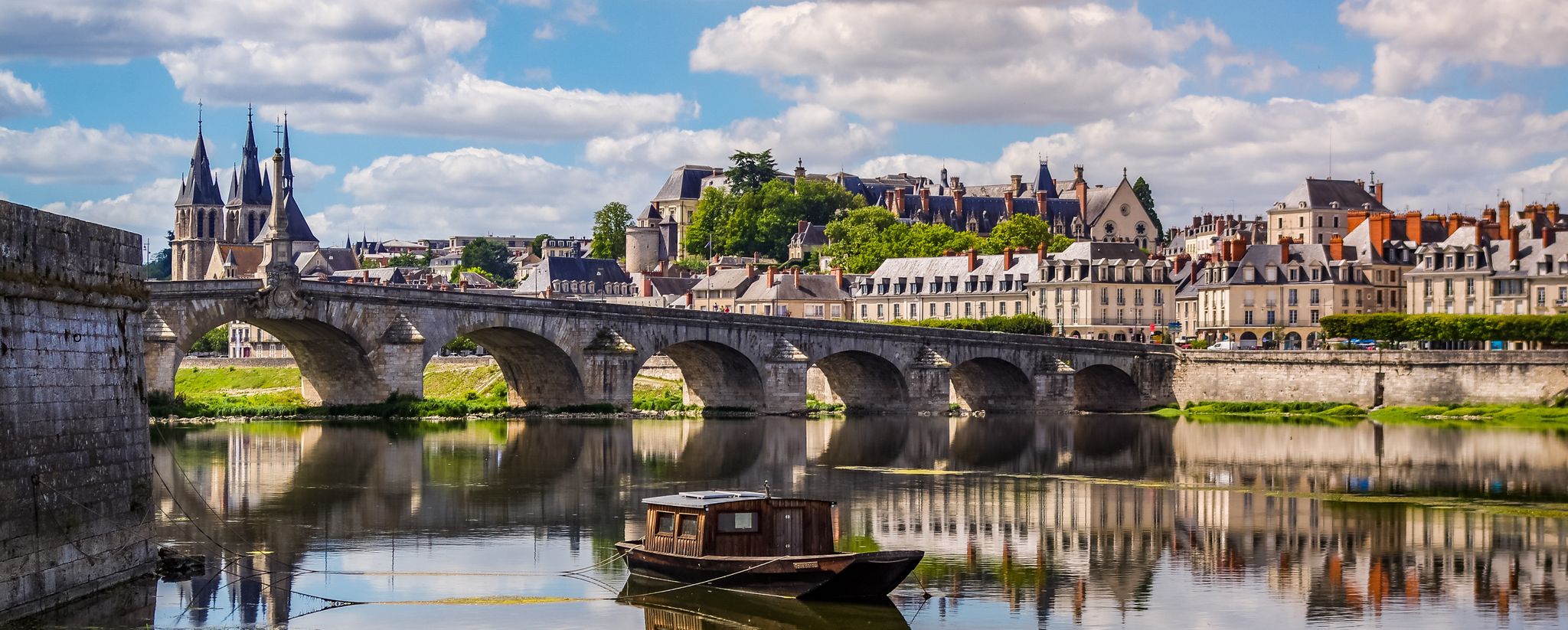
EuroVelo 3 – A cycling pilgrimage from Norway to France
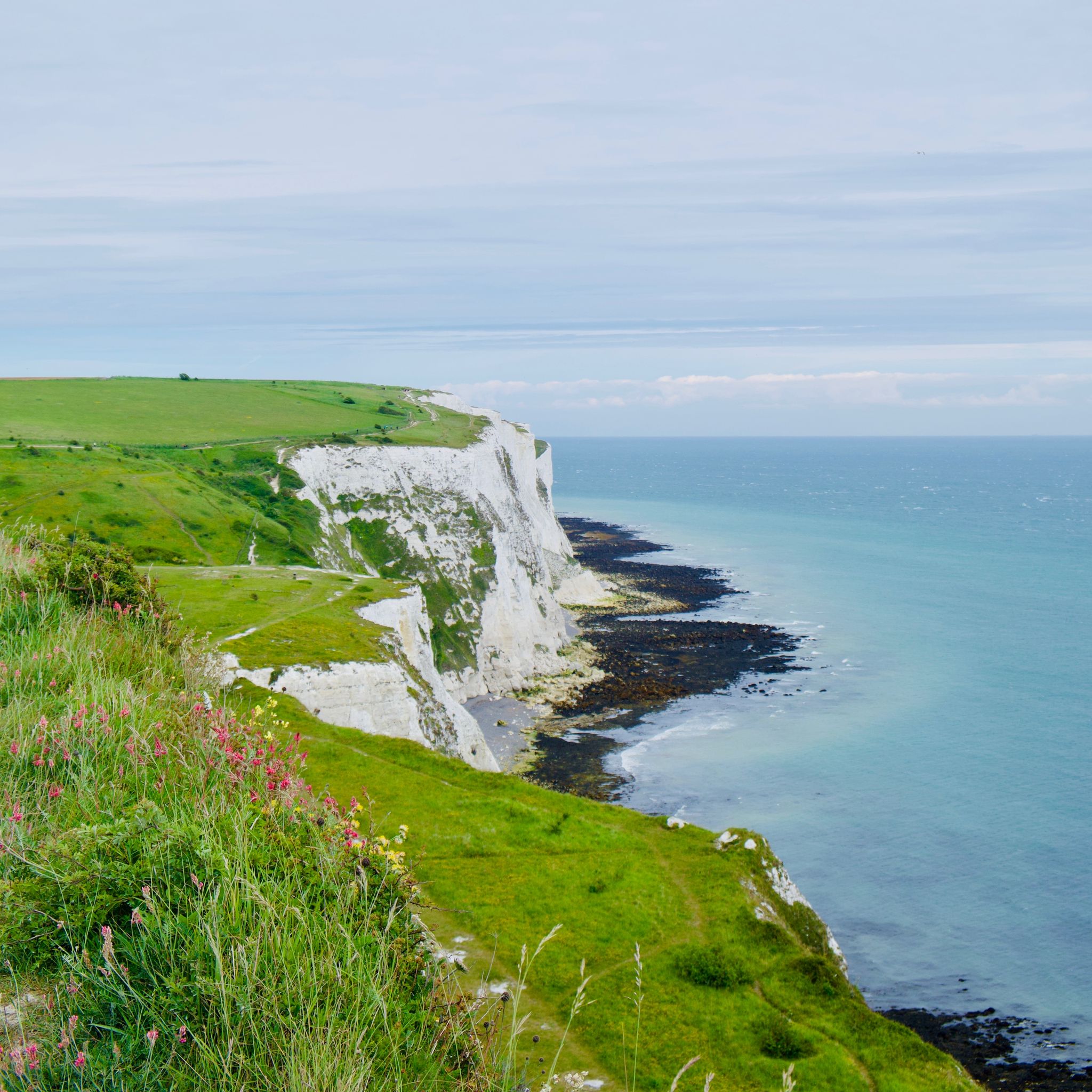
From Amsterdam to London - along the North Sea and across the water
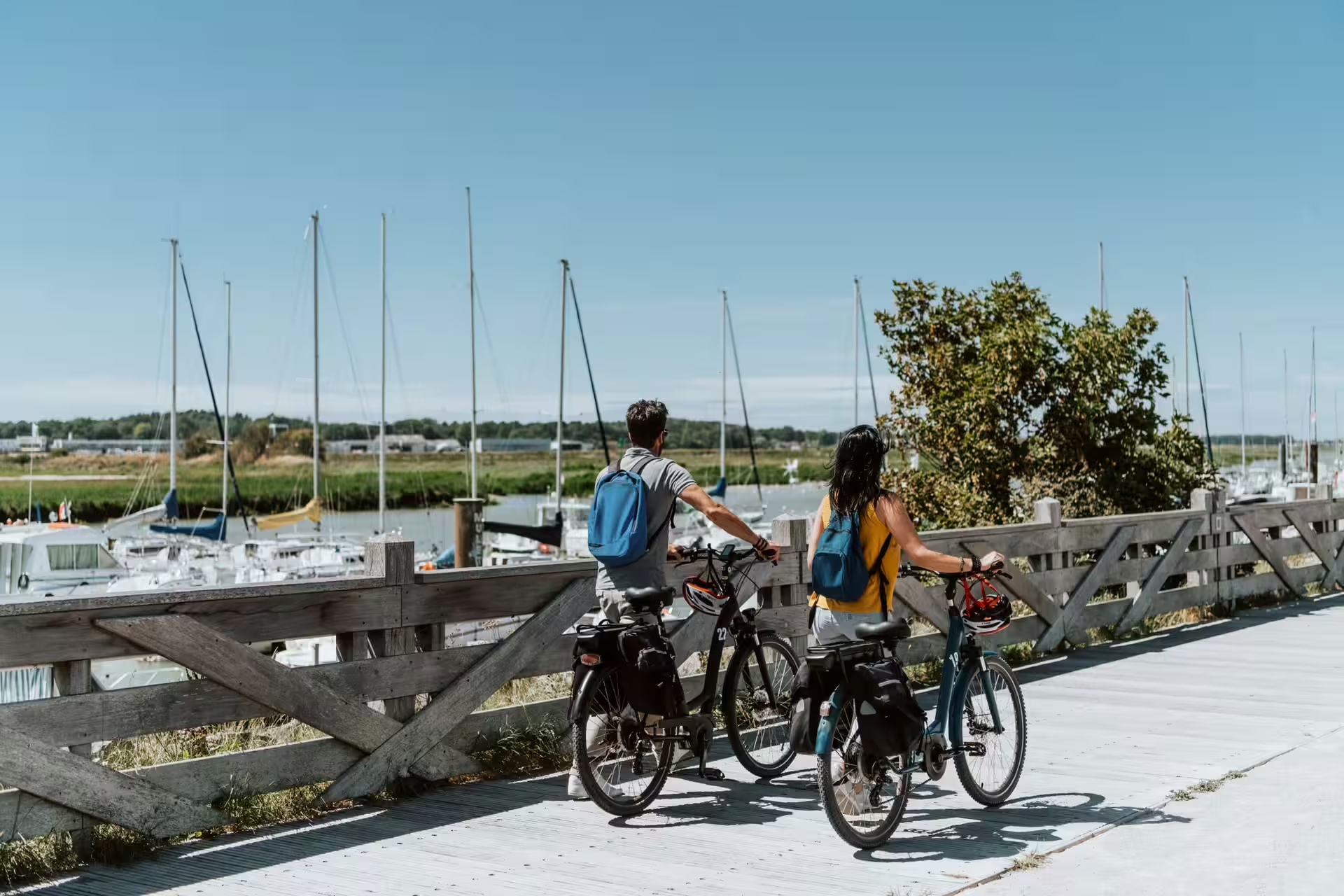
Routes in Hauts-de-France for cycling enthusiasts
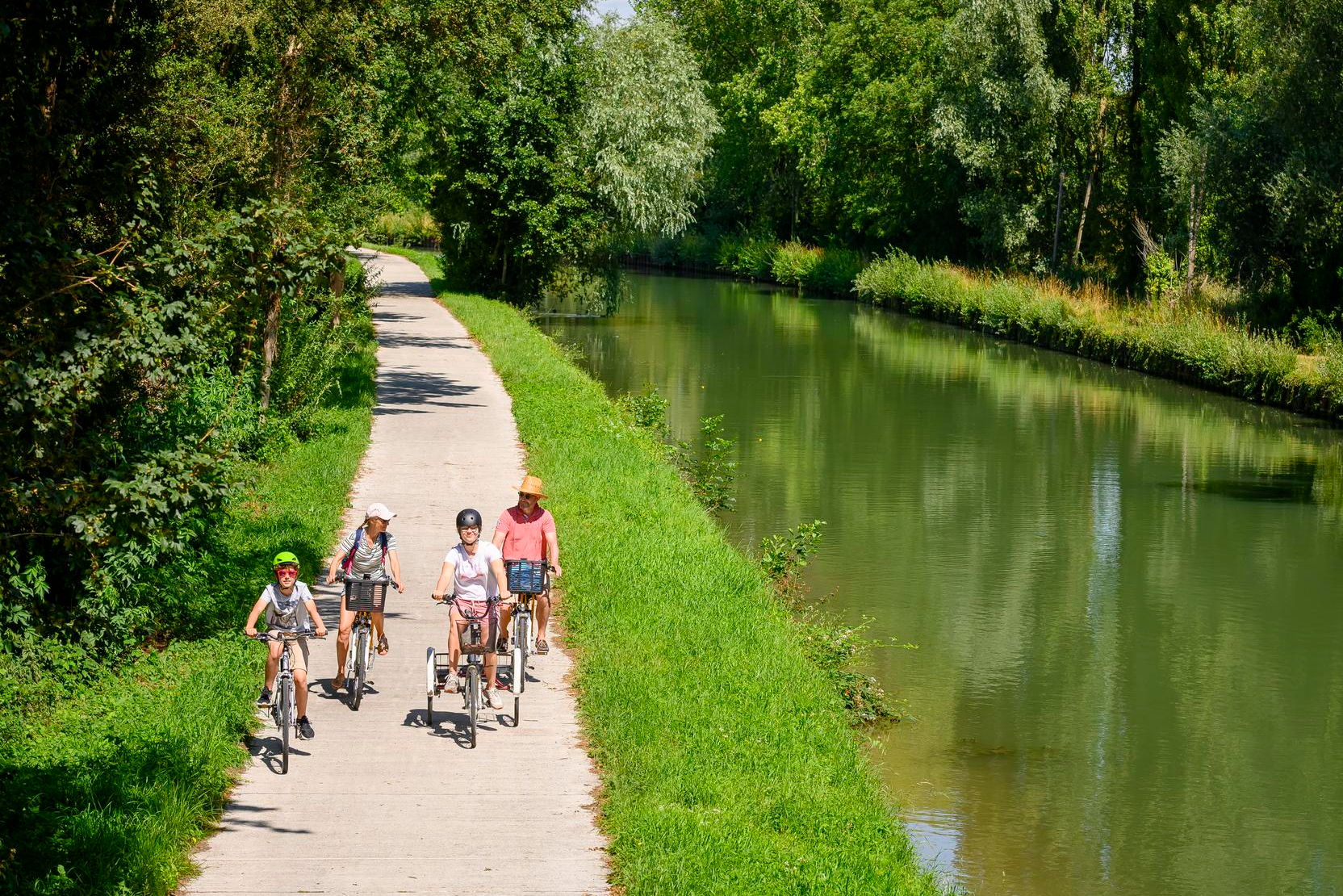
Cycling routes in Hauts-de-France for beginners and families
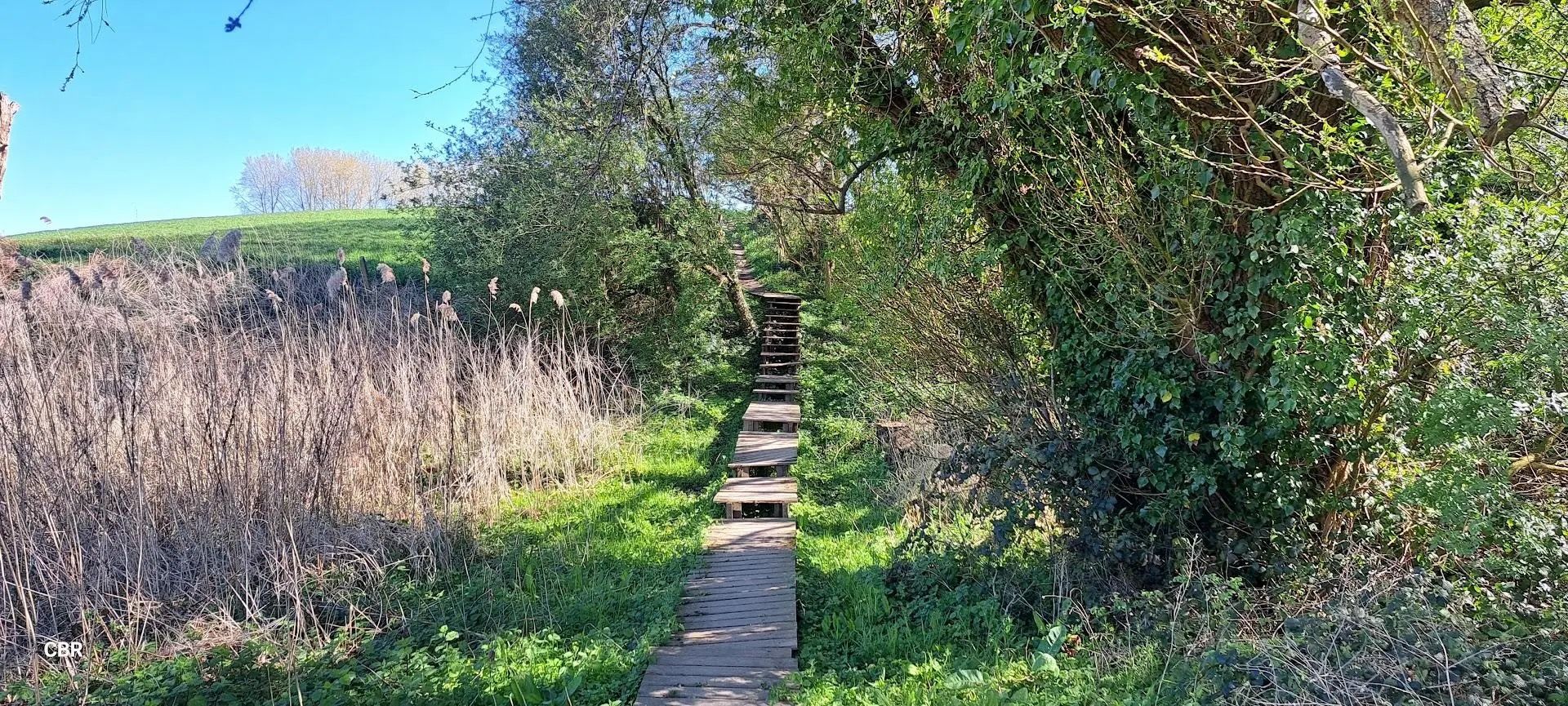
At the pace of the Westhoek - Streek-GR Heuvelland
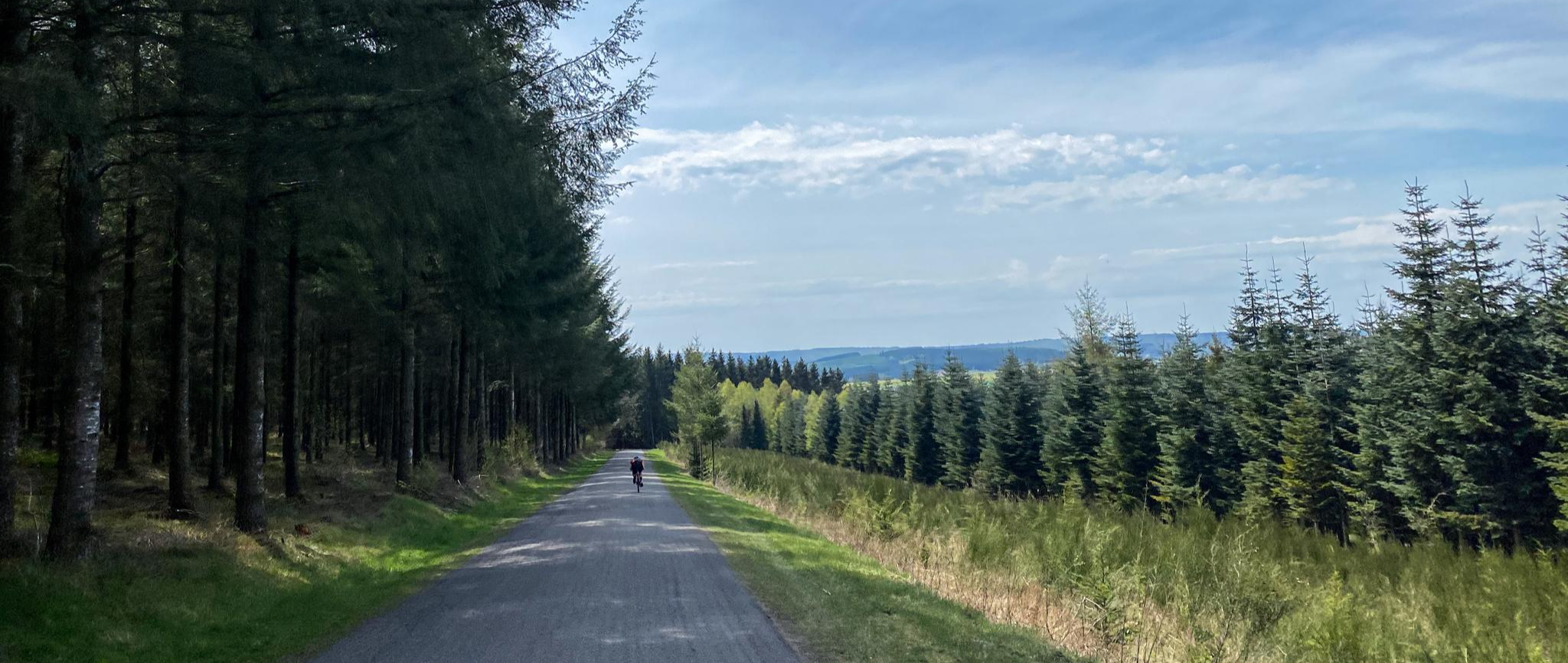
From Picardie to the Ardennes — Crossing Wallonia by Bike
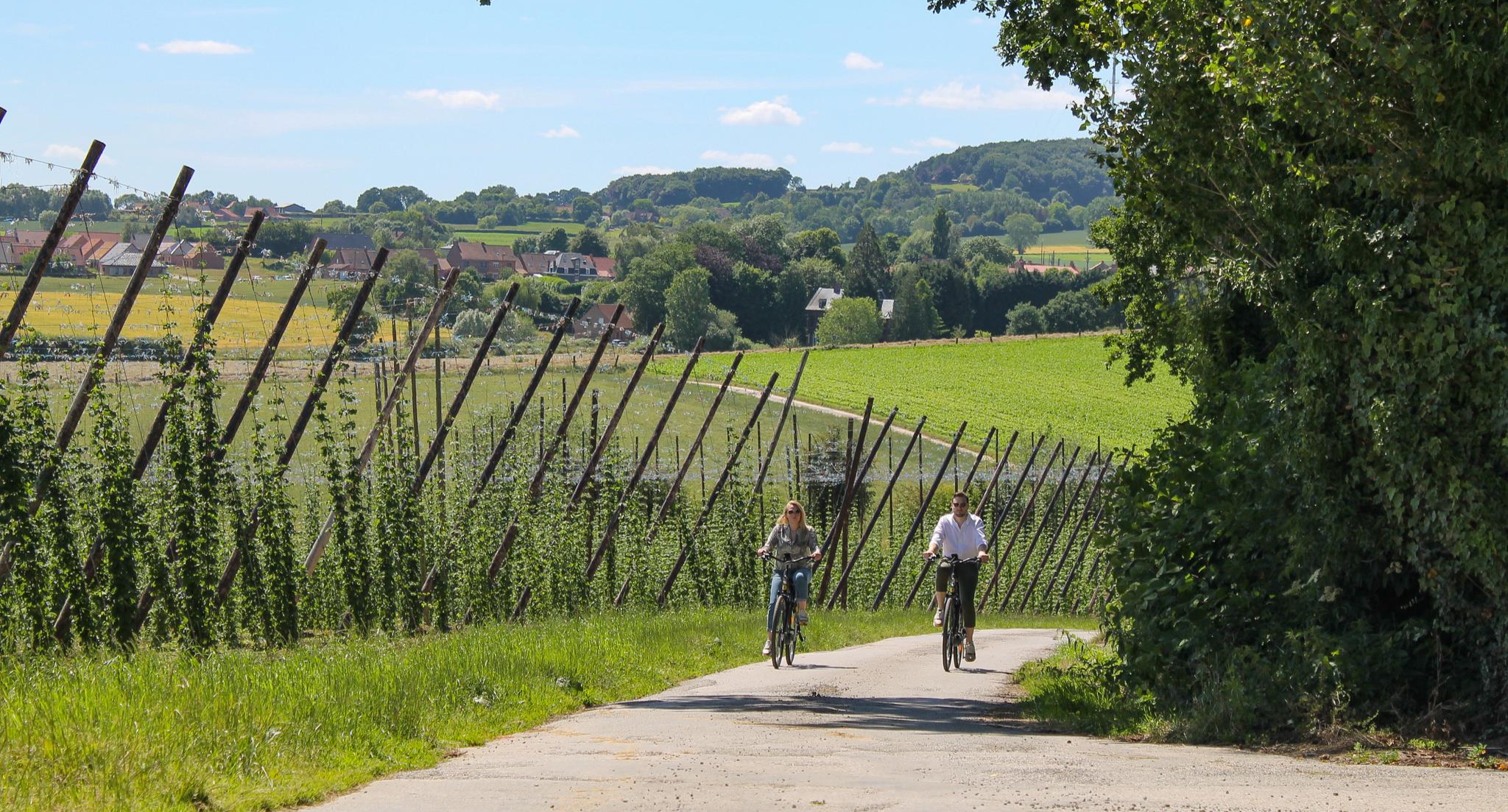
Flanders, Land of Cycling – Hills, Cobblestones and Estaminets
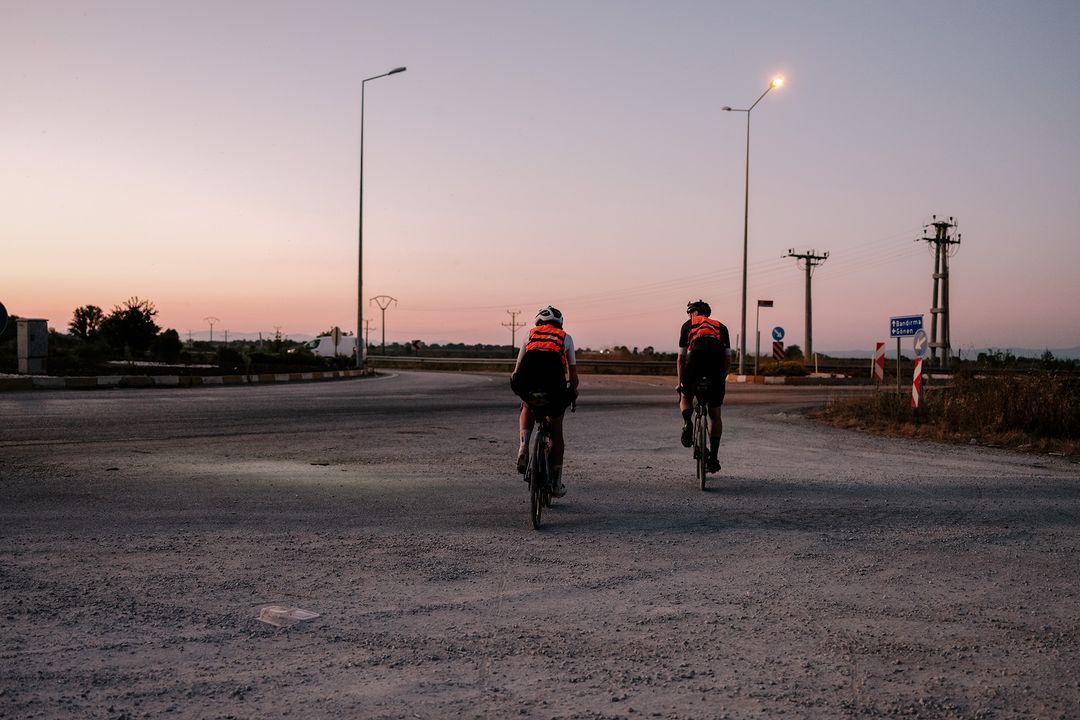
Transcontinental Race No10: crossing Europe from France to Turkey
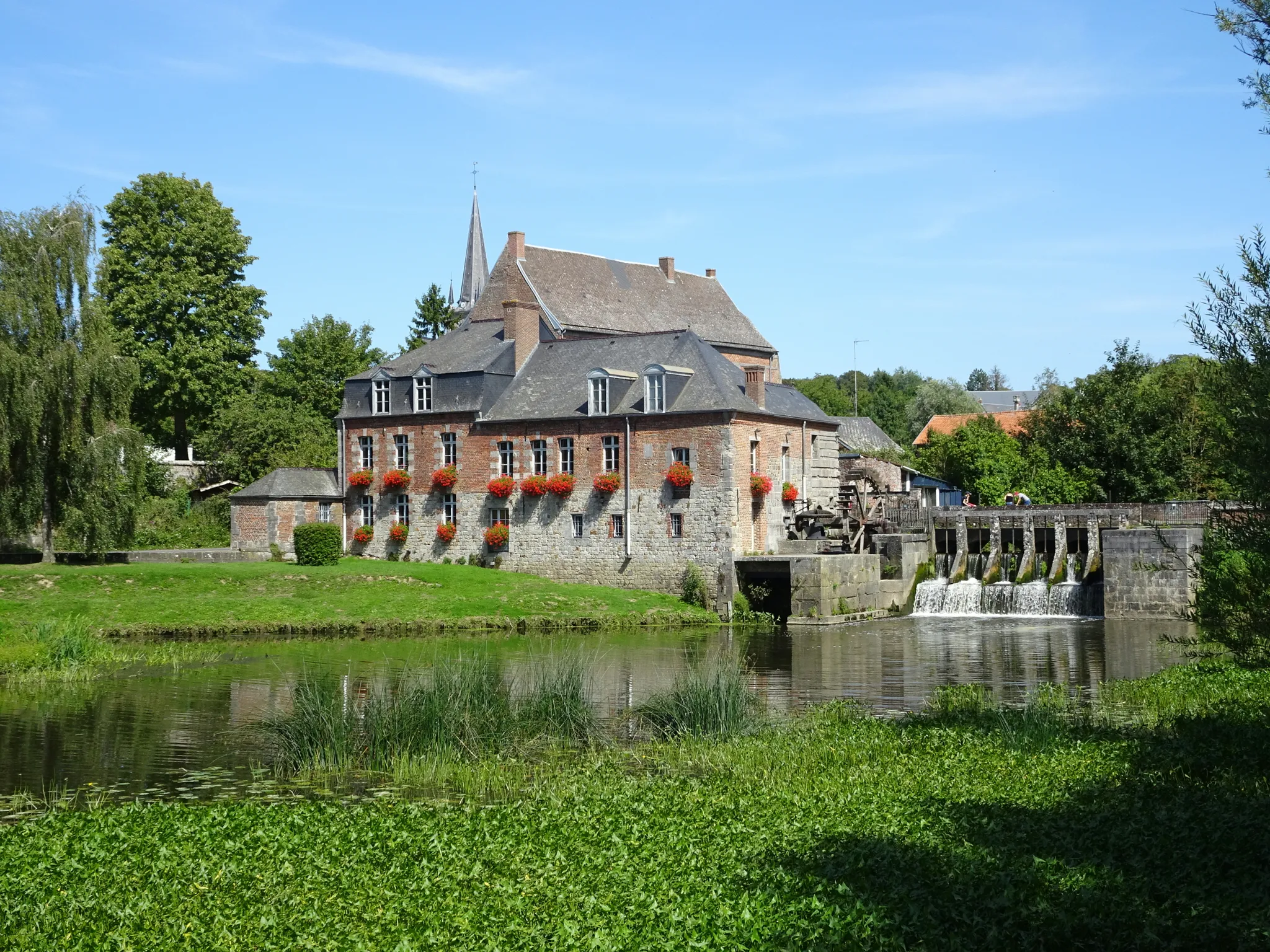
Countryside, cuisine and heritage – 4 bike Tours in the Avesnois
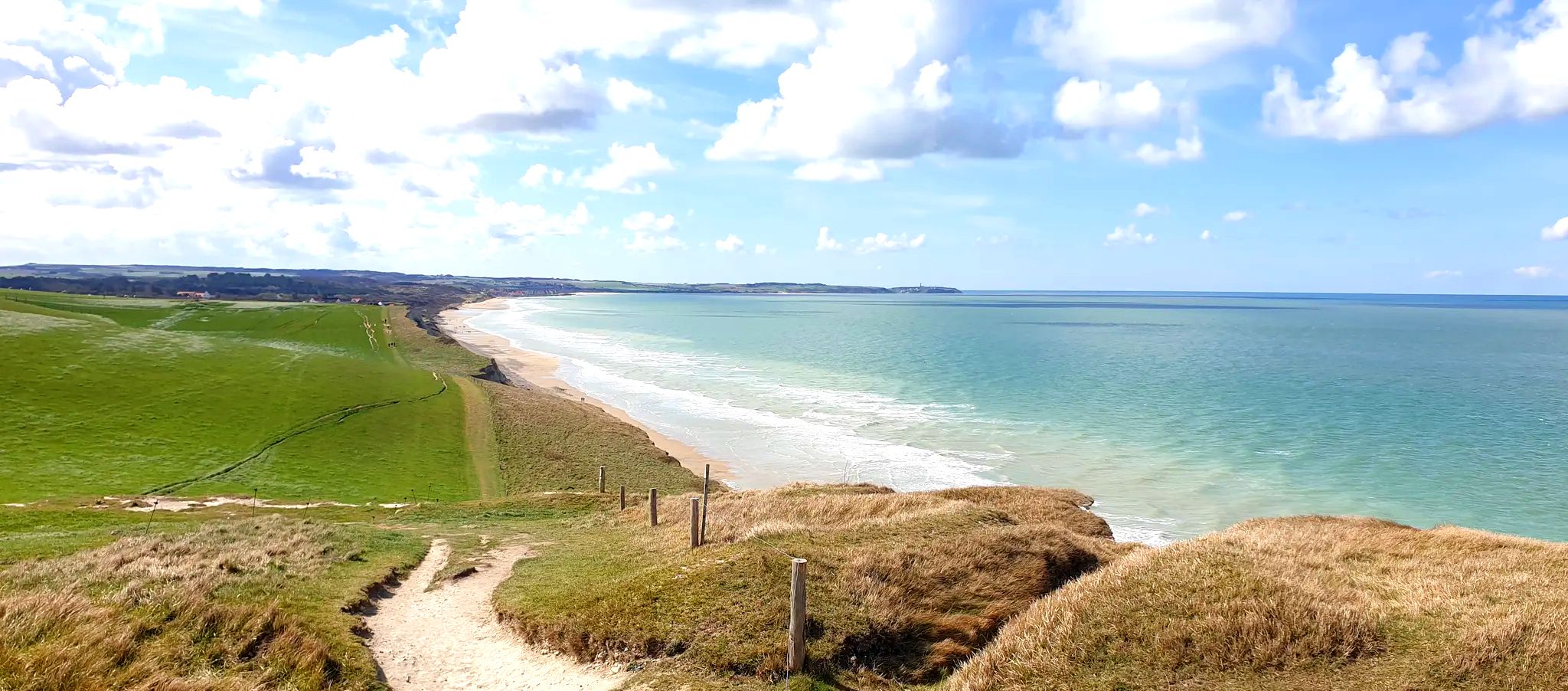
Journey from Flanders to the Somme – GR 120 coastal path
Other adventures in Nord


Tips from the Community

For bikepacking trips, A magnificent base for cycle touring. It's a place steeped in history, peaceful, and surrounded by lush greenery. Don't miss the hamlet of Revelon or a visit to the source of the Scheldt River in Gouy (right next door). Happy riding! 🚴♀️ Franck
1
0

This boundary stone is the westernmost in Belgium. It was recently installed to replace the original, which had braved the elements for many years. The annotation "1819" refers to the placement of the original, which marked the border with France. Anyone familiar with Belgian history will understand that this boundary stone originally marked the border with the Netherlands (after the fall of Napoleon in 1815), rather than with Belgium. When Belgium was formed, this border was preserved, and the nearby boundary stones were "recycled." For the hiker looking for this boundary stone... it's located on the border between the dunes and the beach, on the right side of the border path if you're standing with your back to the sea. There are no guarantees that this stone will always be visible. After a storm, it's quite possible that it will temporarily disappear under the sand. Good luck finding this boundary stone!
0
0

Unfortunately, the bike path here is no longer paved. Still, the scenery is beautiful.
0
0

First of all, this boundary marker on the beach is completely new, as an earlier one was irreparably damaged in 2021. The date and initials refer to the brief period from 1814 to 1830 when France bordered the Netherlands. The former boundary marker was first erected in 1819. Now, this boundary marker 2.0 marks the border between Belgium and France. The point also marks the westernmost point of Belgium in combination with the northernmost point of mainland France.
5
0

In the Netherlands called salt marshes or salt marshes
0
0

Some very beautiful remains to discover during a hike 😉.
1
0
This watering trough is probably a distant legacy of the Cistercian monks of Vaucelles. Nestled in the pastures surrounding the farm, it is fed by the nearby fountain, which filters the water and is itself fed by water from the Saint-Bernard spring, via an aqueduct. Hence the name of the bicycle trail "des sources" 😎.
3
0

The menhir is located in the marsh of Aubigny-au-Bac, on a footpath leading to Brunémont. It is a block of Landenian sandstone 2.90 m high (including 1.48 m above ground) by 2.15 m wide and 0.70 m thick. It is said to have been sunk to about 2.40 m. Shaped like a horse's head, it is associated with a prehistoric megalith despite the absence of evidence.
0
0
Frequently Asked Questions
Which natural monuments in Nord are suitable for families?
Many natural monuments in Nord are family-friendly. For instance, Heron Lake offers a pleasant gravel path for walking, and Goriaux Pond, a national biological reserve, is also suitable for family visits. Additionally, Dune Dewulf Nature Reserve and Grand-Fort-Philippe Beach are excellent choices for outings with children, offering diverse natural landscapes and space to explore.
Are there dog-friendly natural monuments or trails in Nord?
Yes, several natural monuments in Nord welcome dogs. The Northernmost Point of France is noted as dog-friendly, offering a scenic spot for you and your canine companion. When visiting other natural areas, it's always advisable to keep dogs on a leash and respect local regulations to protect wildlife and other visitors.
What are the typical hiking durations around Nord's natural monuments?
Hiking durations vary greatly depending on the specific natural monument and your chosen route. For example, the circuit around Heron Lake is a popular, relatively short walk. For longer excursions, areas like the Dune Dewulf Nature Reserve, with its 15 km long beach, offer opportunities for extended hikes. You can find various hiking routes, including easy options like the 'Parc de la deule' loop (around 4.9 km), in the Easy hikes in Nord guide.
What is the best time of year to visit the natural monuments in Nord?
The natural monuments in Nord can be enjoyed year-round, but each season offers a different experience. Spring and summer are ideal for lush greenery and warmer weather, perfect for exploring dunes and lakes. Autumn brings beautiful foliage to forested areas like those around Ladder Tree, while winter can offer a serene, quiet atmosphere, especially for those interested in winter hiking.
What should I wear when visiting Nord's natural monuments in autumn?
In autumn, Nord's weather can be variable. It's best to dress in layers. We recommend waterproof outerwear, comfortable walking shoes or hiking boots, and warm clothing such as a fleece or sweater. A hat and gloves can also be useful, especially for early mornings or late afternoons.
Is winter hiking possible at Nord's natural monuments?
Yes, winter hiking is possible and can offer a unique perspective on Nord's natural monuments. While some paths might be muddy or icy, many areas remain accessible. Always check local conditions before heading out and ensure you have appropriate warm, waterproof clothing and sturdy footwear. The quietude of winter can make for a very peaceful experience.
Are there any lesser-known natural monuments or 'hidden gems' in Nord?
Beyond the more popular spots, Nord holds several intriguing natural monuments. The Menhir of Lécluse or the Devil's Stone offers a blend of natural and historical interest, while 'the stone that grows' (the stone that grows) presents a unique geological curiosity. These sites provide a chance to explore less crowded, yet equally fascinating, aspects of the region's natural heritage.
What outdoor activities can I do near these natural monuments?
The Nord region offers a wide array of outdoor activities near its natural monuments. You can enjoy cycling along routes like the 'North Sea Cycle Route' or 'Parc du Héron and Parc de la Deûle Loop' found in the Cycling in Nord guide. For hikers, there are numerous trails, including easy options like the 'Parc de la deule' loop, detailed in the Easy hikes in Nord guide. Running enthusiasts can explore routes such as the 'La citadelle de Lille' loop, available in the Running Trails in Nord guide.
Are there viewpoints at Nord's natural monuments?
Yes, several natural monuments in Nord offer excellent viewpoints. Heron Lake and Goriaux Pond are known for their scenic vistas. Additionally, the Grand-Fort-Philippe Beach features a calvary with panoramic views of the Aa channel and its jetties. The Northernmost Point of France also provides a notable viewpoint.
What kind of natural features can I expect to see in Nord?
Nord's natural monuments showcase a diverse landscape. You can expect to see coastal features like the dry and moist dunes of Dune Dewulf Nature Reserve and expansive beaches such as Grand-Fort-Philippe Beach. Inland, the region features numerous lakes and ponds, including Heron Lake and Goriaux Pond, often surrounded by forests. Unique geological formations and areas shaped by mining history, like the Ostricourt slag heap, also contribute to the varied natural scenery.
Are there historical sites integrated with natural monuments in Nord?
Yes, Nord's landscape often blends natural beauty with historical significance. For example, the Dune Dewulf Nature Reserve has a military history with remains of a former military camp. Grand-Fort-Philippe Beach features a calvary built in memory of sailors. Other sites like the Menhir of Lécluse or the Devil's Stone and the Ladder Tree also have historical or cultural narratives associated with them.
What do visitors enjoy most about the natural monuments in Nord?
Visitors frequently appreciate the diverse landscapes and the opportunities for outdoor activities. Many enjoy the peaceful walks around lakes like Heron Lake, though they note it can get crowded on weekends. The unique blend of natural beauty and historical context, such as at Goriaux Pond with its mining history, is also a highlight. The extensive dune areas and beaches, like those at Dune Dewulf Nature Reserve, are popular for their natural charm and space for exploration.
Most popular routes in Nord
Most popular attractions in Nord

Get inspired with the komoot mobile app


Explore more
Extend your search for the best caves by checking out these guides of the top ones in Nord:
