Top 14 Natural Monuments around Athens
Best natural monuments around Athens offer a diverse landscape that combines ancient history with natural beauty. The city's terrain features hills, parks, and unique geological formations, providing varied outdoor experiences. These natural sites often hold historical significance, connecting visitors to Athens's past. The region's natural monuments provide opportunities for exploration and offer views of the city and its surroundings.
Best natural monuments around Athens
- The most popular natural monuments is Kaisariani Monastery Spring, an other natural site that is easily accessible by bike on an asphalt road. It features a basilica and paths to explore.
- Another must-see spot is Vouliagméni Lake 🏊, a lake with a rare geological formation and unique thermal spa. It is known for its extensive cave system and distinct current.
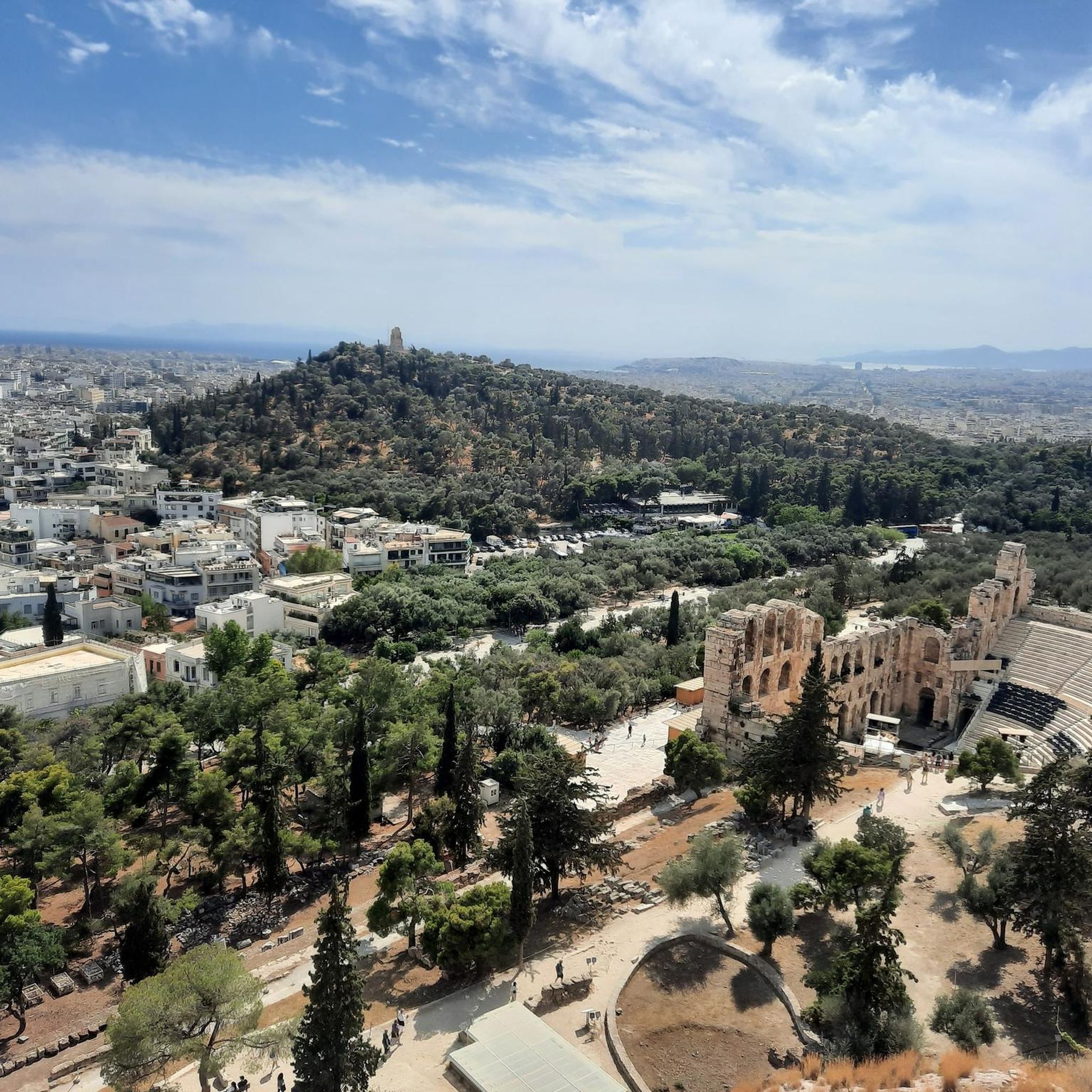
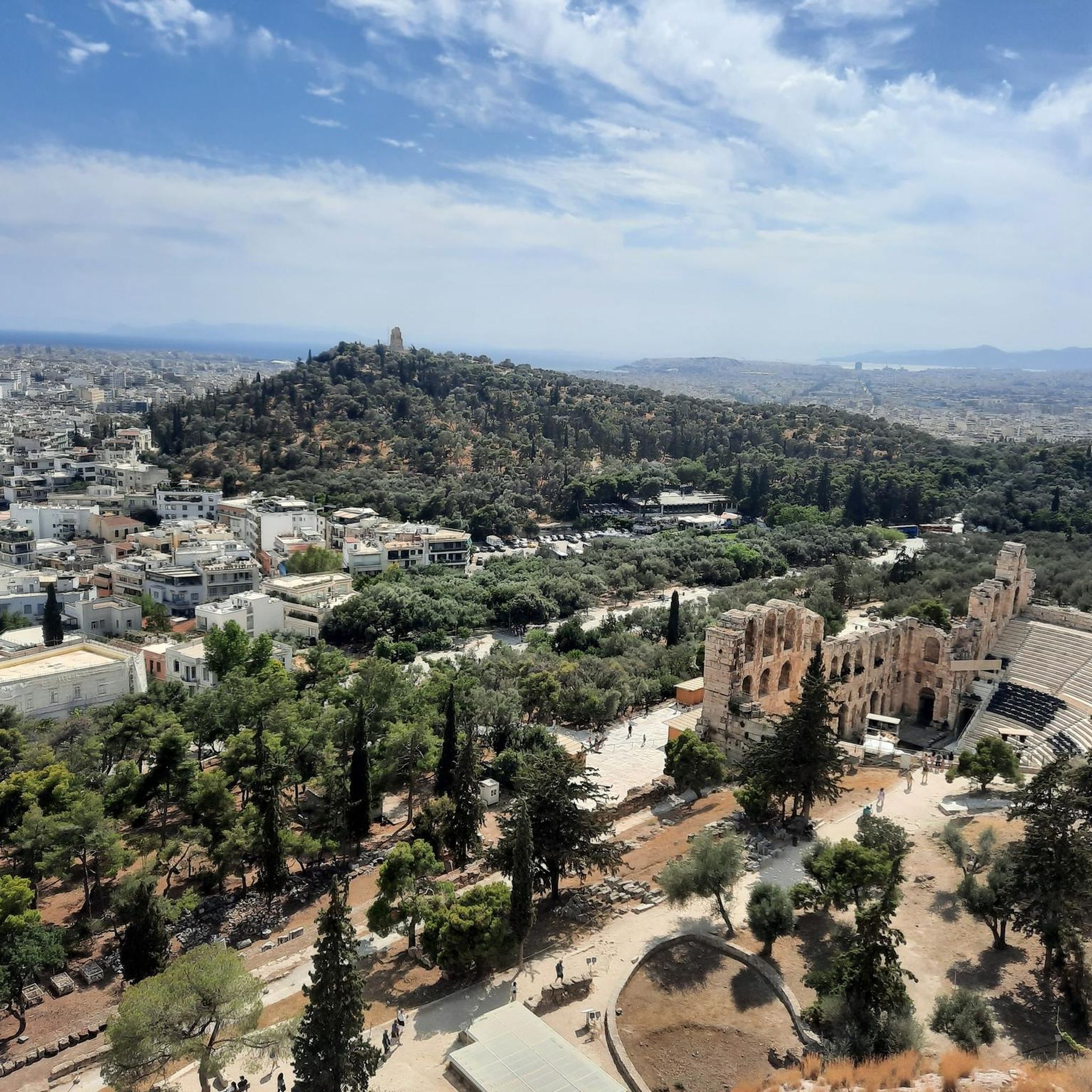
- Visitors also love Philopappos Hill, a viewpoint offering views of the Acropolis. This green area provides a less crowded alternative for enjoying the scenery and historical monuments.
- Athens is known for its hills, lakes, and forest areas. These include viewpoints offering panoramic cityscapes and historical sites integrated into the natural environment.
- The natural monuments around Athens are appreciated by the komoot community, with more than 100 upvotes and 48 photos shared across 10 highlights.
Last updated: October 13, 2026
Kaisariani Monastery Spring
Highlight • Natural
Tip by

Vouliagméni Lake 🏊
Highlight • Lake
Millions of years ago, the lake was located inside a huge cave and was fed by numerous hot springs and seawater. Following an earthquake in the area, the roof of the cave collapsed, leaving the lake as it is today.
The lake covers an area of two hectares and the water level is 50cm higher than the local sea level. The lake is thought to be 50-100 meters deep and because it is still fed by hot springs and seawater, there is a distinct current that can be felt in the water.
On the far side of the lake there is a rocky cliff face with a cave entrance which leads in to an extensive cave system with 14 tunnels covering 3,123 metres. So far, explorations have not found the furthest point of the rocky labyrinth.
One of the tunnels is 800 meters in length – making it the longest of its kind in the world. This tunnel has a huge stalagmite which has raised questions amongst geologists about the formation of cave and the whole Mediterranean area.
Tip by

Sign up now to discover places like this
Get recommendations on the best single tracks, peaks, & plenty of other exciting outdoor places.
Mount Hymettus
Highlight • Natural Monument
Tip by

Philopappos Hill
Highlight • Viewpoint
Tip by

Korakovouni Summit Cairn
Highlight • Summit
Translated by Google •
Tip by

Sign up for free to discover even more natural monuments around Athens.
Already have an account?
Start today with a free account
Your next adventure awaits.
Other adventures around Athens

Tips from the Community


Certainly the most atmospheric and impressive old monastery on the Attica peninsula, a visit to which can be combined with a beautiful hike.
1
0

You can go here from several places: from the monastery of Kessariani, from the monastery of Saint John Kynegos, from Papagos and from Paiania.
0
0
Mount Immitos is one of the best places near Athens for hiking.
0
0

A wonderful place on the outskirts of Athens. A good starting or finishing point for a circular hike on the paths around the monastery and towards the peaks. Parking is limited, however. Another alternative is the car park further up the road at the fire brigade observation tower.
2
0
There are several hiking trails leading to this peak. In spring and summer it can get very hot as there are few trees to provide shade. The terrain is very rocky and steep in places. Good footwear and surefootedness are recommended. The view of Athens and the surrounding area is fantastic.
0
0
Ymittos is a mountain of Attica. It is located on the eastern side of the Athens basin. It rises between the basin of Attica and the Mediterranean in a direction from N. to S. from the passage of Agios Ioannou to Kynigos ending above Voula and Vari. With a length of 23 kilometers and with its width varying from 4 to 6 kilometers it covers an area of 80,000 hectares. It has suffered devastating fires but continues to have green areas from continuous tree planting. From a geological point of view, Hymettos belongs to the Attic Cycladic zone. Its rocks contain limestones, shales, and large masses of marble and mica schists.
4
0

From the hill you have very beautiful views of the Acropolis and the surrounding city.
2
0
Frequently Asked Questions
What are some popular natural monuments to visit in Athens?
Athens offers a variety of natural monuments. For stunning panoramic city views, consider Mount Lycabettus, the highest point in central Athens, or Philopappos Hill, which provides excellent views of the Acropolis. For a unique geological experience, Vouliagméni Lake 🏊 is a thermal spa lake with an extensive cave system.
Are there family-friendly natural monuments in Athens?
Yes, several natural monuments are great for families. The National Garden, located in the city center, is a tranquil oasis with winding paths, small lakes, a playground, and a small zoo. Philopappos Hill is also suitable for families, offering green spaces for strolls and views of the Acropolis.
Which natural monuments offer the best panoramic views of Athens?
For breathtaking panoramic views, Mount Lycabettus is unparalleled, offering vistas of the entire city, the Acropolis, and the Aegean Sea. Philopappos Hill and Areopagus Hill also provide fantastic perspectives of the Acropolis and the surrounding Athenian metropolis, especially at sunset.
Are there natural monuments with significant historical importance?
Absolutely. Many natural sites in Athens are deeply intertwined with history. Areopagus Hill, a rocky outcrop near the Acropolis, was the site of the ancient Athenian Supreme Court and where Apostle Paul delivered a sermon. Pnyx Hill is globally significant as the meeting place of the Athenian *ekklesia*, considered the birthplace of democracy. Philopappos Hill also features the Philopappos Monument and remnants of ancient streets.
What kind of natural features can I expect to see around Athens?
Around Athens, you can expect a diverse landscape. This includes limestone hills like Mount Lycabettus and Mount Hymettus, offering forests and trails. There are also unique geological formations such as Vouliagméni Lake 🏊, a thermal lake with an extensive cave system. Green spaces like the National Garden provide lush environments within the city.
Are there hiking opportunities around Athens' natural monuments?
Yes, Athens offers numerous hiking opportunities. Mount Hymettus is known as one of the best places near Athens for hiking, with trails through its green areas. For a challenging hike with fantastic views, consider the trails leading to Korakovouni Summit Cairn. You can find more hiking routes in the Hiking around Athens guide.
What outdoor activities can I do near Athens' natural monuments?
Beyond exploring the monuments themselves, you can enjoy various outdoor activities. Hiking is popular on hills like Mount Hymettus. Cycling routes are available, including those that pass by natural areas. For more ideas, check out the Running Trails around Athens and Cycling around Athens guides.
Where can I find a peaceful natural escape within the city?
The National Garden offers a tranquil oasis right in the heart of Athens, next to the Parliament building. It features winding paths, diverse vegetation, and shaded areas perfect for relaxation. Mount Lycabettus also provides a peaceful escape from the bustling city below, especially on its walking paths.
What makes Kaisariani Monastery Spring a notable natural monument?
Kaisariani Monastery Spring is an easily accessible natural site, particularly by bike on an asphalt road with little traffic. It features a charming basilica and paths for exploration, offering a blend of natural beauty and historical architecture.
What is the best time to visit Athens' natural monuments?
The best time to visit Athens' natural monuments is typically during spring (April-May) and autumn (September-October) when the weather is mild and pleasant for outdoor activities. Sunset is particularly spectacular from viewpoints like Mount Lycabettus and Areopagus Hill, as the city lights begin to twinkle.
Are there any natural monuments that are easily accessible within the city center?
Yes, several natural monuments are very accessible. The National Garden is centrally located. Philopappos Hill, Areopagus Hill, and Pnyx Hill are all within walking distance of the Acropolis and offer green spaces and historical significance without needing to travel far from the city center.
Most popular routes around Athens
Most popular attractions around Athens

Get inspired with the komoot mobile app


